Featured
Fuel cells
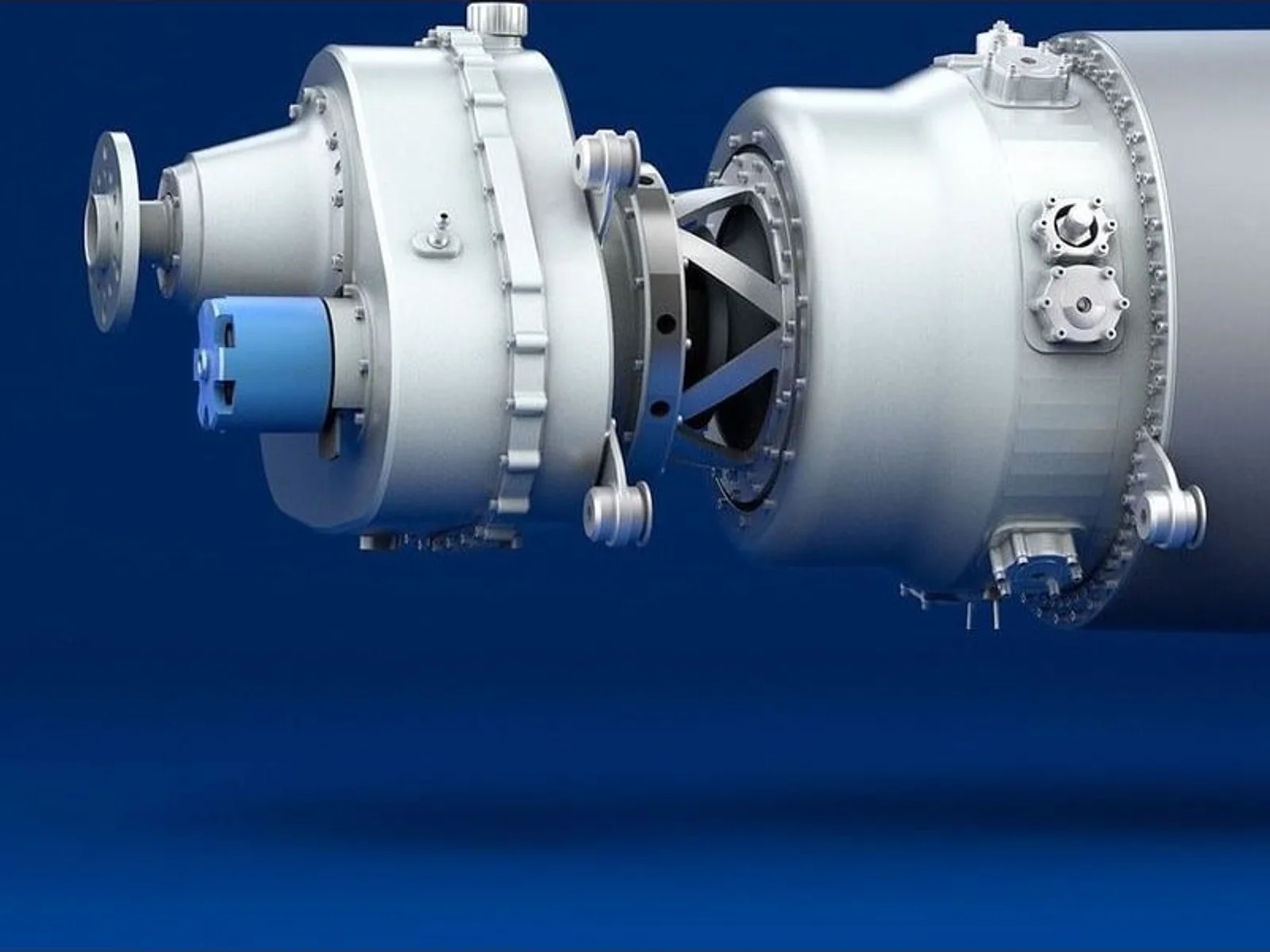
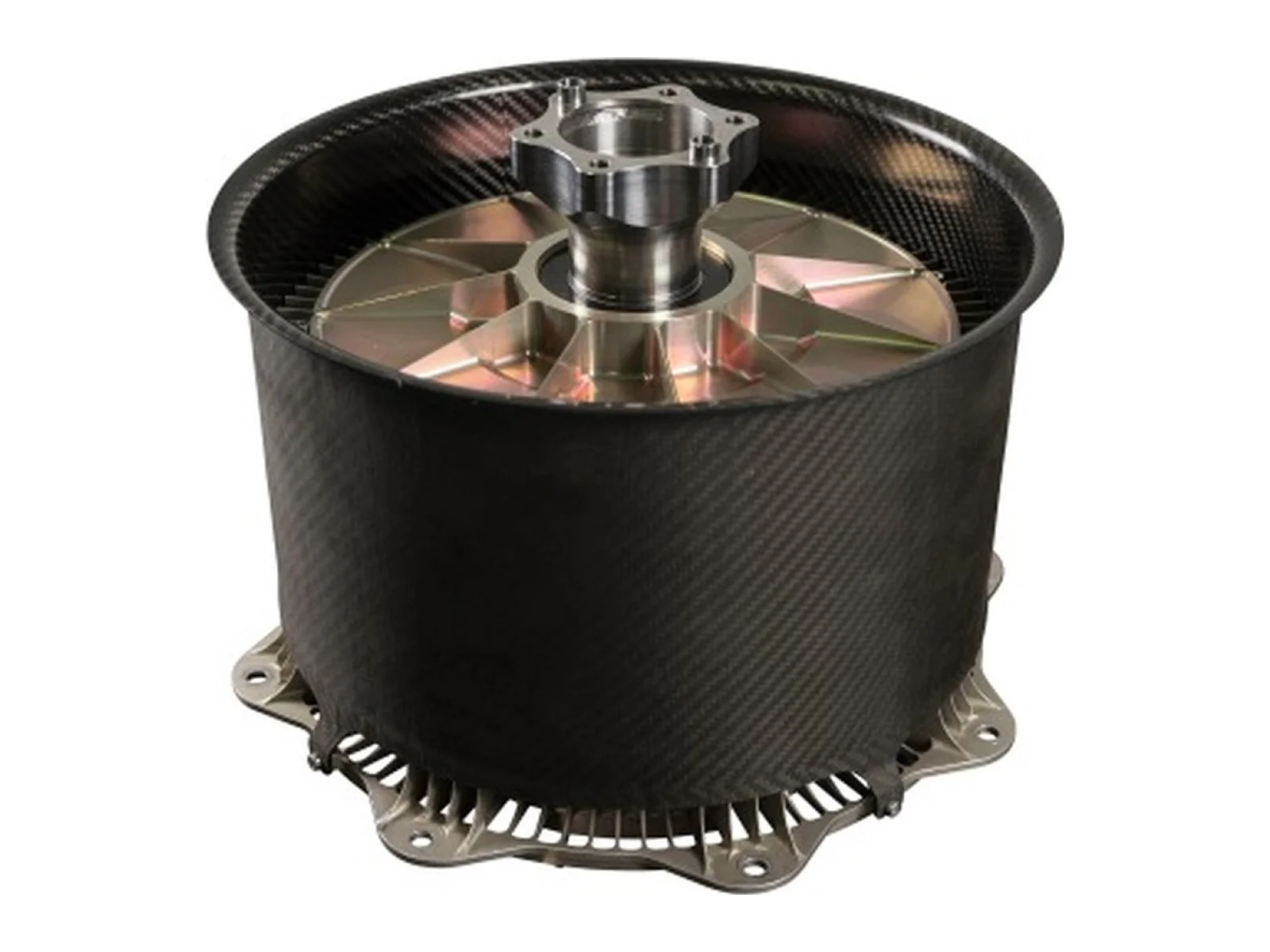
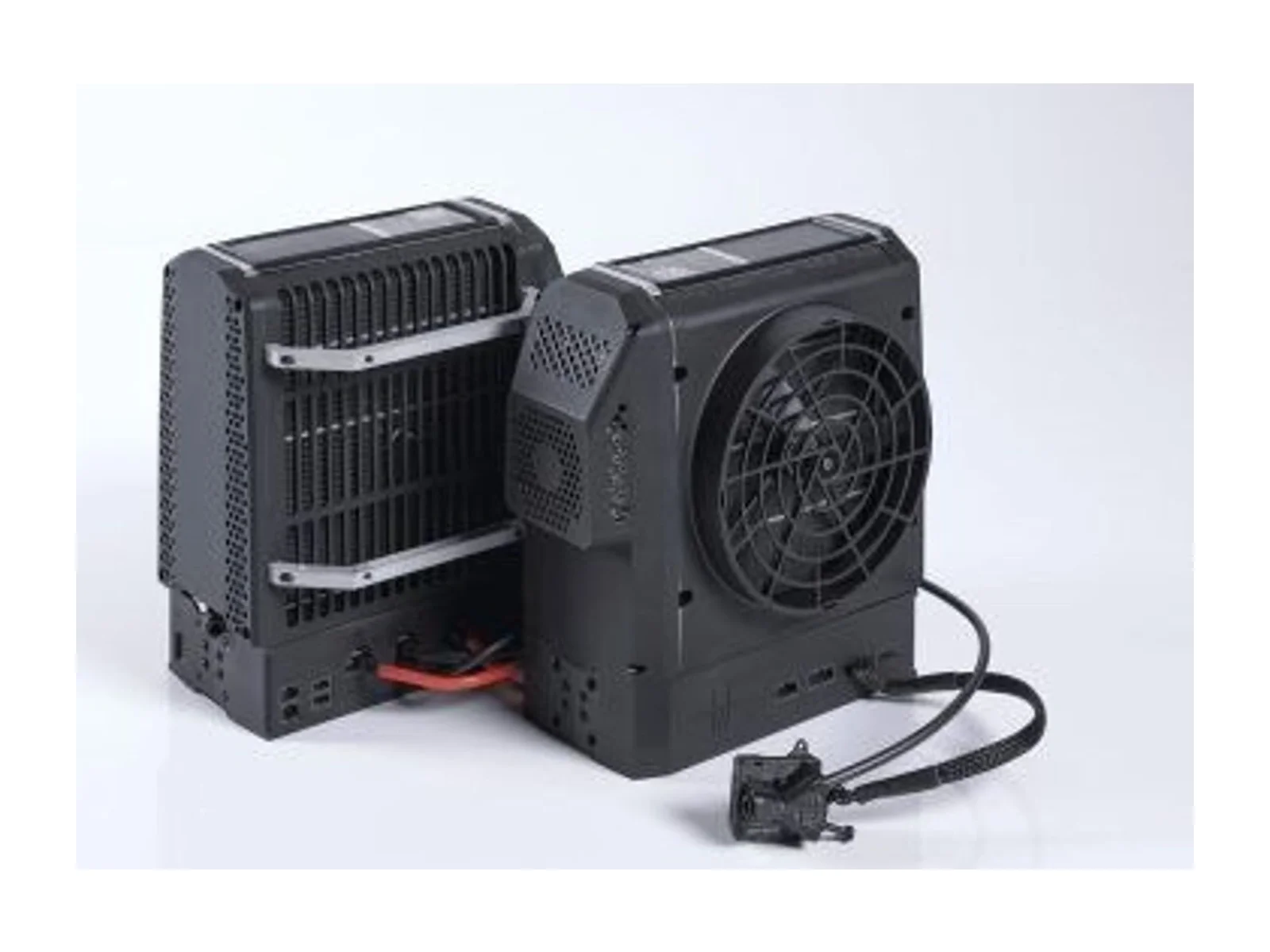
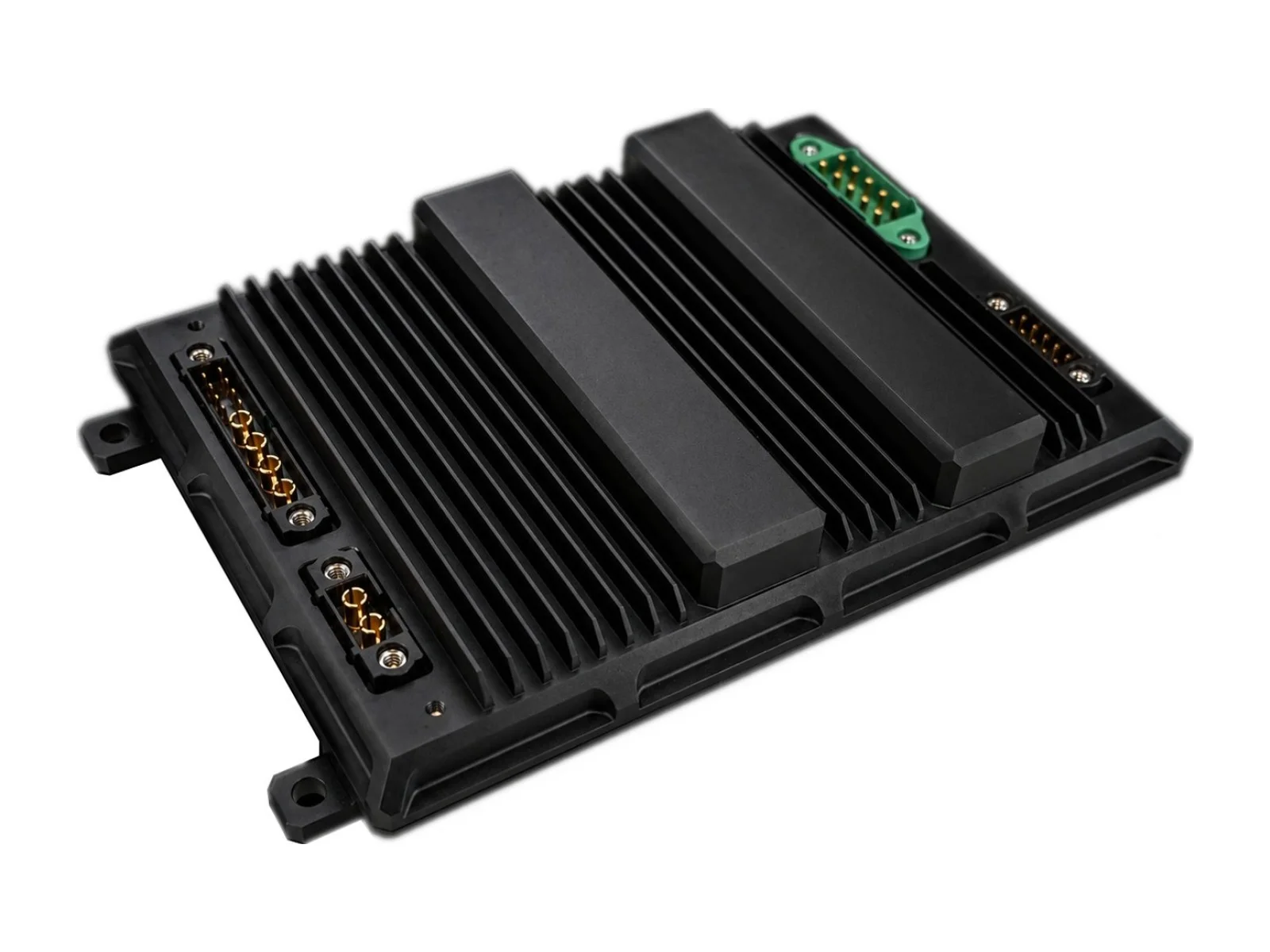
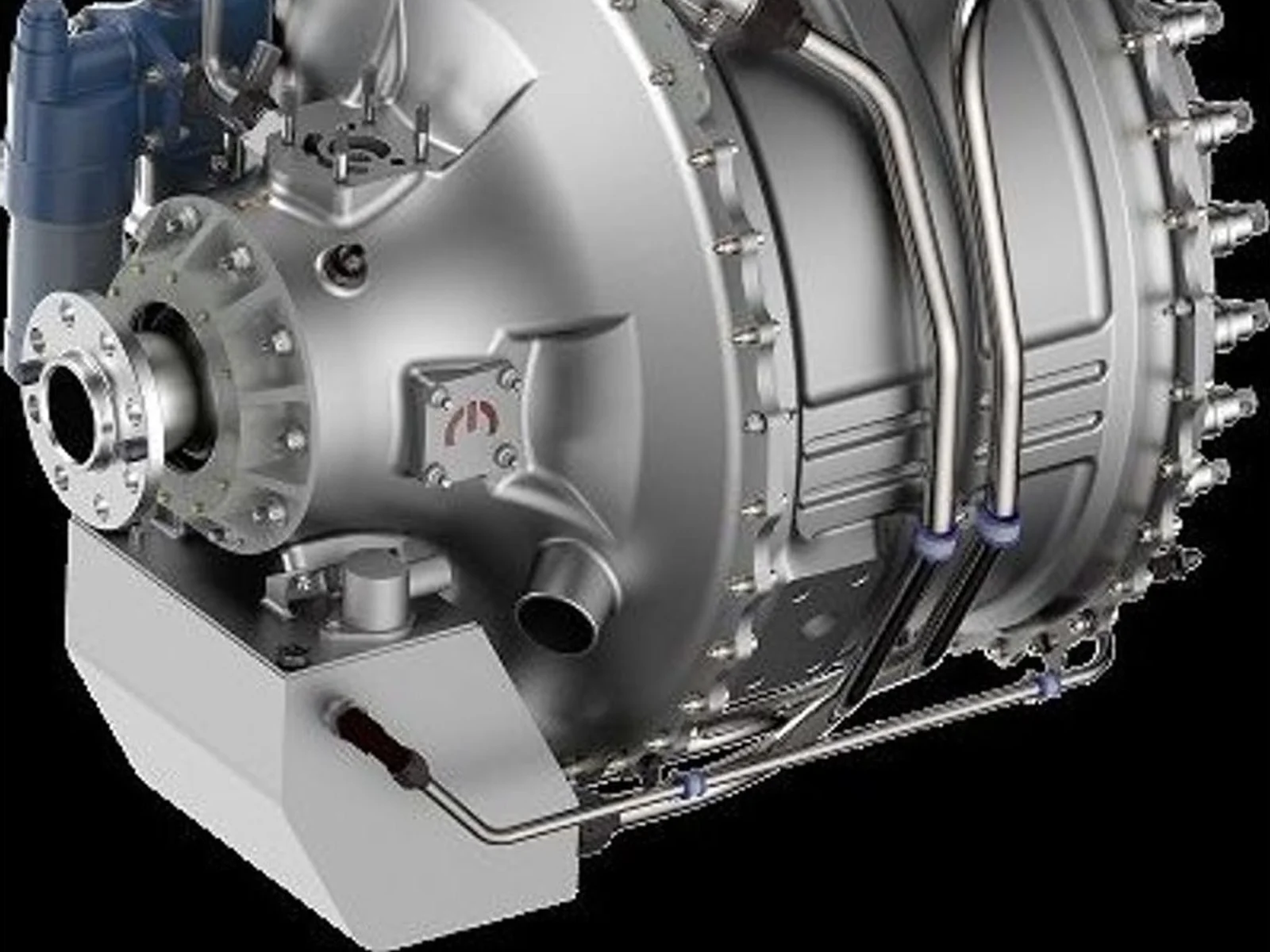
IE-DRIVE HD100 heavy-duty PEM fuel cell system
- Continuous power
- 100 kW
- Output voltage
- 250 – 400 V
- Grade
- Professional
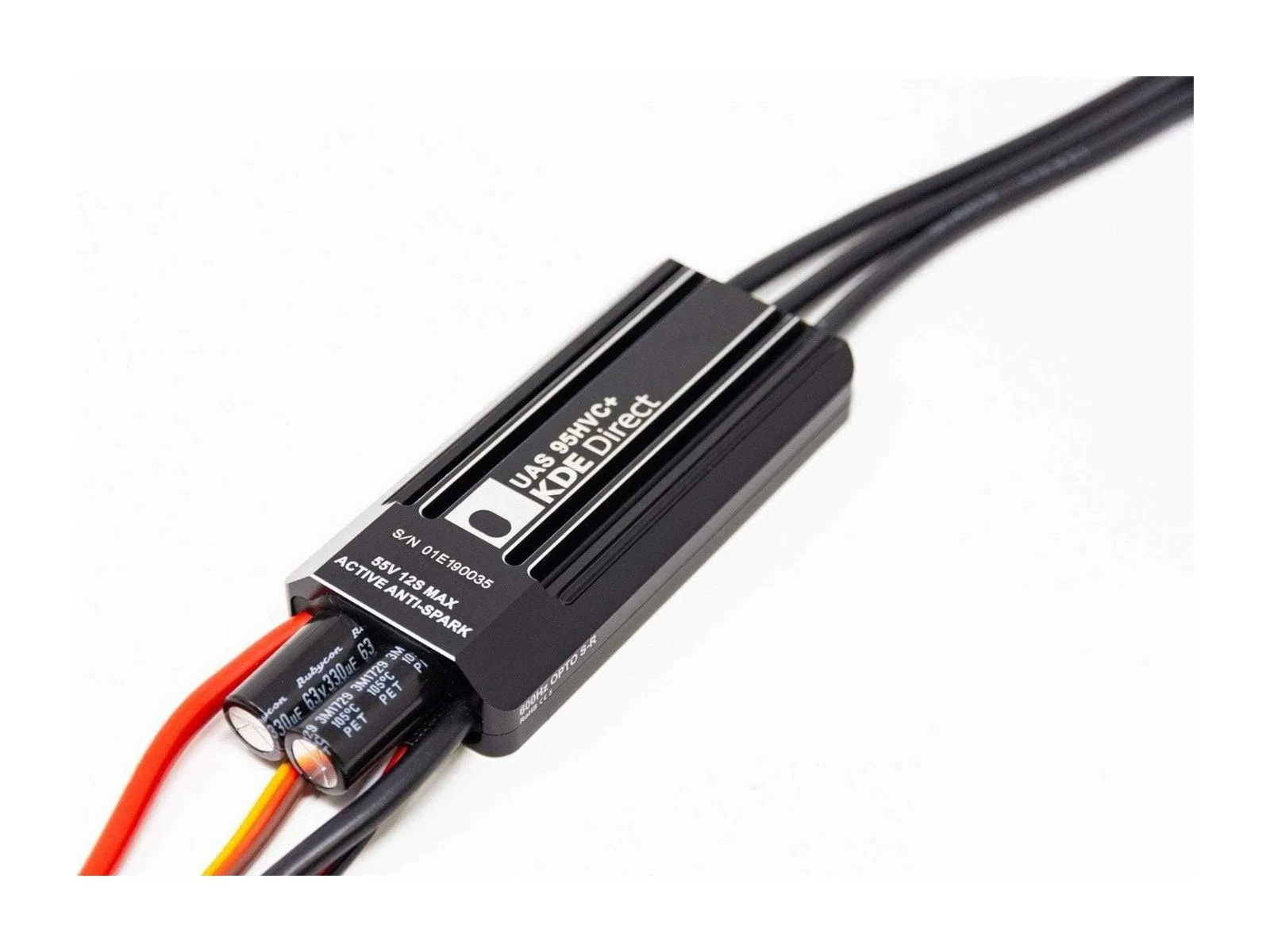
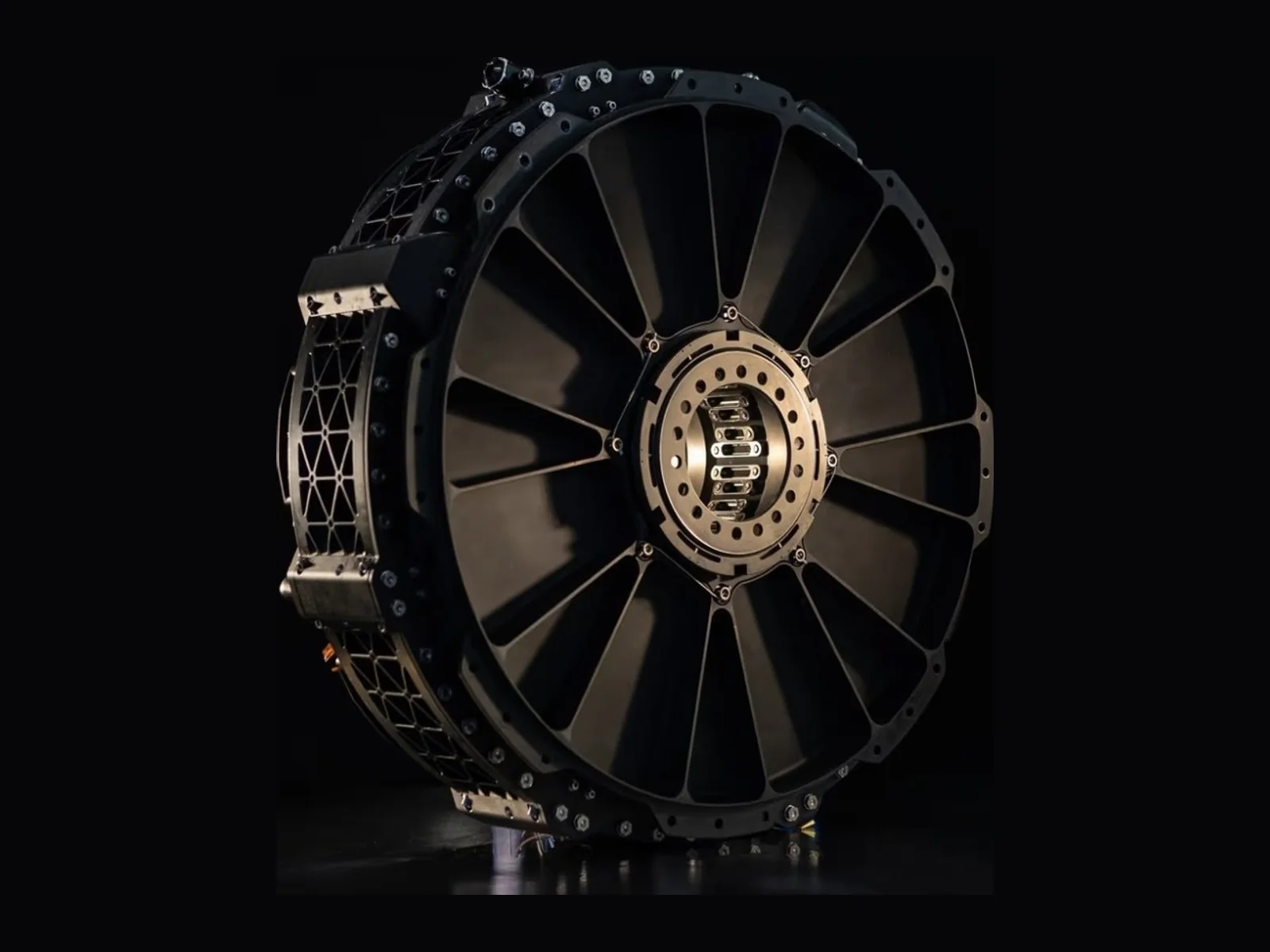
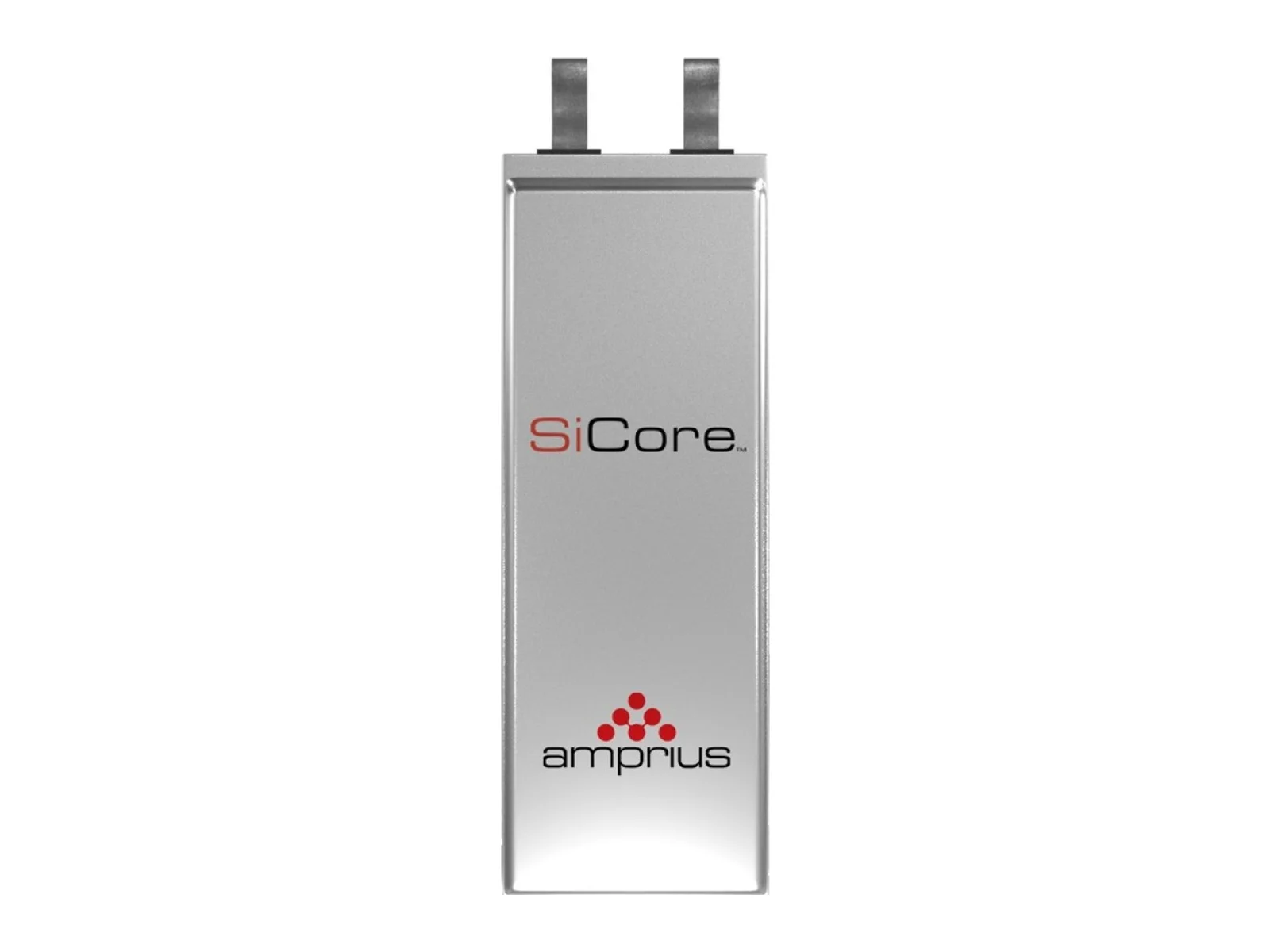
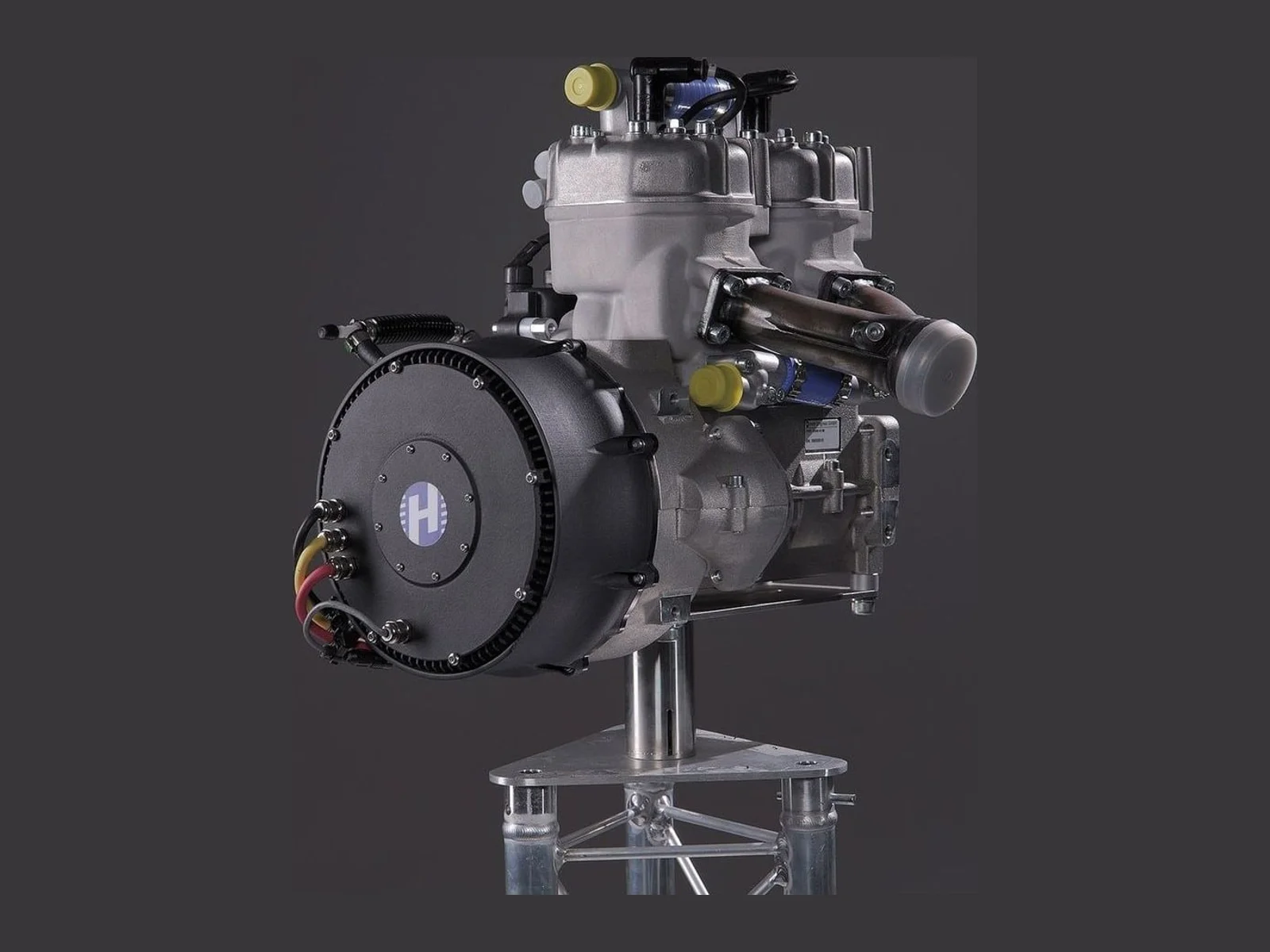
The whole power chain, from the energy source to the propeller. Motors, engines, ESCs, batteries, fuel cells and propellers for professional drones and electric air taxis. Compare power, weight and efficiency across manufacturers.
Filters


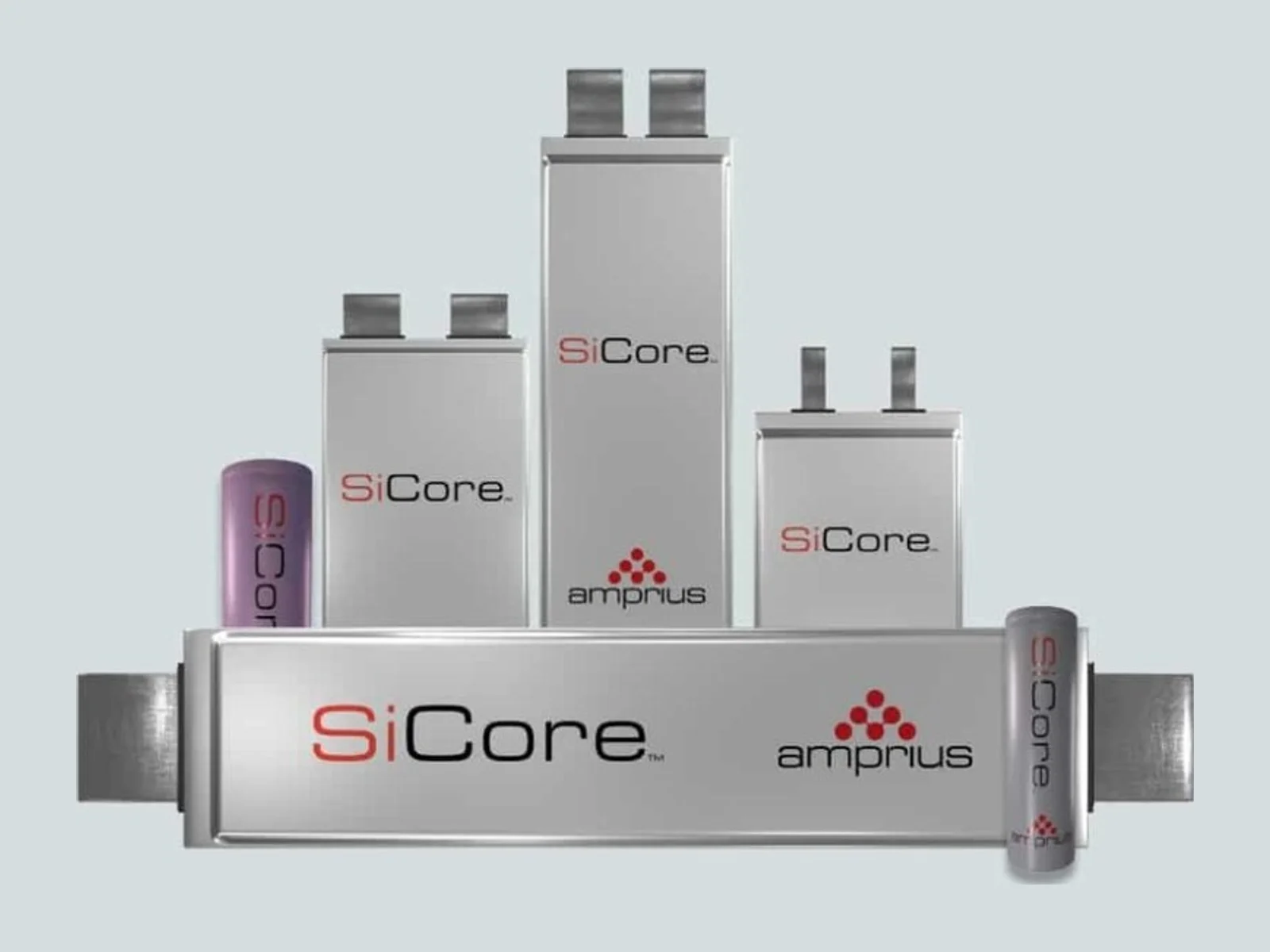
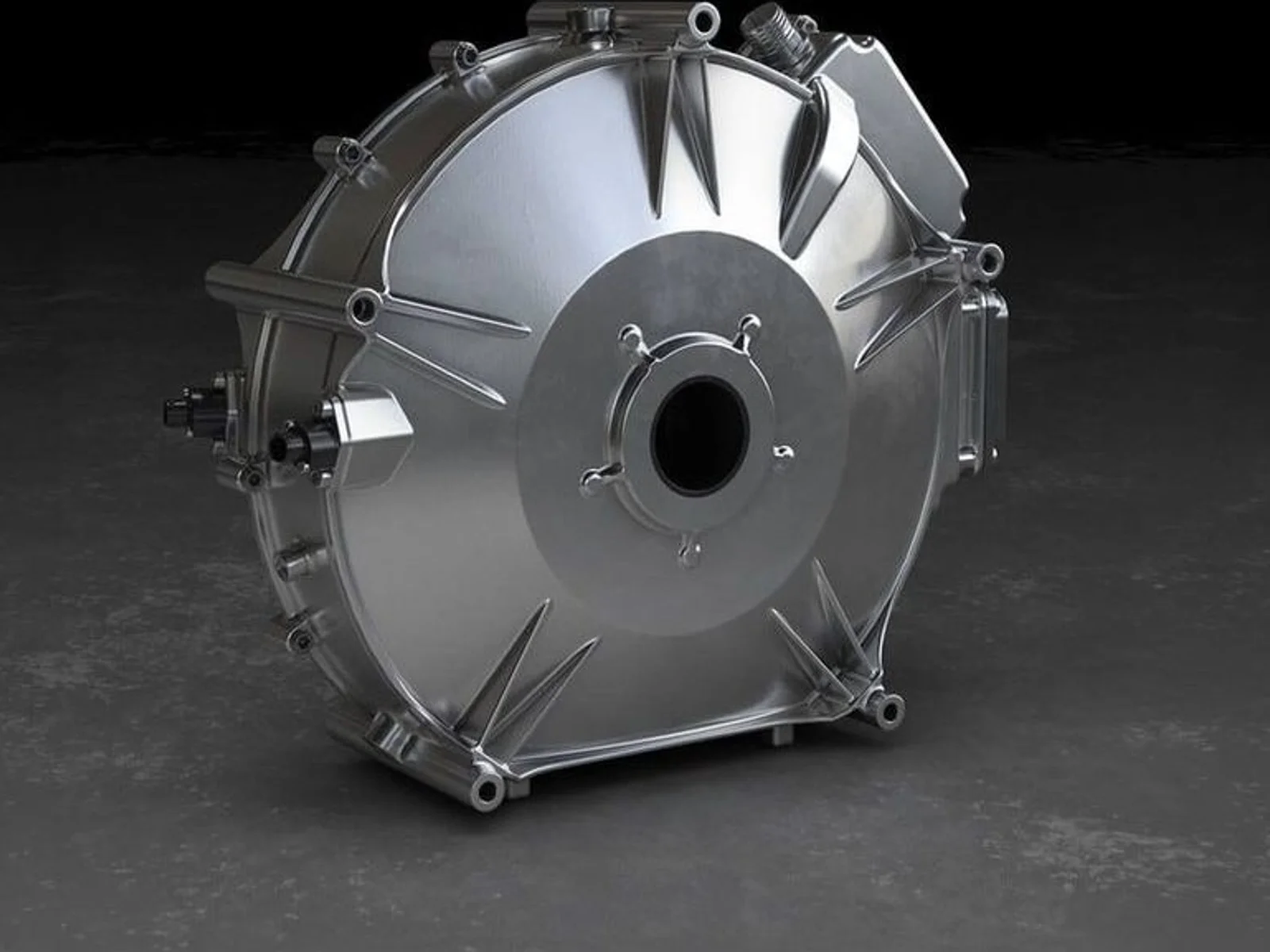
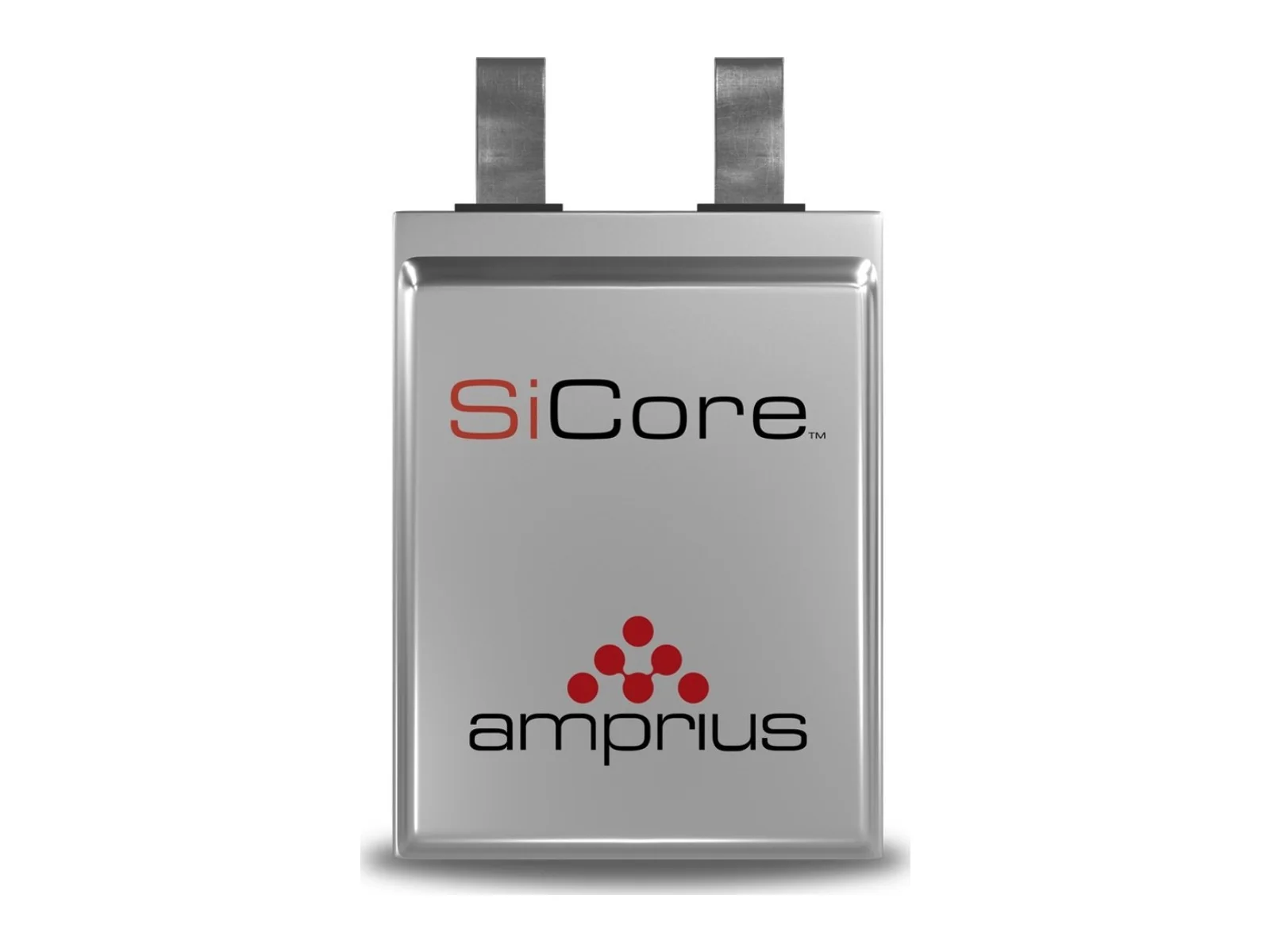
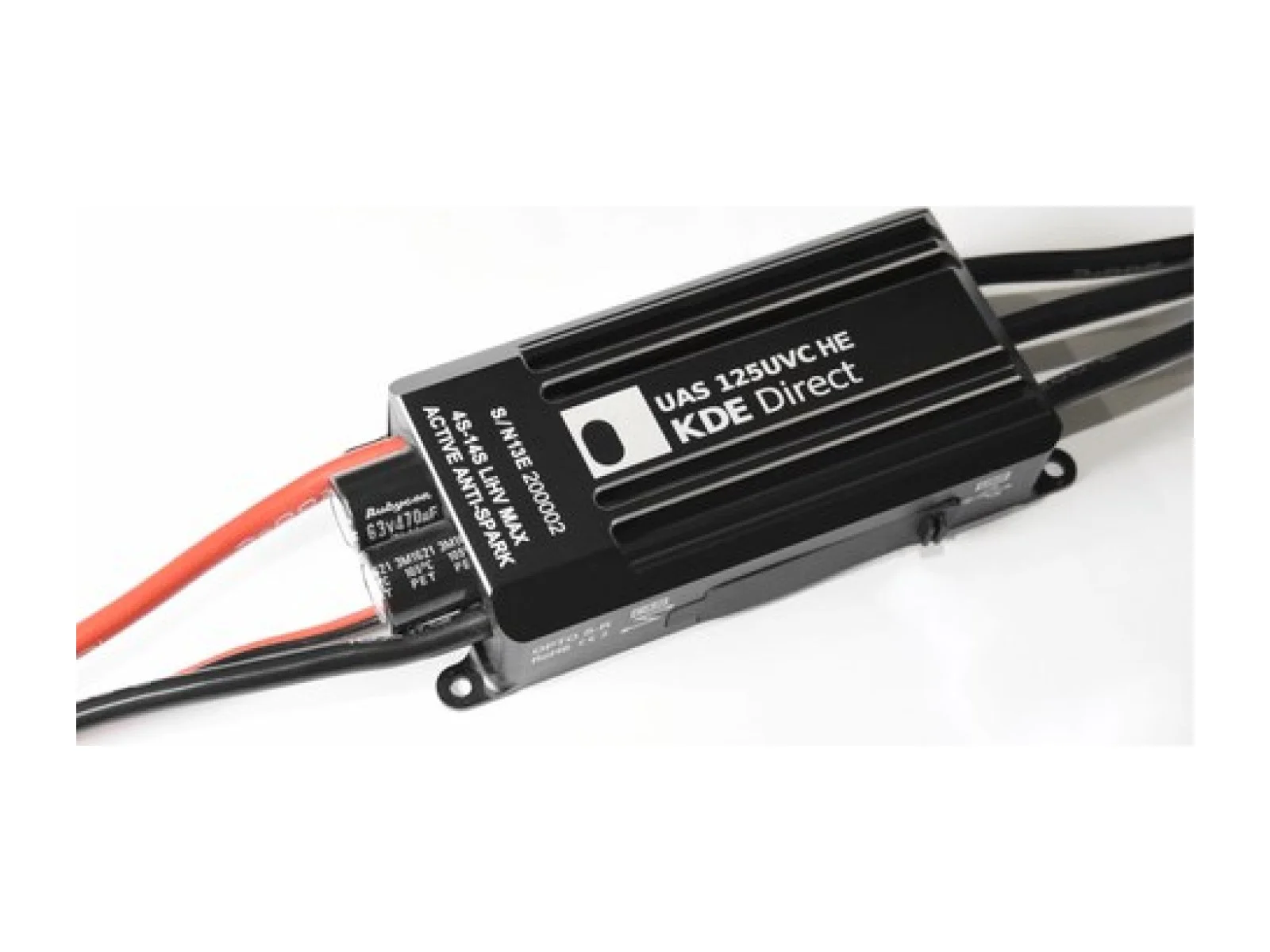
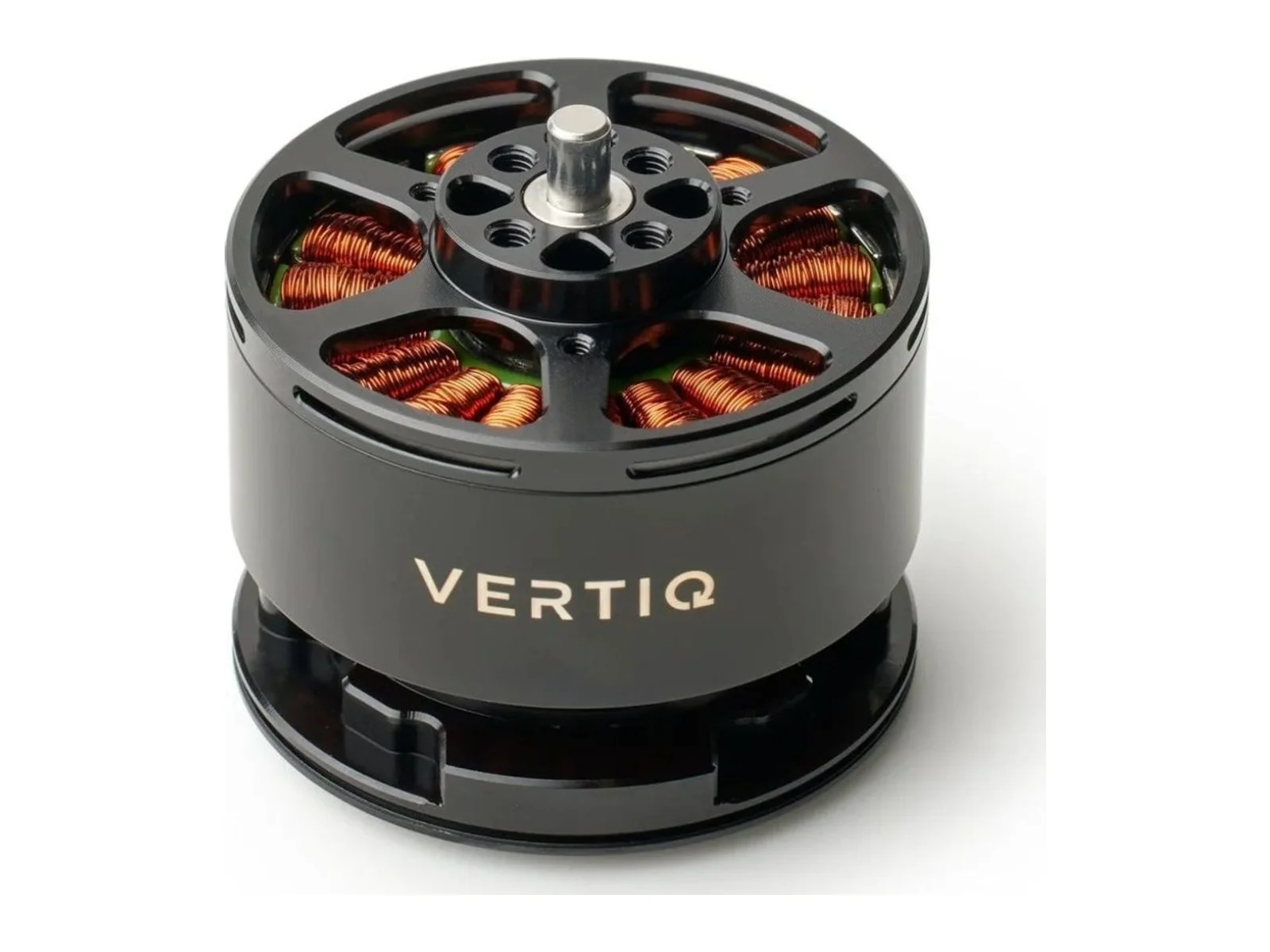
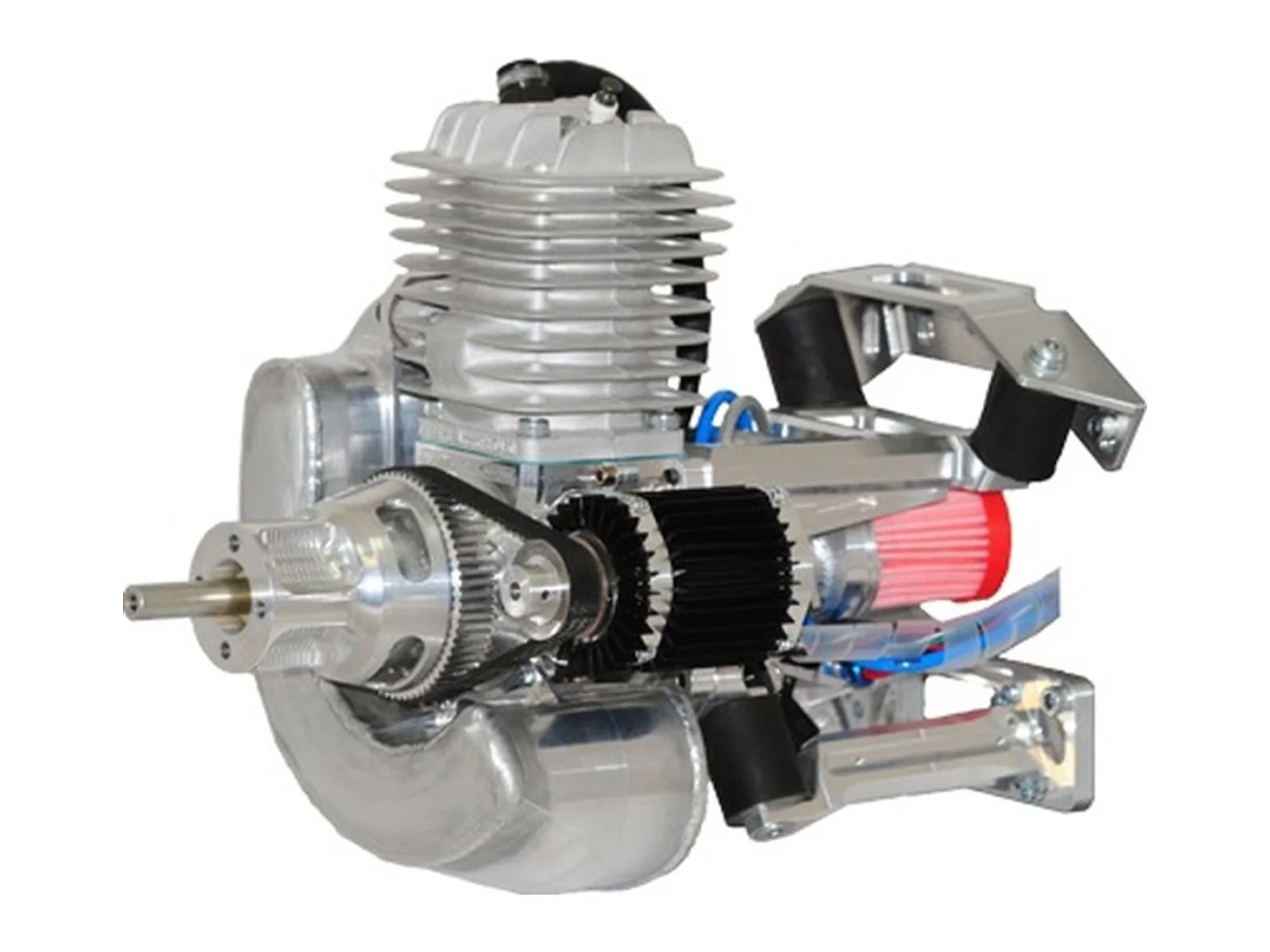
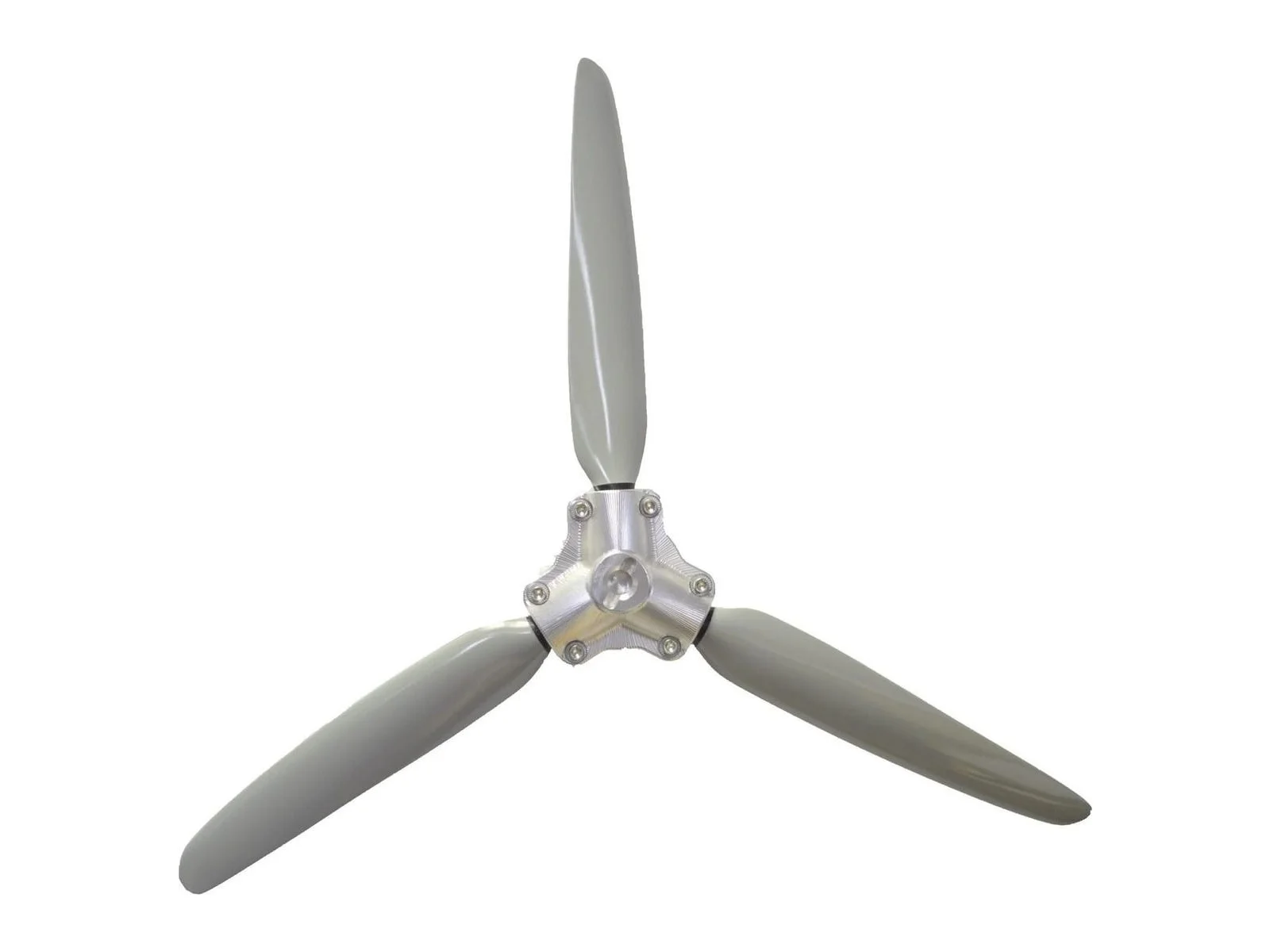
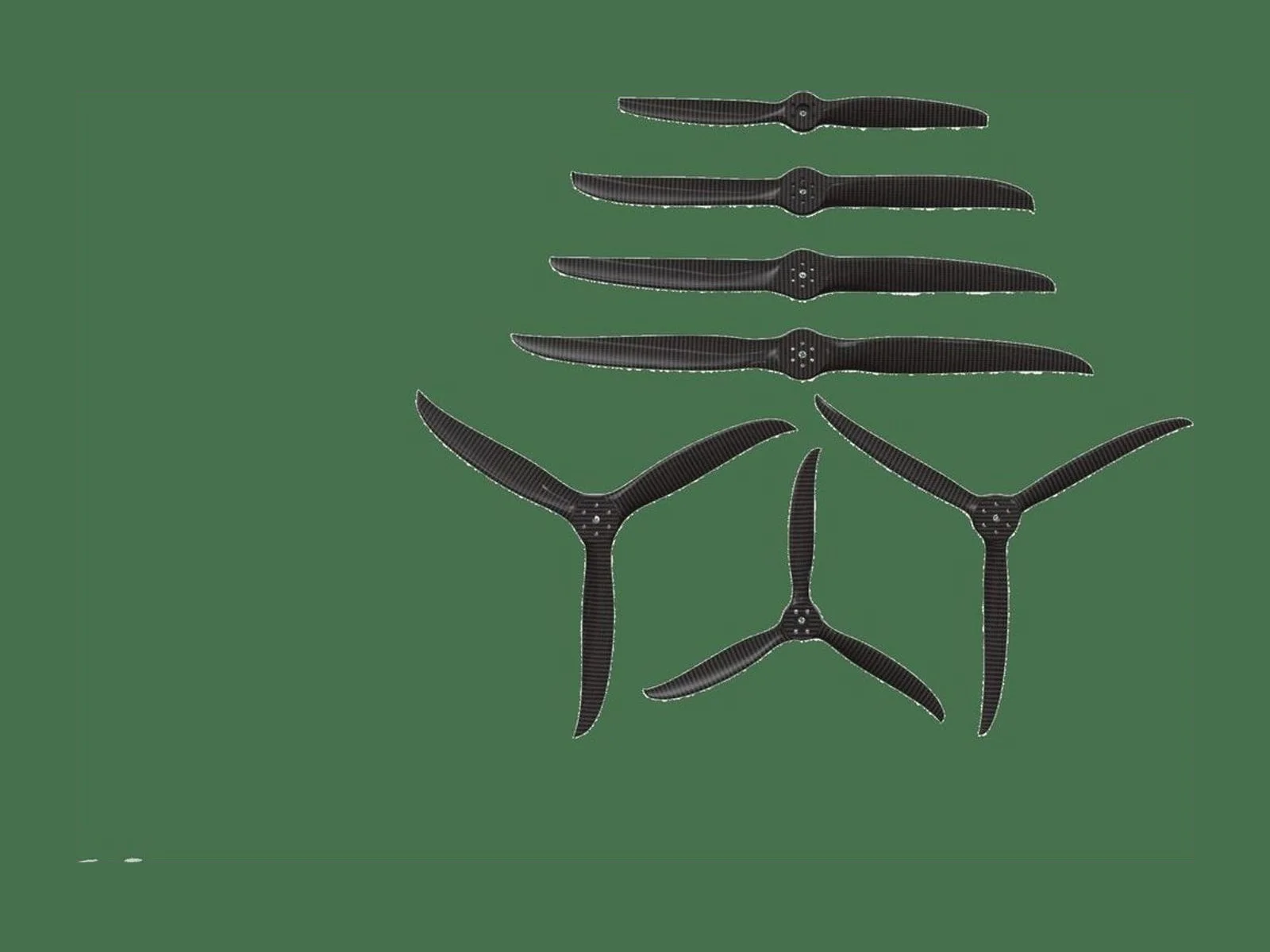
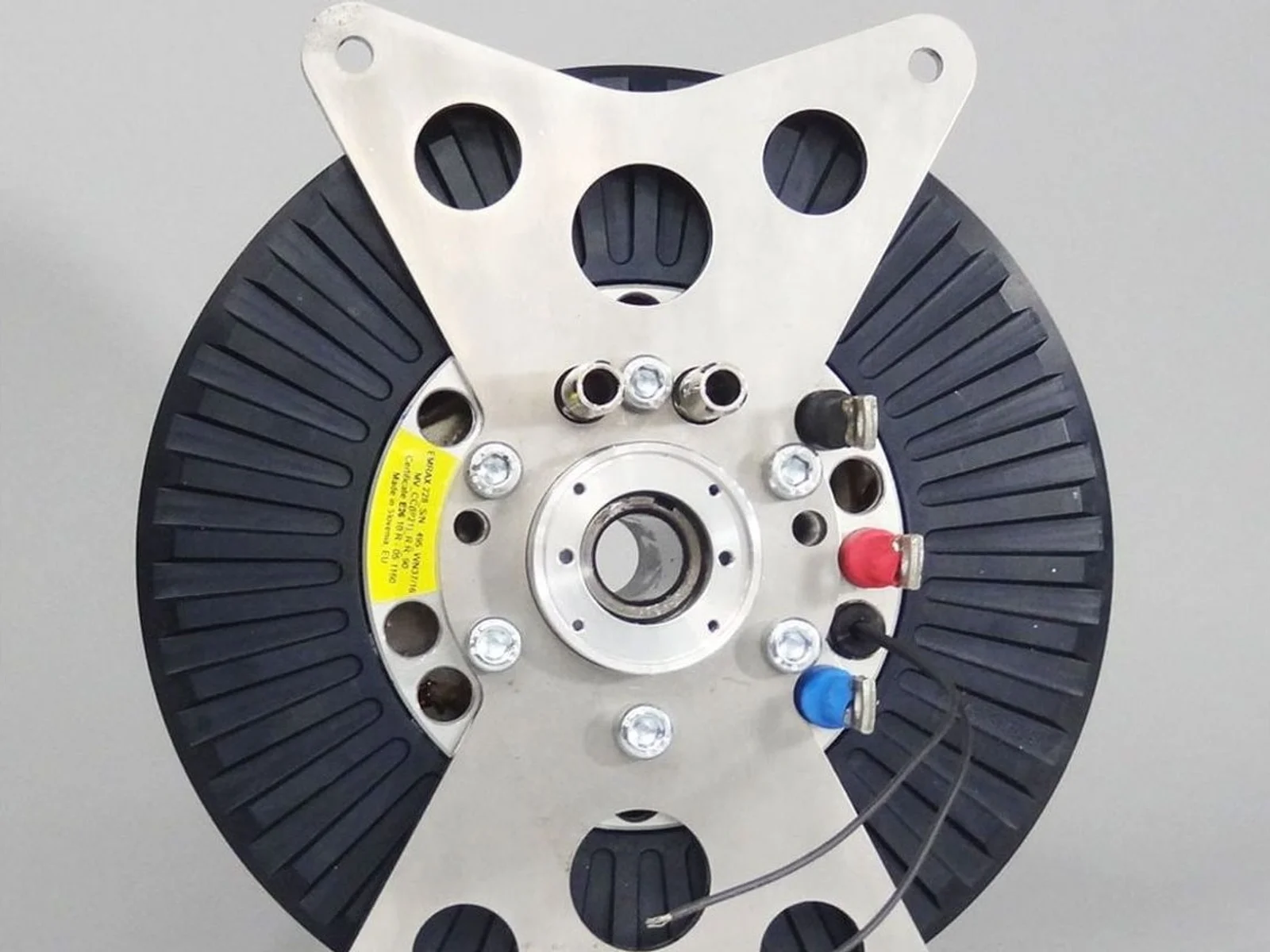
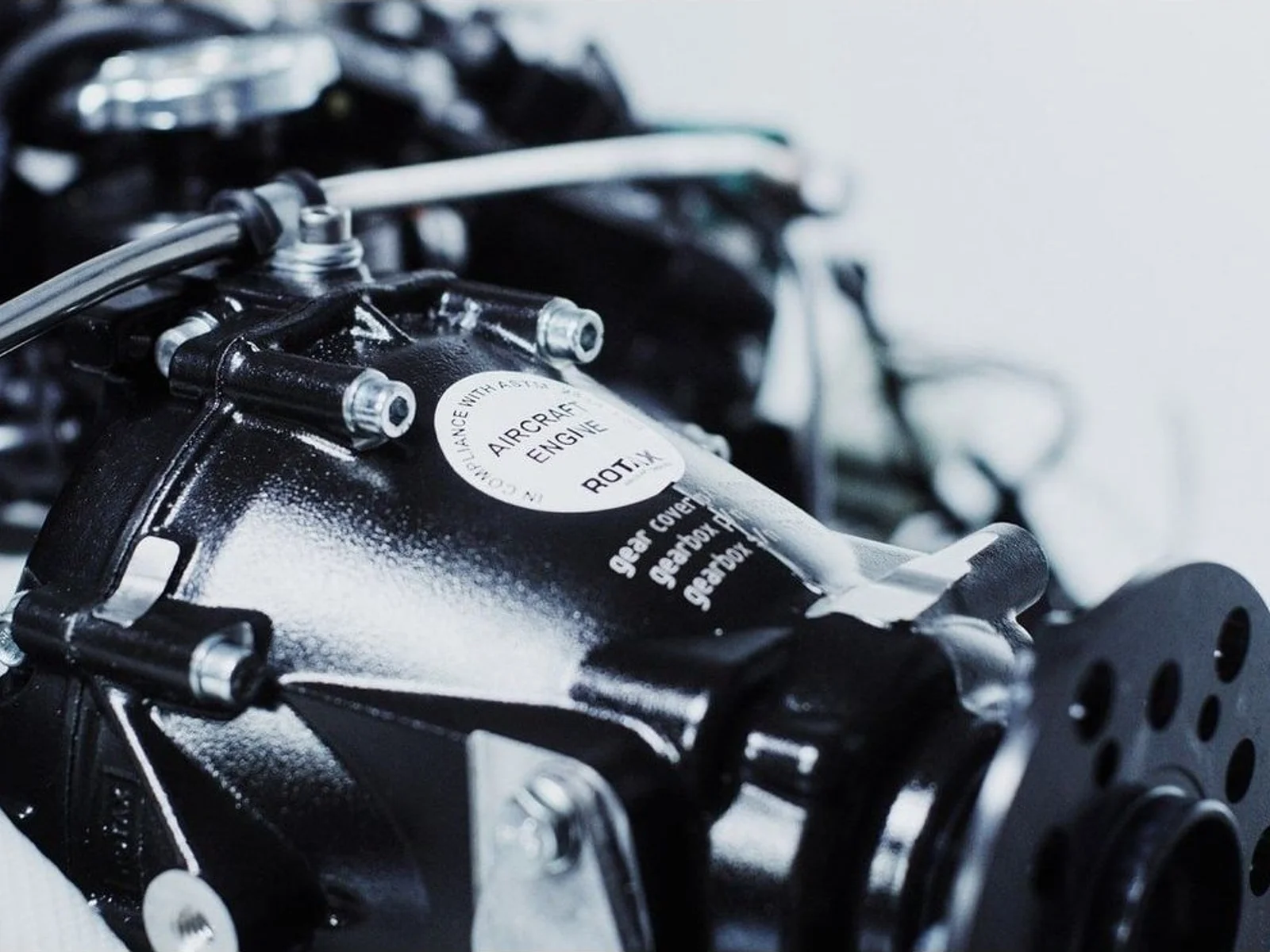
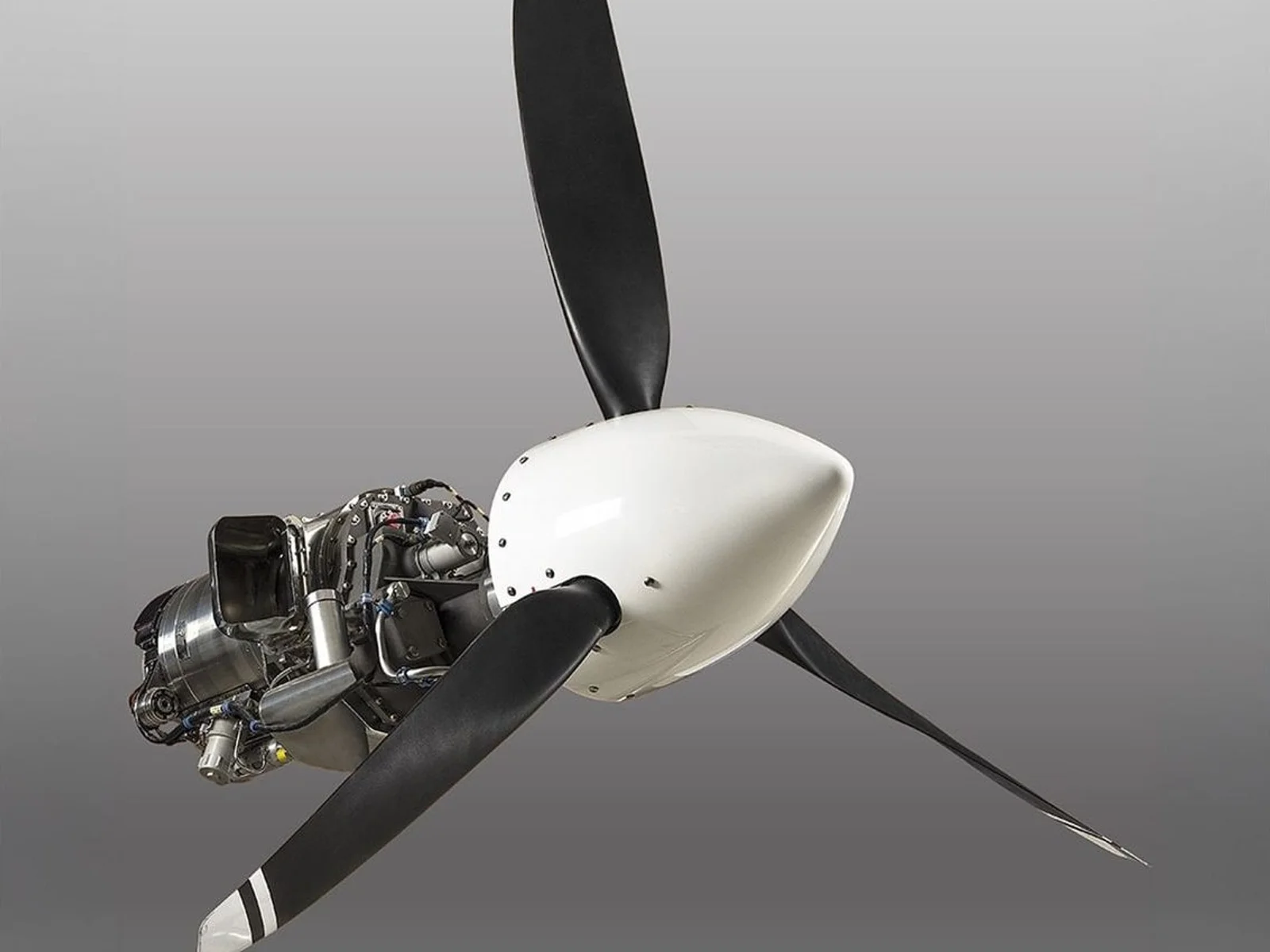
Try removing a filter.



Updated November 3, 2026
The propulsion system is the largest single driver of an aircraft’s mass, range and certification effort. It is never one component: it is a chain that starts at the energy source and ends at the propeller or rotor, and every link has to be sized against the others. This page brings together every part of that chain listed on NomyParts.
| Link | What it does | Subcategory |
|---|---|---|
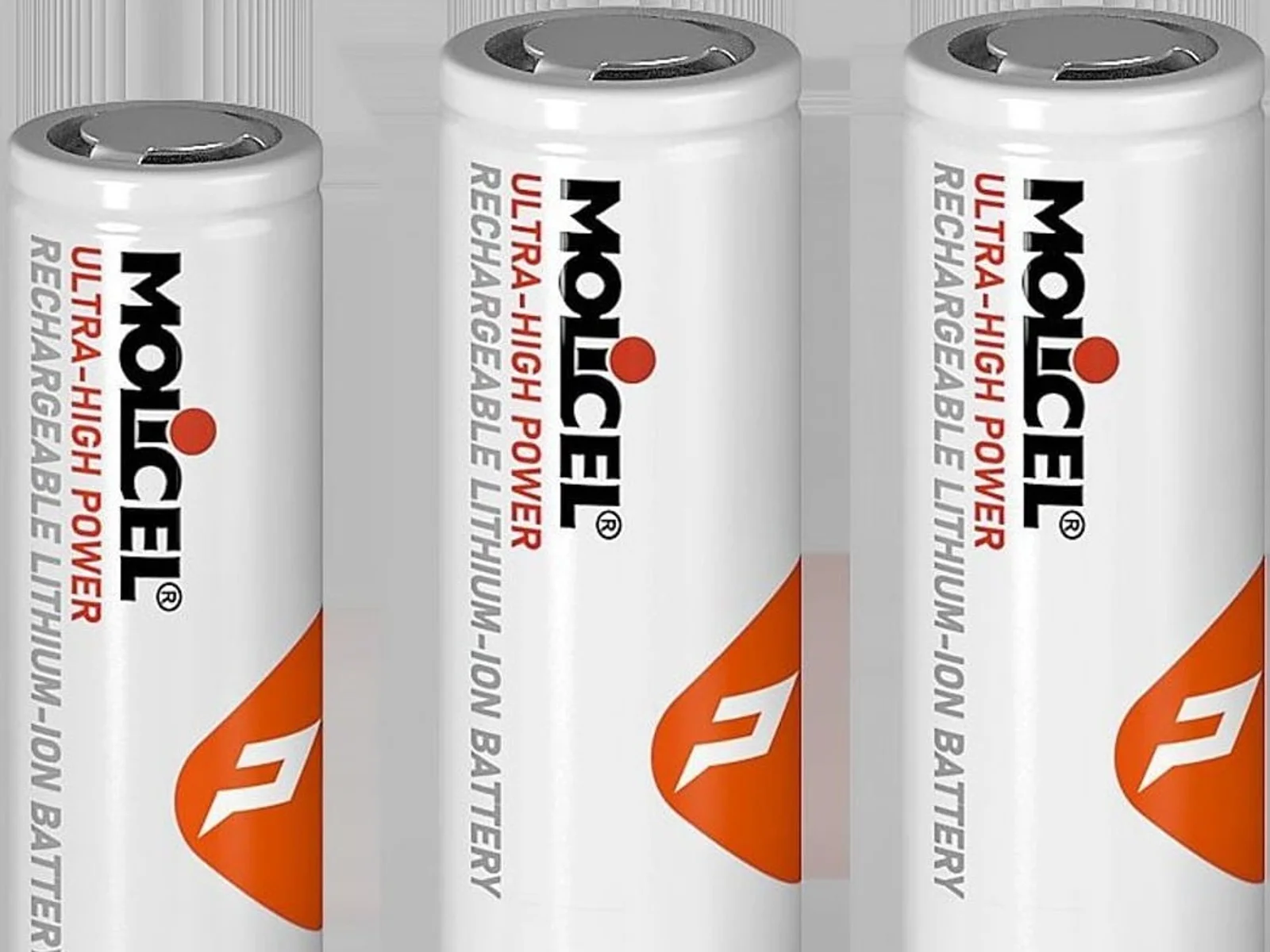
| Energy source | Stores the energy on board | Batteries, hydrogen fuel cells, fuel for combustion engines |
| Power management | Distributes, protects and monitors power | Power management units |
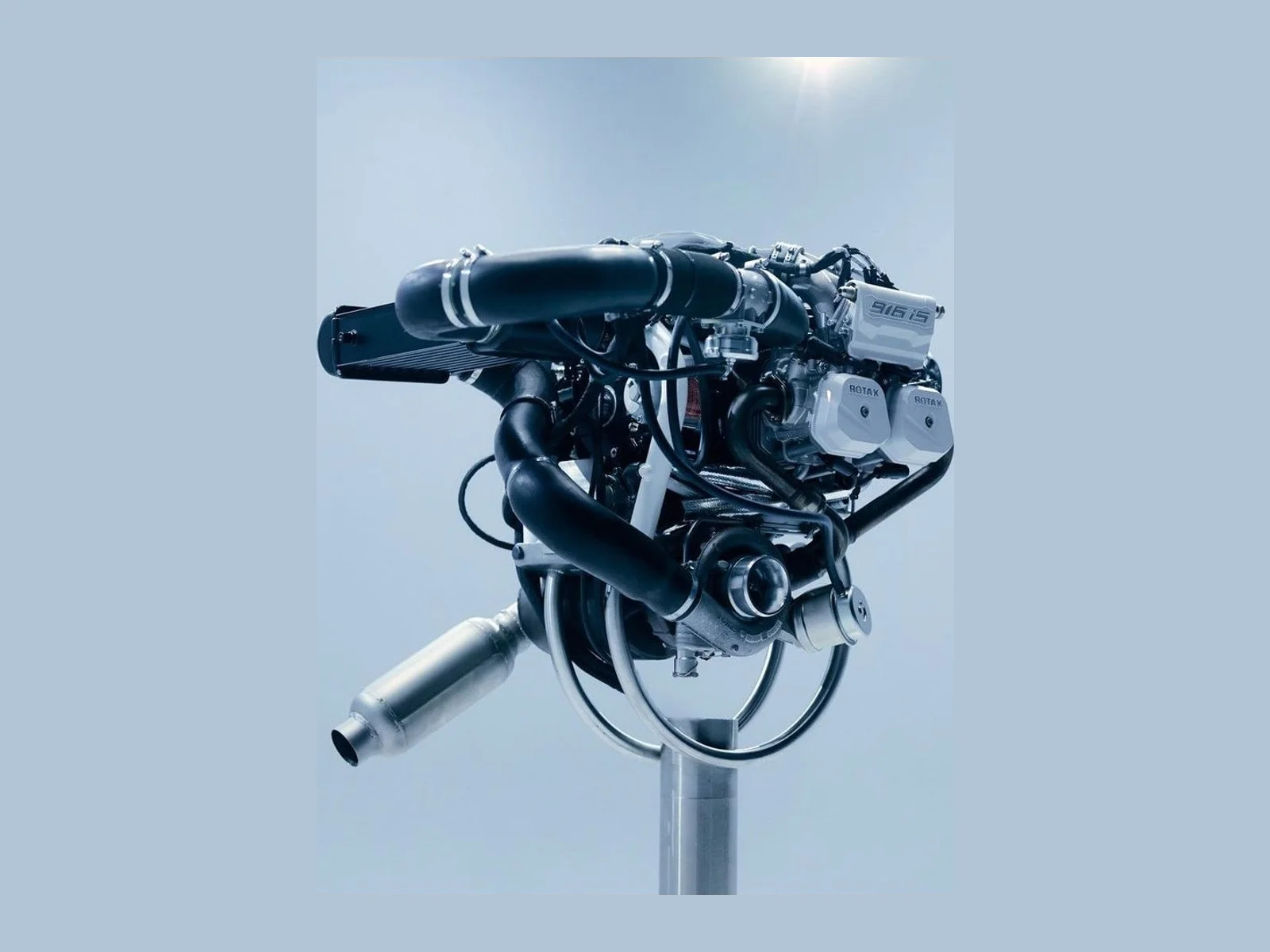
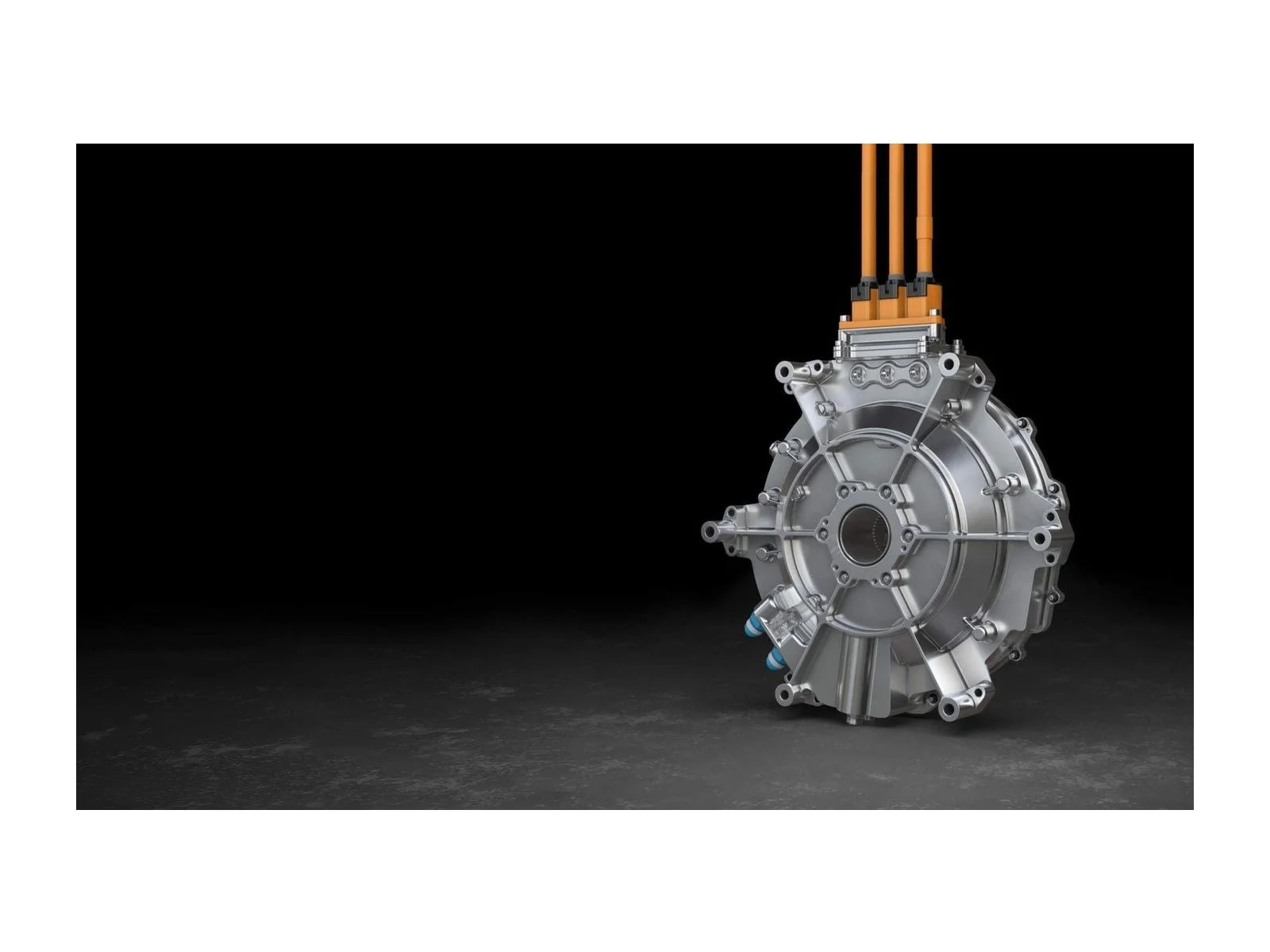
| Conversion | Turns electrical or chemical energy into shaft power | Electric motors, combustion engines |
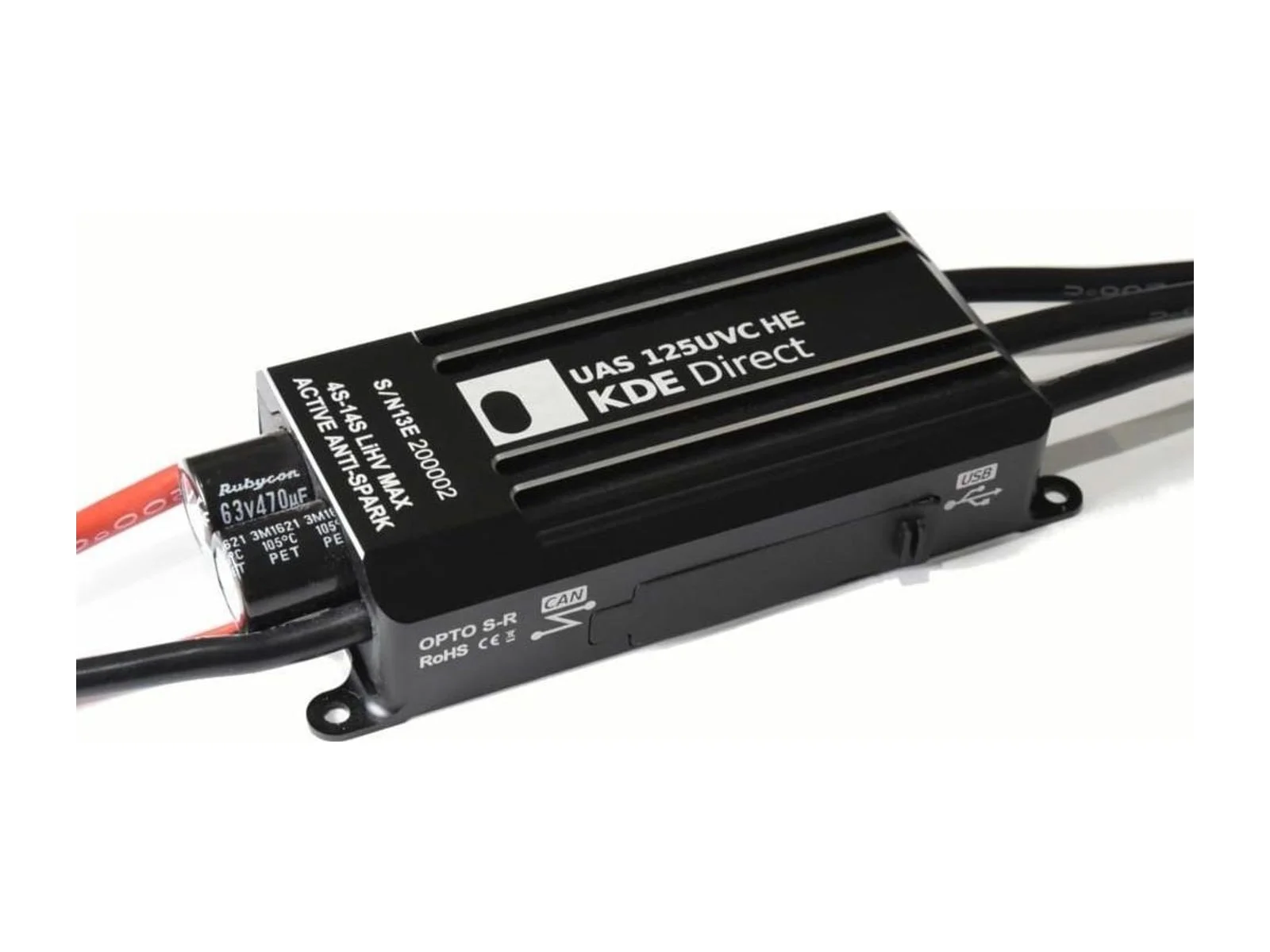
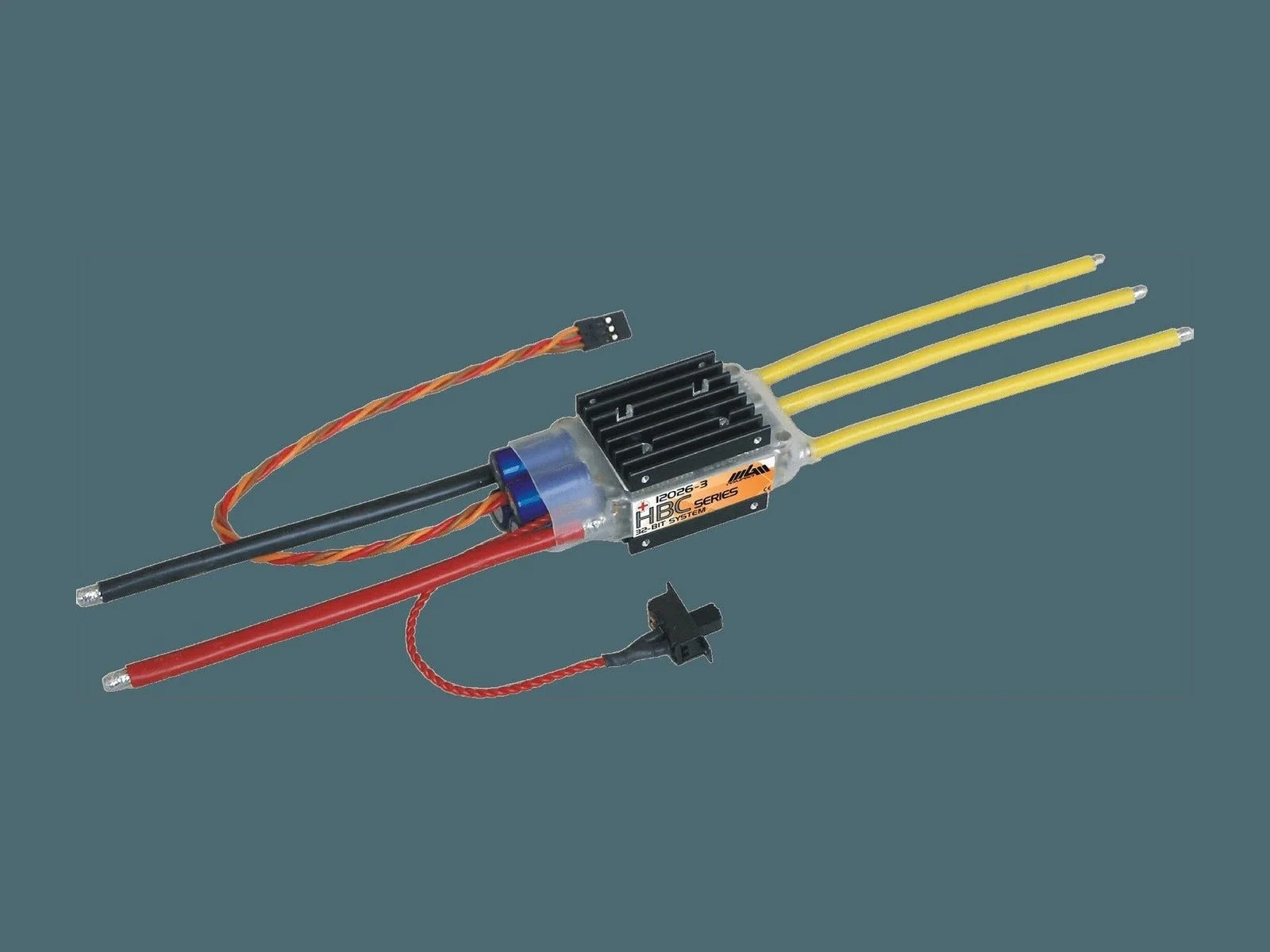
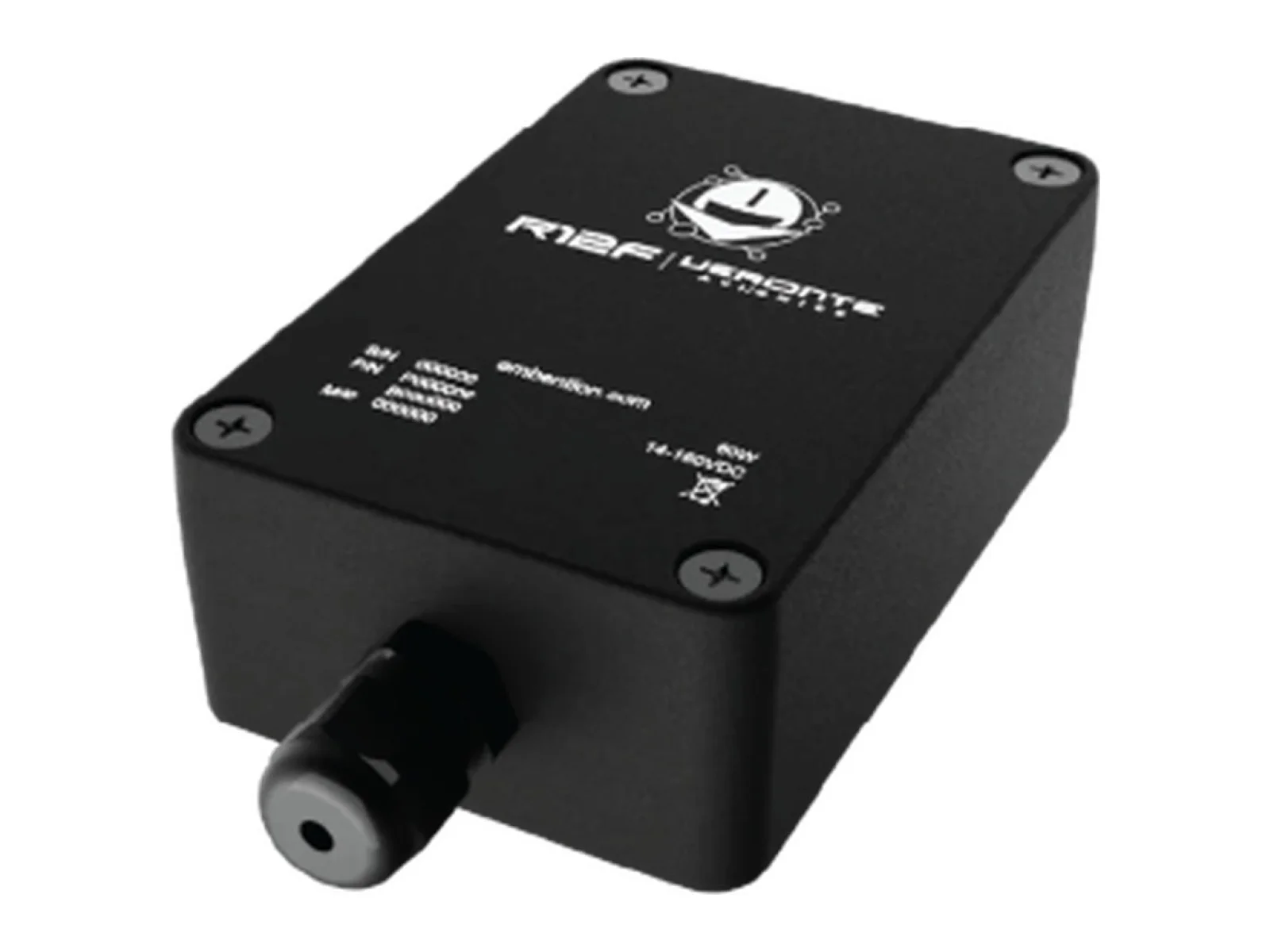
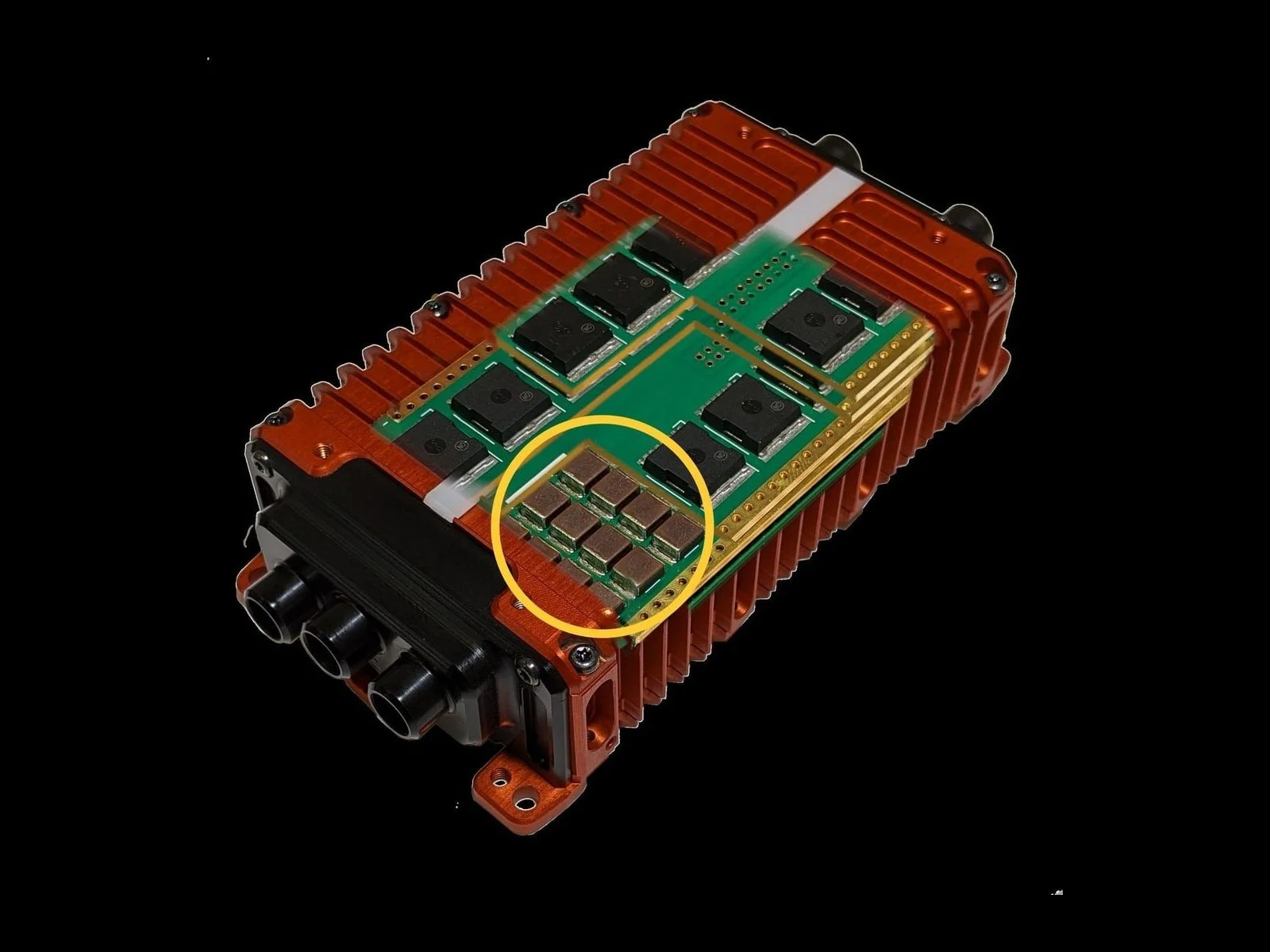
| Control | Commands the motor or engine | ESCs and inverters, engine ECUs |
| Thrust | Turns shaft power into thrust | Propellers and rotors |
All-electric propulsion is simple, quiet and has few moving parts, which makes it the default for multirotors and for most eVTOL designs with distributed lift rotors. Its limit is the specific energy of the battery: endurance and range are bounded by how many watt-hours per kilogram the pack can deliver.
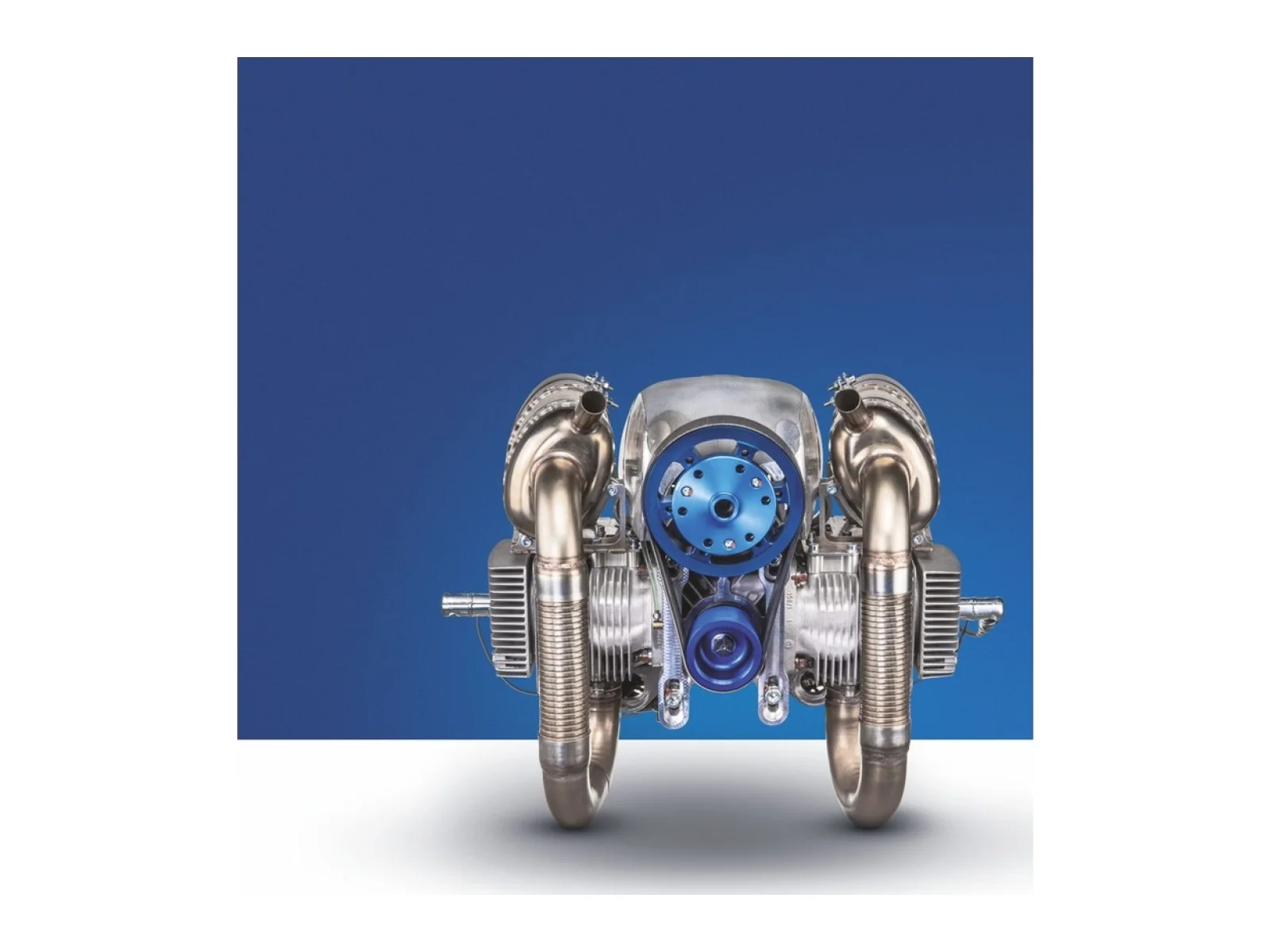
Combustion propulsion (piston, rotary or turbine) gives far more energy per kilogram of fuel and remains the standard for fixed-wing UAVs that need many hours of endurance. The trade-off is maintenance, vibration, noise and a more complex installation.
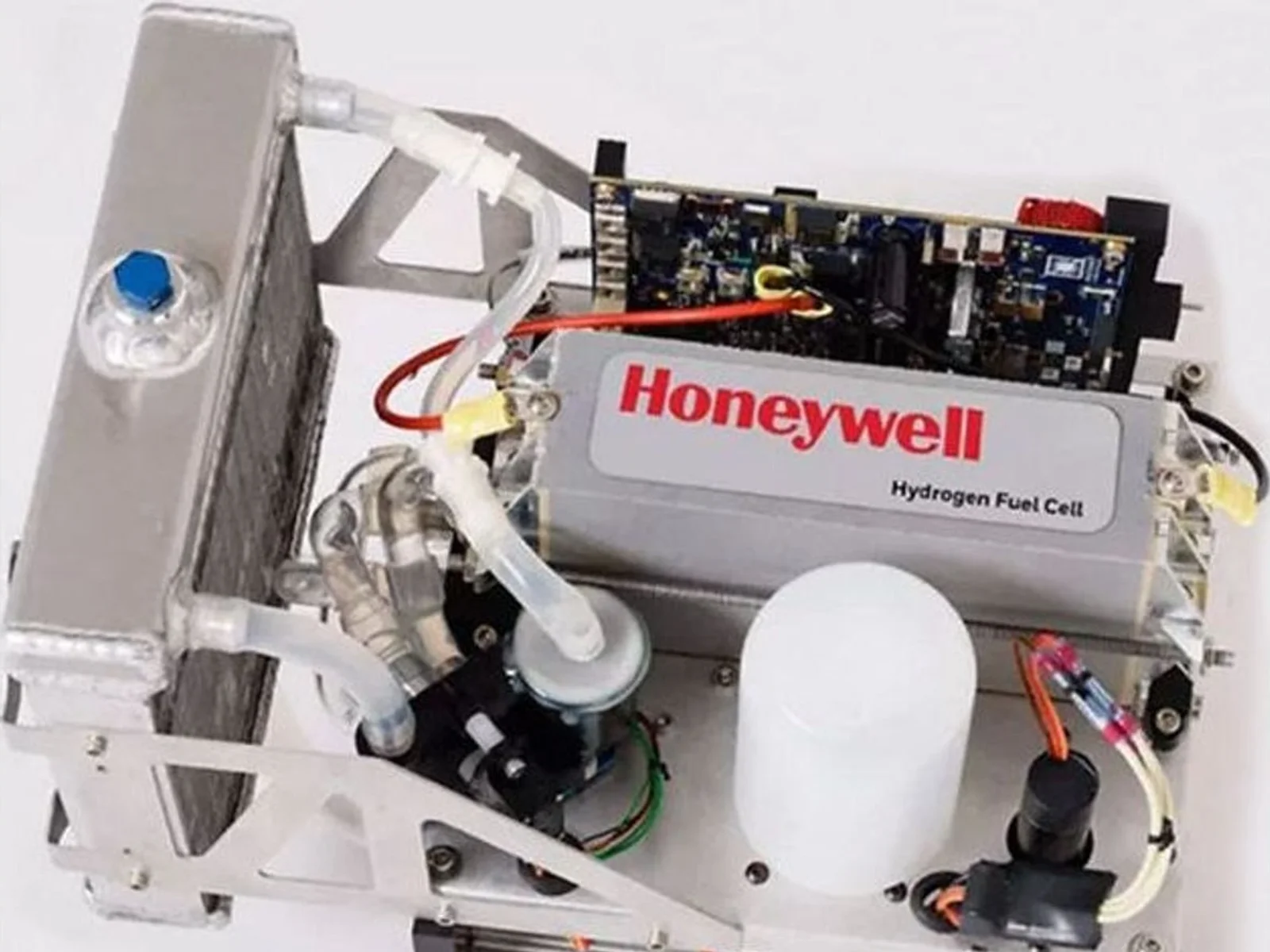
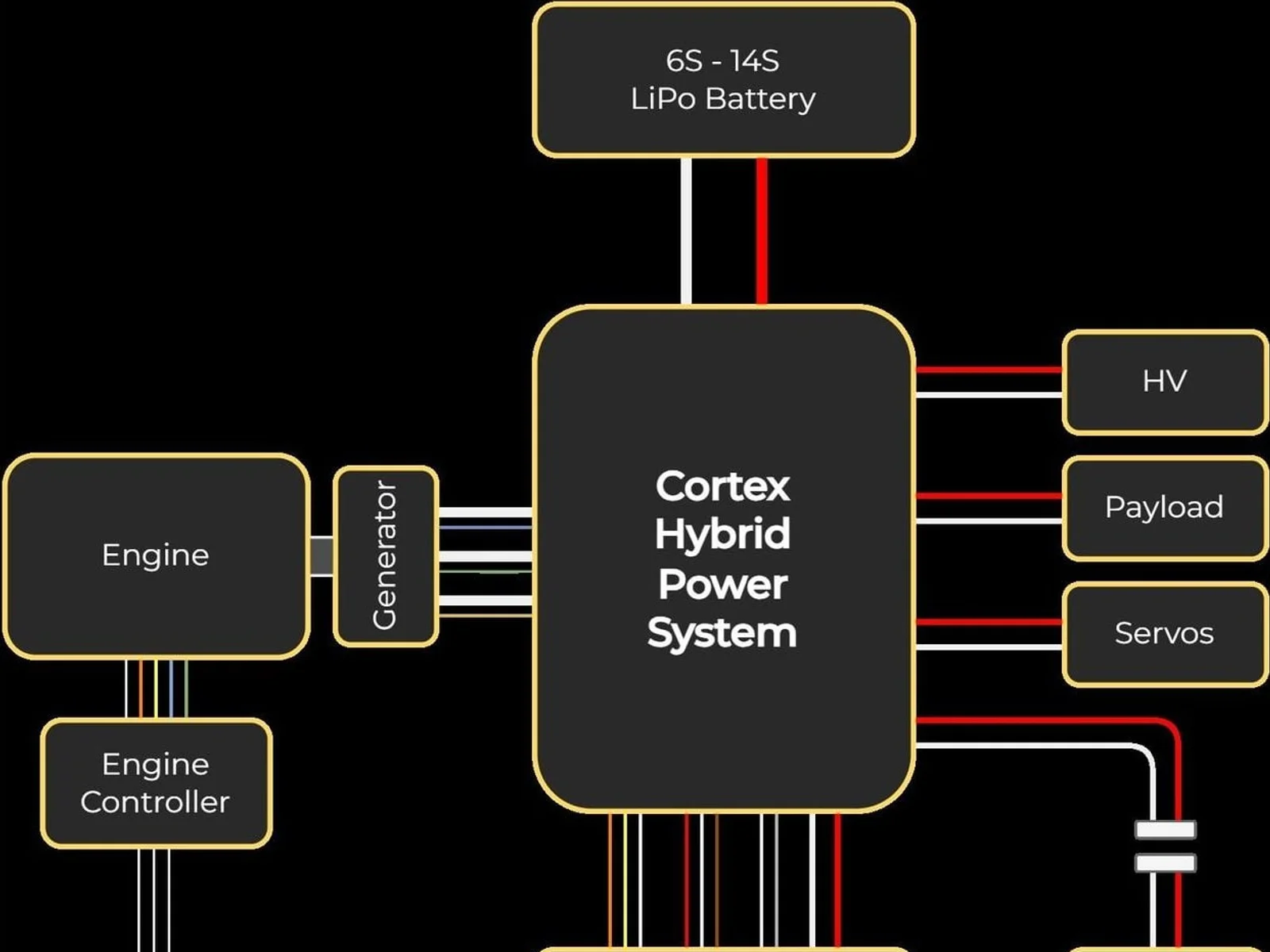
Hybrid architectures combine both: an engine-driven generator charges a buffer battery that feeds electric motors. They add mass and complexity but allow distributed electric propulsion with long endurance. Hydrogen fuel cells sit in between: electric propulsion with much higher energy per kilogram than batteries, at the cost of hydrogen storage and handling.
Use the filters above to narrow the listing by subcategory, manufacturer, country or certification, and the comparison tool to put up to four products side by side.
In the drone and eVTOL industry, a motor usually means an electric machine and an engine a combustion machine (piston, rotary or turbine). Both deliver shaft power to a propeller or rotor; they differ in energy source, control electronics and maintenance.
For the same take-off mass, combustion engines and hybrid systems usually give the longest endurance because liquid fuel stores far more energy per kilogram than current batteries. Hydrogen fuel cells also extend endurance well beyond battery-only systems.
Each link limits the next: a motor cannot deliver more than its controller and battery can supply, and a propeller only works efficiently at the speed and torque the motor provides. Sizing the chain together avoids carrying extra mass where it gives no benefit.
A literature-based review of how axial-flux permanent-magnet machines are sized for direct-drive lift rotors: hover torque requirement, torque-sizing relations, design and optimisation methods, reported parameter ranges, fault behaviour and regulatory context.
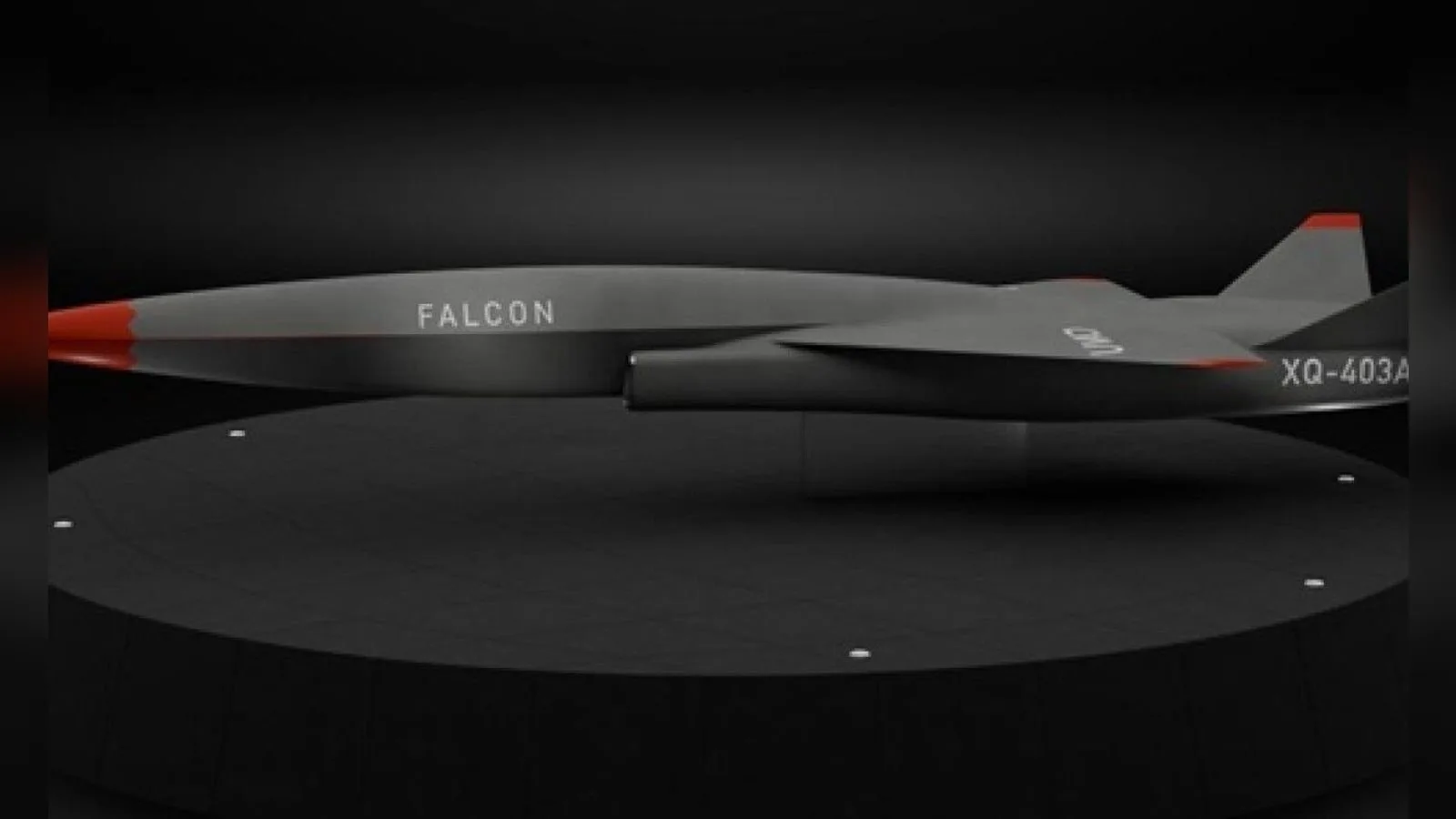
Falcon is a reusable supersonic uncrewed aerial target for missile-defense training, and its propulsion is the subject of a partnership between Safran Power Units and UVAD Technologies. Safran supplies two turbojet engines, and flight…
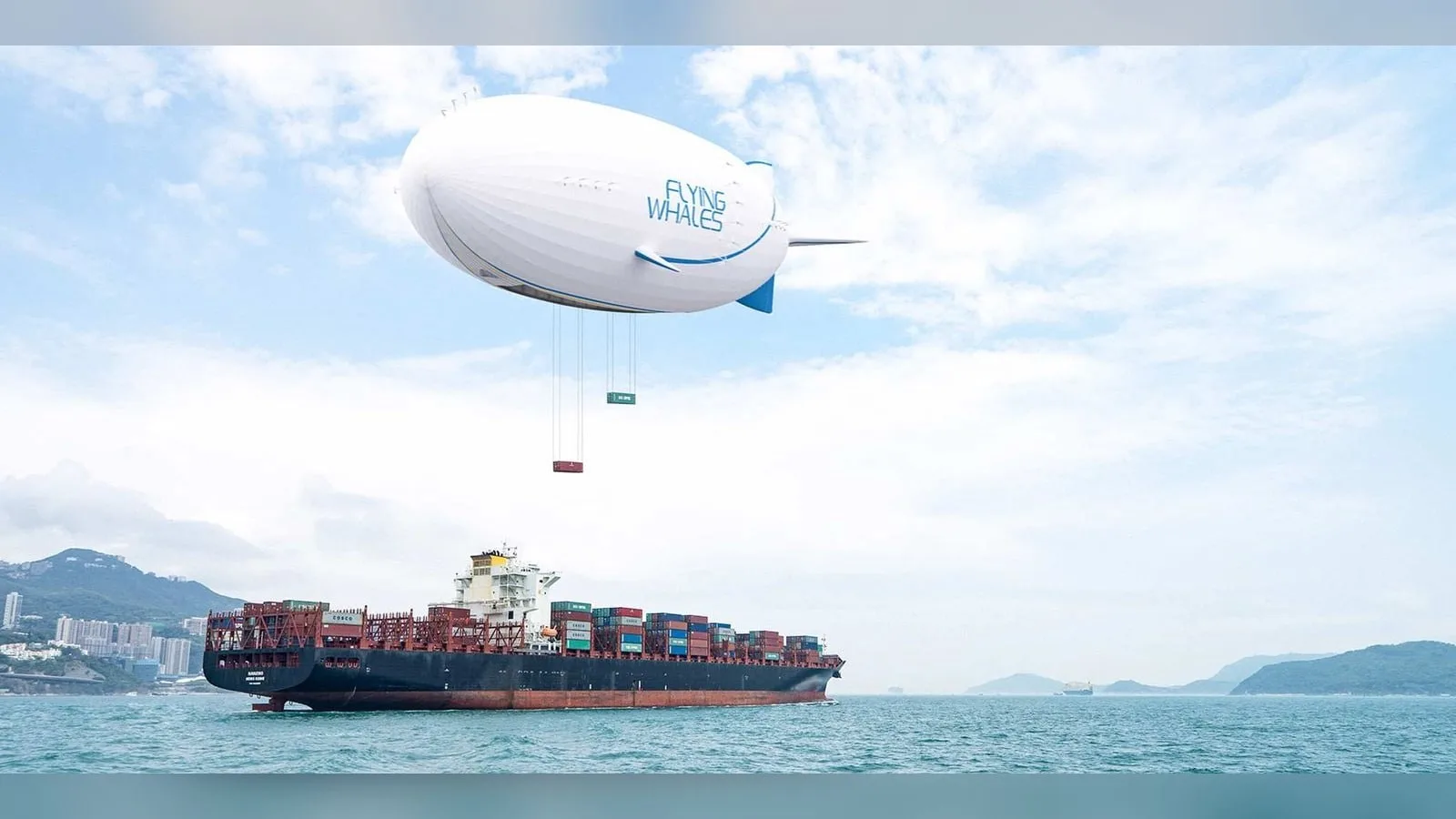
Honeywell Aerospace tests a 1 MW generator in a Mexicali test cell, and Flying Whales will integrate it into the hybrid-electric powertrain of its LCA60T airship. The unit reaches 1 MW steady state at 97% efficiency, giving…
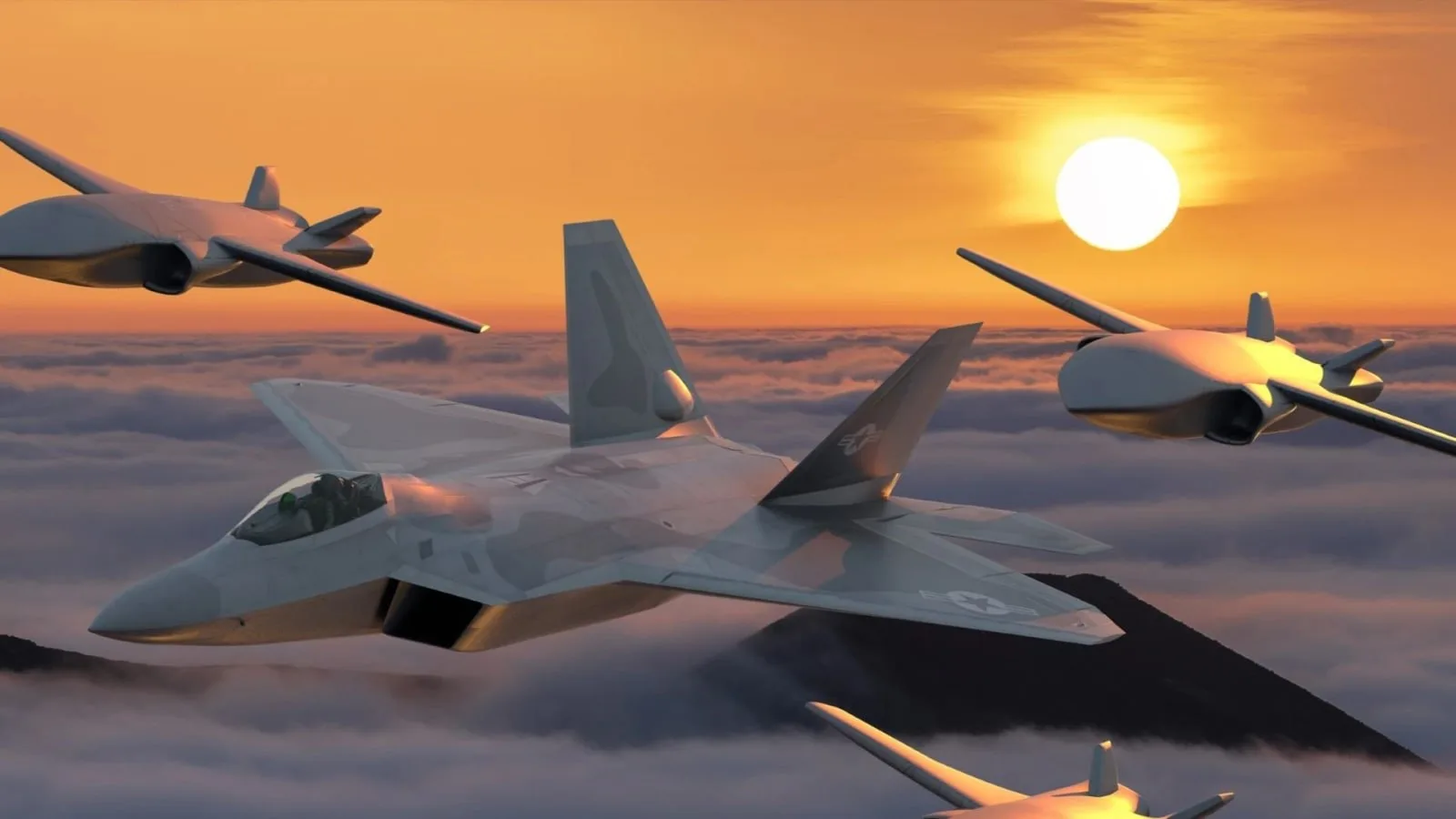
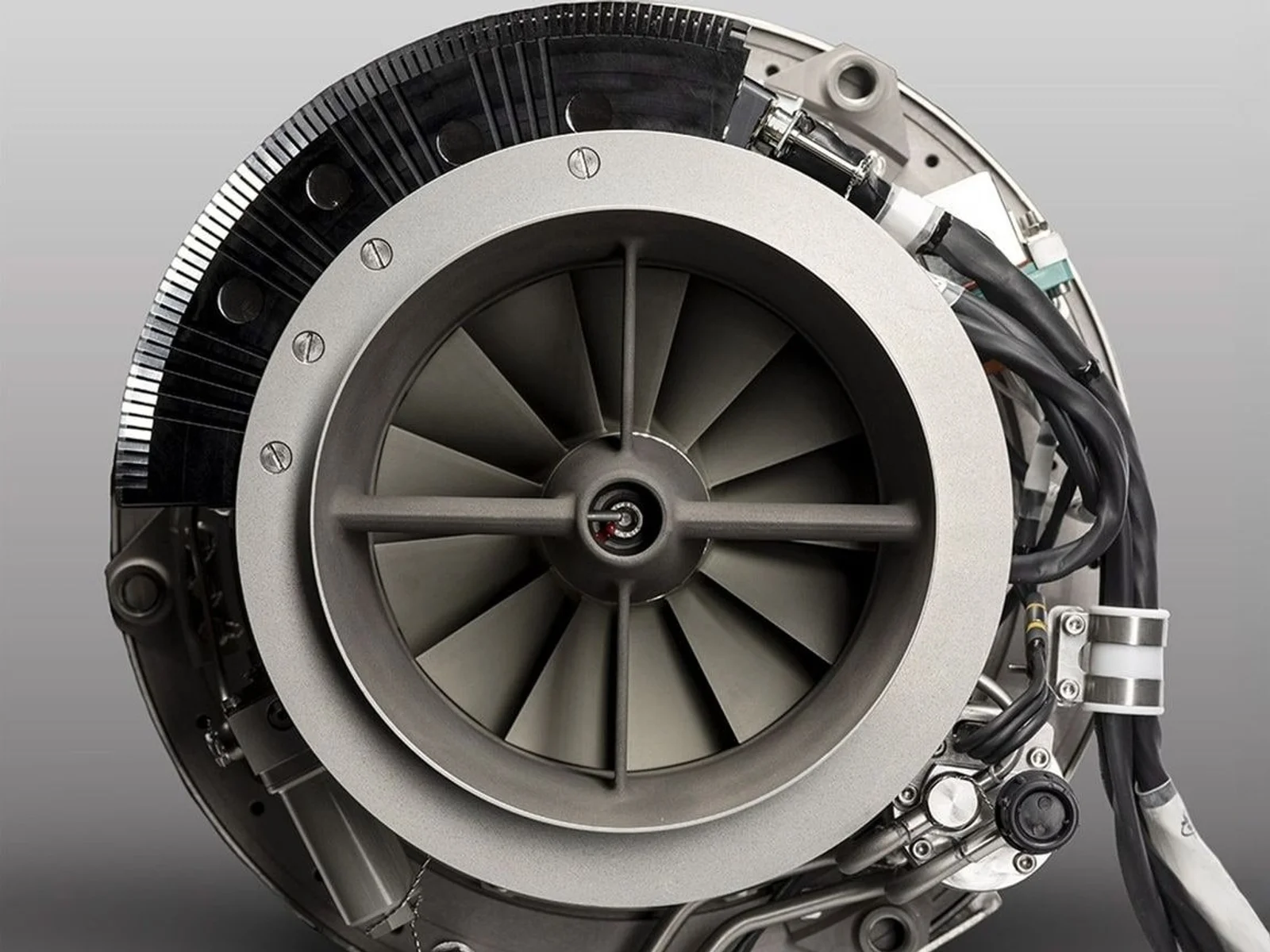
Honeywell Aerospace presents the HON1600, a small turbine engine it positions for the US Air Force's Collaborative Combat Aircraft (CCA) program, after a core engine run in September 2025. The Air Force has issued a request for proposals…