Featured
Propellers
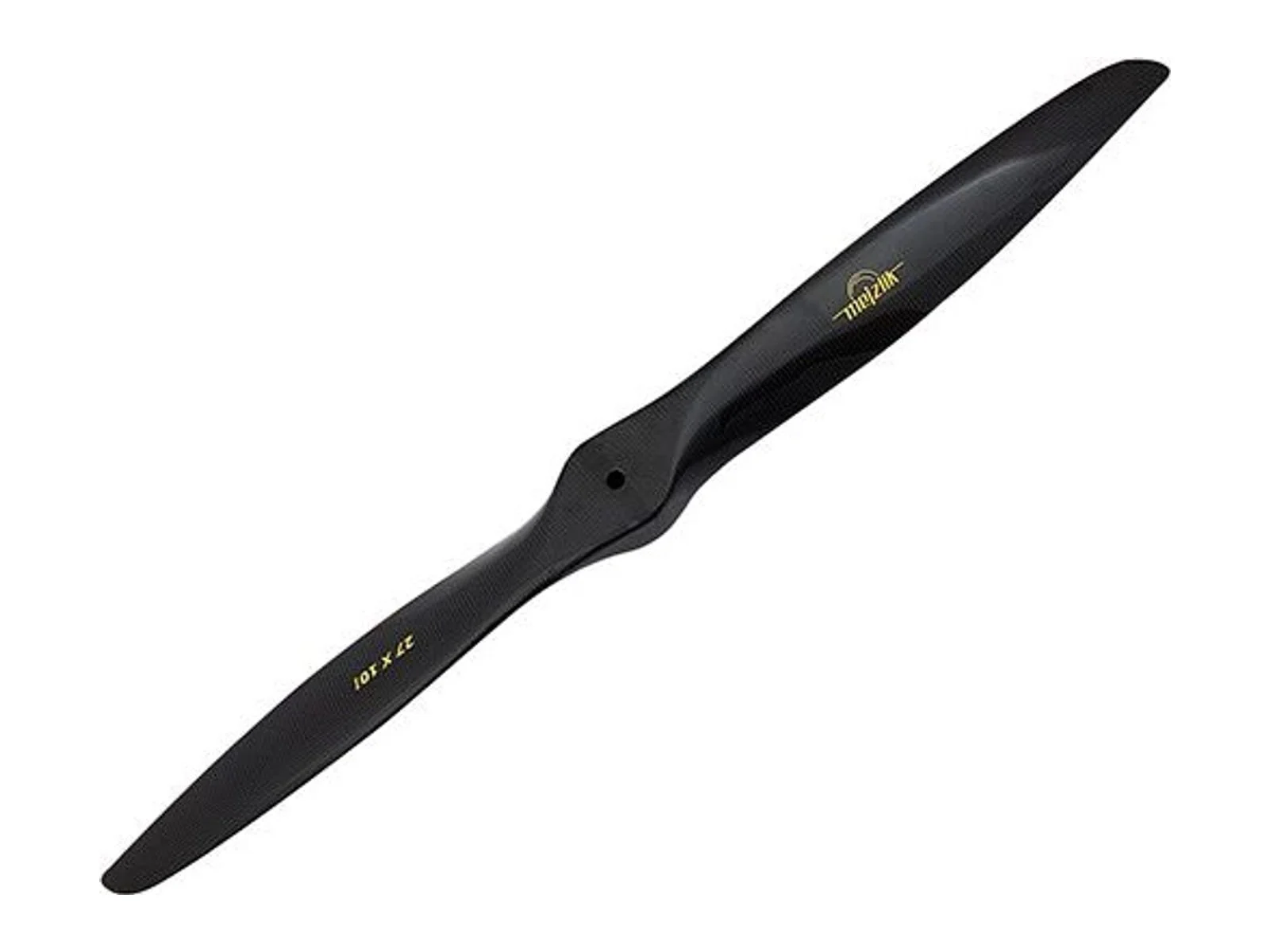
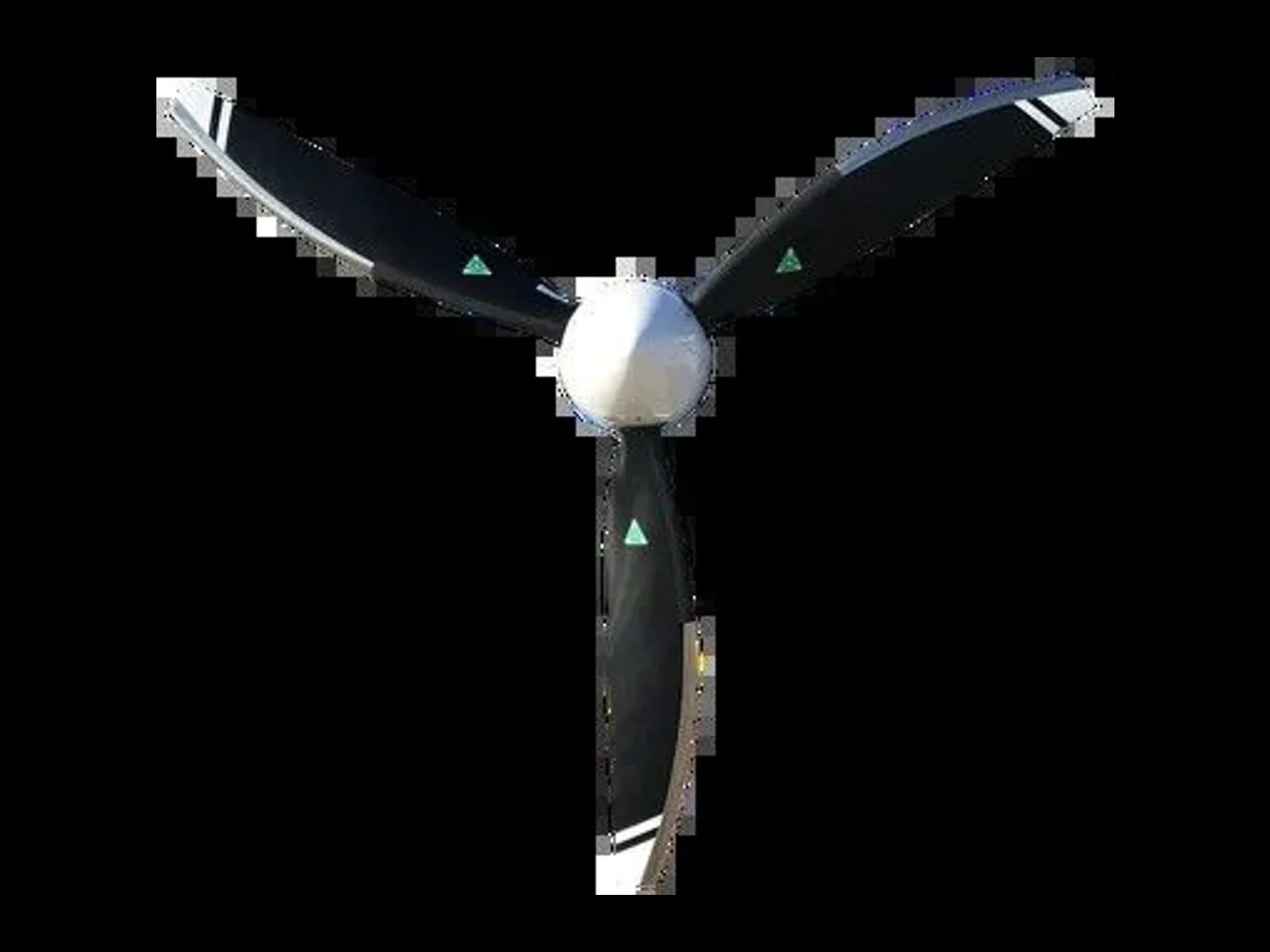
KDE-CF305-DP carbon fiber propeller blades, 30.5 x 9.7 in, dual edition (CW/CCW)
- Diameter
- 774.7 mm
- Blade count
- 2
- Pitch type
- Fixed
Fixed-pitch and variable-pitch propellers, rotors and composite blades for multirotors, fixed-wing aircraft and air taxis.
Filters
Try removing a filter.



Updated November 3, 2026
The propeller or rotor converts shaft power into thrust, and its efficiency multiplies the efficiency of everything upstream. A propeller sized for the wrong speed or flight condition can waste more energy than the difference between two motors.
A larger, slower propeller is generally more efficient in hover, but needs more torque and is heavier. For fixed-wing cruise, the pitch must match the airspeed. Most manufacturers publish recommended motor and propeller combinations with test data; use them as a starting point.
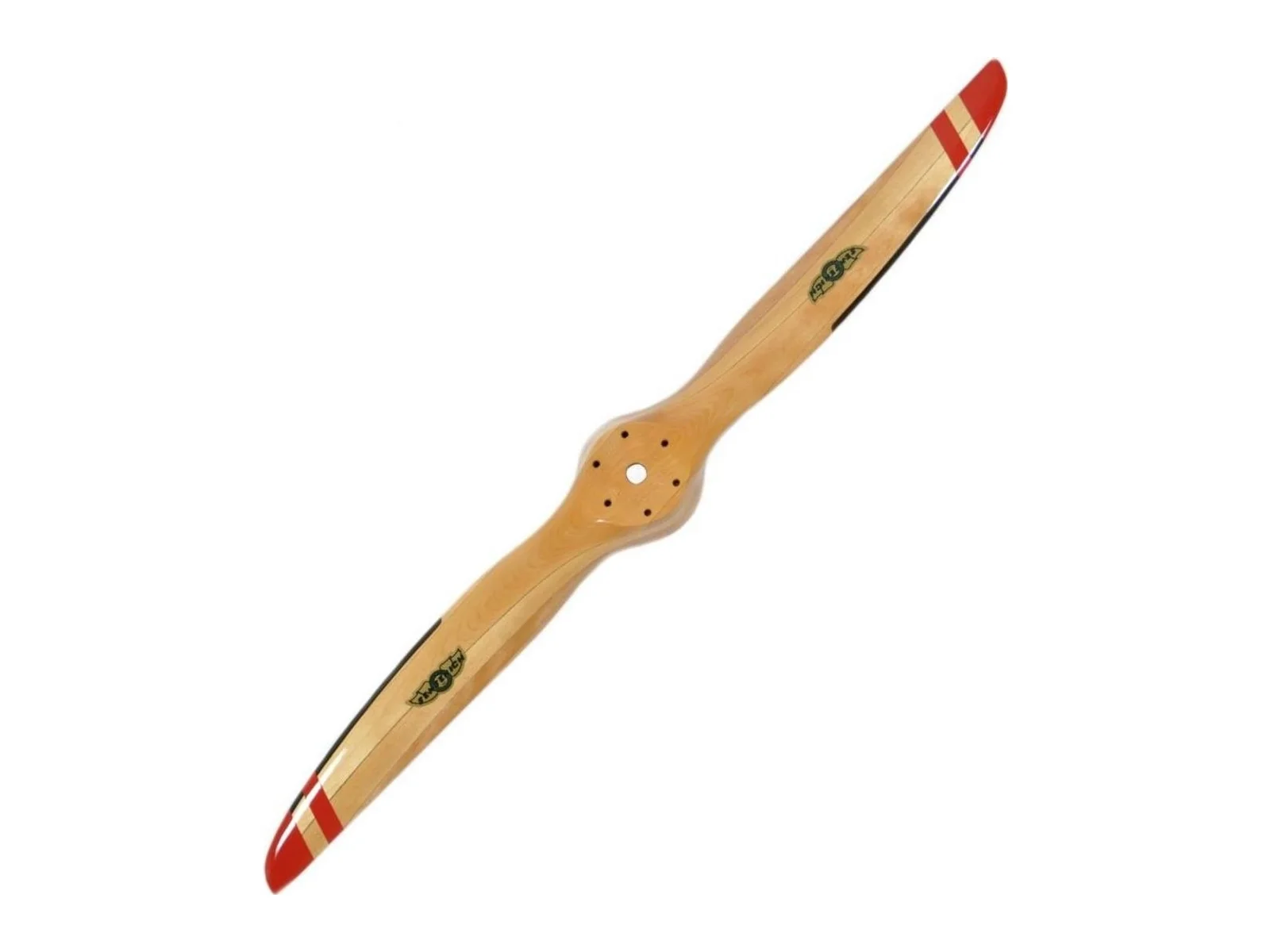
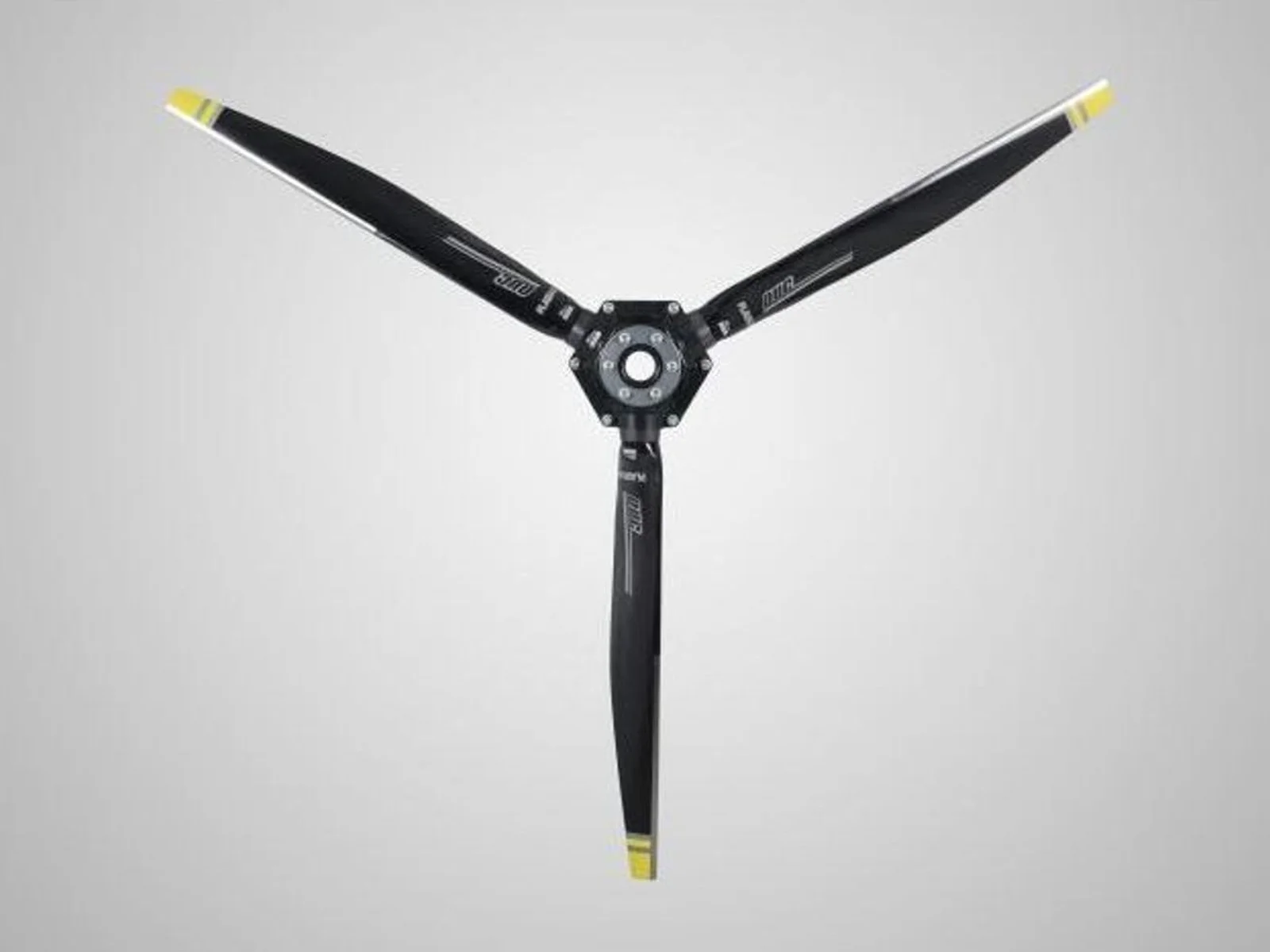
Examples include Hartzell Propeller, MT-Propeller, Sensenich, Duc Hélices and Mejzlik.
Diameter is the size of the circle swept by the blades. Pitch is the distance the propeller would advance in one turn if it moved like a screw through a solid. Larger diameter gives more thrust per watt in hover; higher pitch suits faster flight.
When the aircraft must be efficient at very different speeds, such as take-off and cruise on a fixed-wing UAV or the cruise propeller of an eVTOL. It adds mass, cost and a pitch actuator.
Mainly by lowering the blade tip speed: a larger, slower propeller, more blades or optimised blade shapes. Low-noise rotors are a priority for eVTOL operations near cities.
A literature-based review of how axial-flux permanent-magnet machines are sized for direct-drive lift rotors: hover torque requirement, torque-sizing relations, design and optimisation methods, reported parameter ranges, fault behaviour and regulatory context.
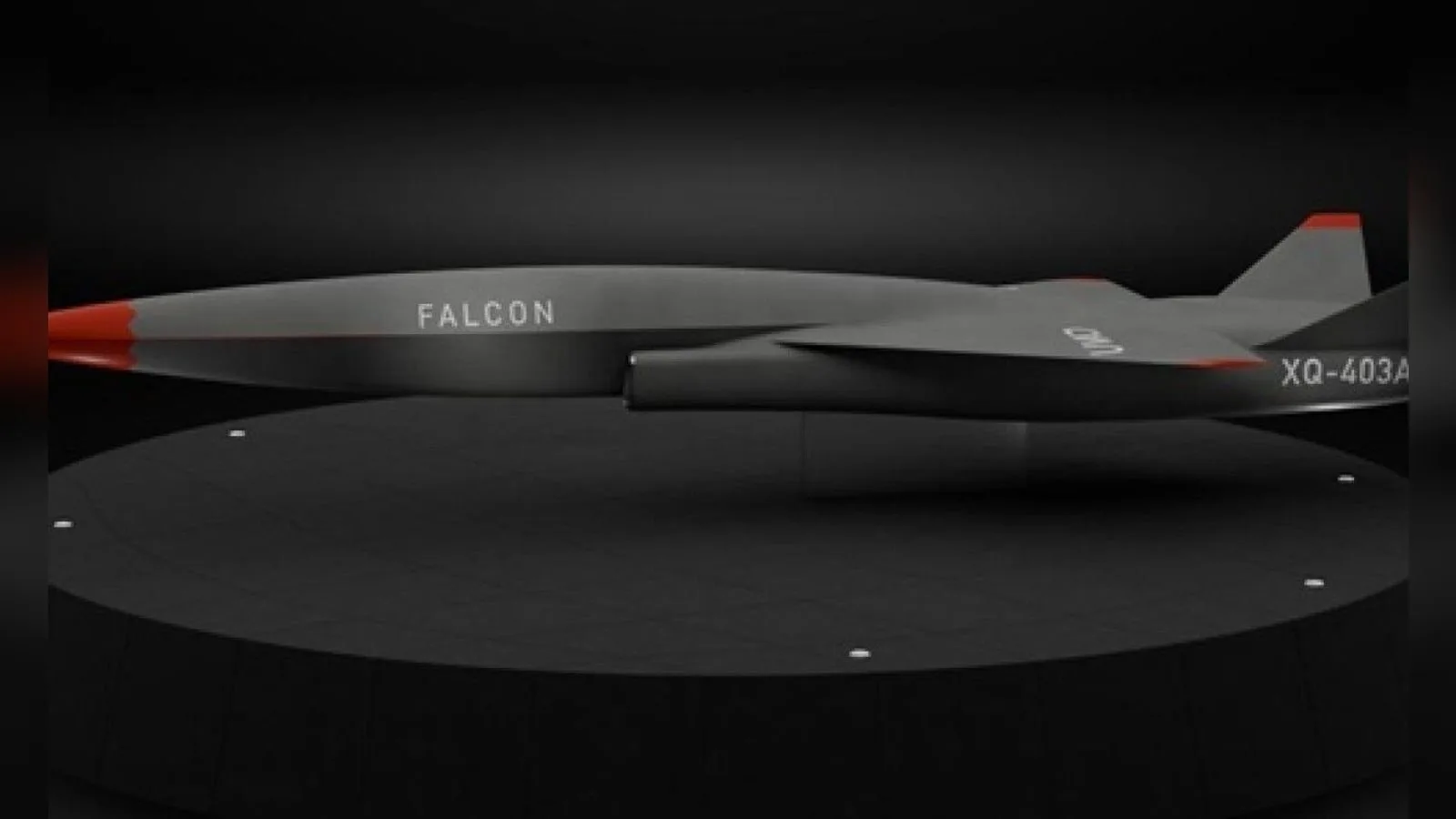
Falcon is a reusable supersonic uncrewed aerial target for missile-defense training, and its propulsion is the subject of a partnership between Safran Power Units and UVAD Technologies. Safran supplies two turbojet engines, and flight…

Honeywell Aerospace tests a 1 MW generator in a Mexicali test cell, and Flying Whales will integrate it into the hybrid-electric powertrain of its LCA60T airship. The unit reaches 1 MW steady state at 97% efficiency, giving…
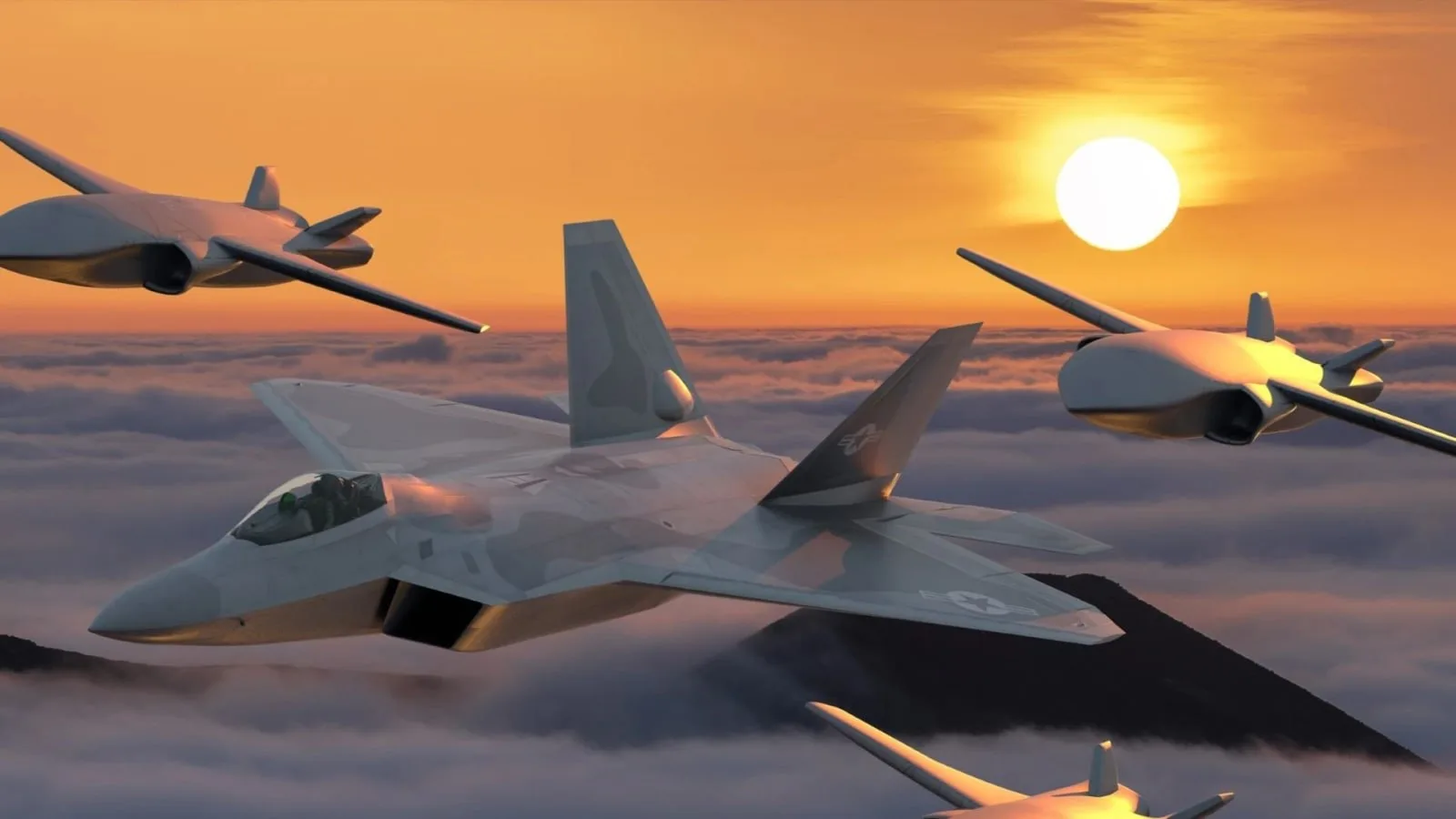
Honeywell Aerospace presents the HON1600, a small turbine engine it positions for the US Air Force's Collaborative Combat Aircraft (CCA) program, after a core engine run in September 2025. The Air Force has issued a request for proposals…