Featured
Rotary actuators
Rotary electromechanical actuators rotary actuation product
- Grade
- Aerospace-grade
- Market
- Dual-use
- Availability
- In production
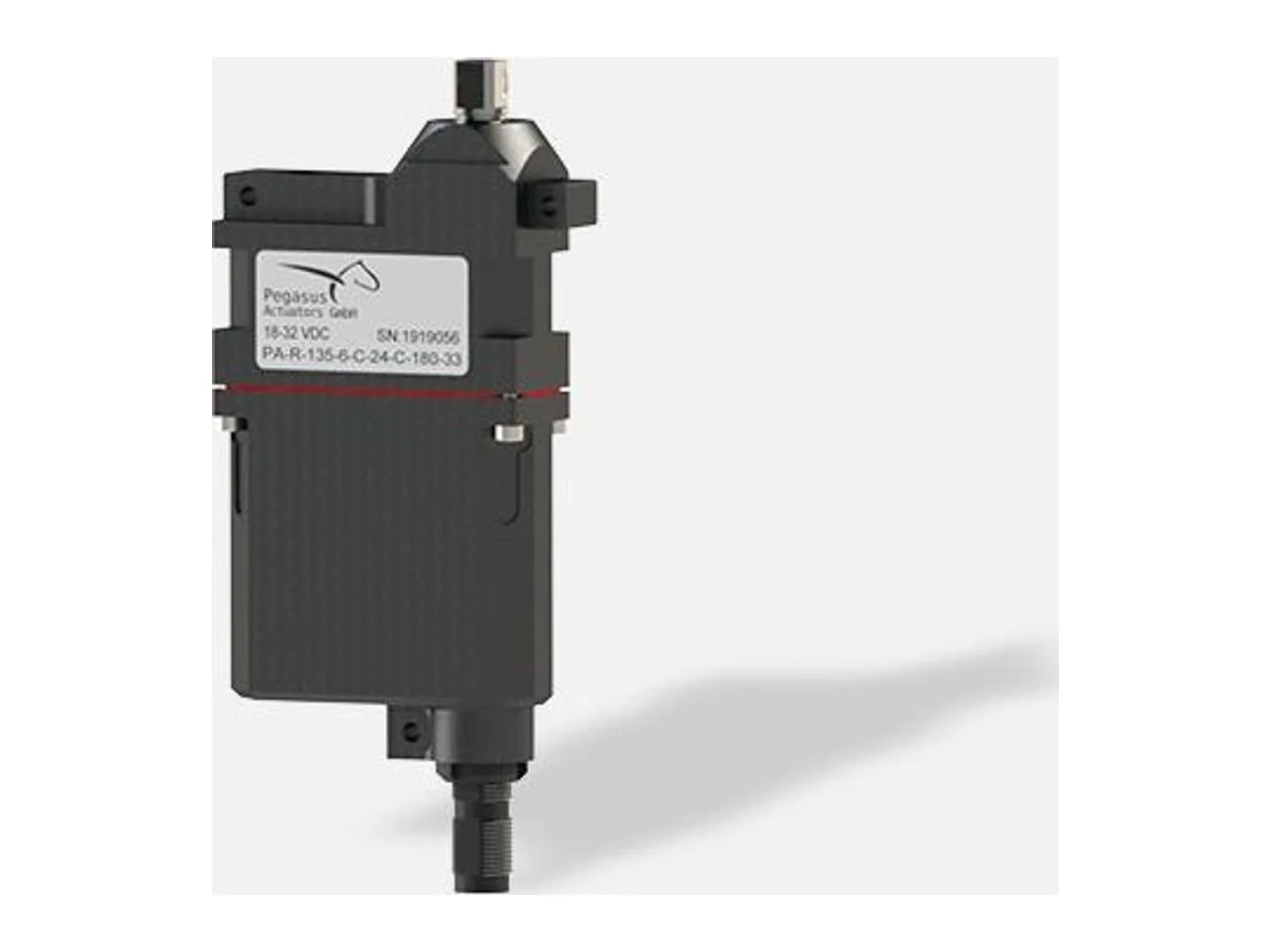
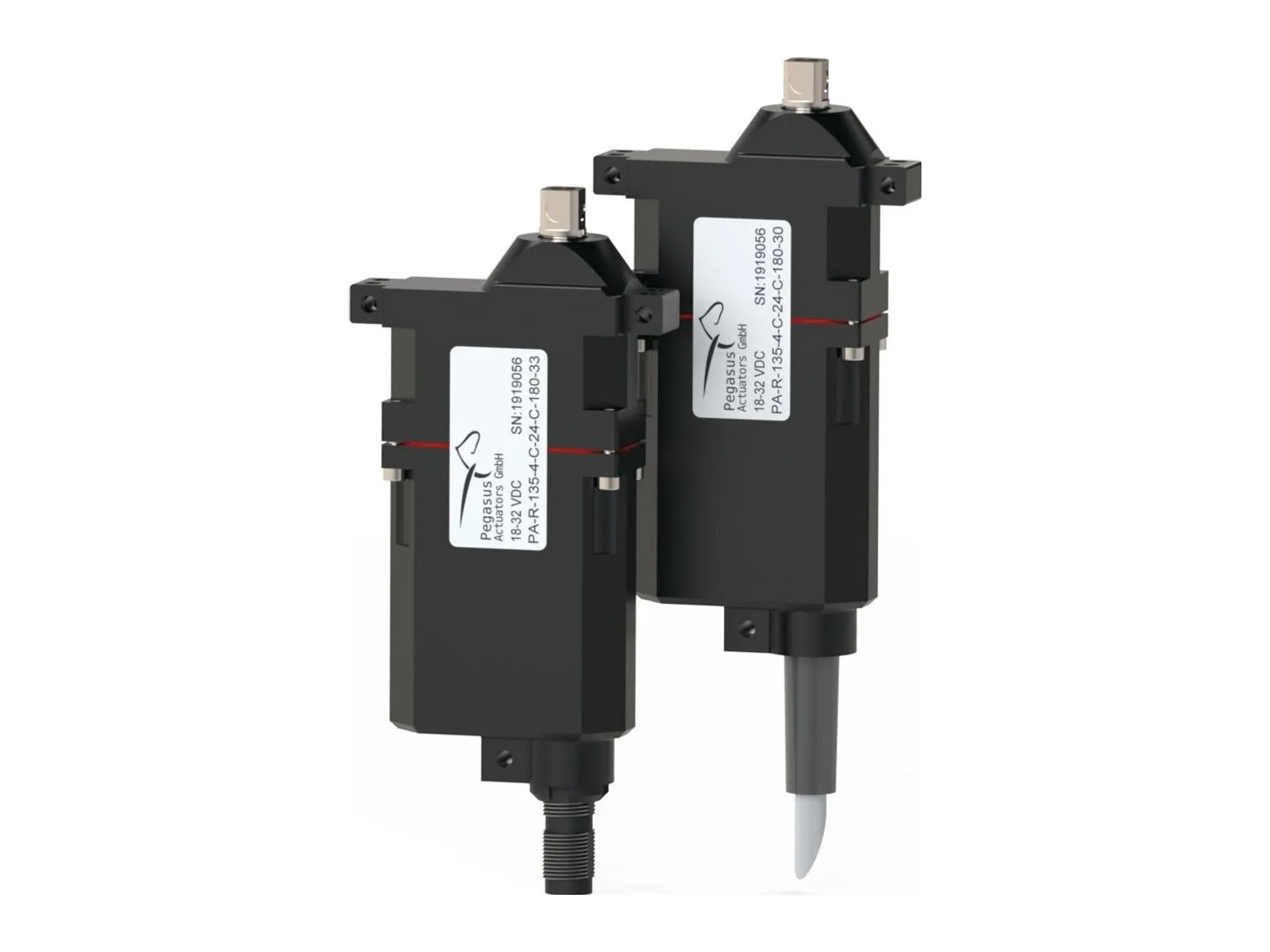
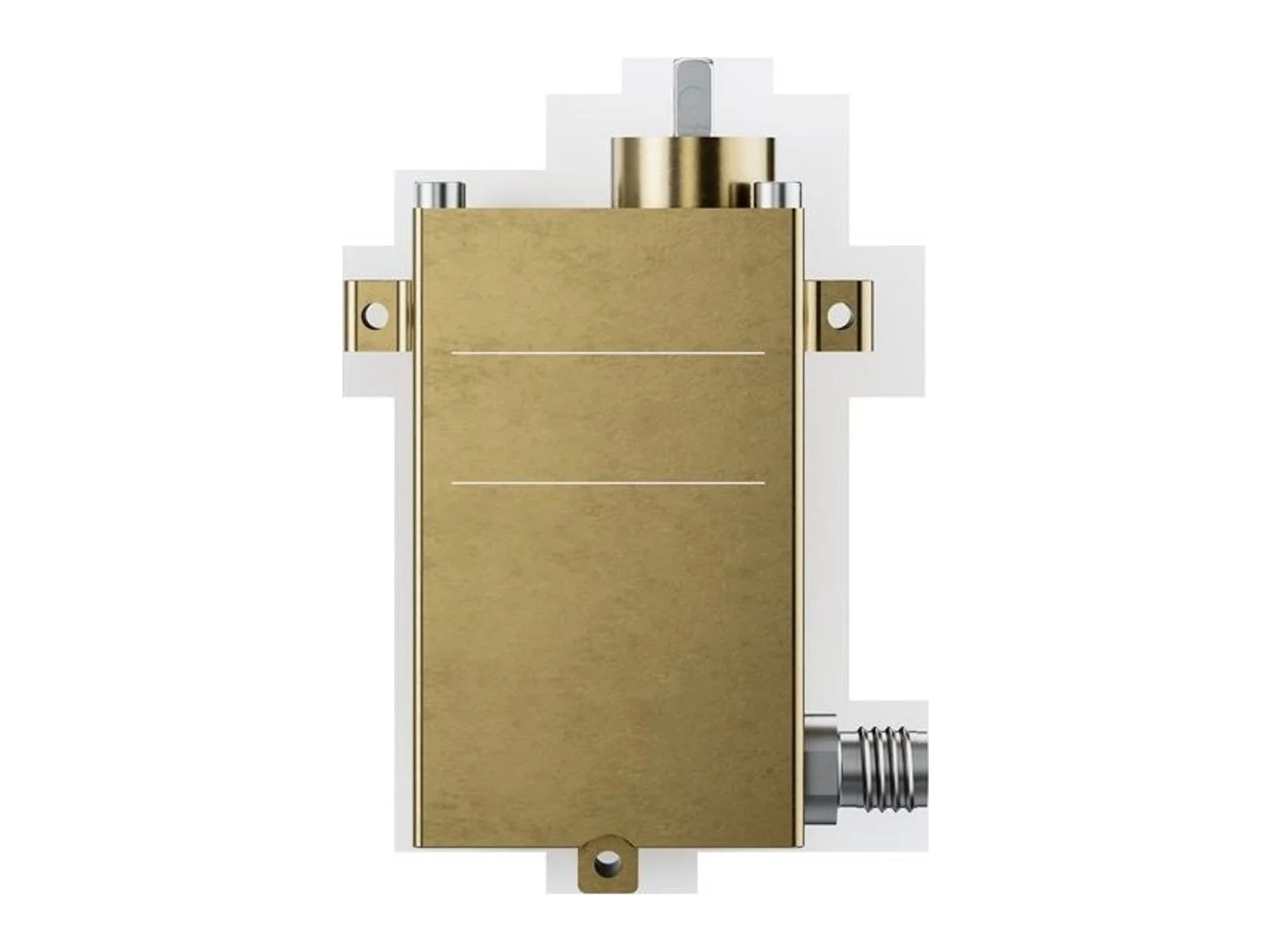
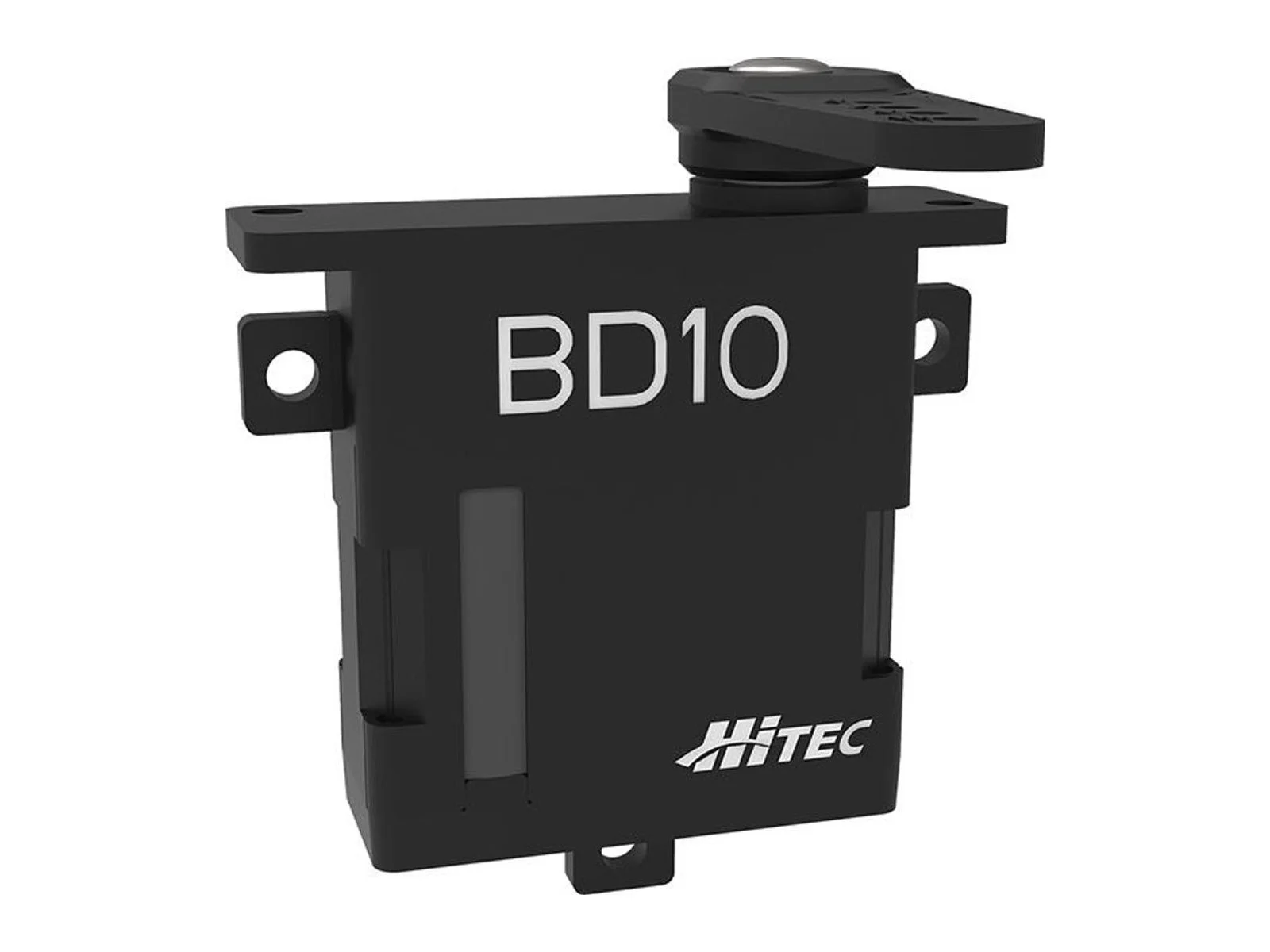
Aerospace-grade servos and rotary actuators for flight control surfaces, rotor tilting and other mechanisms.
Filters

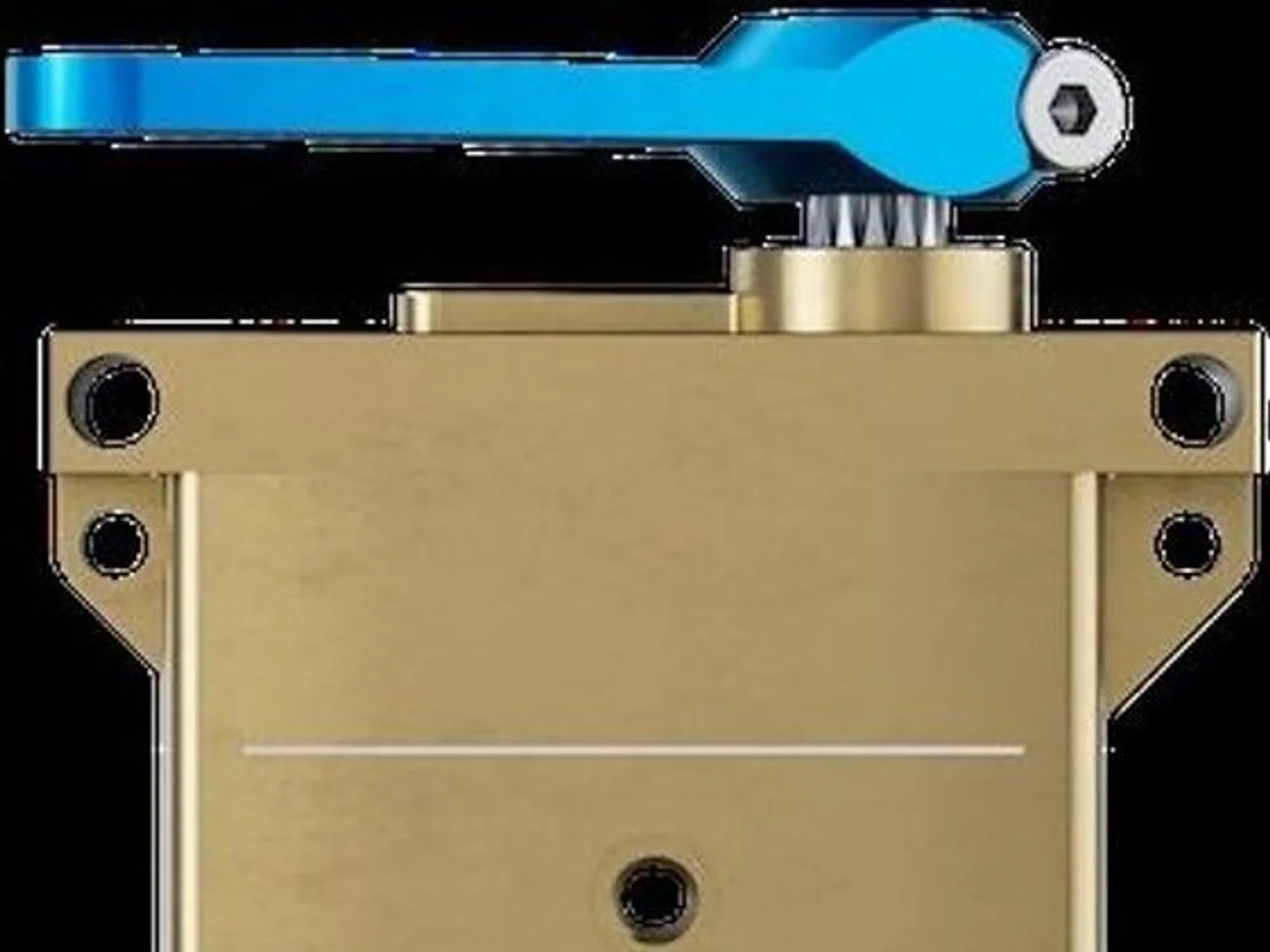

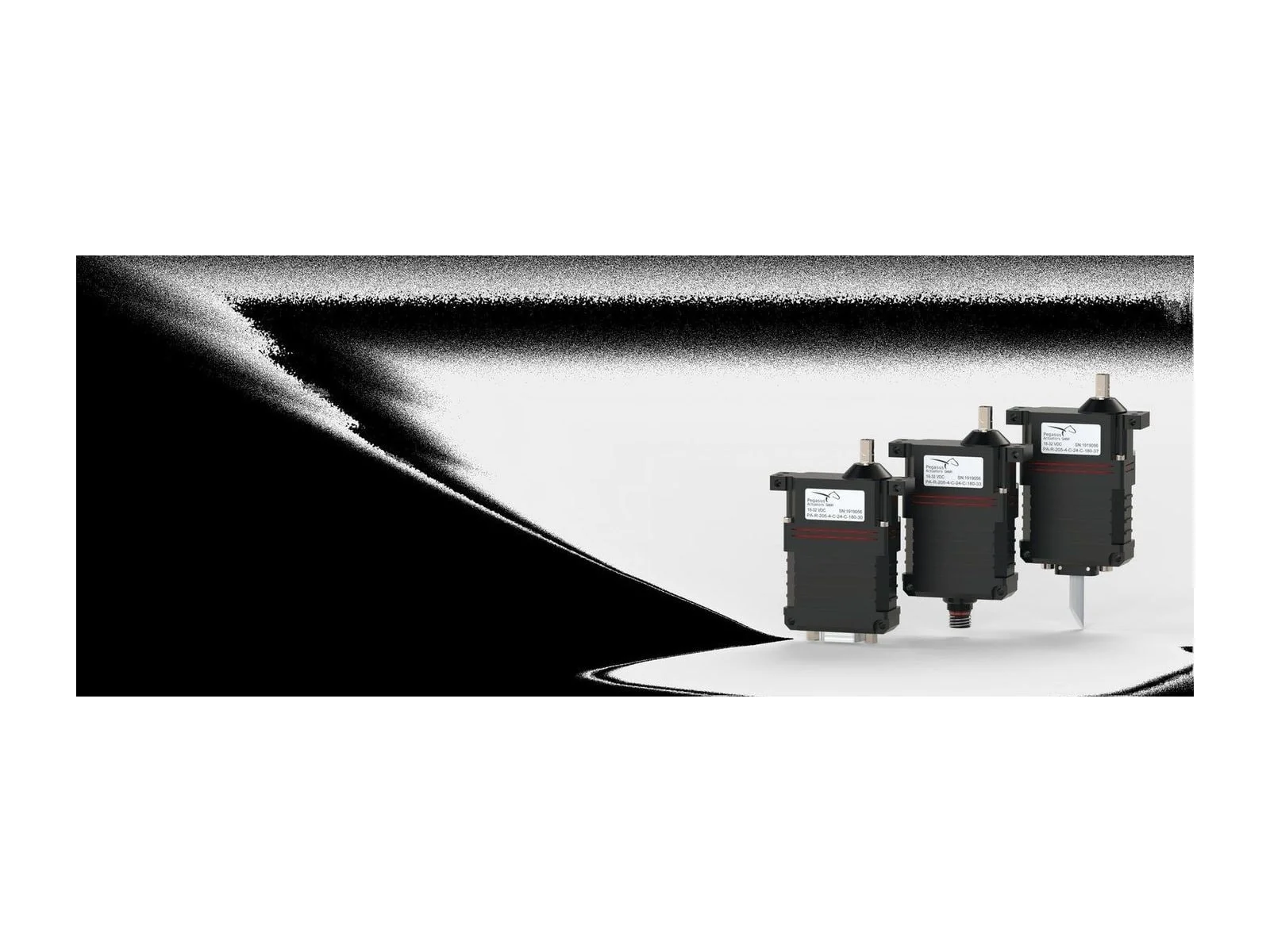
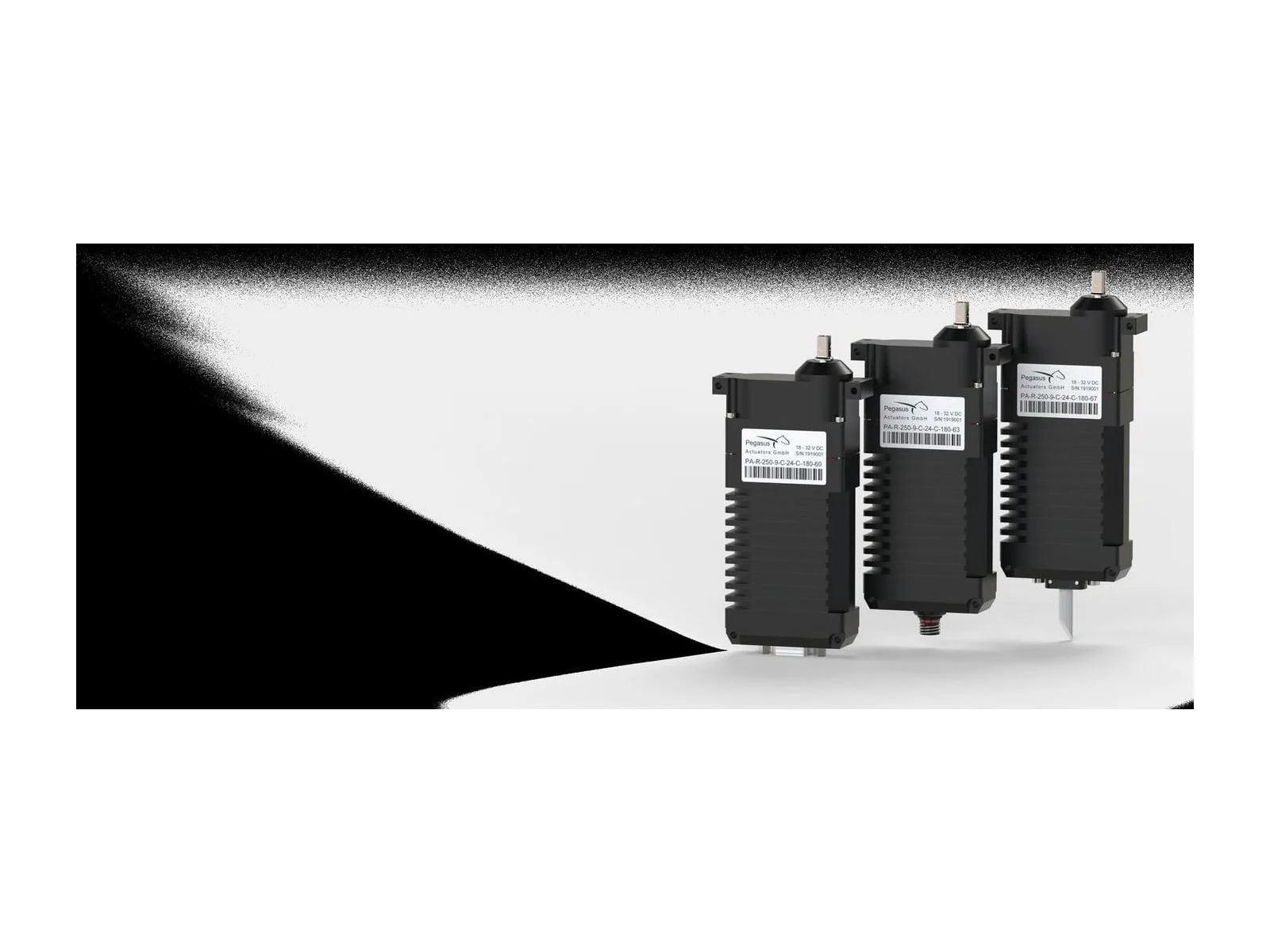
Try removing a filter.



Updated November 3, 2026
Rotary actuators and servos turn an electrical command into a precise angular movement. On drones they move ailerons, elevators, rudders and flaps, steer nose wheels, adjust propeller pitch and tilt rotors or wings. On eVTOL aircraft, larger rotary actuators drive tilt mechanisms and flight controls as part of fly-by-wire systems.
Hinge moments set the torque; flutter and control performance set the stiffness and backlash limits. Professional servos with telemetry let the autopilot detect a failing actuator before it causes a loss of control.
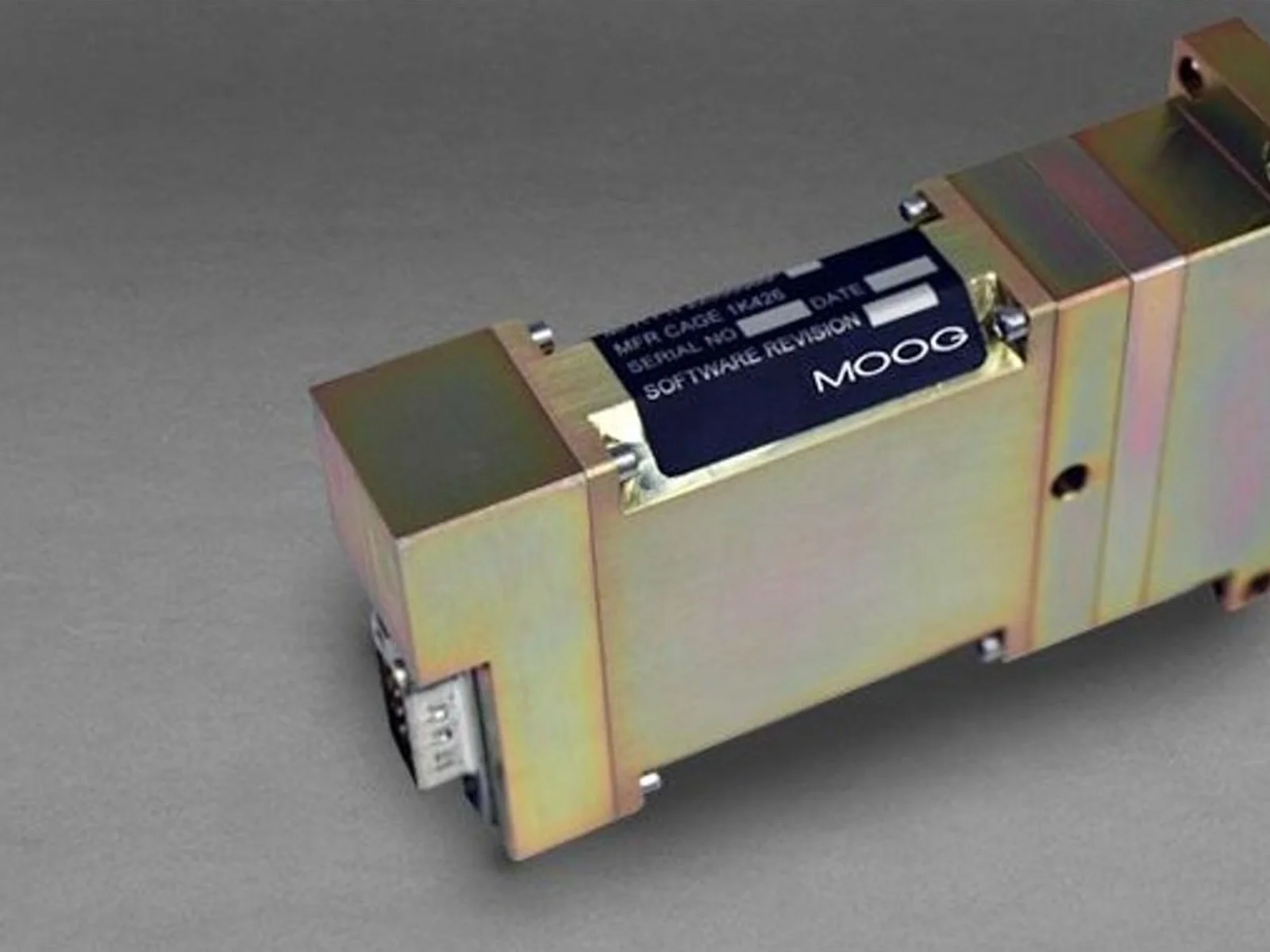
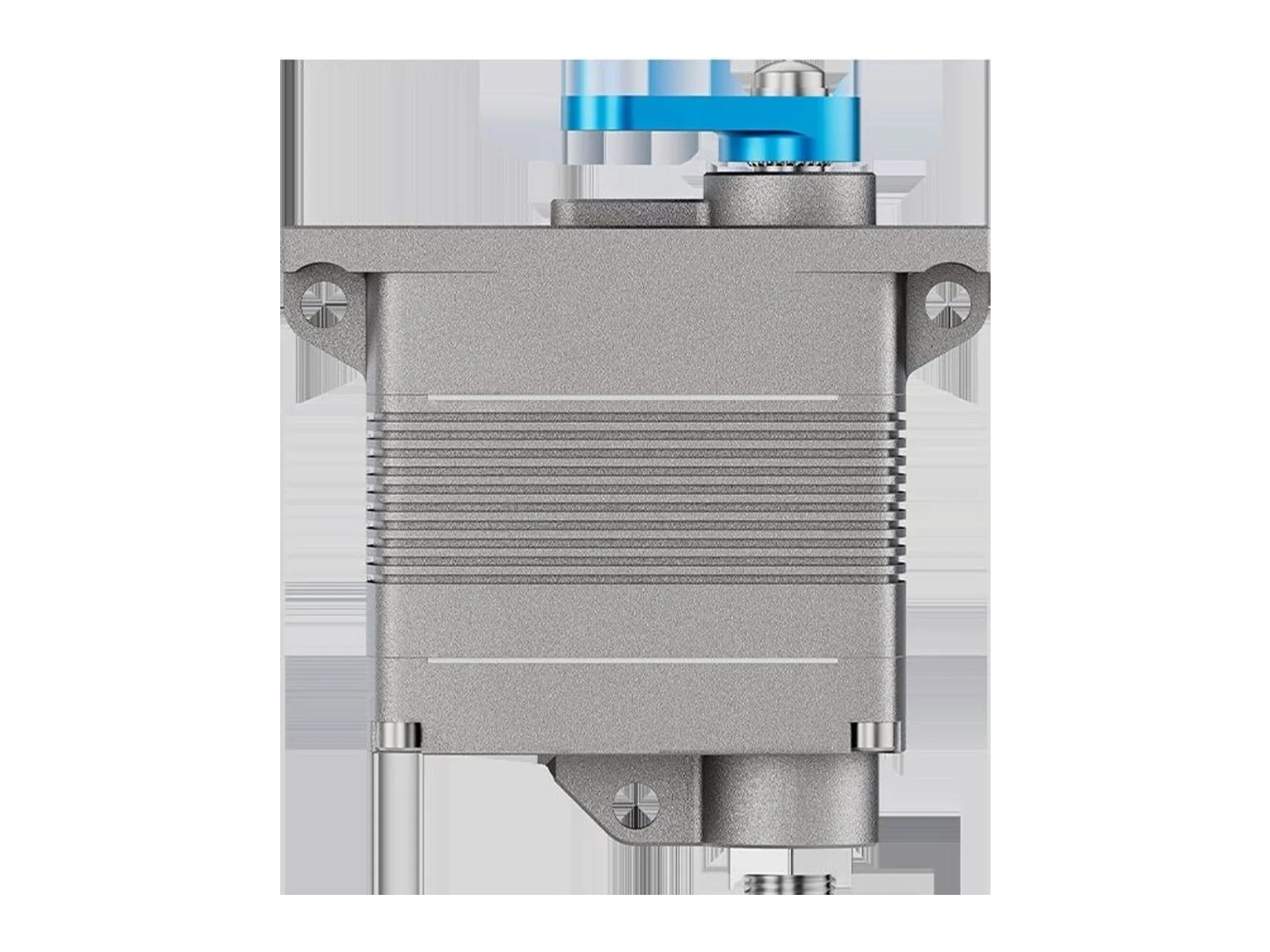
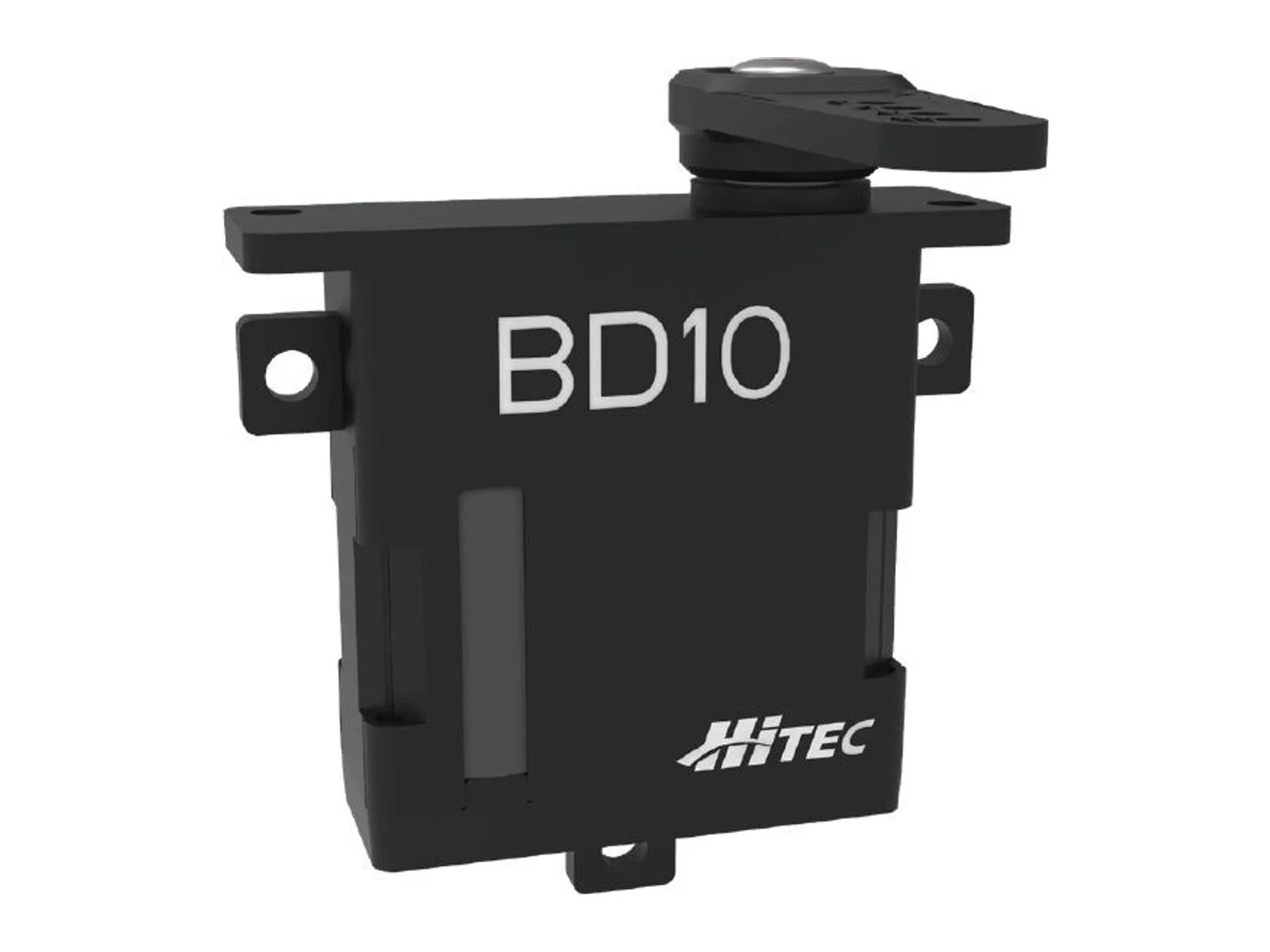
Examples include Moog, Liebherr-Aerospace, Volz Servos, Hitec Commercial Solutions and Pegasus Actuators. See also linear actuators.
A servo is a compact, integrated actuator, typically for small and medium aircraft. "Rotary actuator" usually refers to larger, higher-torque units for bigger aircraft, though the terms overlap.
Free play lets the surface move without command, which degrades control and can contribute to flutter, a dangerous aeroelastic vibration.
CAN servos report position, current and temperature to the autopilot and resist noise better, which helps detect faults. PWM is simpler and still common on smaller aircraft.
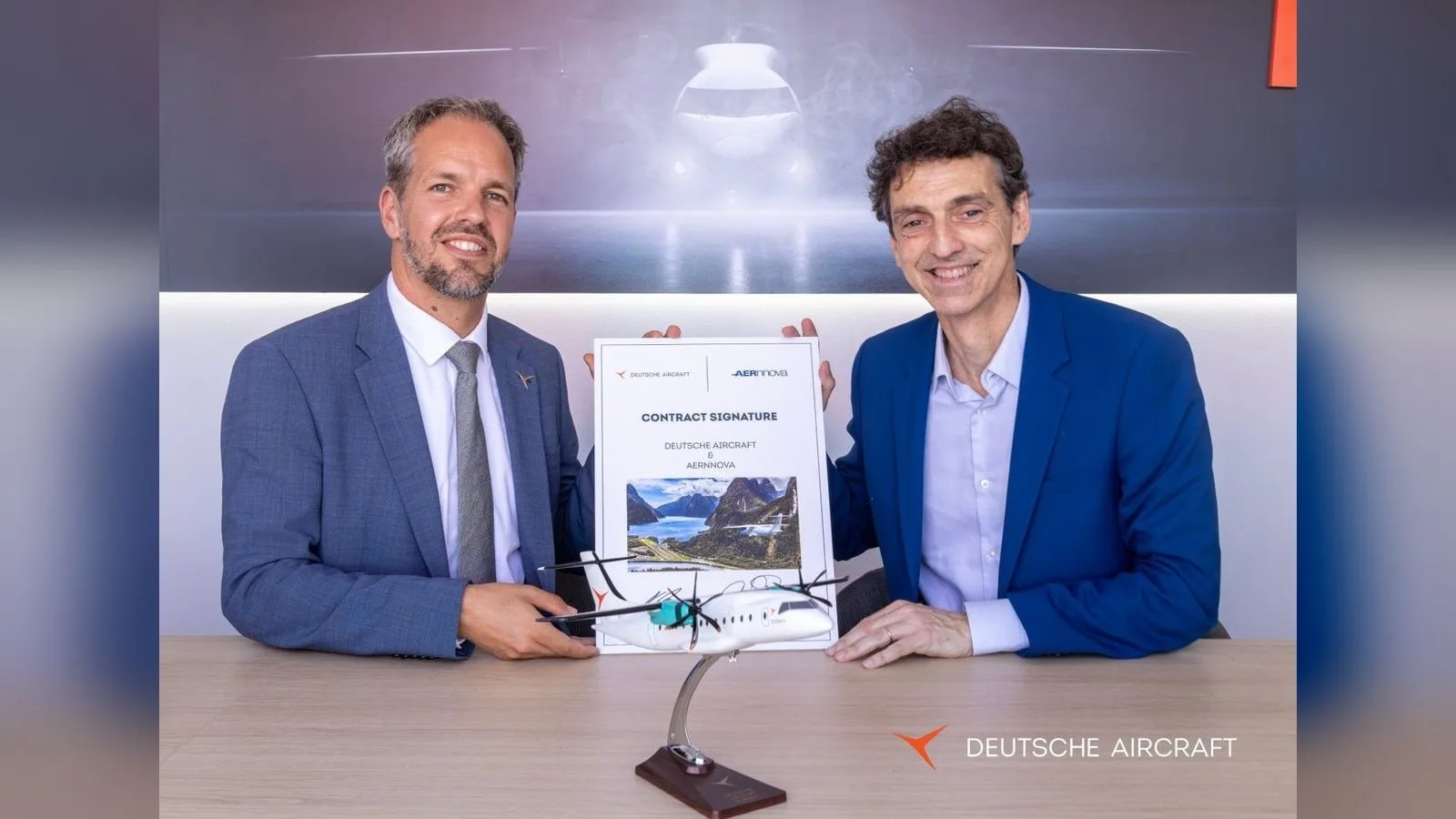
Aernnova signs a deal to take over GE Aviation's Hamble site in the UK, its first operating base in Britain. The deal brings about 700 employees, the A350 XWB wing fixed trailing-edge program and roughly $200 million in additional yearly…

Hitec Commercial Solutions releases the DPC-20, a USB-C programmer that configures and tests its digital servo actuators over PWM, TTL, RS-485, CAN and DroneCAN. It replaces three earlier programmers, the DPC-11, DPC-485 and DPC-CAN, so…
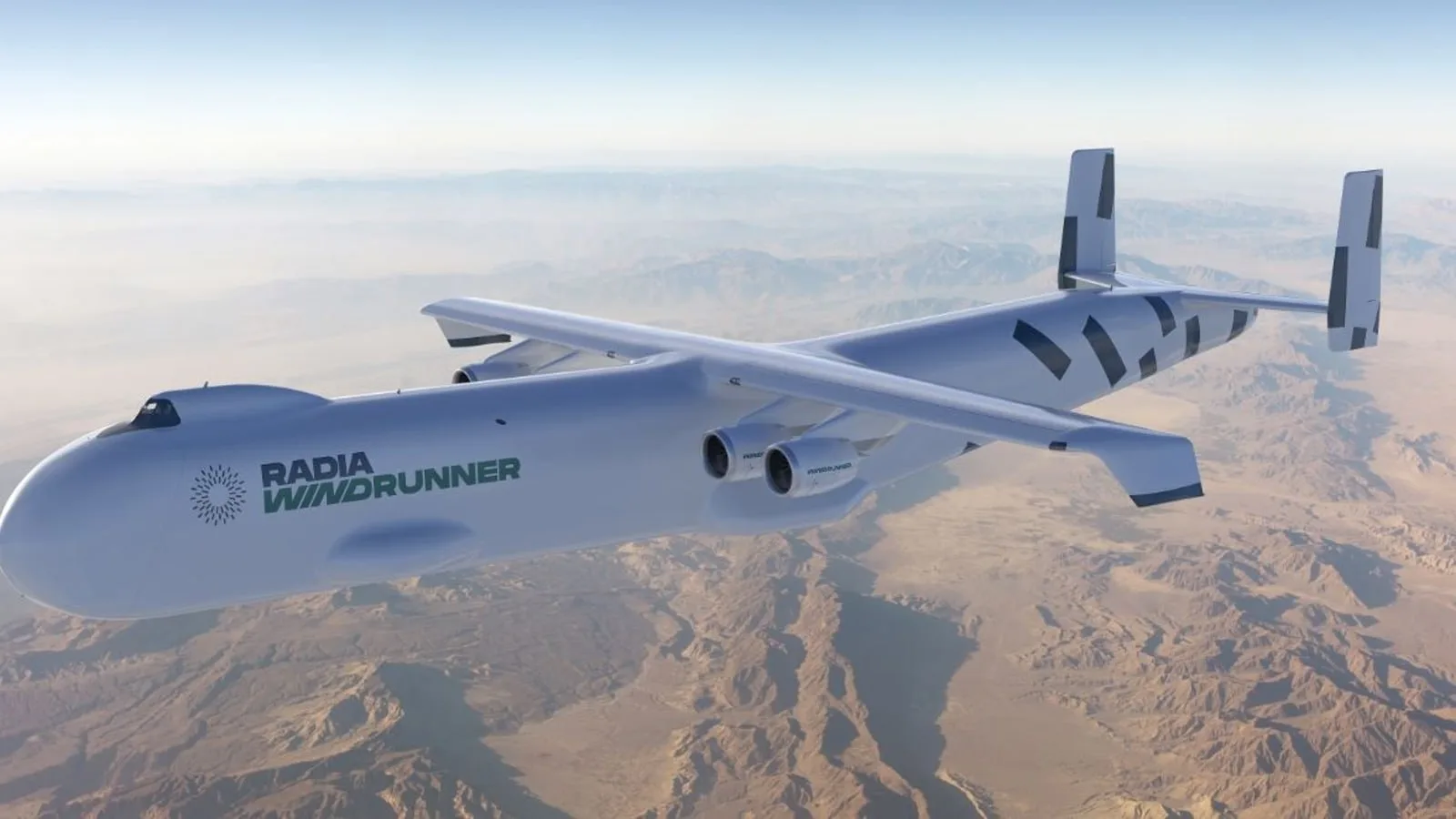
Aernnova partners with Radia on the wing and engine pylons of WindRunner, the cargo aircraft Radia is developing to carry wind turbine blades. Leonardo and AFuzion join the same ecosystem for fuselage engineering and for safety and…