Featured
IMUs
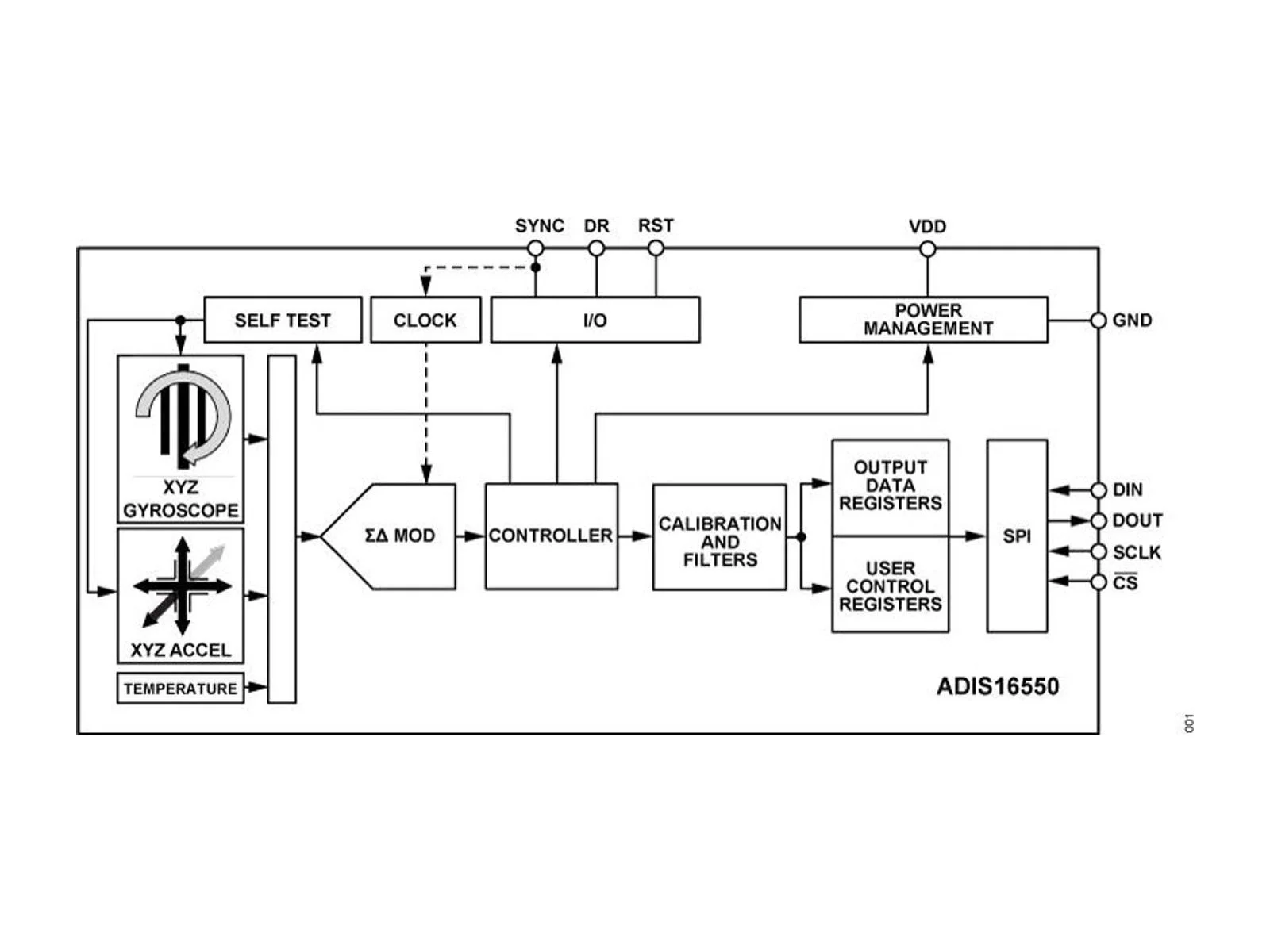
ADIS16550 inertial sensing unit
- Gyro bias instability
- 1 °/h
- Accelerometer bias instability
- 9 µg
- Angle random walk
- 0.13 °/√h
Inertial measurement units and inertial navigation systems (INS) with MEMS or fiber-optic gyroscopes and accelerometers.
Filters
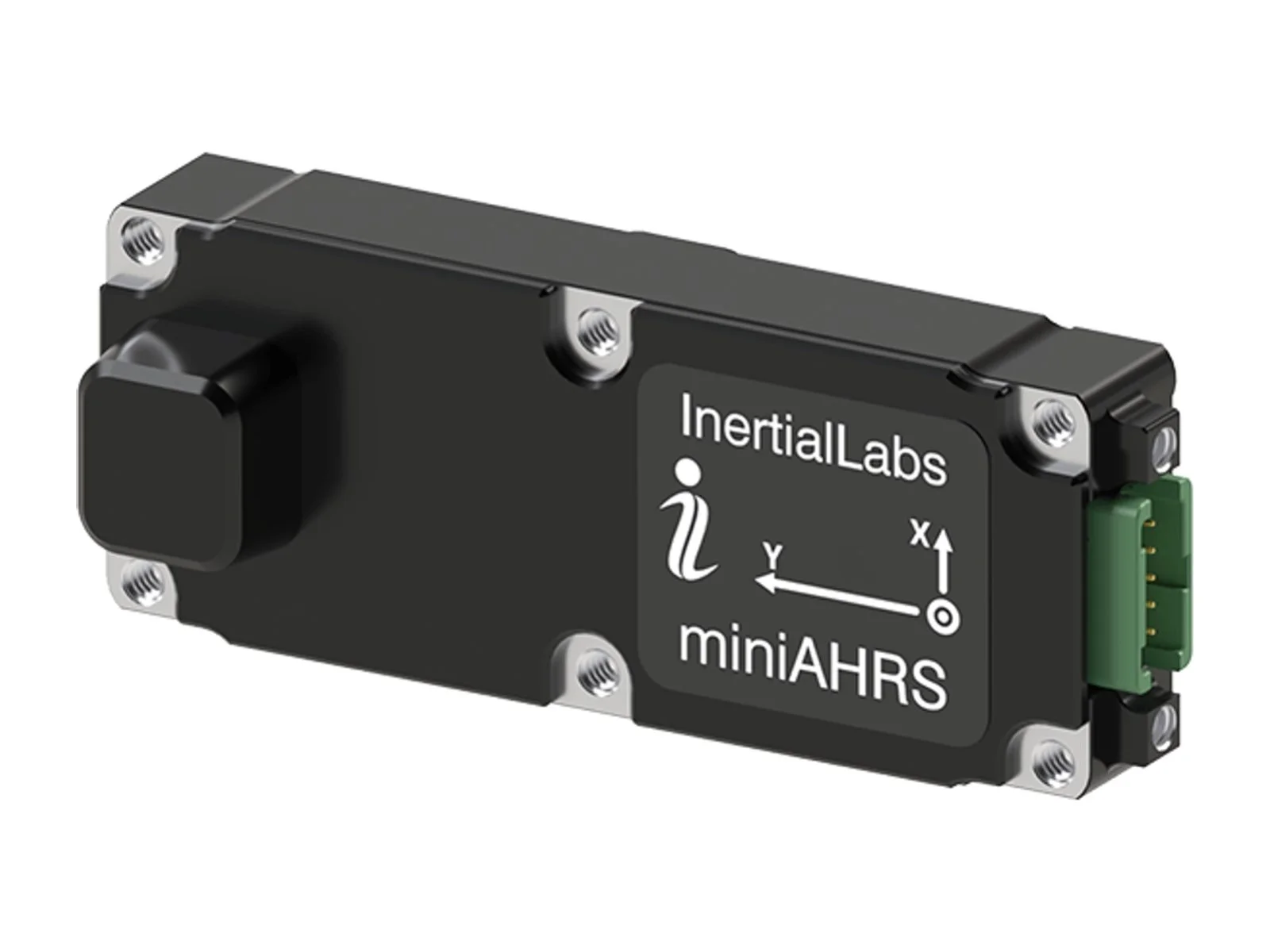
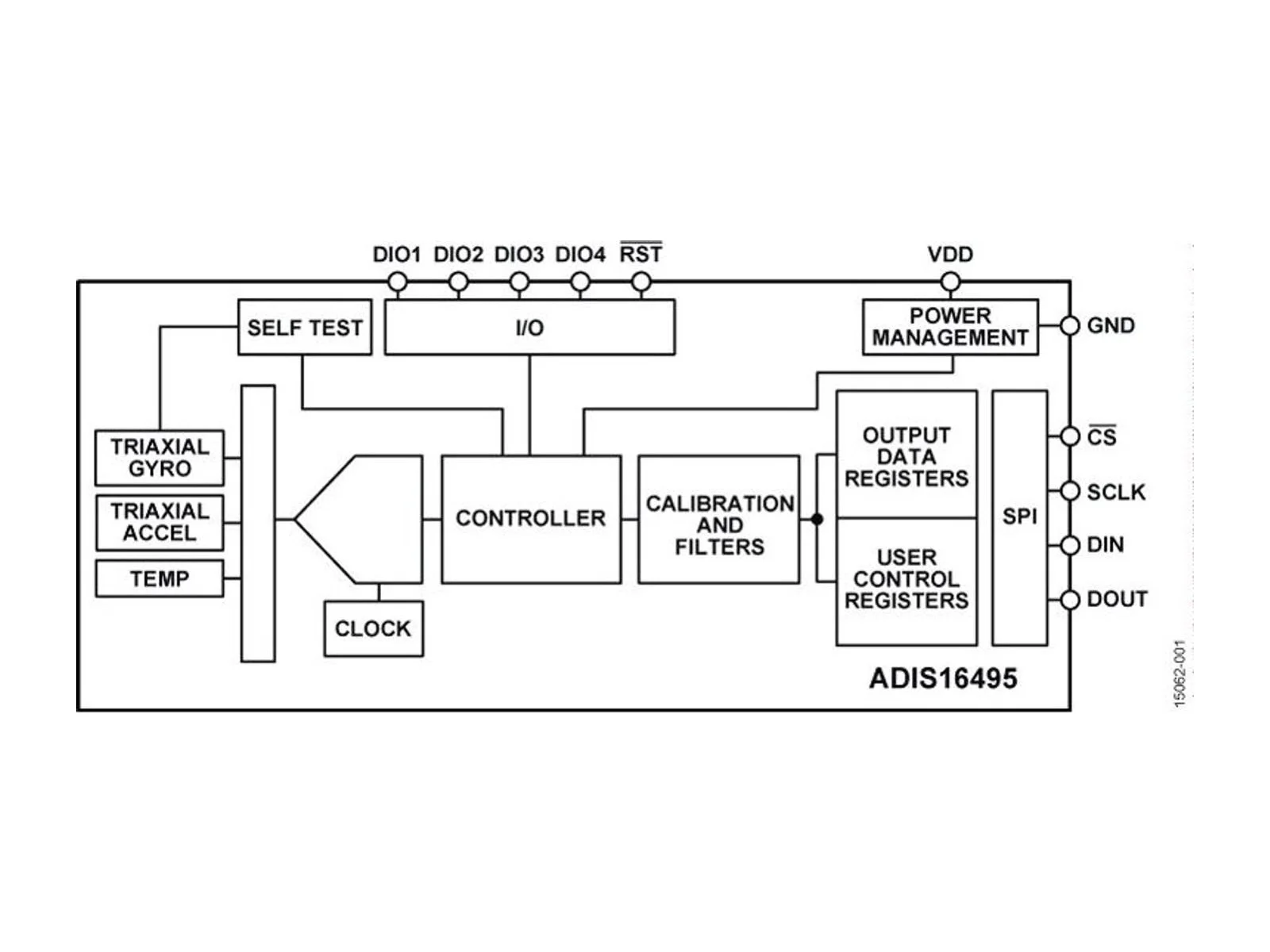
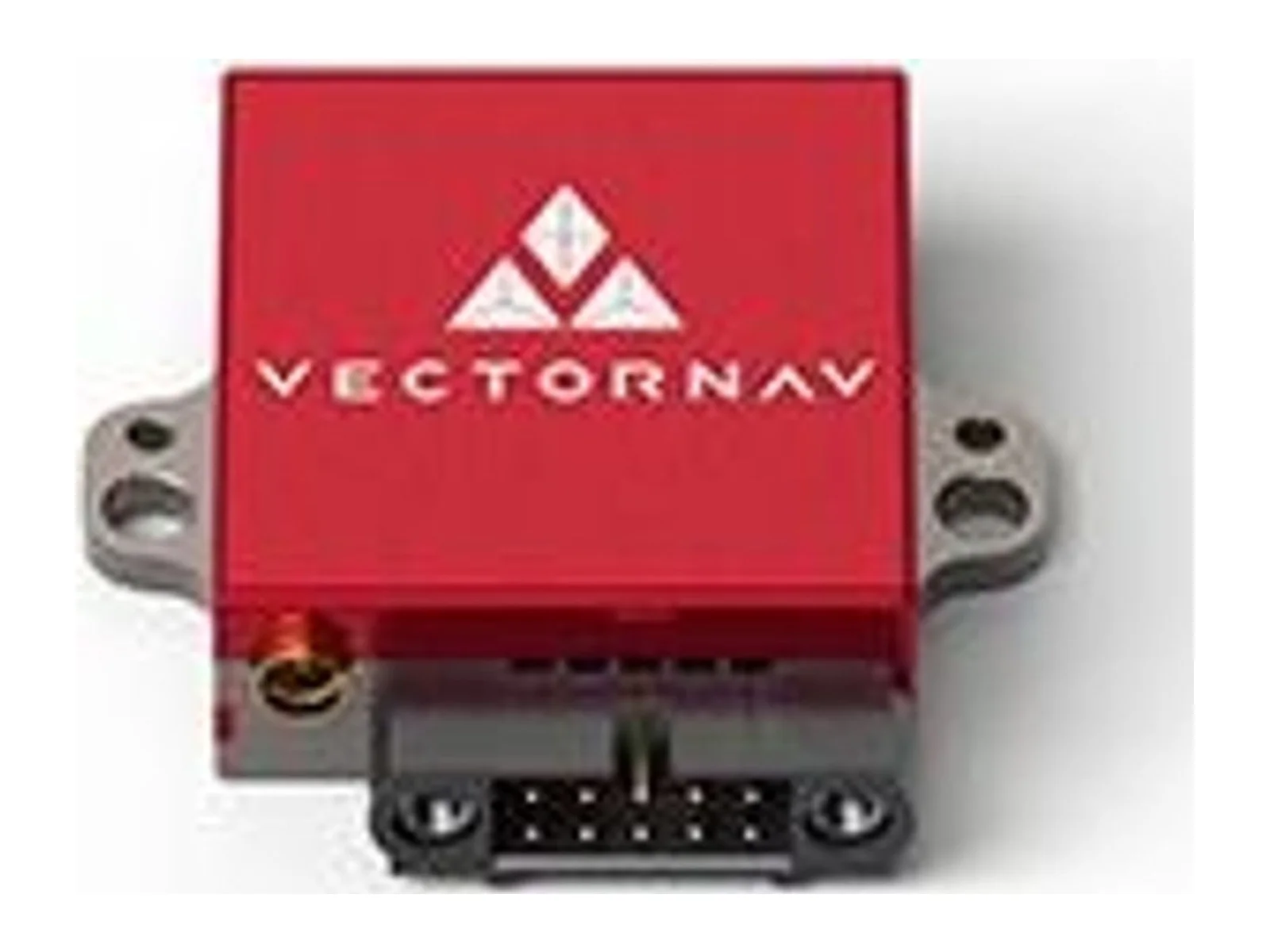
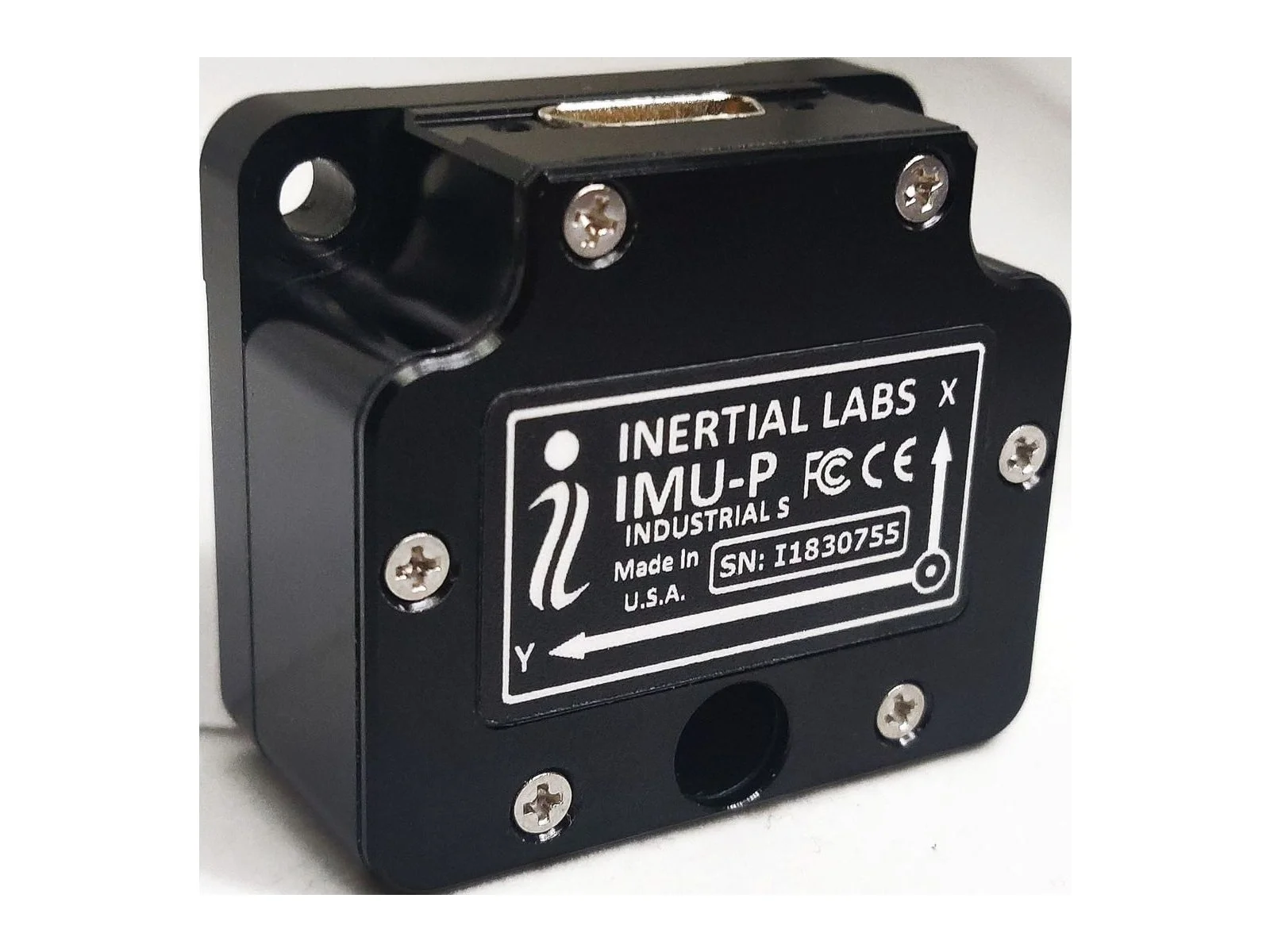
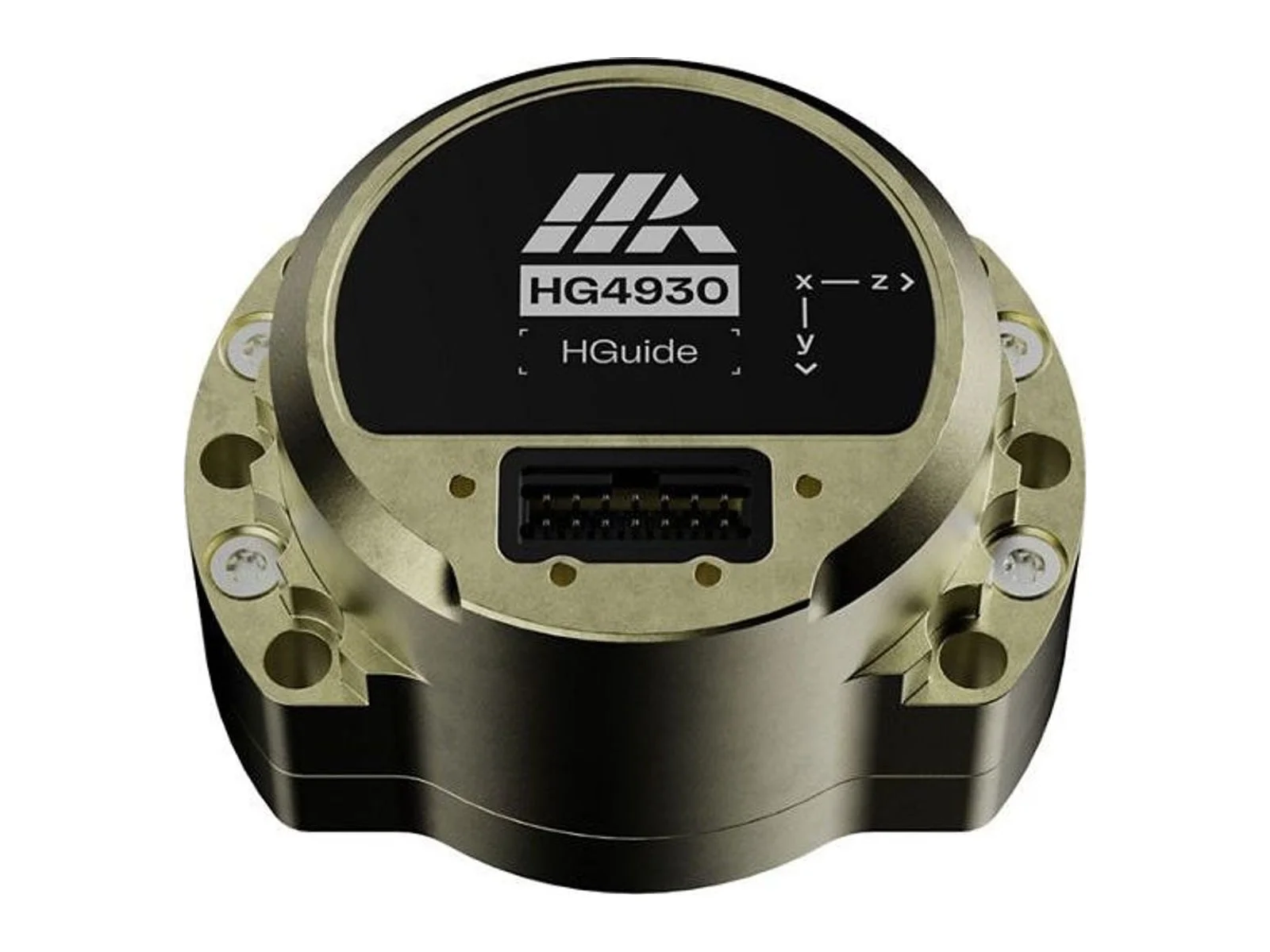
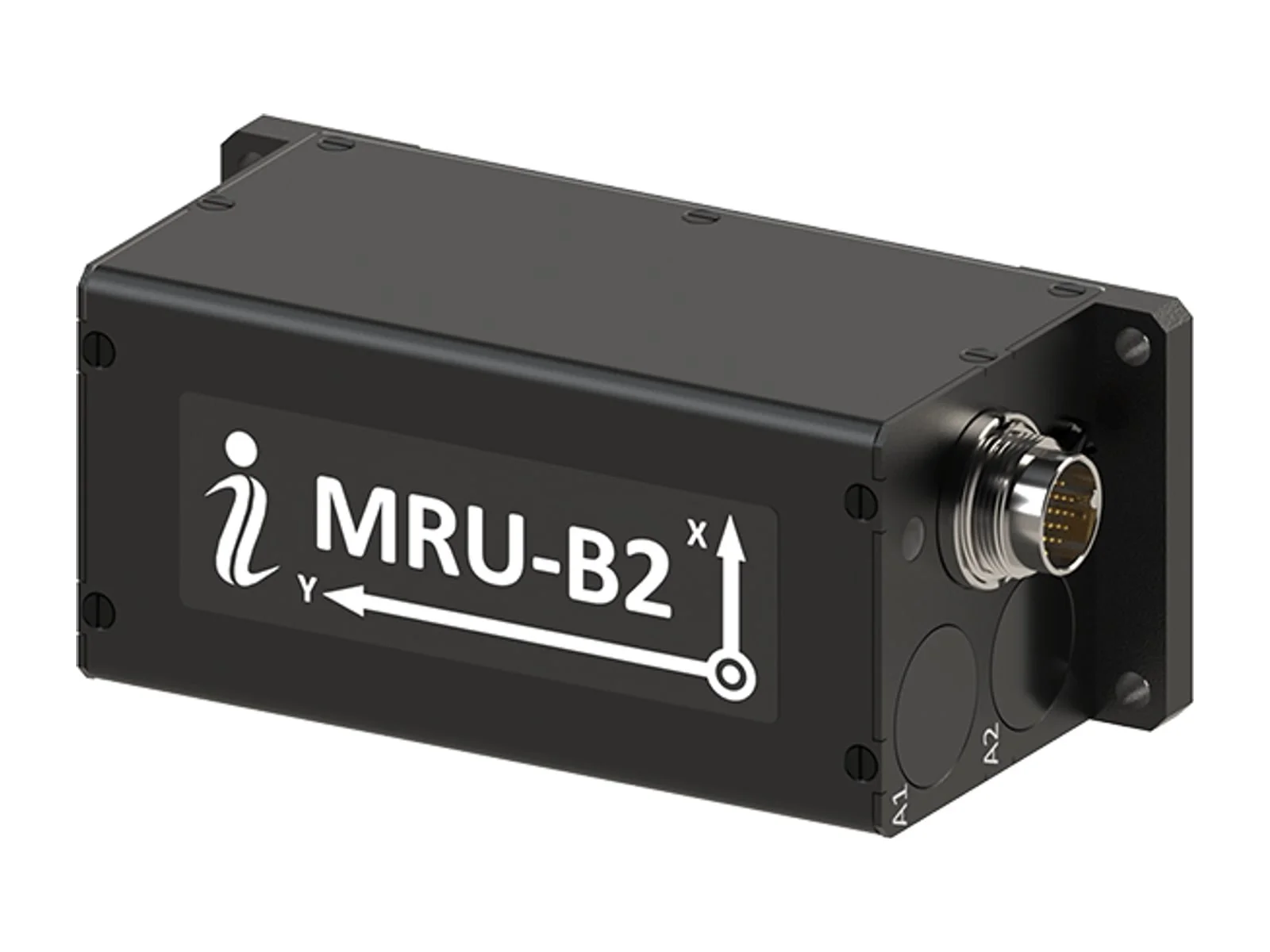
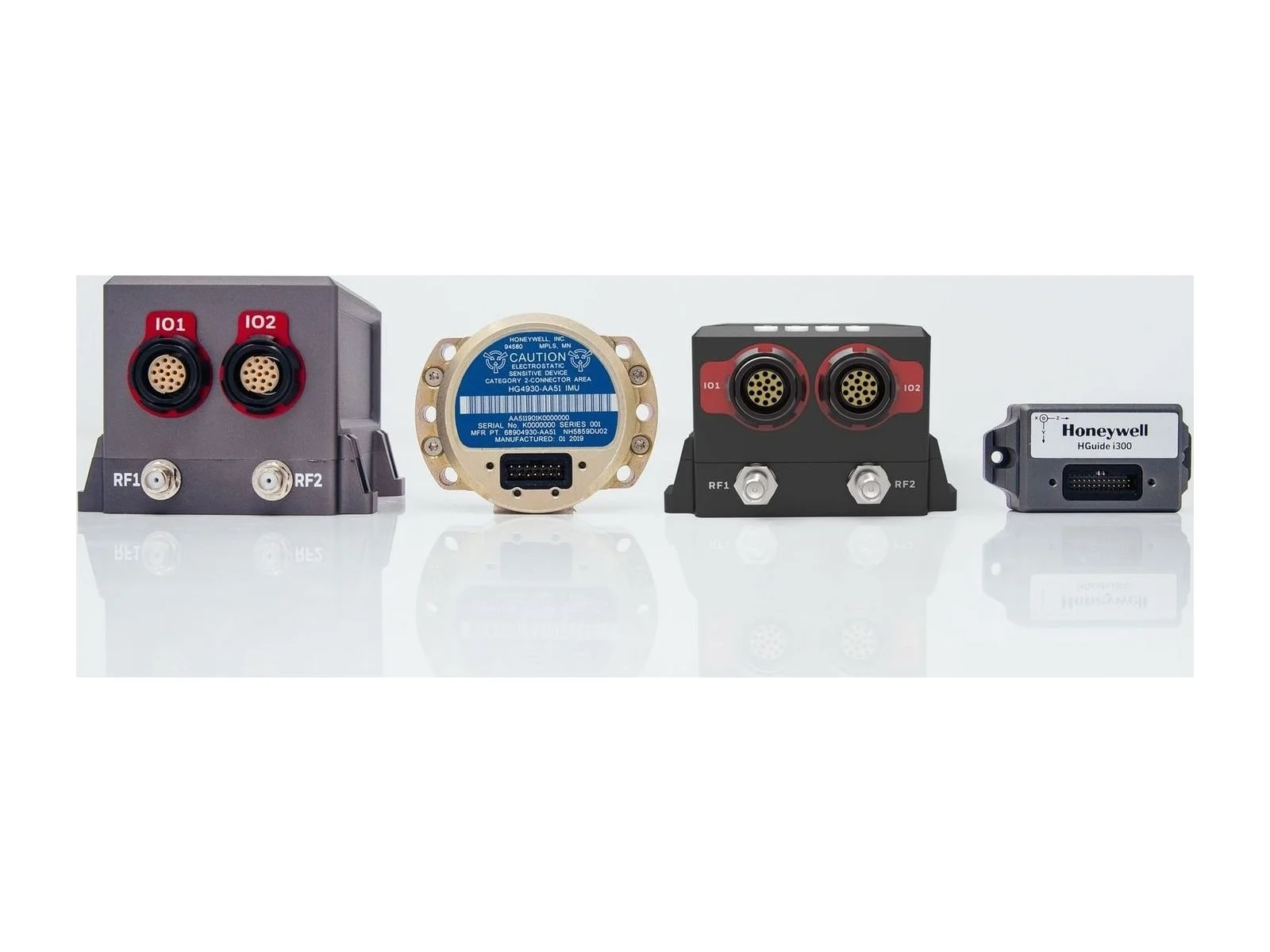
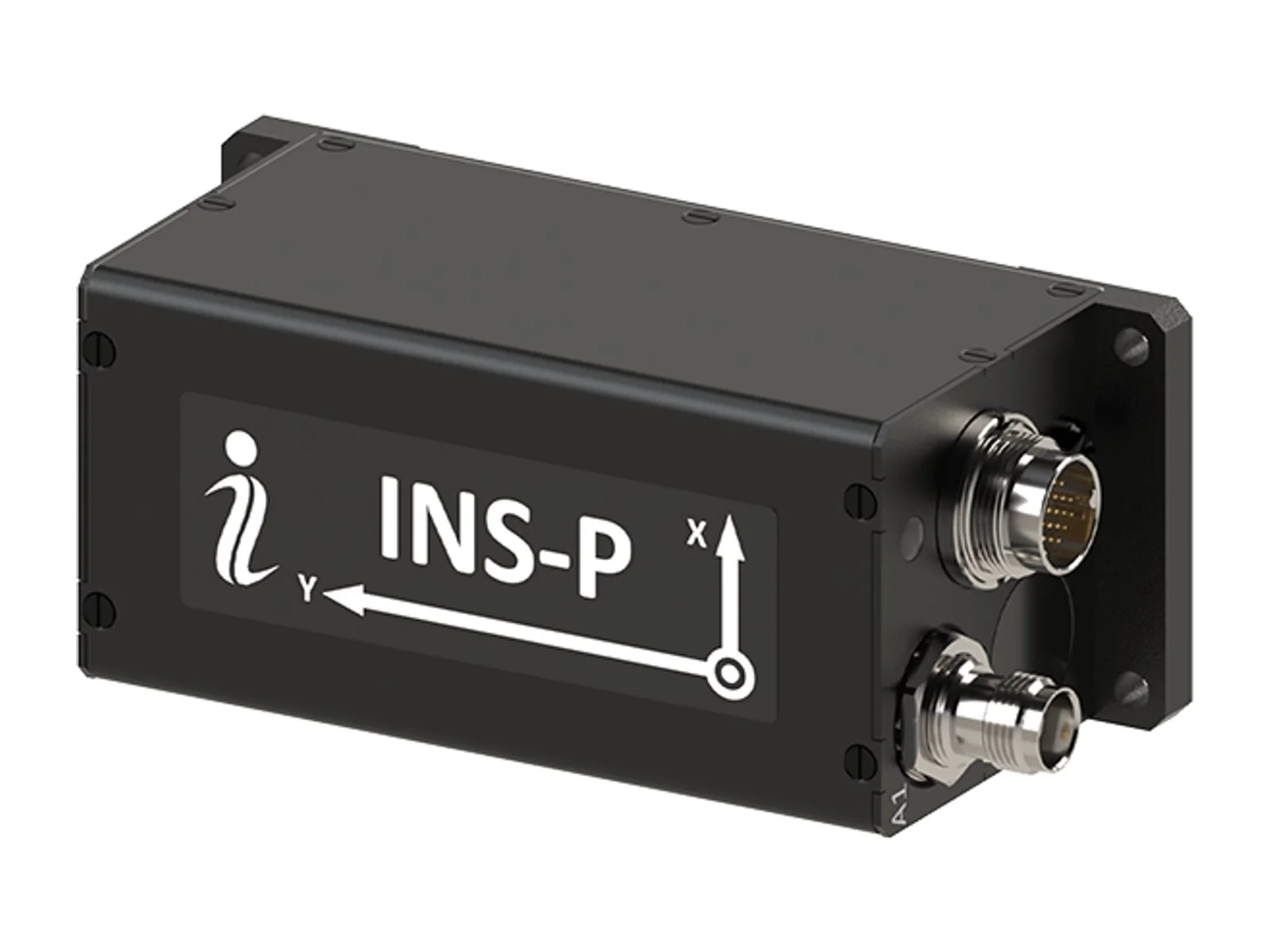
Try removing a filter.



Updated November 3, 2026
An inertial measurement unit (IMU) measures angular rate with gyroscopes and specific force with accelerometers along three axes. The flight controller uses it at high rate to stabilise the vehicle. An inertial navigation system (INS) adds processing, and usually GNSS aiding, to output attitude, heading, velocity and position.
| Grade | Typical technology | Gyro bias stability (order of magnitude) | Typical use |
|---|---|---|---|
| Consumer / industrial | MEMS | Tens of °/h or more | Small drones, autopilot internal IMUs |
| Tactical | High-end MEMS, FOG | Around 1 °/h or better | Professional UAS, gimbals, mapping |
| Navigation | FOG, ring laser gyro | Around 0.01 °/h | Long GNSS-denied navigation, large UAS |
MEMS sensors are small, cheap and robust. Fiber-optic gyroscopes (FOG) and ring laser gyroscopes are larger and more expensive, but drift much less, which matters when GNSS is lost.
Match the grade to how long the vehicle must navigate without GNSS and how precise the payload pointing or mapping must be. For a multirotor that always has GNSS, a good MEMS unit is enough; for long flights in contested areas, a tactical or navigation-grade INS combined with visual navigation is the safer choice.
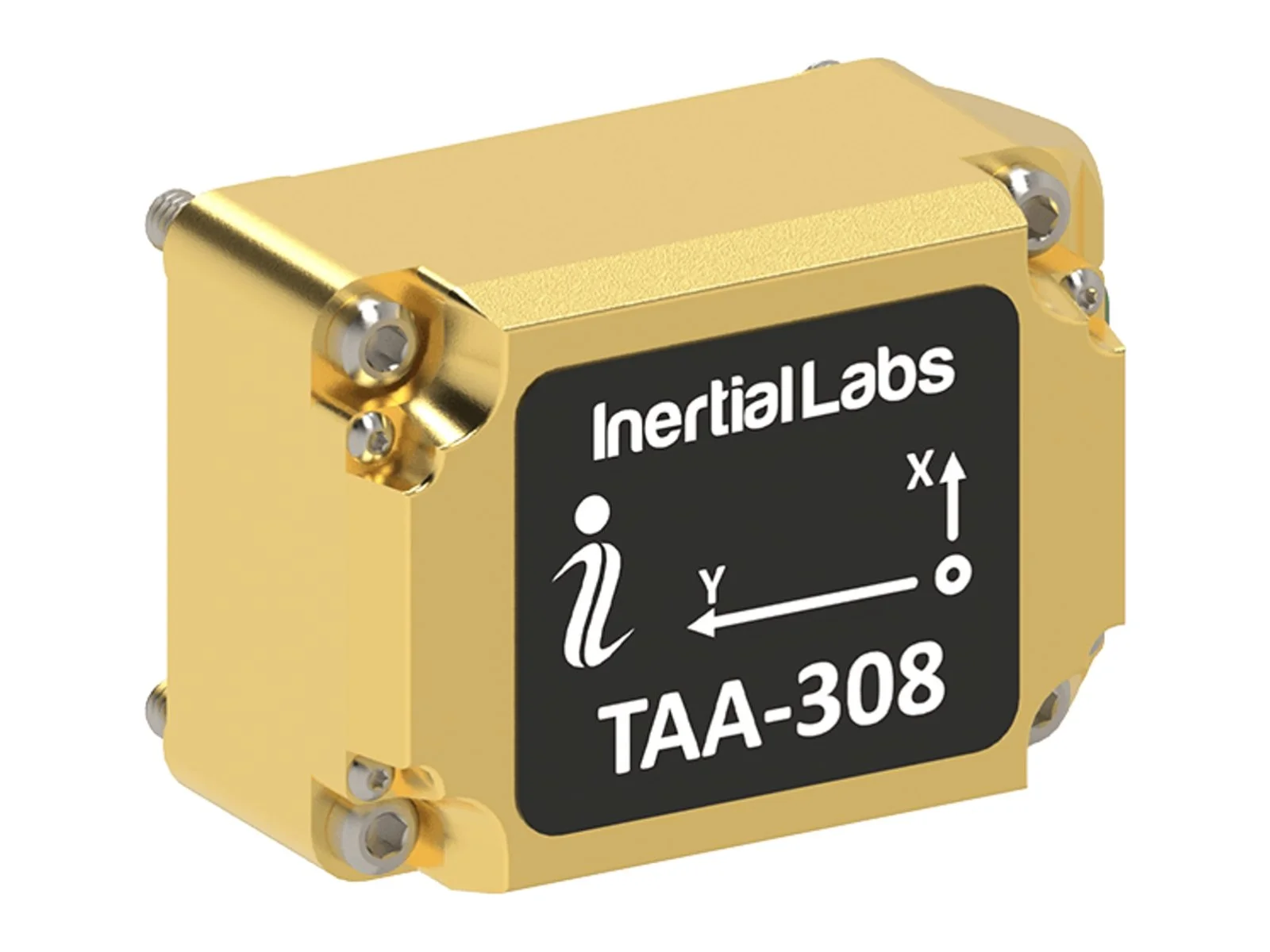
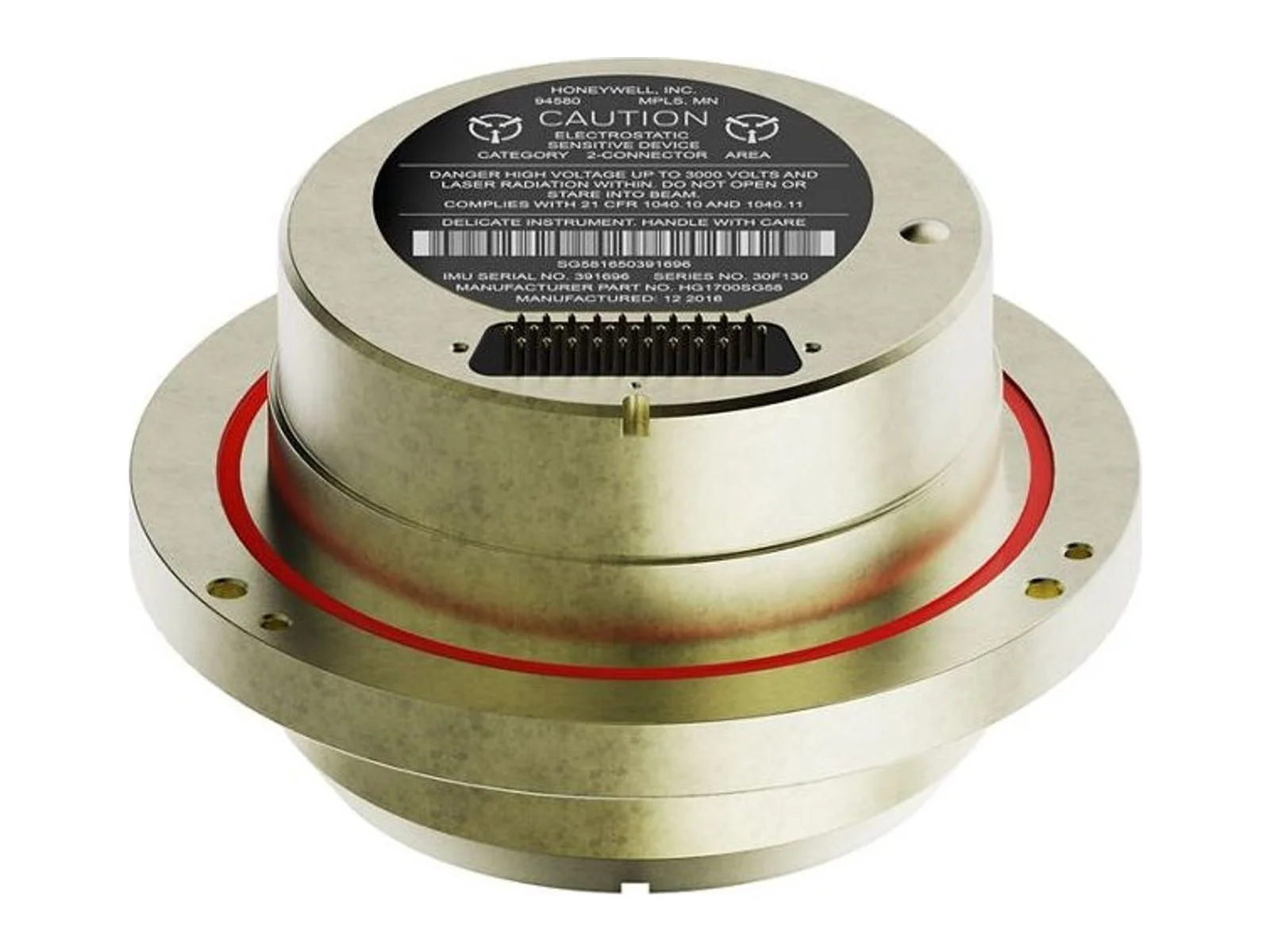
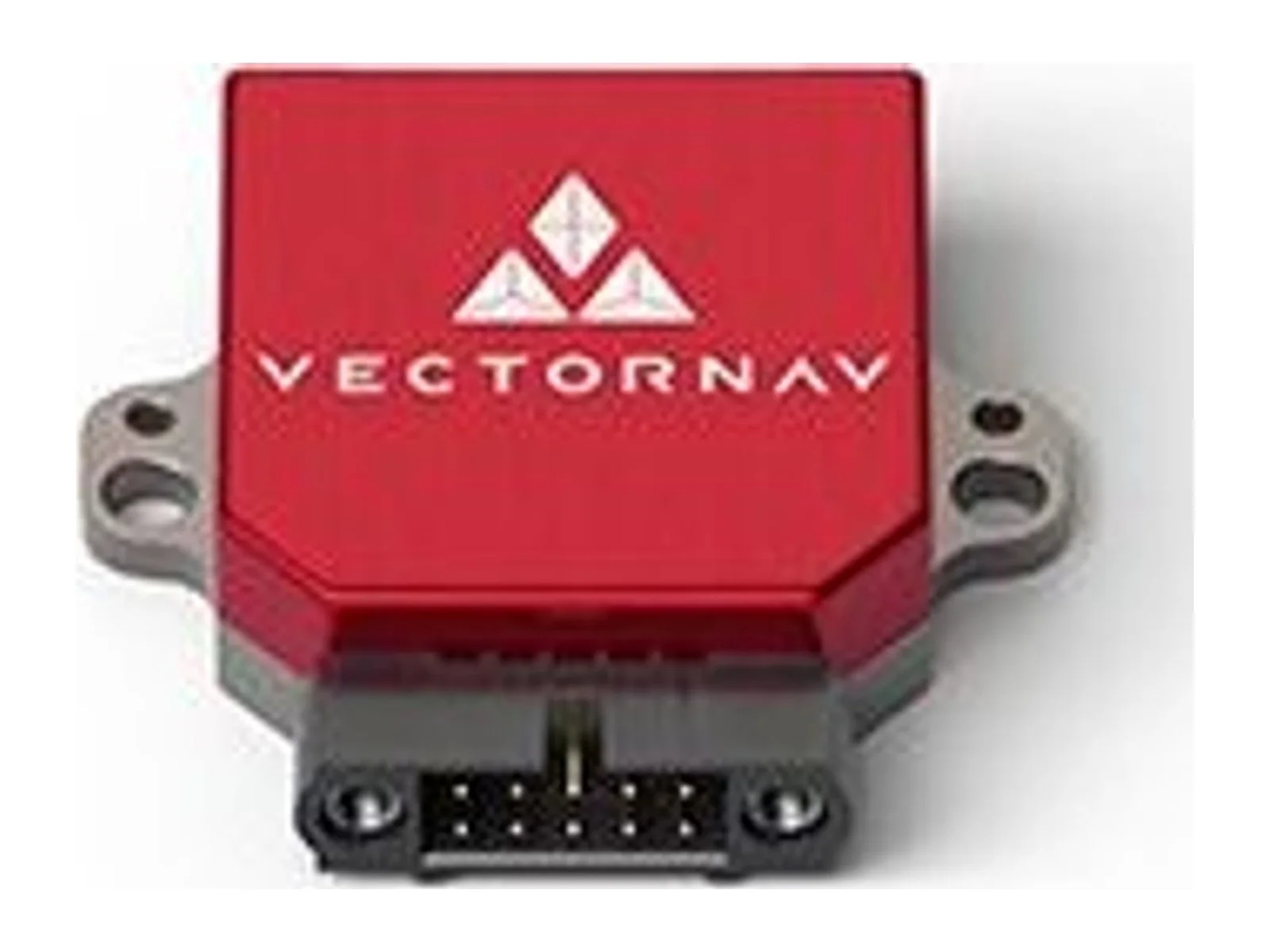
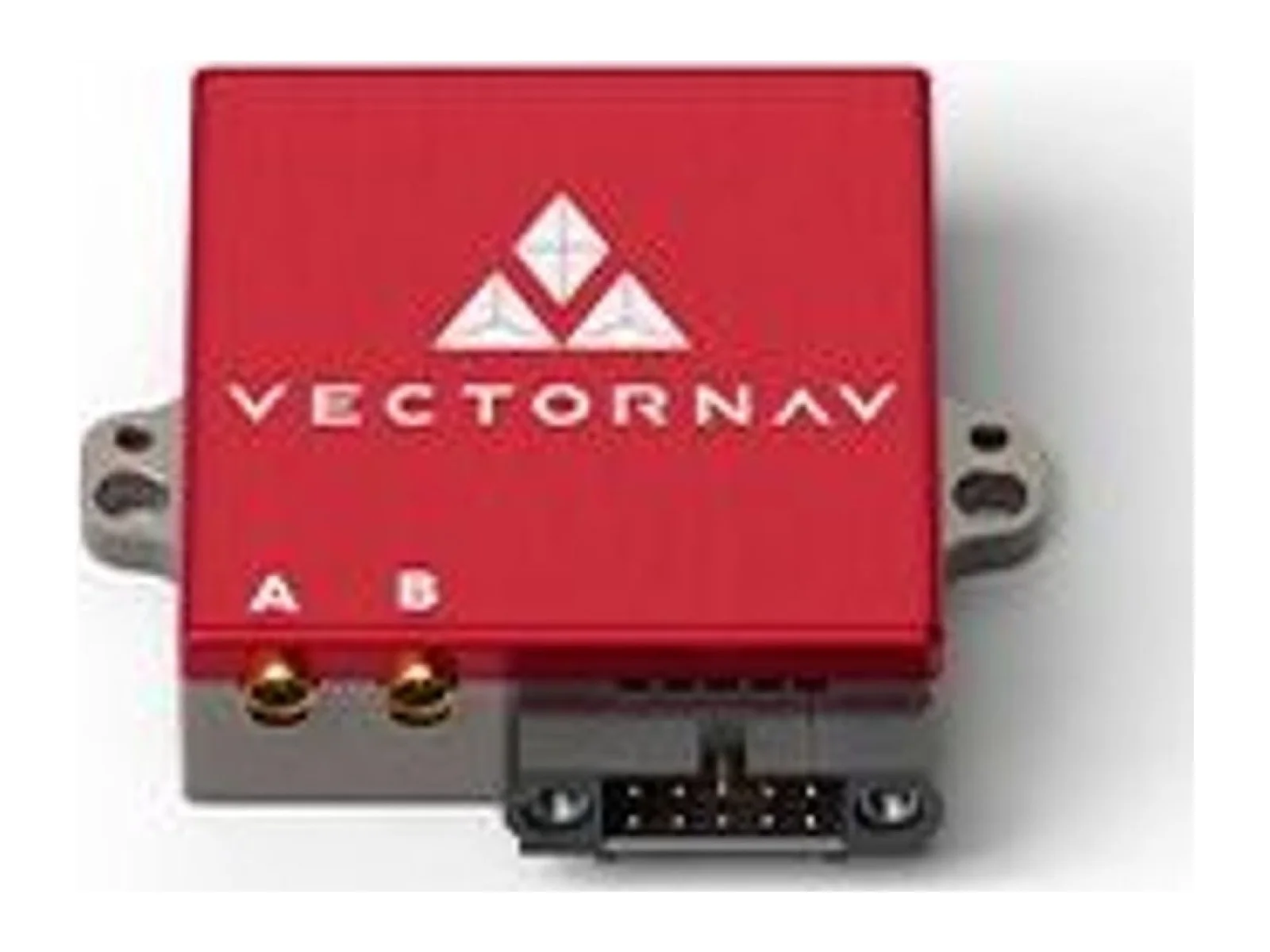
Examples include Honeywell Aerospace, Safran, Analog Devices, VectorNav and Inertial Labs.
An IMU only measures rates and accelerations. An INS processes those measurements, usually together with GNSS, to output attitude, velocity and position.
The smallest drift of the gyroscope output that cannot be calibrated out, usually expressed in degrees per hour. The lower it is, the longer the system keeps an accurate heading and attitude on its own.
FOG units drift much less and are preferred for long GNSS-denied navigation, but they are larger, heavier and more expensive. High-end MEMS now cover many tactical applications at lower SWaP and cost.
Two antennas a known distance apart give a heading measurement that does not depend on the magnetometer or on the vehicle moving, which is useful for hovering drones and near magnetic disturbances.
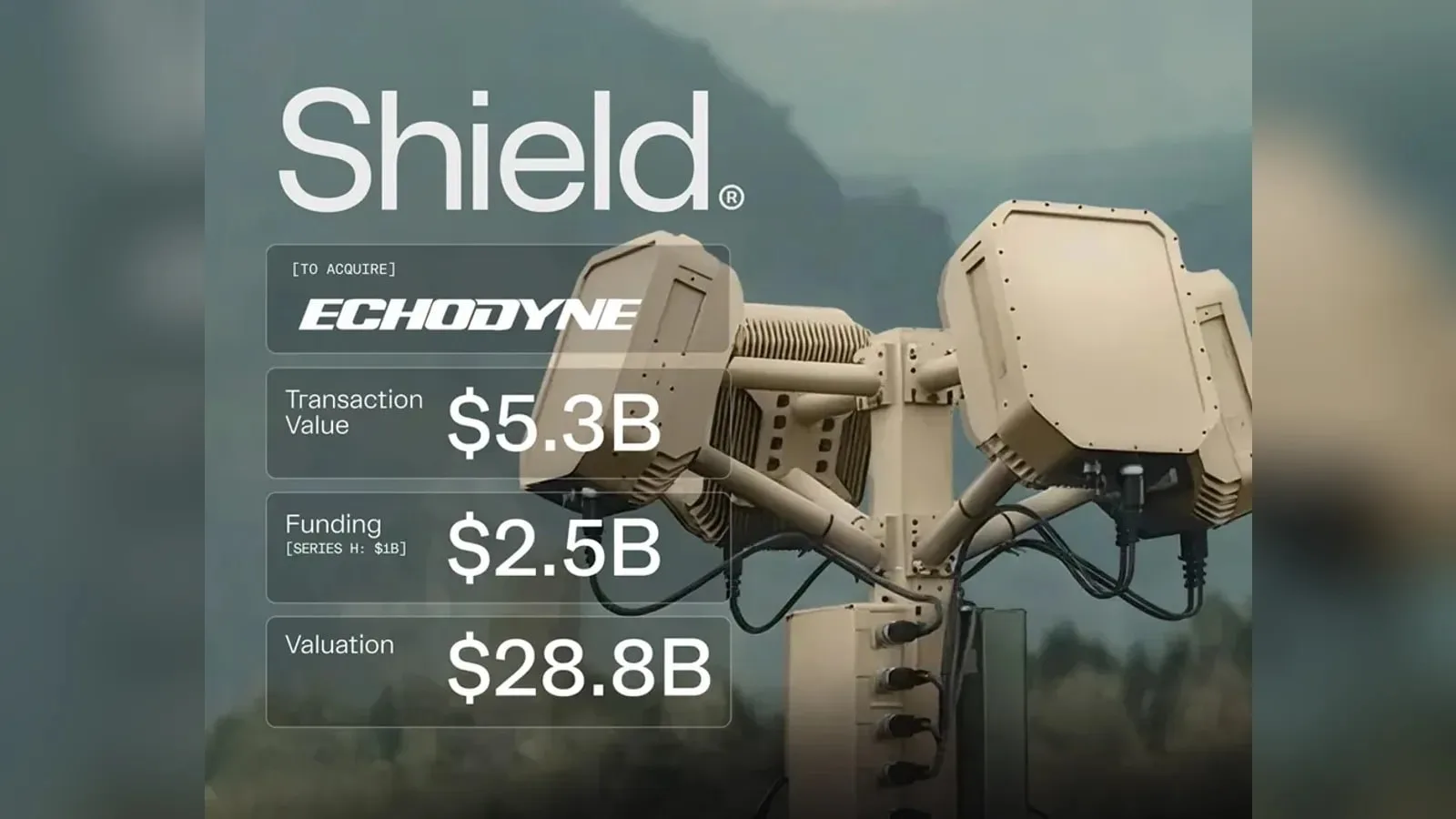
Shield agrees to buy Echodyne, the Kirkland-based radar maker, in a deal valued at $5.3 billion. The purchase brings software-defined MESA radars, used in counter-UAS systems and for UAS detect-and-avoid, into Shield's Mission Systems…
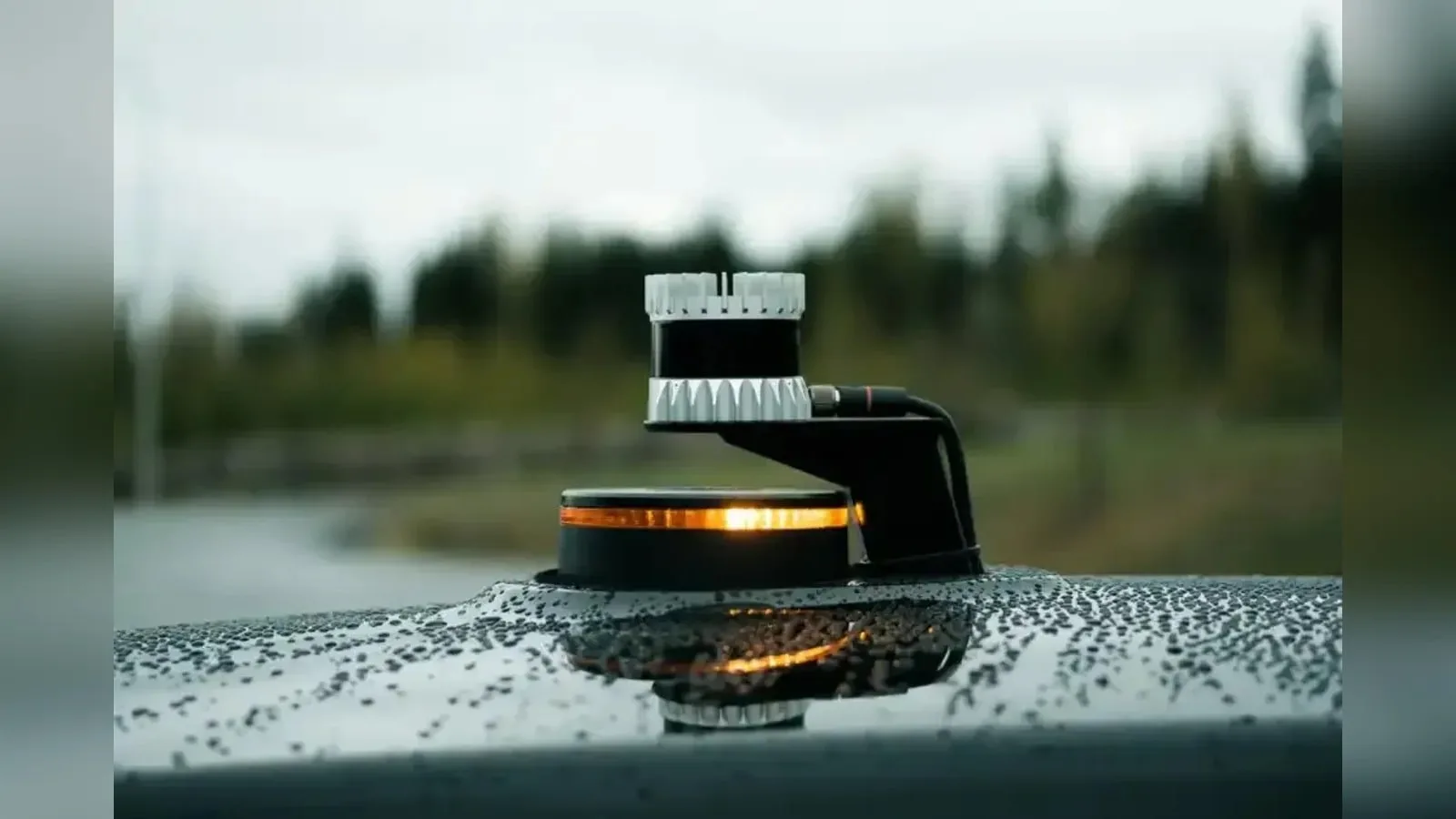
Ouster releases Firmware 3.2 for its lidar sensors, adding on-sensor 3D zone monitoring, optical window blockage detection and time-synchronized IMU data. The update shifts occupancy logic and motion compensation from the host computer to…
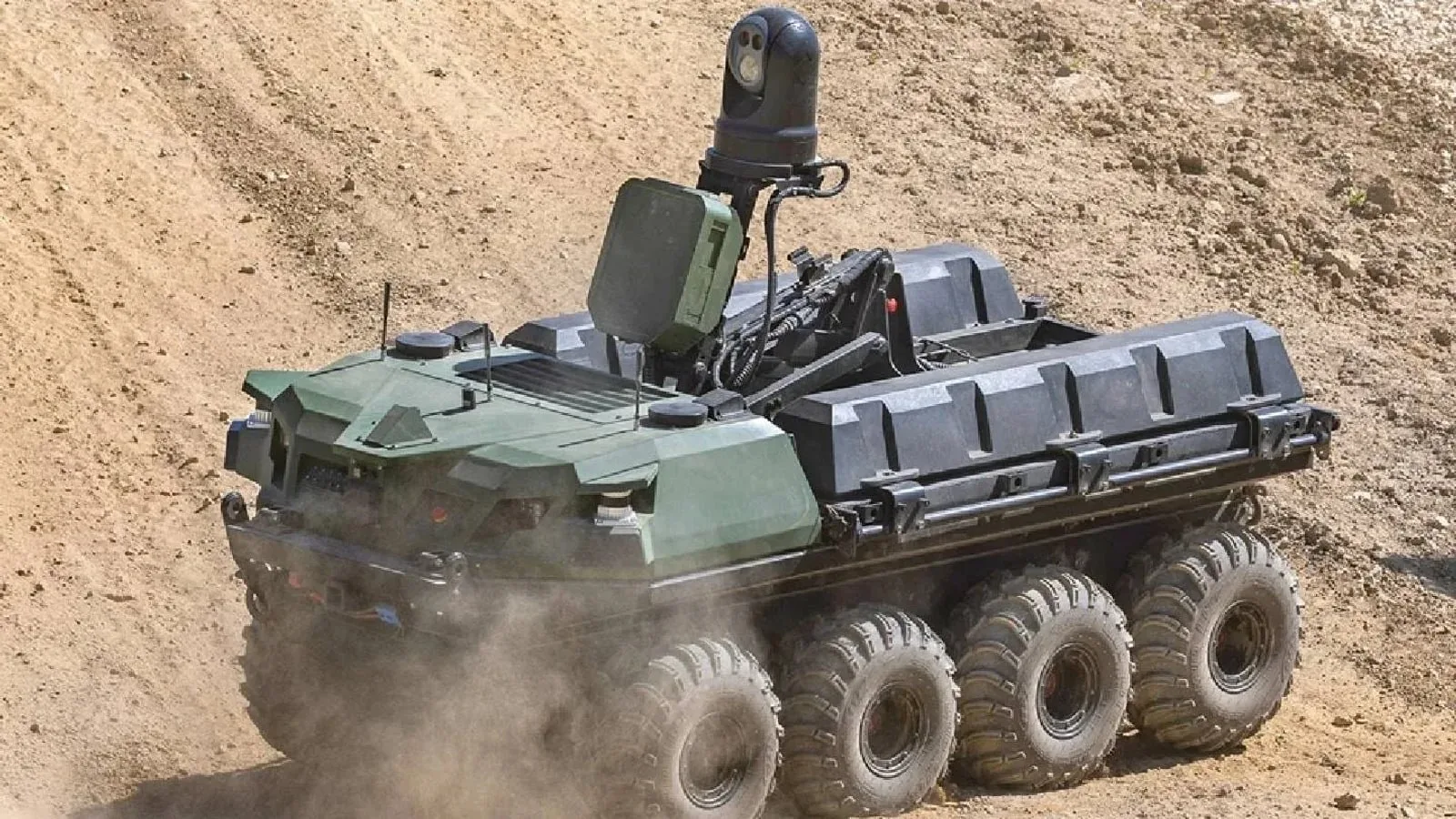
Shield has agreed to buy Echodyne, the Washington-based maker of MESA radars for counter-UAS and airspace sensing, for $5.3bn. Echodyne's radars stay available as standalone products, and the deal adds production capacity for the sensor…