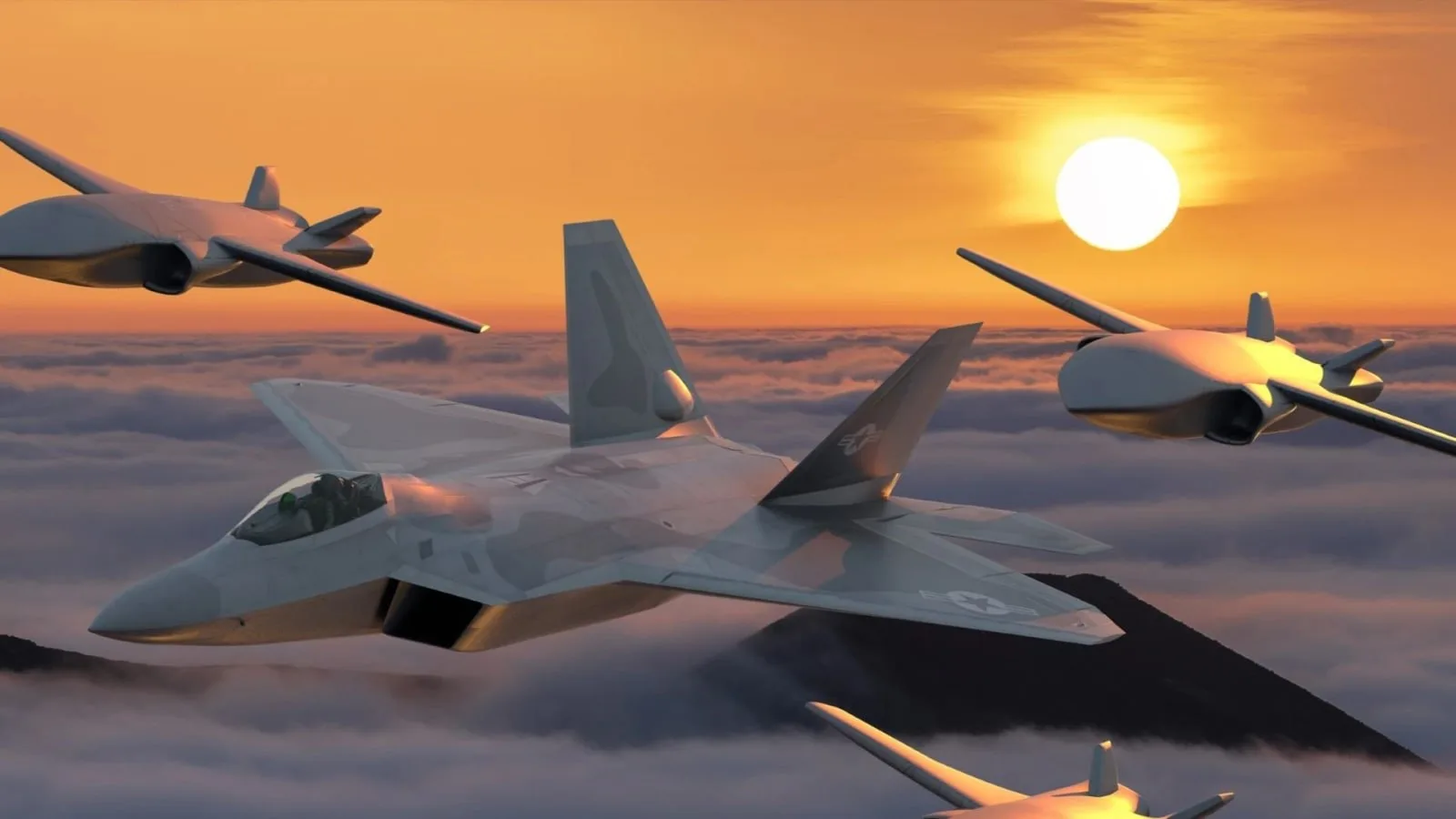
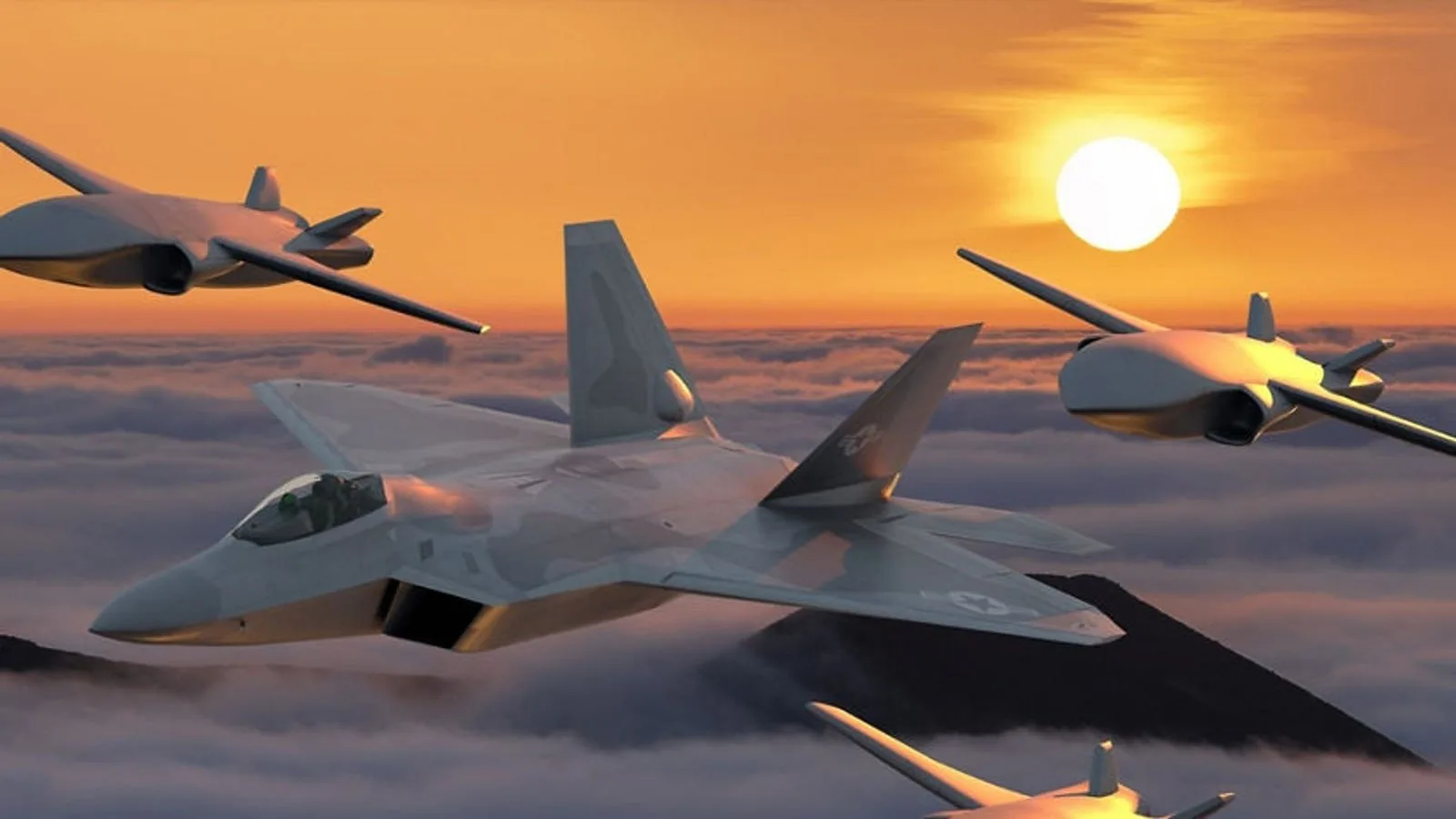
The HON1600 is a small turbine engine for CCAs, the highly autonomous uncrewed aircraft that will fly alongside crewed Gen 5 and Gen 6 fighters. Honeywell reports that the September 2025 core engine run achieved all of its test objectives.
Honeywell says the engine builds on a proven architecture from the size class of its most successful APU, while using all-new components, modern aerodynamics, current material systems and contemporary manufacturing methods, including additive manufacturing. The company states that this lowers cost, improves producibility and permits high-volume output.
Honeywell says the HON1600 satisfies what the Air Force asks of a CCA engine in terms of power, range and the ability to adapt to different missions. It also describes the engine as striking a balance between fuel efficiency and speed. According to John Turco, who is senior director of military turbofan engines, a CCA engine must offer a high thrust-to-weight ratio and efficient fuel use so that aircraft can fly long-range missions in contested environments.







Turco names unit affordability at production volume as the deciding requirement, since CCA fleets are expected to outnumber the crewed aircraft they support. T. J. Pope, who leads engine strategy and growth, notes that Honeywell produces over 2,000 turbines of this size annually. He says that output can readily cover CCA demand from the Air Force and allied military forces.
Why it matters
The Air Force plans to field CCAs as expendable aircraft that make its force more distributed, harder to target and more affordable against peer adversaries. They are to carry weapons, fly air-to-air and ISR missions, operate as wingmen or as individual autonomous platforms, and join swarms without direct human supervision.
General Atomics and Anduril Industries received the Air Force’s Increment 1 selection to build prototype aircraft. Ground testing of those prototypes is in progress, with flight testing due to begin soon. The Increment 2 propulsion solicitation includes a prototype phase, in which Honeywell intends to present the HON1600.
Honeywell Aerospace (company profile) has produced about 150,000 turbine propulsion engines and APUs over 50 years. Honeywell’s auxiliary power units are installed on almost all commercial aircraft operating today, and on many military rotary-wing and fixed-wing platforms as well.


Source: Honeywell Aerospace: New engine needed for Collaborative Combat Aircraft
Was this article useful?
Thanks for your feedback. You can change your answer at any time.
Latest news
Latest news
Companies in this article
 Sensors · 5Avionics · 4Propulsion · 2Structures · 2Comms & GCS · 1
Products in this article
 FeaturedCombustion engines
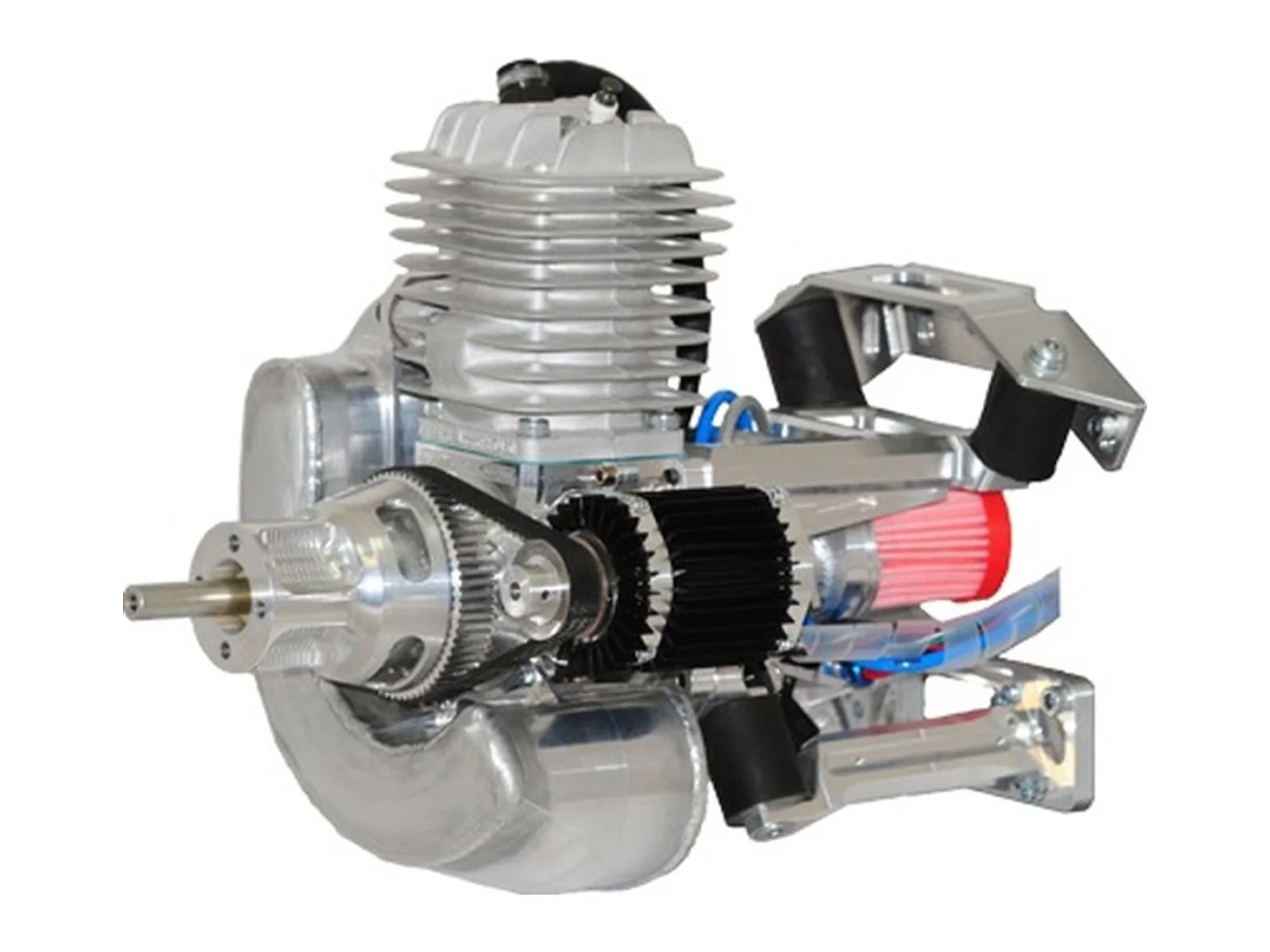
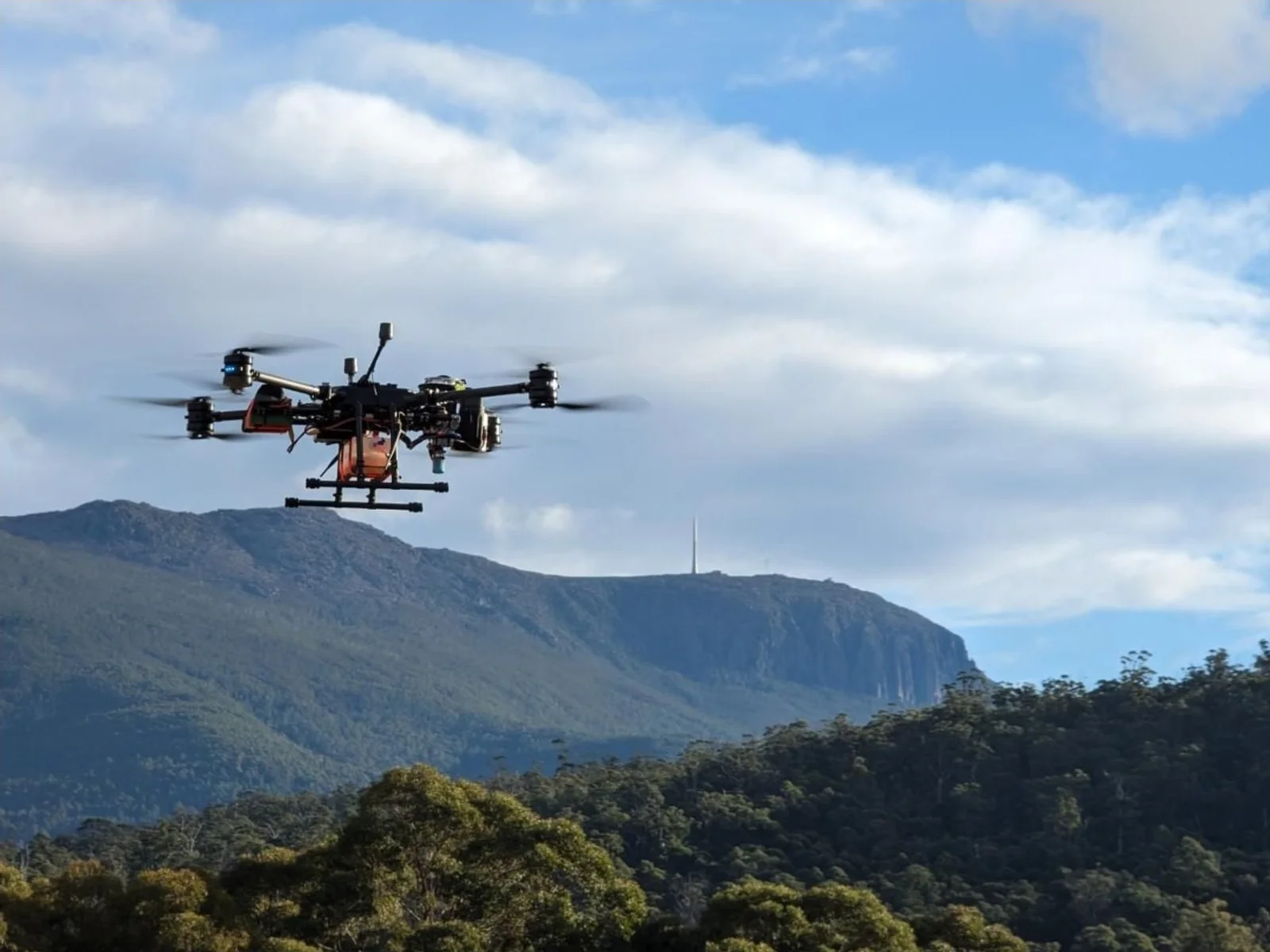
Corvid-50 electronically fuel-injected UAV engine
- Max power
- 2.8 kW
- Engine type
- 2-stroke
- Displacement
- 50 cc
 FeaturedCombustion engines
Cortex HF50 hybrid aircraft combustion engine
- Engine type
- 2-stroke
- Displacement
- 50 cc
- Grade
- Professional
 Featured
Related articles
Honeywell tested multi-network satcom failover on 757 testbed
Honeywell Aerospace detailed on May 5, 2022 a test of a Primary, Alternate, Contingency and Emergency (PACE) satcom scheme on its Boeing 757-200 flying testbed, which switched between commercial and military satellite networks in flight…

Honeywell tests alternative navigation for GNSS-denied flight
Honeywell Aerospace presents results from demonstrations of celestial-, vision- and magnetic-aided navigation that support inertial systems when GNSS signals are lost. Its star-tracker based system matches GNSS-INS performance under…

Honeywell tests 1 MW hybrid-electric generator for airship
Honeywell Aerospace tests a 1 MW generator in a Mexicali test cell, and Flying Whales will integrate it into the hybrid-electric powertrain of its LCA60T airship. The unit reaches 1 MW steady state at 97% efficiency, giving…

Honeywell HGuide HG4930 IMU anchors industrial nav line
Honeywell Aerospace marks five years of its HGuide Industrial Navigation group, which adapts inertial navigation technology from the company's defense and aerospace lines for industrial platforms. MEMS inertial measurement units such as…