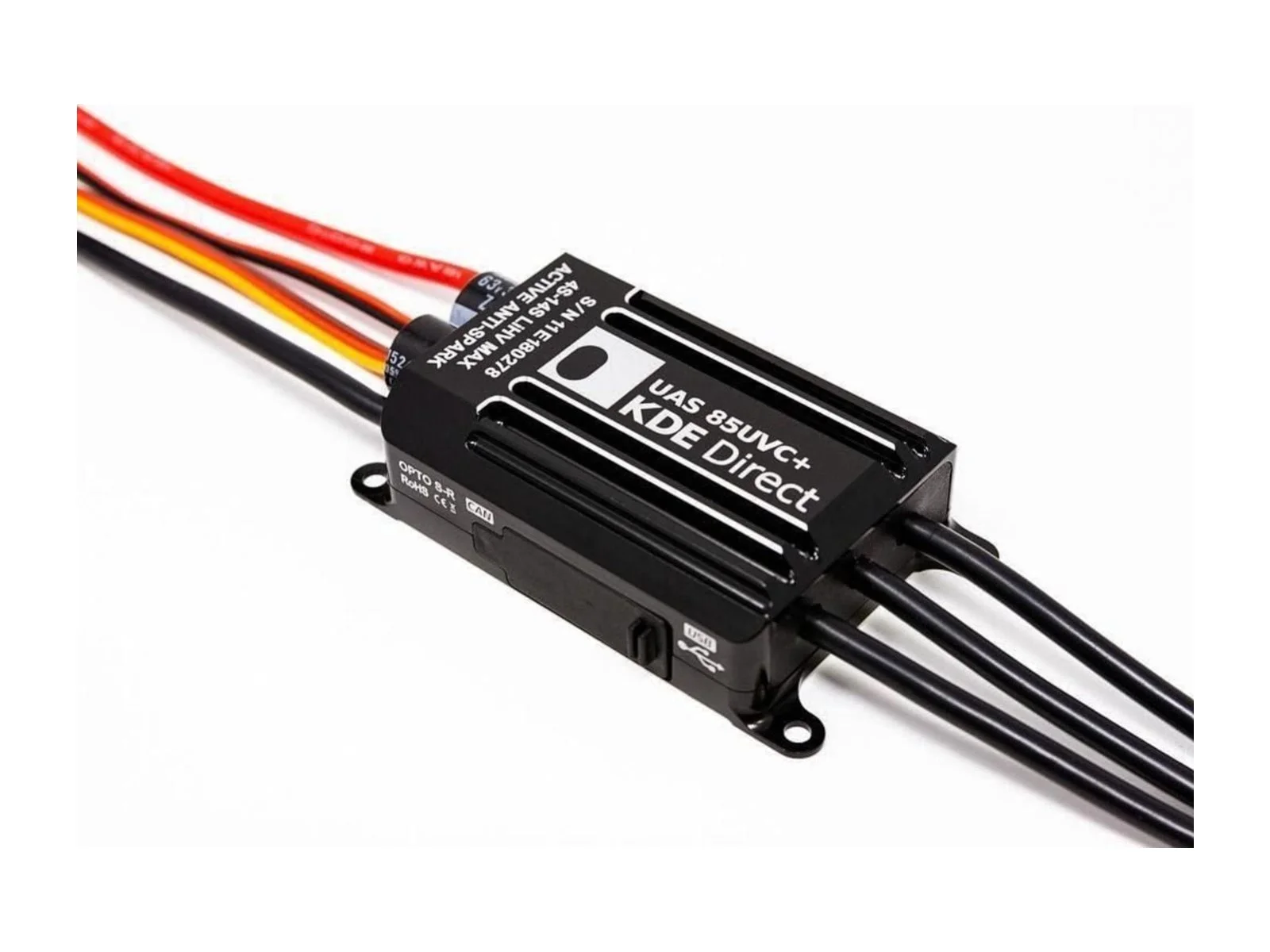
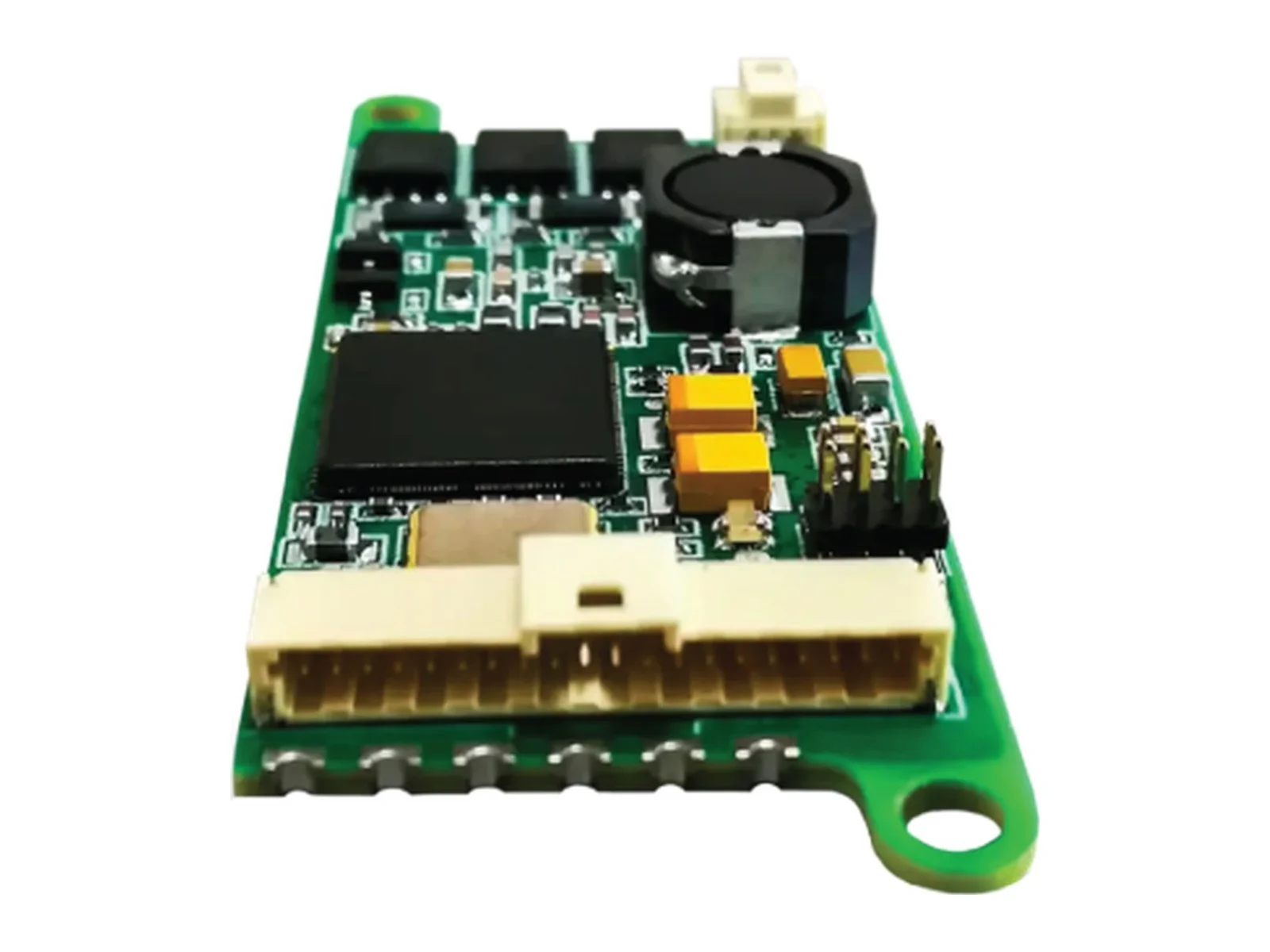
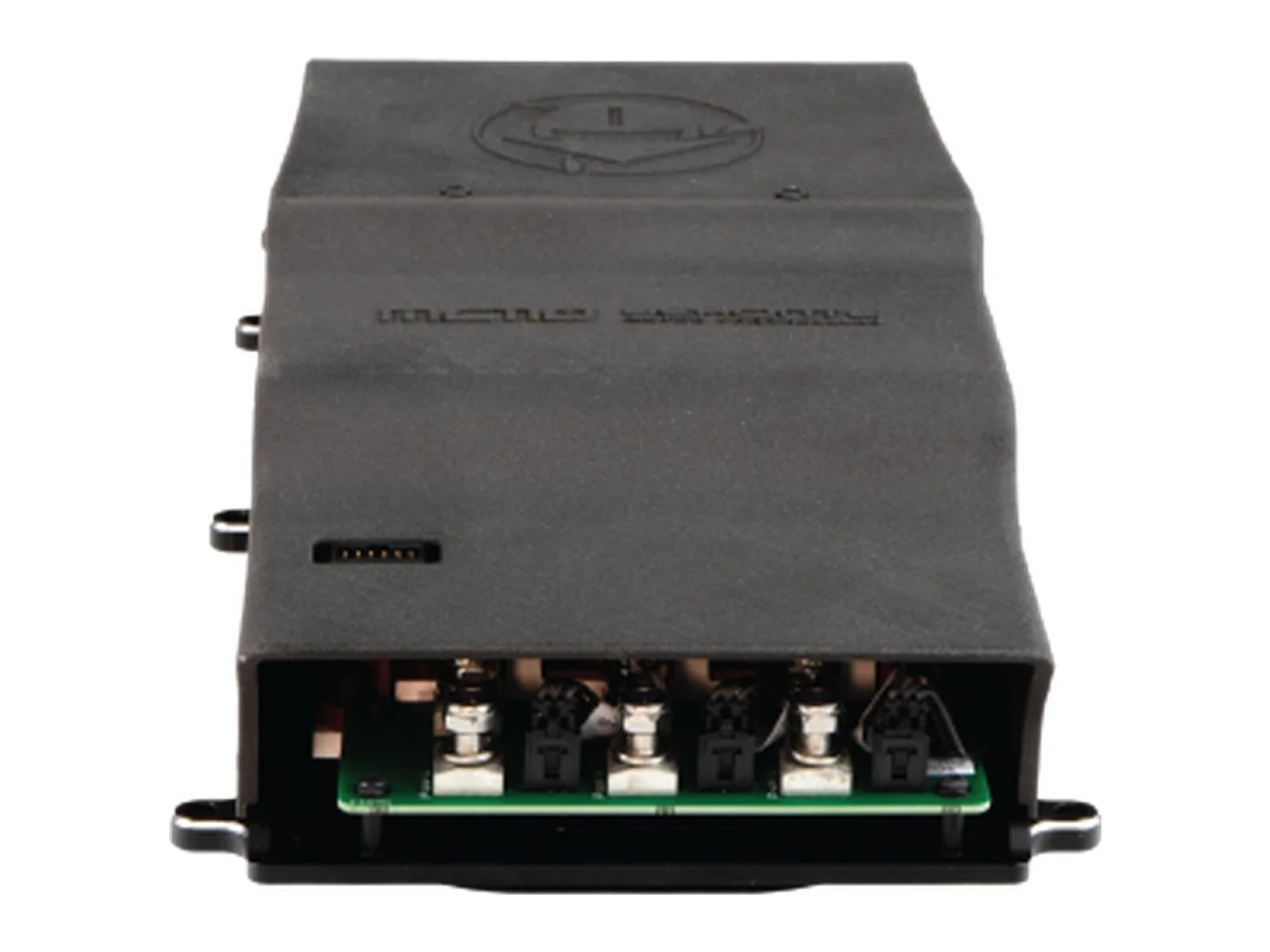
KDE-UAS85UVC is an electronic speed controller that regulates electrical power supplied to a brushless propulsion motor. Continuous power is 4405 W. It links the propulsion motor to its power source and flight-control command path in an aircraft installation.
KDE-UAS85UVC is an 85 A electronic speed controller (ESC) from KDE Direct, part of its UAS UVC series for brushless motors in multirotor and other unmanned aircraft. It controls the power fed to a brushless propulsion motor, accepting a throttle command from the flight controller and returning telemetry over CAN.
The controller is intended for commercial and industrial multirotor platforms operated in harsh environments, where its IP66 ingress protection and rugged aluminum 6061-T6 case allow all-weather operation. It has an internal 32-bit MCU, a proprietary control algorithm with dynamic advance timing from 12 to 30 degrees and an adaptive refresh rate of 50 to 600 Hz, with startup tuned for smooth motor synchronization.
For the integrator the main figures are as follows. The supply range is 14.8 V (4S LiPo) to 60.9 V (14S LiHV). Continuous current is 85 A for 180 s and peak current is 175 A for 5 s, which corresponds to a maximum continuous power of 4,405 W and a peak power of 9,065 W for 5 s. The maximum speed is 360,000 rpm electrical (2-pole). Mass is 110 g, or 150 g with wires and bullet connectors, and the size is 46 mm wide by 71 mm long. Continuous ratings require airflow of at least 5 mph across the heatsink; an overtemperature protection limits maximum rpm until the temperature falls, and the maximum case temperature is 95 degrees C.
Interfaces: the control lead is opto-isolated and the CAN bus port is not isolated. The PWM input has an automatic recognition algorithm and is factory calibrated. CAN telemetry supports KDECAN and DroneCAN and reports voltage, current, temperature, throttle and electrical rpm; data are logged to onboard EEPROM and downloaded through a micro-USB connection, with the KDE Direct Device Manager used for programming. There is no internal BEC, so a separate supply is needed for the flight controller and peripherals. The power leads are 12 AWG, the motor leads 13 AWG and the control lead 22 AWG, and the maximum DC wire length is 12 inches before added capacitance is needed.
Operating features include regenerative braking, temperature-controlled synchronous rectification, active monitoring of voltage, current, temperature and stall, an active anti-spark circuit to protect connectors and automatic throttle calibration. The maker states that the product is not NDAA compliant, which matters for buyers with procurement restrictions.
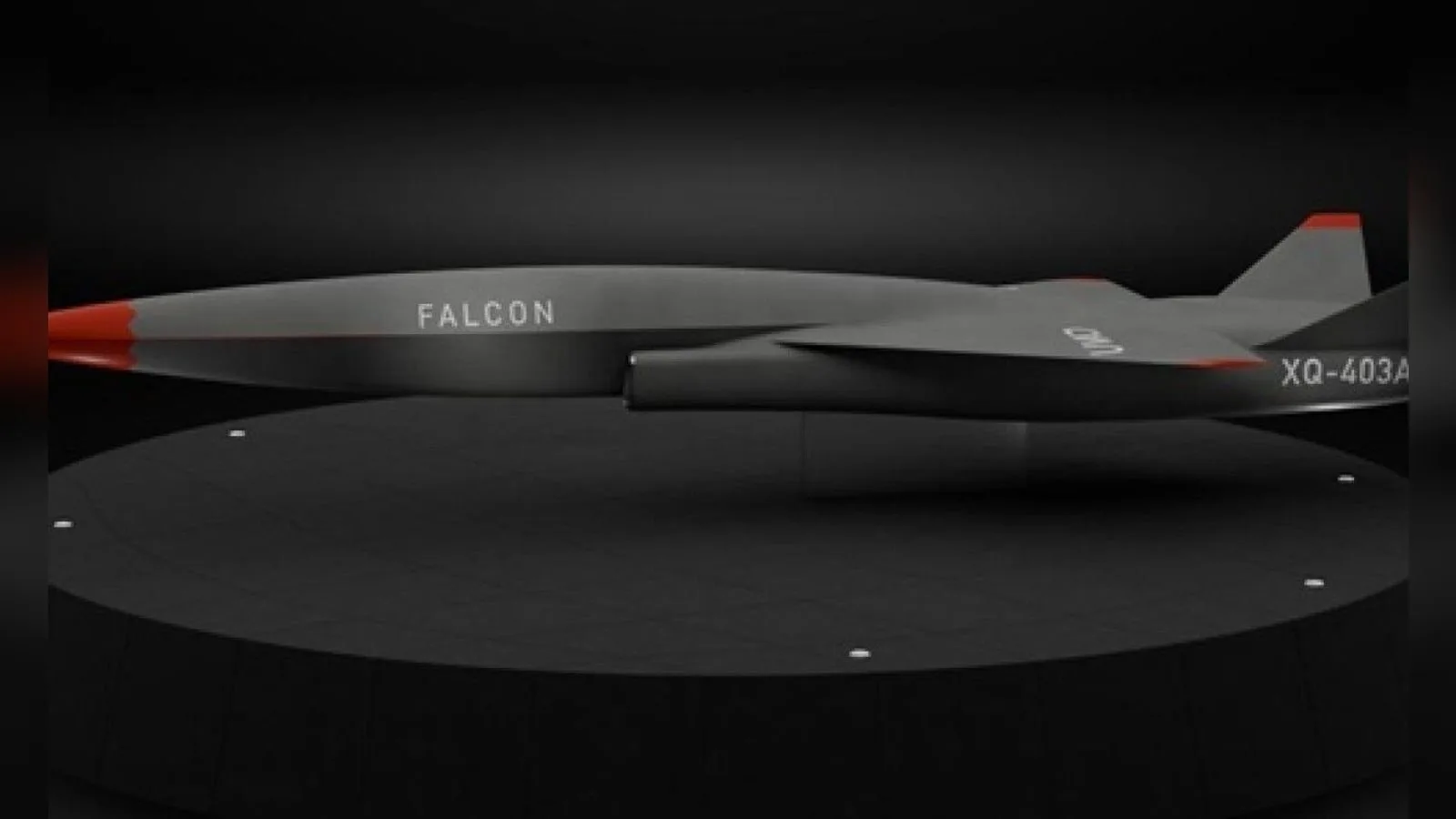
Falcon is a reusable supersonic uncrewed aerial target for missile-defense training, and its propulsion is the subject of a partnership between Safran Power Units and UVAD Technologies. Safran supplies two turbojet engines, and flight…
Honeywell Aerospace tests a 1 MW generator in a Mexicali test cell, and Flying Whales will integrate it into the hybrid-electric powertrain of its LCA60T airship. The unit reaches 1 MW steady state at 97% efficiency, giving…
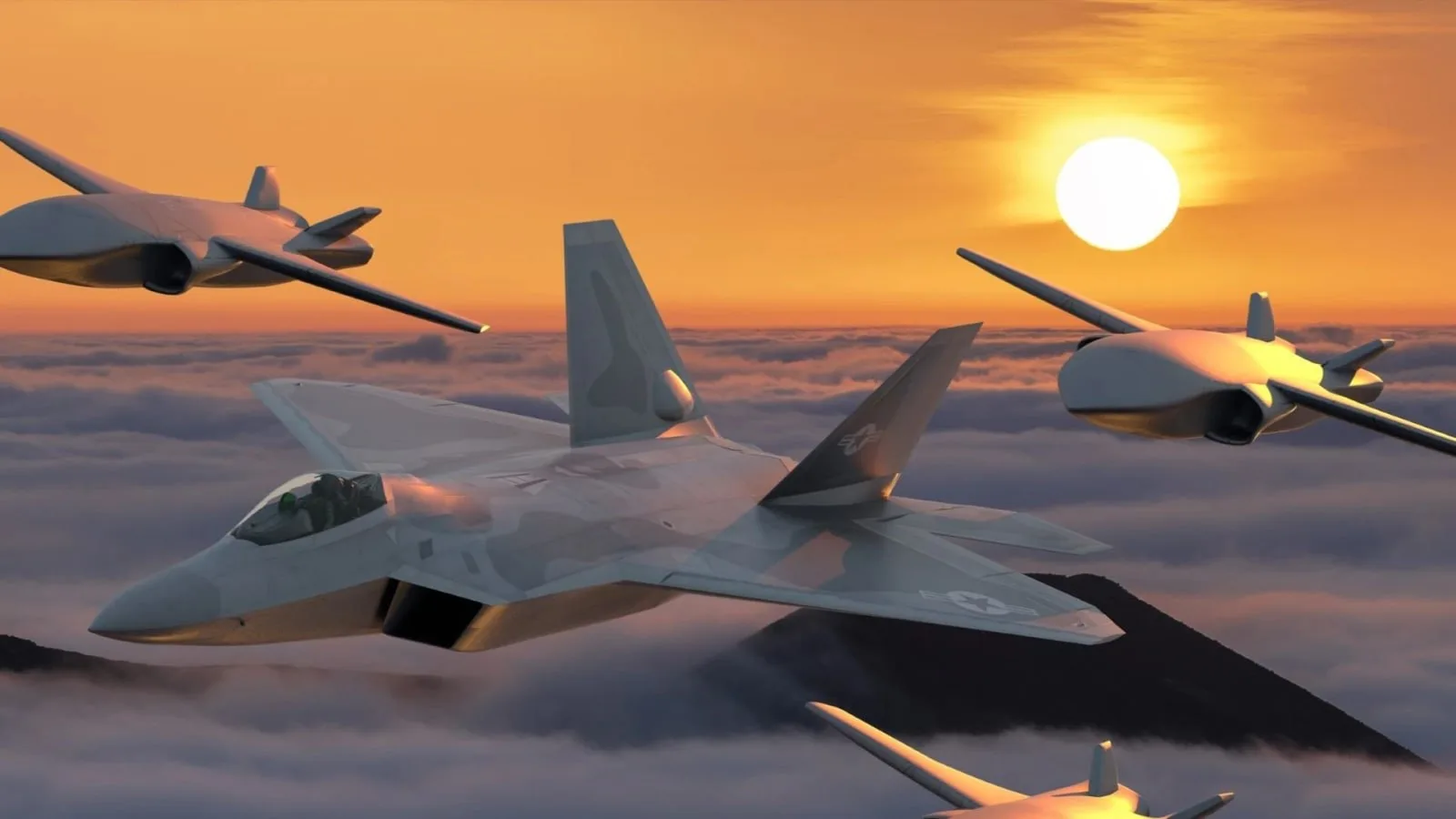
Honeywell Aerospace presents the HON1600, a small turbine engine it positions for the US Air Force's Collaborative Combat Aircraft (CCA) program, after a core engine run in September 2025. The Air Force has issued a request for proposals…











 FeaturedESCs
 Featured
 Featured
 FeaturedESCs