Featured
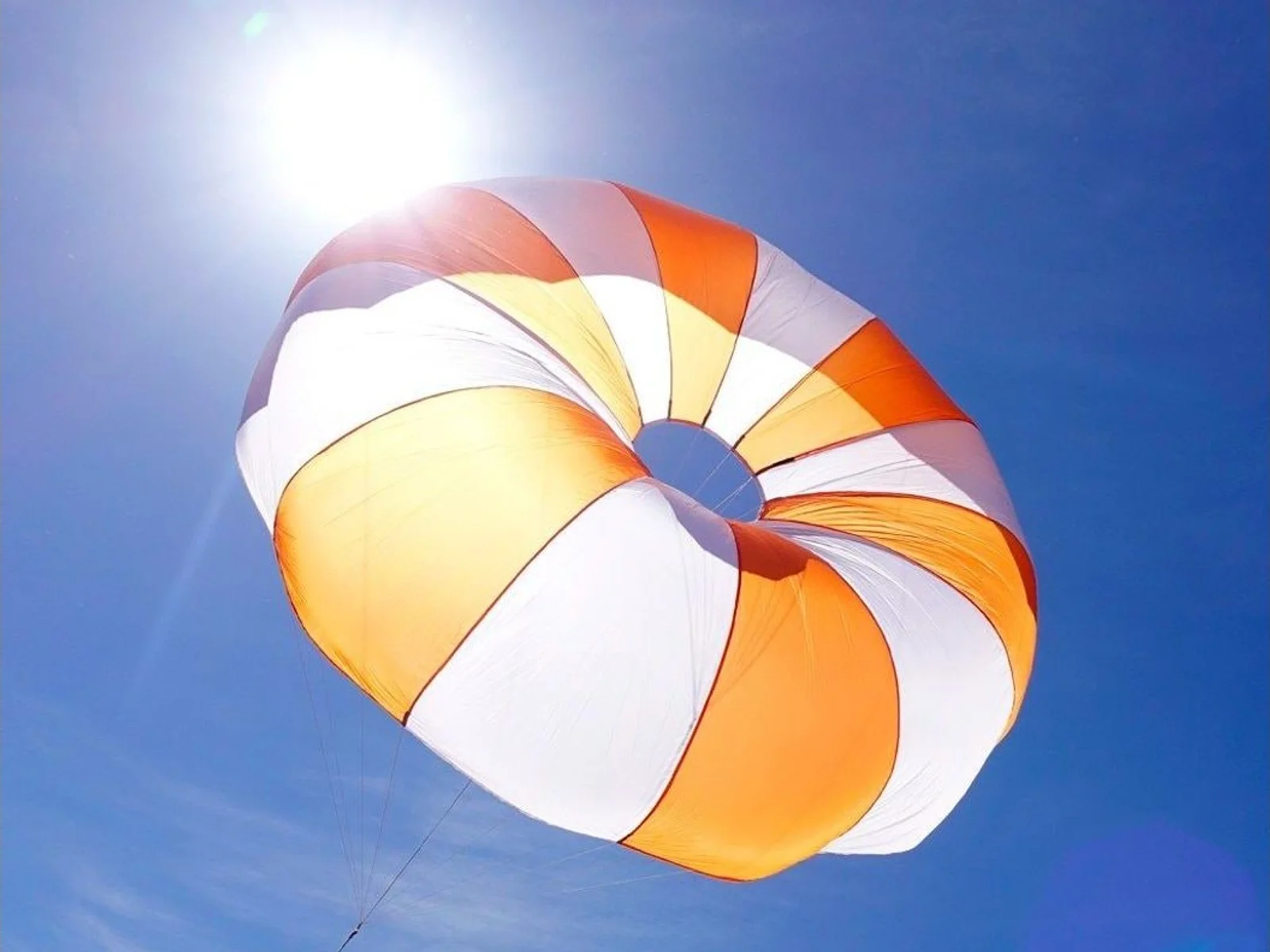
Parachutes
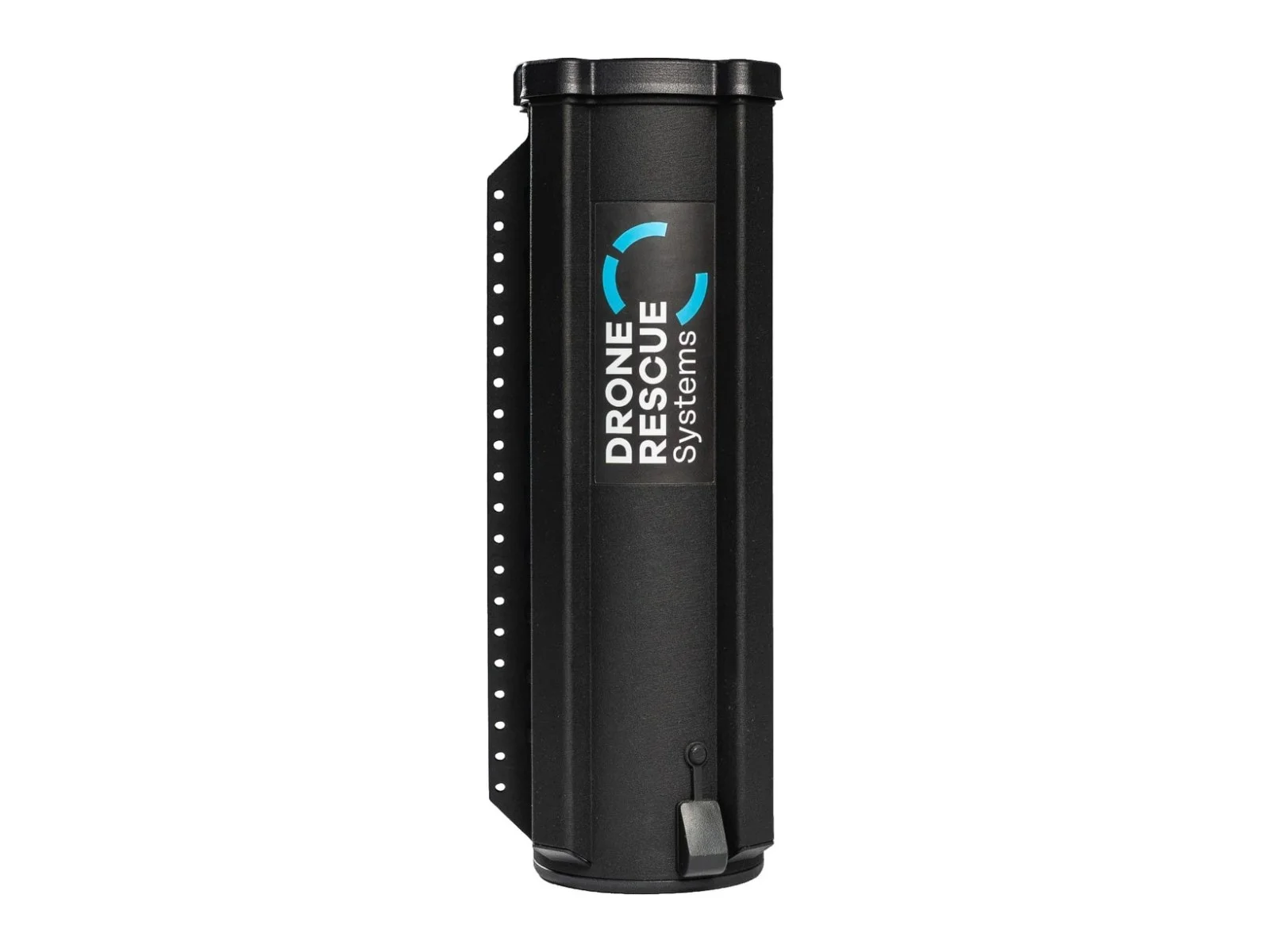
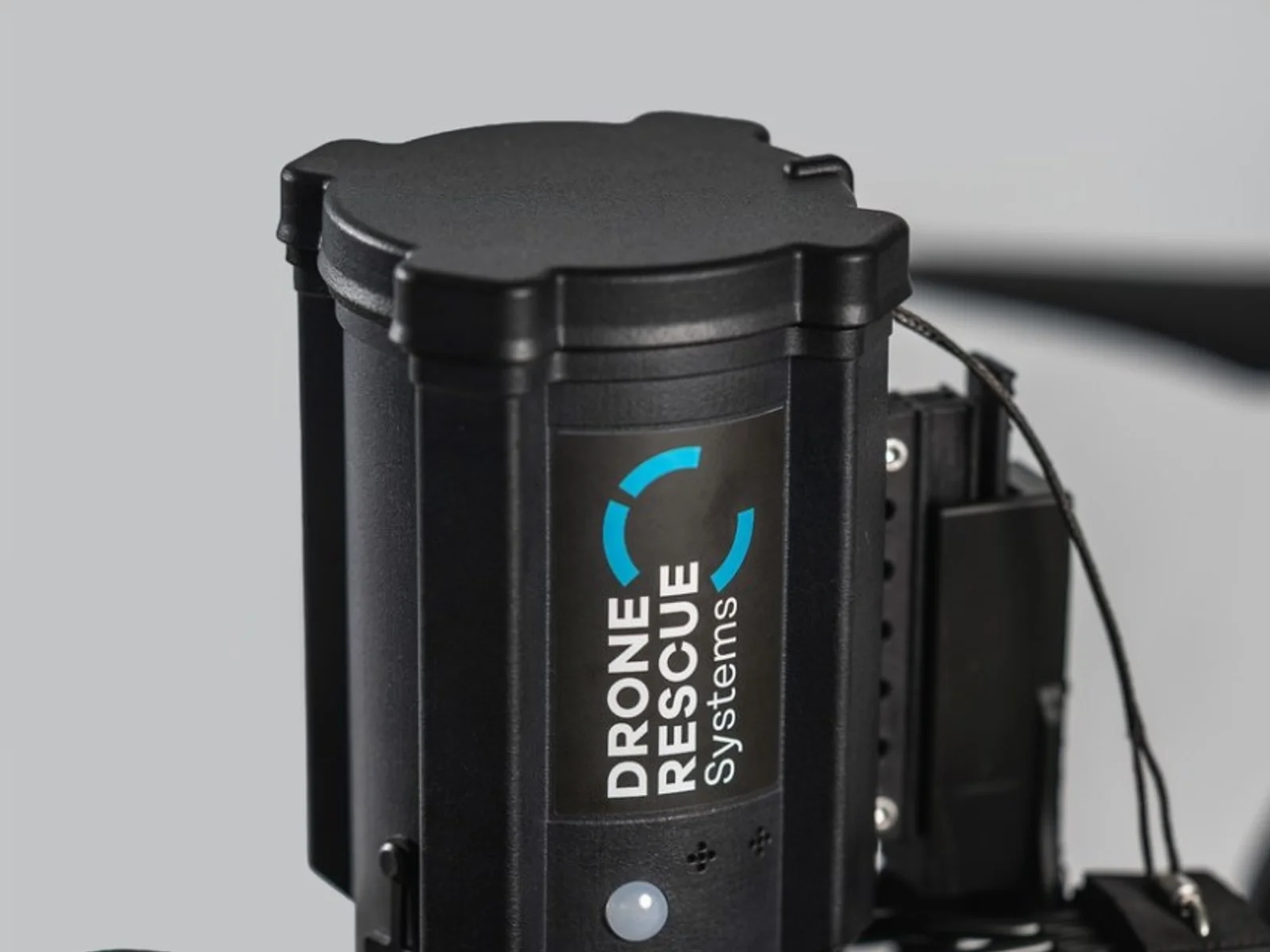
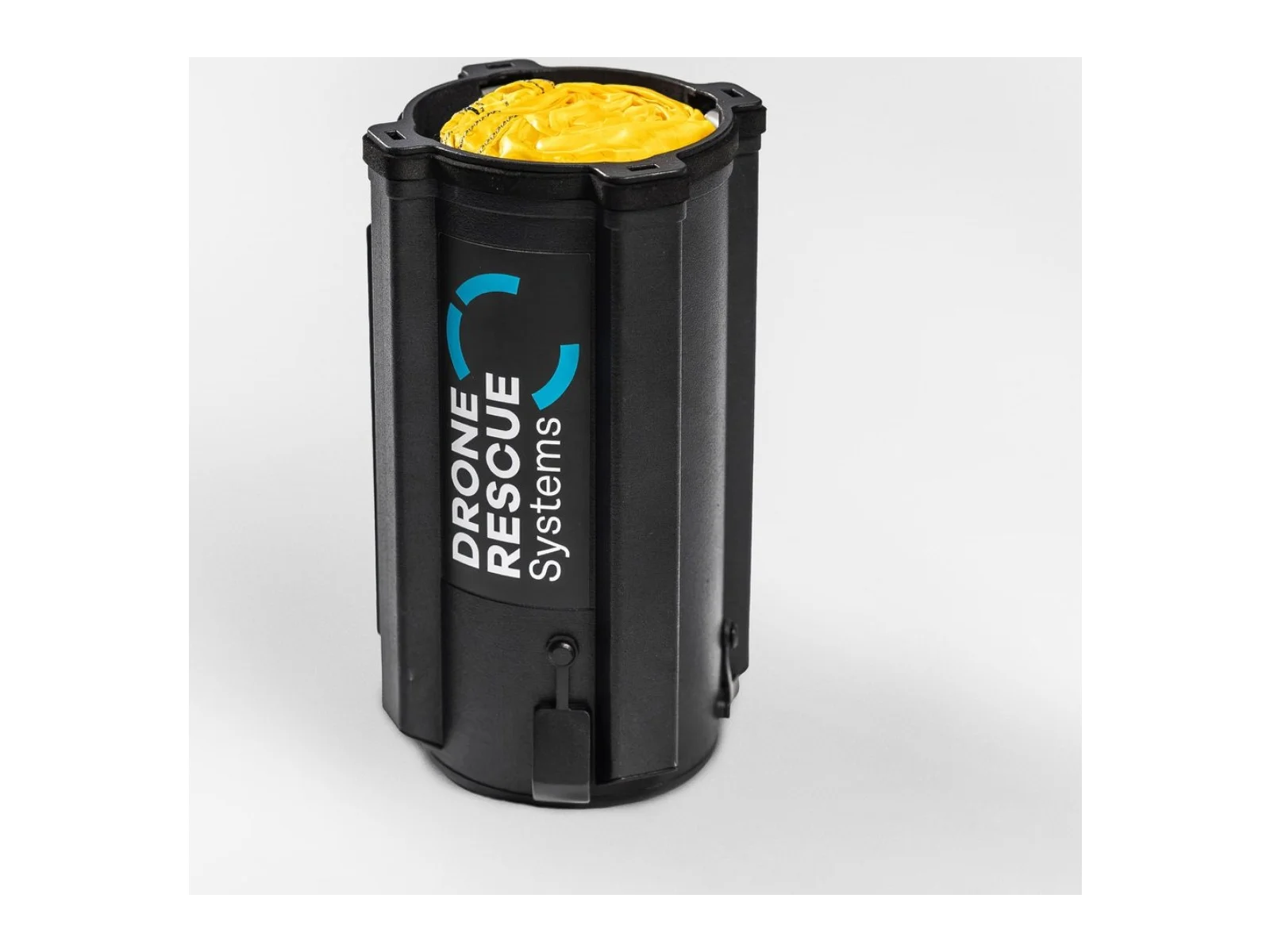
Drogue and pilot parachutes for staged recovery systems
- Grade
- Professional
- Market
- Dual-use
- Availability
- In production
The physical body of the vehicle, what moves it and its recovery system. Composite materials, aerostructures, landing gear, actuators and emergency parachutes for building lightweight, rugged and safe vehicles.
Filters
Toray Composite Materials America


Toray Composite Materials America
Toray Composite Materials America
Try removing a filter.



Updated November 3, 2026
Every kilogram saved in the structure is a kilogram available for payload, batteries or fuel. That is why drones and eVTOL aircraft are built mostly from composite materials, and why the suppliers of materials, aerostructures, landing gear, actuators and recovery systems play a central role in their performance and certification.
| Area | Role | Subcategory |
|---|---|---|
| Materials | Fibers, prepregs, resins and cores | Composite materials |
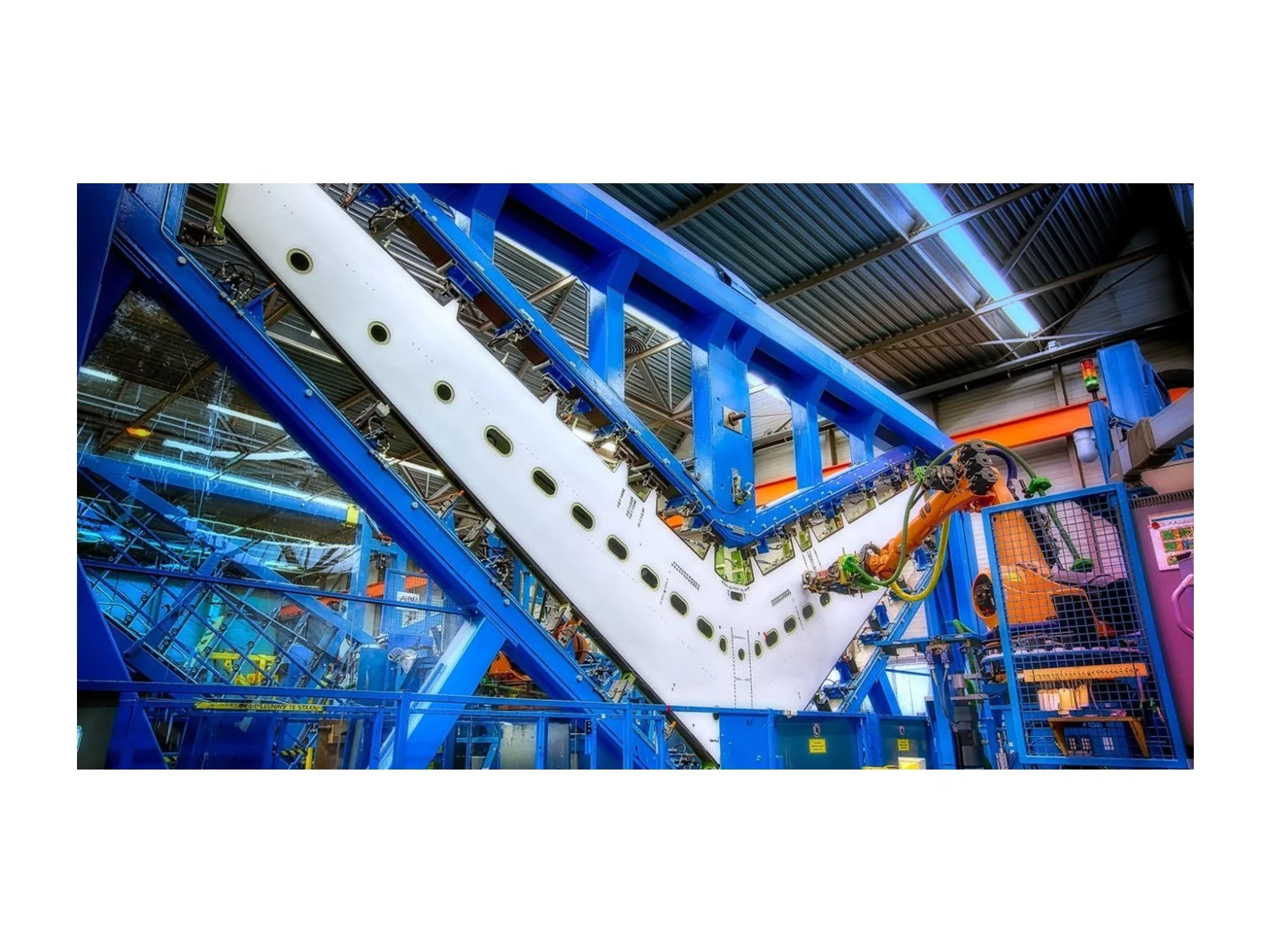
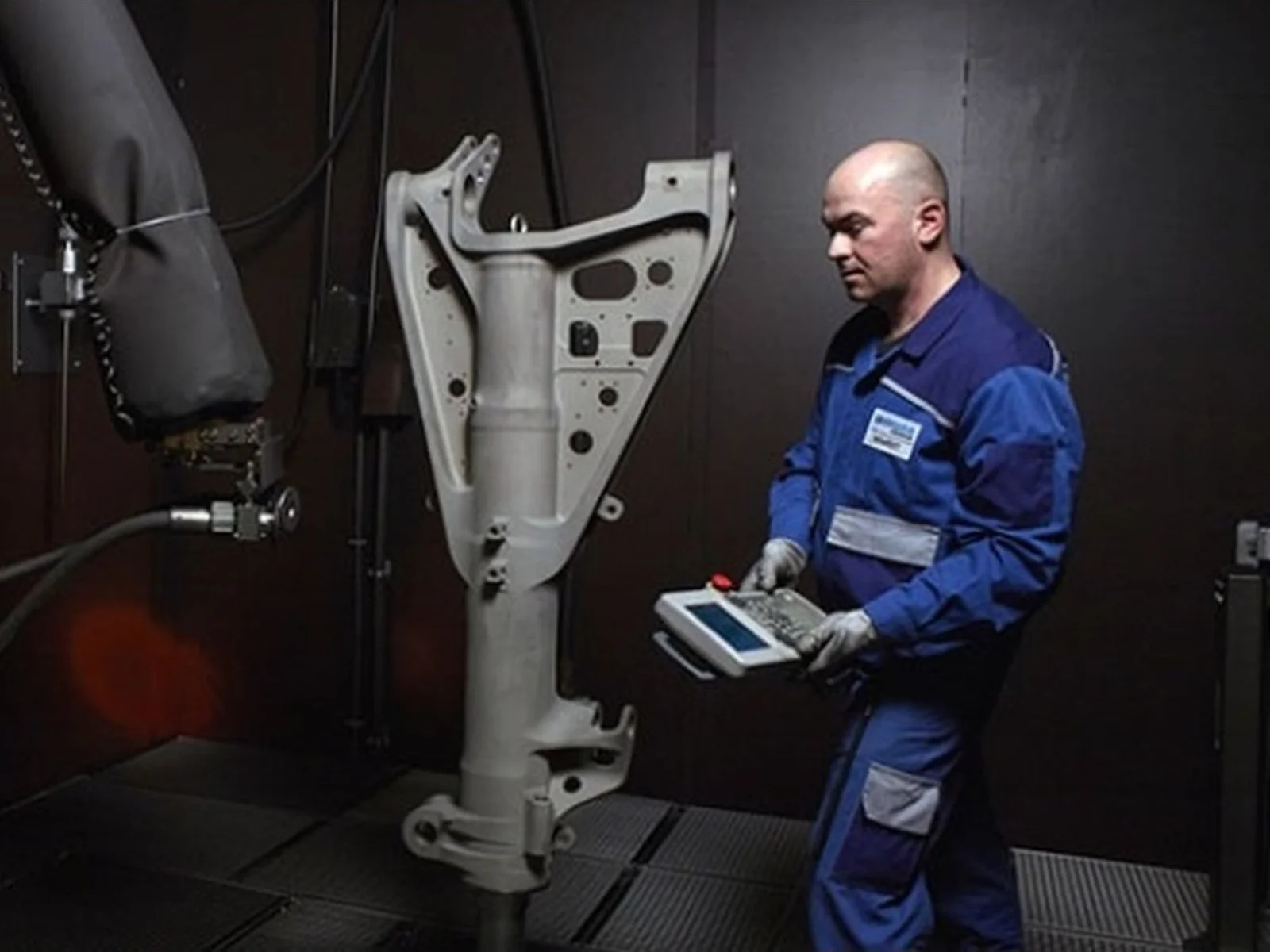
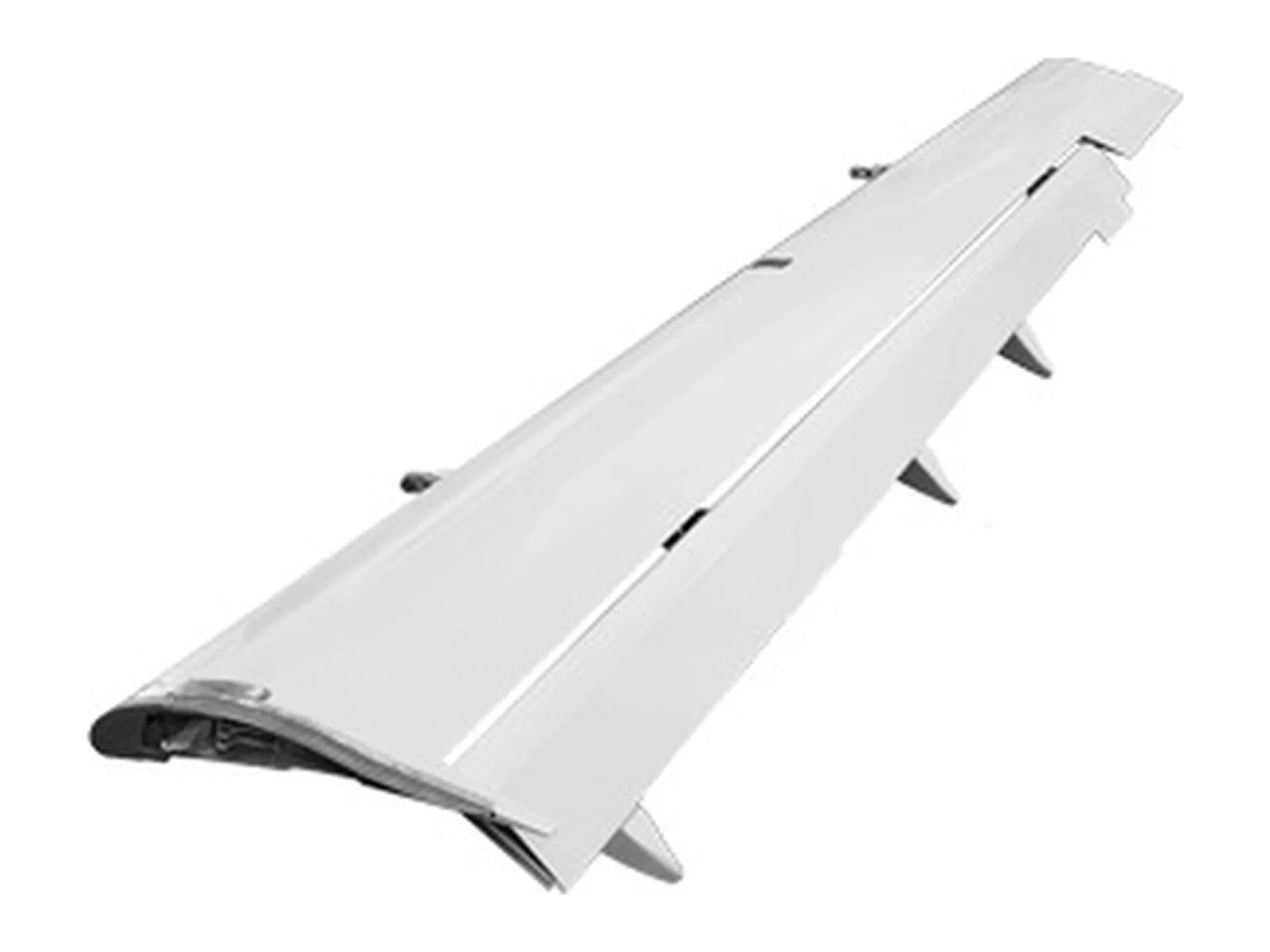
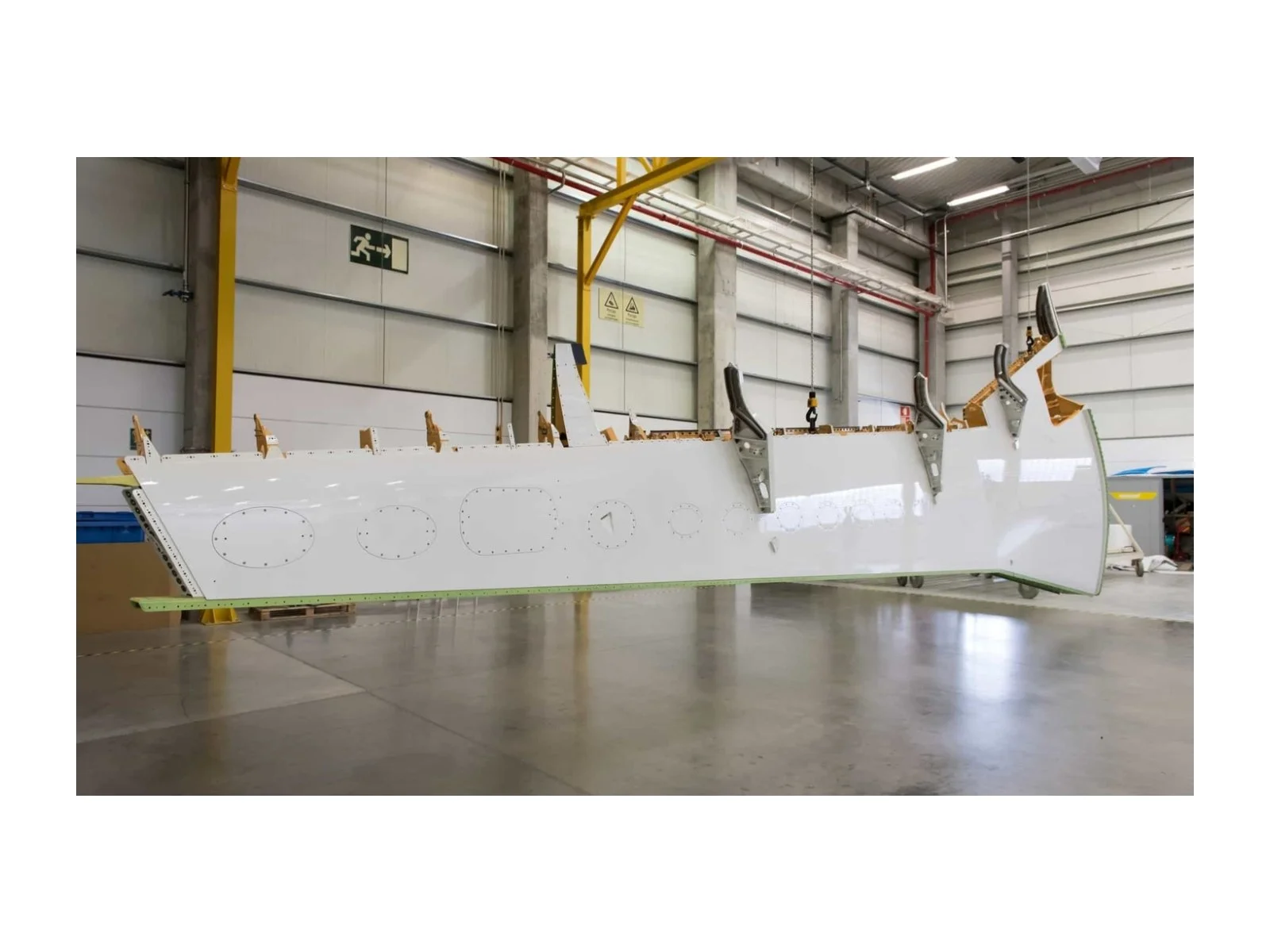
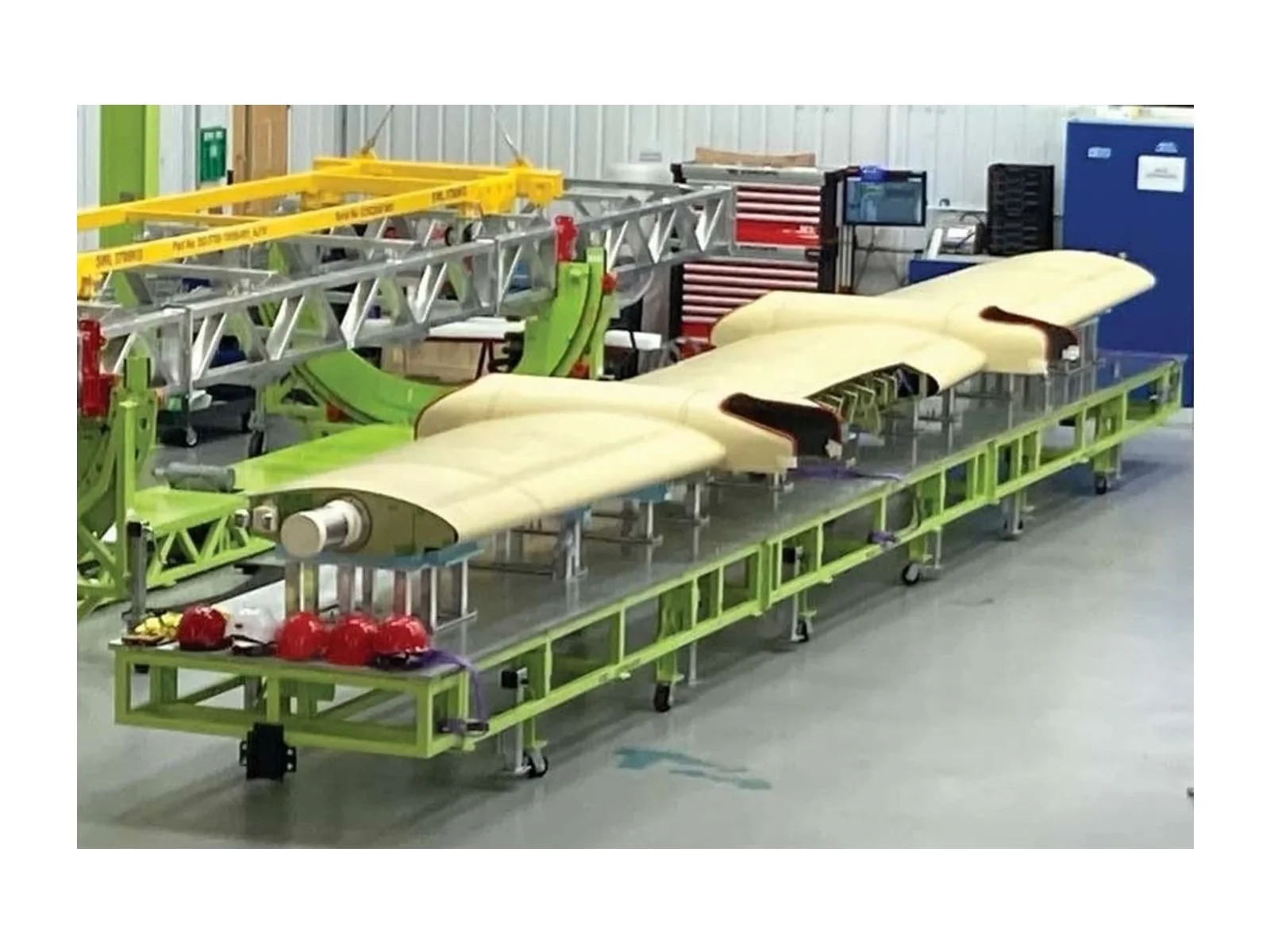
| Aerostructures | Fuselages, wings, nacelles, booms | Aerostructures |
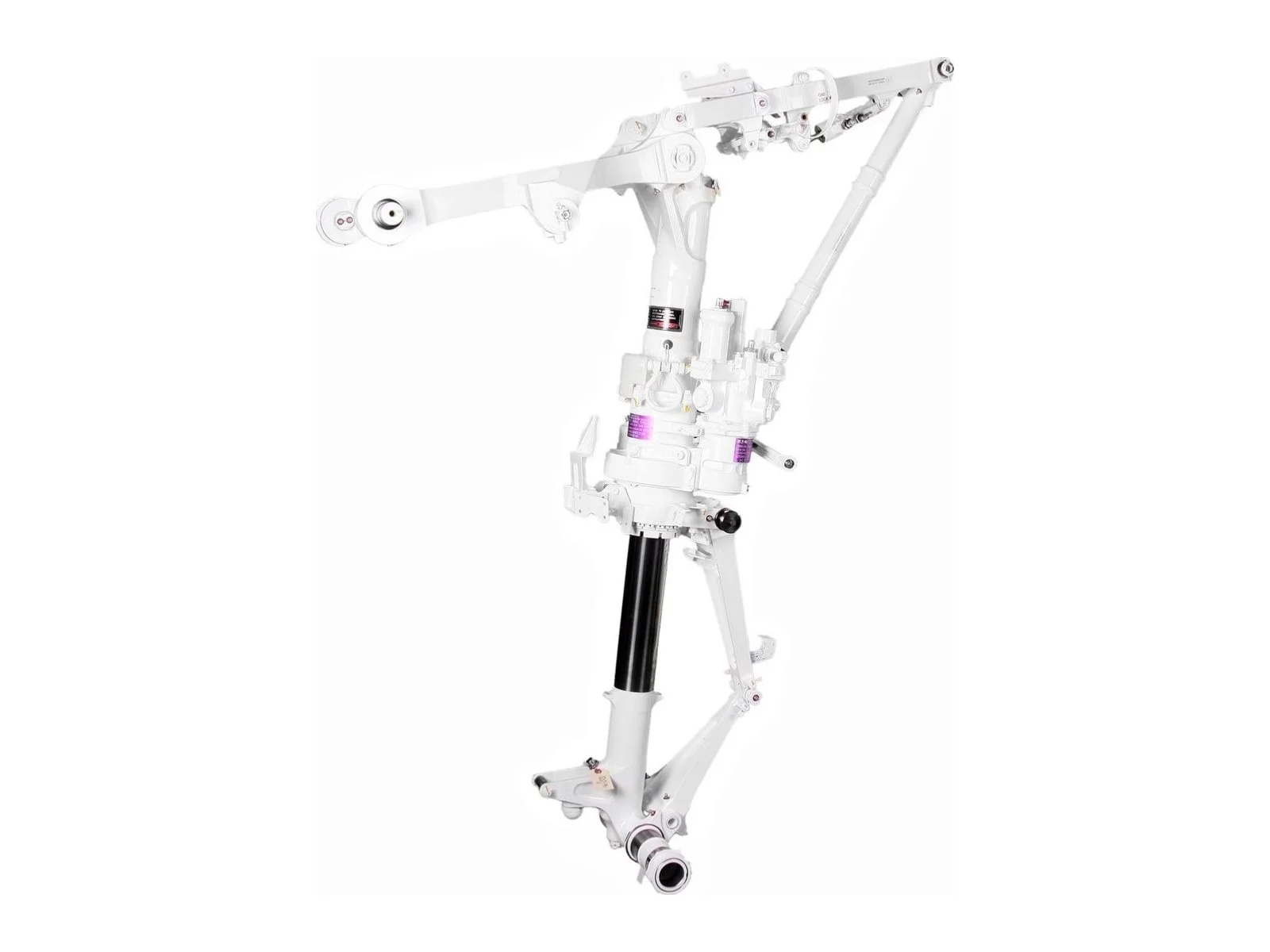
| Landing gear | Ground contact, shock absorption | Landing gear |
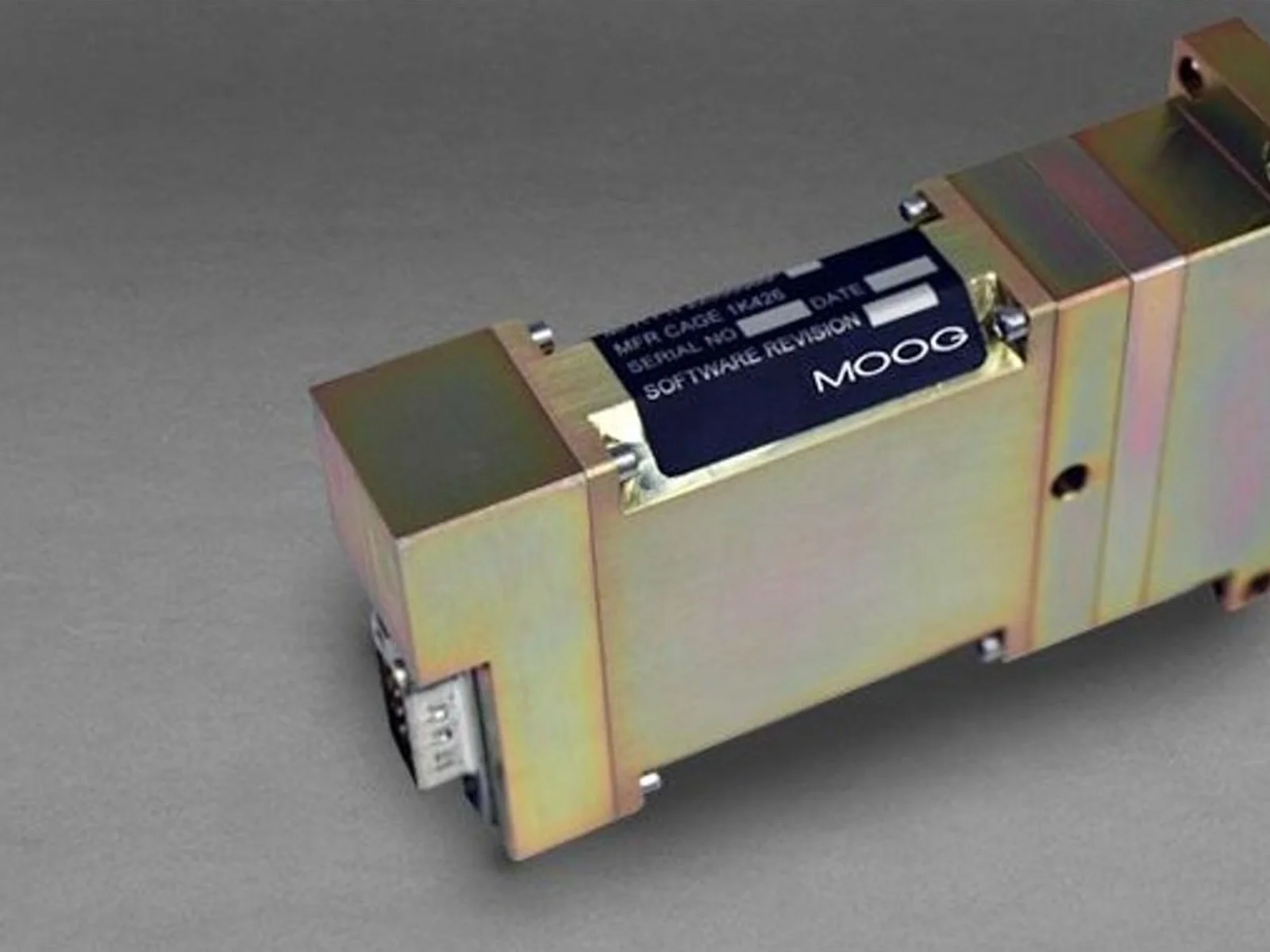
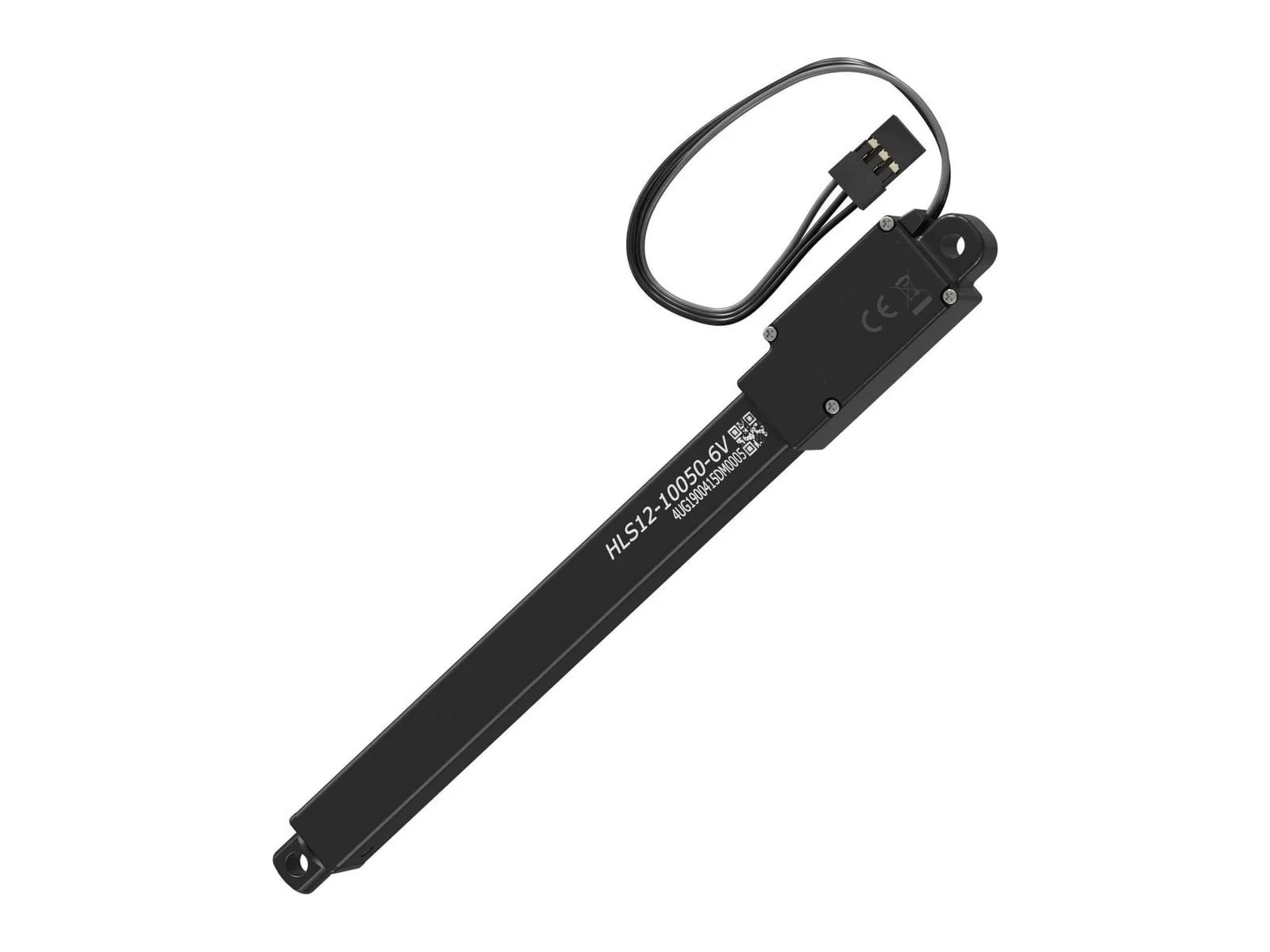
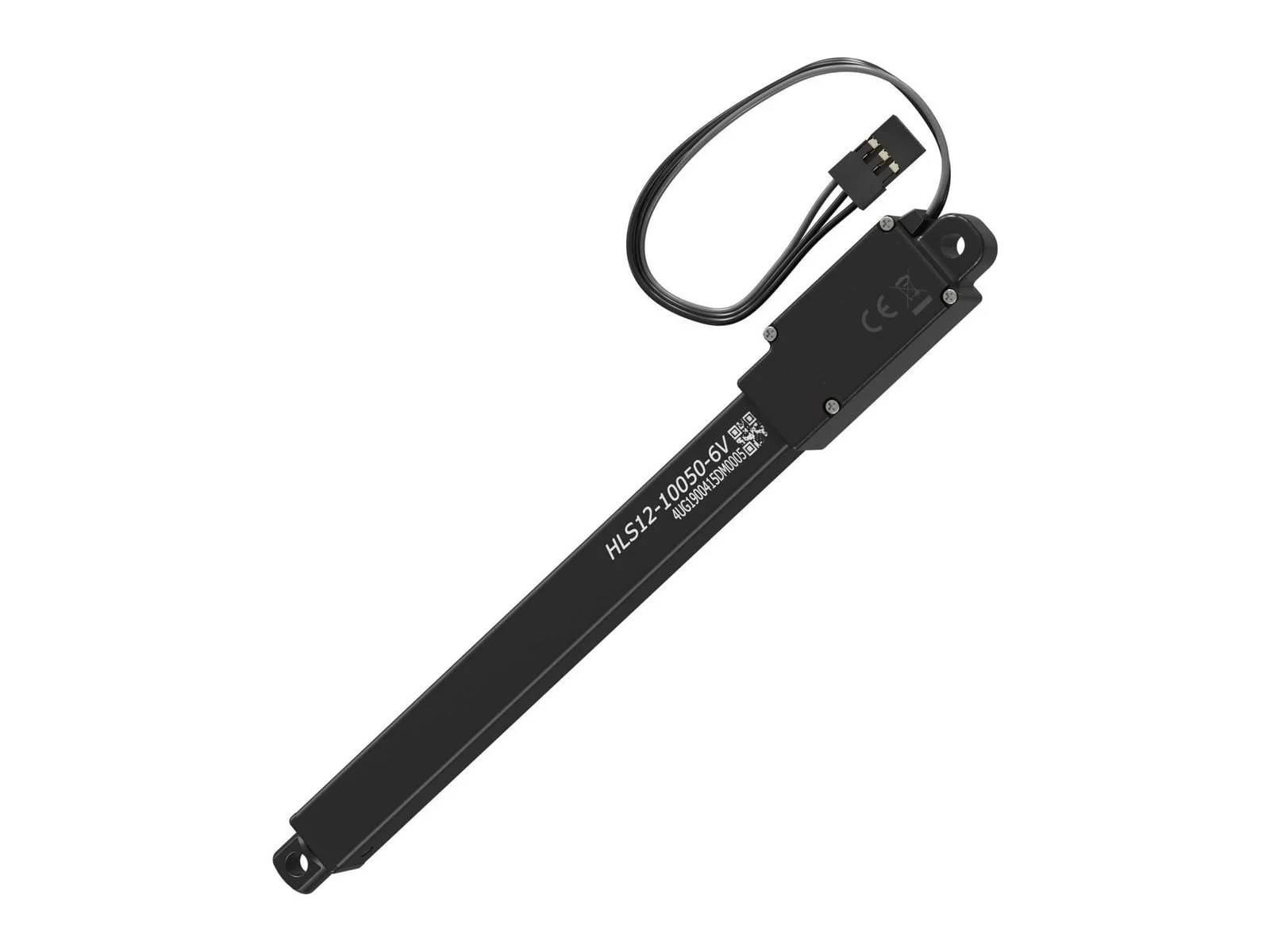
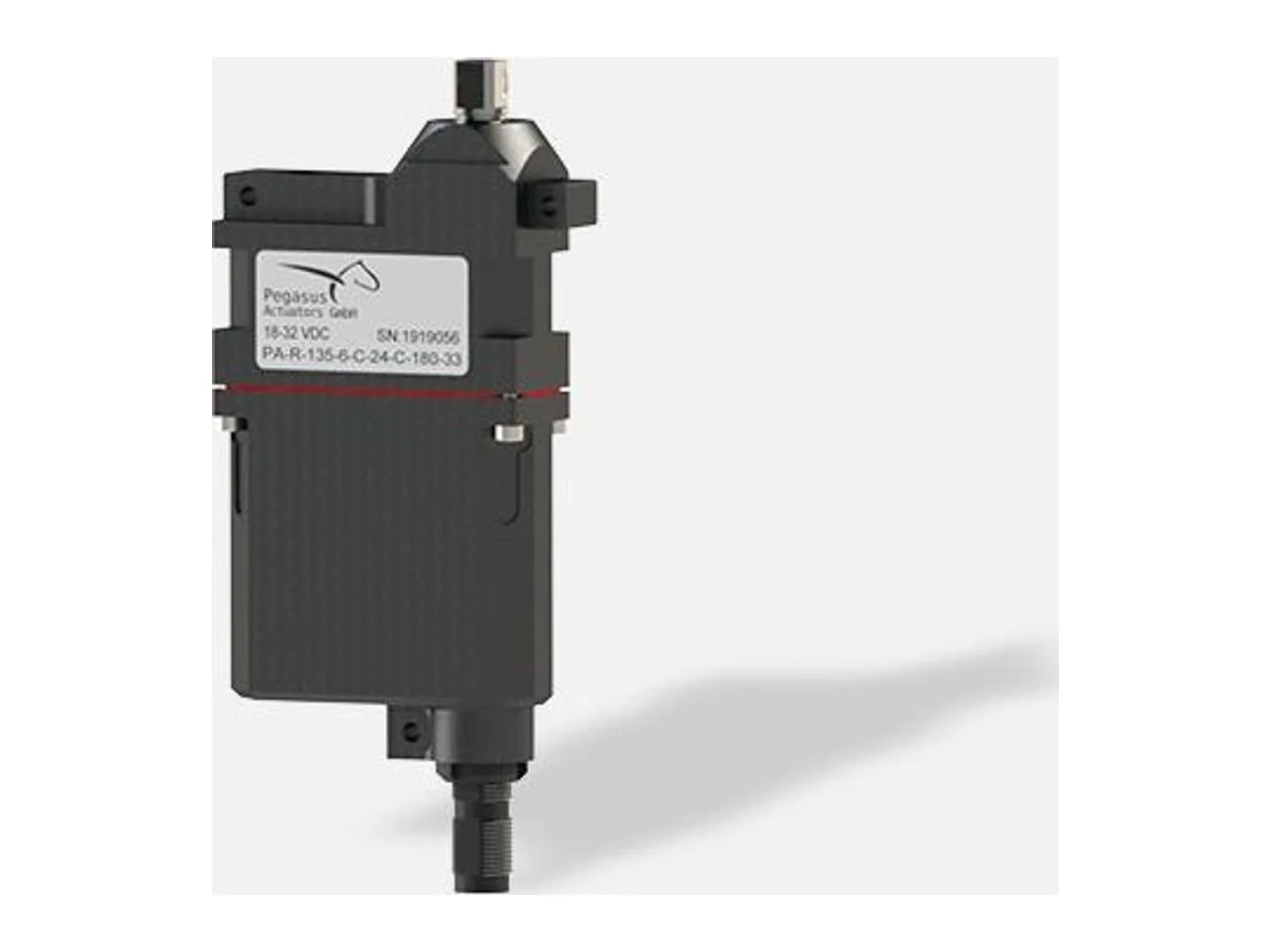
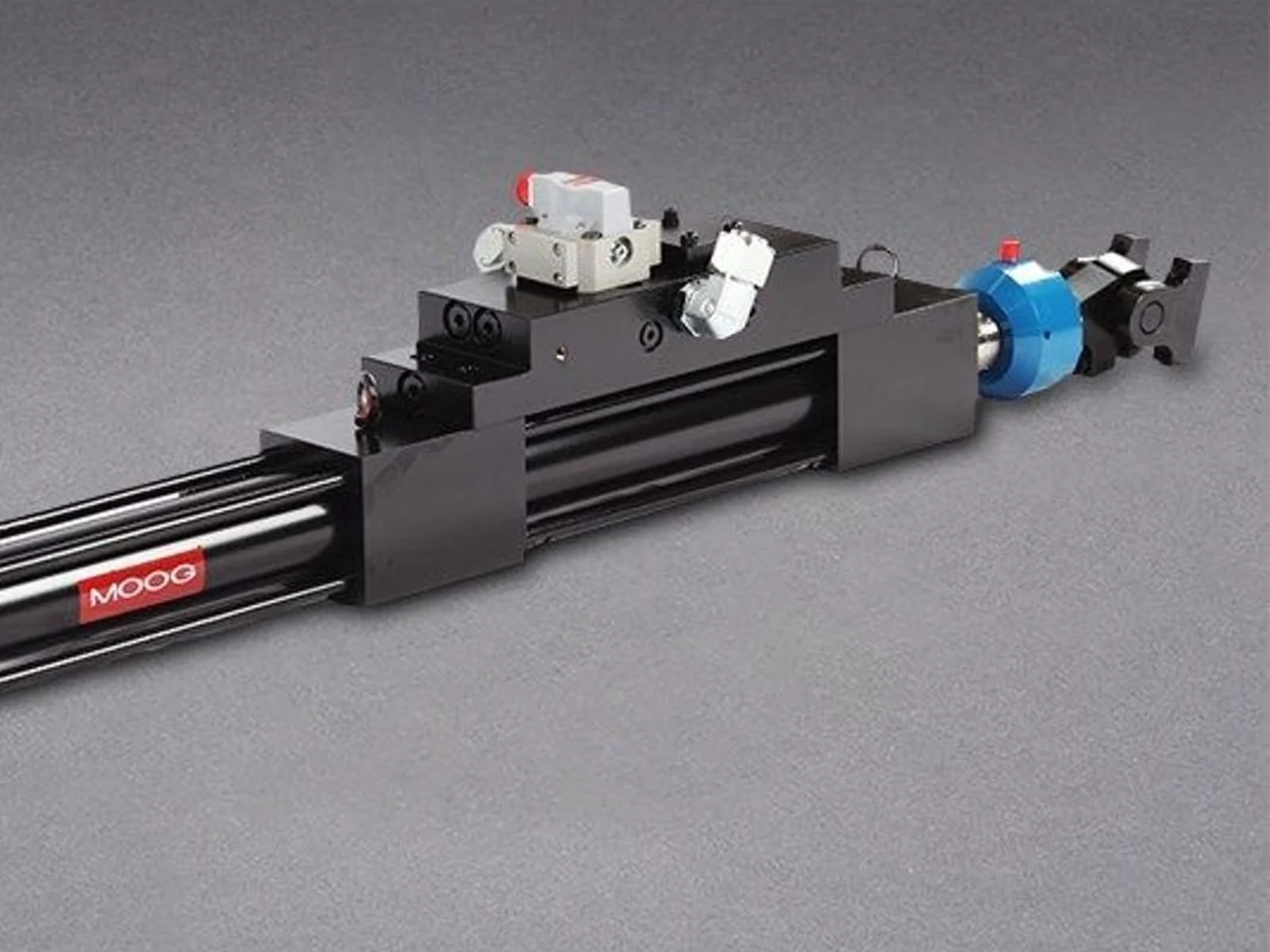
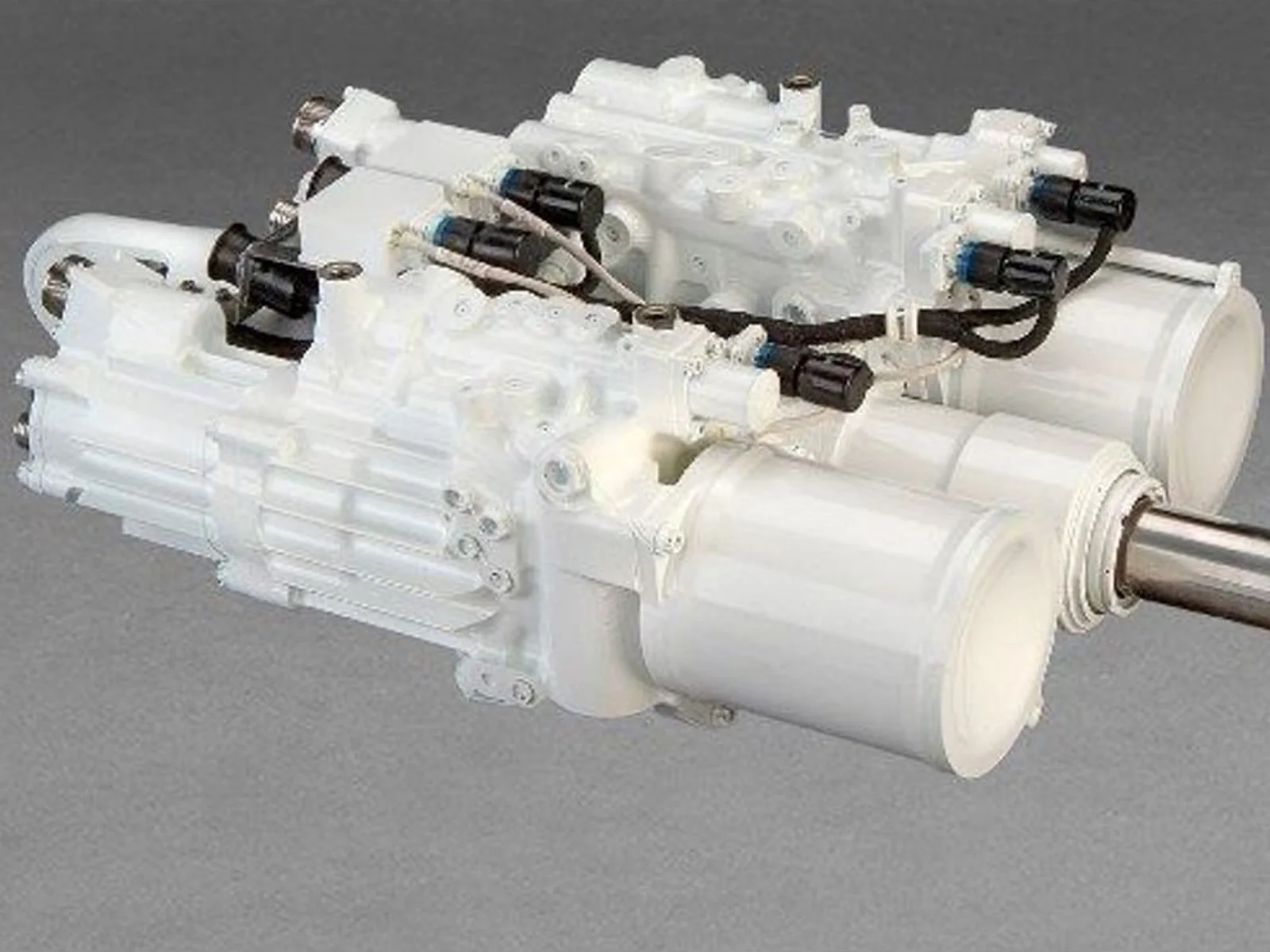
| Linear actuators | Move surfaces, gear and mechanisms | Linear actuators |
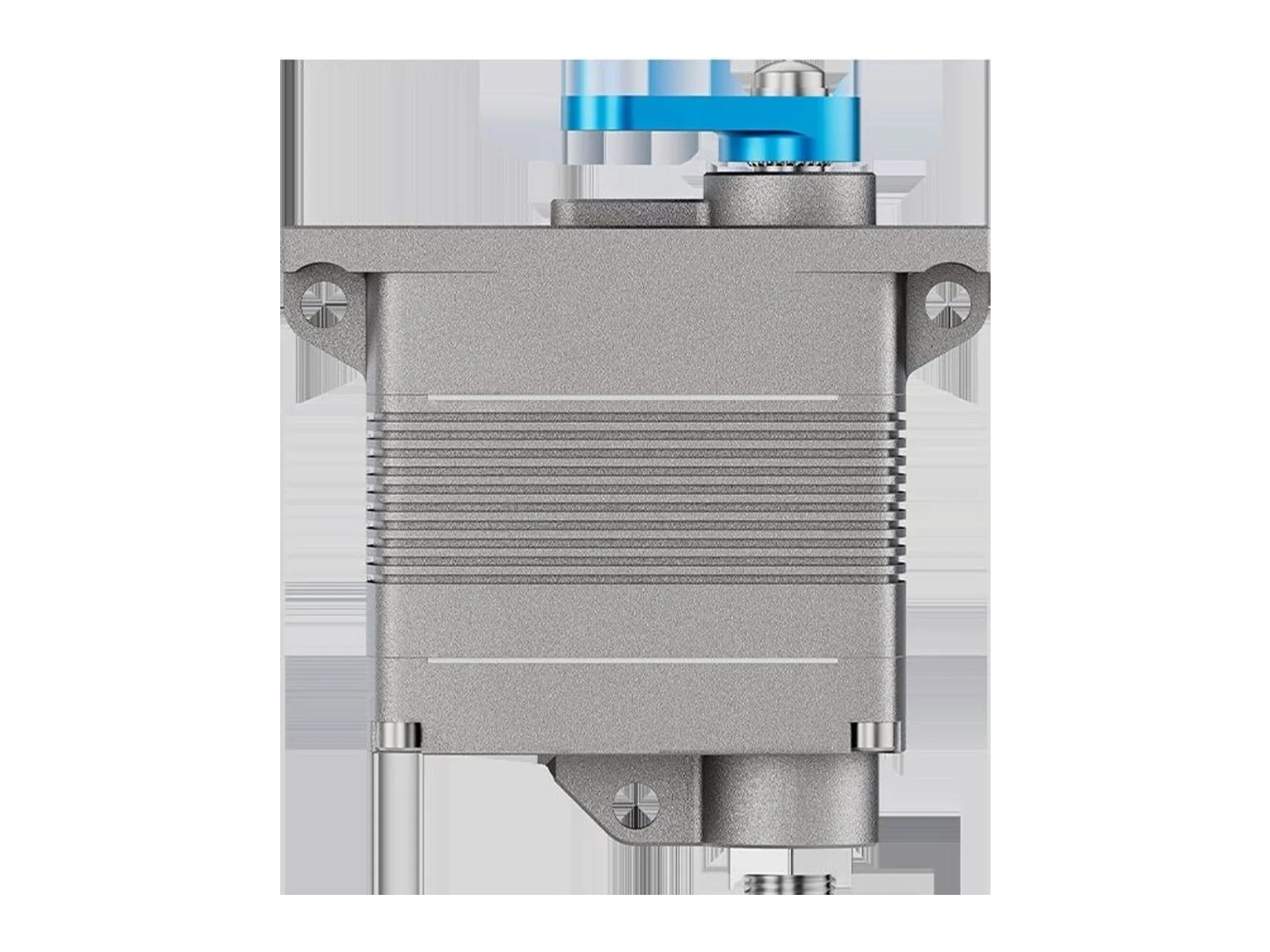
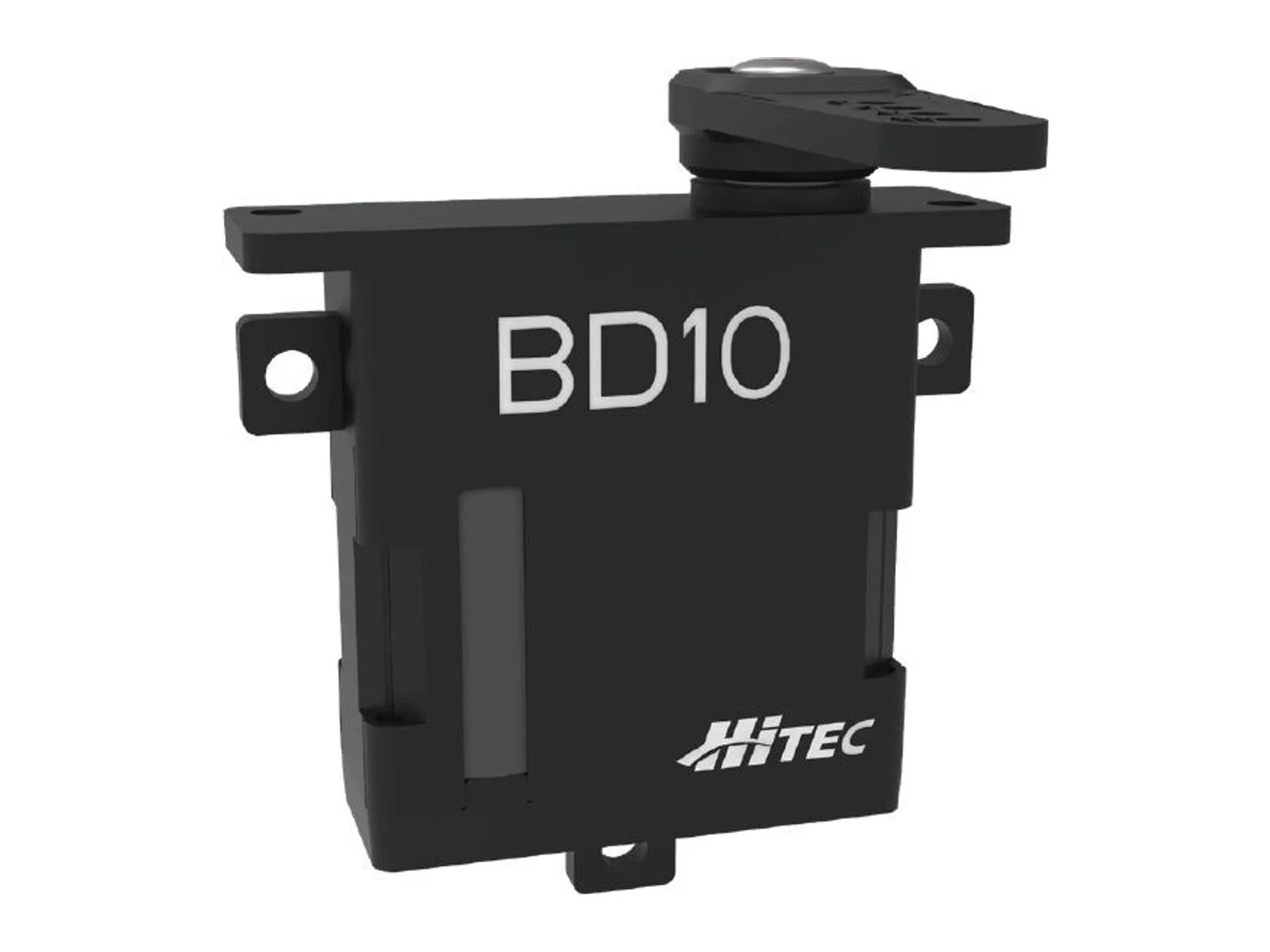
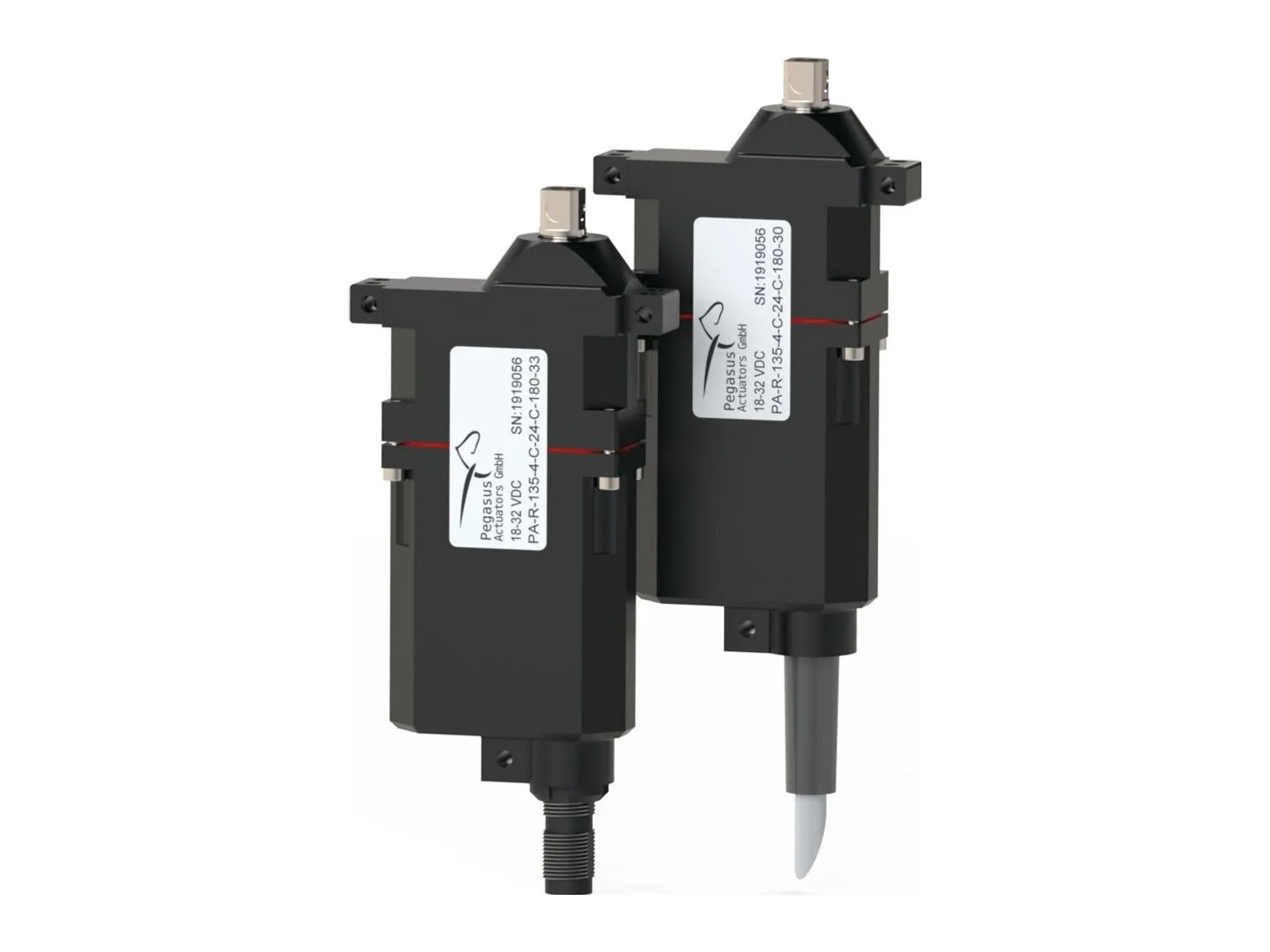
| Rotary actuators and servos | Control surfaces, tilt mechanisms | Rotary actuators |
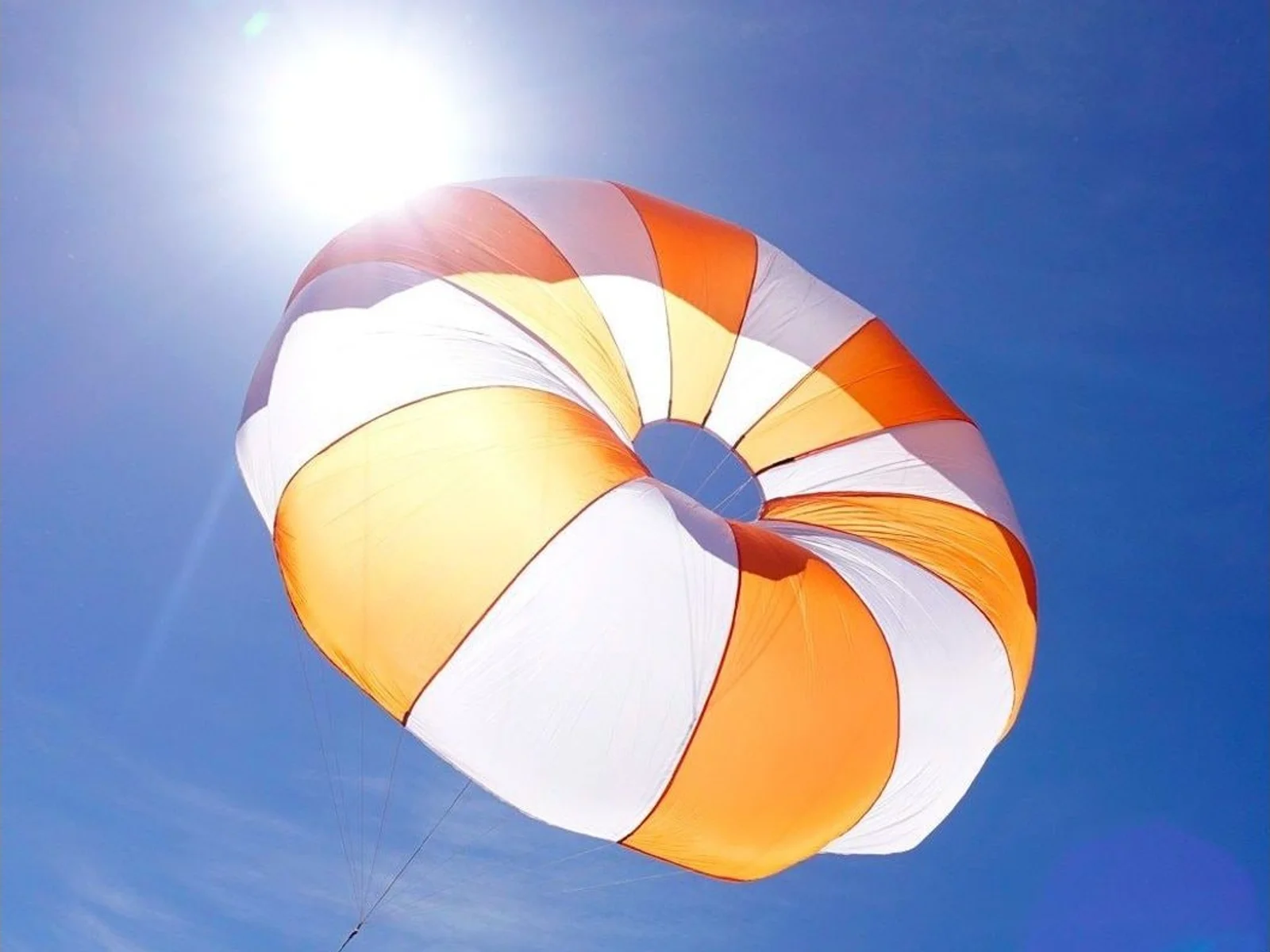
| Recovery systems | Emergency parachutes | Parachutes |
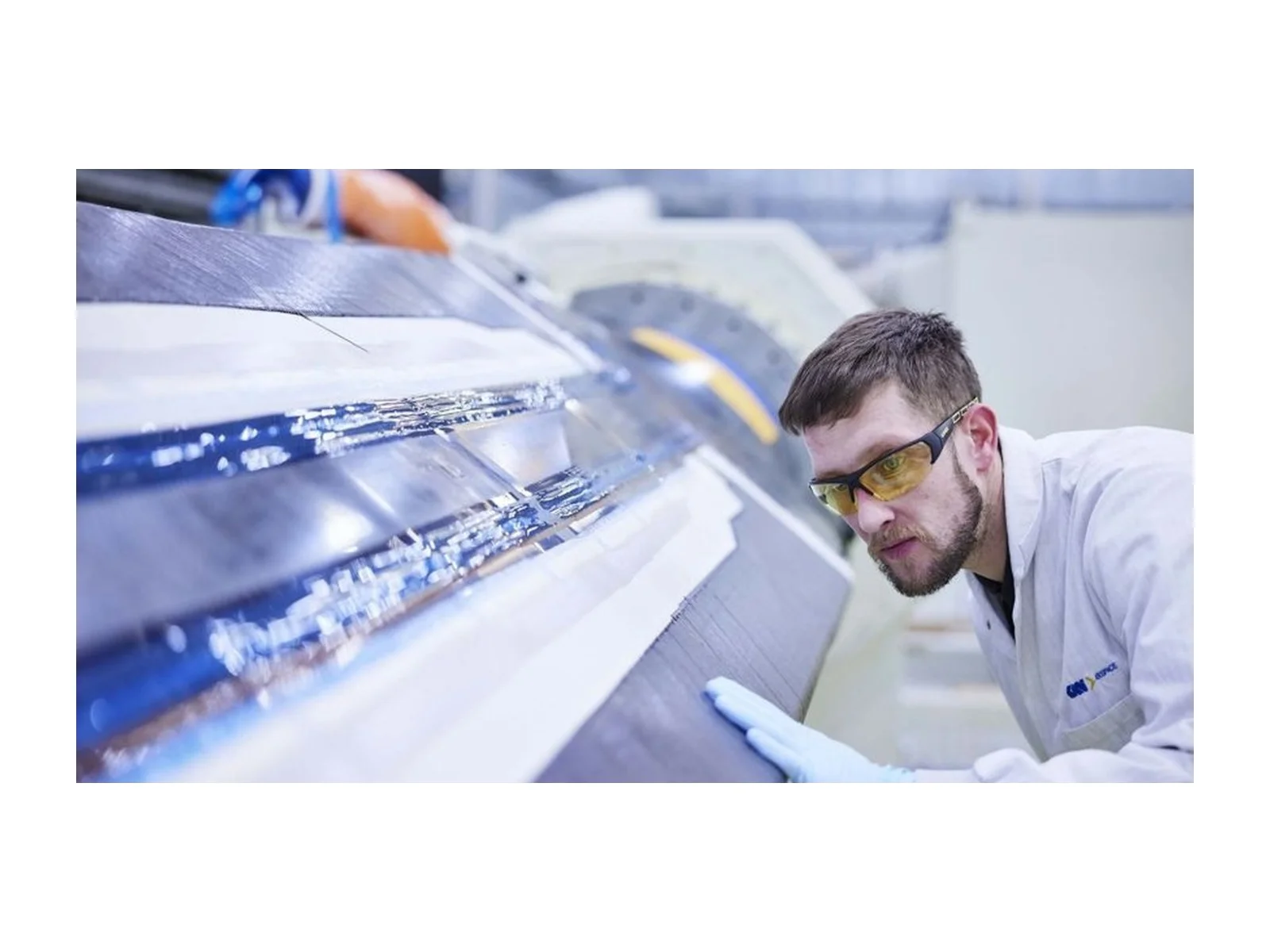
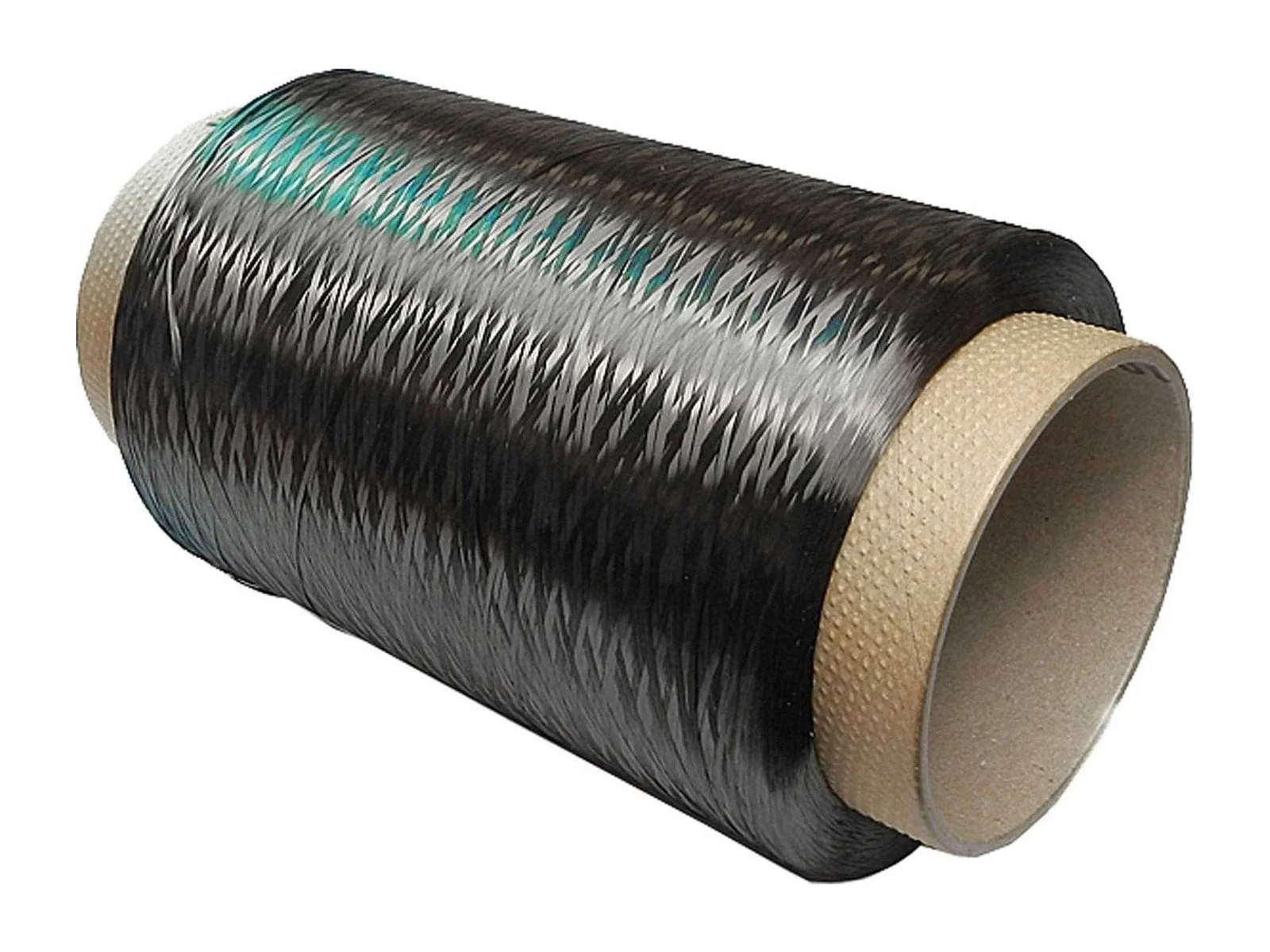
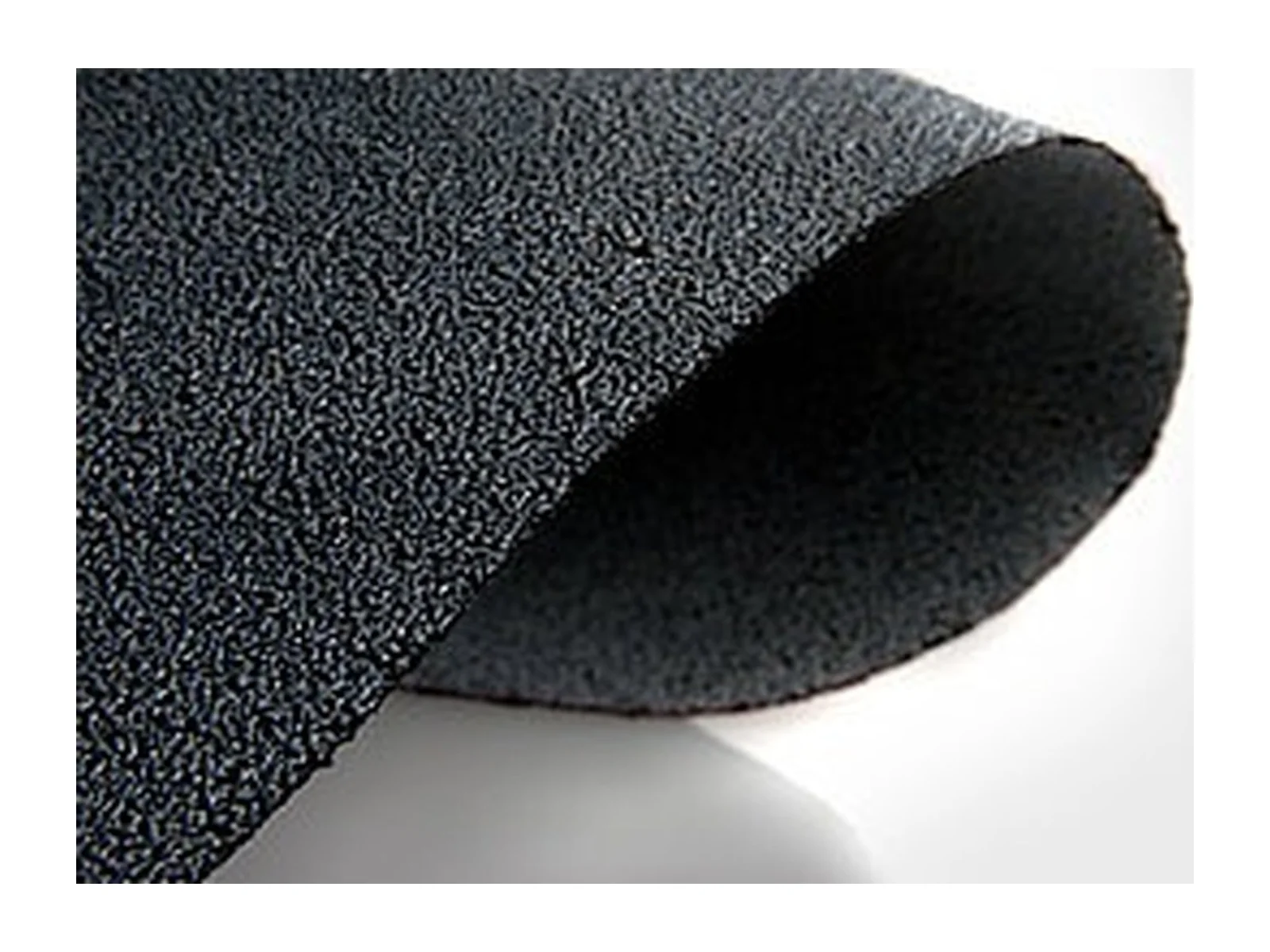
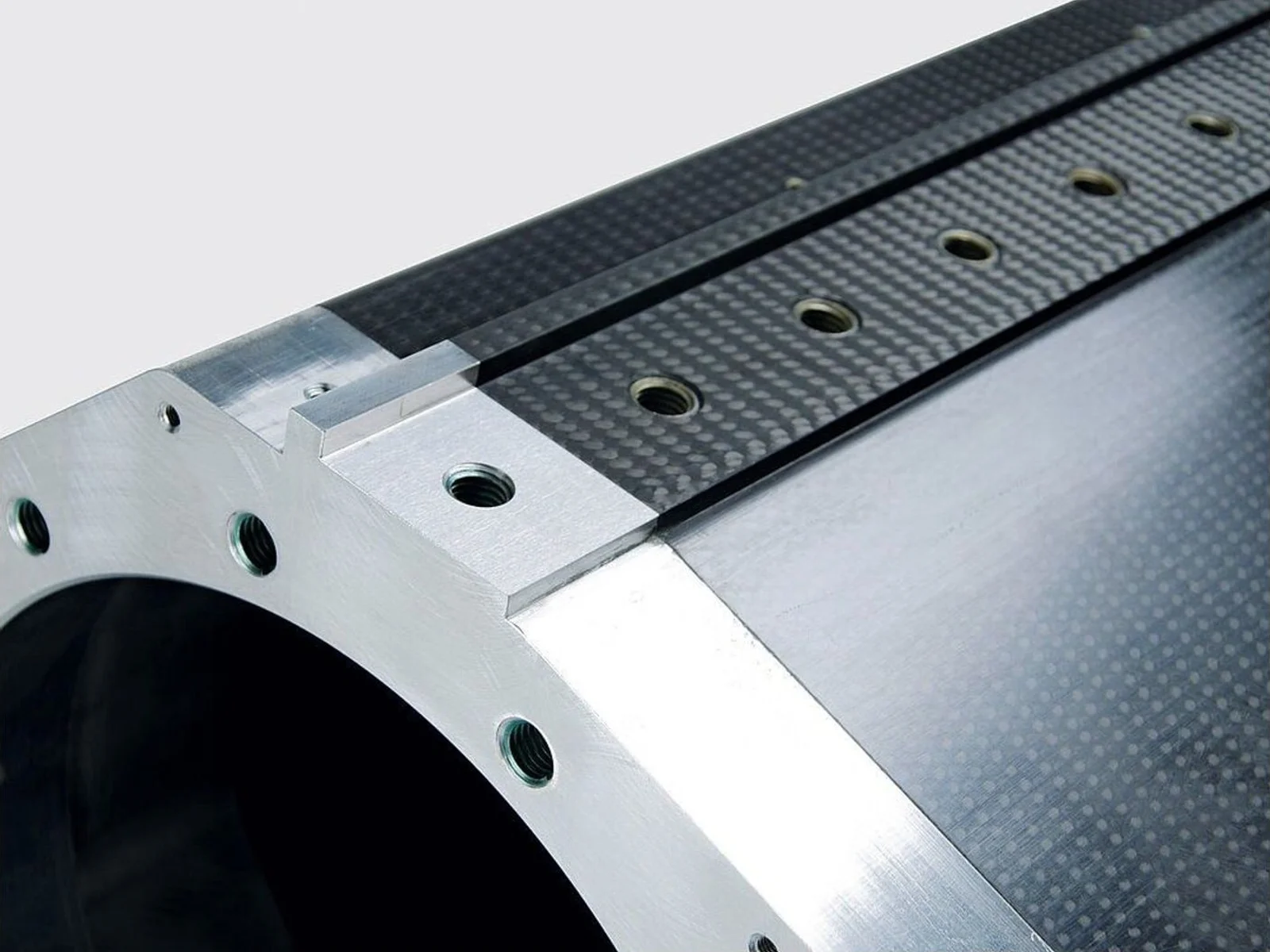
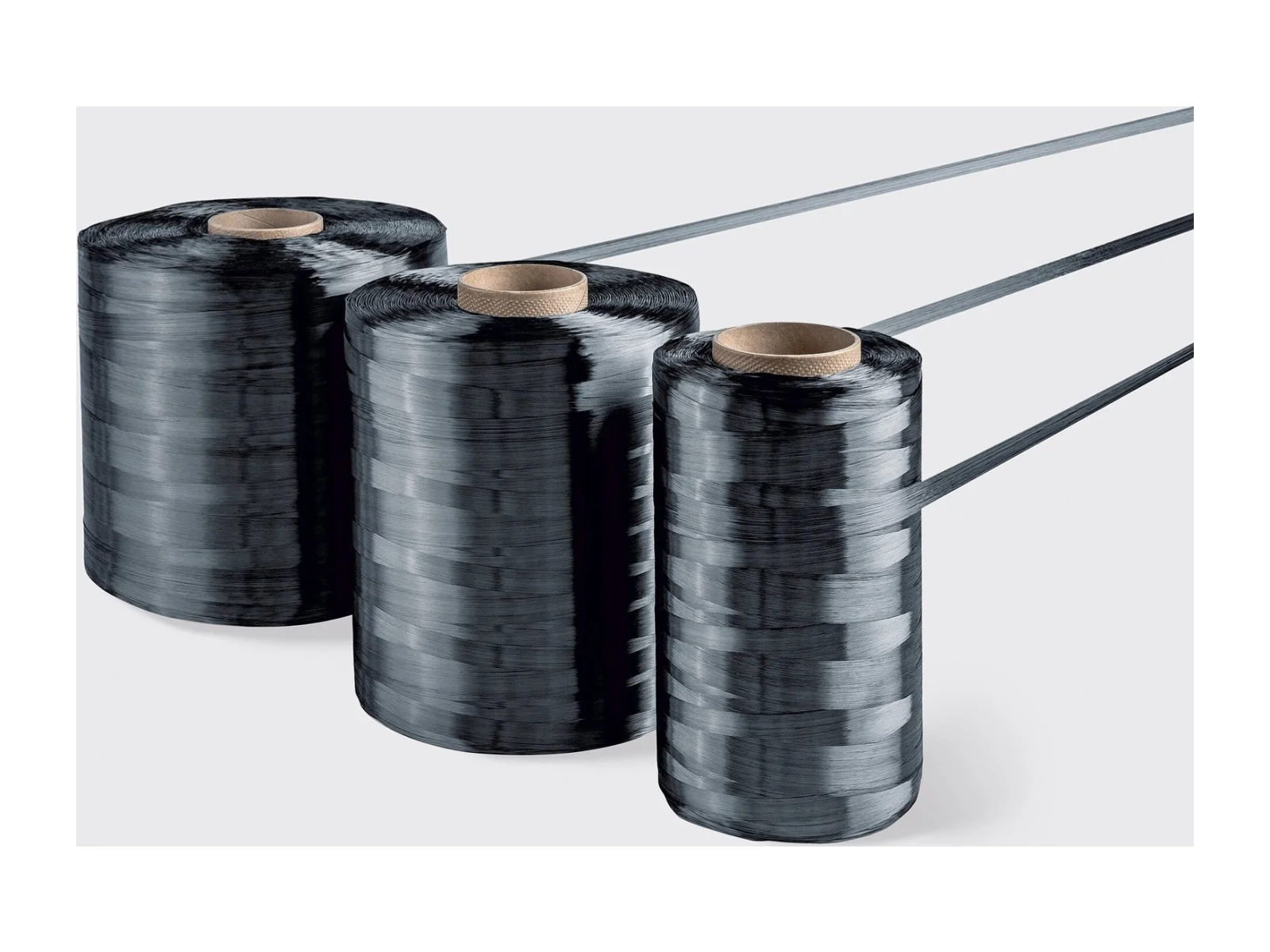
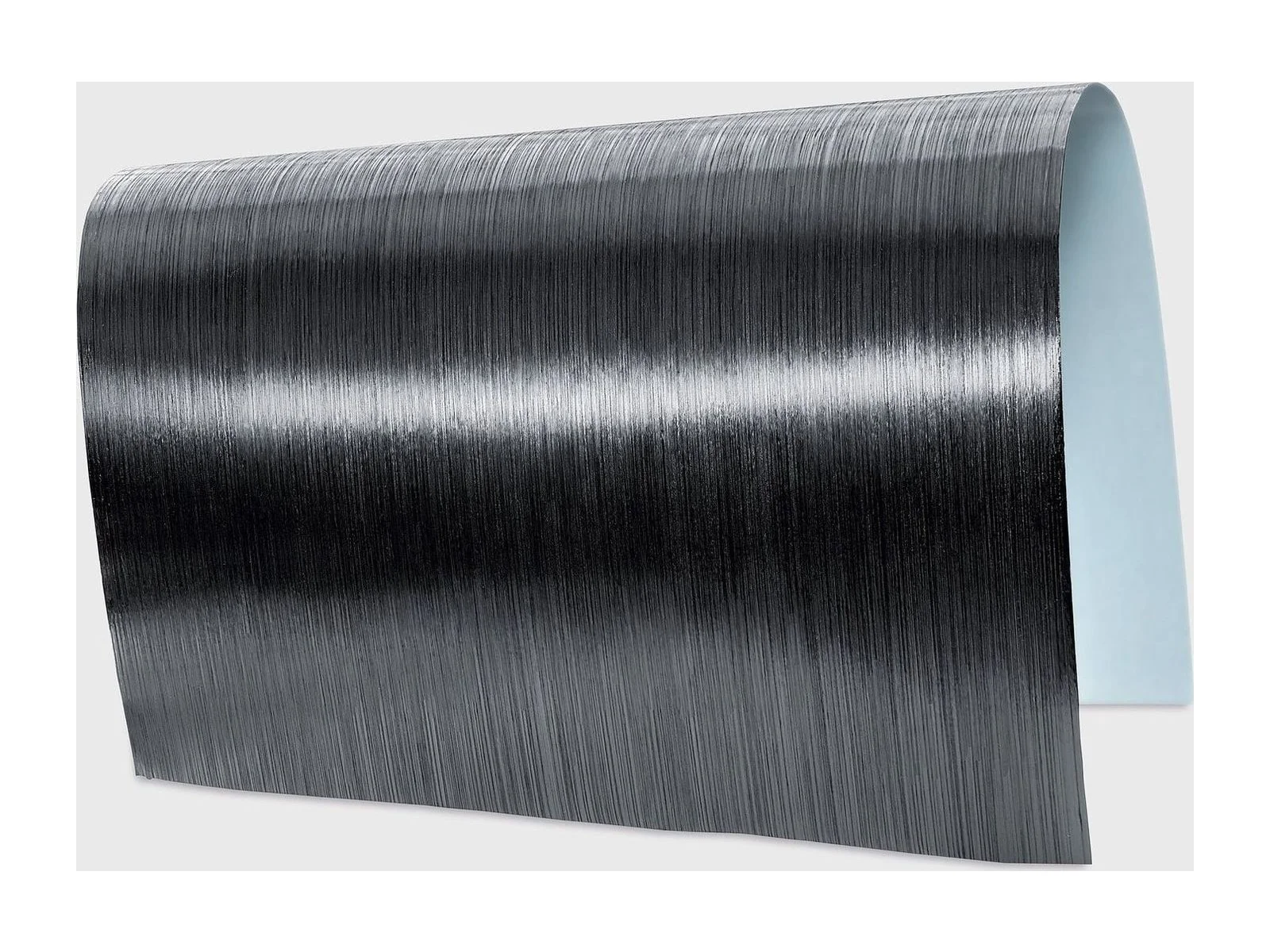
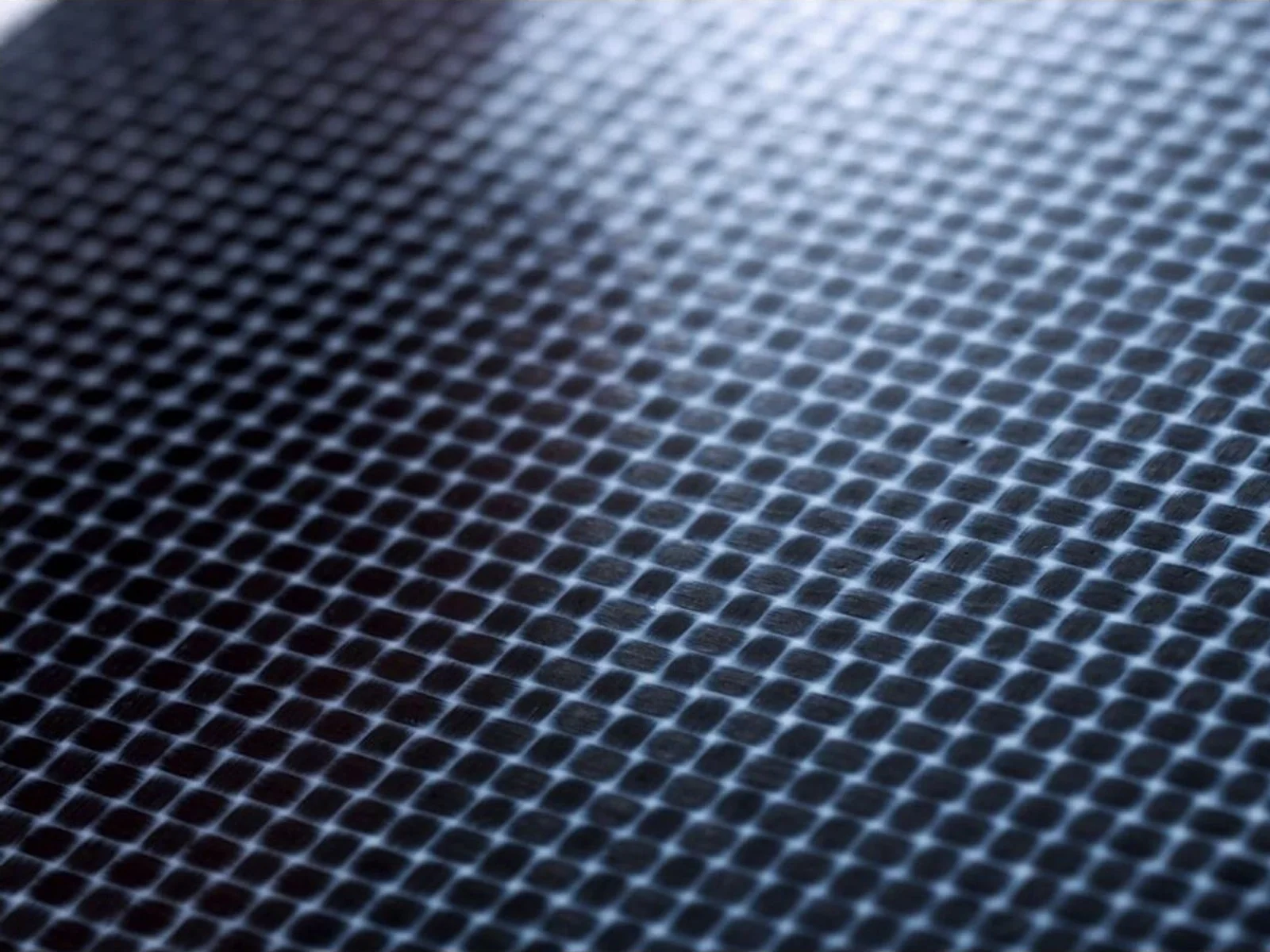
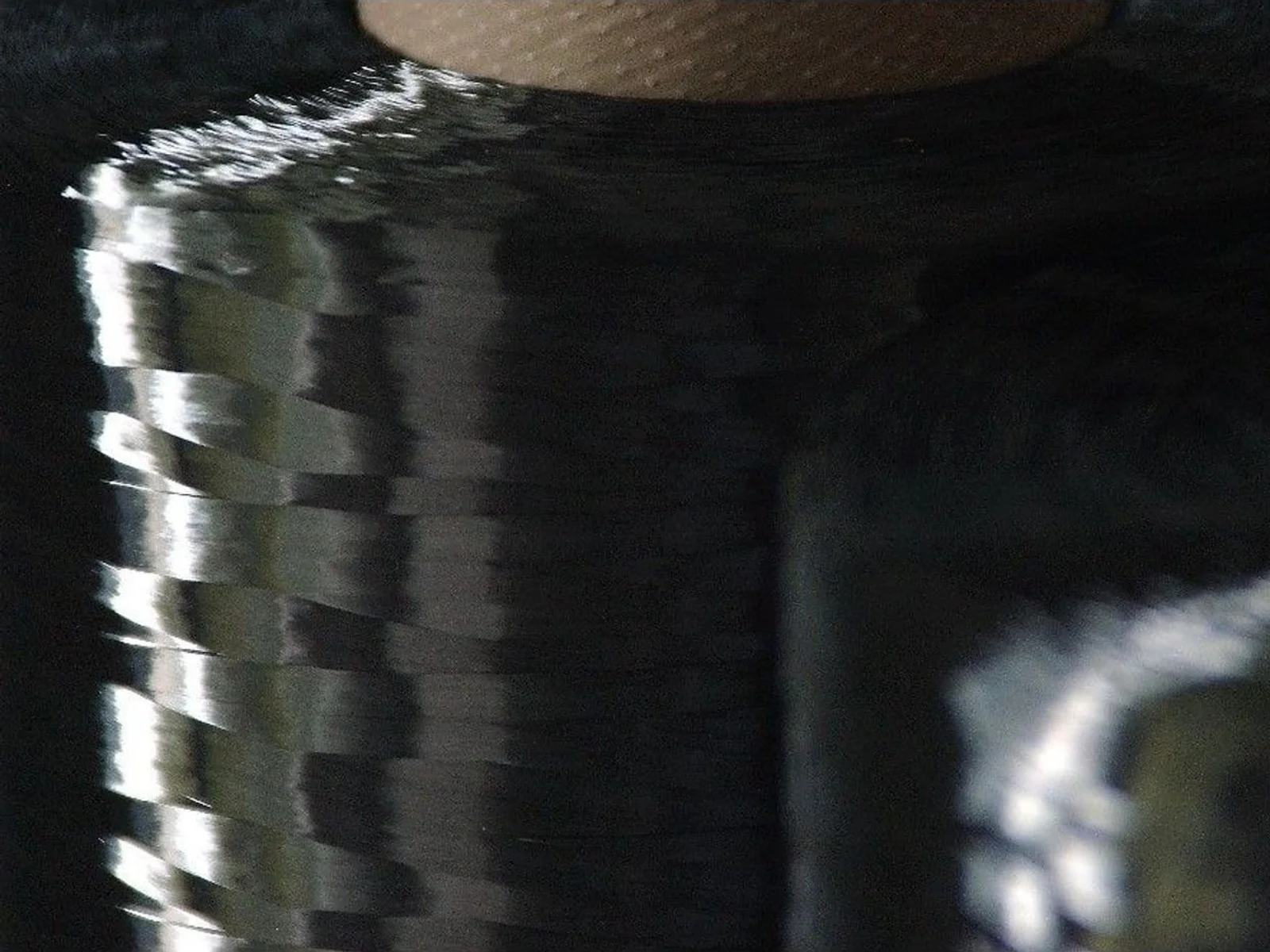
Carbon fiber composites give very high strength and stiffness for their weight, resist fatigue and corrosion, and can be moulded into efficient aerodynamic shapes.
Statistically based strength values of a material and process, obtained from extensive testing. Using qualified allowables lets designers size structures with confidence and speeds up certification.
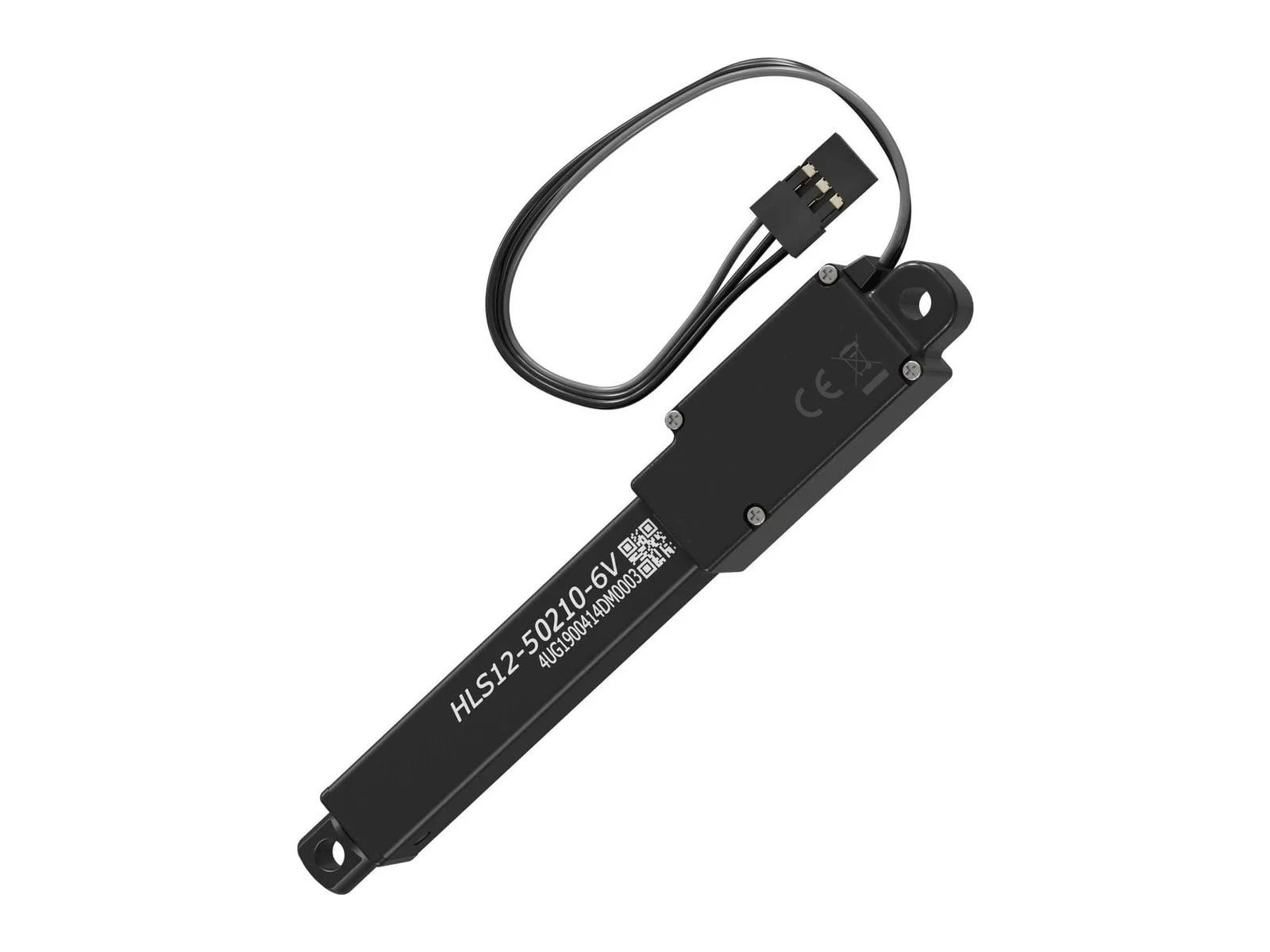
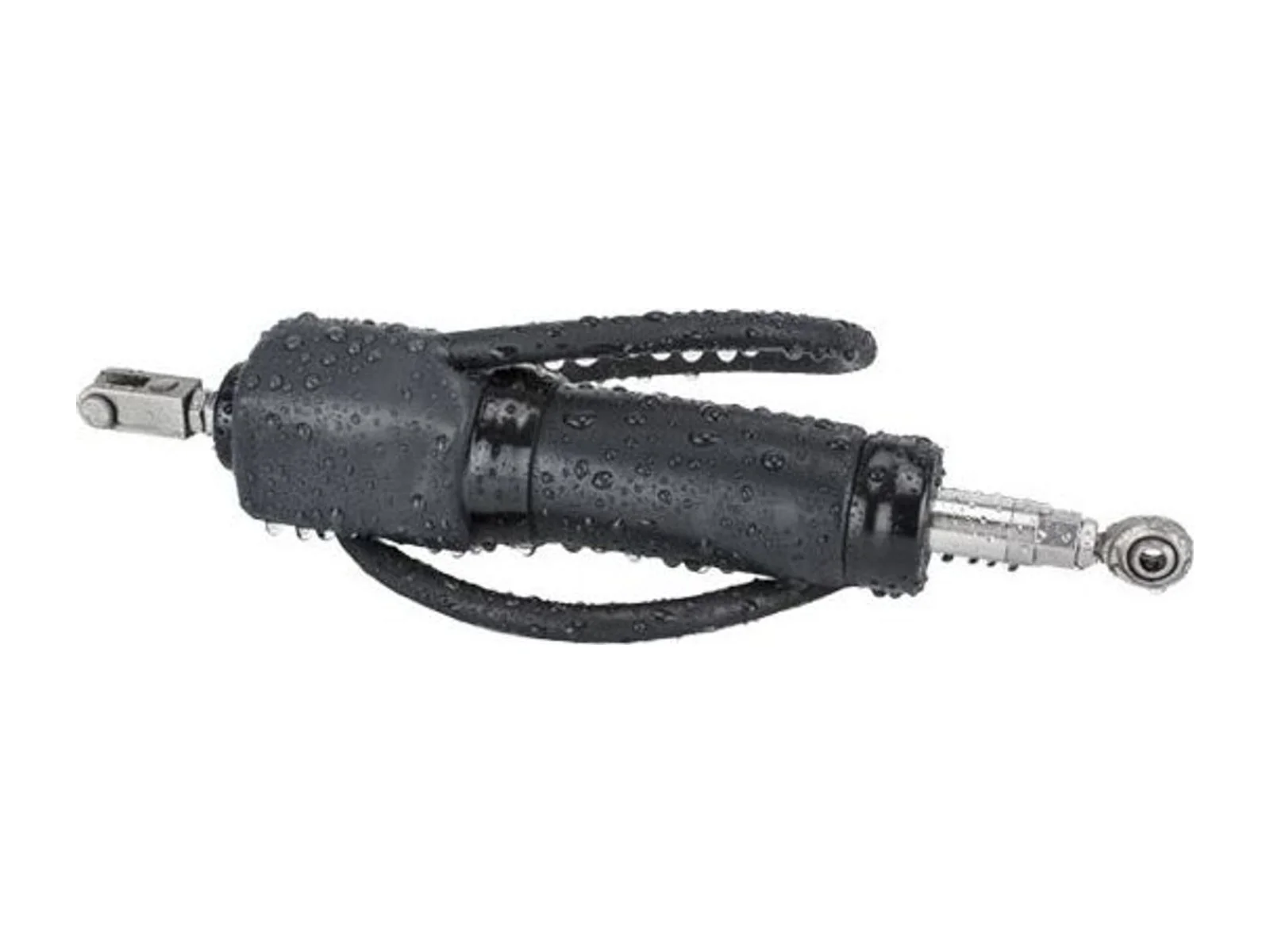
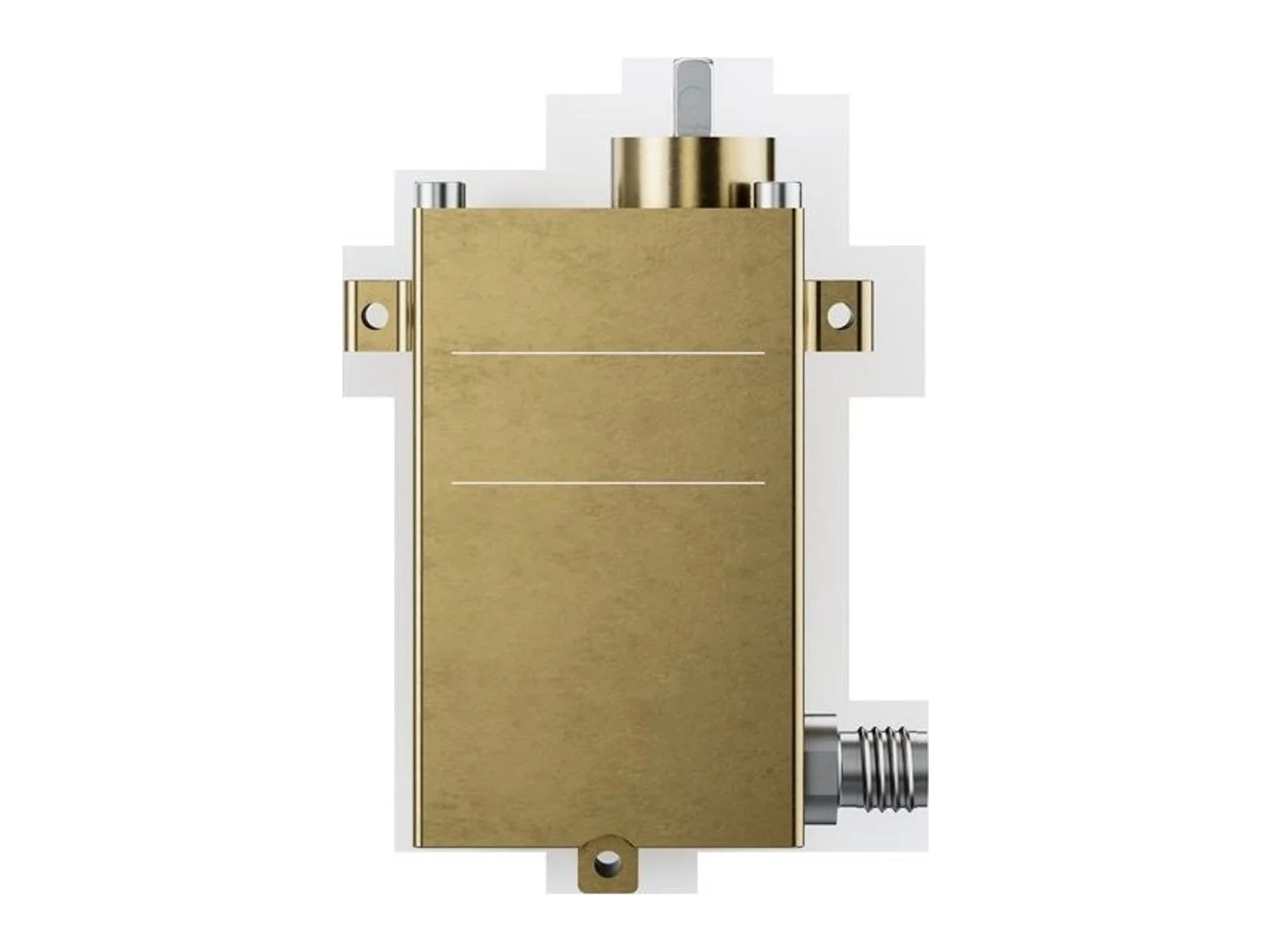
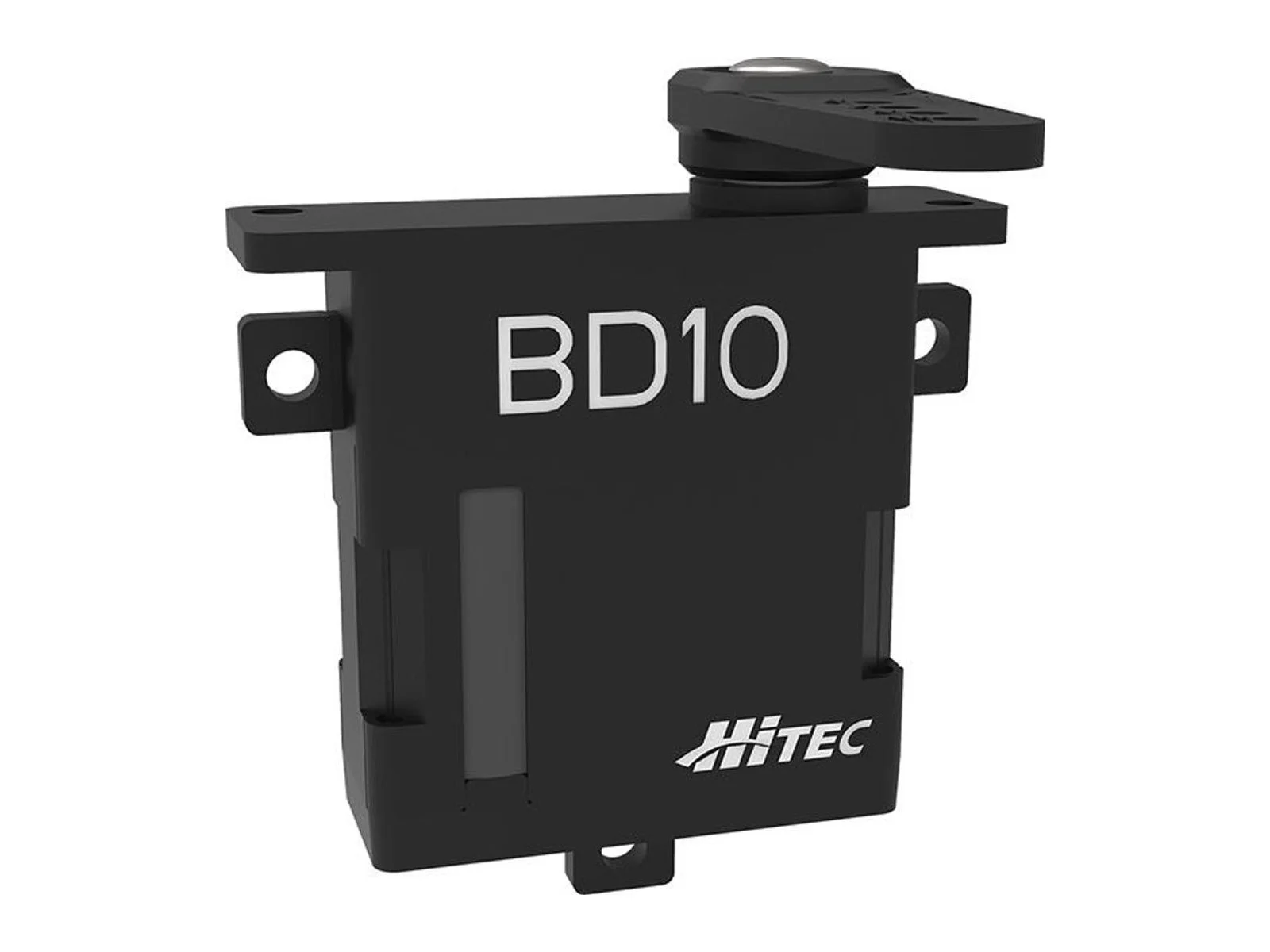
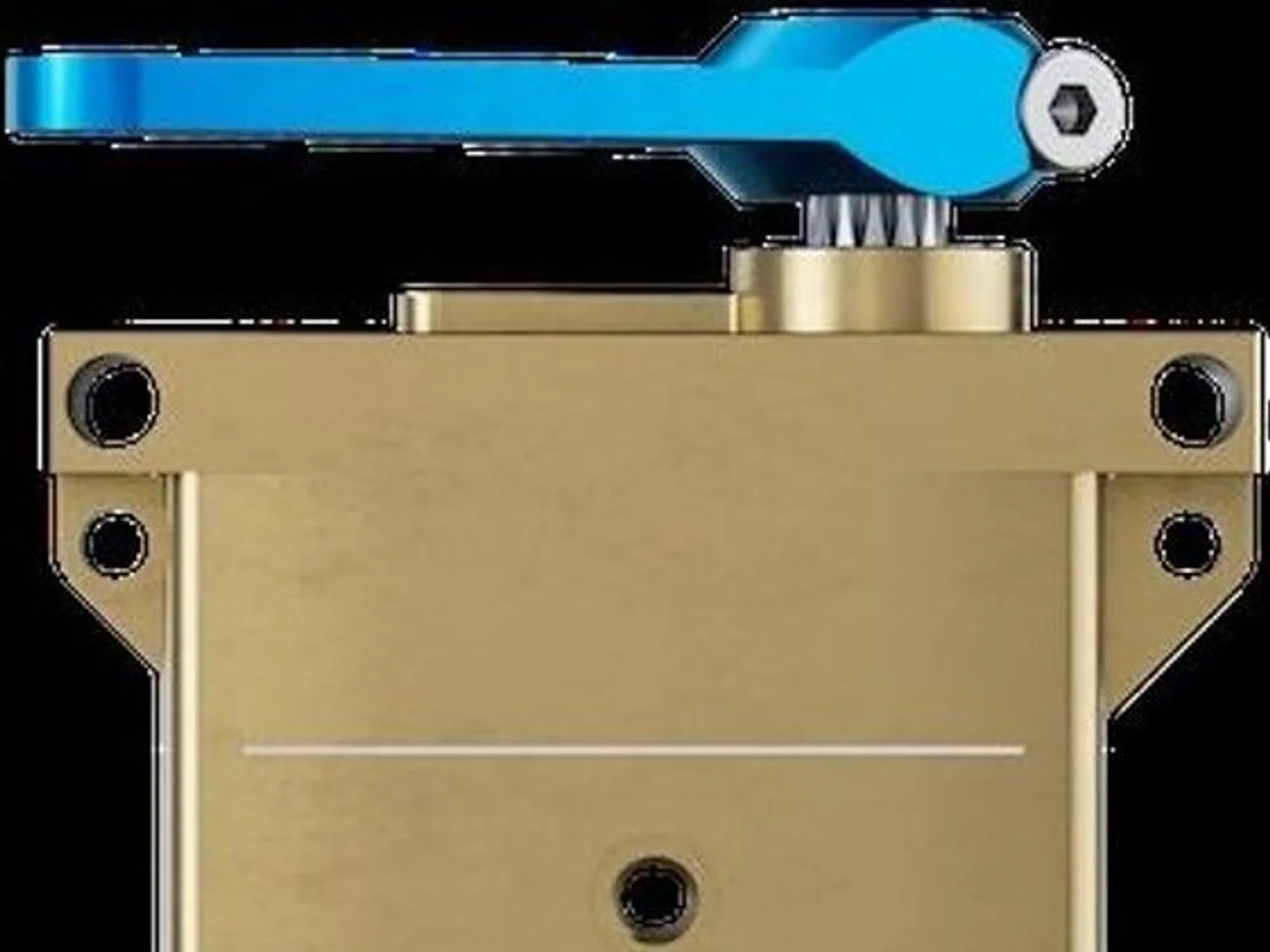
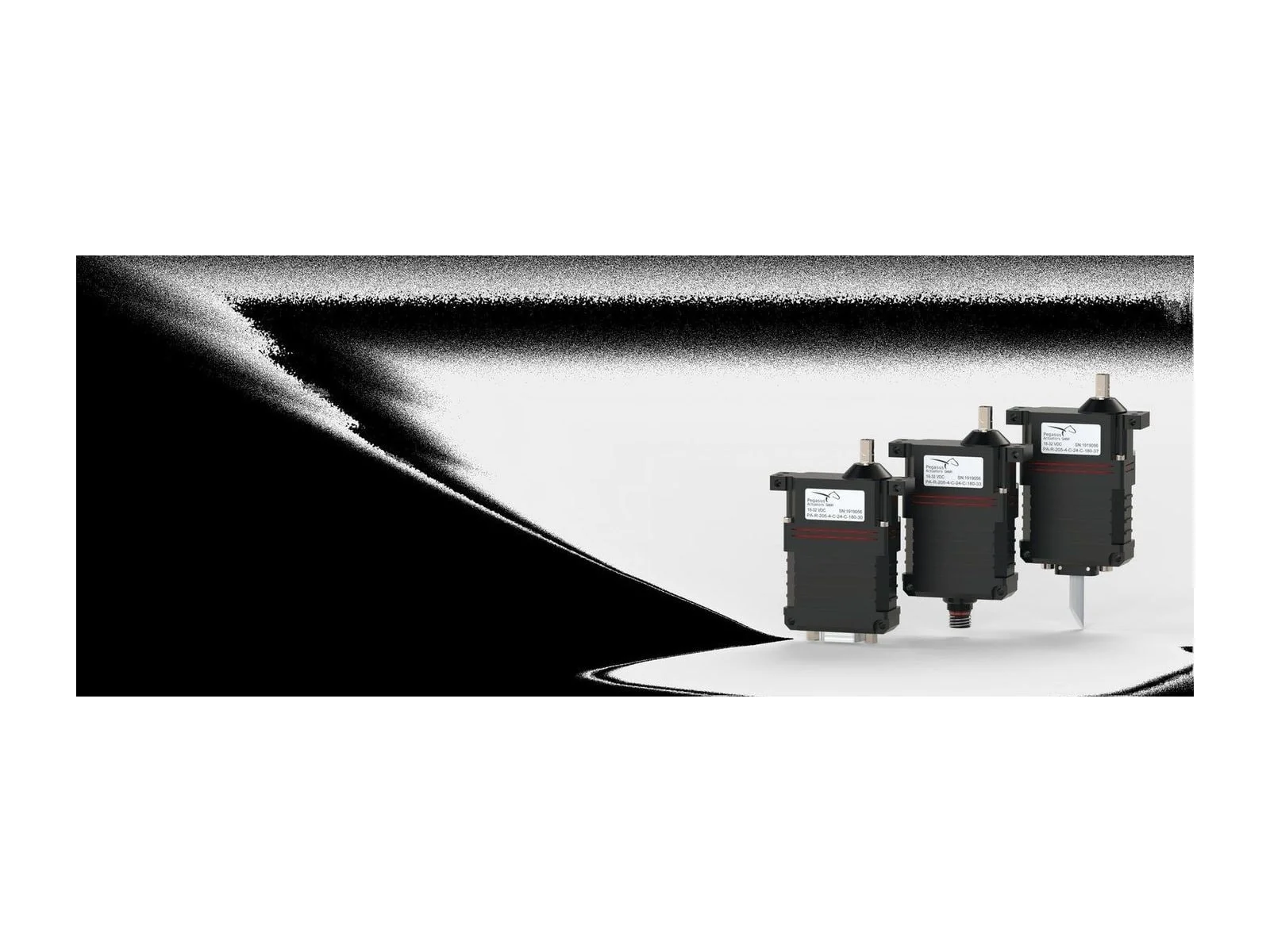
Electric aircraft have no hydraulic system, so control surfaces, tilt mechanisms and landing gear are moved by electric actuators, which also suit fly-by-wire control.
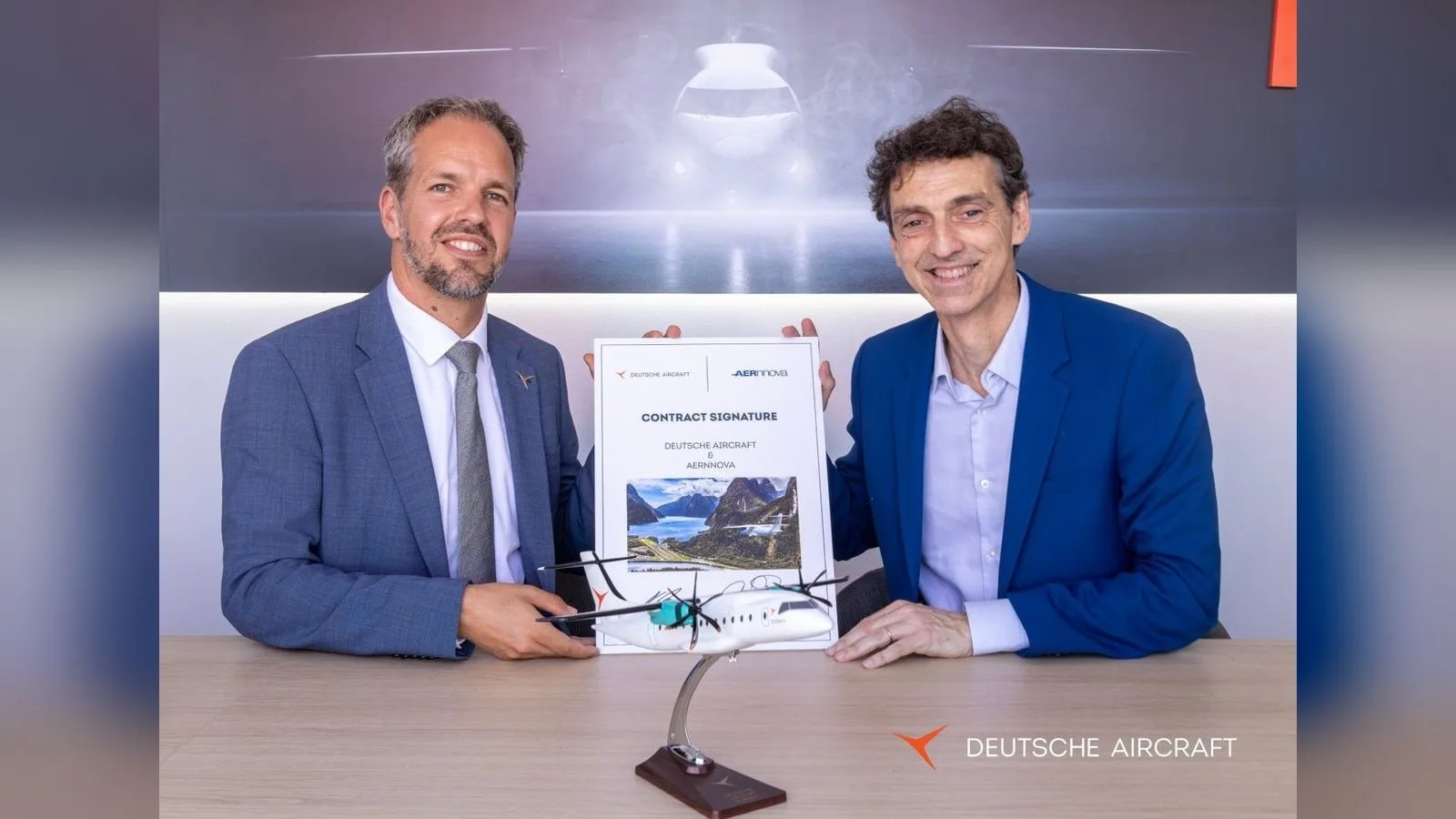
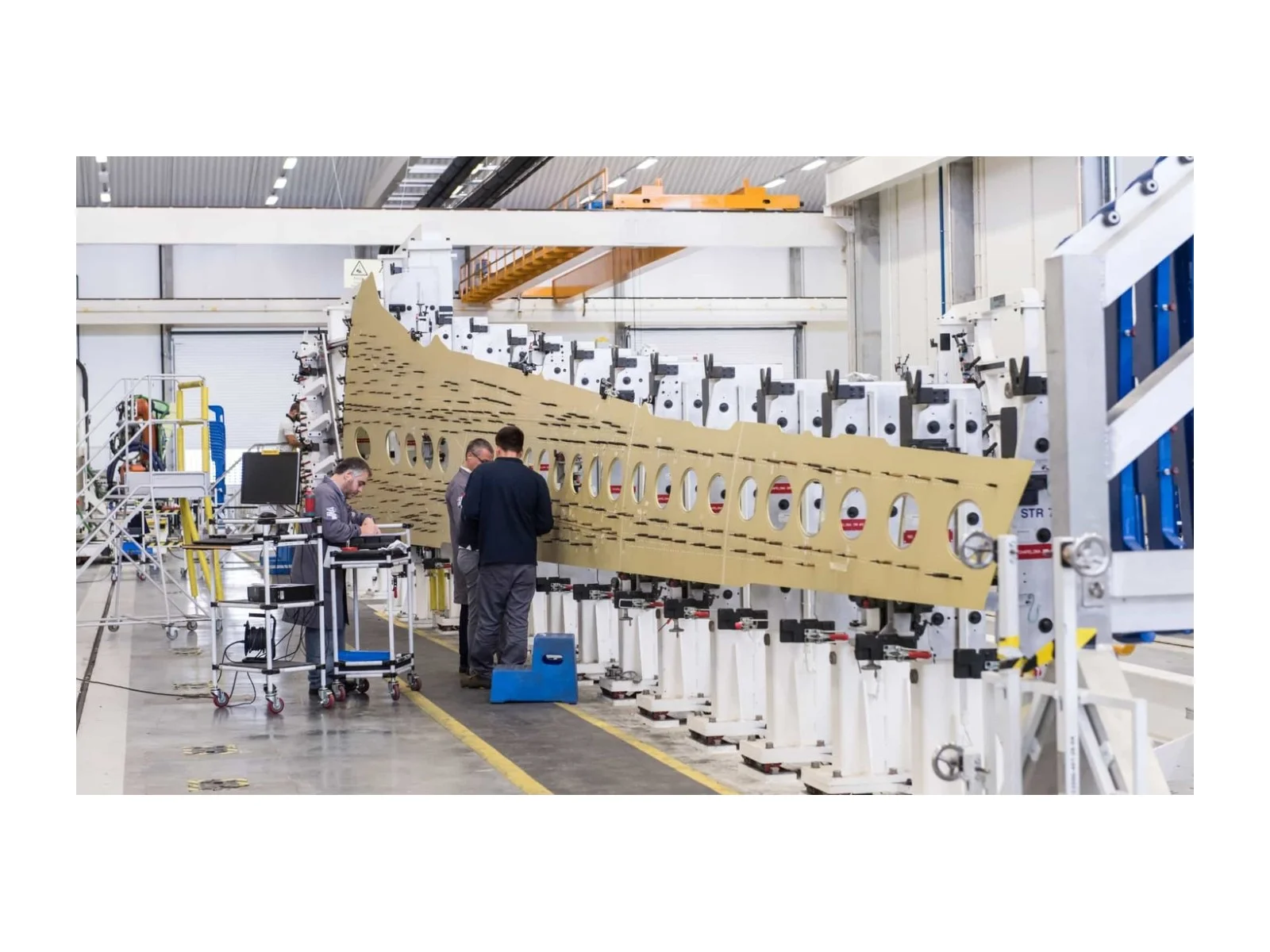
Aernnova signs a deal to take over GE Aviation's Hamble site in the UK, its first operating base in Britain. The deal brings about 700 employees, the A350 XWB wing fixed trailing-edge program and roughly $200 million in additional yearly…

Hitec Commercial Solutions releases the DPC-20, a USB-C programmer that configures and tests its digital servo actuators over PWM, TTL, RS-485, CAN and DroneCAN. It replaces three earlier programmers, the DPC-11, DPC-485 and DPC-CAN, so…
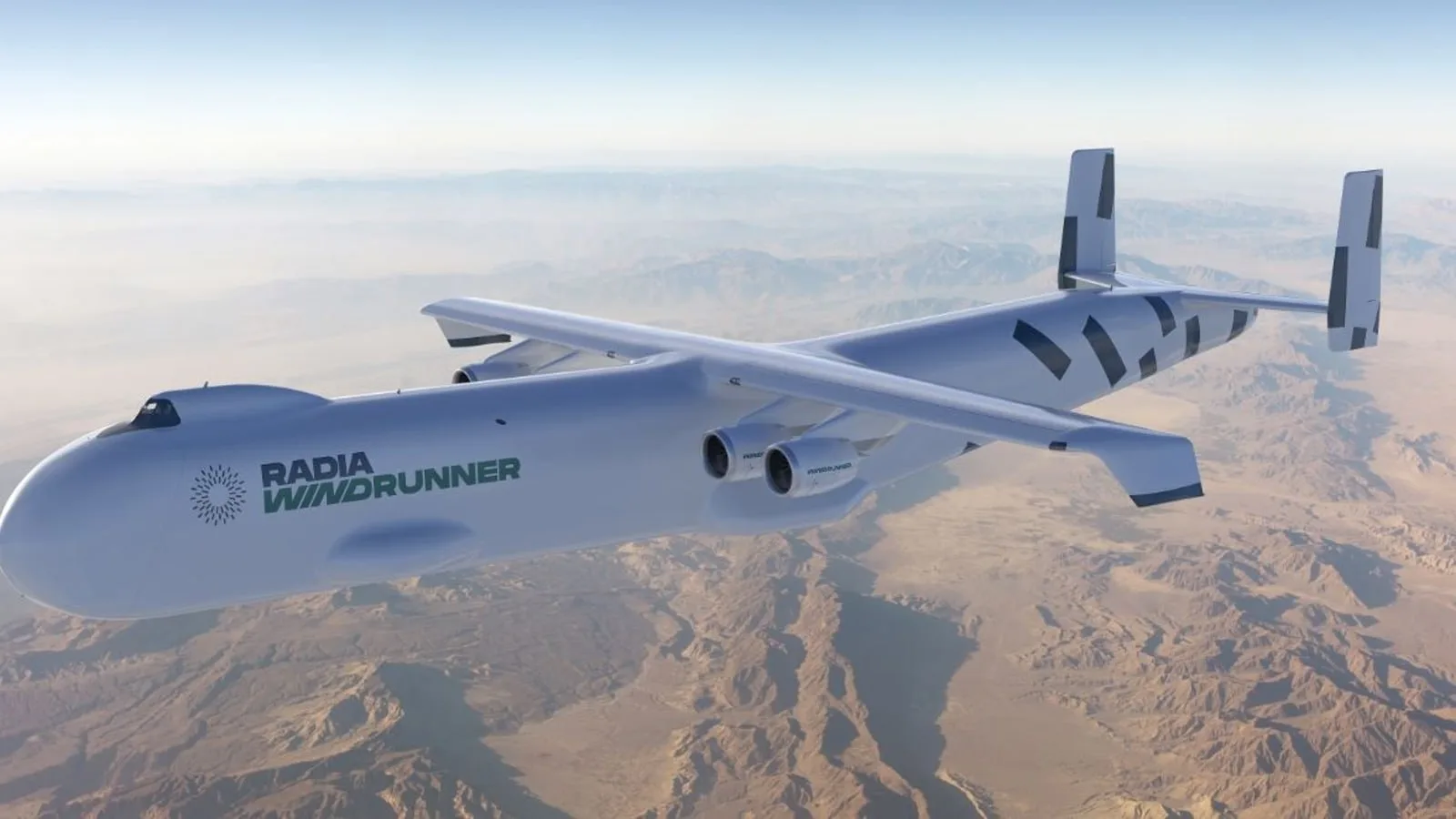
Aernnova partners with Radia on the wing and engine pylons of WindRunner, the cargo aircraft Radia is developing to carry wind turbine blades. Leonardo and AFuzion join the same ecosystem for fuselage engineering and for safety and…