Featured
Fuel sensors
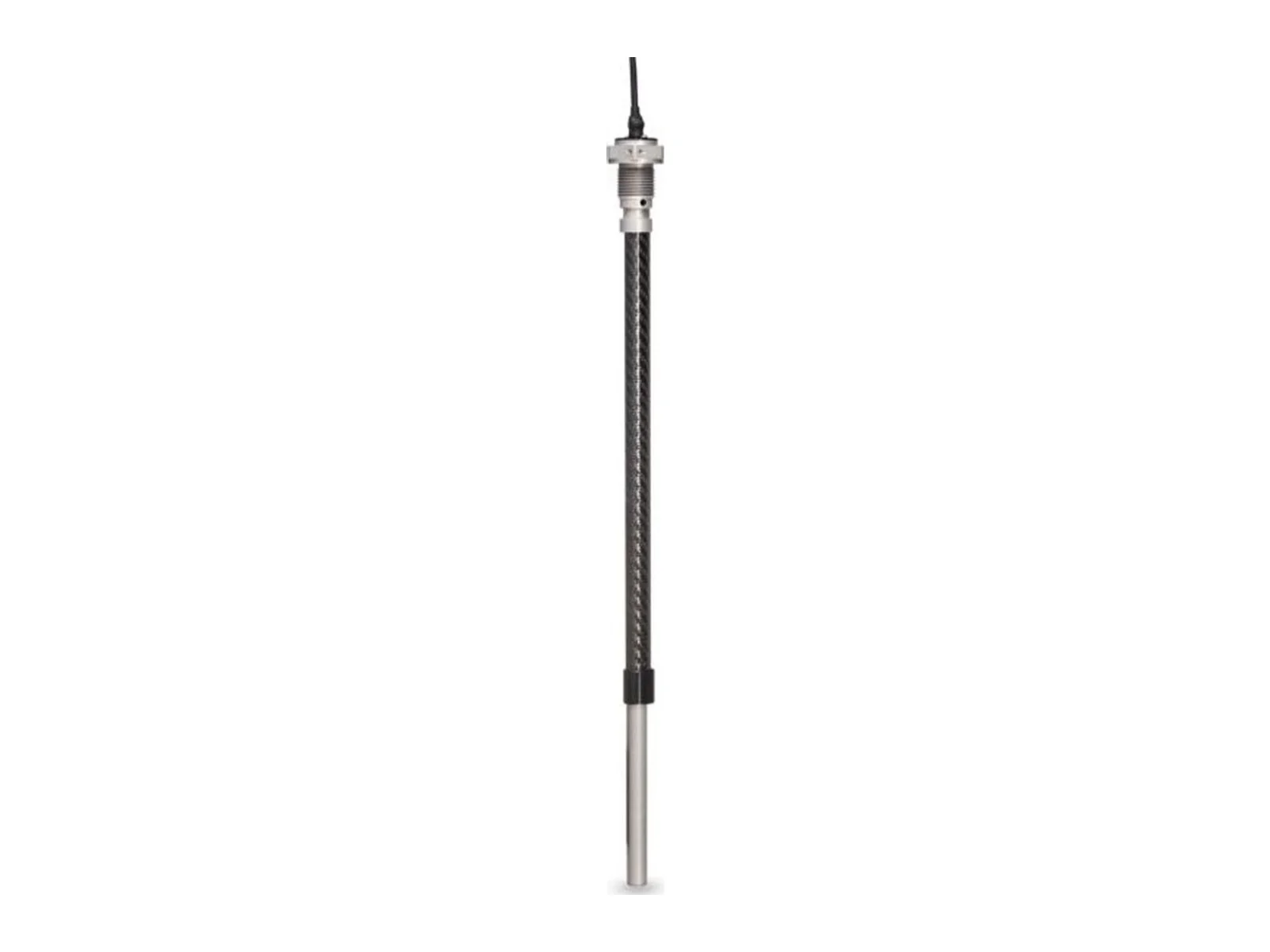
Capacitive fuel level sensors fuel-measurement product
- Measuring principle
- Capacitive
- Grade
- Professional
- Market
- Dual-use
Fuel level, flow and pressure sensors for combustion engines and hybrid systems.
Filters
Try removing a filter.



Updated November 3, 2026
On a combustion or hybrid UAV, fuel is the endurance. The autopilot and the remote pilot need to know how much is left, how fast it is being used and whether the fuel system is working, because a fuel problem beyond line of sight leaves little time to react. Fuel sensors provide that information.
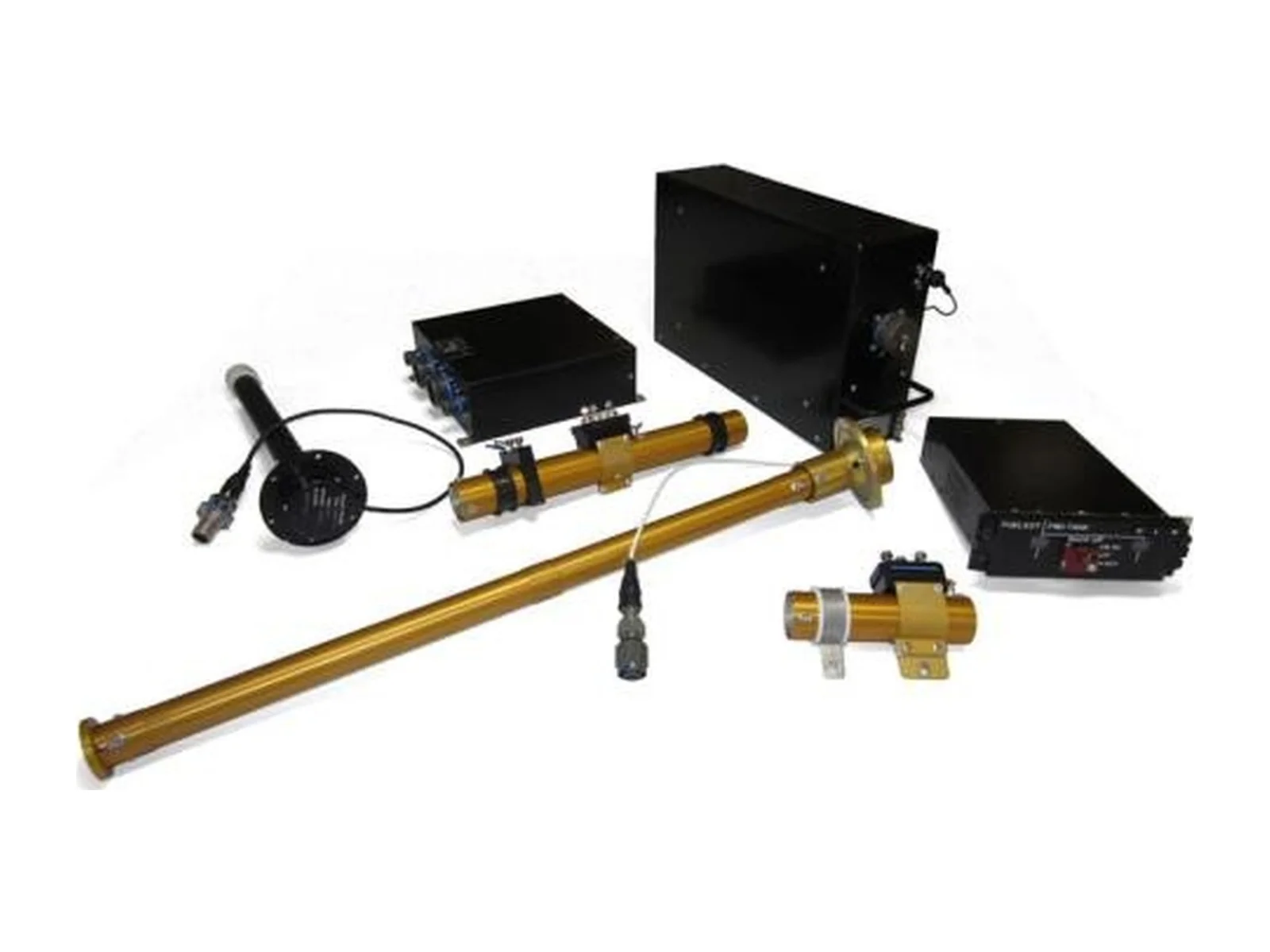
The best estimate combines a level sensor with a flow meter: the level tells how much is in the tank, the flow tells how fast it is going, and their comparison detects leaks and sensor faults. Several level probes, or software that corrects for attitude, improve accuracy in small, irregular UAV tanks.
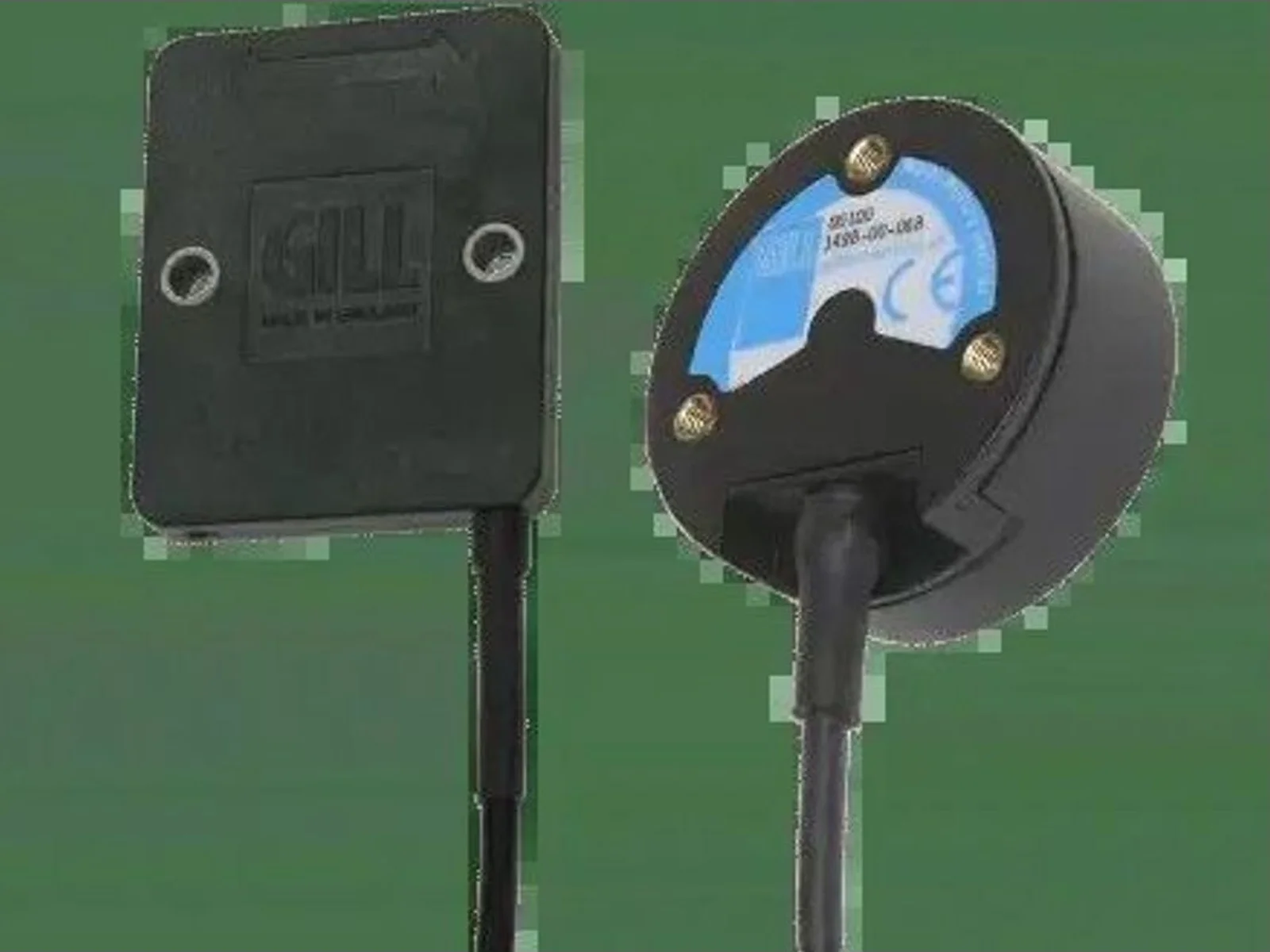
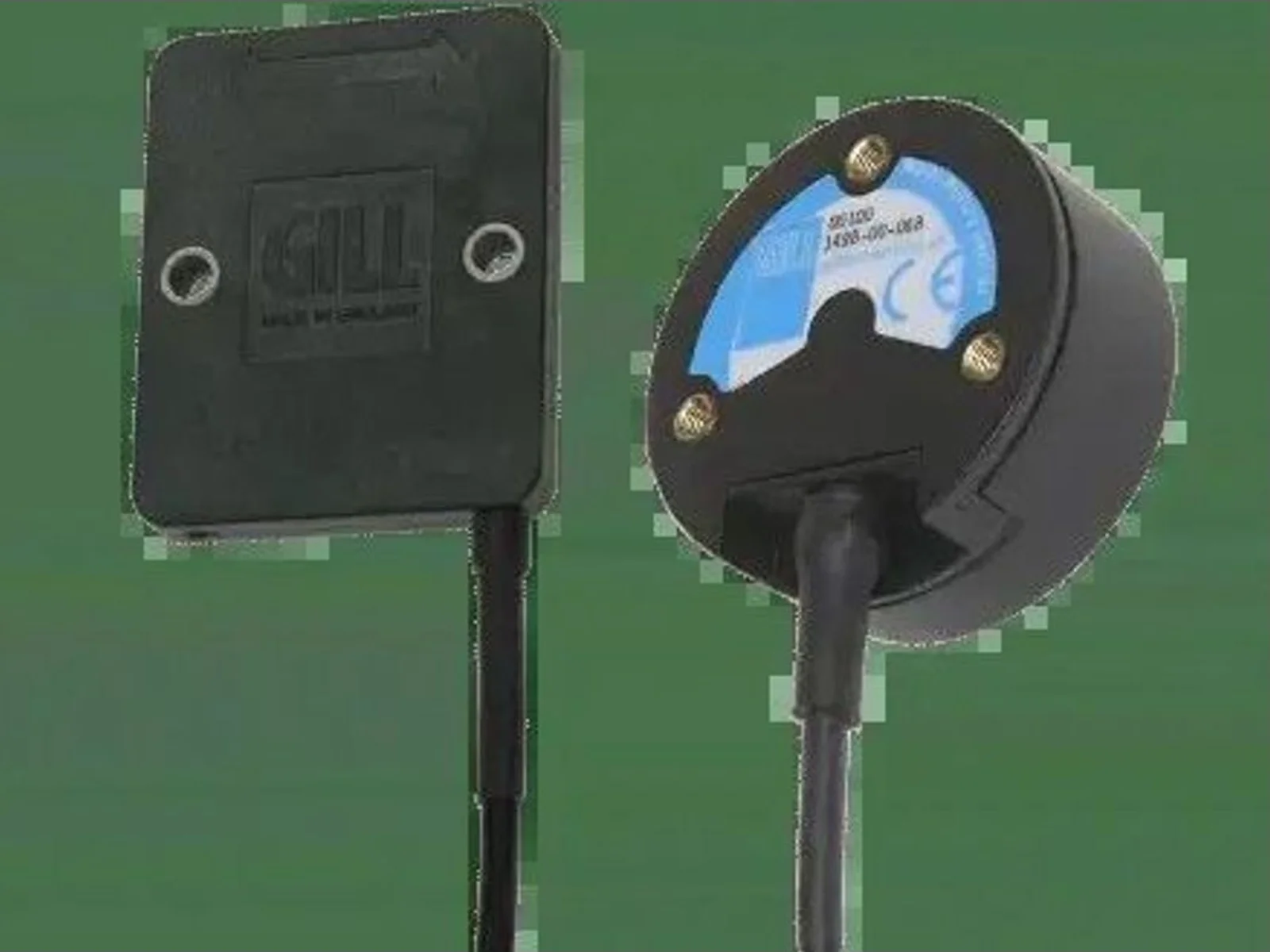
Examples include Crane Aerospace, Gill Sensors & Controls and Reventec. See also combustion engines.
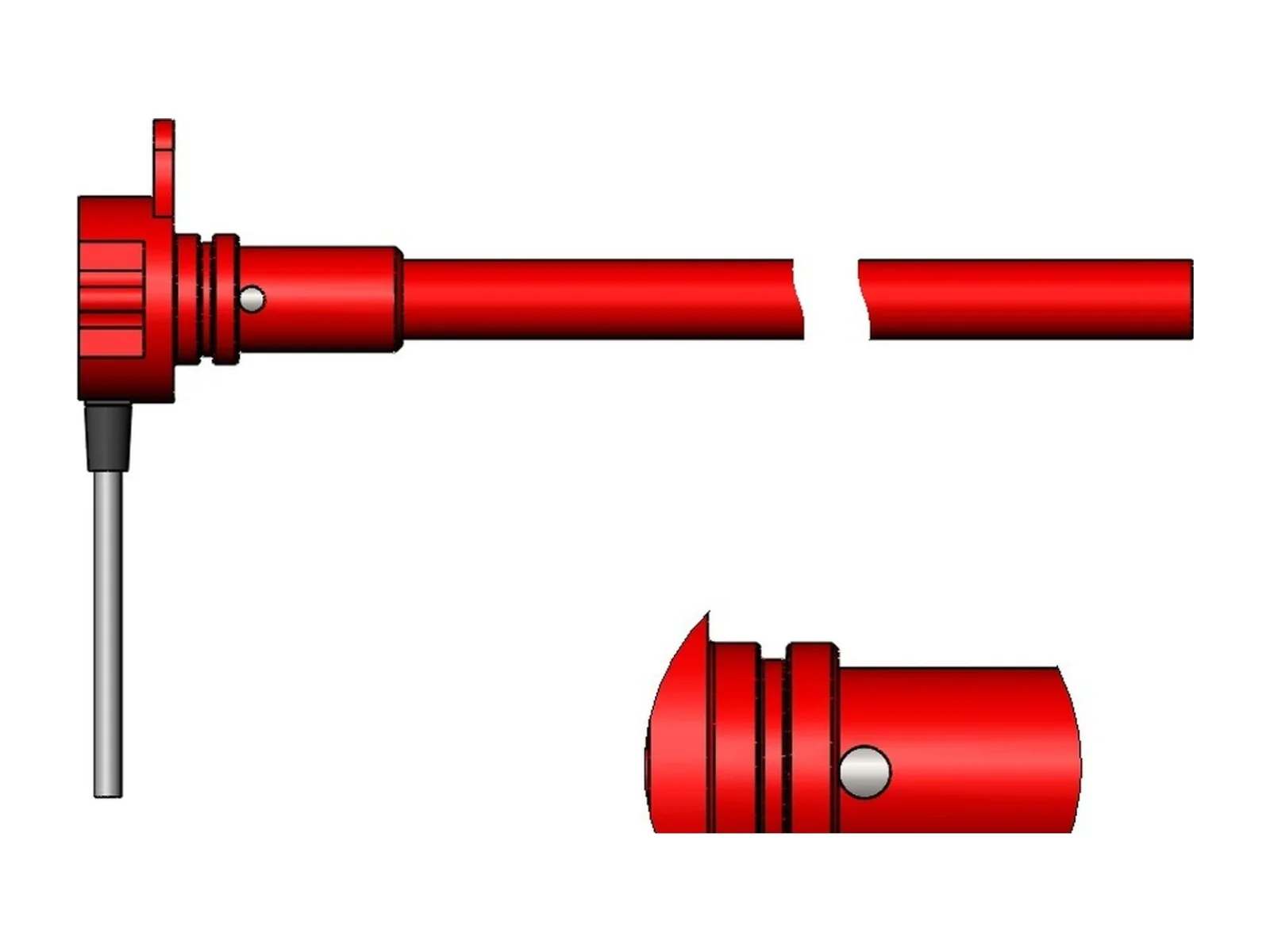
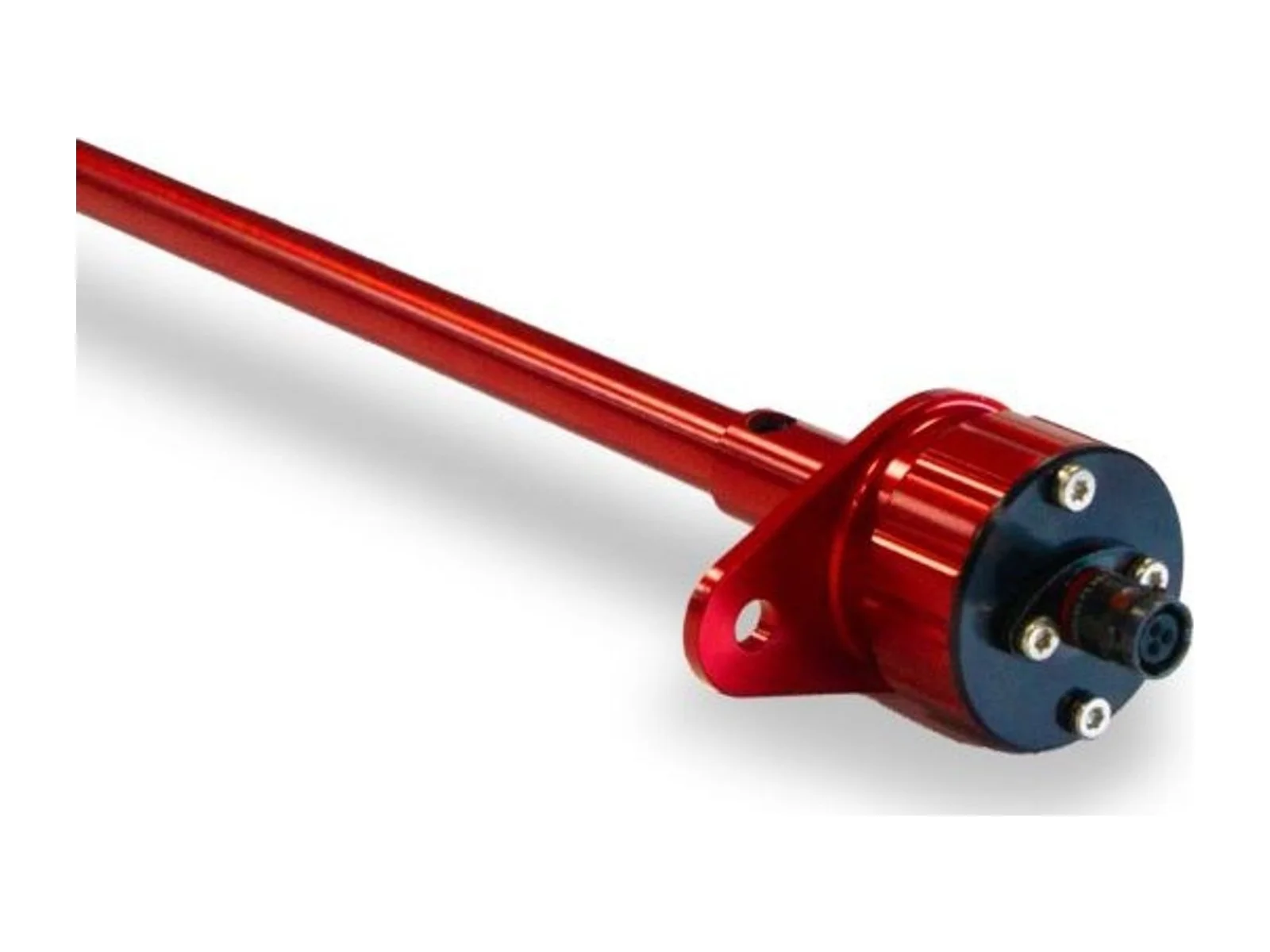
It has two electrodes along the probe. Fuel and air have different dielectric constants, so the capacitance changes with the fuel height. The electronics turn that change into a level reading.
The level sensor gives the quantity in the tank, but it is disturbed by fuel movement in flight. The flow meter gives consumption precisely. Comparing both improves the estimate and reveals leaks or faults.
Many do, but it must be checked: heavy fuel has different dielectric and chemical properties from gasoline, so capacitive sensors must be calibrated for it and materials must be compatible.
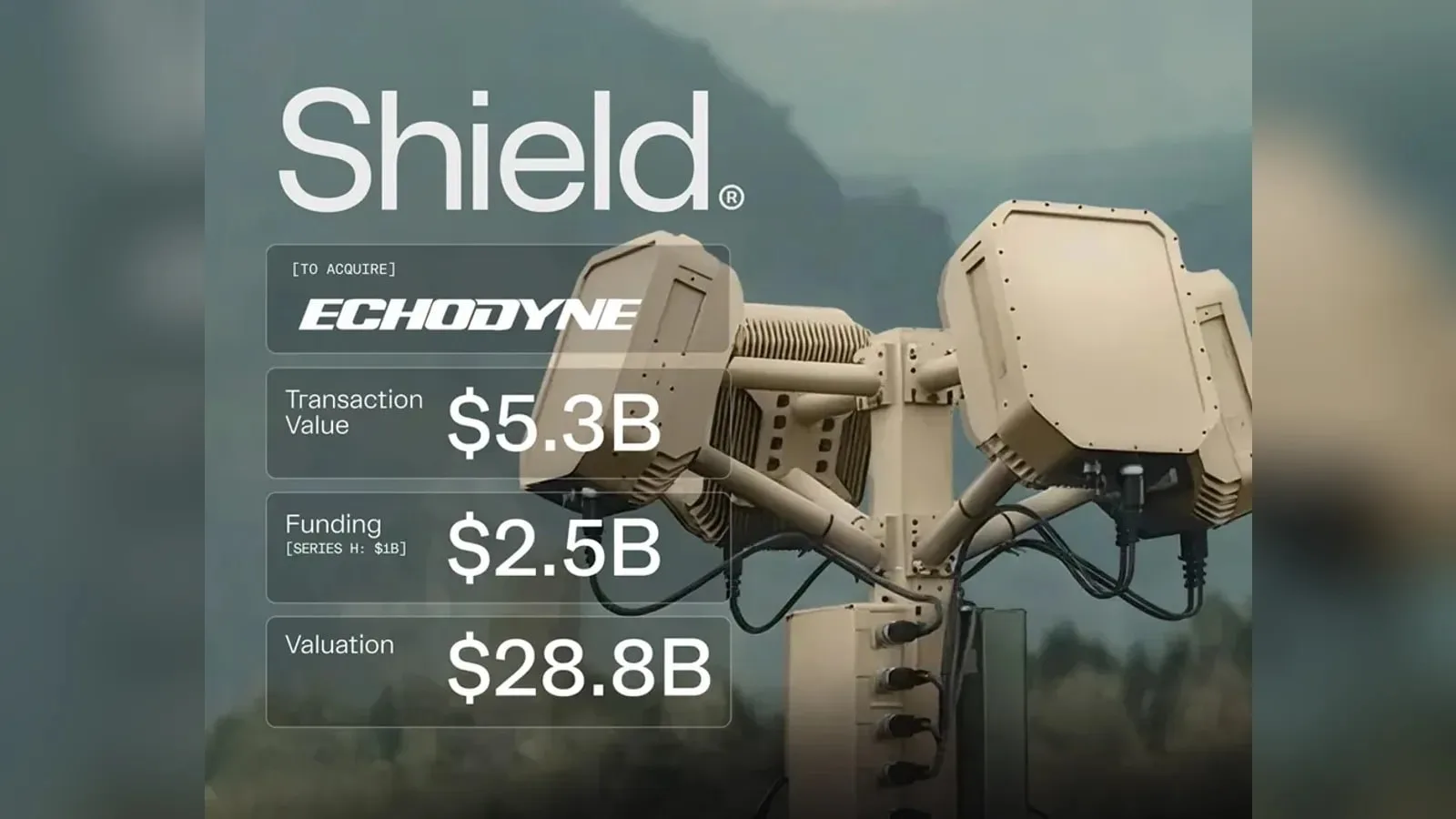
Shield agrees to buy Echodyne, the Kirkland-based radar maker, in a deal valued at $5.3 billion. The purchase brings software-defined MESA radars, used in counter-UAS systems and for UAS detect-and-avoid, into Shield's Mission Systems…
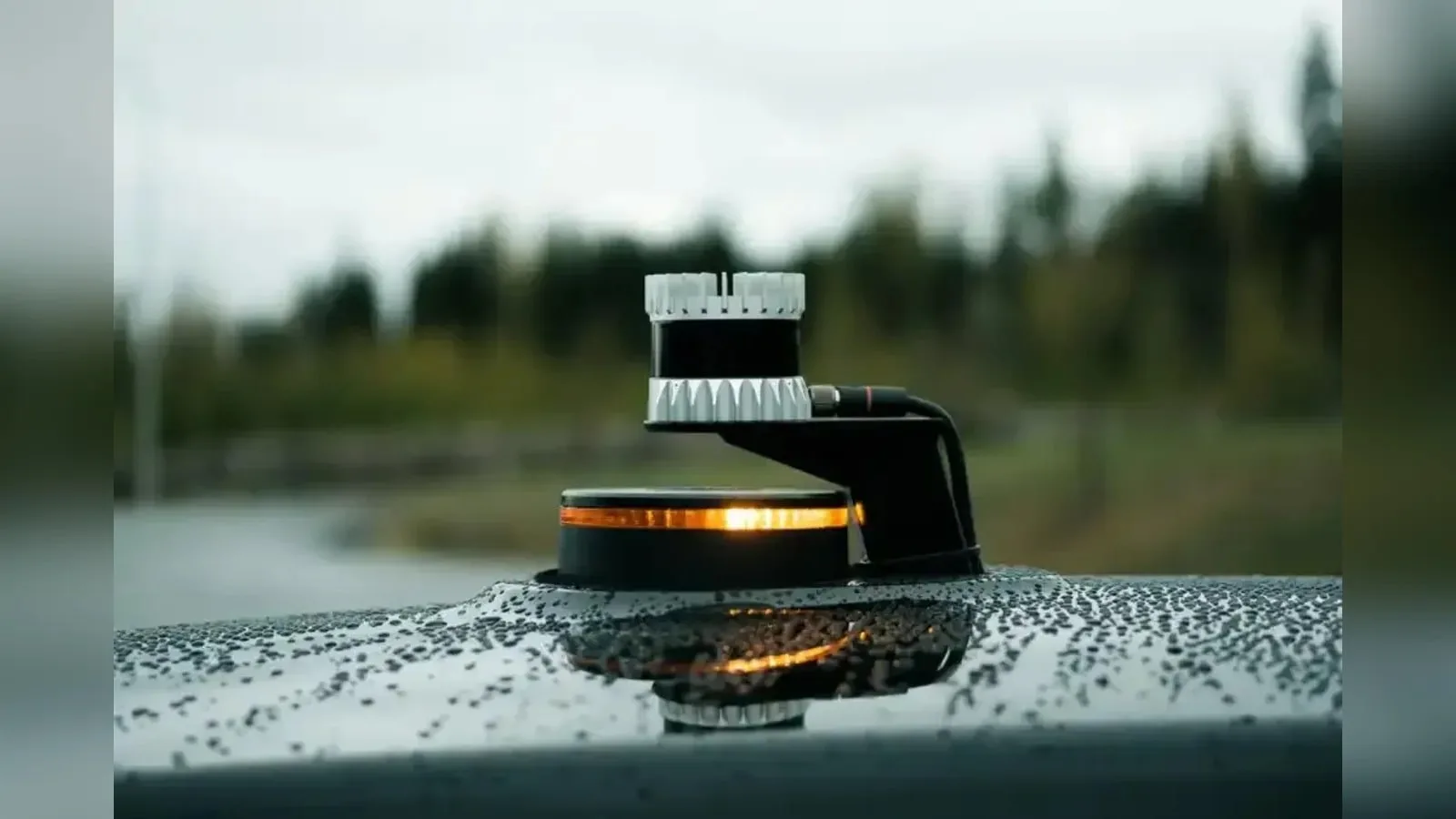
Ouster releases Firmware 3.2 for its lidar sensors, adding on-sensor 3D zone monitoring, optical window blockage detection and time-synchronized IMU data. The update shifts occupancy logic and motion compensation from the host computer to…
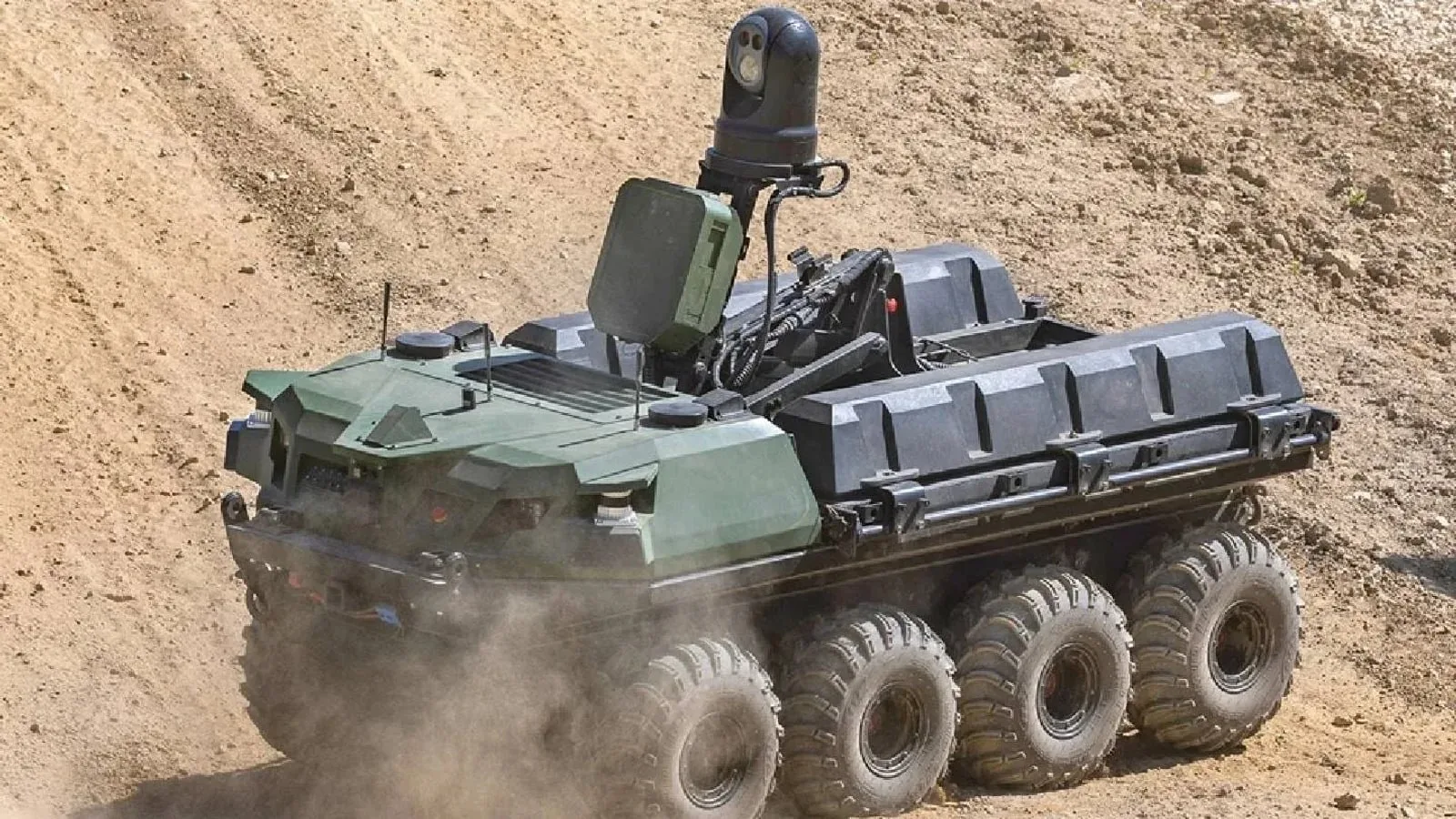
Shield has agreed to buy Echodyne, the Washington-based maker of MESA radars for counter-UAS and airspace sensing, for $5.3bn. Echodyne's radars stay available as standalone products, and the deal adds production capacity for the sensor…