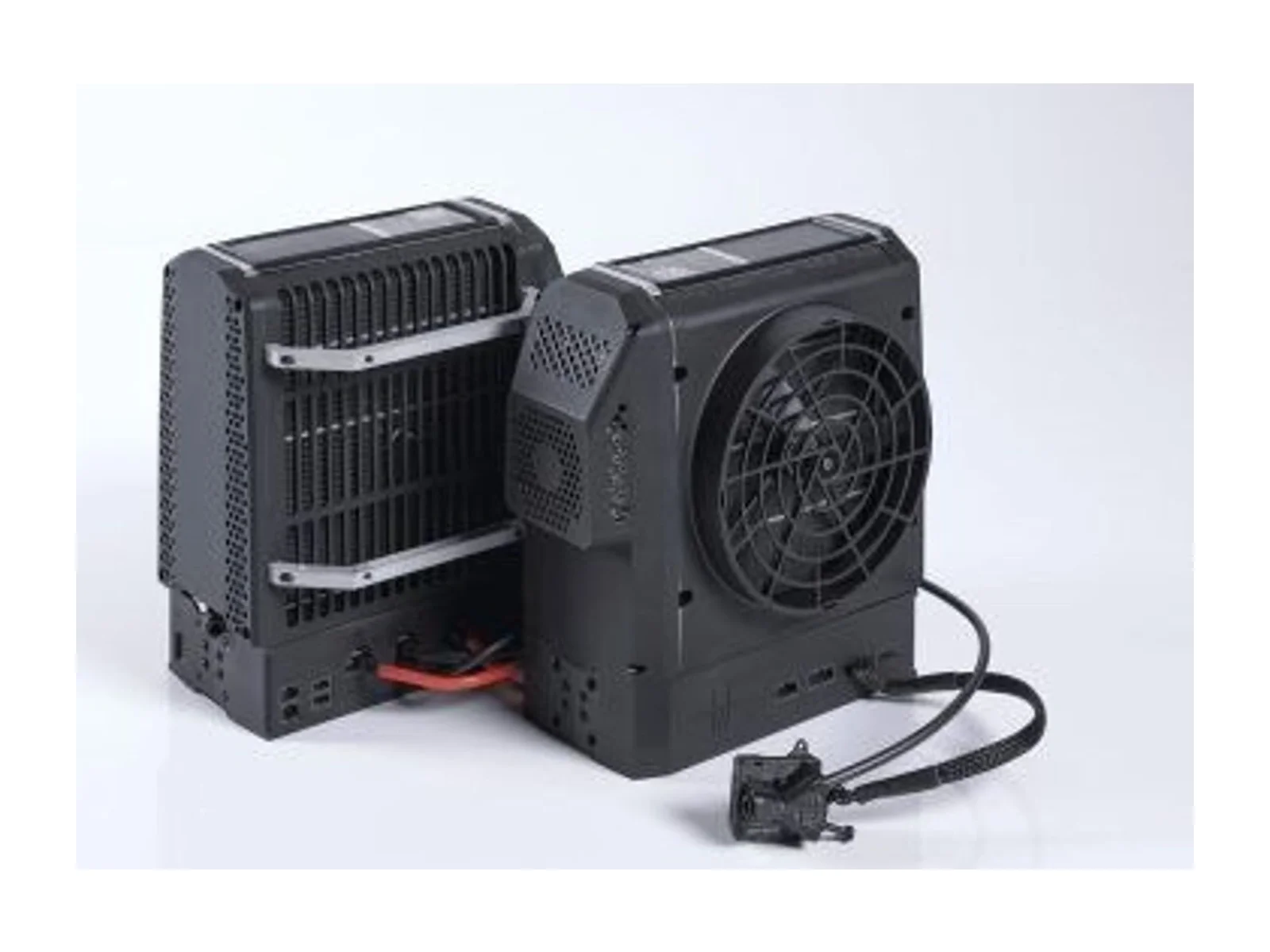
IE-SOAR 1.2 kW is an air-cooled PEM fuel-cell module for unmanned aircraft. It supplies continuous electrical power with a configurable 50–70 V regulated output, while a hybrid battery supports short load peaks and the hydrogen system stores the fuel.
The IE-SOAR 1.2 kW is a hydrogen fuel-cell power system from Intelligent Energy for unmanned aircraft. It is built around an air-cooled proton exchange membrane (PEM) fuel-cell module that runs on hydrogen and ambient air and supplies continuous DC power to the aircraft, in place of or alongside a battery pack.
The system is meant for multirotor, fixed-wing and other unmanned aircraft whose flight time is limited by batteries. The maker states that replacing the battery with fuel-cell modules can extend flight durations to more than three times those of a battery, and that refuelling takes less than three minutes. Typical missions are parcel delivery, linear and civil inspection, agriculture, cinematography, LiDAR mapping, military surveillance and beyond-visual-line-of-sight operations, where endurance matters more than peak power.
The main figures are a through-life power of 1,200 W and a peak system power of up to 8,000 W. The peak power is available because a hybrid battery, by default two 6S packs in series, supplies short load peaks such as take-off and climb, while the fuel cell supplies the average load. The output is DC-DC regulated and configurable between 50 V and 70 V. The maker describes the unit as a direct battery replacement compatible with 12S to 16S systems, which follows the load demand automatically like a battery. Modules can be used in parallel for higher power.
For mass and size planning, the fuel-cell power module measures 128 x 246 x 233 mm and has a mass of 2,700 g. The hydrogen regulator adds 315 g, with a maximum regulator pressure of 350 bar (5,000 psi), and the maximum cylinder mass is 10 kg. The operating temperature range is -5 °C to 40 °C, and the maximum operating altitude is 3,000 m. The datasheet comparison lists an energy density of 600 to 800 Wh/kg for the system, against 200 to 250 Wh/kg for battery alternatives.
Integration involves the module, the hydrogen regulator and cylinder, the hybrid battery and the load unit, which has its own datasheet. The maker describes the design as tolerant to a single-point failure with built-in power system redundancy. Compared with internal combustion engines, the fuel cell has no moving parts in the stack, runs nearly silent and has a lower heat signature.
Applications are long-endurance multirotor and fixed-wing aircraft for inspection, mapping, delivery and surveillance, and platforms that need an electric power source with lower noise and emissions.
Specifications
Specifications · IE-SOAR 1.2 kW hydrogen fuel-cell power system
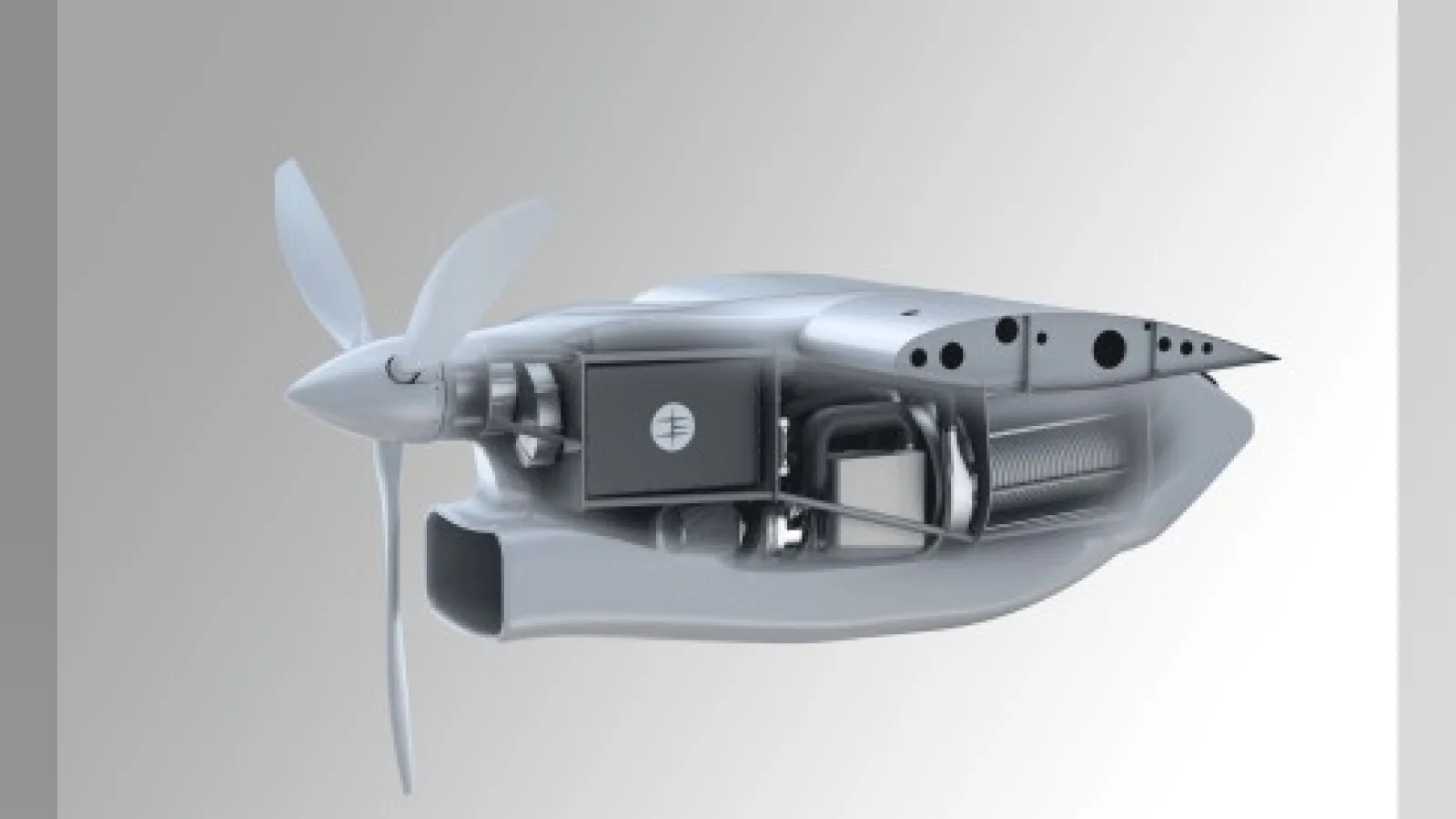
Intelligent Energy unveils the IE-FLIGHT 120, a 120 kW hydrogen powertrain for large uncrewed aircraft with wings. The UK manufacturer pairs the launch with the biggest UAV order it has received, for its IE-SOAR systems.
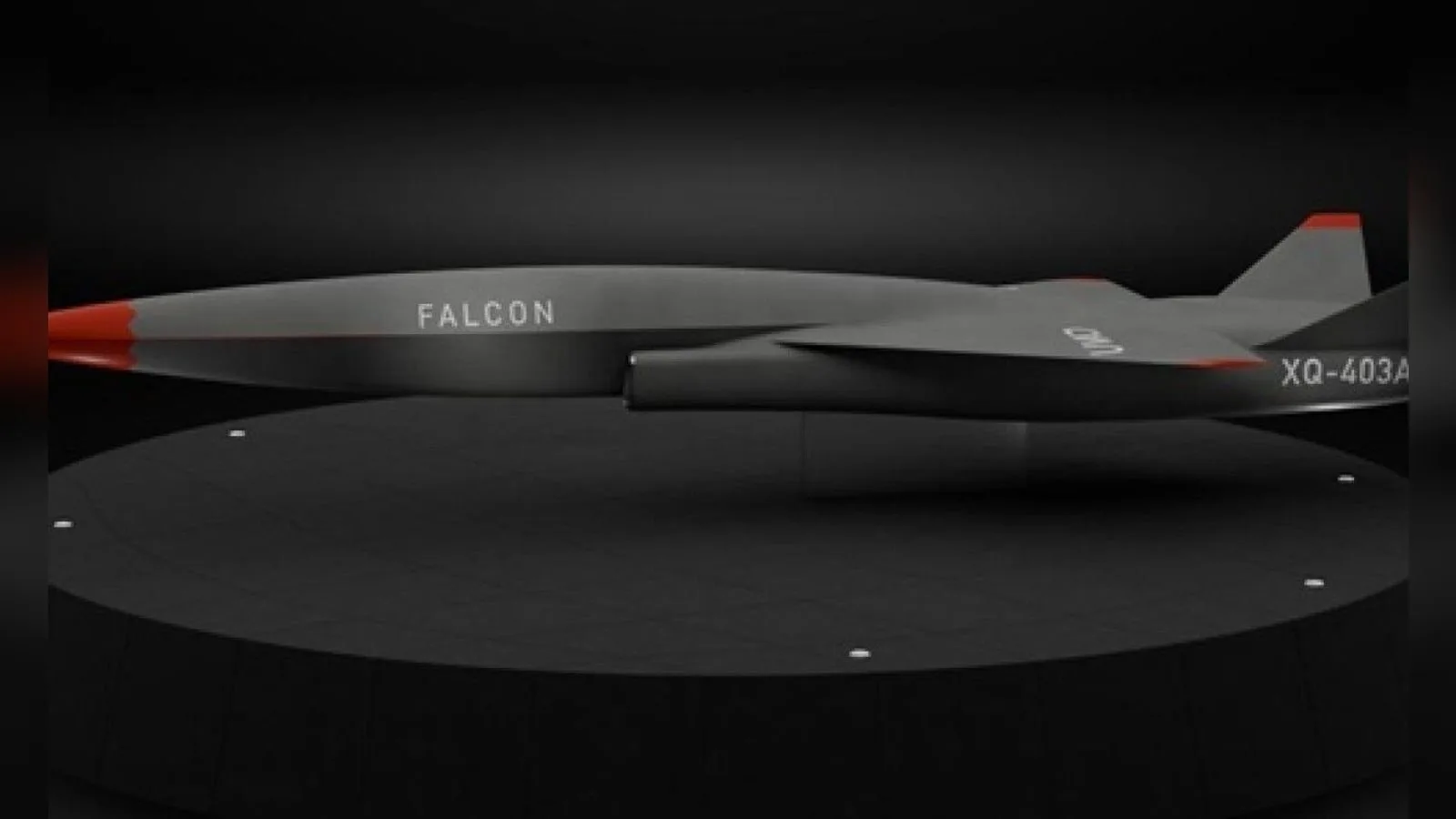
Falcon is a reusable supersonic uncrewed aerial target for missile-defense training, and its propulsion is the subject of a partnership between Safran Power Units and UVAD Technologies. Safran supplies two turbojet engines, and flight…
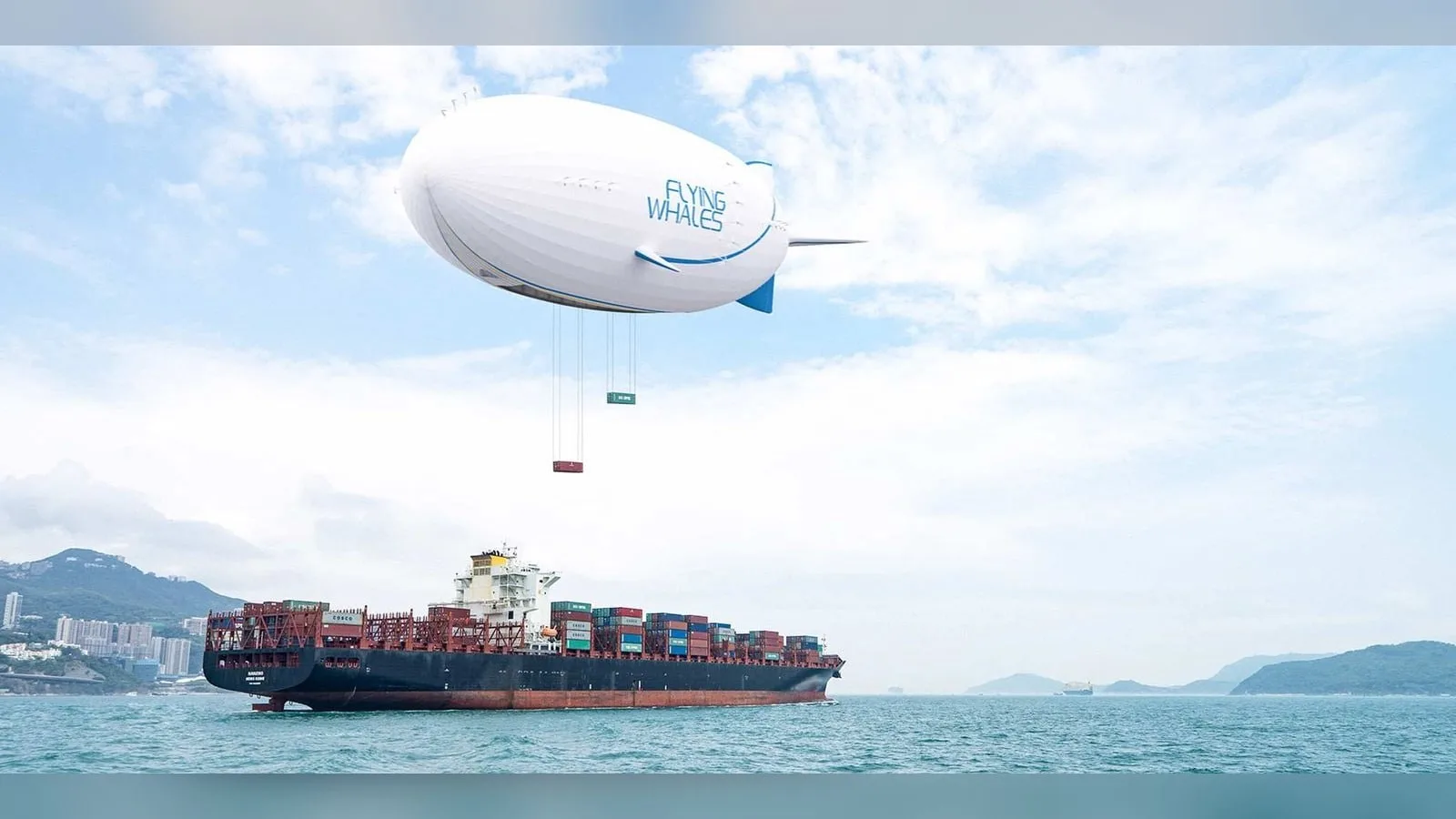
Honeywell Aerospace tests a 1 MW generator in a Mexicali test cell, and Flying Whales will integrate it into the hybrid-electric powertrain of its LCA60T airship. The unit reaches 1 MW steady state at 97% efficiency, giving…











 FeaturedFuel cells
 FeaturedFuel cells
 FeaturedFuel cells
 FeaturedFuel cells
 FeaturedFuel cells