Featured
Linear actuators
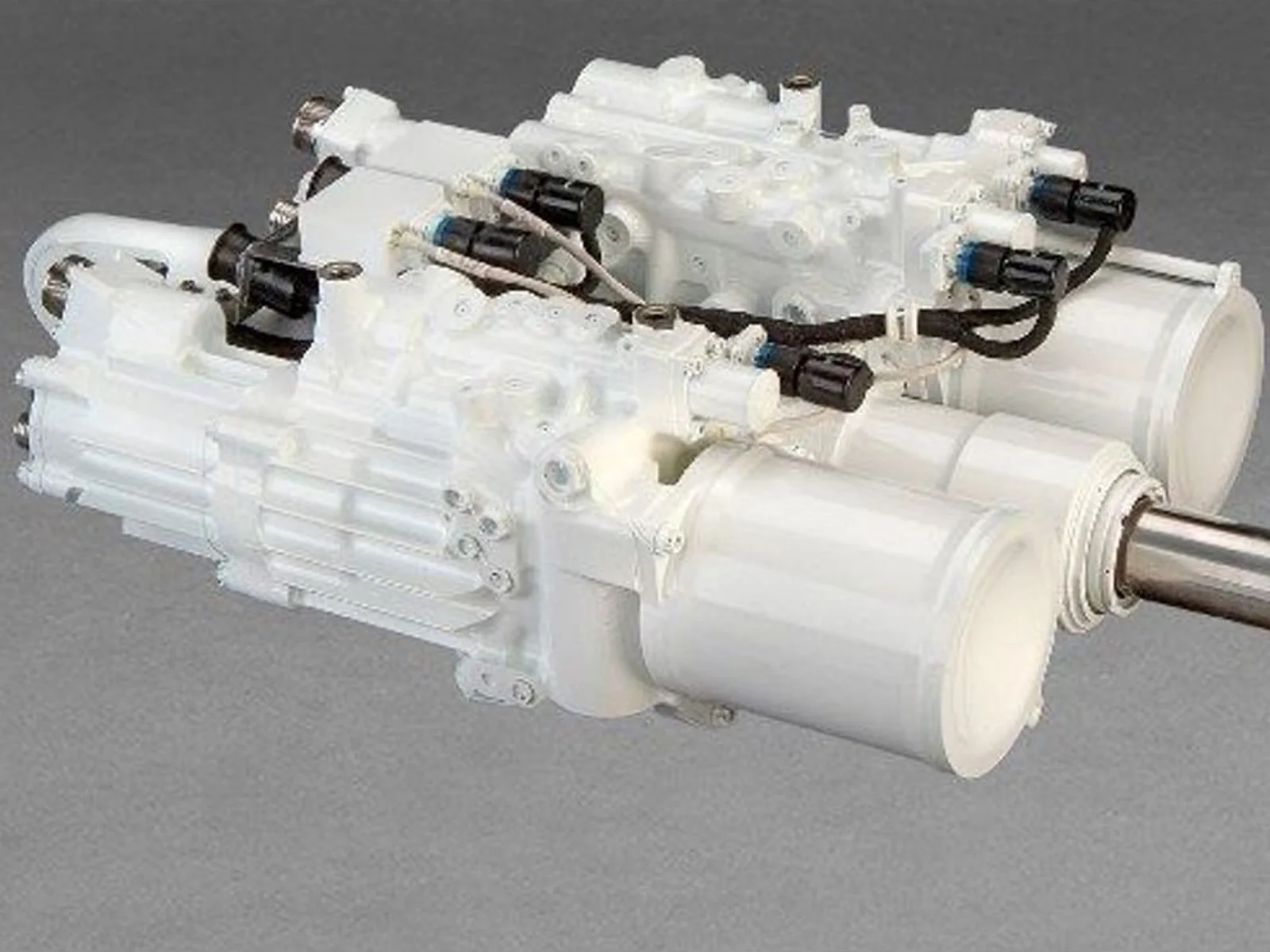
Electrohydraulic actuators linear actuation product
- Grade
- Aerospace-grade
- Market
- Dual-use
- Availability
- In production
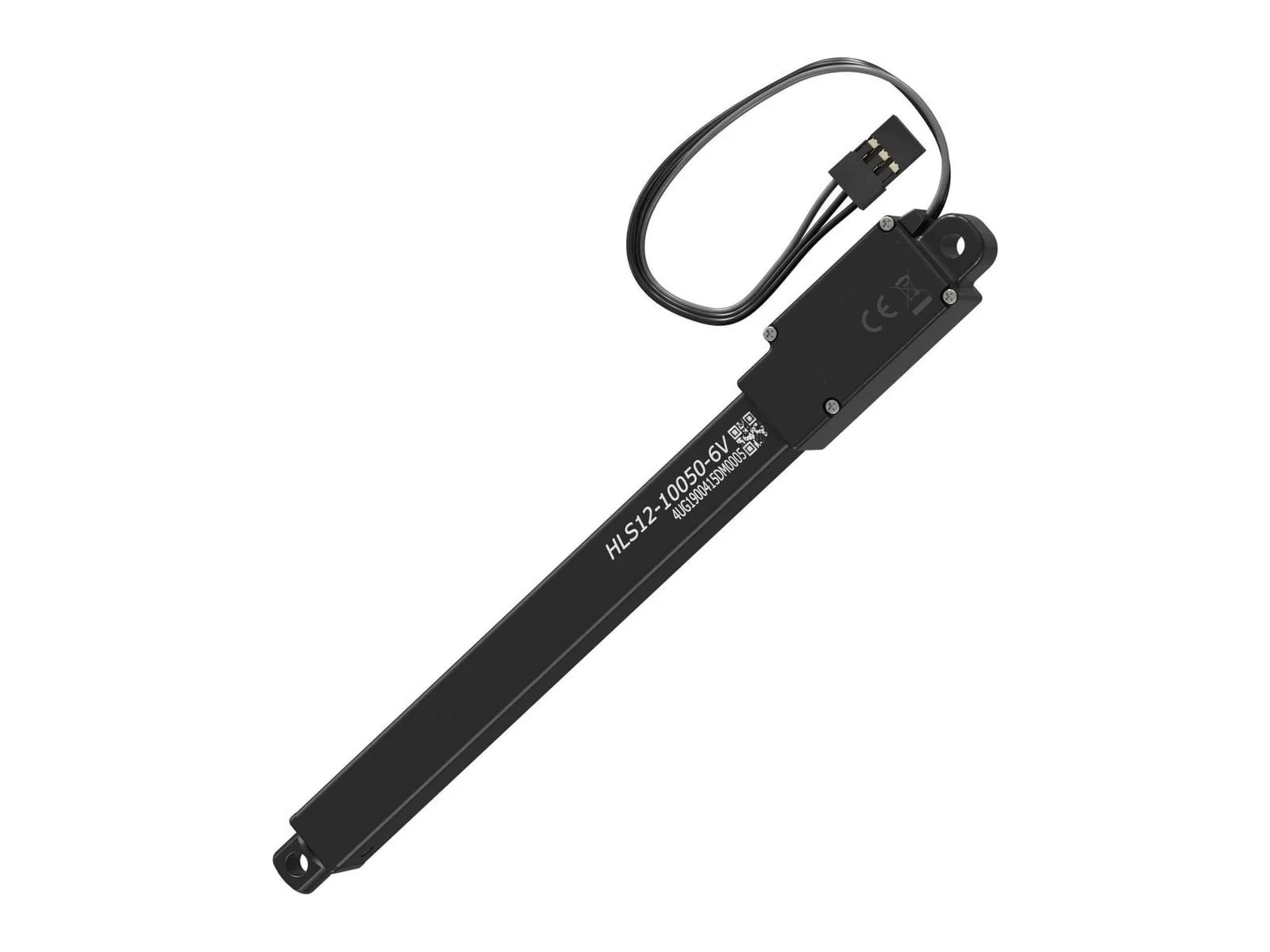
Electromechanical linear actuators for control surfaces, retractable landing gear and payload mechanisms.
Filters
Try removing a filter.



Updated November 3, 2026
A linear actuator produces a straight-line push or pull. In aircraft it moves control surfaces, retracts landing gear, opens doors and drives payload mechanisms. Drones and electric aircraft use electromechanical actuators (EMAs), in which an electric motor drives a screw, because there is no hydraulic system on board.
An electric motor, usually brushless, turns a ball screw, roller screw or lead screw through an optional gearbox. The nut converts rotation into linear motion. A position sensor and control electronics close the loop so the actuator follows commands precisely.
Size the actuator from the aerodynamic hinge moments or mechanism loads, with margins for gusts and ageing. For flight controls, jamming is a key safety concern: check how the design prevents it or how the aircraft tolerates it.
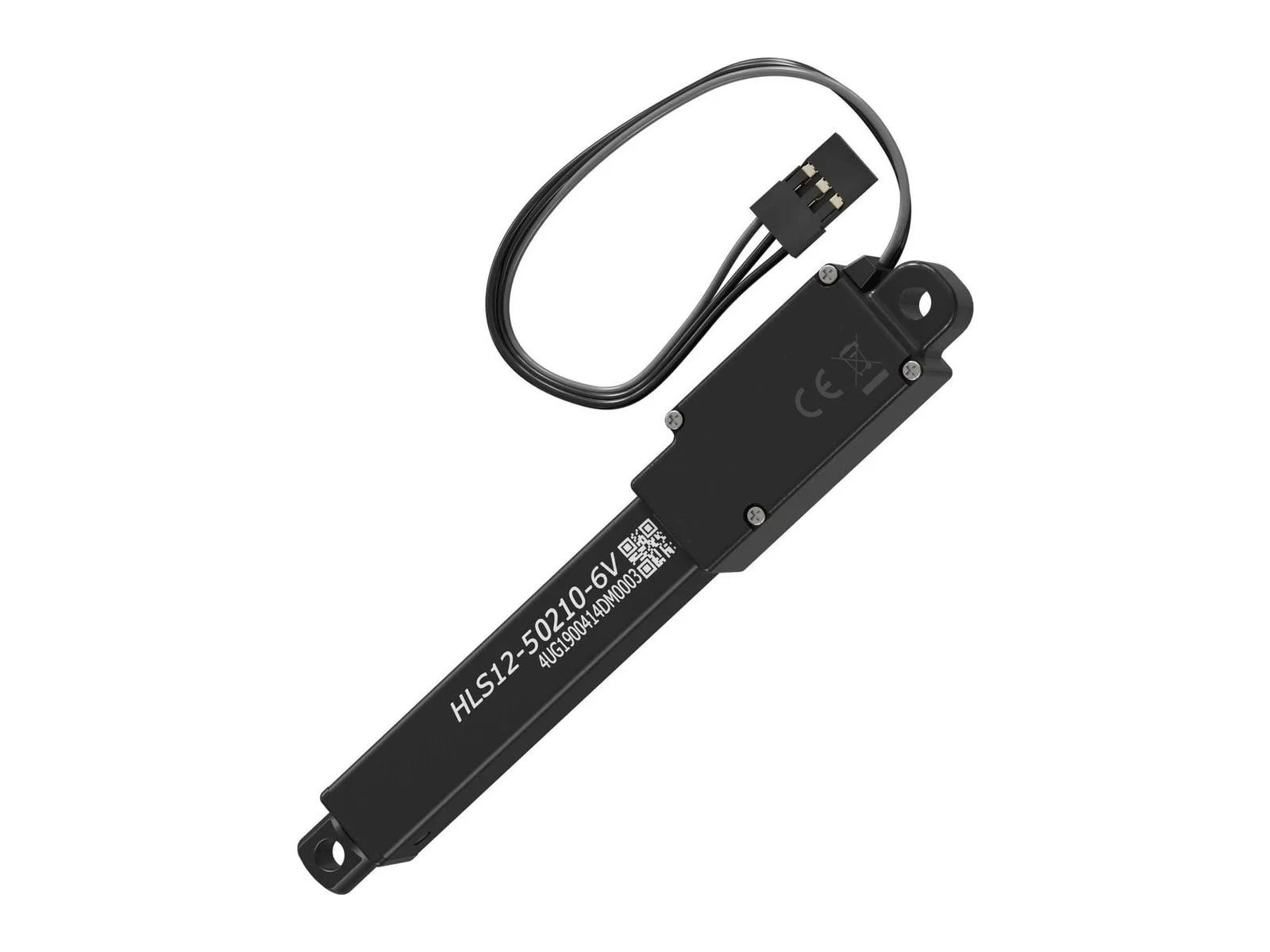
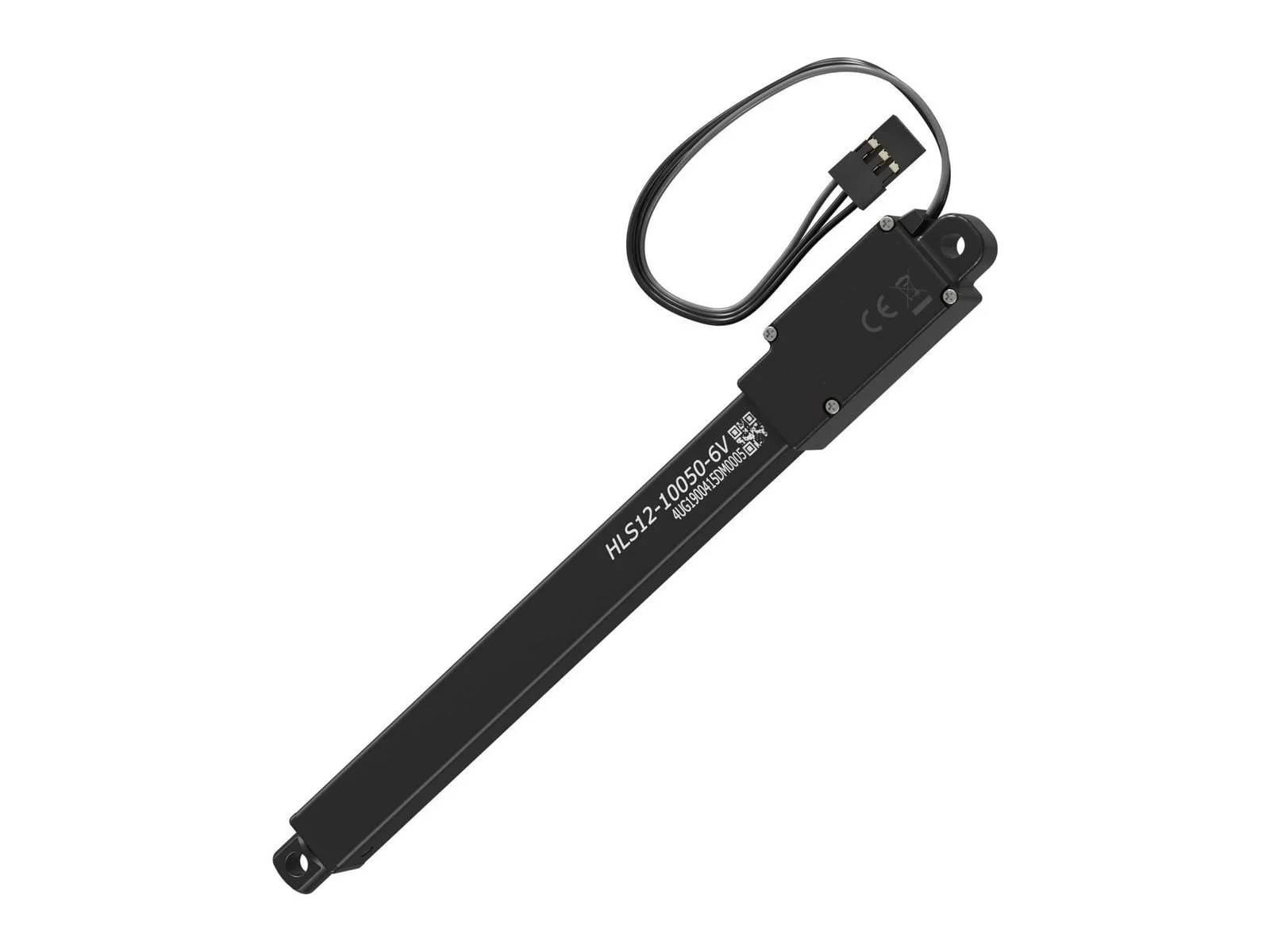
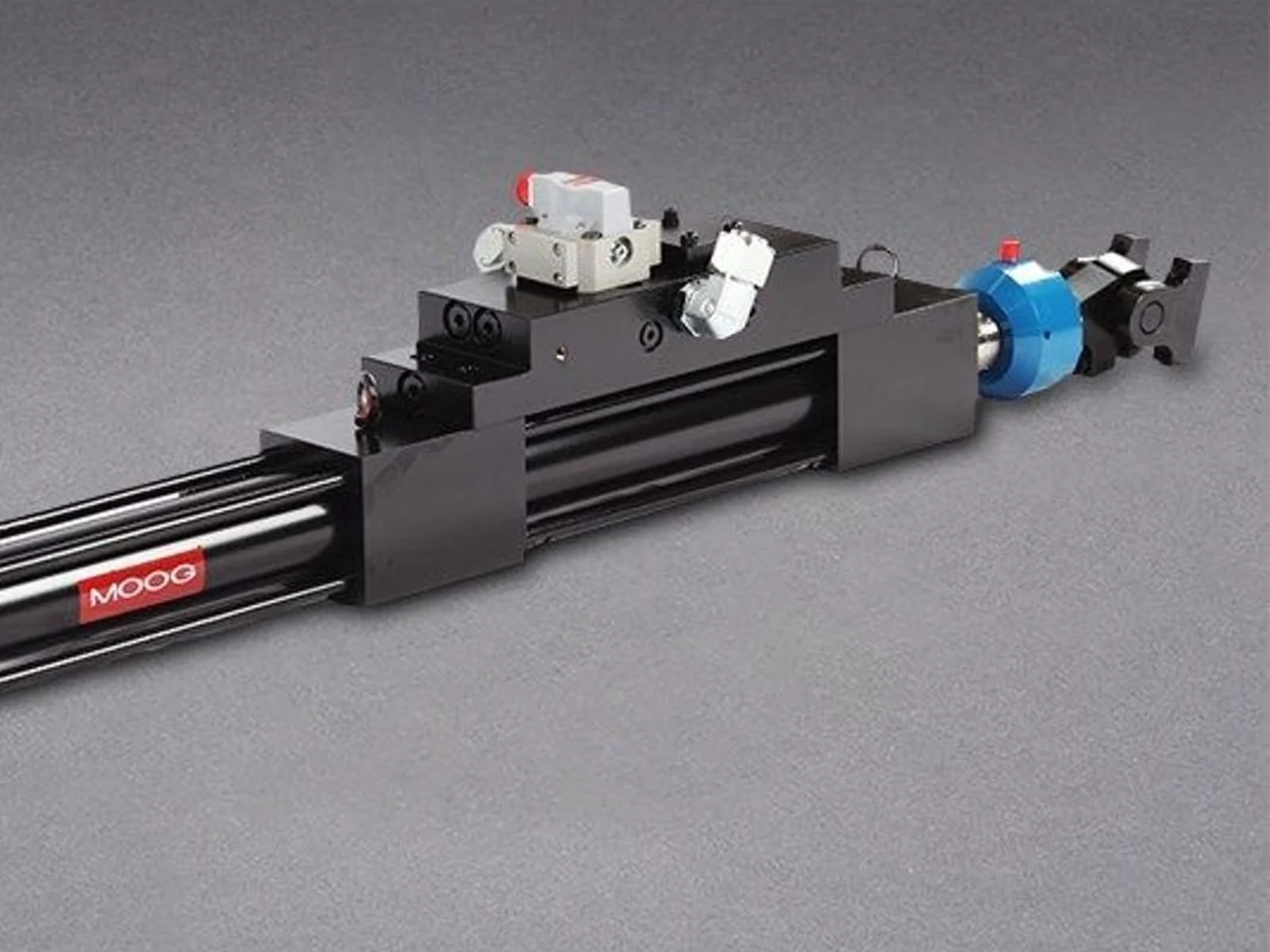
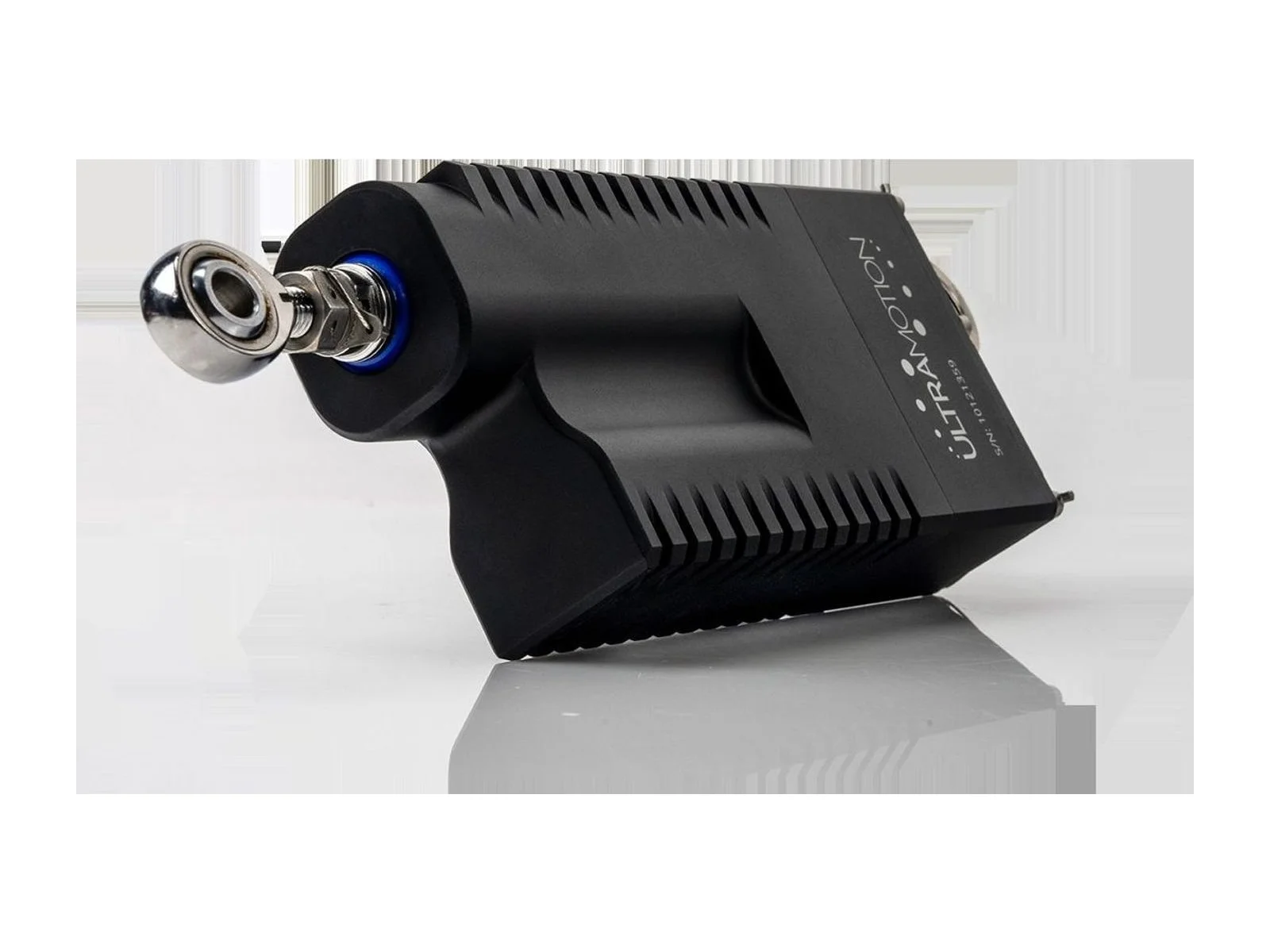
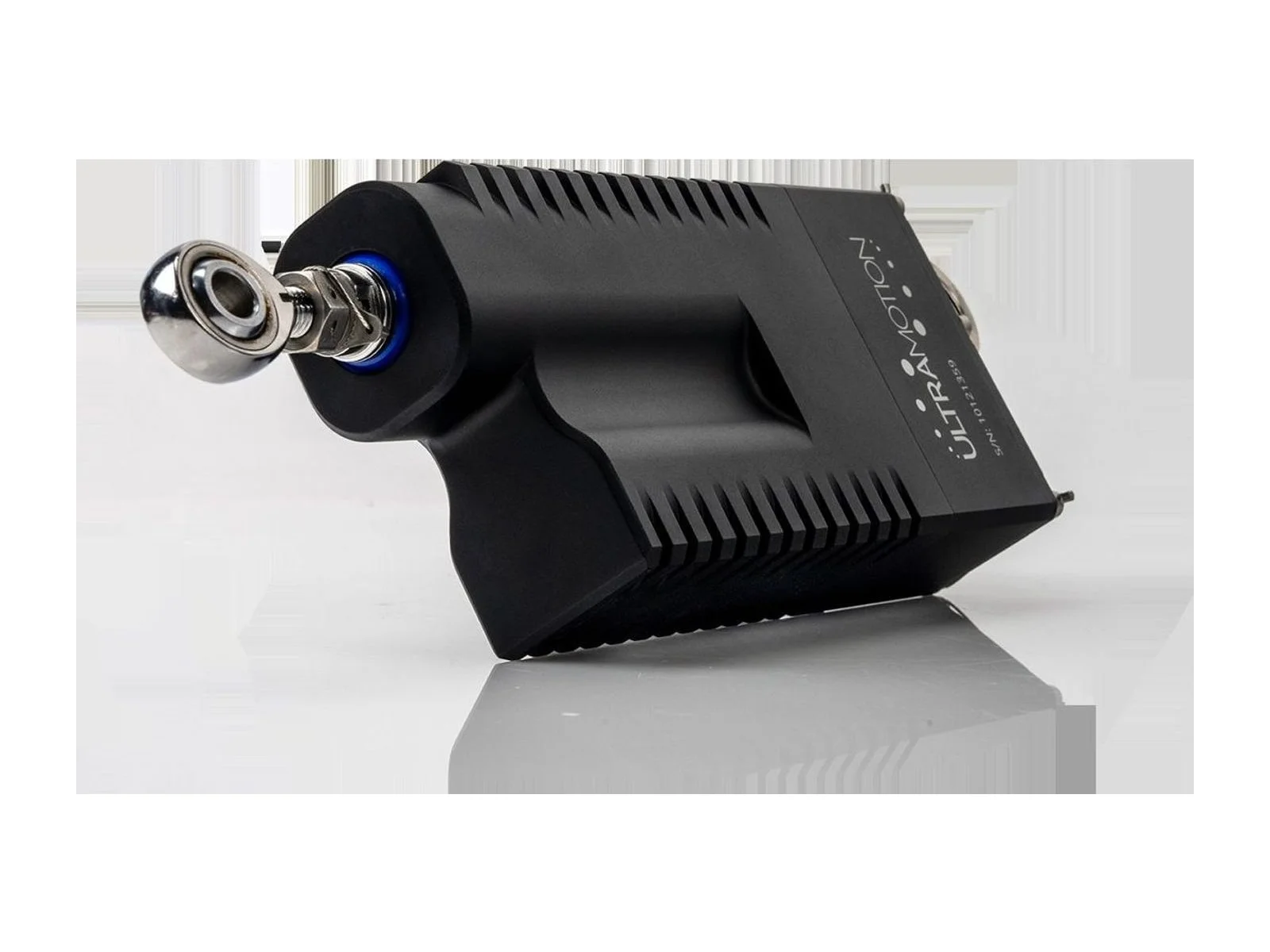
Examples include Moog, Parker Aerospace, Volz Servos, Ultra Motion and Hitec Commercial Solutions. See also rotary actuators.
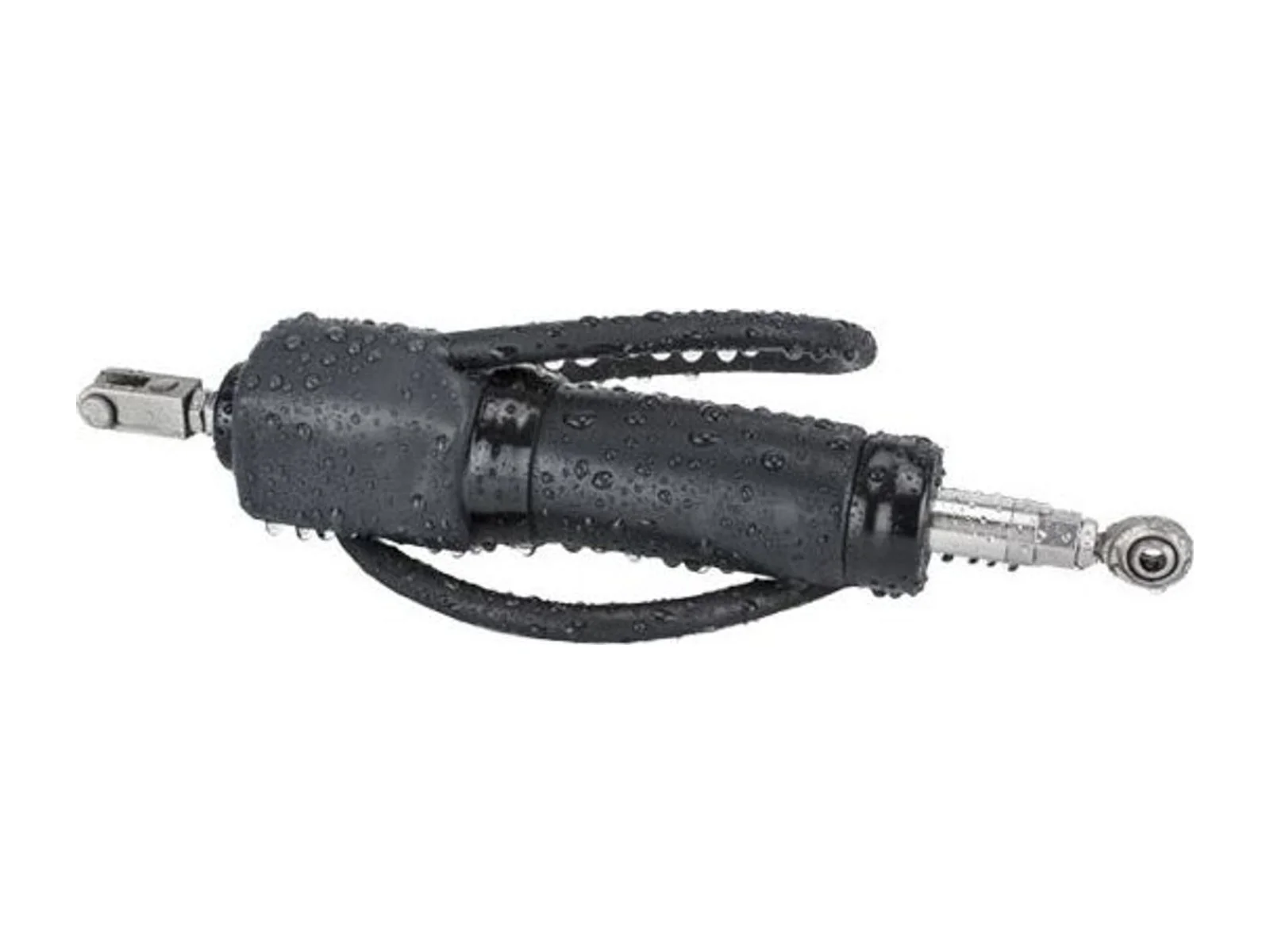
An electromechanical actuator: an electric motor and a mechanical transmission, such as a ball screw, that move a load without hydraulic fluid.
Ball and roller screws are efficient and precise, suited to frequent motion and high loads. Lead screws are simpler and can be self-locking, which suits mechanisms that must hold position without power.
A jammed actuator can lock a control surface in place. Designs mitigate it with jam-tolerant mechanisms, redundancy or aircraft architectures that can still be controlled with one surface jammed.
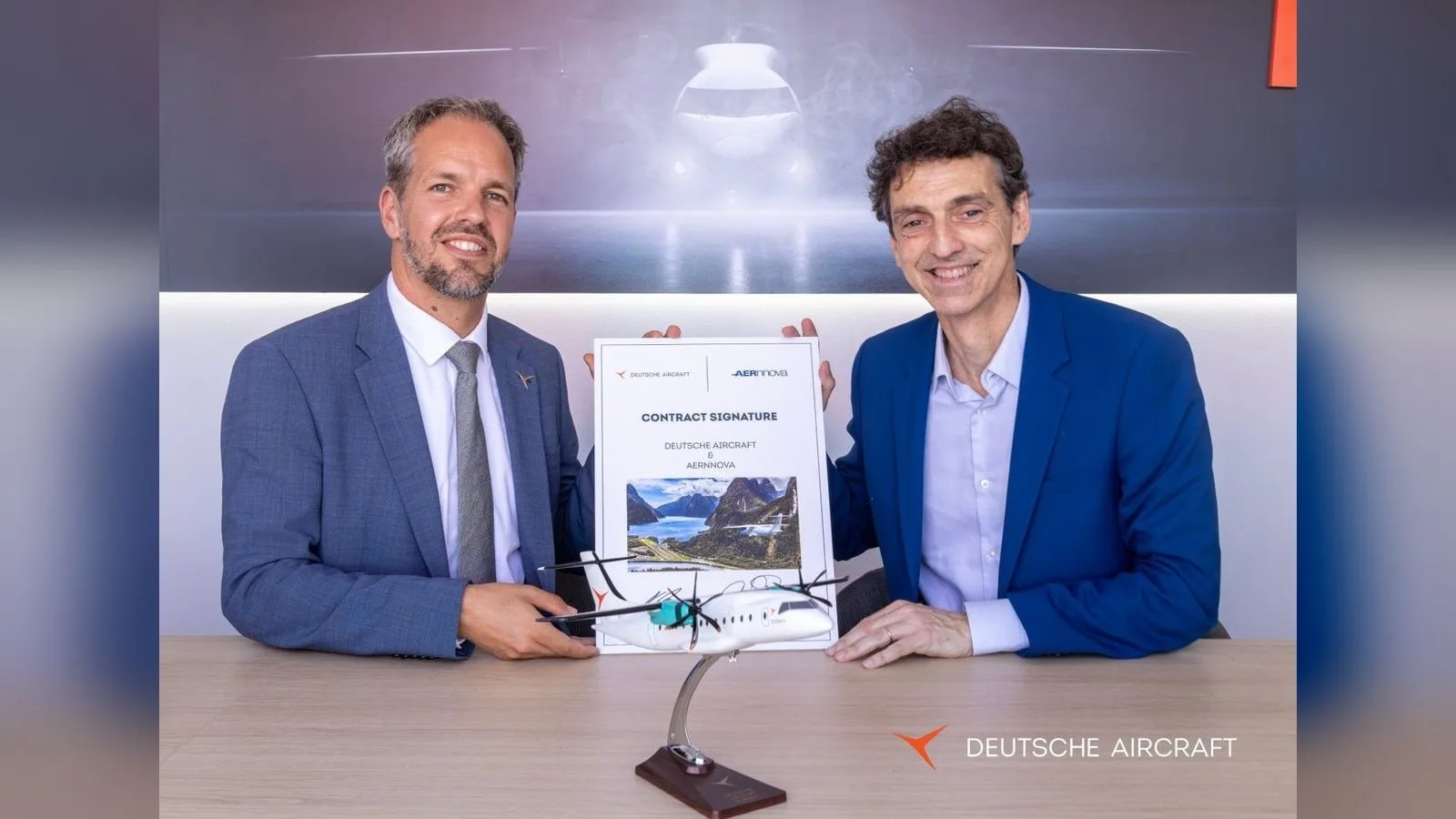
Aernnova signs a deal to take over GE Aviation's Hamble site in the UK, its first operating base in Britain. The deal brings about 700 employees, the A350 XWB wing fixed trailing-edge program and roughly $200 million in additional yearly…
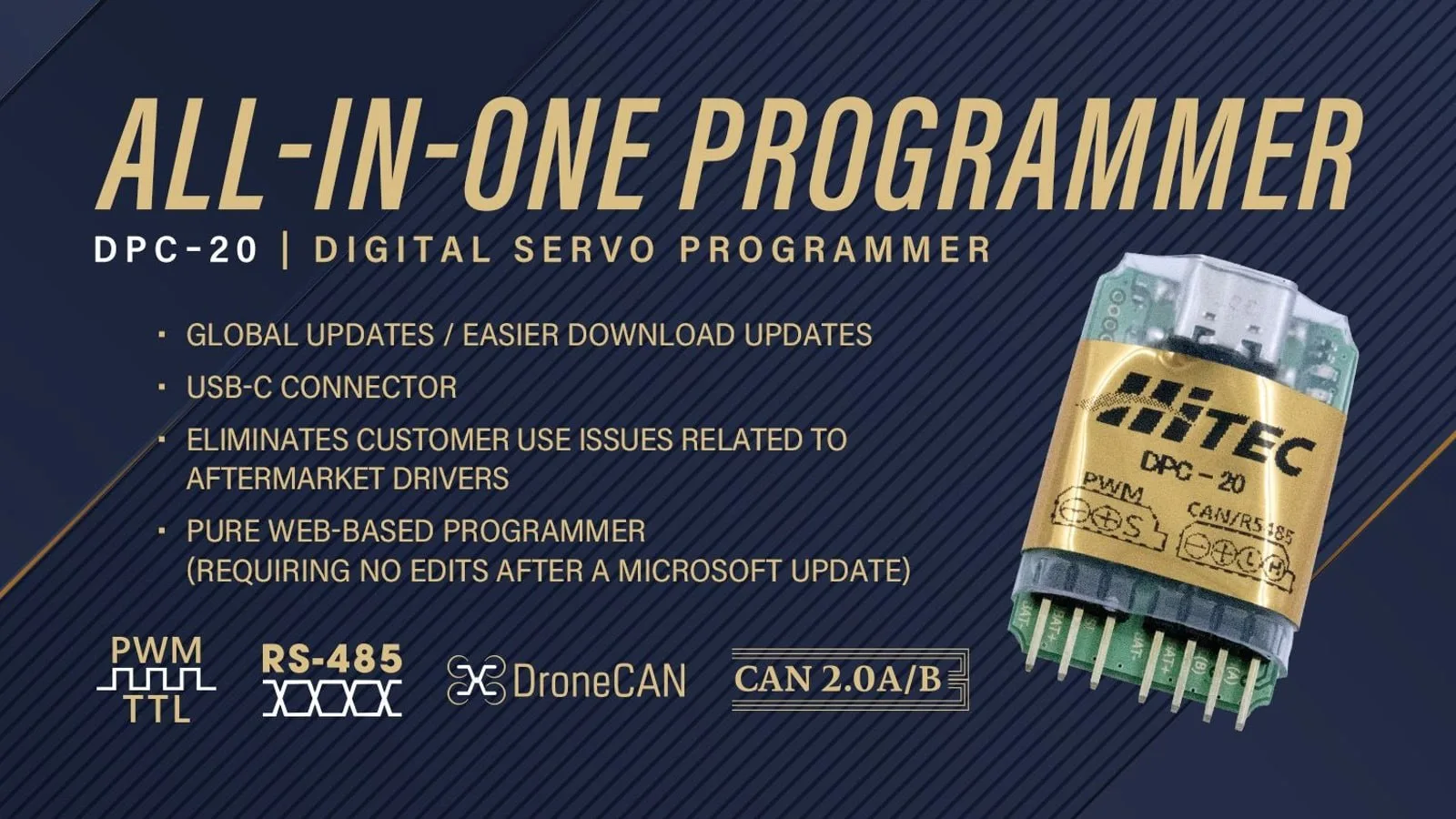
Hitec Commercial Solutions releases the DPC-20, a USB-C programmer that configures and tests its digital servo actuators over PWM, TTL, RS-485, CAN and DroneCAN. It replaces three earlier programmers, the DPC-11, DPC-485 and DPC-CAN, so…
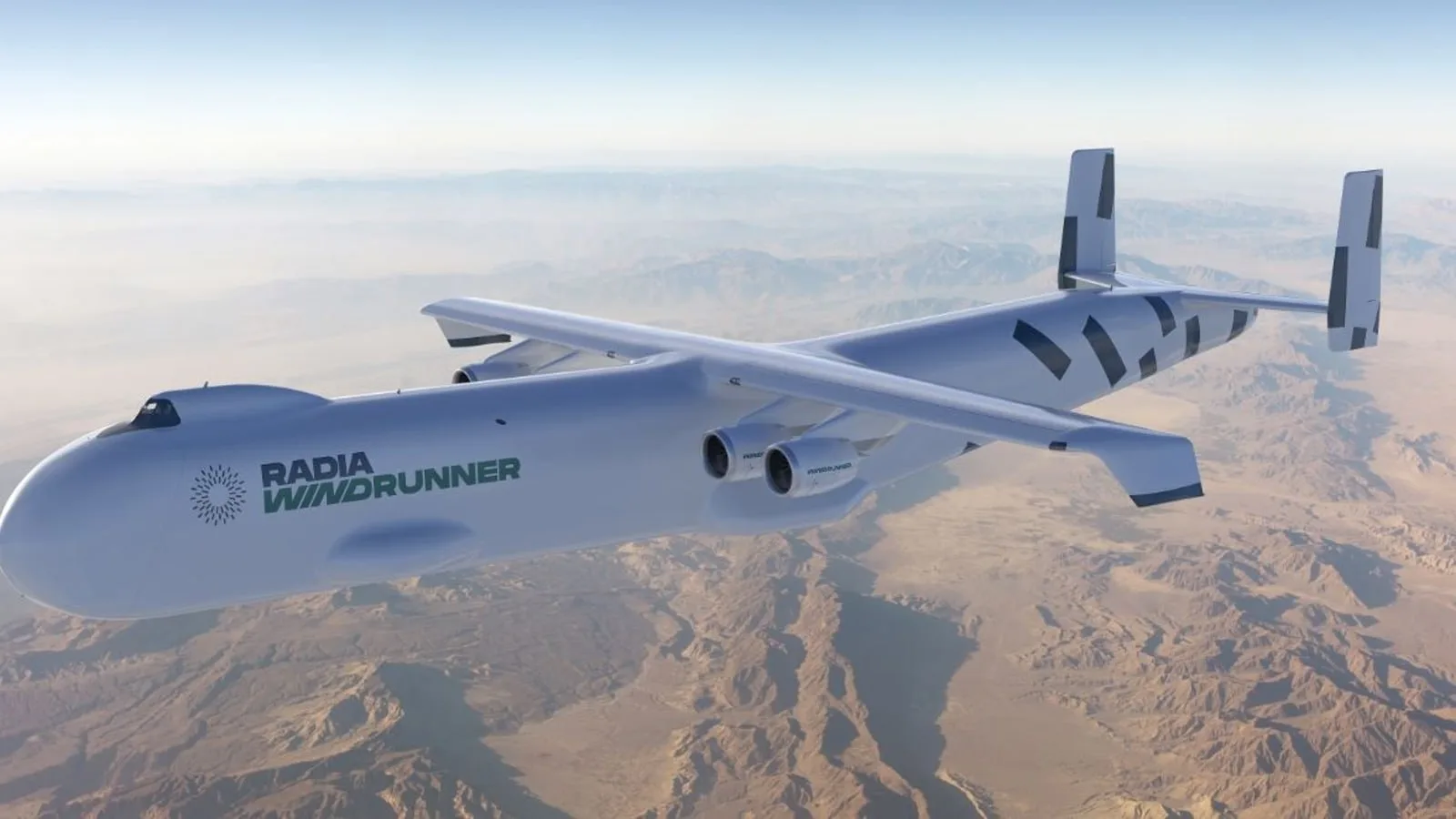
Aernnova partners with Radia on the wing and engine pylons of WindRunner, the cargo aircraft Radia is developing to carry wind turbine blades. Leonardo and AFuzion join the same ecosystem for fuselage engineering and for safety and…