Cortex Hybrid Power System electrical power-management product
Also known as: CortexHybridPowerSystem, Cortex-Hybrid-Power-System, Currawong Engineering Cortex Hybrid Power System, Currawong Engineering CortexHybridPowerSystem
Cortex Hybrid Power System manages energy from a generator and battery for unmanned aircraft. It provides three regulated output rails, battery charging and remote engine starting, with MQ and MX versions offering different size and power capabilities.
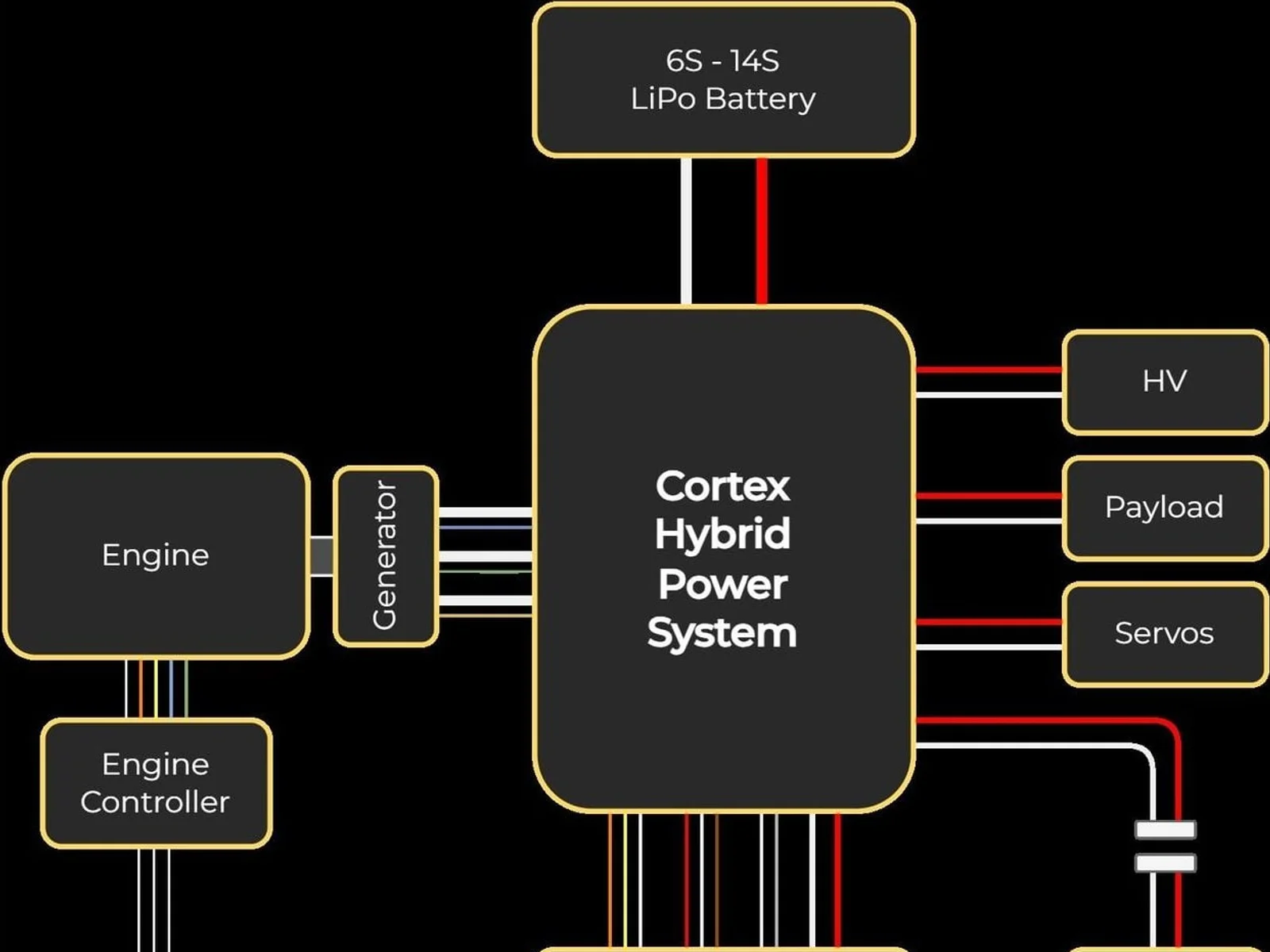
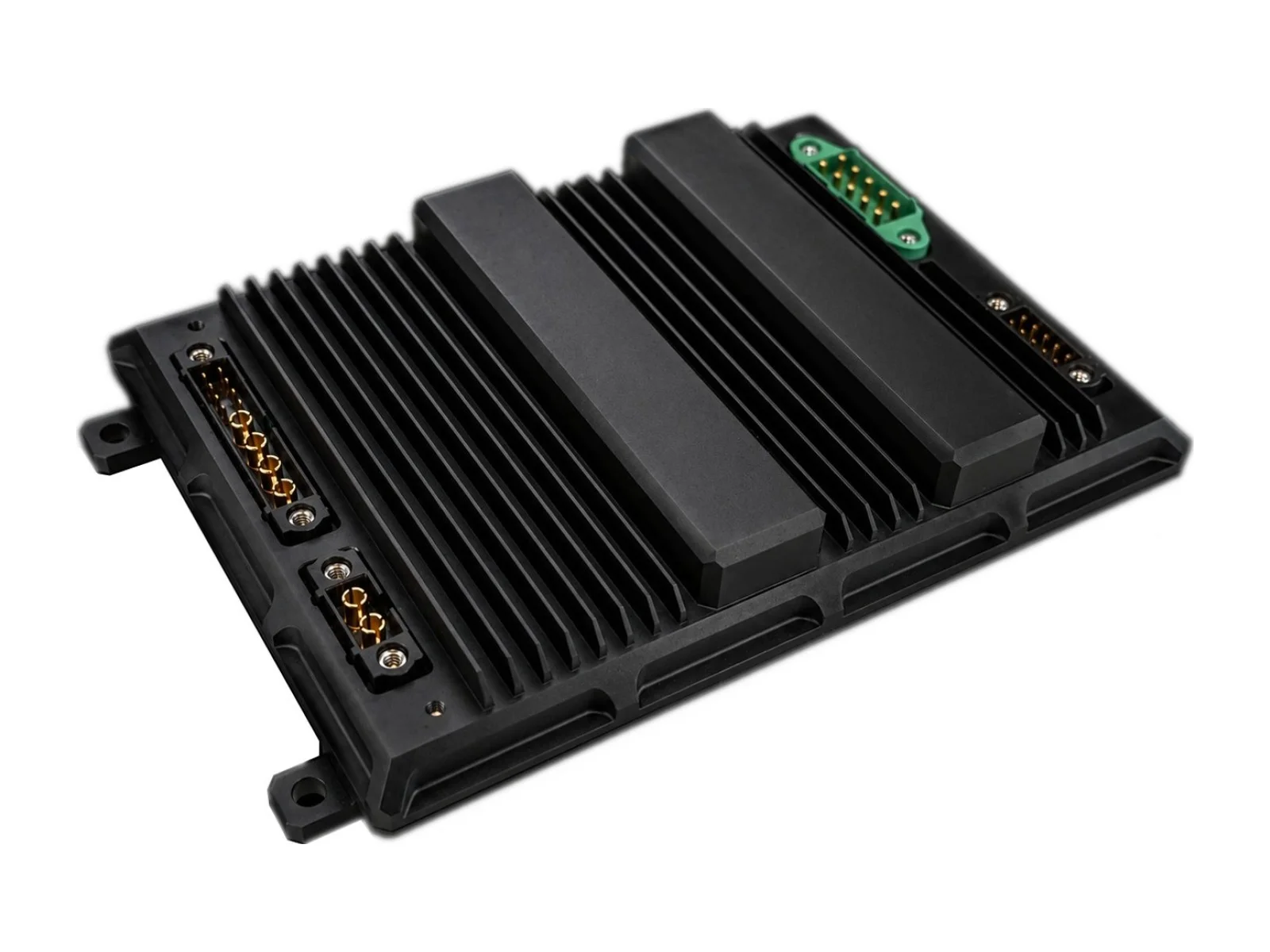
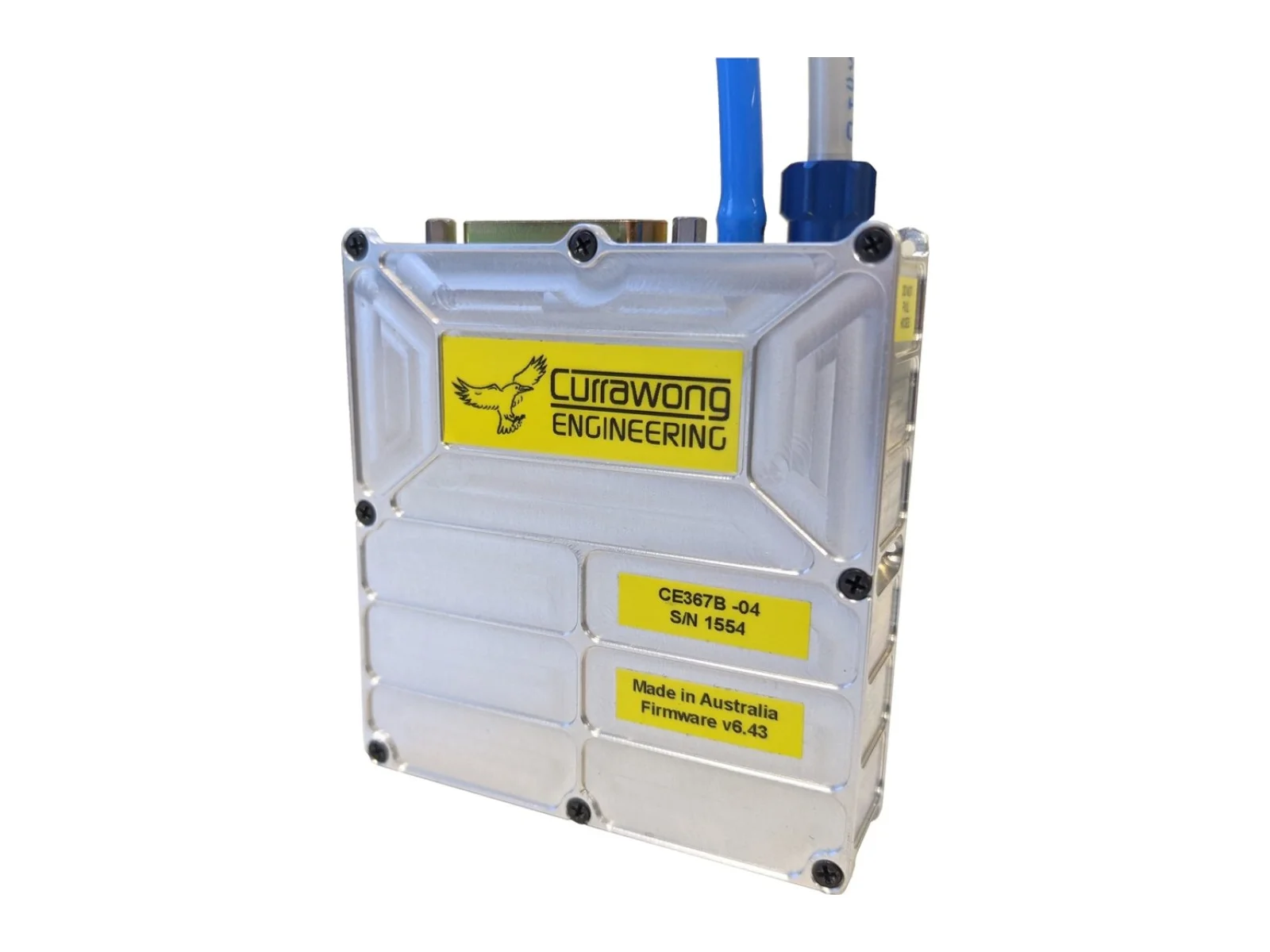
Cortex Hybrid Power System (CHPS) is a power management unit (PMU) for hybrid-electric unmanned aircraft, made by Currawong Engineering. It sits between a generator driven by a combustion engine and a battery pack, and decides which of the two supplies the aircraft at any moment. It is sold in two sizes: CHPS-MQ (part number CE2337) and CHPS-MX (part number CE2626).
The unit is aimed at small UAVs that carry an engine-driven generator, including quad planes where one high-voltage battery serves both the VTOL motors and the engine starter. Power can come from the generator, from the battery, or from both at once. When the generator cannot cover the electrical load, the battery fills the gap and holds the high-voltage rail steady. When surplus generator energy is available, the integrated charger tops up the battery.
The key figures are as follows. CHPS-MQ delivers up to 750 W and CHPS-MX up to 1500 W. Both accept 20 V to 60 V, and the supported battery range runs from 24 V (6S) up to 56 V (14S), so a single high-voltage pack can serve the whole aircraft. CHPS-MQ measures 120 mm x 78 mm x 20.4 mm and weighs 188 g; CHPS-MX measures 160 mm x 97 mm x 26 mm and weighs 310 g. The integrator picks the size from the peak and continuous electrical load, and the smaller unit suits airframes with tight space and weight budgets.
A power limiting function protects the engine. At low engine speed, drawing the full generator output could stall the engine, so the unit limits the generator draw and makes up the difference from the battery. Integrated engine starting uses the battery to crank the three-phase starter generator on remote command, and the architecture keeps the engine running through transients or poor fuelling. A shore power input supports the regulated rails and battery charging while the aircraft is on the ground, so the battery is not discharged during checks.
For integration, the unit provides three independent regulated output rails for avionics and payloads, plus an unregulated high-voltage rail that can feed external regulators. Control and telemetry run over CAN bus, using the DroneCAN or PiccoloCAN protocol, or over RS-232 and UART serial links, so it connects to common autopilots and flight computers. Battery charging voltage can be configured within the supported range, and battery power remains available as a fail-safe supply.
The maker lists remote engine starting, battery supplement, battery charging and shore power as example applications. Typical uses are hybrid-powered fixed-wing, quad plane and other VTOL unmanned aircraft that need long endurance from a small engine and generator set. No certification or standard is stated for this product.
Specifications
Specifications · Cortex Hybrid Power System electrical power-management product
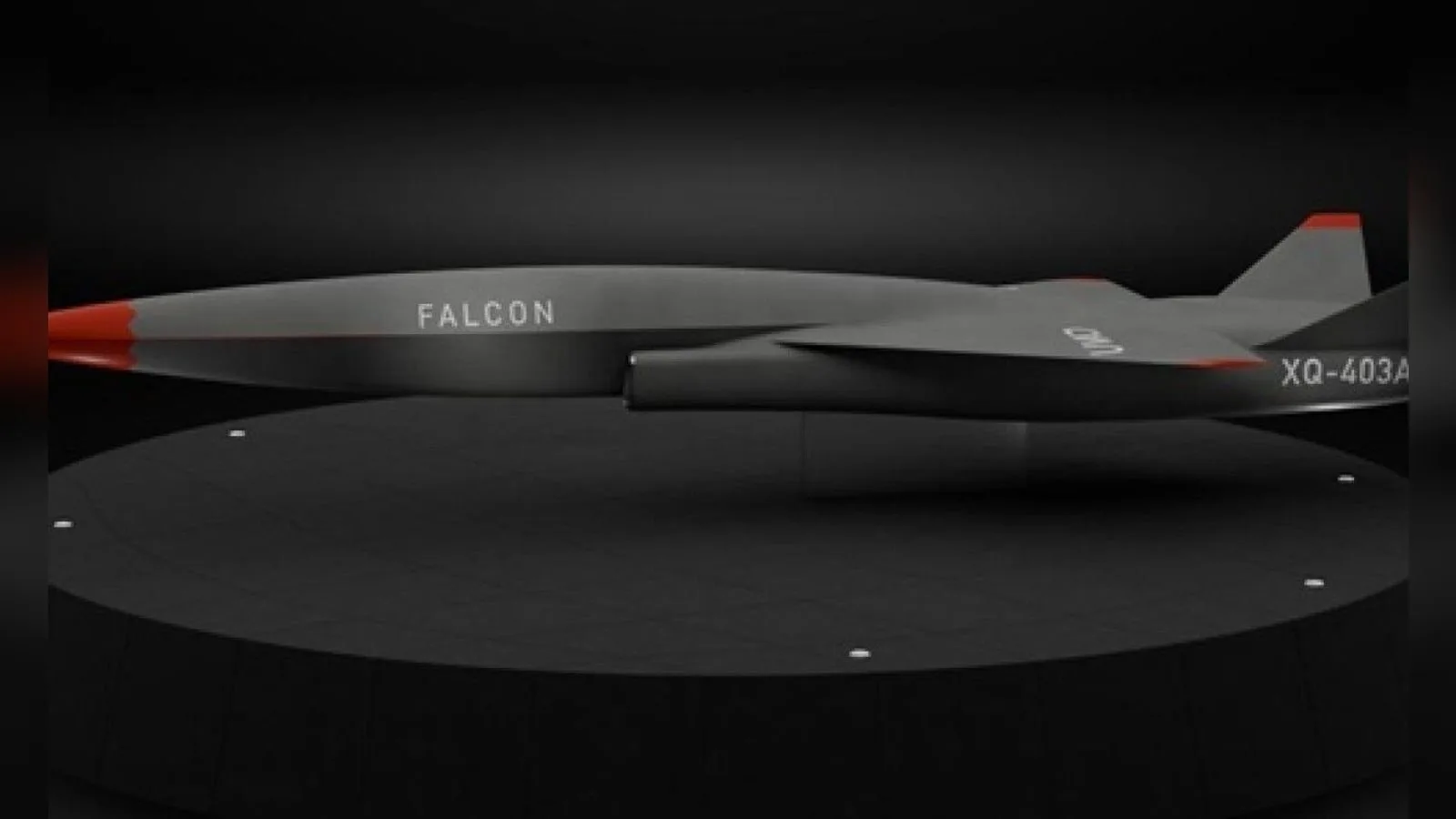
Falcon is a reusable supersonic uncrewed aerial target for missile-defense training, and its propulsion is the subject of a partnership between Safran Power Units and UVAD Technologies. Safran supplies two turbojet engines, and flight…
Honeywell Aerospace tests a 1 MW generator in a Mexicali test cell, and Flying Whales will integrate it into the hybrid-electric powertrain of its LCA60T airship. The unit reaches 1 MW steady state at 97% efficiency, giving…
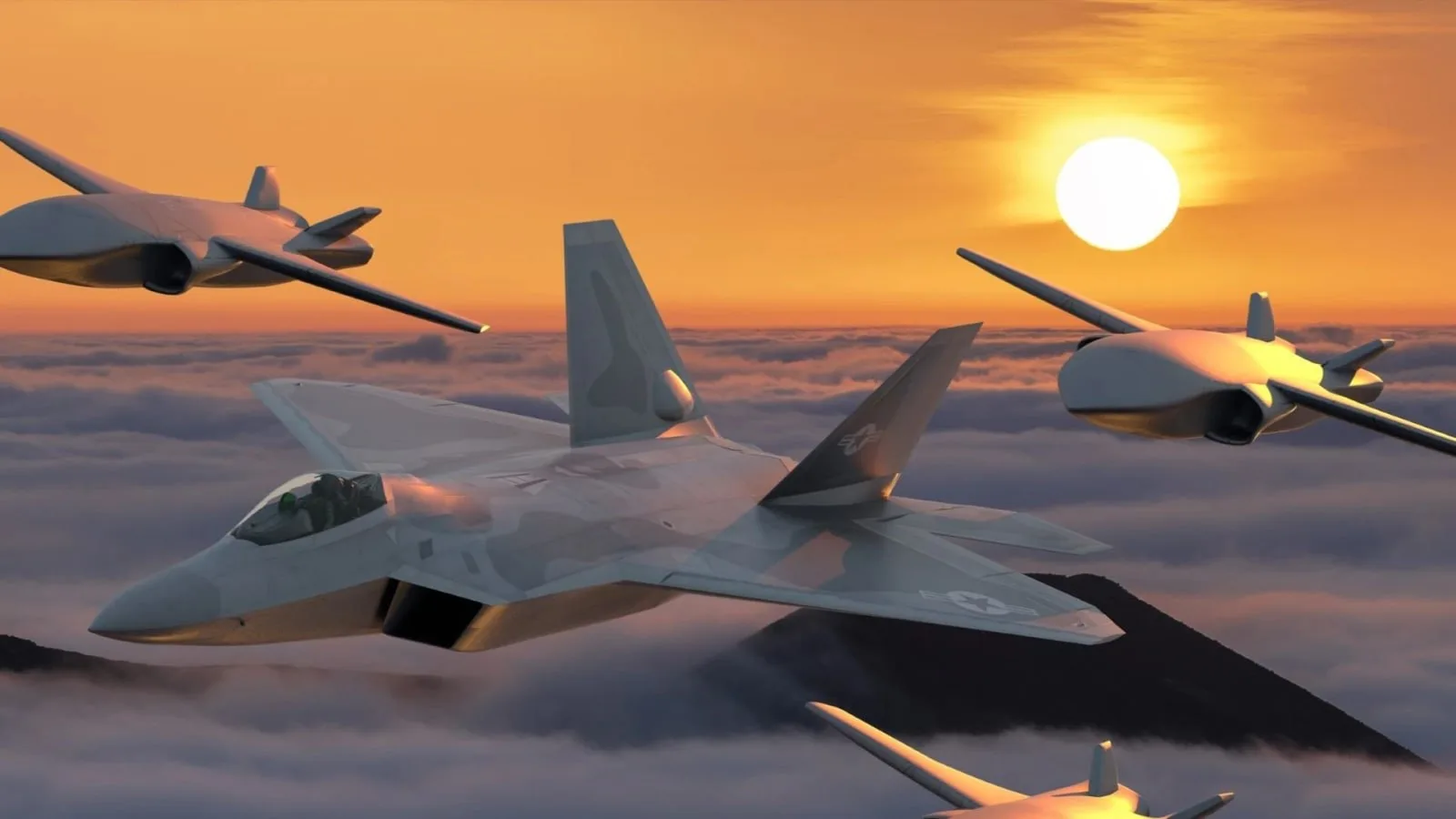
Honeywell Aerospace presents the HON1600, a small turbine engine it positions for the US Air Force's Collaborative Combat Aircraft (CCA) program, after a core engine run in September 2025. The Air Force has issued a request for proposals…











 FeaturedCombustion engines
 FeaturedPMU modules
 Featured
 FeaturedCombustion engines
 Featured
 FeaturedPMU modules
 FeaturedPMU modules
 Featured