Featured
Fuel cells
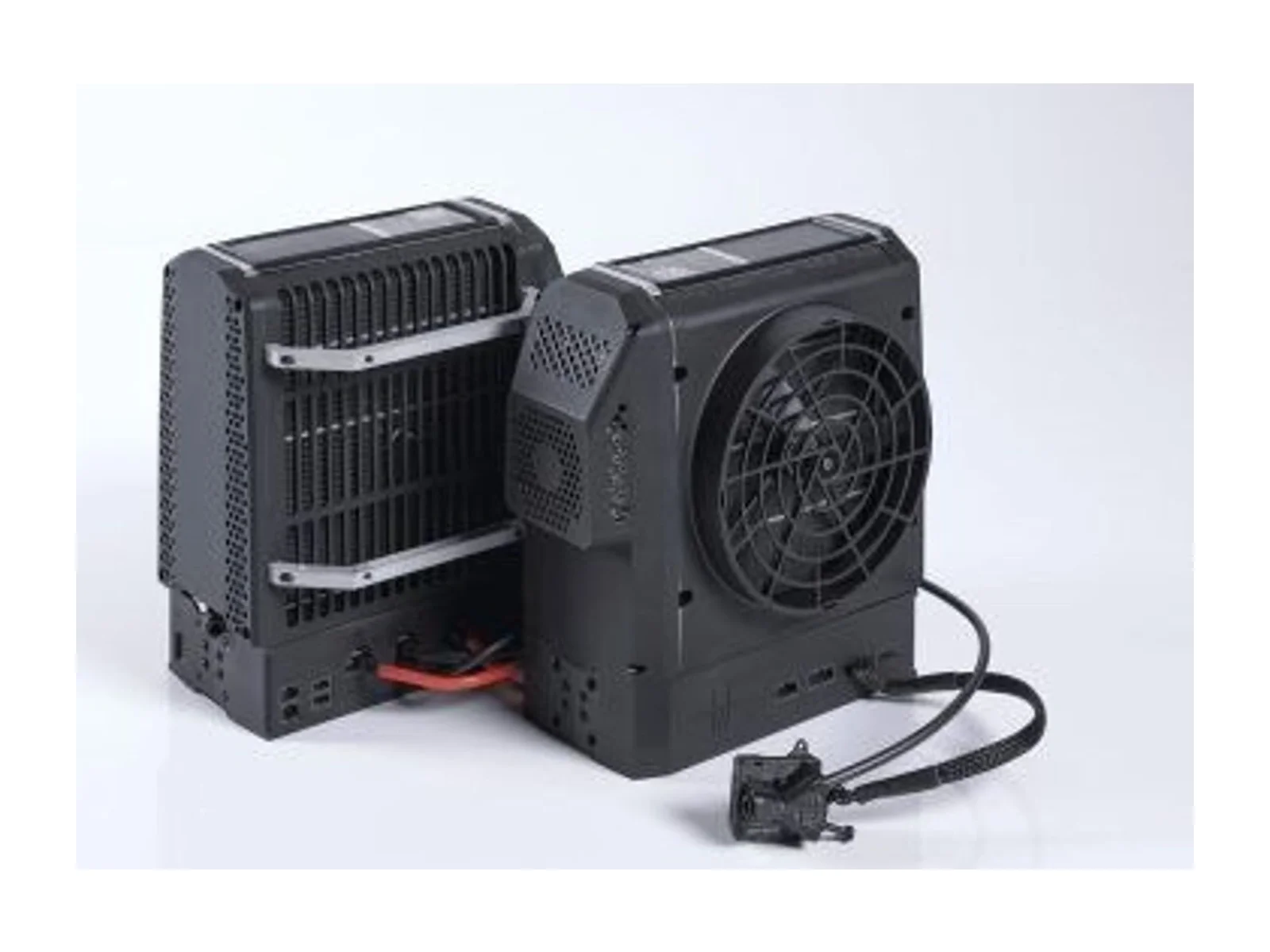
IE-DRIVE HD100 heavy-duty PEM fuel cell system
- Continuous power
- 100 kW
- Output voltage
- 250 – 400 V
- Grade
- Professional
PEM fuel cell systems and hydrogen storage for long-endurance missions with electric propulsion.
Filters
Try removing a filter.



Updated November 3, 2026
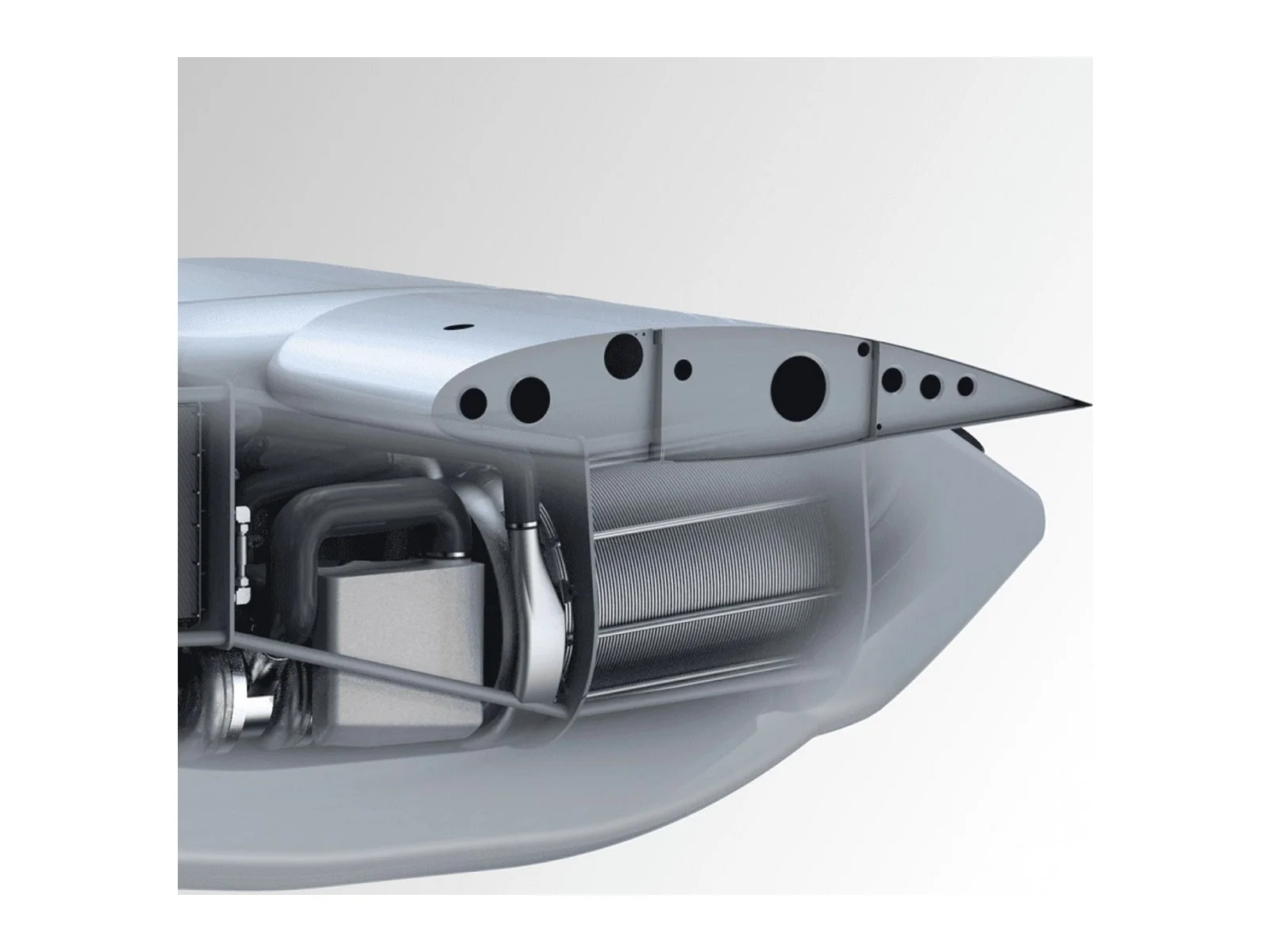
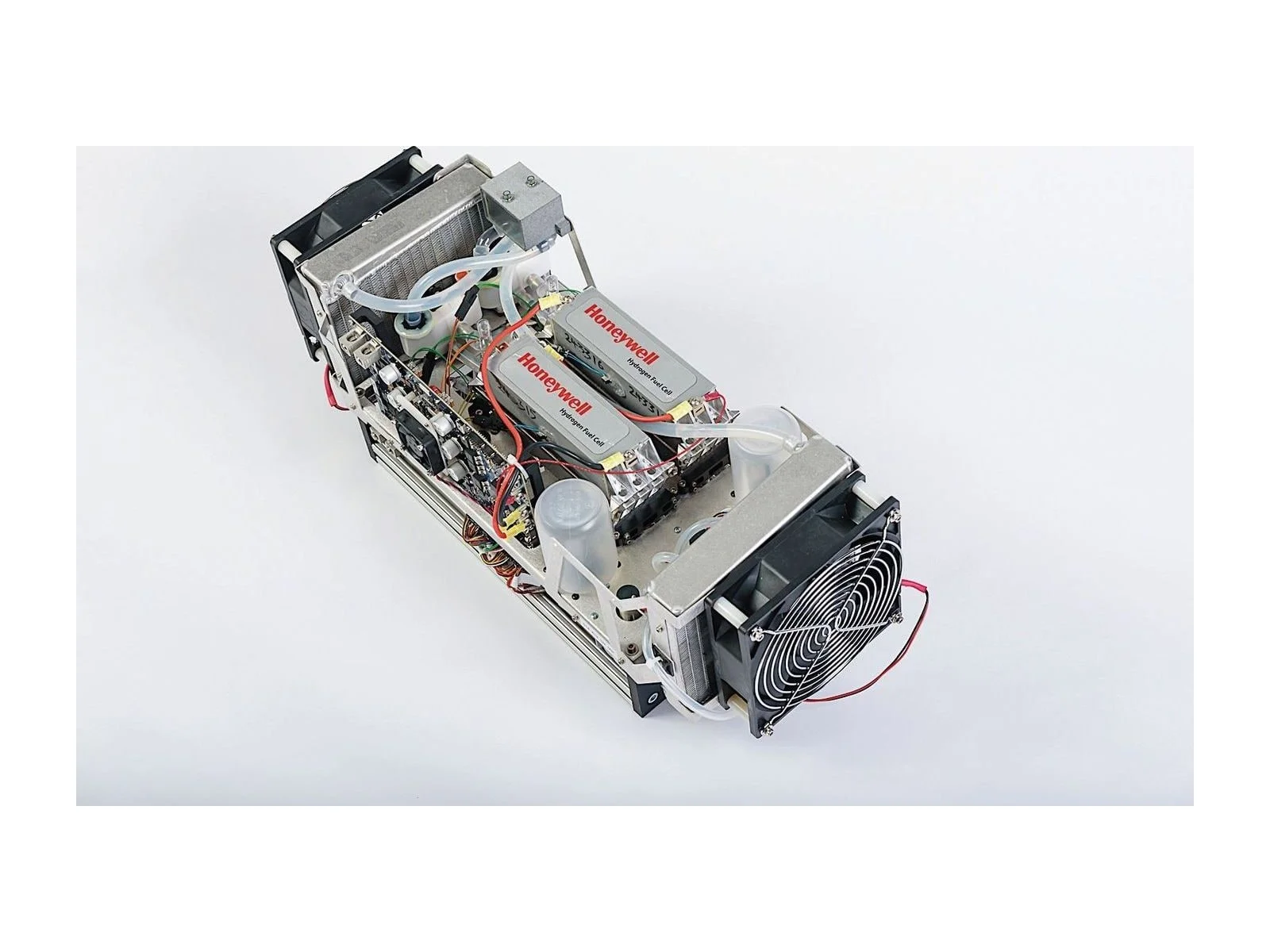
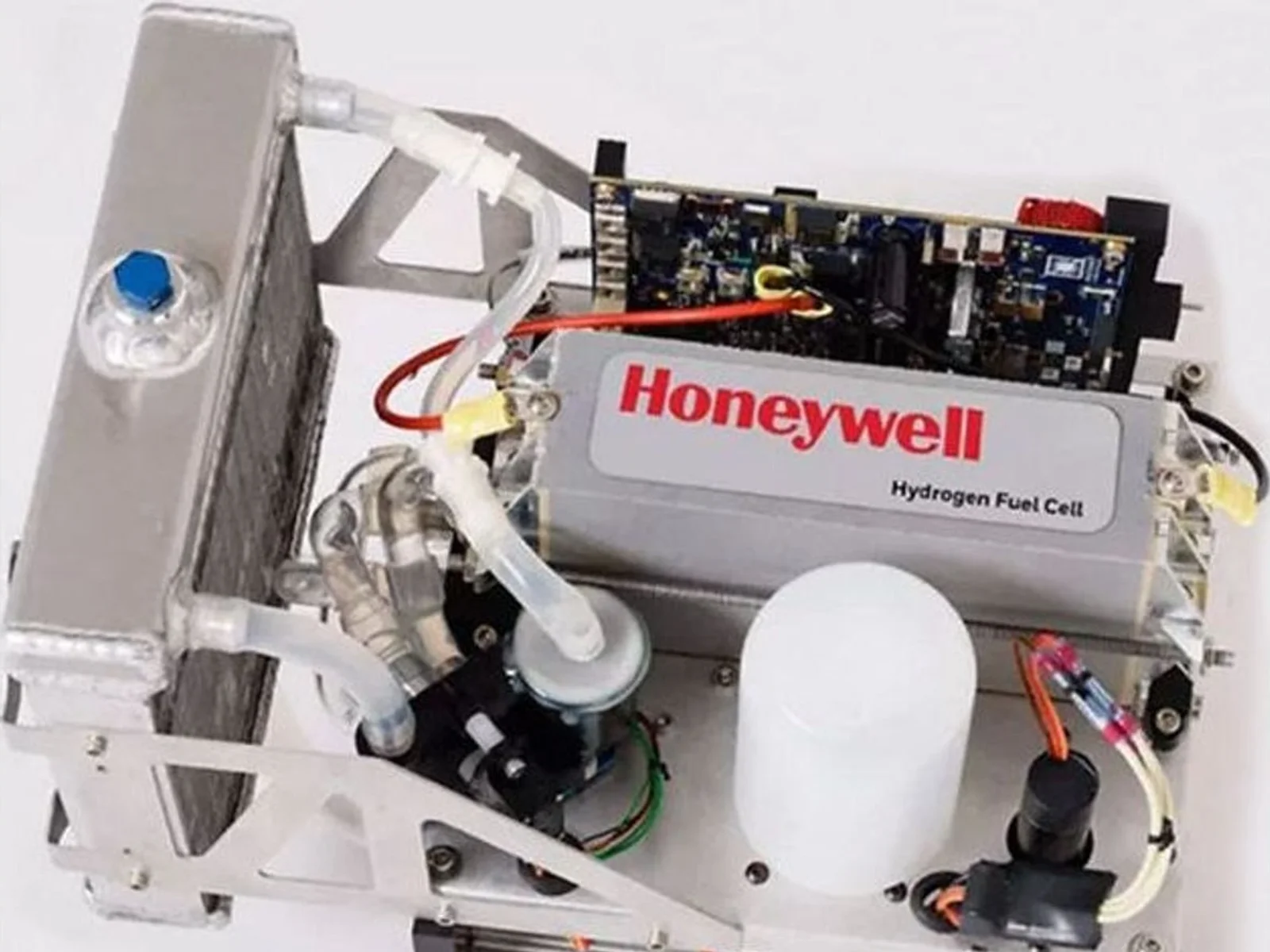
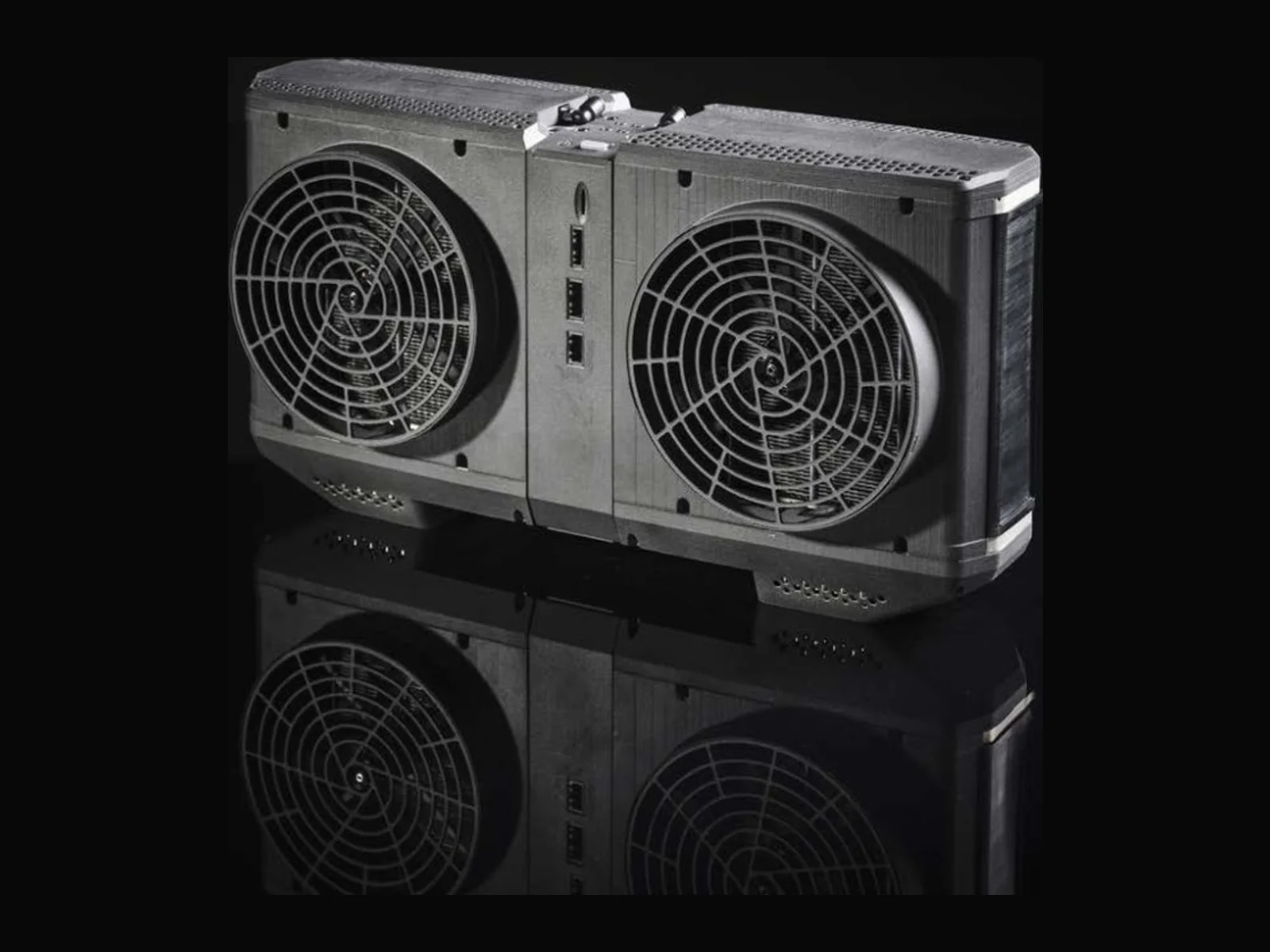
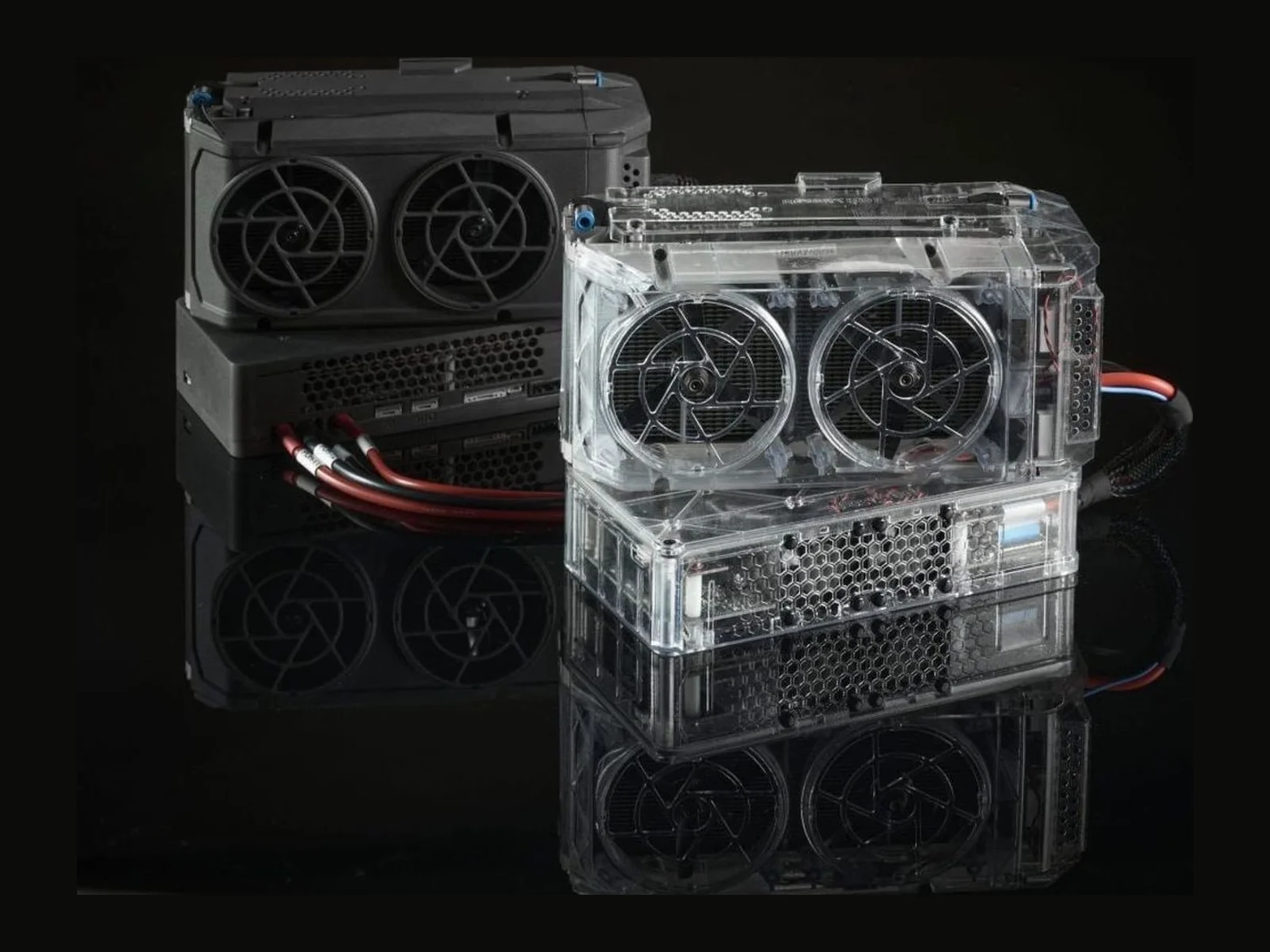
A hydrogen fuel cell produces electricity from hydrogen and oxygen from the air, with water and heat as the only by-products. On a drone it replaces or supplements the battery, keeping the simplicity of electric propulsion while storing much more energy per kilogram, which multiplies endurance.
Fuel cells pay off on missions longer than a battery can sustain, such as pipeline and power-line inspection, mapping of large areas or persistent surveillance, where noise and emissions also matter. The cost and logistics of hydrogen are the main barriers.
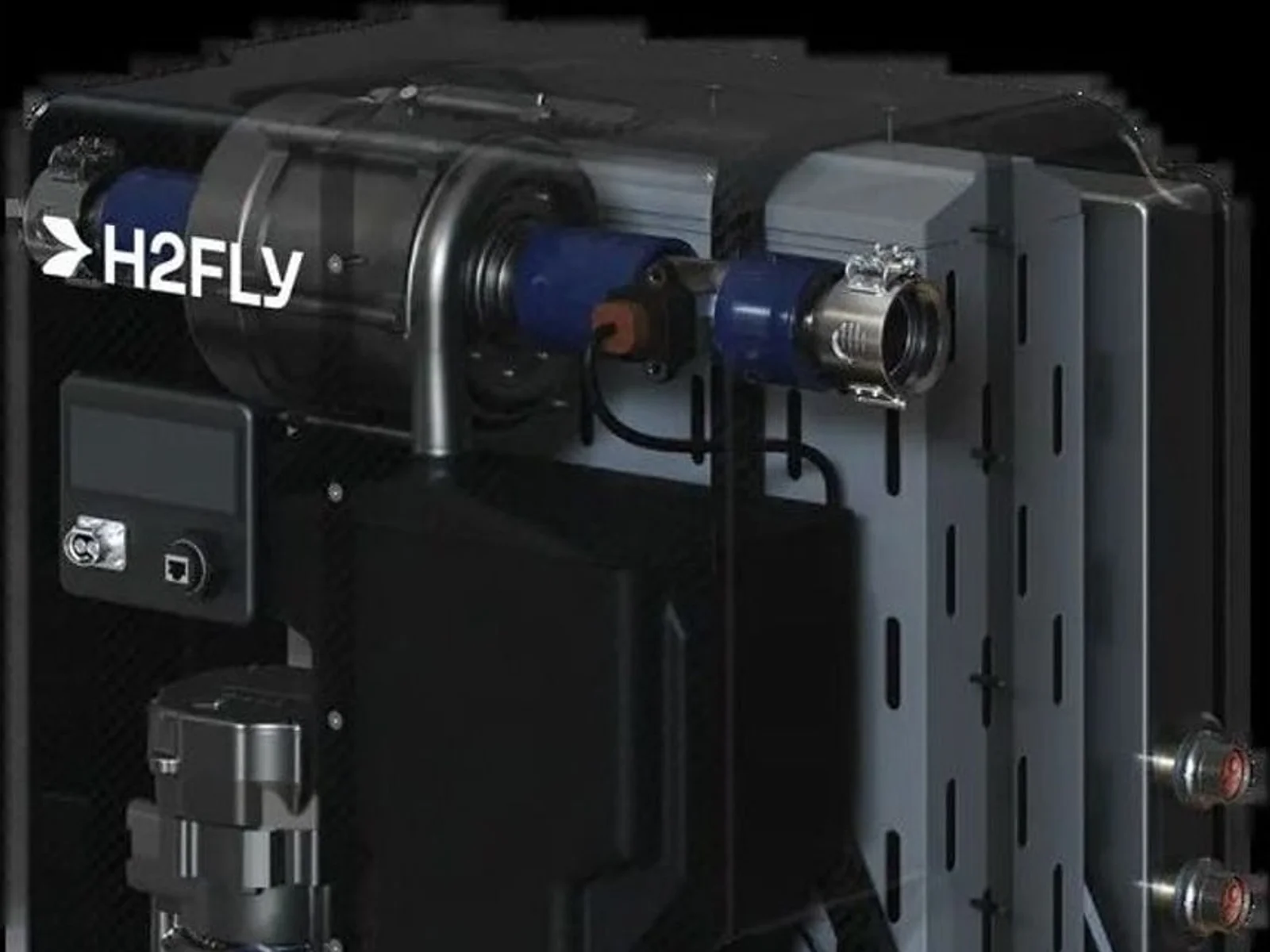
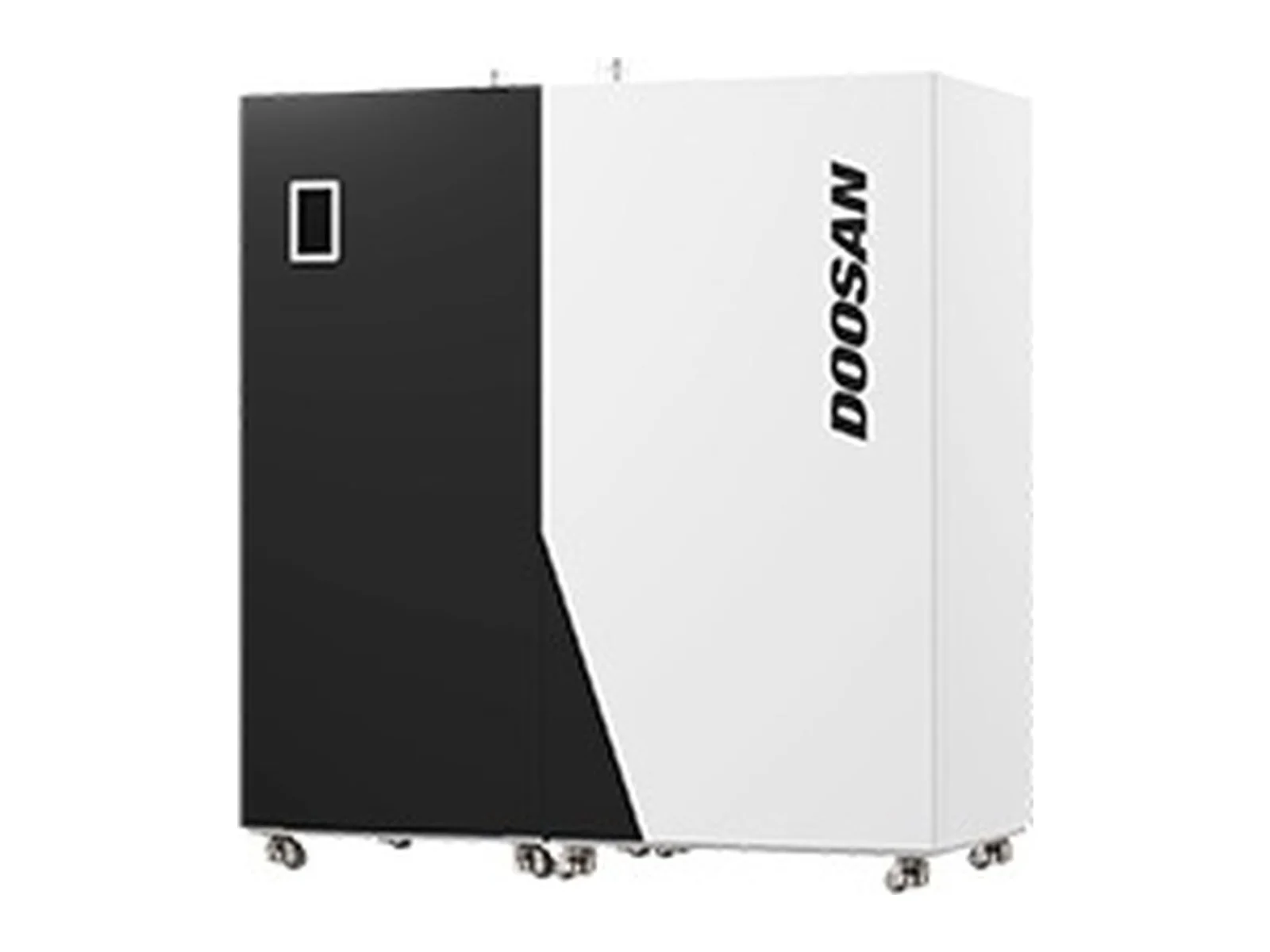
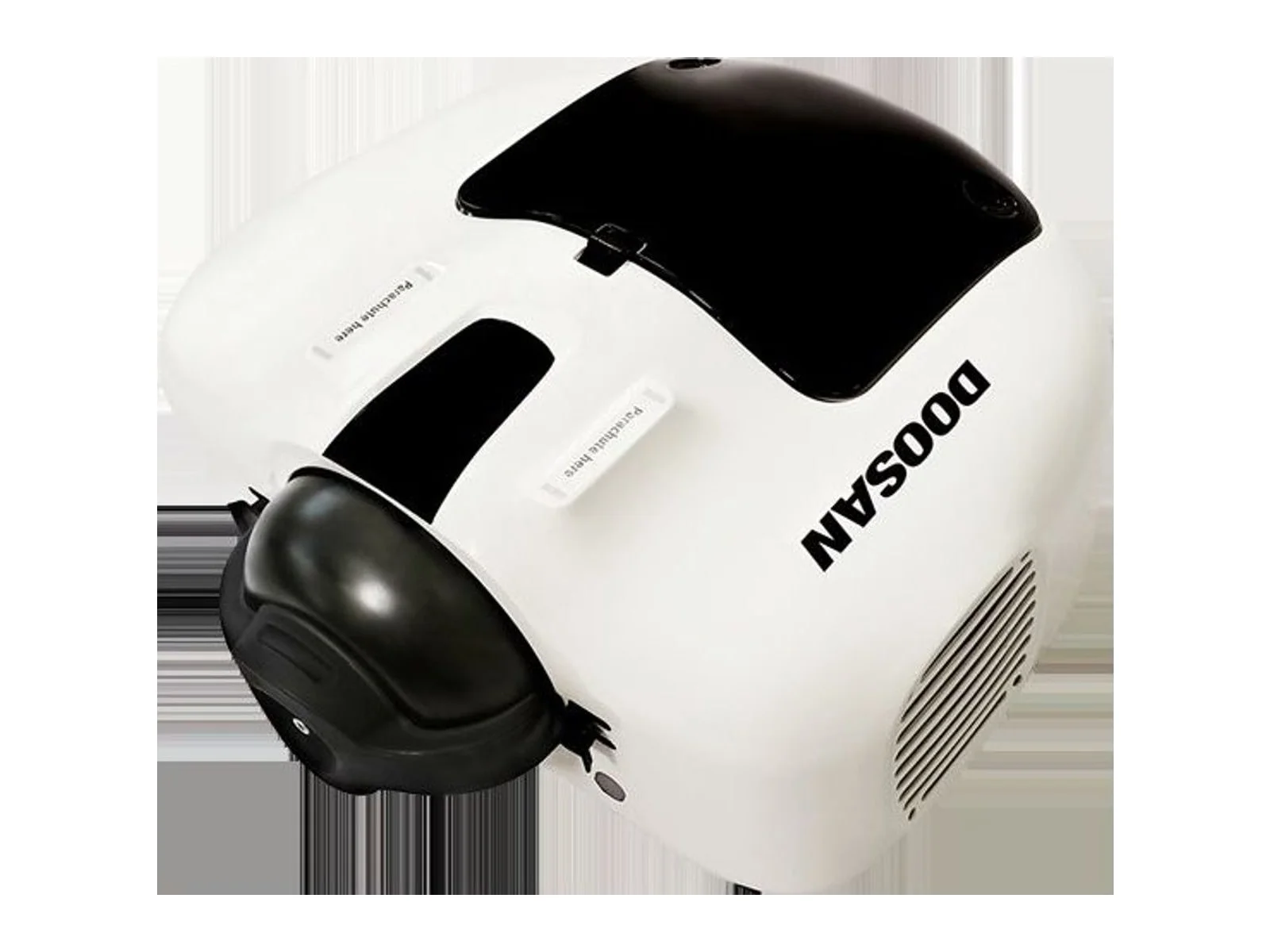
Examples include Intelligent Energy, Doosan Mobility Innovation, ZeroAvia and H2FLY. Compare them with batteries and combustion engines for the same mission.
It depends on the mission and the tank, but hydrogen systems commonly give several times the endurance of a battery-only drone of the same take-off mass, because hydrogen stores much more energy per kilogram.
The fuel cell responds relatively slowly to sudden power demands and is sized for cruise. A small battery covers take-off, climb and manoeuvres, and keeps the drone powered if the stack stops.
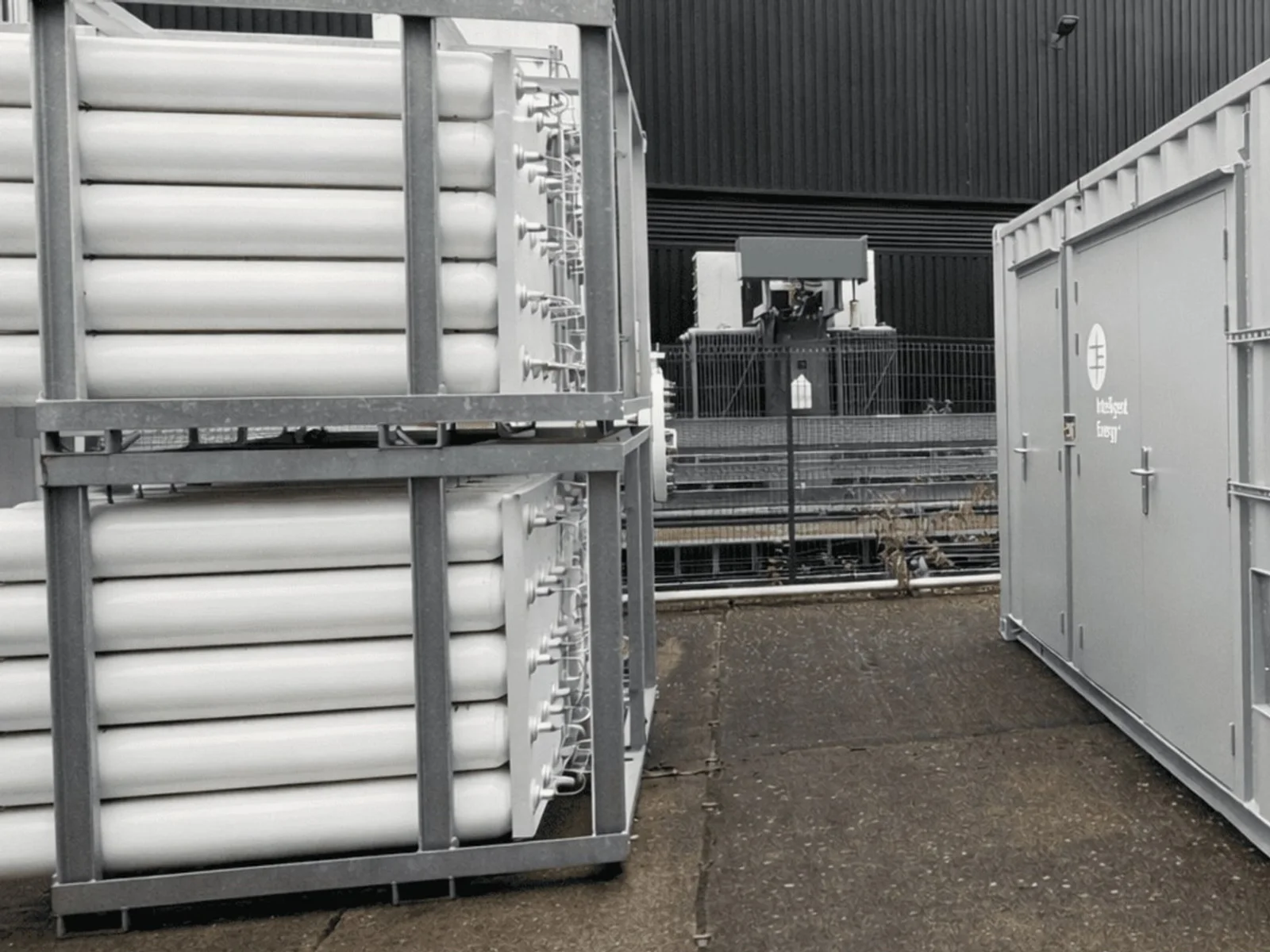
Most systems use compressed hydrogen in lightweight composite cylinders. Liquid hydrogen offers more energy per kilogram but needs cryogenic tanks, and is used mainly on larger aircraft.
A literature-based review of how axial-flux permanent-magnet machines are sized for direct-drive lift rotors: hover torque requirement, torque-sizing relations, design and optimisation methods, reported parameter ranges, fault behaviour and regulatory context.
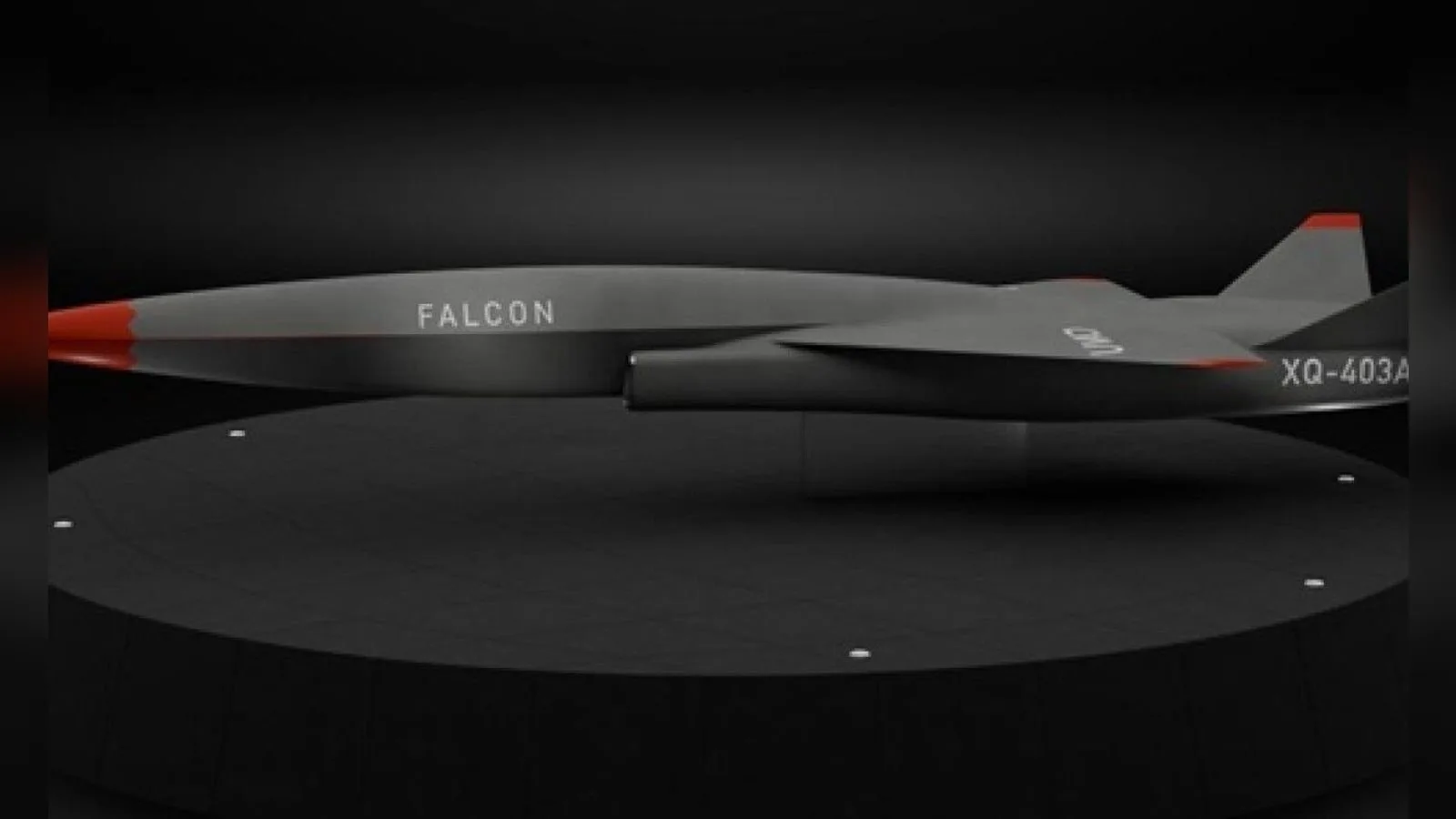
Falcon is a reusable supersonic uncrewed aerial target for missile-defense training, and its propulsion is the subject of a partnership between Safran Power Units and UVAD Technologies. Safran supplies two turbojet engines, and flight…
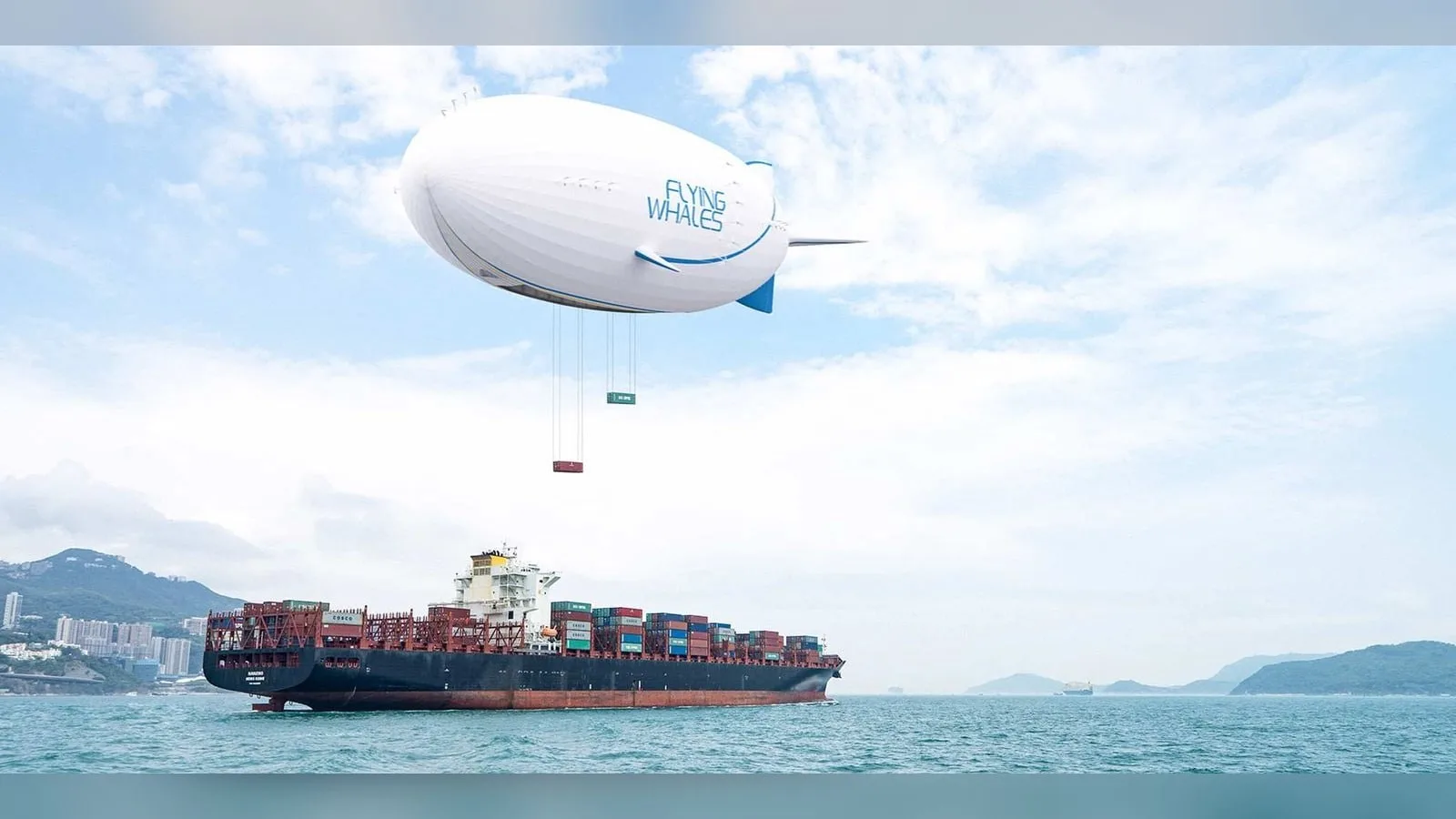
Honeywell Aerospace tests a 1 MW generator in a Mexicali test cell, and Flying Whales will integrate it into the hybrid-electric powertrain of its LCA60T airship. The unit reaches 1 MW steady state at 97% efficiency, giving…
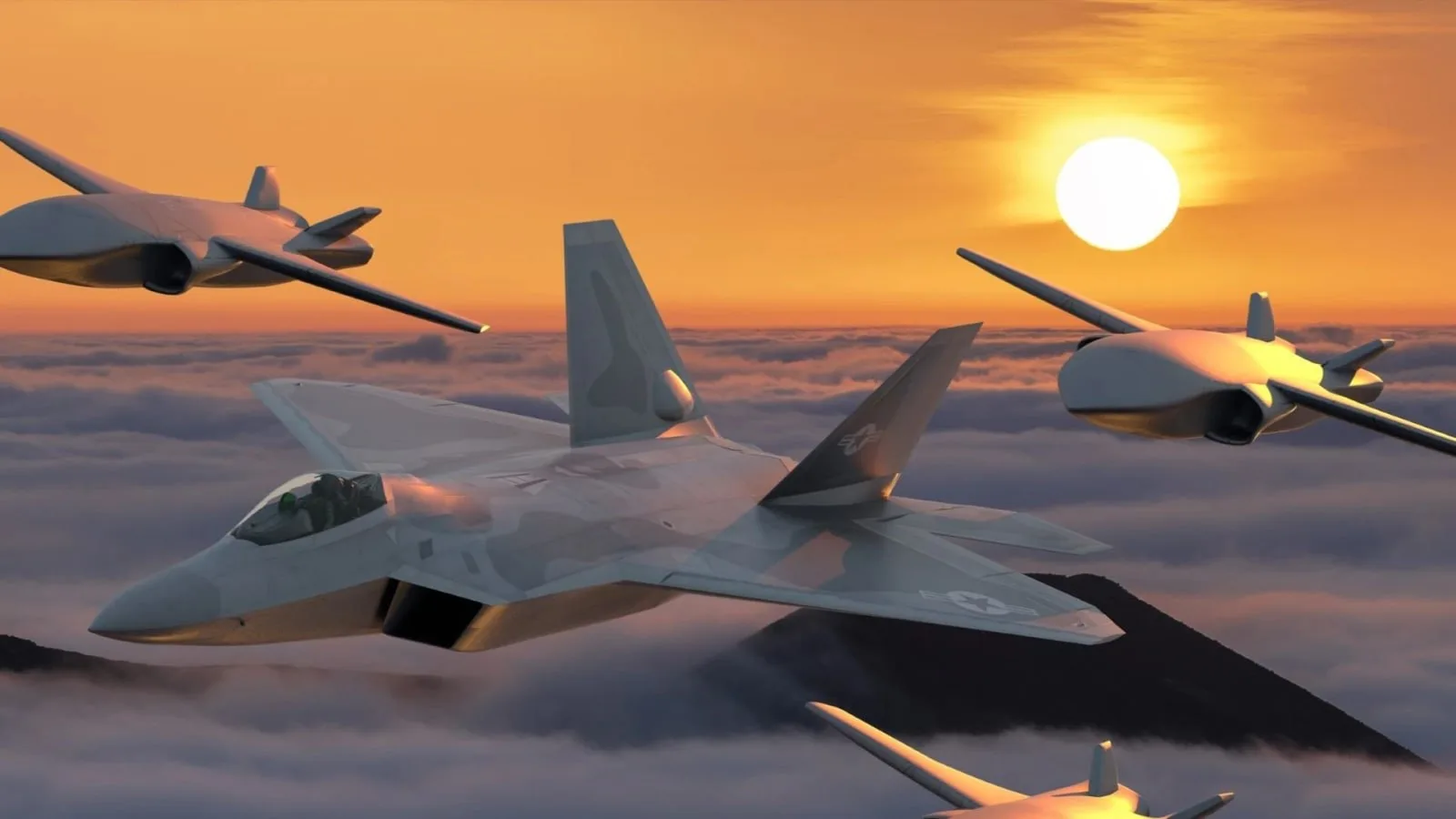
Honeywell Aerospace presents the HON1600, a small turbine engine it positions for the US Air Force's Collaborative Combat Aircraft (CCA) program, after a core engine run in September 2025. The Air Force has issued a request for proposals…