Featured
Composite materials
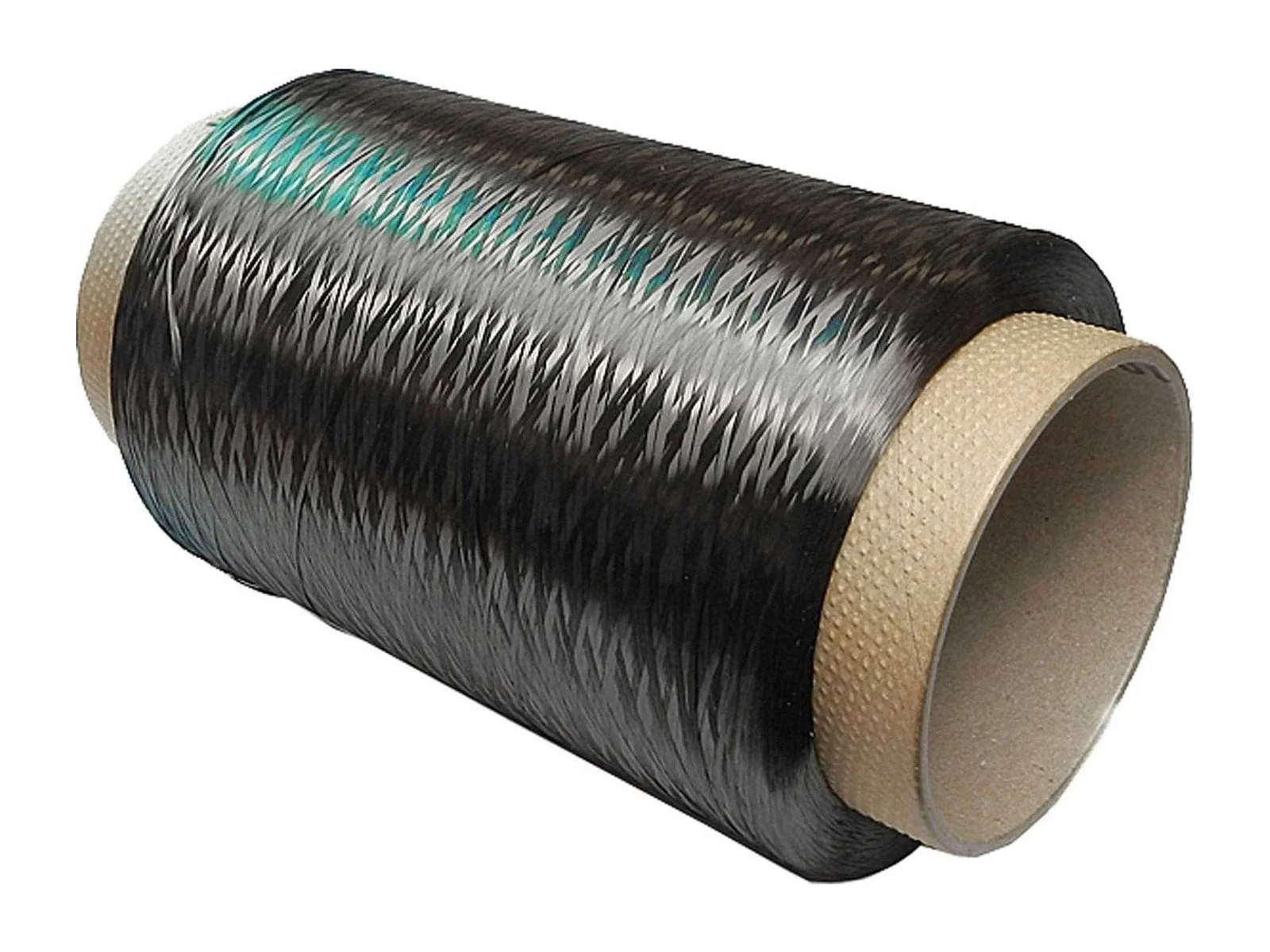
Tenax HTS40 high-tenacity carbon-fibre family
- Material form
- Fibre
- Density
- 1.77 g/cm³
- Grade
- Professional
Carbon fibers, prepregs, resins and core materials for building lightweight, strong structures.
Filters
Toray Composite Materials America
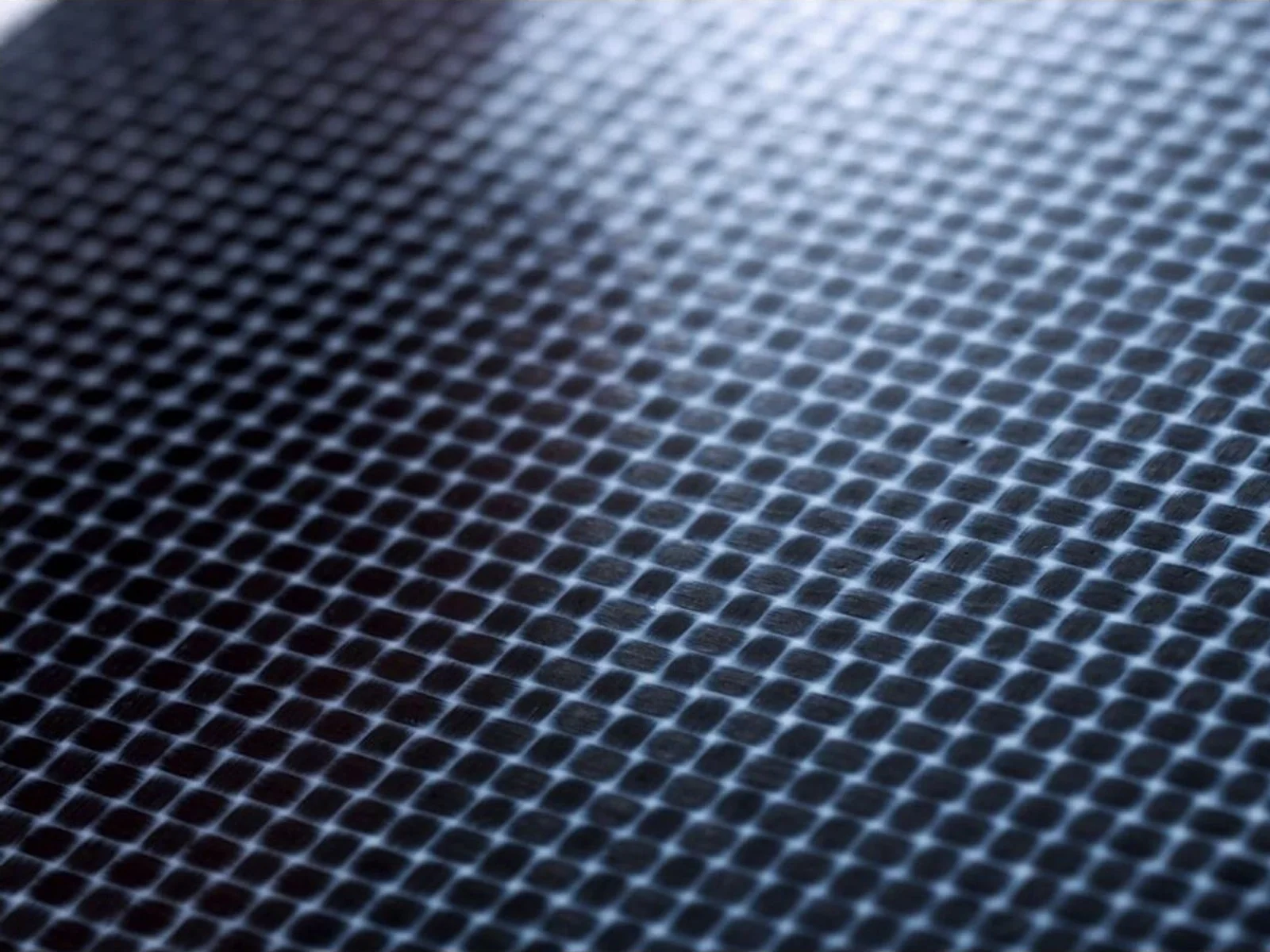
Toray Composite Materials America
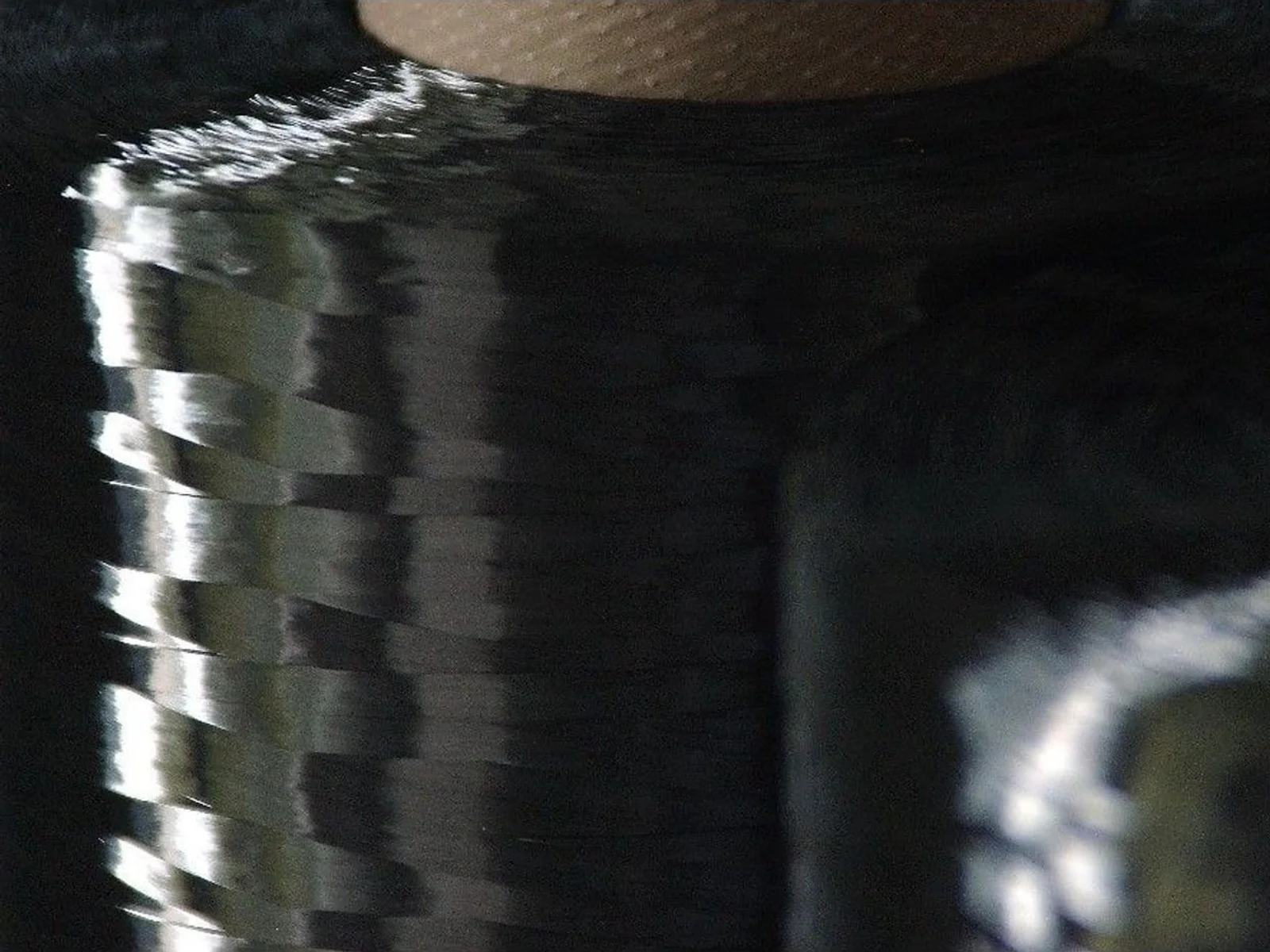
Toray Composite Materials America
Try removing a filter.



Updated November 3, 2026
Composite structures combine strong, stiff fibers with a polymer matrix that holds them together and transfers loads. In drones and eVTOL aircraft, carbon fiber composites make up most of the airframe, rotor blades and many internal parts. Choosing the material system is choosing a manufacturing process, a certification route and a cost.
| Property | Why it matters |
|---|---|
| Tensile and compressive strength / modulus | Sizing of laminates |
| Glass transition temperature (Tg), dry and wet | Maximum service temperature |
| Cure cycle and out-life | Manufacturing window and cost |
| Compression after impact (CAI) | Damage tolerance |
| Qualification and allowables database | Certification effort |
| Fire, smoke and toxicity behaviour | Battery-related safety in eVTOL |
Qualified prepreg systems with public allowables shorten certification for piloted eVTOL. For high-rate drone production, cost and cycle time often favour OOA, infusion or thermoplastics. Talk to the material suppliers early: changing the material later means requalifying the structure.
Examples include Hexcel, Toray, Syensqo, Teijin and SGL Carbon. See also aerostructures.
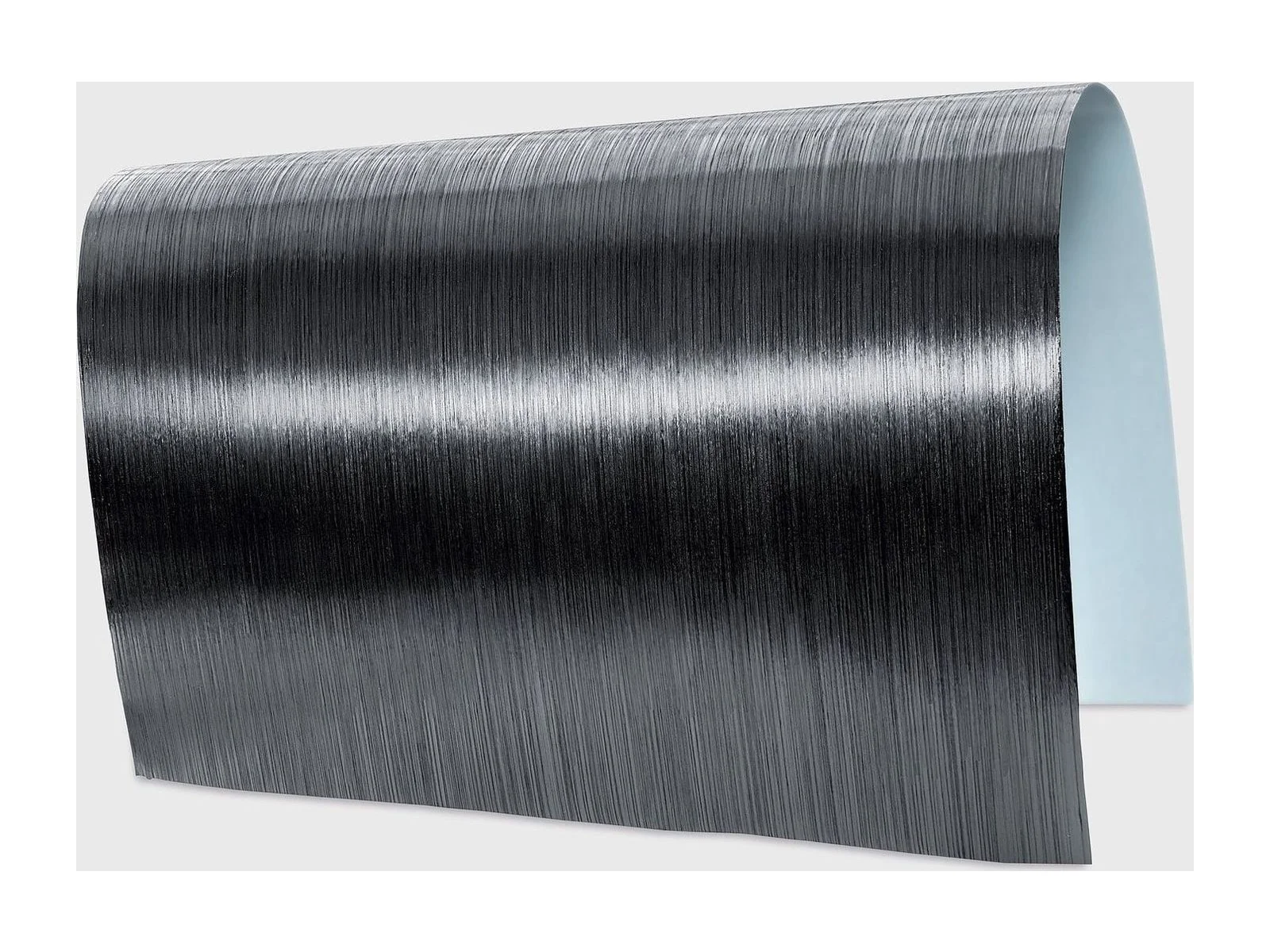
A reinforcement fabric or tape pre-impregnated with a partially cured resin. It is laid up in a mould and cured with heat and pressure, giving precise fiber content and high-quality parts.
The cure temperature largely sets the maximum service temperature. 180 °C systems are standard for primary aerospace structures and hot areas; 120 °C systems are cheaper to process and suit many drone parts.
Quartz fiber has very low dielectric loss, so radar and radio signals pass through it with little attenuation. It is used for radomes and antenna covers.
Yes, increasingly. They can be formed and welded quickly, are tough and recyclable, which suits the high production rates eVTOL programmes plan.
Curing a composite with vacuum bag pressure and an oven instead of a pressurised autoclave. It lowers equipment cost and allows larger parts, with materials designed to keep porosity low.
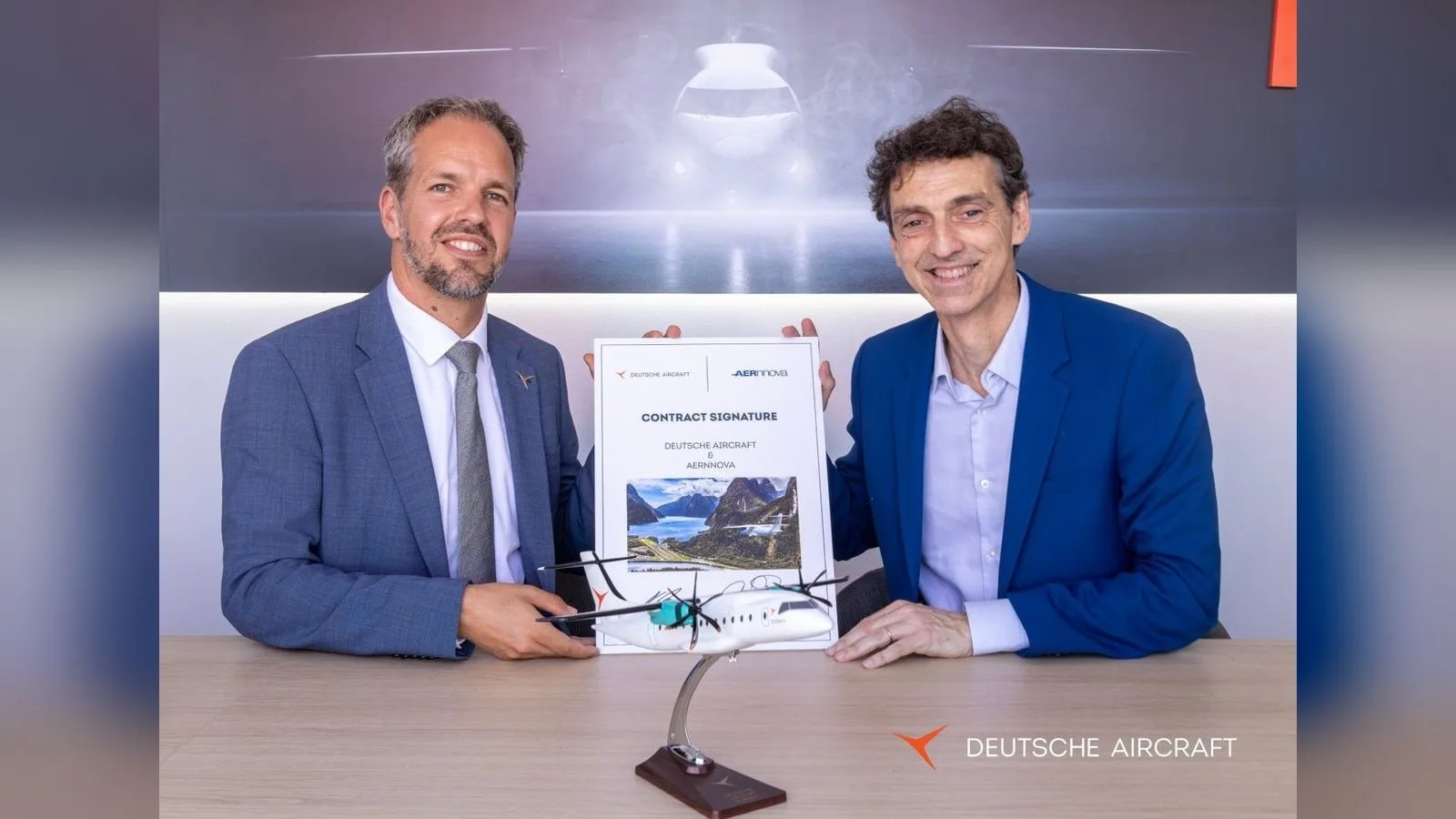
Aernnova signs a deal to take over GE Aviation's Hamble site in the UK, its first operating base in Britain. The deal brings about 700 employees, the A350 XWB wing fixed trailing-edge program and roughly $200 million in additional yearly…

Hitec Commercial Solutions releases the DPC-20, a USB-C programmer that configures and tests its digital servo actuators over PWM, TTL, RS-485, CAN and DroneCAN. It replaces three earlier programmers, the DPC-11, DPC-485 and DPC-CAN, so…
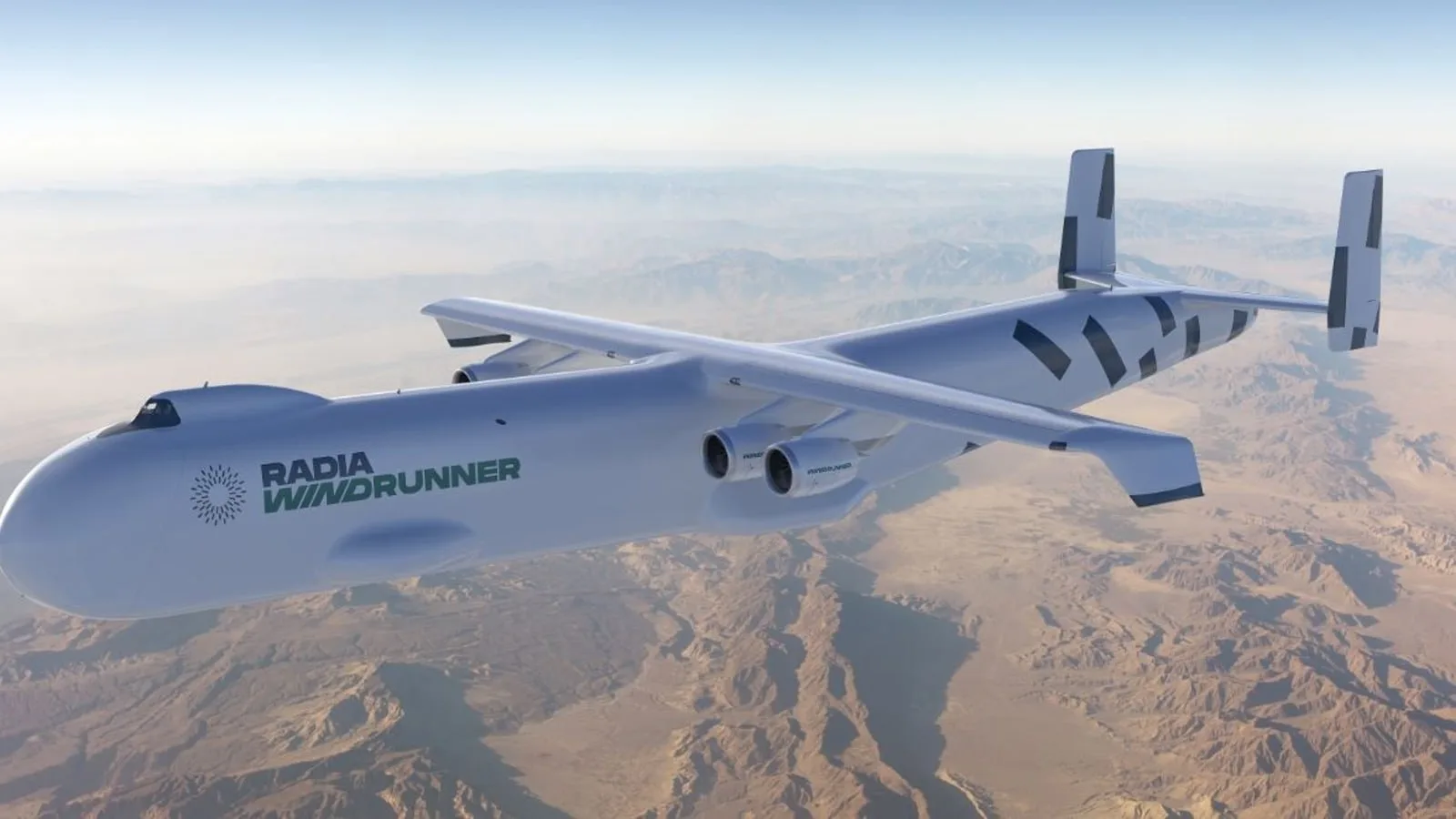
Aernnova partners with Radia on the wing and engine pylons of WindRunner, the cargo aircraft Radia is developing to carry wind turbine blades. Leonardo and AFuzion join the same ecosystem for fuselage engineering and for safety and…