












Ground control stations for drones and eVTOL
Updated November 3, 2026
The ground control station (GCS) is where the remote pilot and operators plan the mission, fly the aircraft, monitor its systems and receive payload data. It combines computers, displays, controls, radios and software, in formats from a handheld controller to a multi-operator shelter.
Formats
- Handheld controllers: integrated screen, sticks and radio for small and medium drones.
- Portable (rugged case) stations: laptop-class computers, displays and radios in a transport case, for field teams.
- Vehicle-mounted stations: installed in a car, truck or ship for mobile operations.
- Fixed and multi-aircraft control centres: rooms or shelters from which one team supervises several aircraft, often remotely over networks.
Key specifications
- Displays: size, brightness and sunlight readability.
- Controls: sticks, keyboards, touchscreens and dedicated payload controllers.
- Radios and antennas integrated or external, including tracking antennas.
- Software: compatibility with the autopilot (MAVLink-based ground stations, or proprietary software), mission planning, maps and payload control.
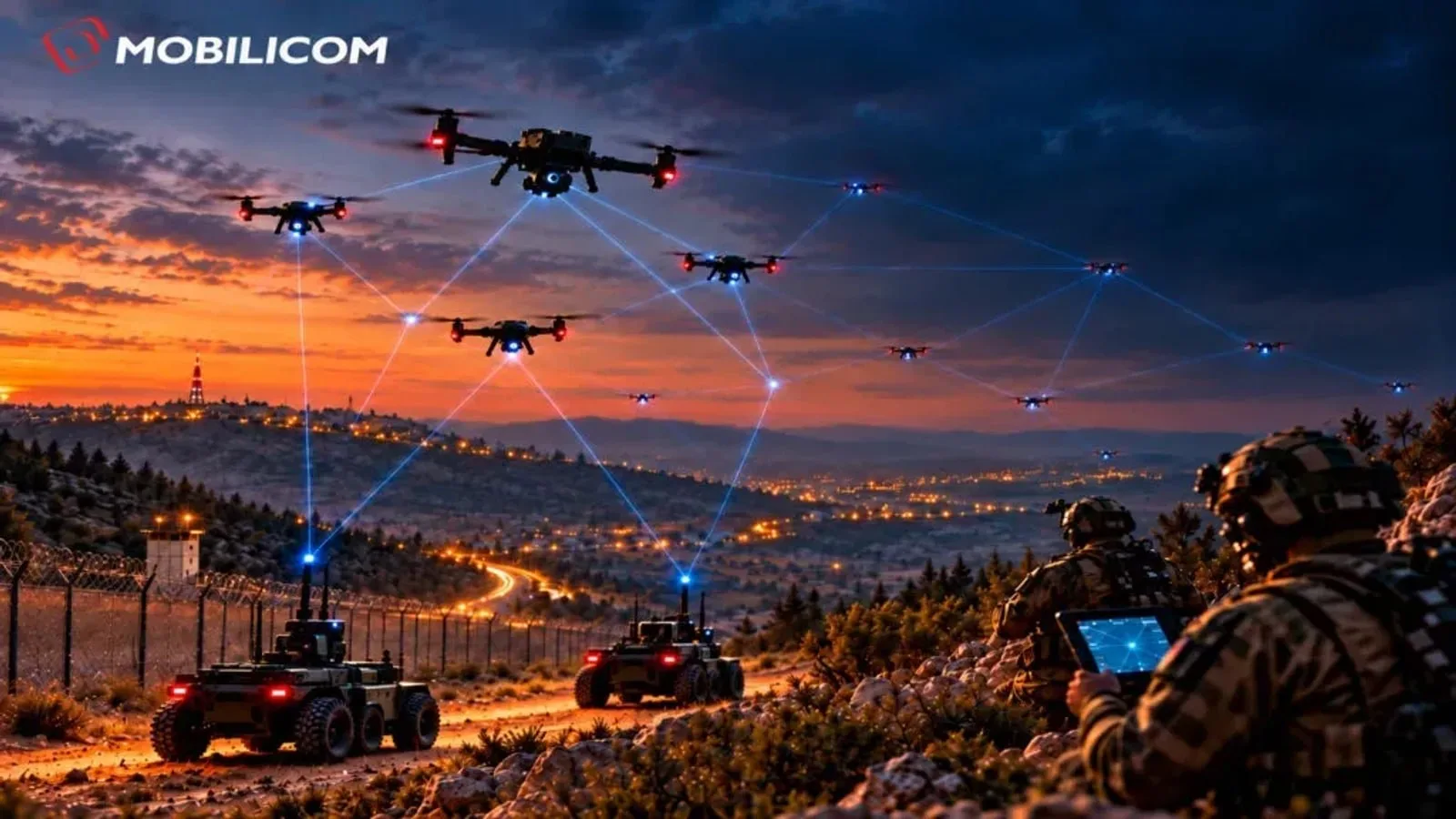
- Multi-vehicle capability: how many aircraft one operator or station can supervise.
- Ruggedness: IP rating, temperature range, battery life for portable units.
- Security: encryption and user management.
What matters most
The GCS is where human error is prevented or caused. Clear alerts, sensible checklists, and controls that work with gloves in bright sun are as important as the technical specifications. For piloted eVTOL, the equivalent is the flight deck.