Featured
Parachutes
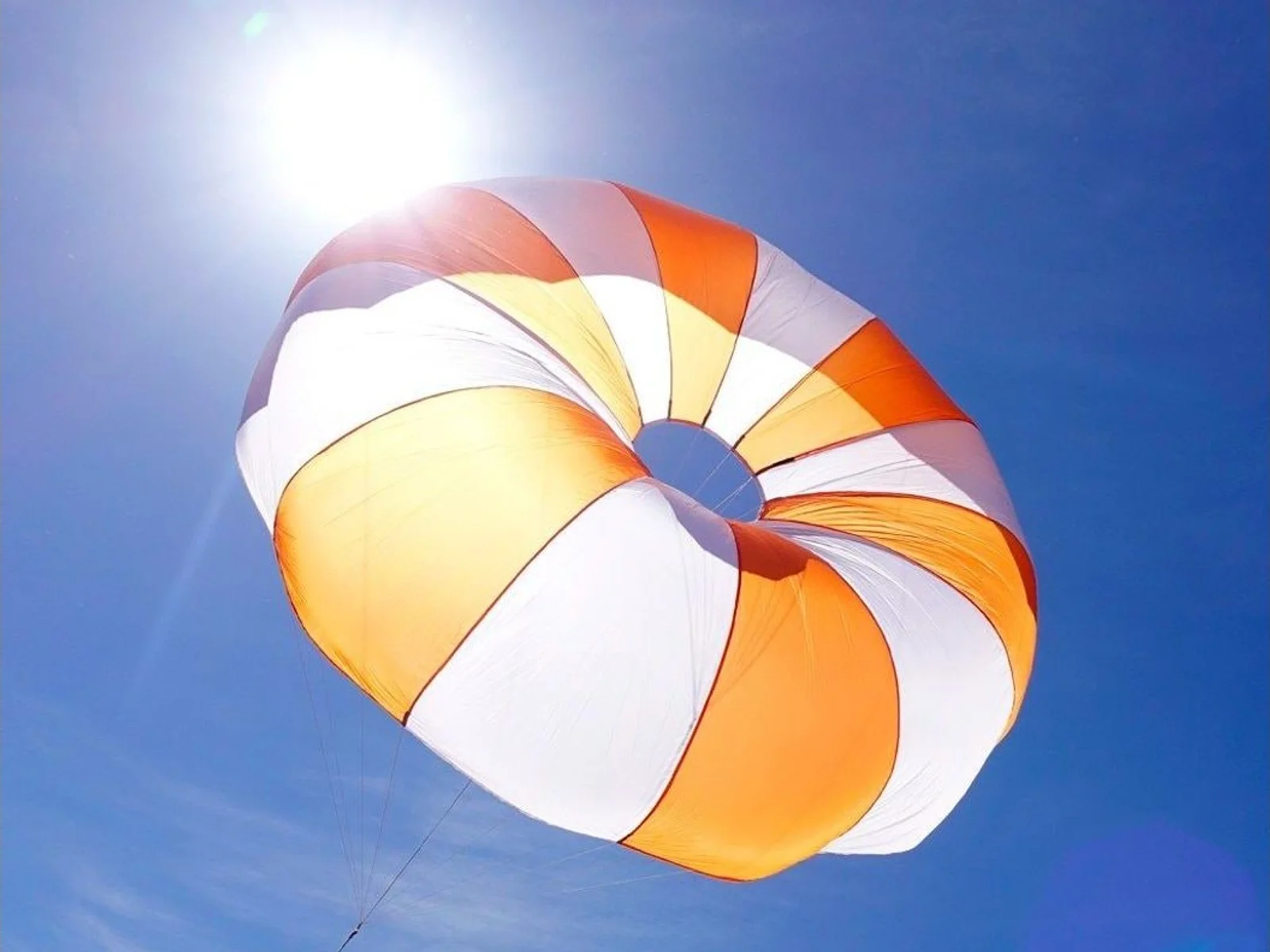
Drogue and pilot parachutes for staged recovery systems
- Grade
- Professional
- Market
- Dual-use
- Availability
- In production
Ballistic recovery systems and emergency parachutes that reduce risk in the event of an in-flight failure.
Filters
Try removing a filter.



Updated November 3, 2026
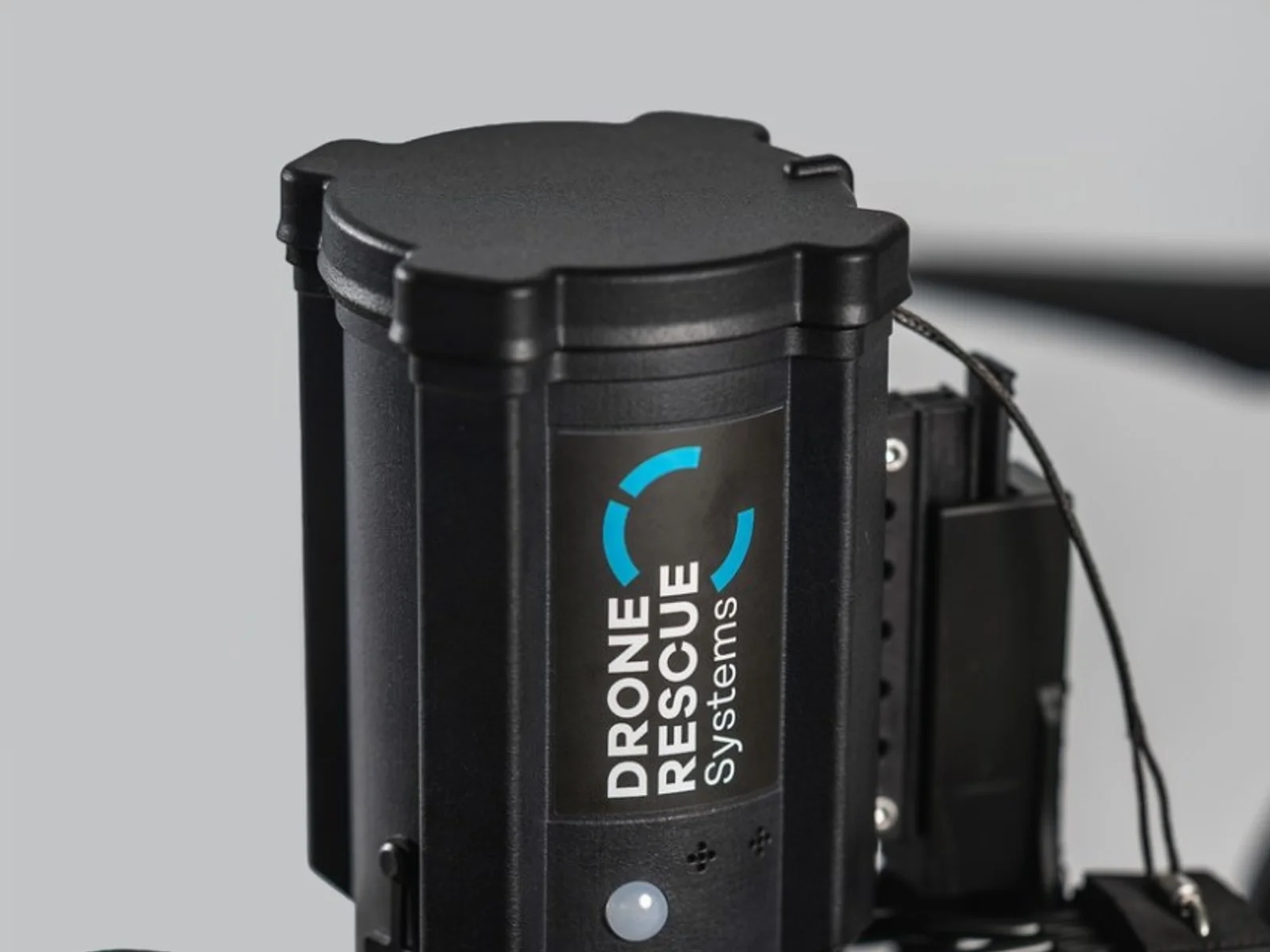
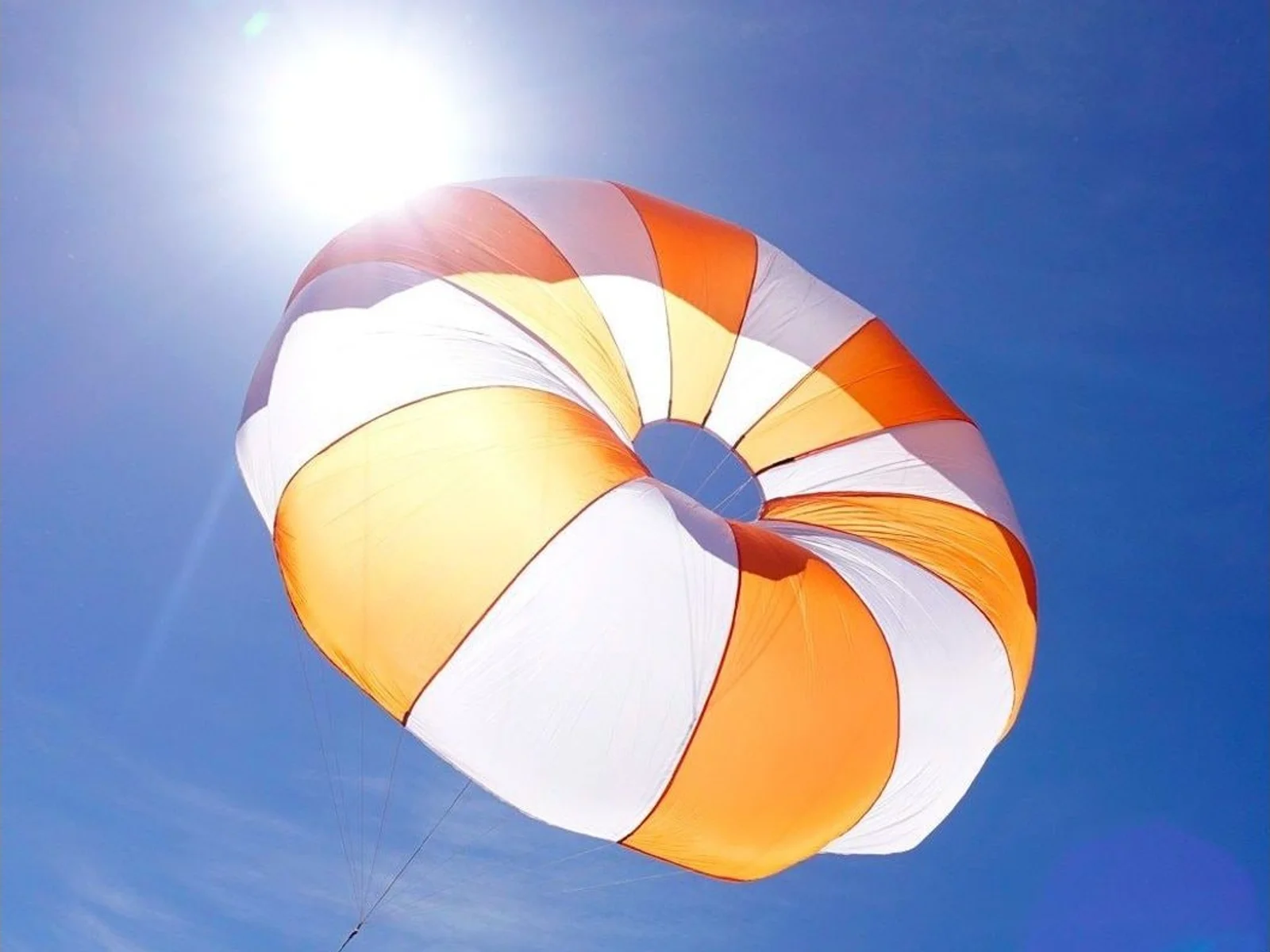
An emergency parachute brings a drone down at a survivable speed when something goes wrong: loss of propulsion, loss of control or a structural failure. It protects people on the ground, reduces damage to the aircraft and is increasingly a condition for flights over people and populated areas.
Larger aircraft use ballistic recovery systems with rocket-extracted canopies; fixed-wing UAVs may use parachutes for normal recovery as well as emergencies.
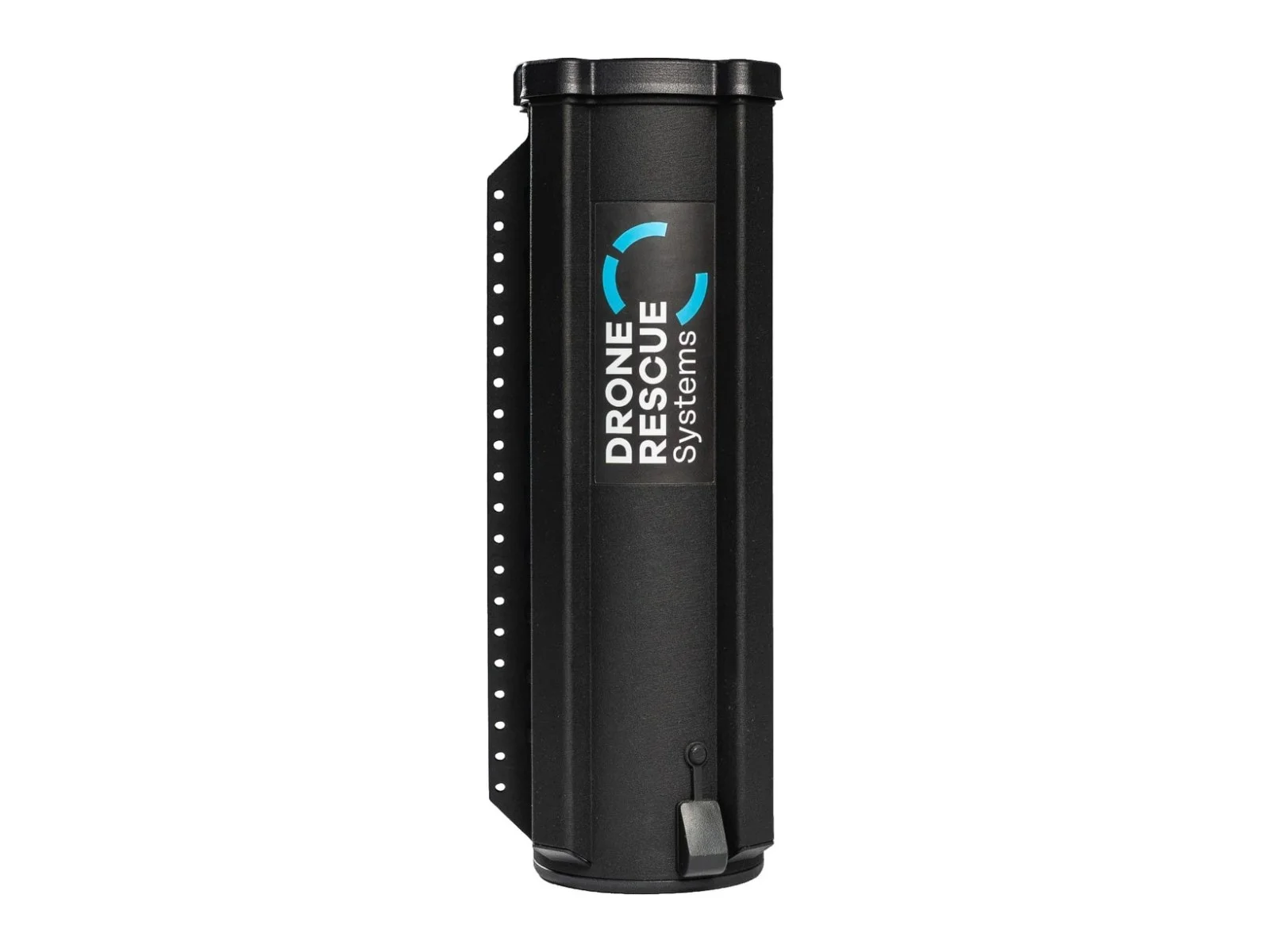
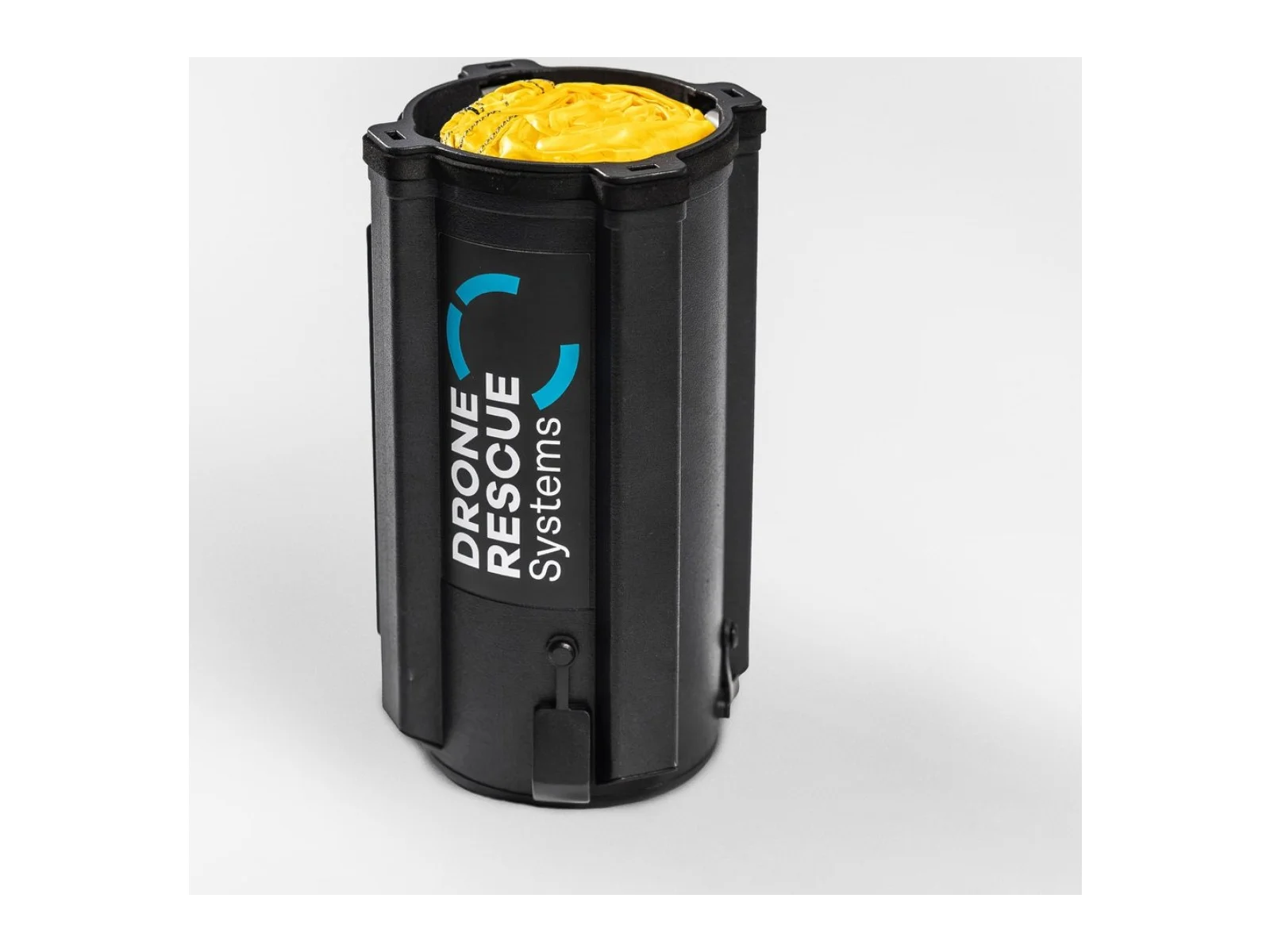
Examples include Galaxy GRS, Fruity Chutes and Drone Rescue Systems.
It depends on the system: fast-deploying ballistic or pyrotechnic systems work from lower heights than spring-loaded ones. Manufacturers state a minimum safe deployment altitude, usually tens of metres or less for fast systems.
An ASTM standard that sets design and test requirements for parachute systems on small unmanned aircraft. Regulators reference it when approving flights over people.
If the autopilot itself fails, a parachute that depends on it might not deploy. An independent termination unit with its own sensors and power avoids that common failure.
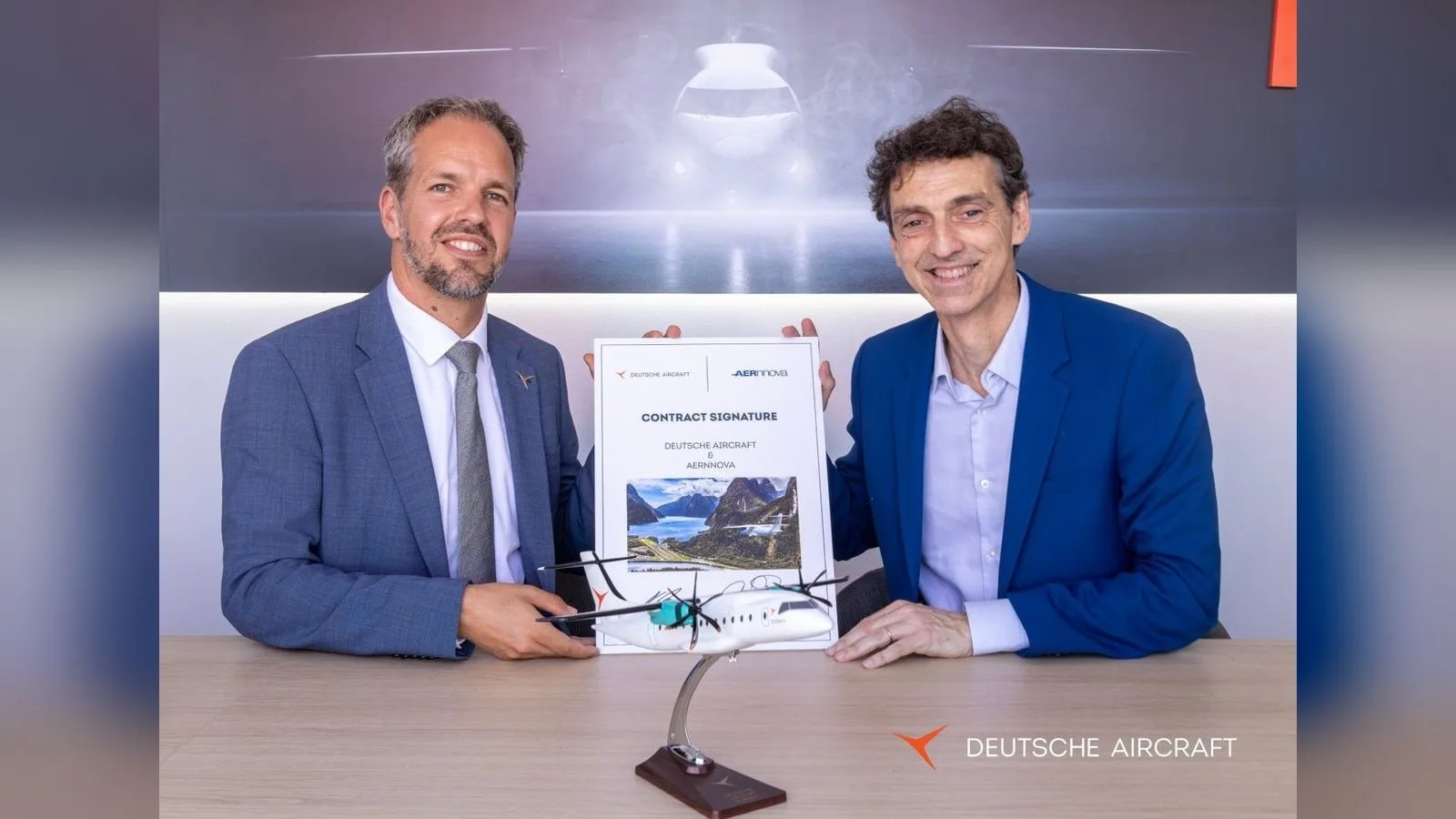
Aernnova signs a deal to take over GE Aviation's Hamble site in the UK, its first operating base in Britain. The deal brings about 700 employees, the A350 XWB wing fixed trailing-edge program and roughly $200 million in additional yearly…

Hitec Commercial Solutions releases the DPC-20, a USB-C programmer that configures and tests its digital servo actuators over PWM, TTL, RS-485, CAN and DroneCAN. It replaces three earlier programmers, the DPC-11, DPC-485 and DPC-CAN, so…
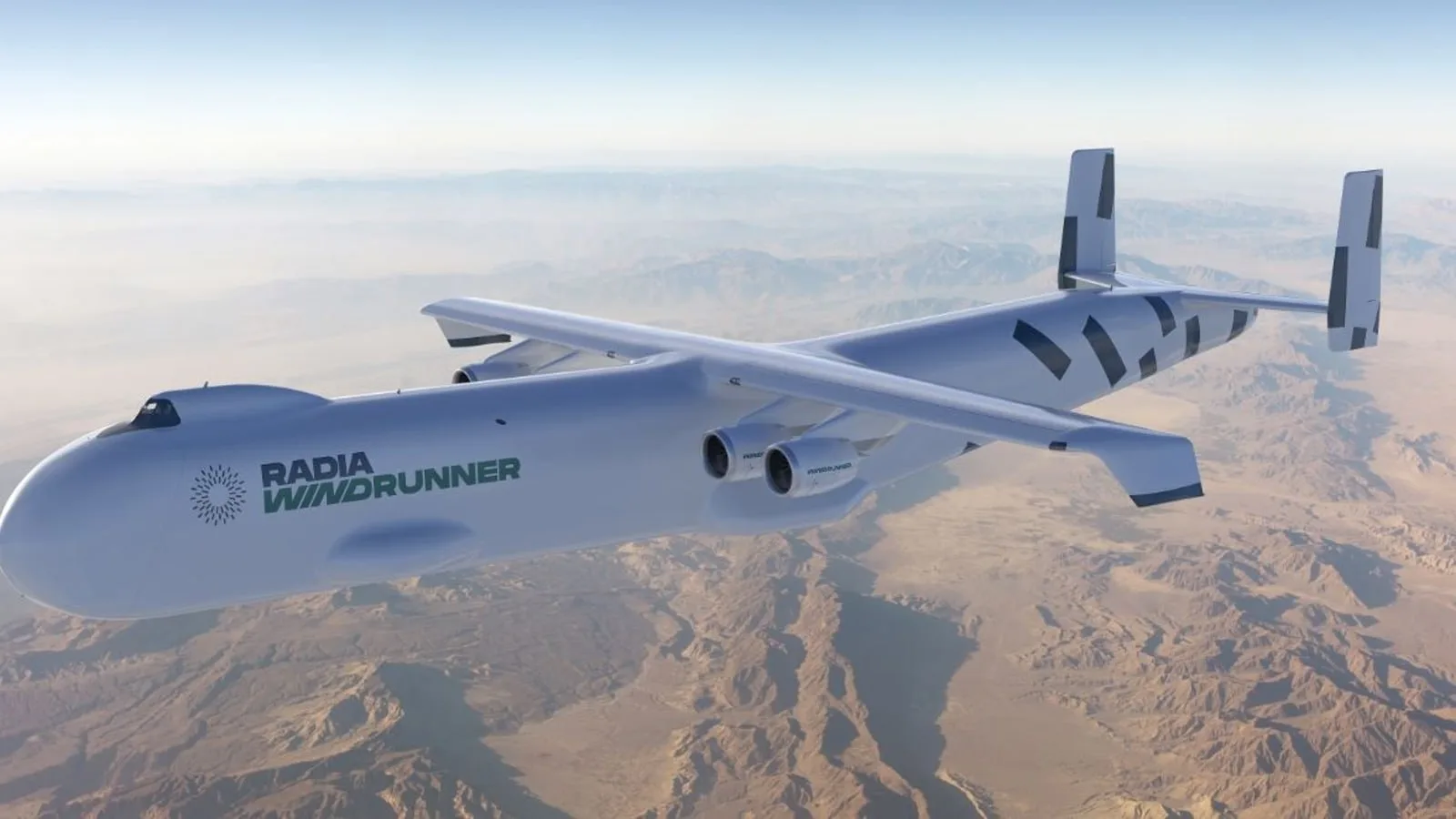
Aernnova partners with Radia on the wing and engine pylons of WindRunner, the cargo aircraft Radia is developing to carry wind turbine blades. Leonardo and AFuzion join the same ecosystem for fuselage engineering and for safety and…