Featured
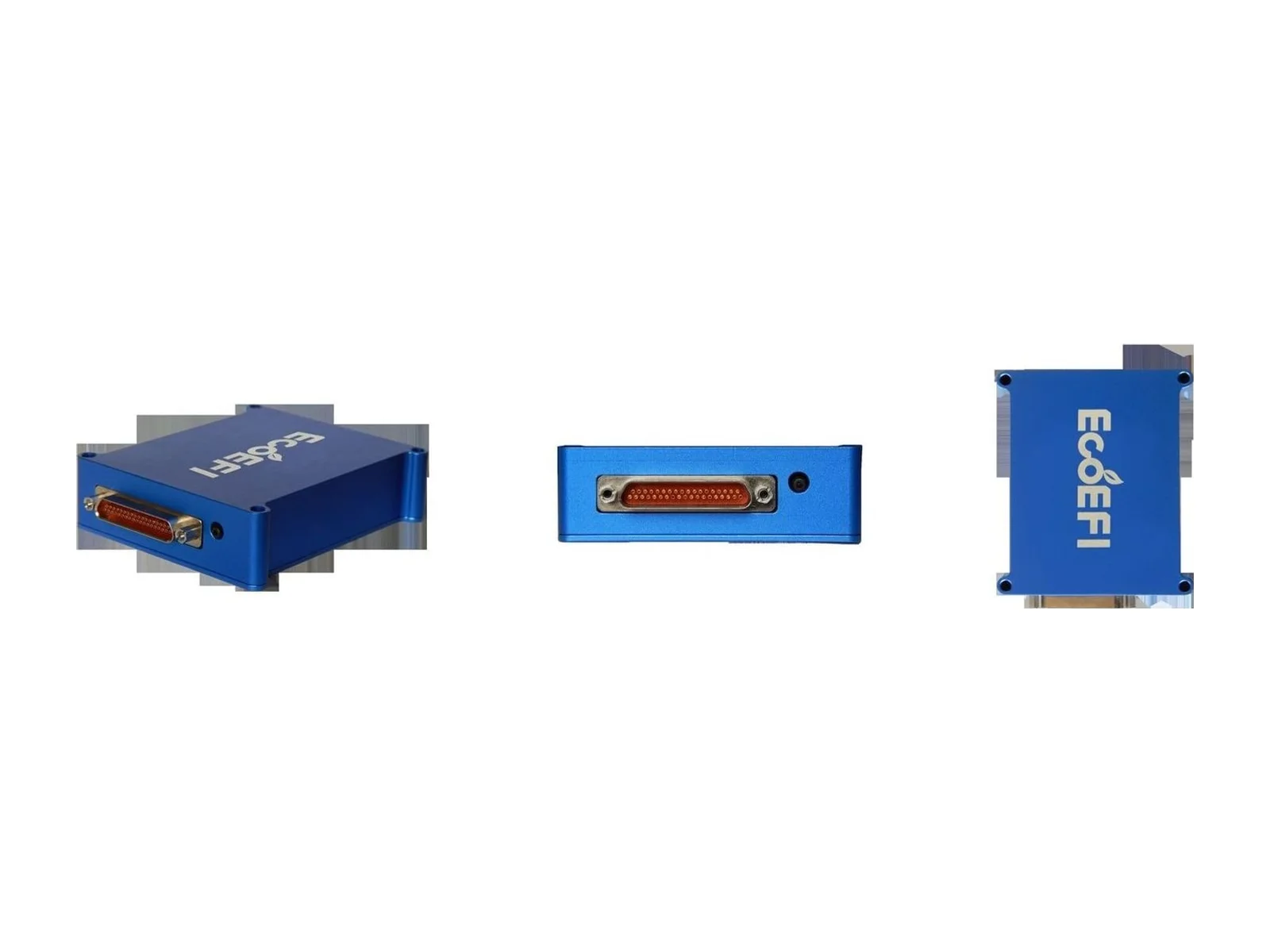
Electronic control units for fuel injection and ignition, and FADEC systems for combustion engines and turbines.
Filters
Try removing a filter.



Updated November 3, 2026
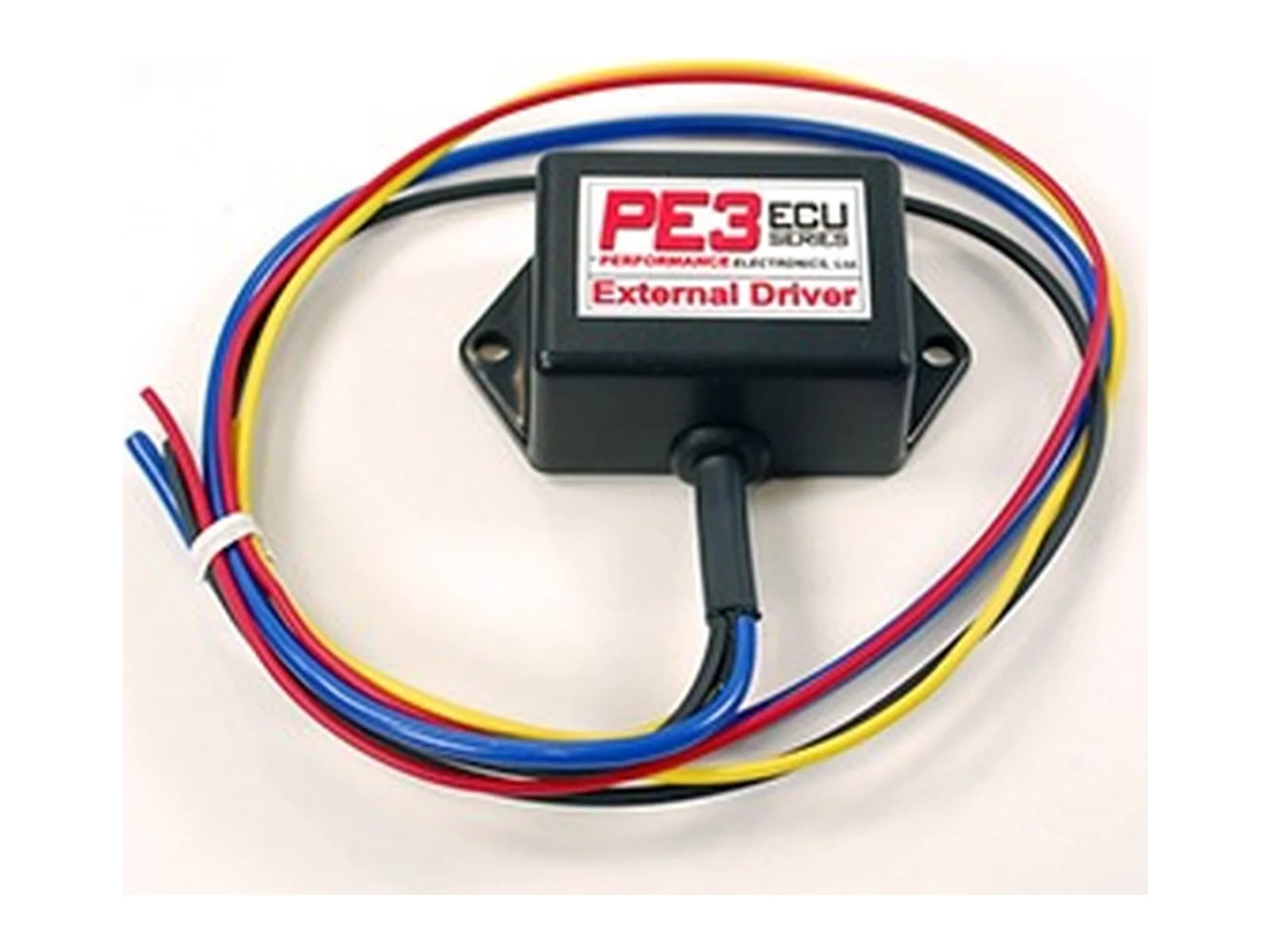
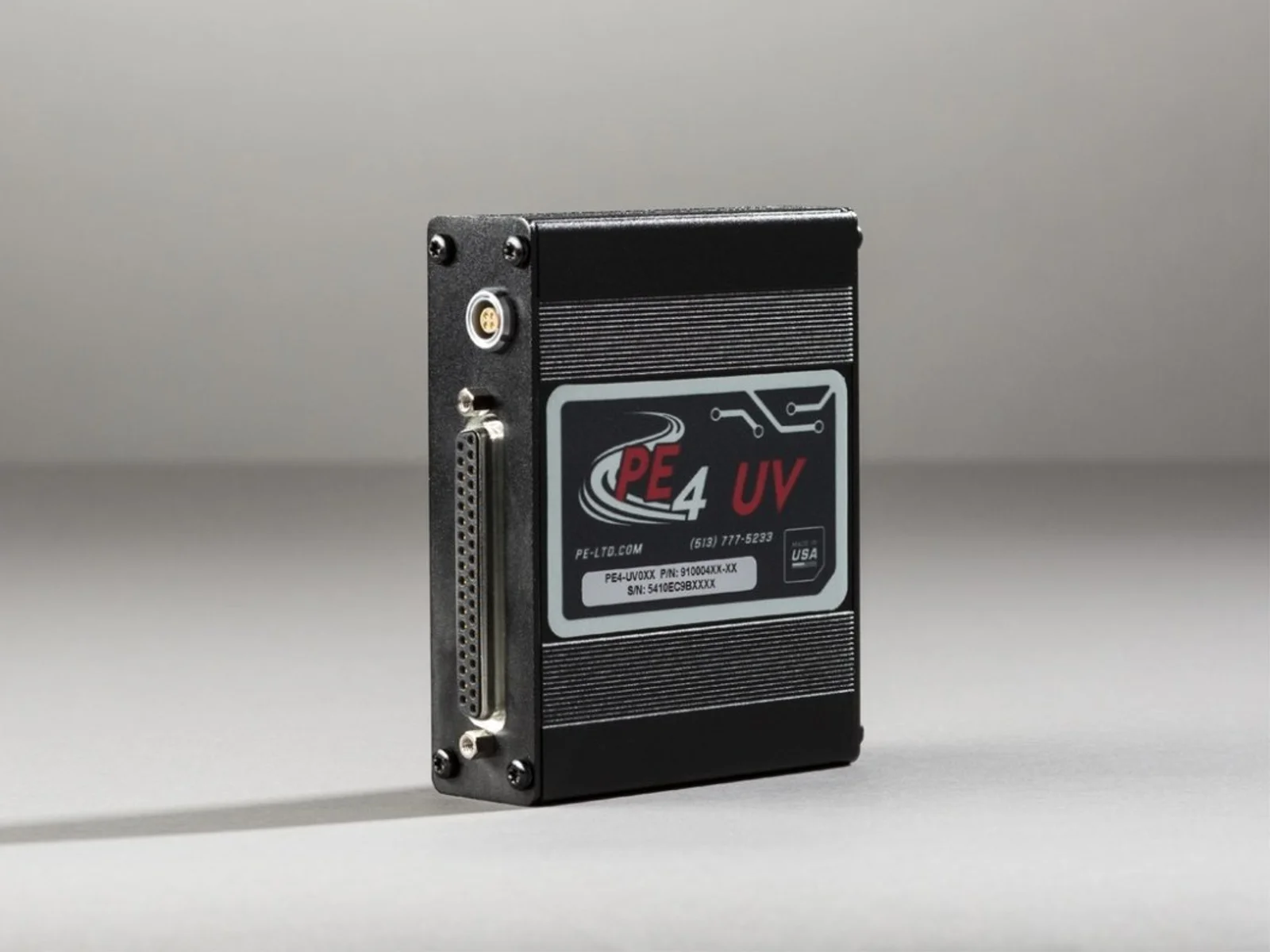
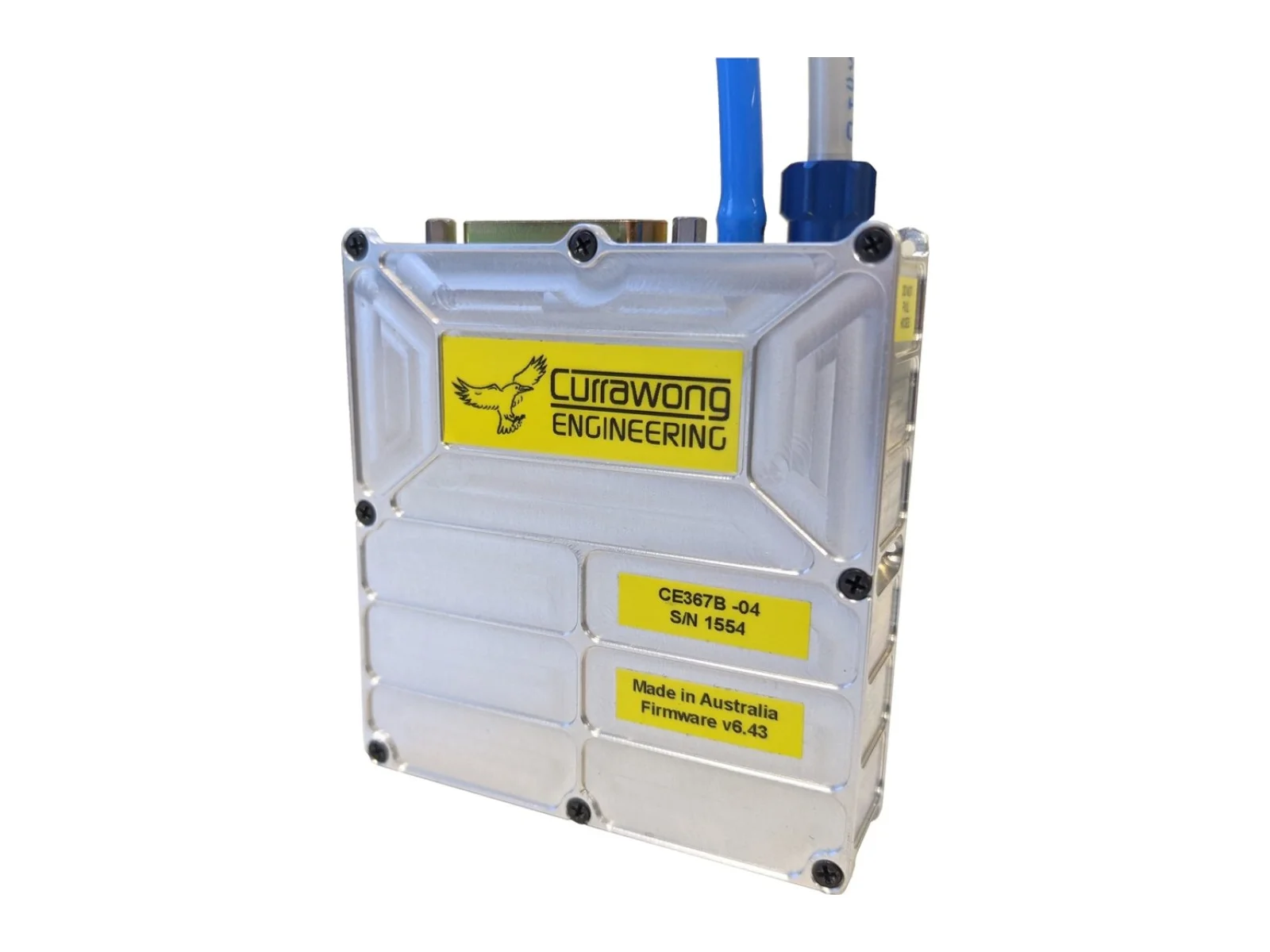
An engine control unit (ECU) manages fuel injection and ignition on a combustion engine. On a UAV there is no pilot to adjust the mixture or watch the gauges, so the ECU does it automatically and reports the engine’s health to the autopilot. On turbines and more complex engines, the same function is called FADEC (Full Authority Digital Engine Control).
Many UAV engines started life with carburettors. Electronic fuel injection (EFI) kits replace the carburettor with an injector, a throttle body, sensors and an ECU, which improves fuel economy, altitude performance and reliability. Engine manufacturers also supply ECUs calibrated for their own engines, and some ECUs control generators and hybrid systems as well.
The ECU works with the engine itself, fuel sensors and the power management unit. Examples in the directory include Currawong Engineering, Ecotrons and Performance Electronics.
Both are electronic engine controllers. "FADEC" is used when the controller has full authority over the engine with no mechanical back-up, typical of turbines and certified aircraft engines. "ECU" is the general term, common for UAV piston engines.
EFI adjusts the fuel mixture automatically with altitude and temperature, which improves fuel consumption, starting and reliability compared with a carburettor, and gives the autopilot data on the engine.
In modern UAVs, yes. Through CAN or serial links the ECU receives the throttle command and returns rpm, temperatures, fuel flow and fault codes, so the autopilot and ground station can monitor the engine.
A literature-based review of how axial-flux permanent-magnet machines are sized for direct-drive lift rotors: hover torque requirement, torque-sizing relations, design and optimisation methods, reported parameter ranges, fault behaviour and regulatory context.
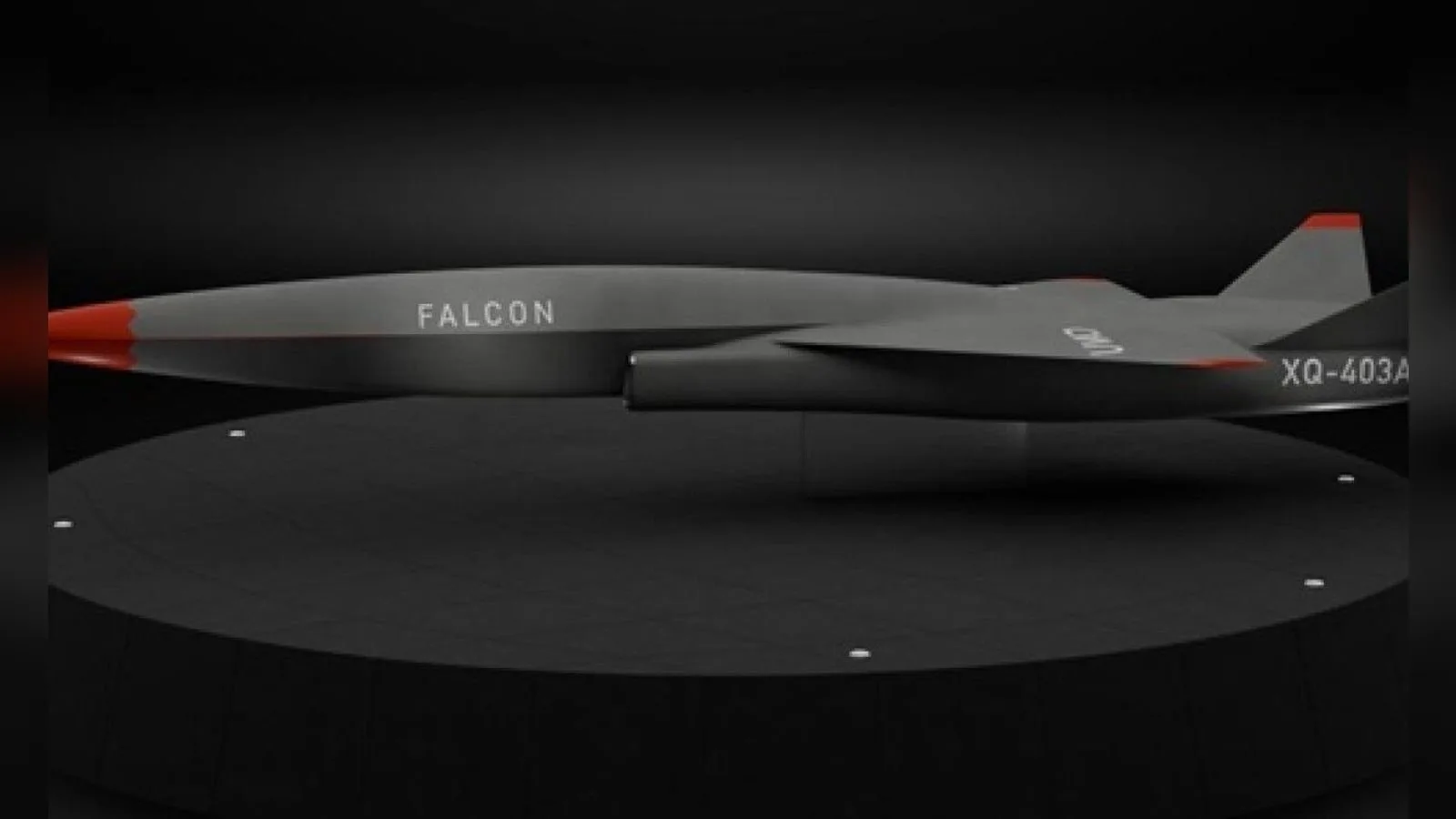
Falcon is a reusable supersonic uncrewed aerial target for missile-defense training, and its propulsion is the subject of a partnership between Safran Power Units and UVAD Technologies. Safran supplies two turbojet engines, and flight…

Honeywell Aerospace tests a 1 MW generator in a Mexicali test cell, and Flying Whales will integrate it into the hybrid-electric powertrain of its LCA60T airship. The unit reaches 1 MW steady state at 97% efficiency, giving…
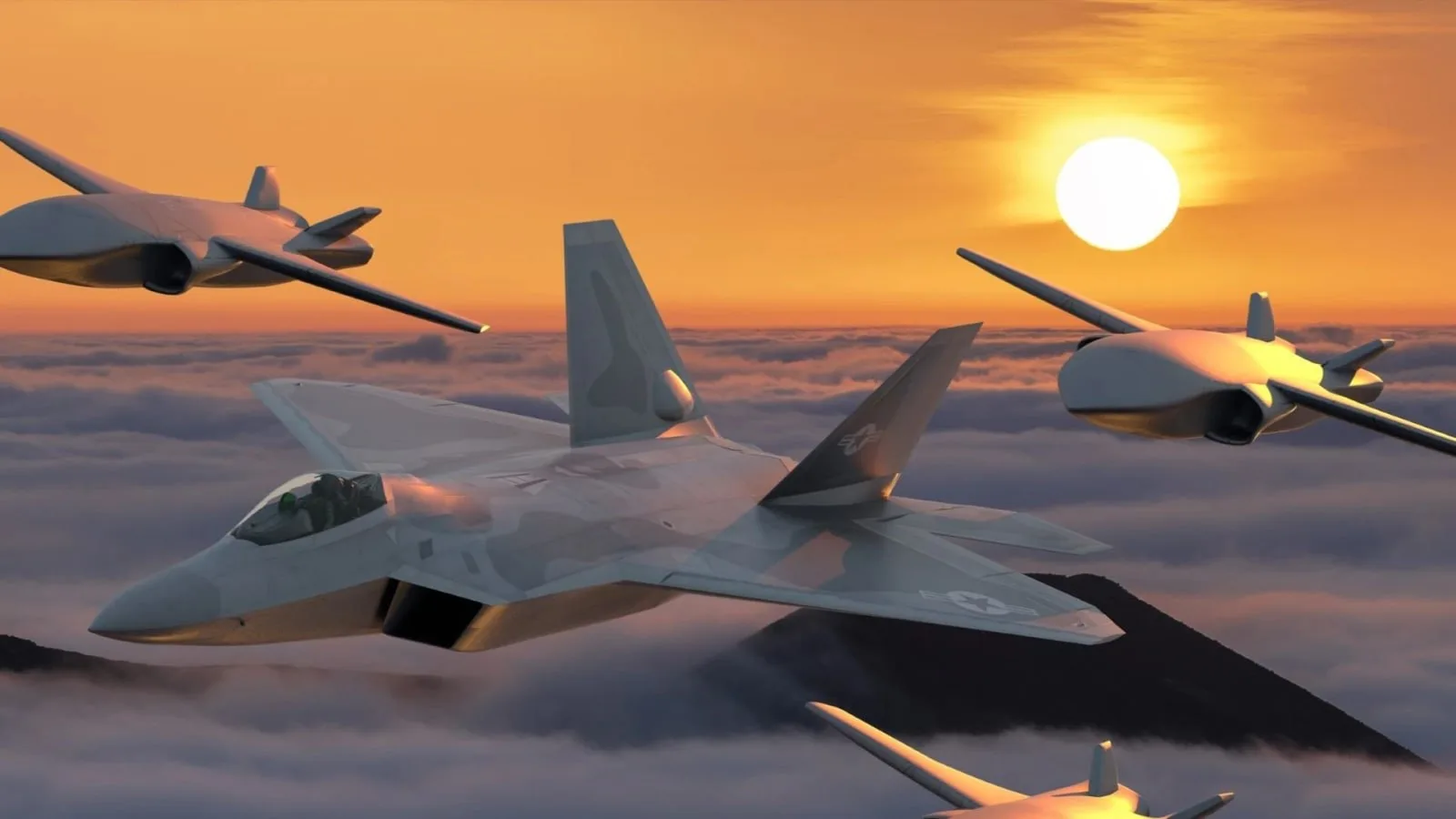
Honeywell Aerospace presents the HON1600, a small turbine engine it positions for the US Air Force's Collaborative Combat Aircraft (CCA) program, after a core engine run in September 2025. The Air Force has issued a request for proposals…