Featured
ESCs
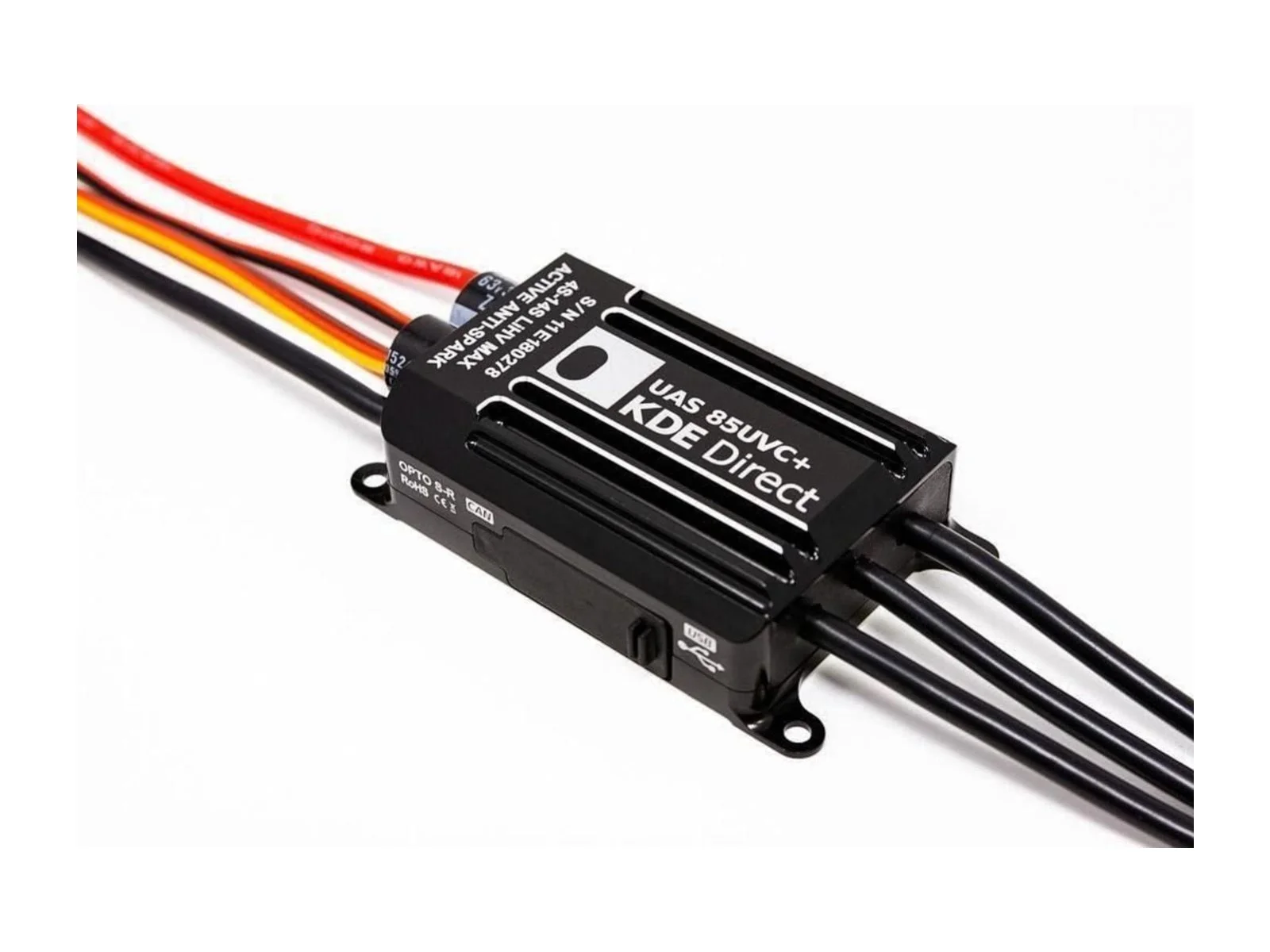
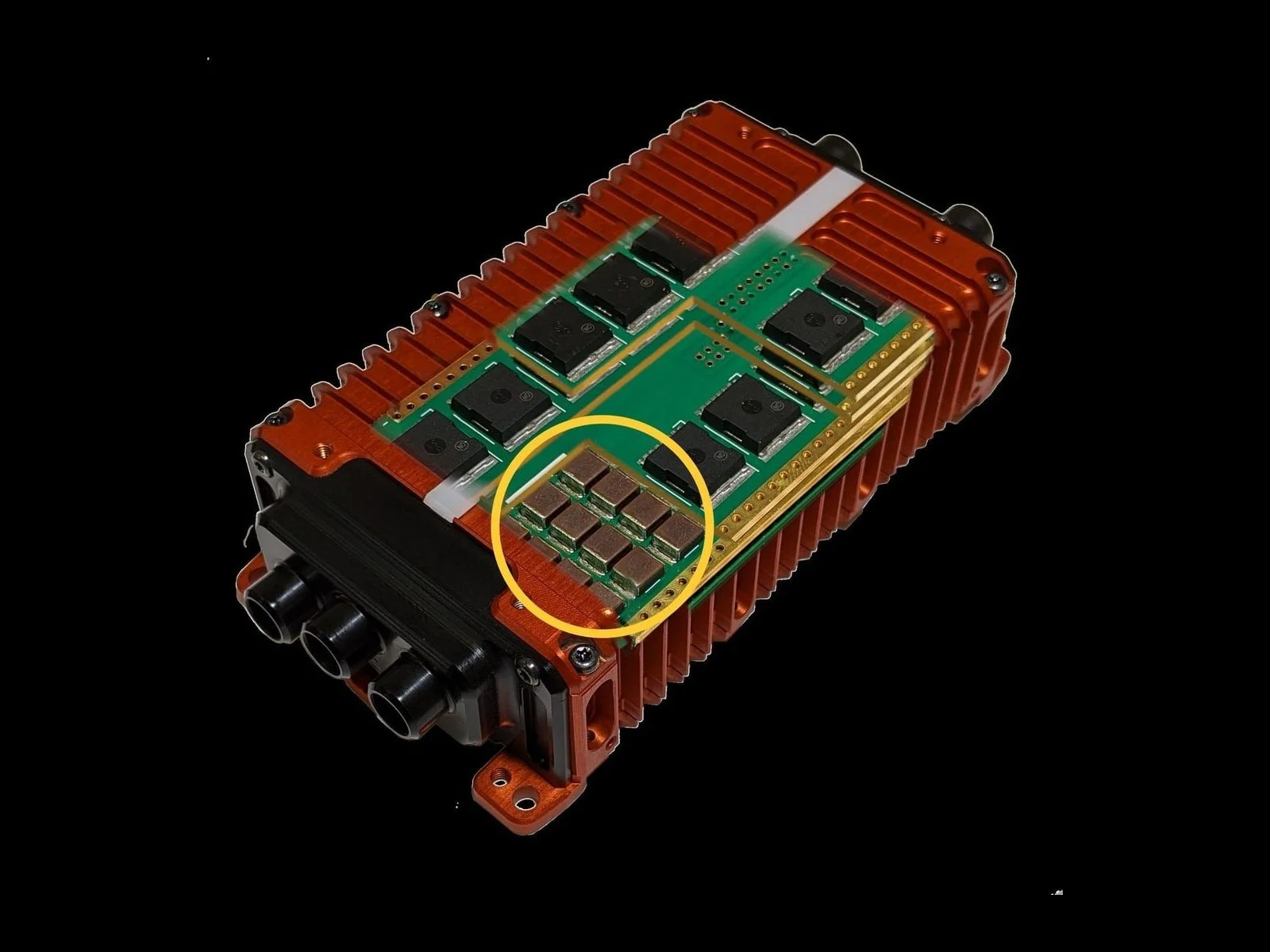
KDE-UAS85UVC electronic speed controller
- Continuous current
- 85 A
- Peak current
- 175 A
- Supply voltage
- 14.8 – 60.9 V
Electronic speed controllers and inverters that drive brushless motors, from multirotor ESCs to high-voltage inverters.
Filters

Try removing a filter.



Updated November 3, 2026
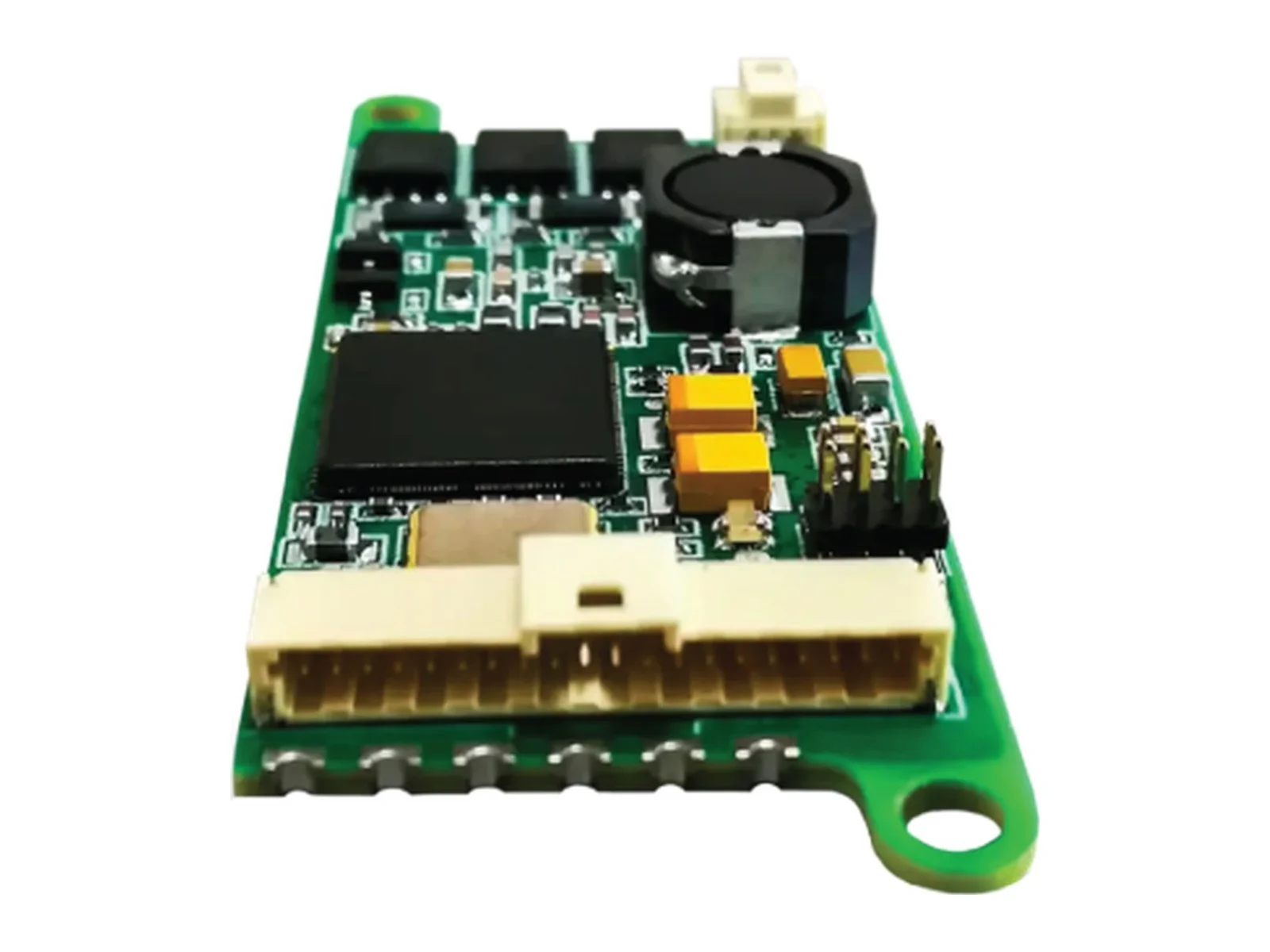
An electronic speed controller (ESC), called an inverter or motor controller at higher power, converts the DC power from the battery into the three-phase AC current that drives a brushless motor. It sets the motor speed or torque on command from the flight controller, and protects the motor and battery.
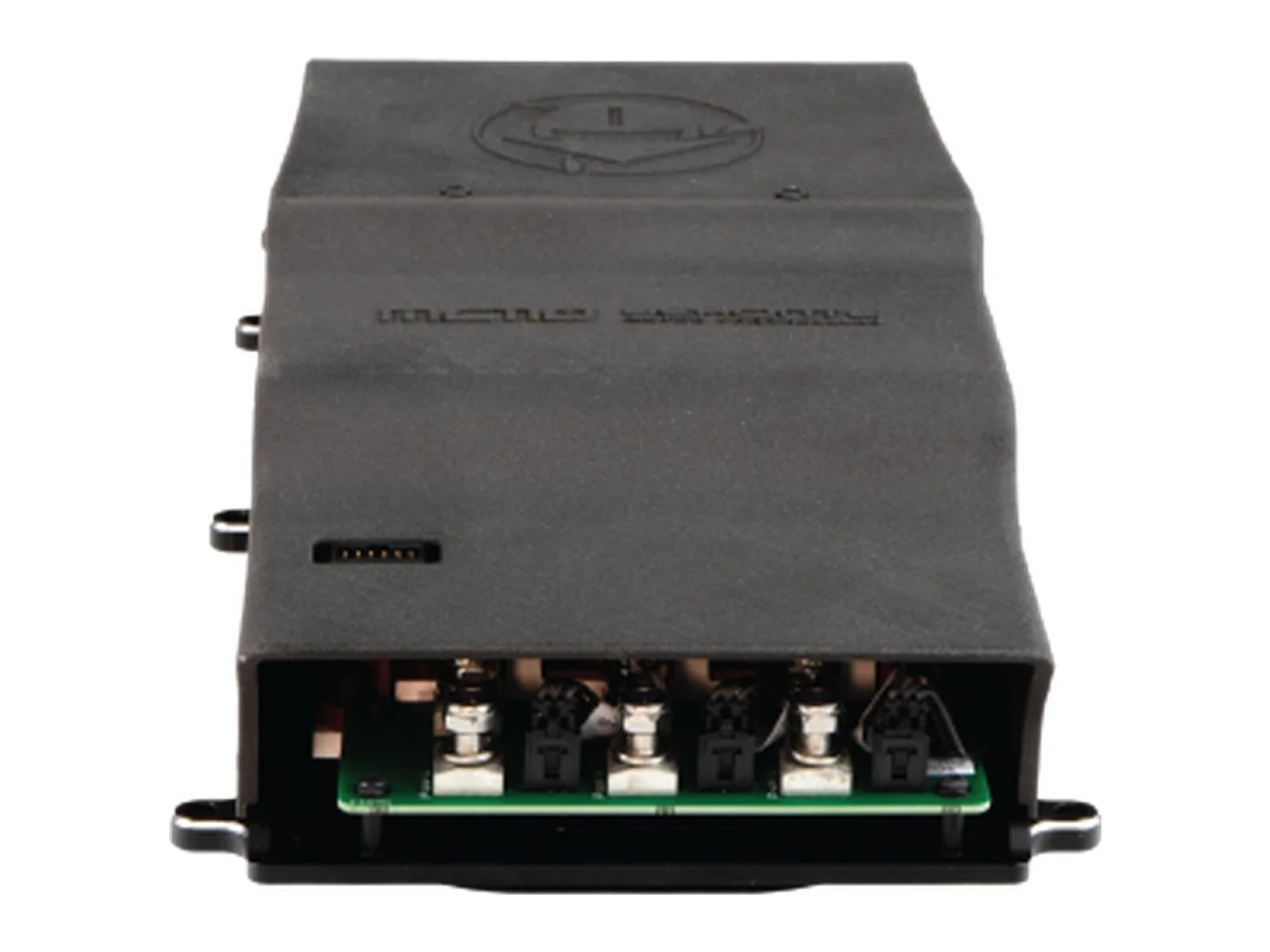
At small scale, ESCs are compact boards driven by PWM or digital protocols. Professional drones need controllers that report telemetry, survive vibration and temperature, and fail safely. eVTOL inverters run at hundreds of volts, use silicon carbide (SiC) power semiconductors for efficiency, and are designed with redundancy and certification in mind.
The controller must deliver the motor’s peak current with margin, at the full battery voltage range, and support its pole count and maximum electrical frequency. Many manufacturers specify tested combinations; integrated motor-drives remove the choice altogether. See electric motors and batteries.
Examples include KDE Direct and MGM Compro, alongside the inverters that some motor manufacturers supply with their machines.
Technically both are inverters that turn DC into three-phase AC. "ESC" is the usual name for small drone controllers; "inverter" or "motor controller" is used for high-voltage, high-power units such as those of eVTOL aircraft.
CAN is a digital bus that resists electrical noise, carries telemetry back to the flight controller and lets many controllers share one cable. PWM is simpler but one-way and more sensitive to interference.
A control method that regulates the motor current vector precisely, giving smoother torque, lower noise and better efficiency than simple trapezoidal commutation, especially at low speed.
A literature-based review of how axial-flux permanent-magnet machines are sized for direct-drive lift rotors: hover torque requirement, torque-sizing relations, design and optimisation methods, reported parameter ranges, fault behaviour and regulatory context.
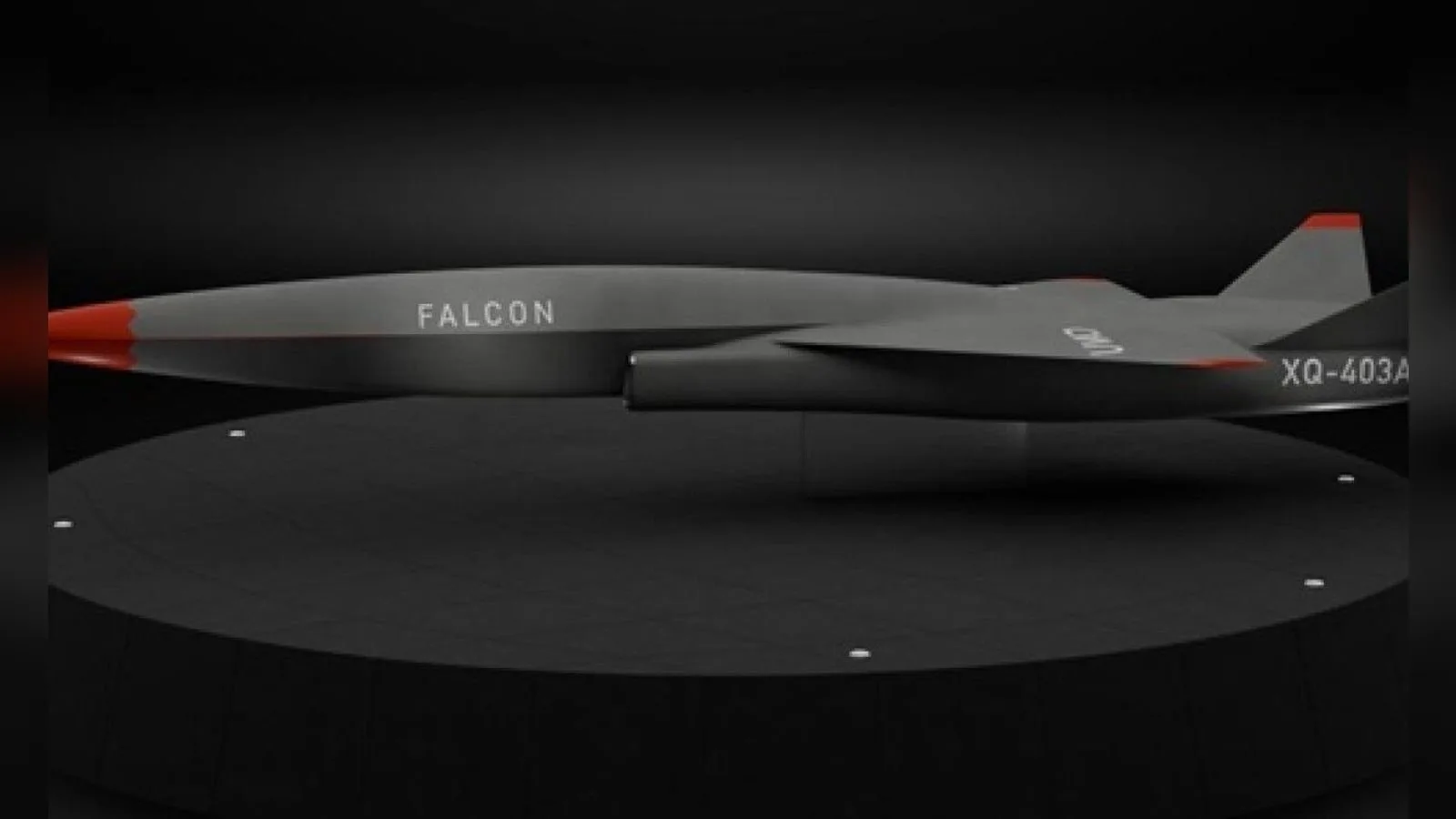
Falcon is a reusable supersonic uncrewed aerial target for missile-defense training, and its propulsion is the subject of a partnership between Safran Power Units and UVAD Technologies. Safran supplies two turbojet engines, and flight…

Honeywell Aerospace tests a 1 MW generator in a Mexicali test cell, and Flying Whales will integrate it into the hybrid-electric powertrain of its LCA60T airship. The unit reaches 1 MW steady state at 97% efficiency, giving…
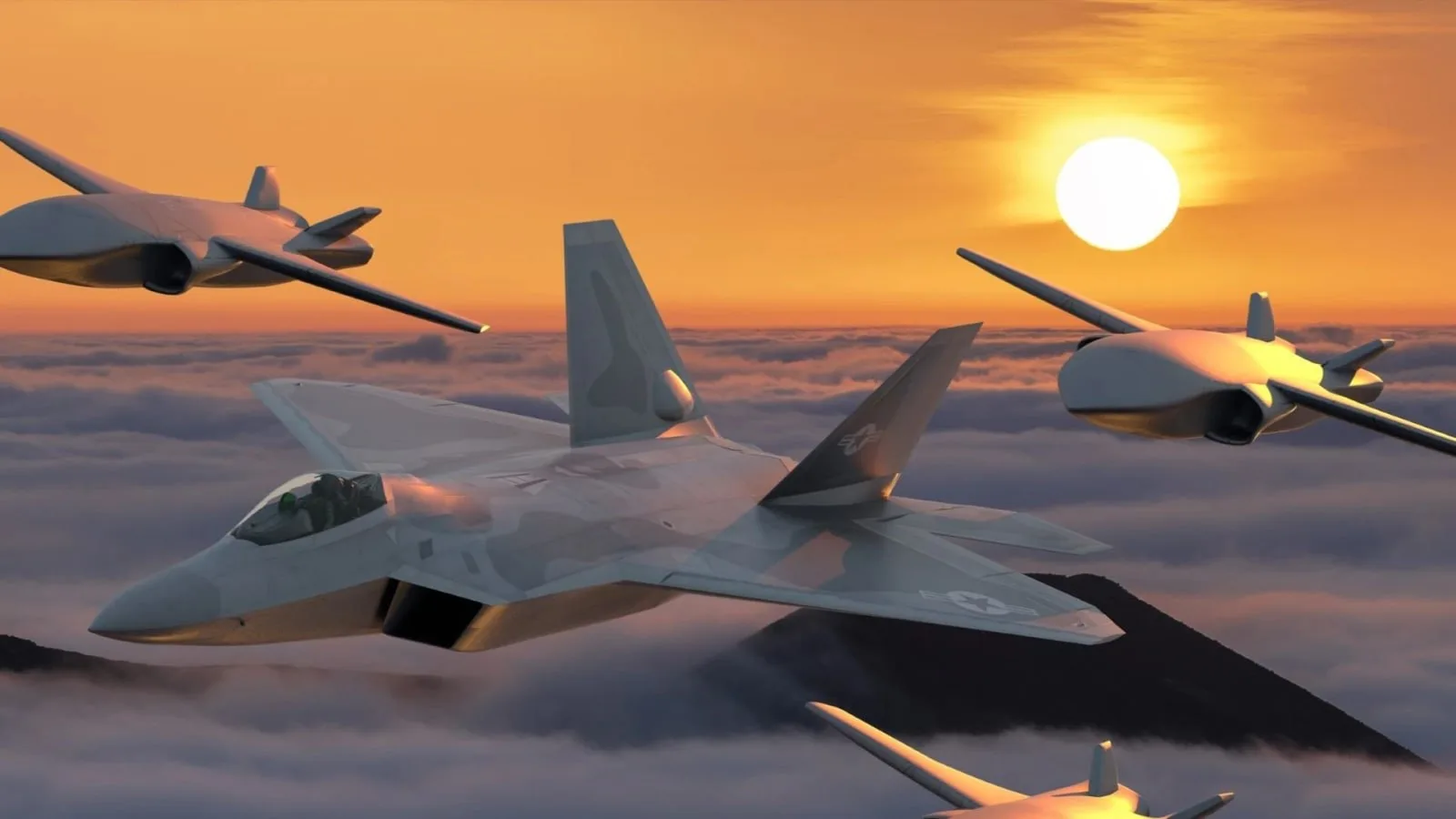
Honeywell Aerospace presents the HON1600, a small turbine engine it positions for the US Air Force's Collaborative Combat Aircraft (CCA) program, after a core engine run in September 2025. The Air Force has issued a request for proposals…