Featured
Flight controllers
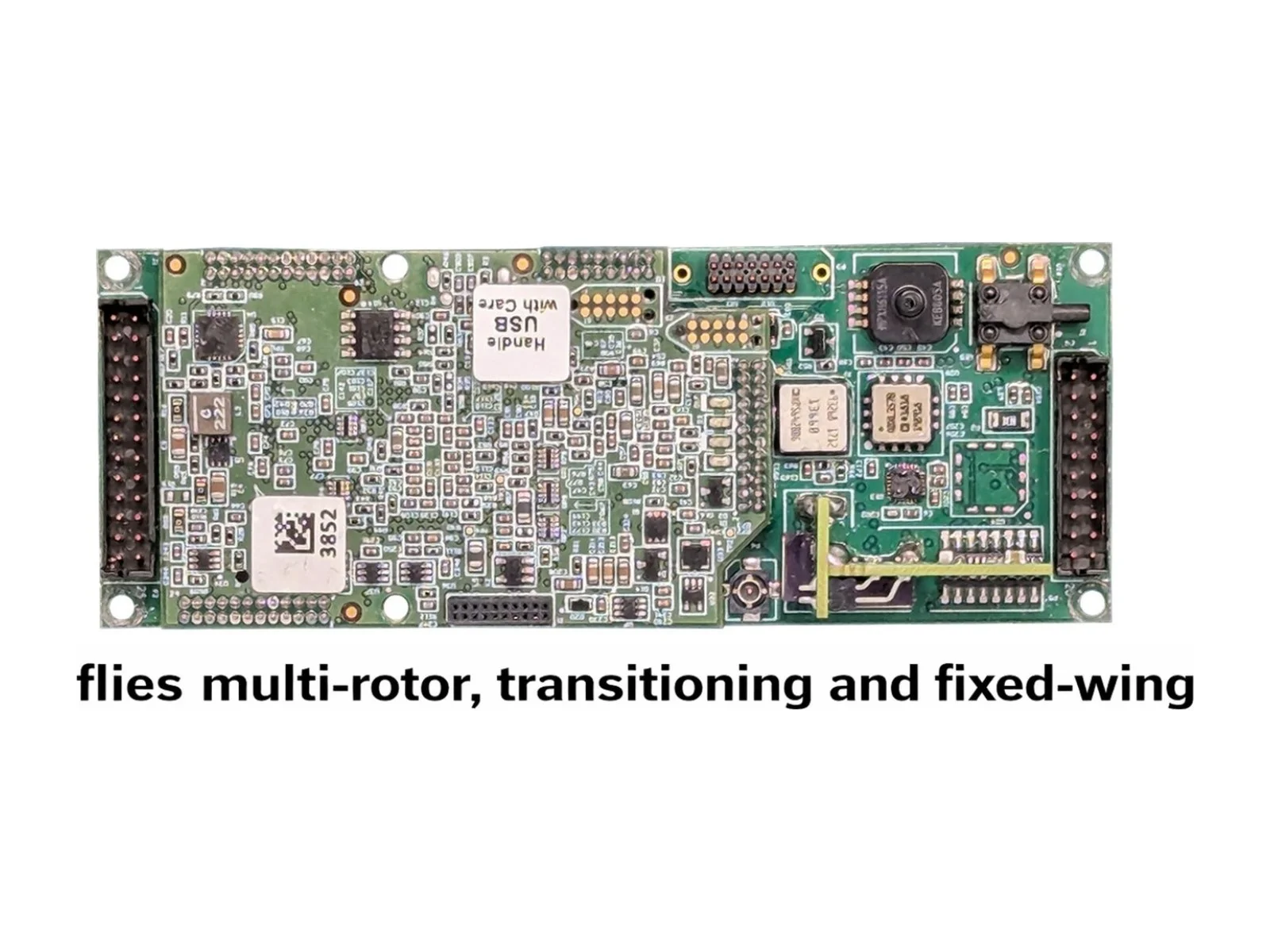
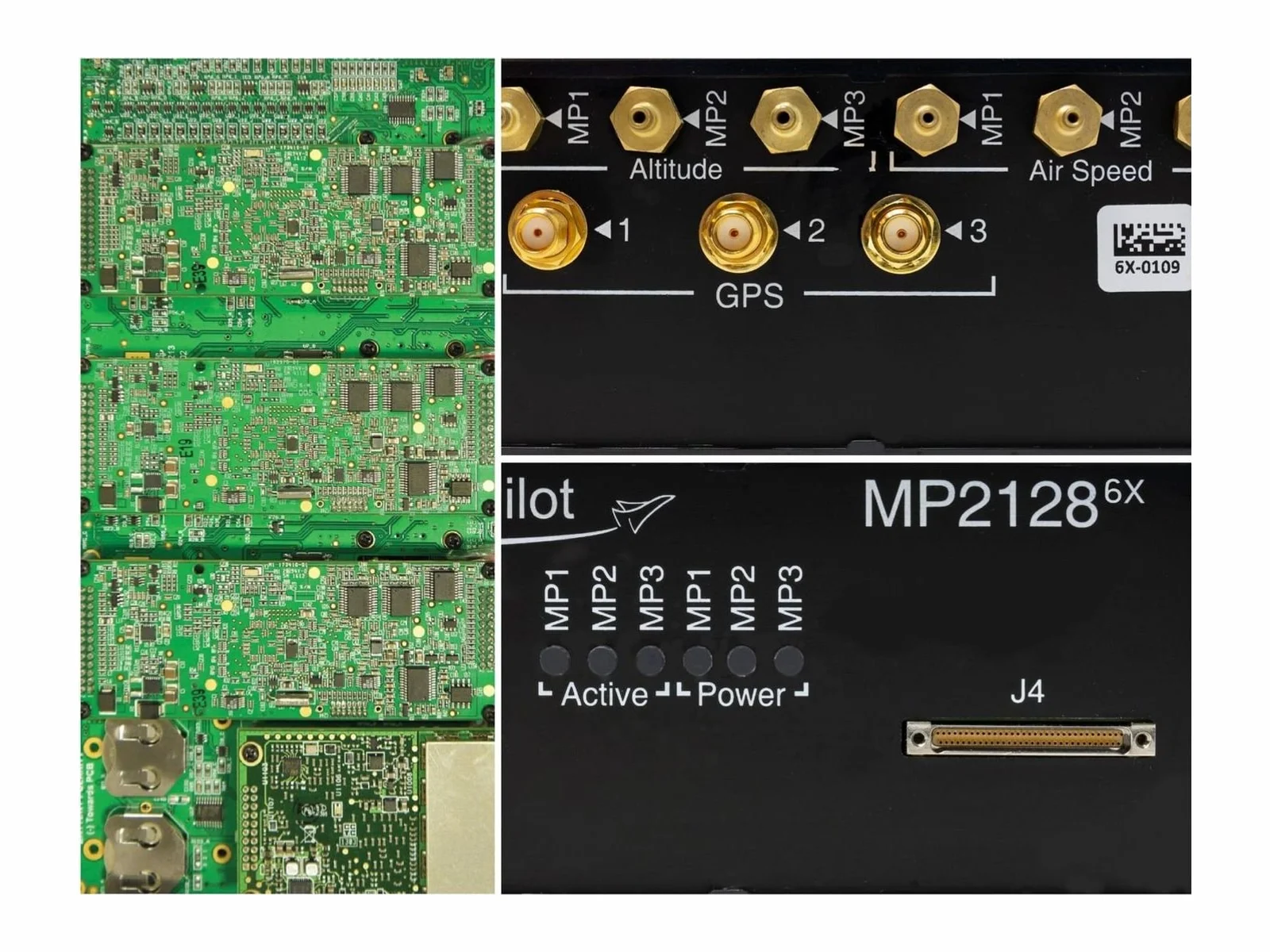
MP2128g2 flight-control computer
- Grade
- Professional
- Market
- Dual-use
- Availability
- In production
What processes data and decides how the vehicle flies and navigates. Flight controllers, mission computers, navigation systems and detect and avoid systems for safe operation inside and outside segregated airspace.
Filters

Try removing a filter.



Updated November 3, 2026
Avionics are the electronic systems that sense, compute and decide how the vehicle flies. On an uncrewed aircraft they replace much of what a pilot does; on a piloted eVTOL they share the work with the pilot and must meet the safety objectives of crewed aviation.
| System | Role | Subcategory |
|---|---|---|
| Flight controller | Stabilises the vehicle and follows the flight plan | Flight controllers |
| Mission computer | Runs autonomy, perception and payload processing | Mission computers |
| Visual navigation | Navigates when GNSS is unavailable or degraded | Visual navigation |
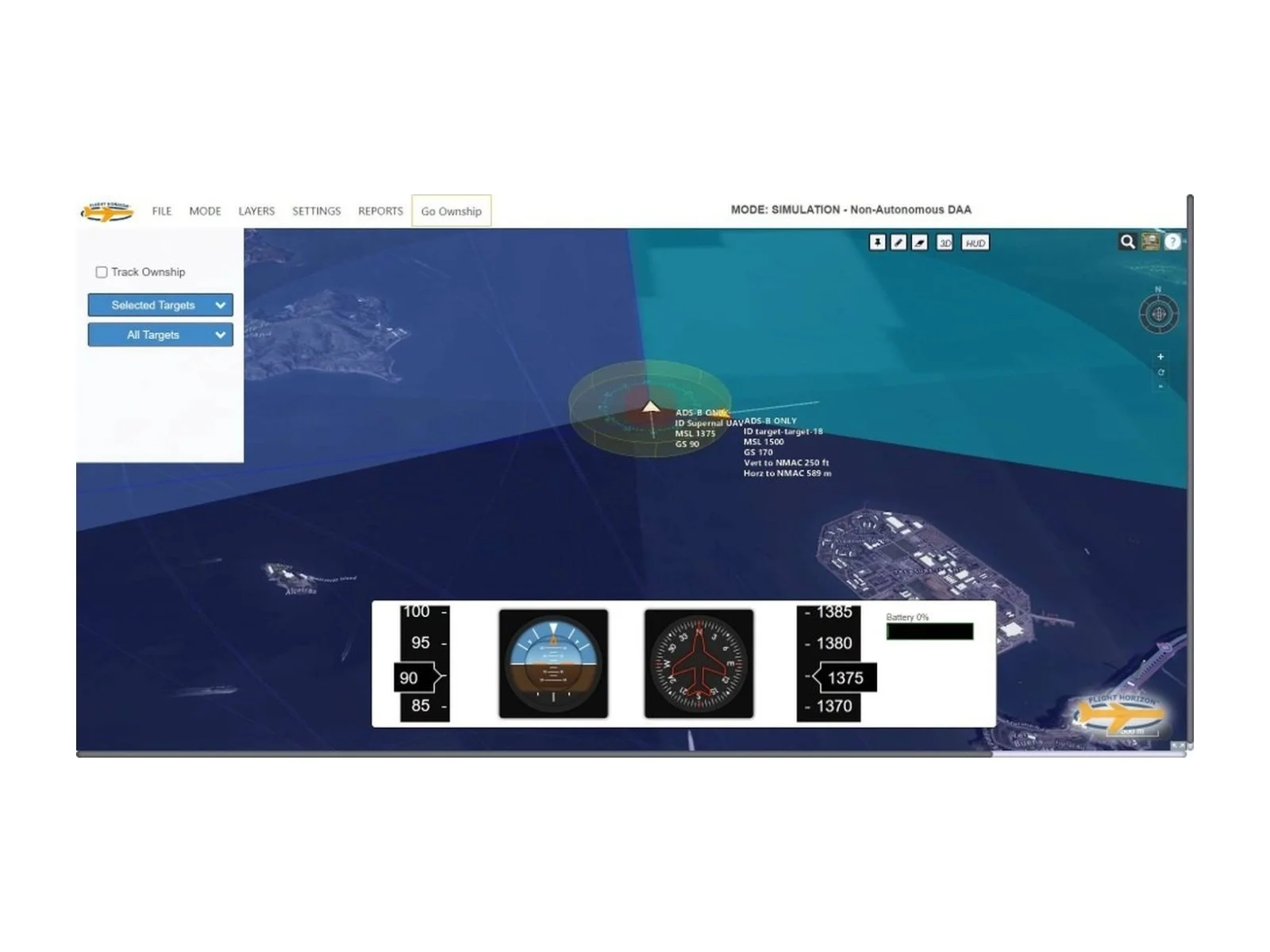
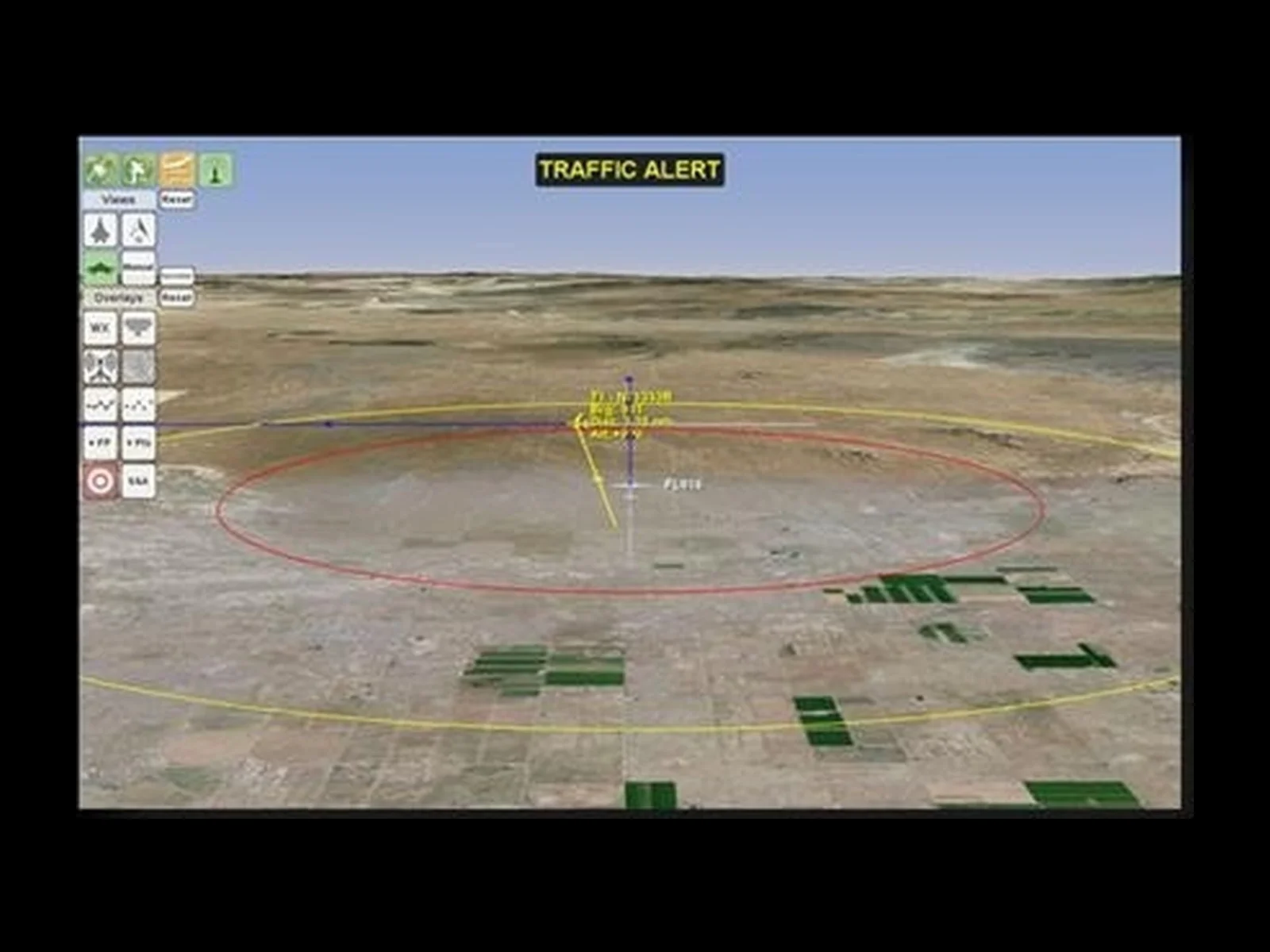
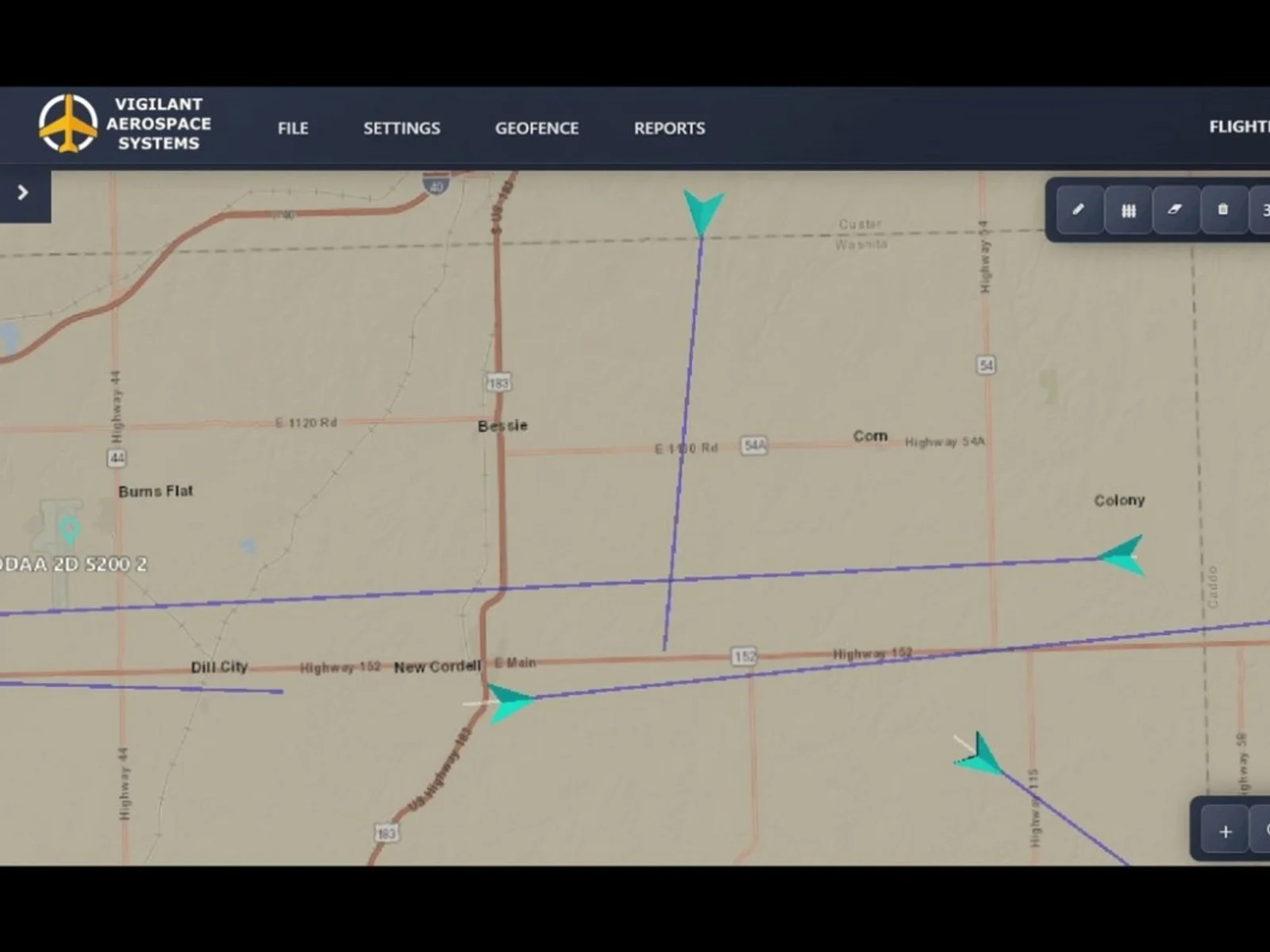
| Detect and avoid | Spots traffic and obstacles and avoids them | Detect and avoid |
| I/O converters | Connect sensors and actuators over the right buses | I/O converters |
| Flight deck | Displays and controls for the pilot | Flight deck systems |
The avionics depend on sensors for their inputs and on communications to stay connected with the ground.
The flight controller keeps the vehicle stable and on its flight path, with hard real-time and safety requirements. The mission computer runs heavier, less critical tasks such as perception, AI and payload processing, and sends high-level commands to the flight controller.
Standards for the development of airborne software (DO-178C) and complex electronic hardware (DO-254). Certification authorities accept them as the way to show that avionics are developed with the rigour their criticality requires.
A level from A (most critical) to E assigned to each function according to the effect of its failure. The higher the level, the more demanding the development and verification process.

Honeywell Aerospace presents results from demonstrations of celestial-, vision- and magnetic-aided navigation that support inertial systems when GNSS signals are lost. Its star-tracker based system matches GNSS-INS performance under…
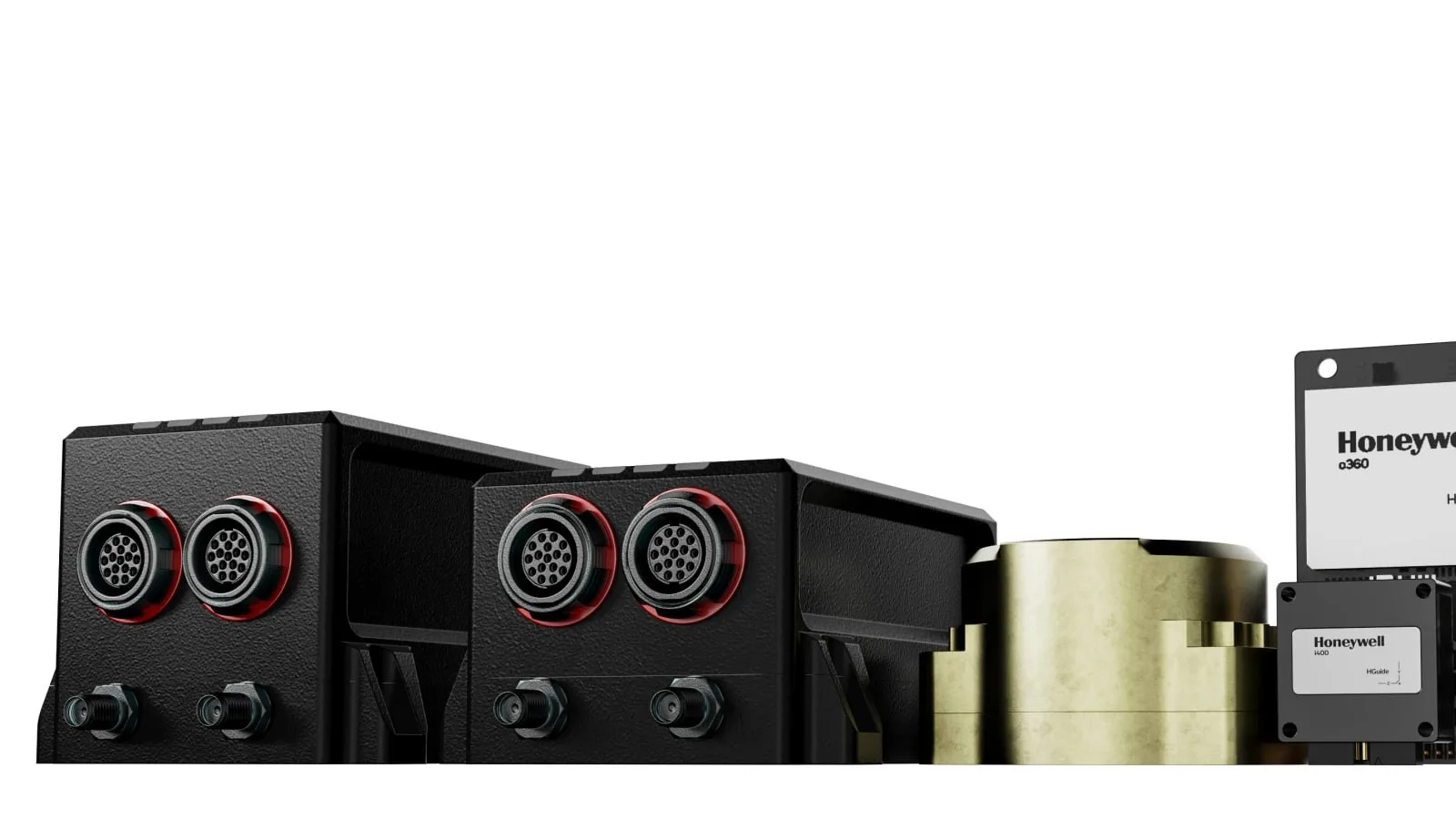
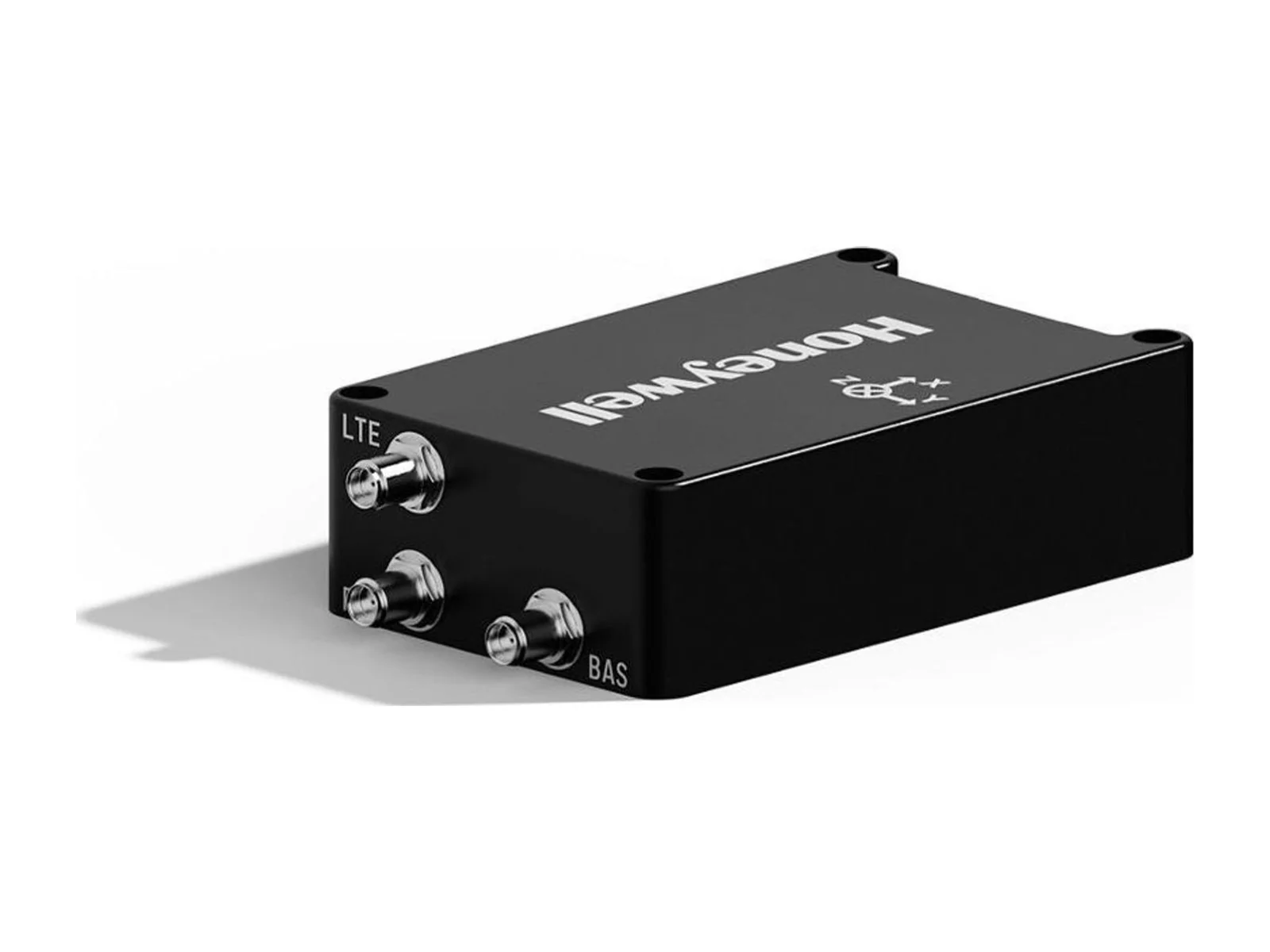
Honeywell Aerospace offers the HGuide o480, a 26-gram INS/GNSS navigator for attritable military platforms and industrial uses. The unit pairs an IMU and a GNSS receiver with AIM+ anti-jamming, and it is available globally without export…
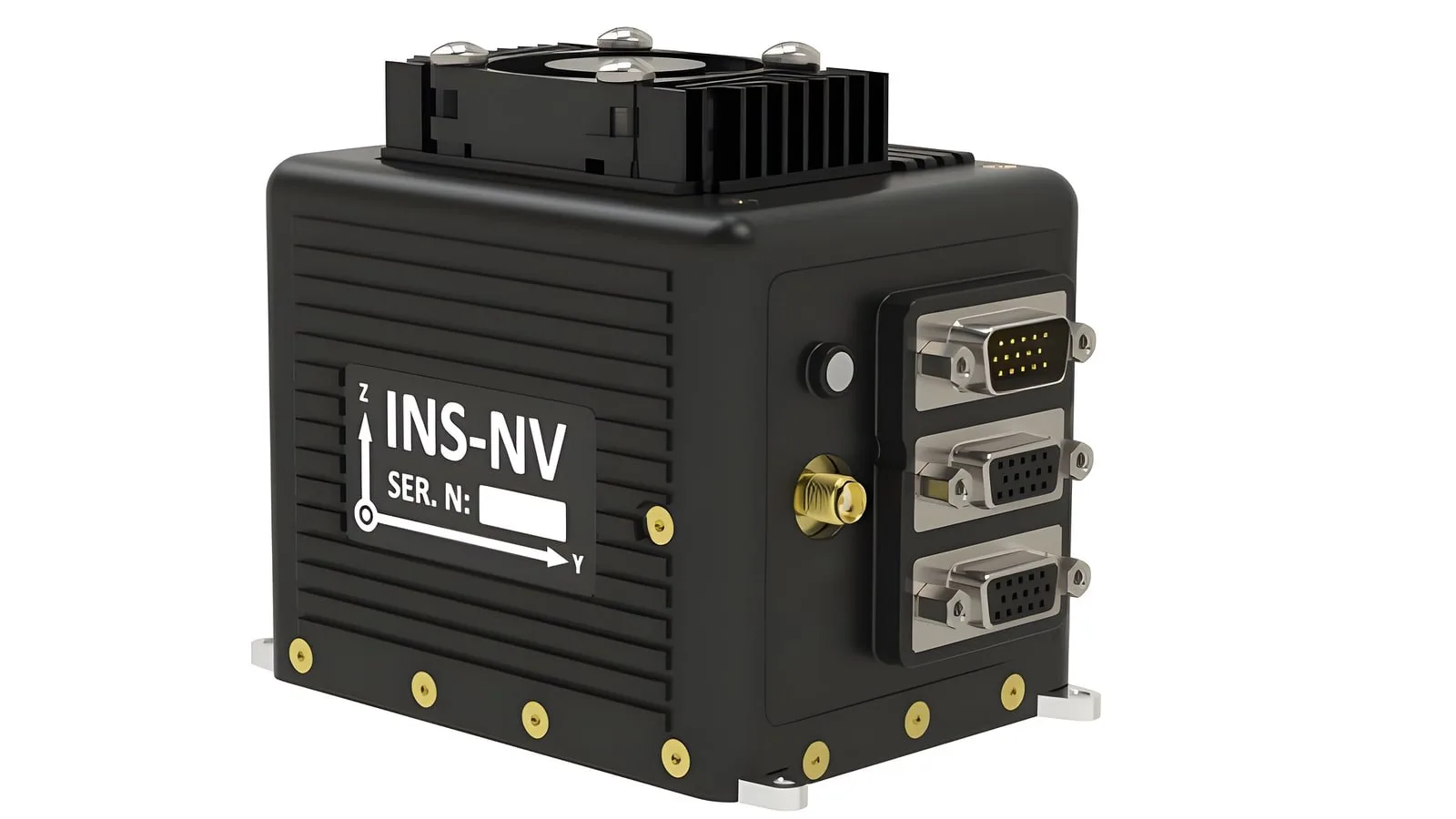
The INS-NV is a new programmable platform from Inertial Labs, which belongs to VIAVI, and it pairs an NVIDIA Jetson Orin NX module with an inertial navigation system and an AHRS. Developers of alternative PNT and visual navigation systems…