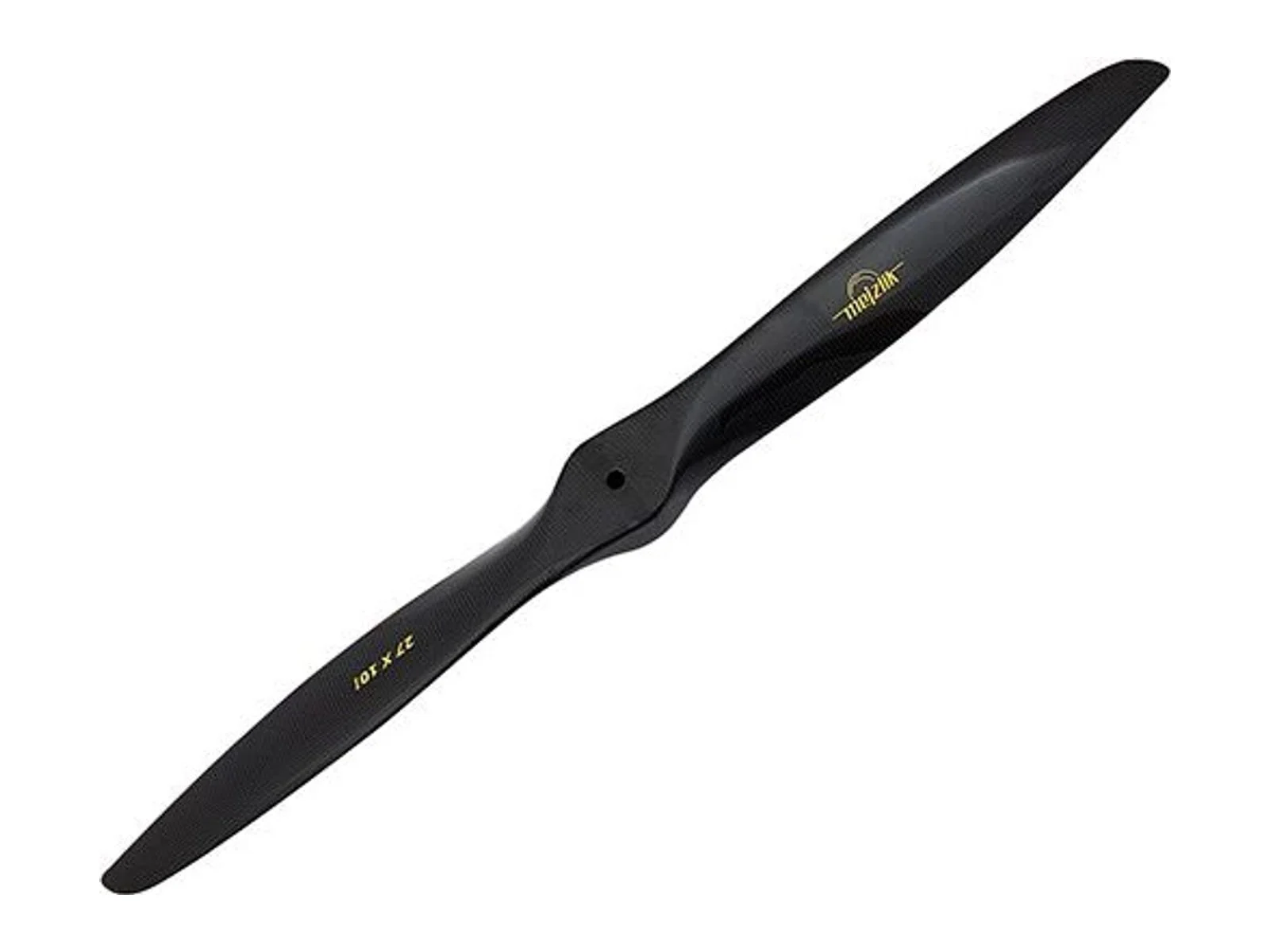
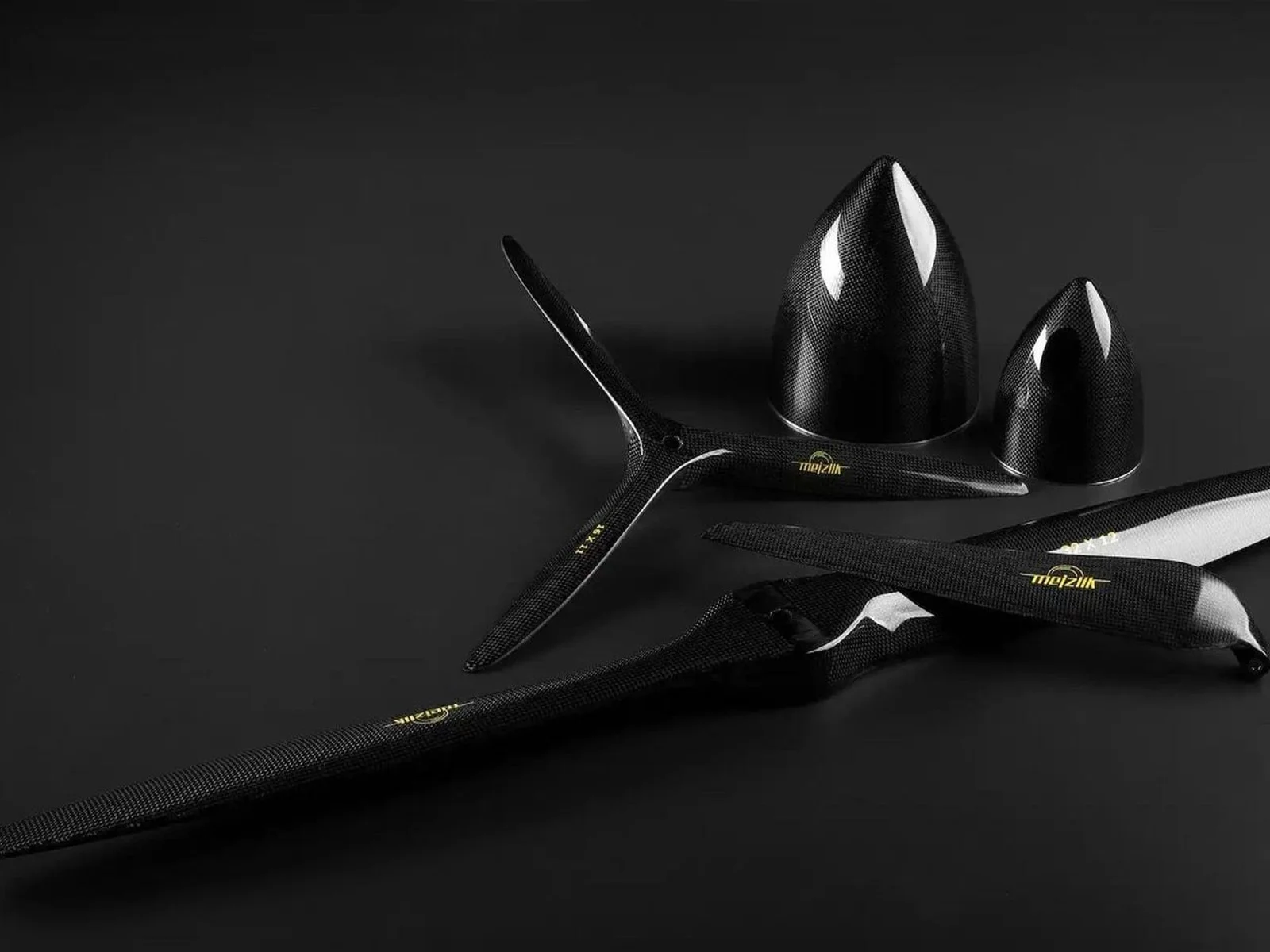
Fixed-pitch carbon UAV propellers is an aircraft propeller offering that turns rotational shaft power into aerodynamic thrust. It is intended for a propulsion installation where the blade configuration and operating limits are matched to the engine and airframe.
The Fixed-pitch carbon UAV propellers is an aircraft propeller from Mejzlik with professional grade and carbon-fibre material. Mejzlik fixed-pitch carbon UAV propellers are carbon-fibre aircraft propellers from Mejzlik Propellers, made in Brno, for fixed-wing aircraft and multirotor or multicopter UAVs, and offered as standard catalogue sizes or custom designs.
A fixed-pitch propeller has a blade angle set during manufacture, so it turns shaft power into thrust with no pitch mechanism, which keeps the installation light, simple and cheap to maintain. The blades are made of carbon fibre laminate, chosen for its strength-to-weight ratio, and the maker states that thousands of its propellers are in service worldwide. The company designs each propeller with its own calculation software and carries out simulation, production and testing at one site, which allows a propeller to be matched to a specific motor and airframe.
The figures an integrator needs are in the product sheet of each model, which gives diameter, pitch, maximum RPM, working temperature, material, weight and the quality procedure applied. The sheets and the propeller calculators are available on the maker's technical-data pages. The RPM limit is a hard limit: running beyond 110% of the maximum defined RPM calls for a special inspection, and the propeller must not be held in its natural-frequency region, although a quick pass through it is allowed.
Installation follows a defined sequence. The propeller is placed on a clean, dry motor or engine shaft, and its drilling pattern is aligned with the hub flange. The direction must match the motor: a counterclockwise motor in puller configuration takes a CCW propeller, and the same motor in pusher configuration takes a CW propeller. The bolts are tightened to a torque calculated from the hub bearing stress limit of 50 MPa, with 70% to 80% of the maximum torque, and the torque is checked after 0.5, 2.5 and 10 hours and then every 50 hours. Balancing and vent holes are part of the hub design.
For quality, Mejzlik holds ISO 9001 certification and each propeller comes with a certificate of conformance after visual, balance, dimensional and functional checks. Maintenance is a visual inspection before every flight, covering blade roots, leading and trailing edges and hub fixings. Scratches are acceptable, but cracks or damage beyond scratches cannot be repaired and call for replacement. Storage is between -20 °C and +60 °C at up to 80% relative humidity, with the propeller horizontal and the hub supported.
Typical applications are fixed-wing and multirotor UAV platforms, including delivery, inspection, agriculture, mapping and high-altitude aircraft, in either puller or pusher layouts.
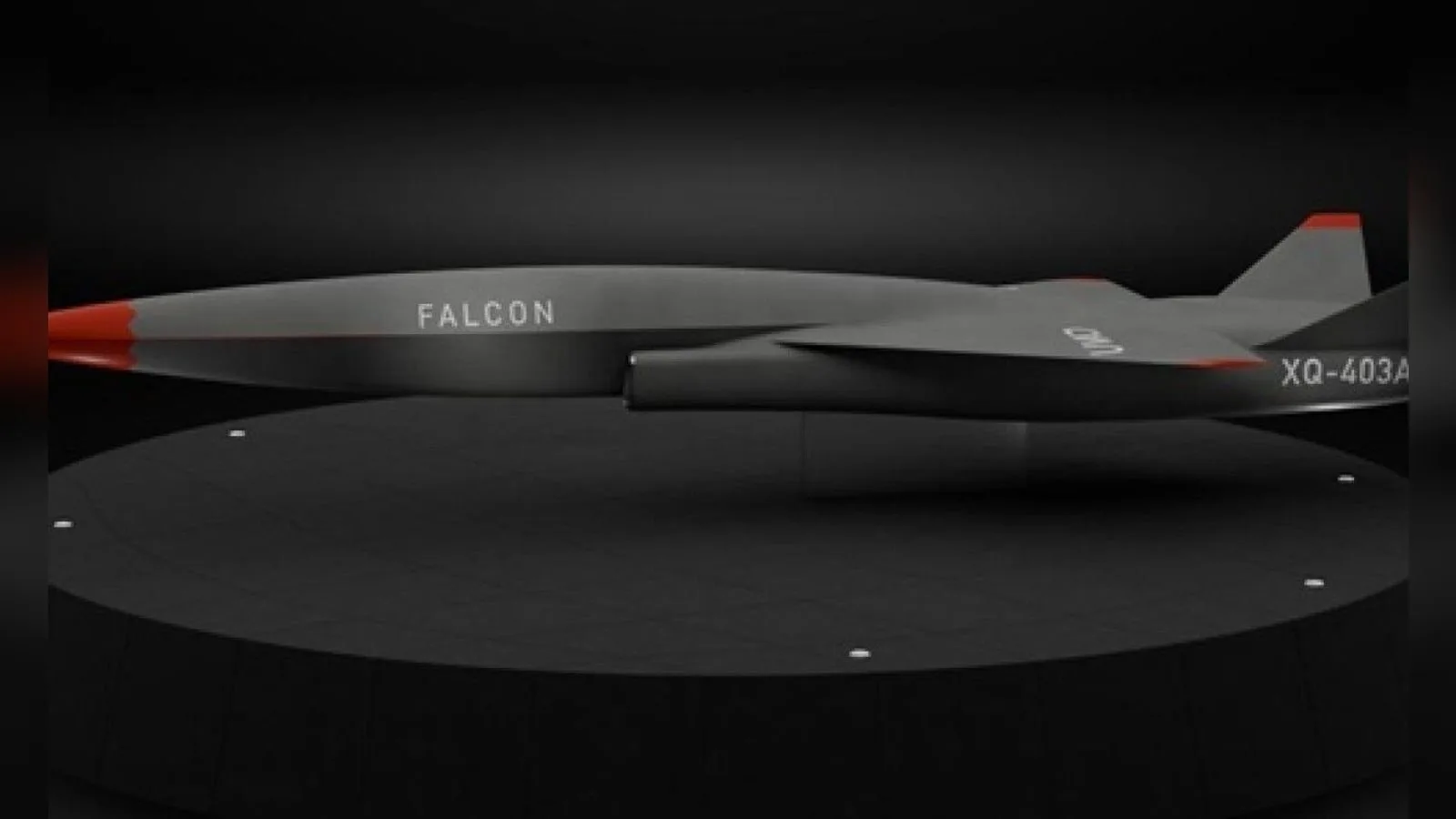
Falcon is a reusable supersonic uncrewed aerial target for missile-defense training, and its propulsion is the subject of a partnership between Safran Power Units and UVAD Technologies. Safran supplies two turbojet engines, and flight…
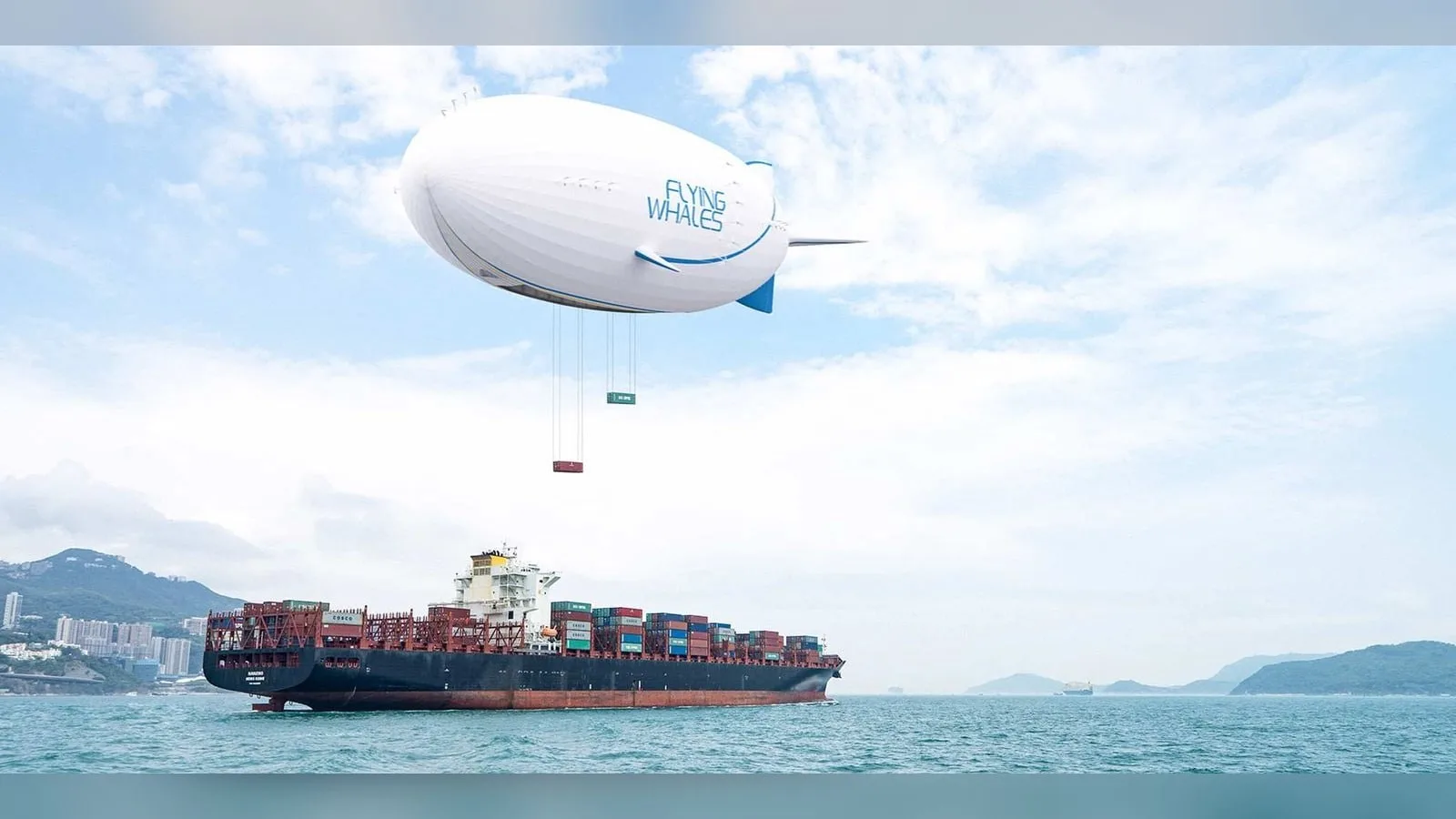
Honeywell Aerospace tests a 1 MW generator in a Mexicali test cell, and Flying Whales will integrate it into the hybrid-electric powertrain of its LCA60T airship. The unit reaches 1 MW steady state at 97% efficiency, giving…
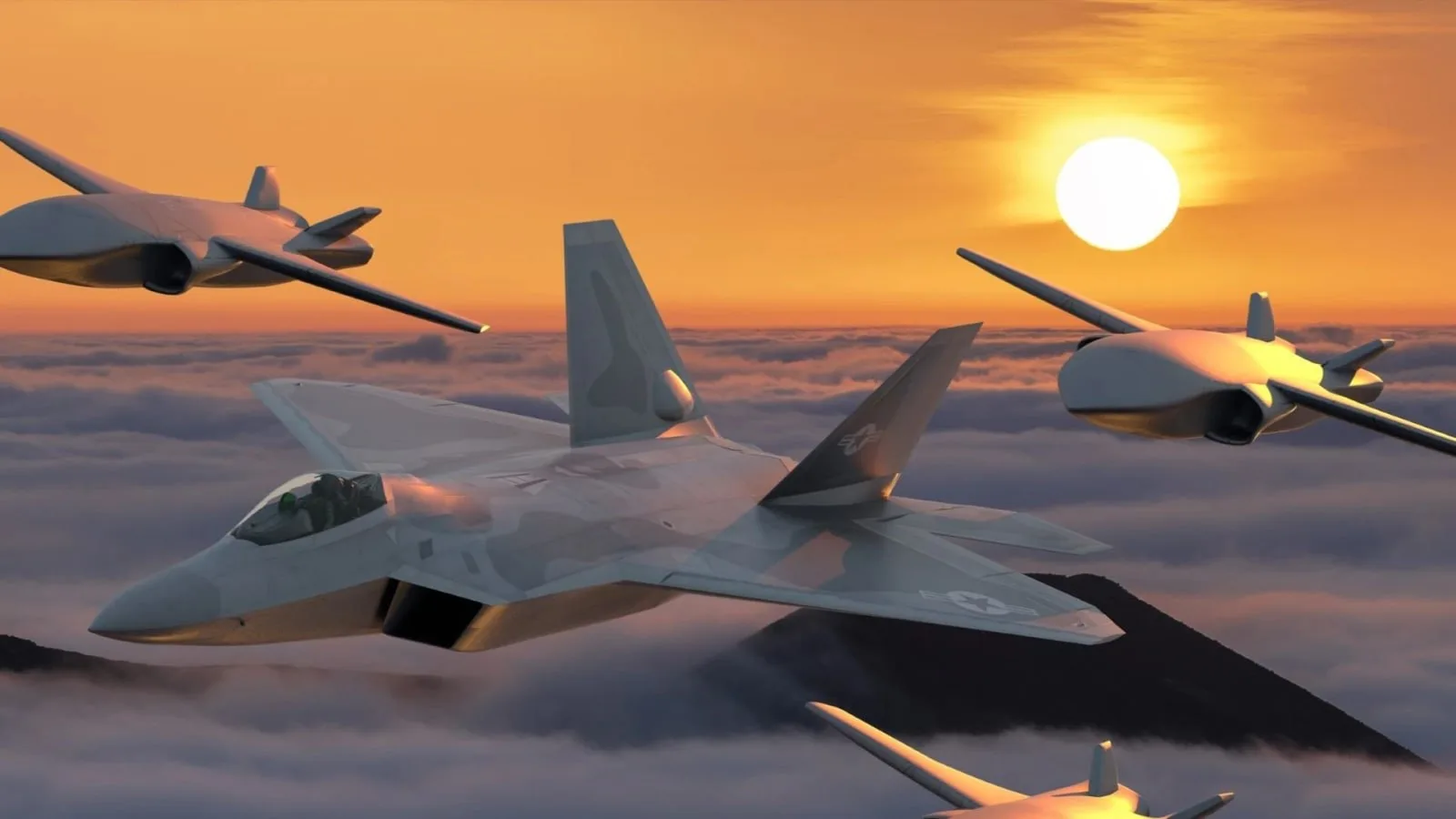
Honeywell Aerospace presents the HON1600, a small turbine engine it positions for the US Air Force's Collaborative Combat Aircraft (CCA) program, after a core engine run in September 2025. The Air Force has issued a request for proposals…










 FeaturedPropellers
 FeaturedPropellers