Mission computers for drones
Onboard computers that process sensor data, run autonomy and AI algorithms and manage the payload.
Filters
Products
Featured
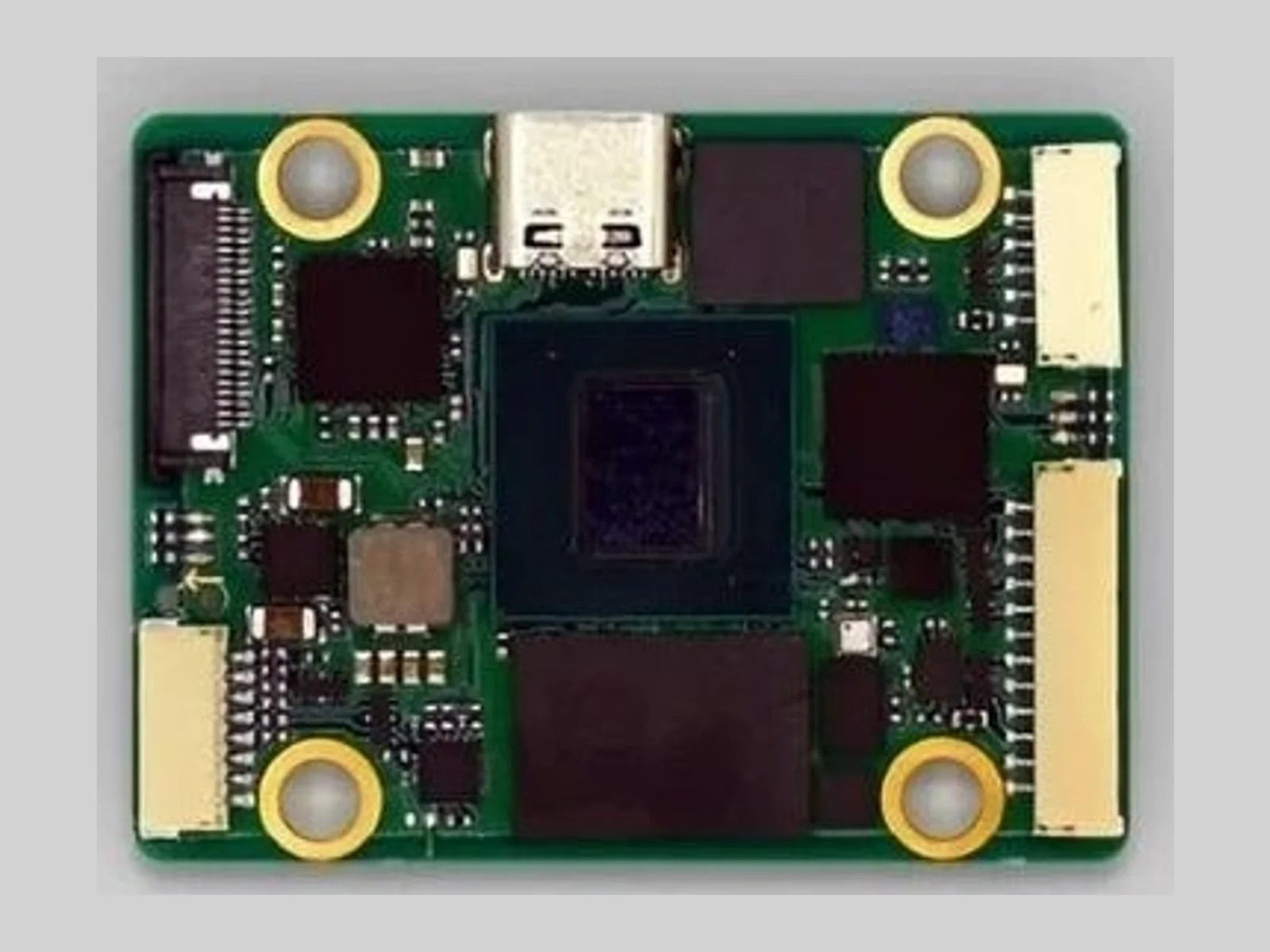
FeaturedMission computersA179 Lightning embedded mission computer
- AI performance
- 21 TOPS
- RAM
- 8 GB
- Grade
- Professional
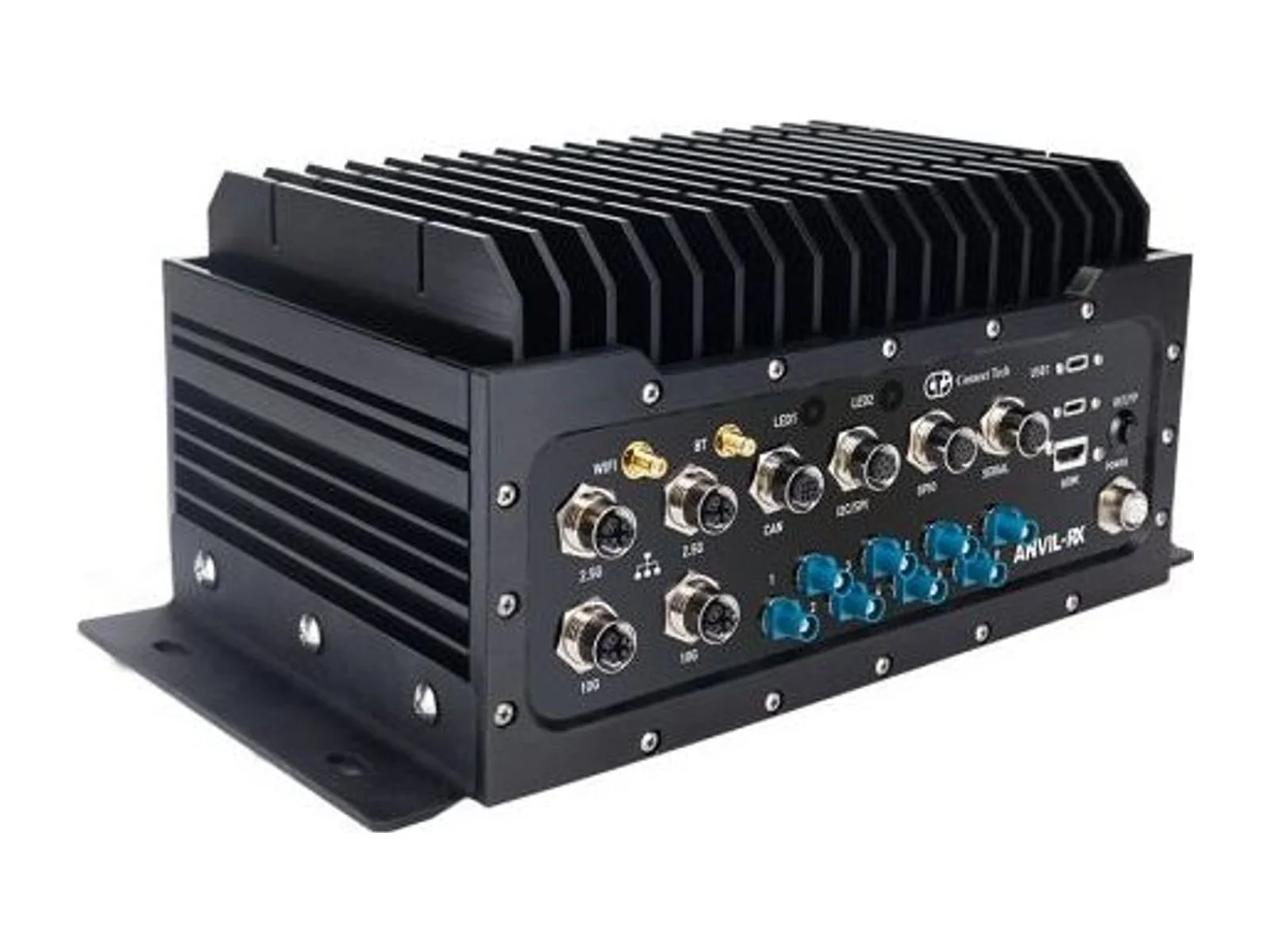
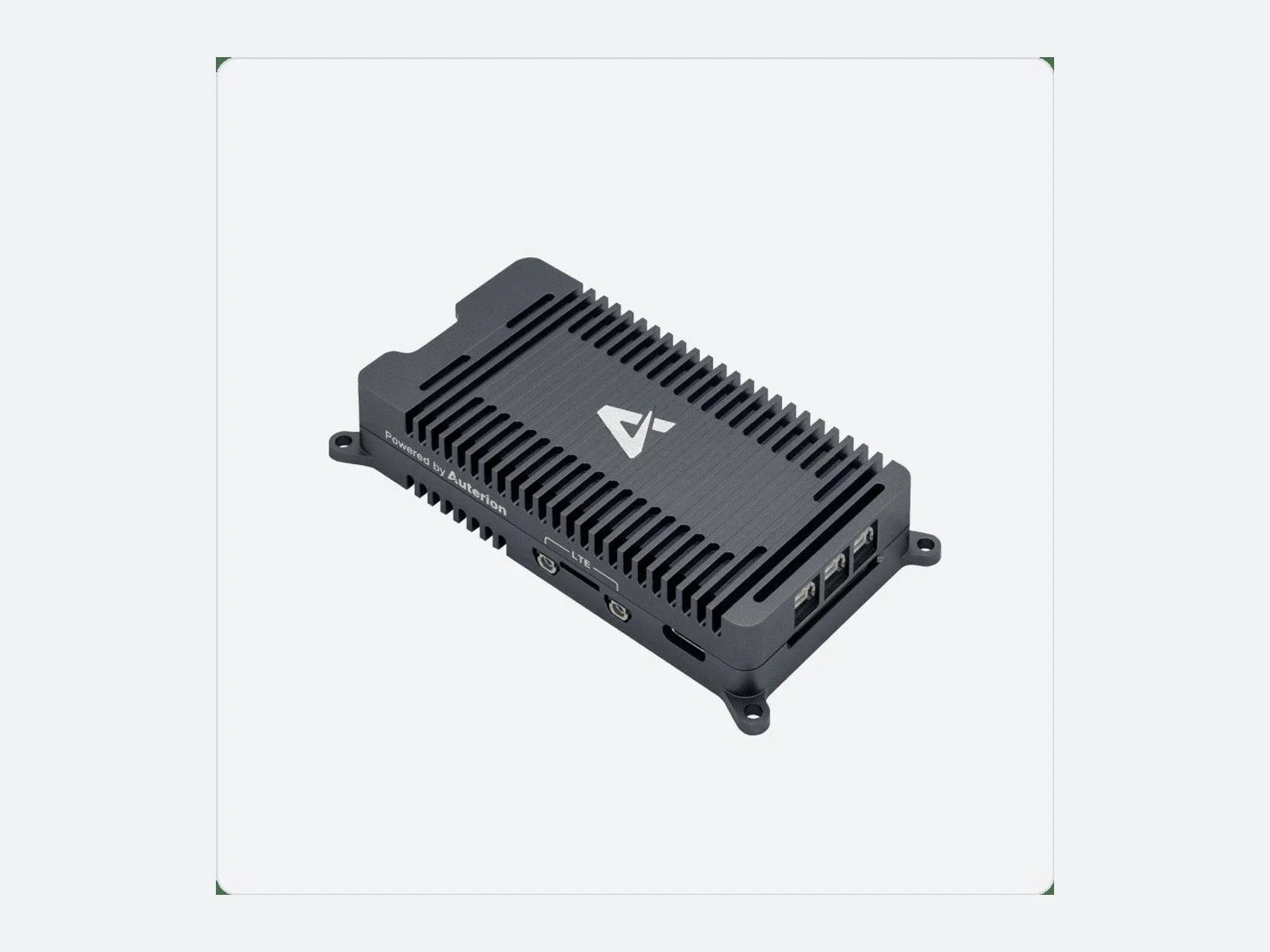
FeaturedMission computersAnvil-RX embedded mission computer
- Grade
- Professional
- Market
- Civil
- Availability
- In production
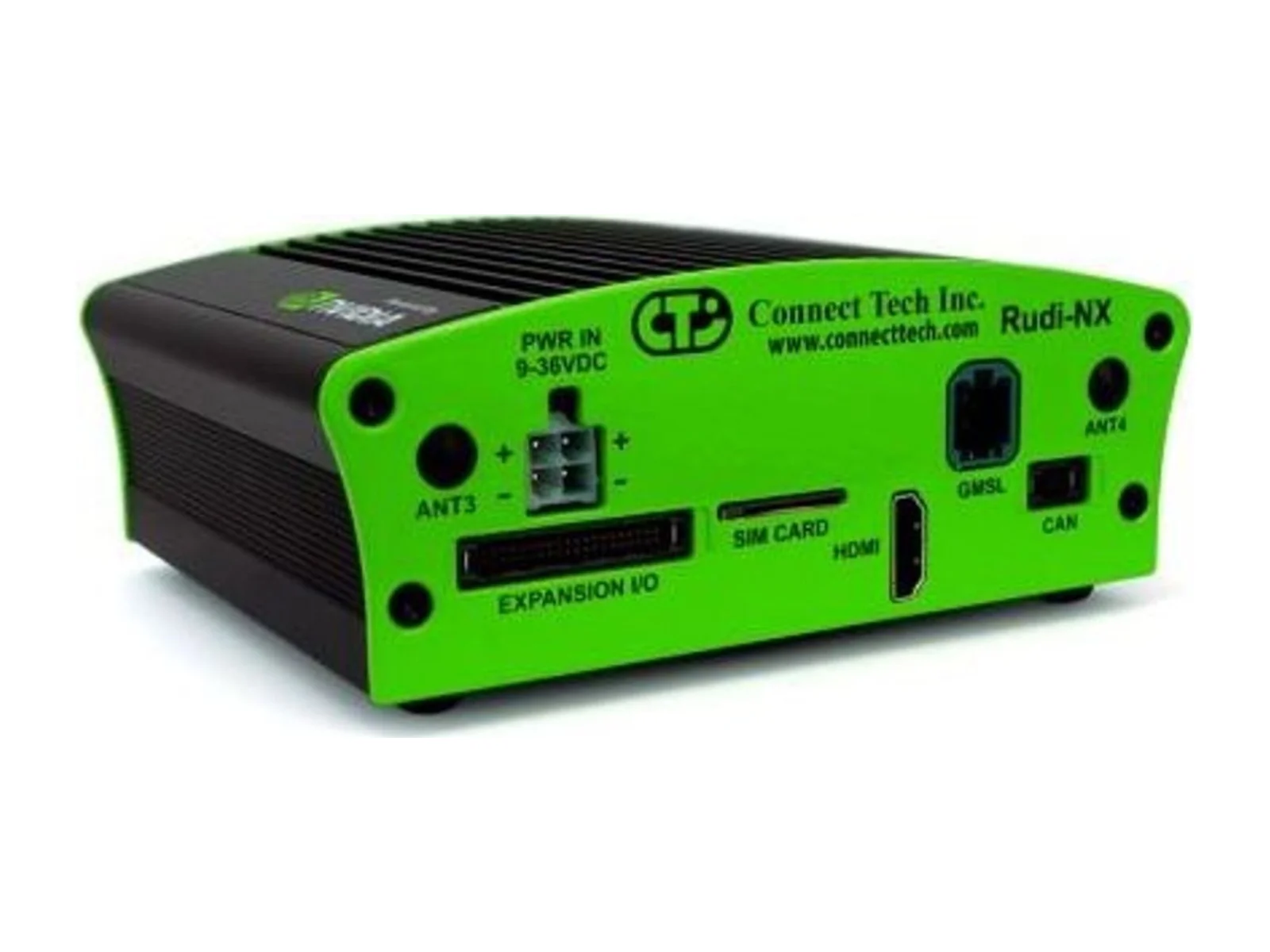
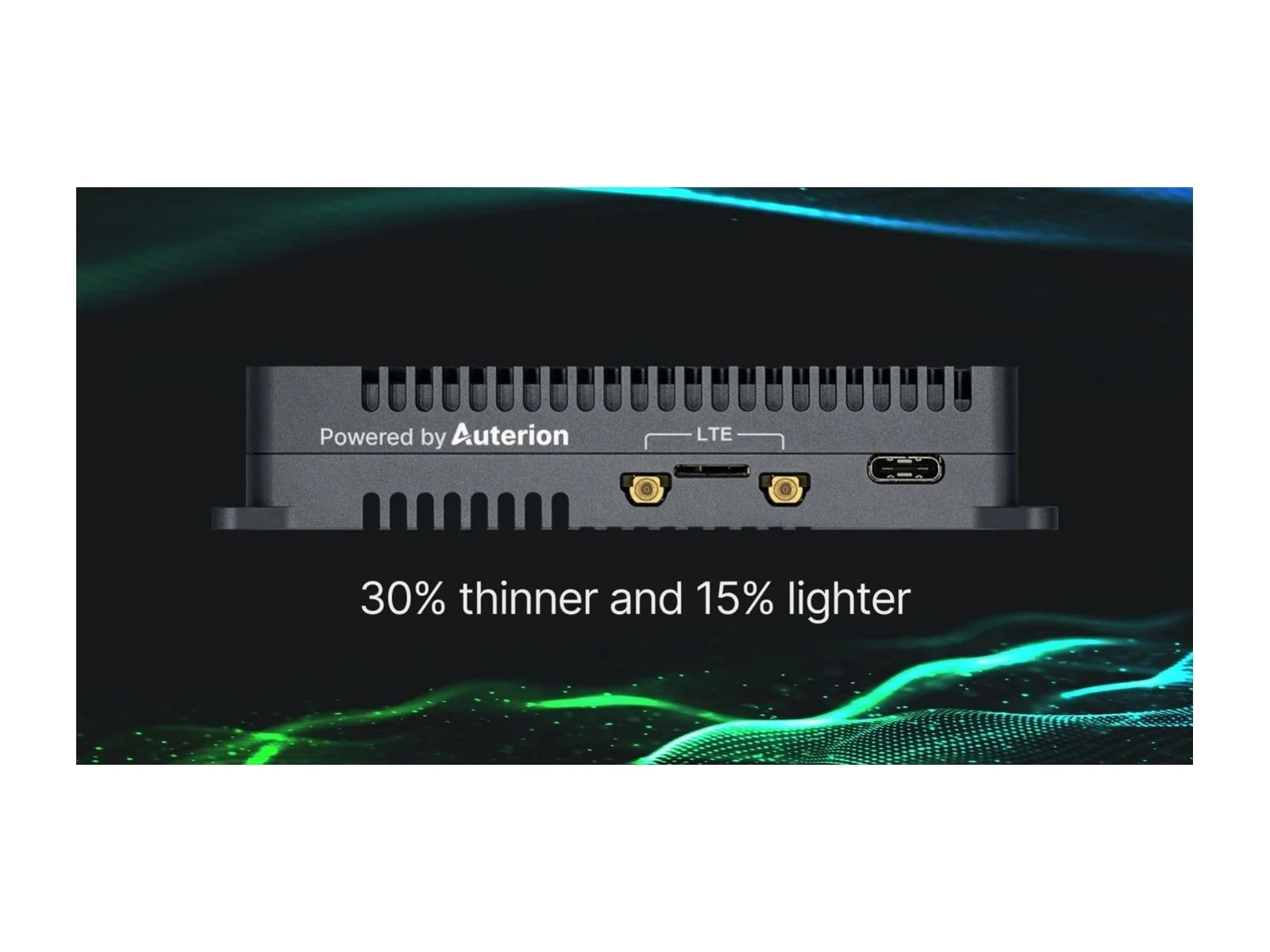
FeaturedMission computersRudi-NX embedded mission computer
- Grade
- Professional
- Market
- Dual-use
- Availability
- In production
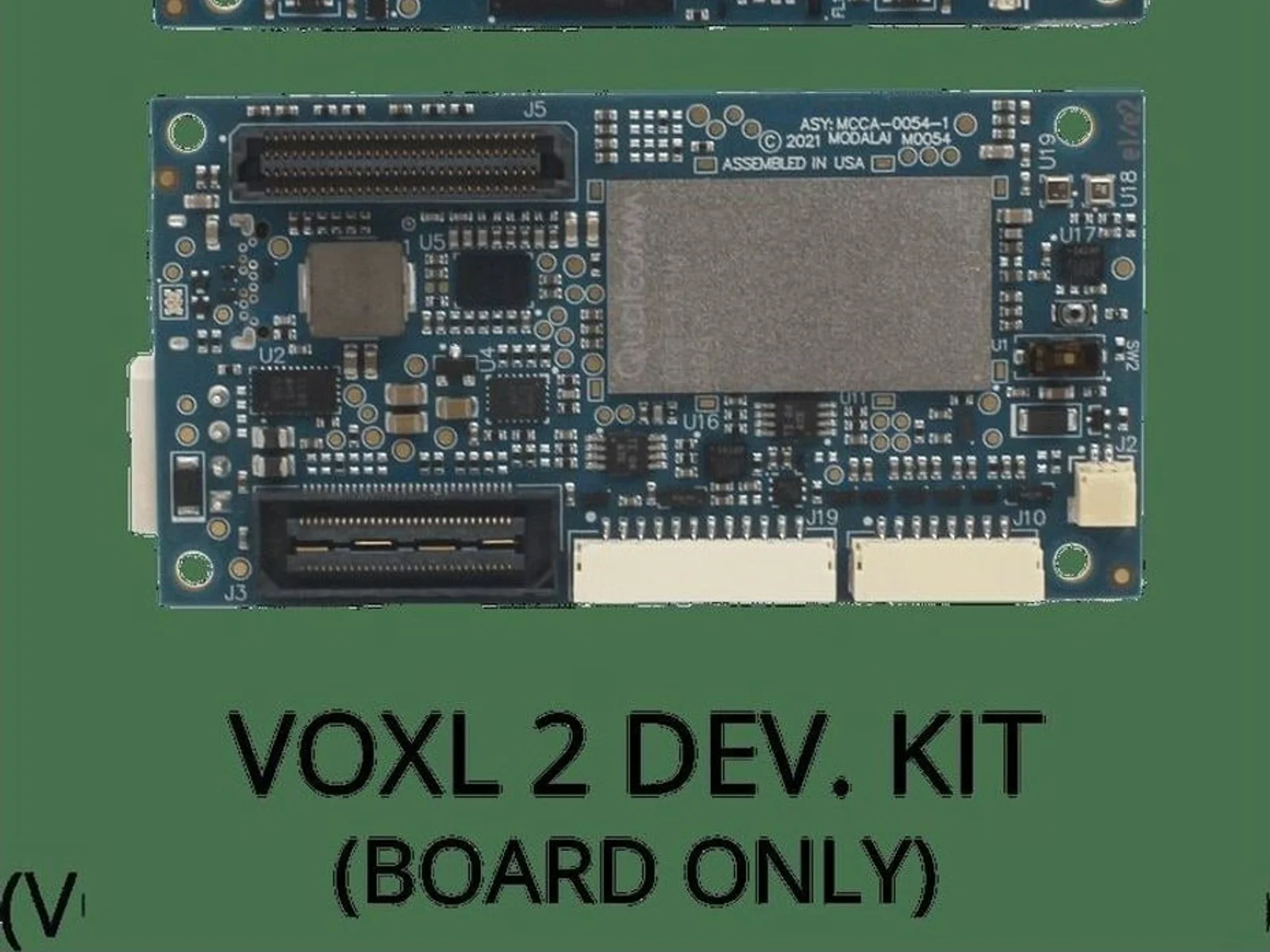
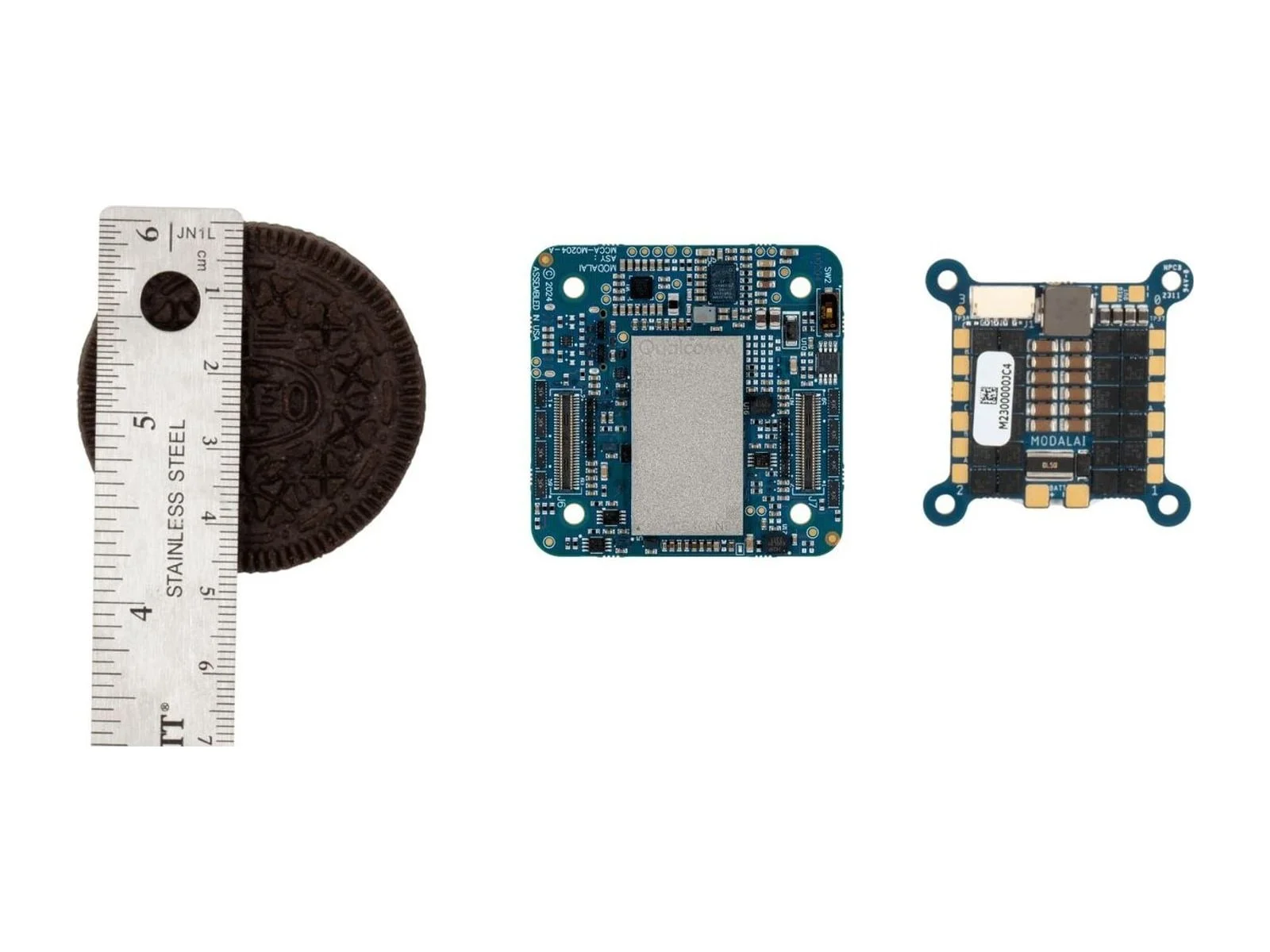
FeaturedMission computersVOXL 2 AI companion computer and flight controller
- AI performance
- 15 TOPS
- RAM
- 8 GB
- Grade
- Professional
Featured
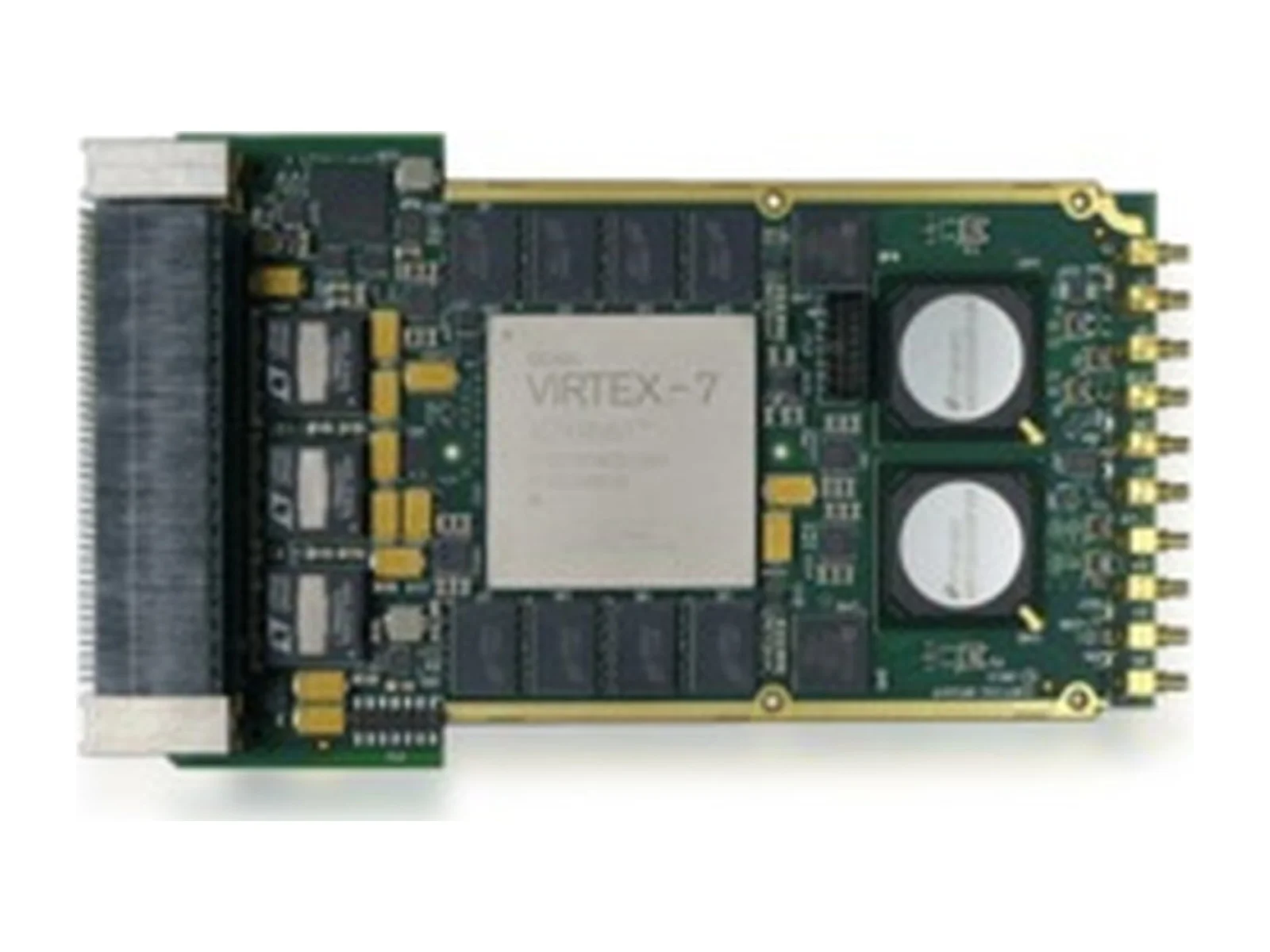
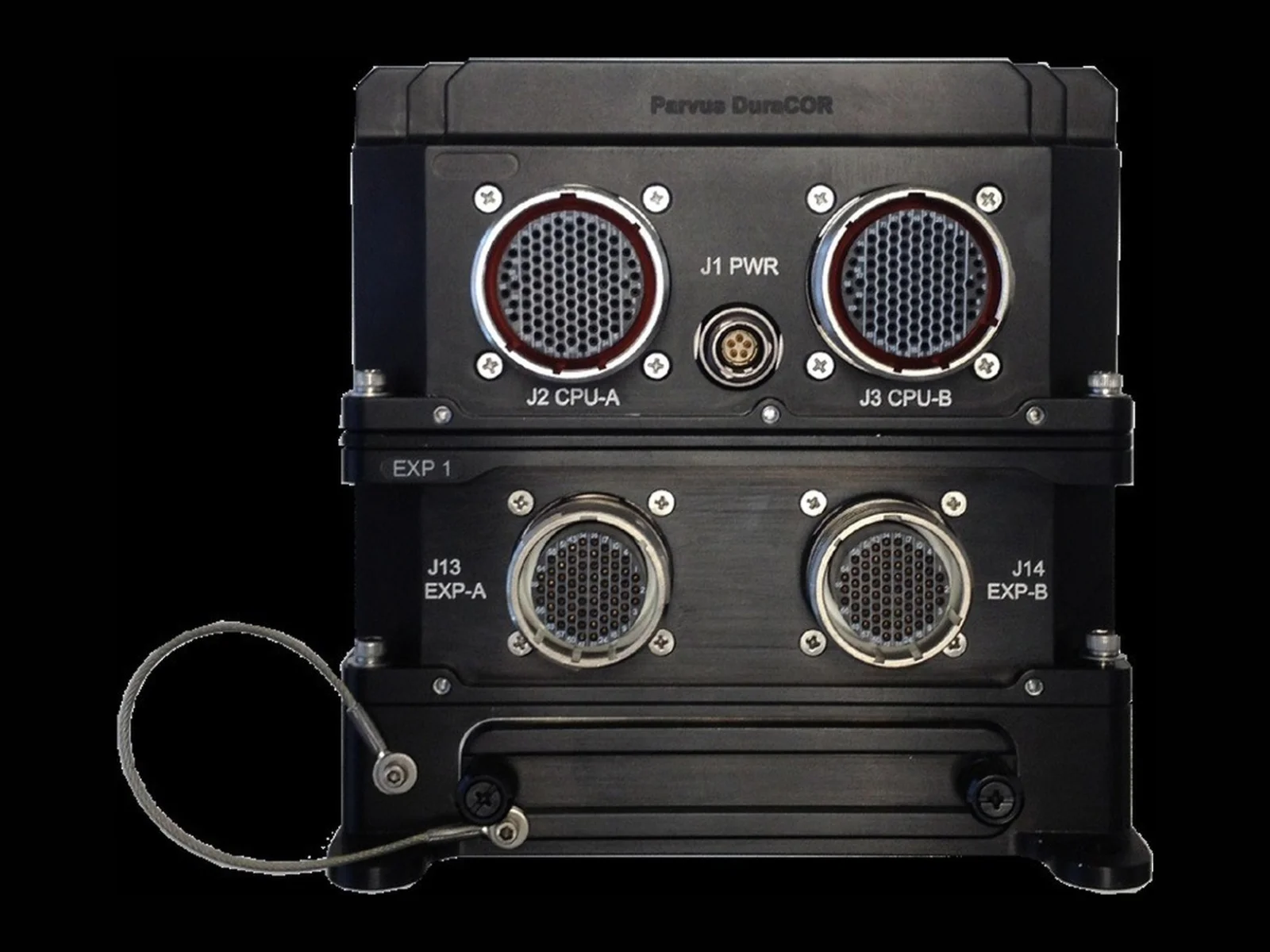
FeaturedMission computersVPX mission computers embedded mission computer
- Grade
- Professional
- Market
- Defense
- Availability
- In production
Featured
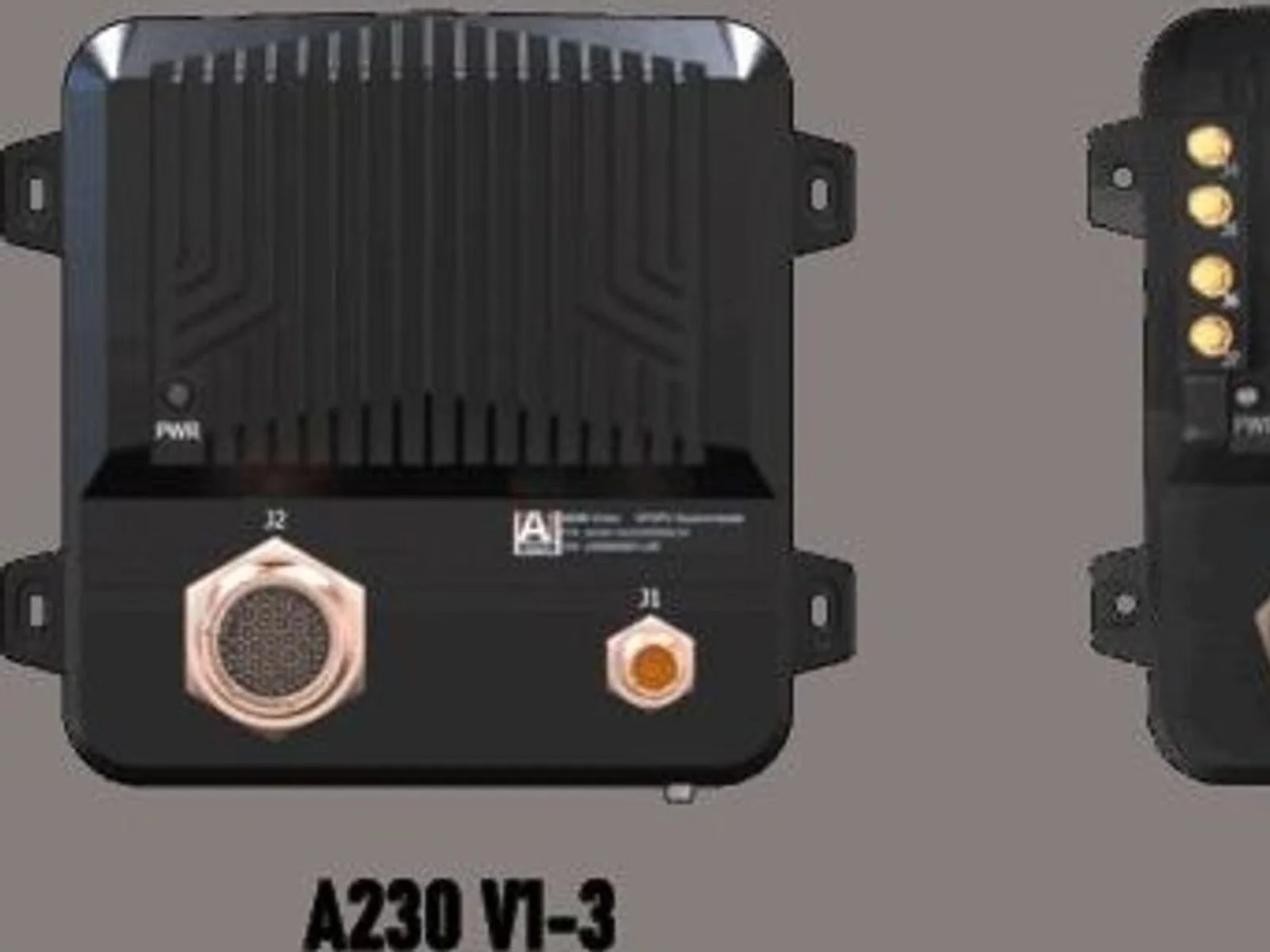
FeaturedMission computersA230 Vortex embedded mission computer
- AI performance
- 248 TOPS
- RAM
- 64 GB
- Grade
- Professional
Featured
Featured
Featured
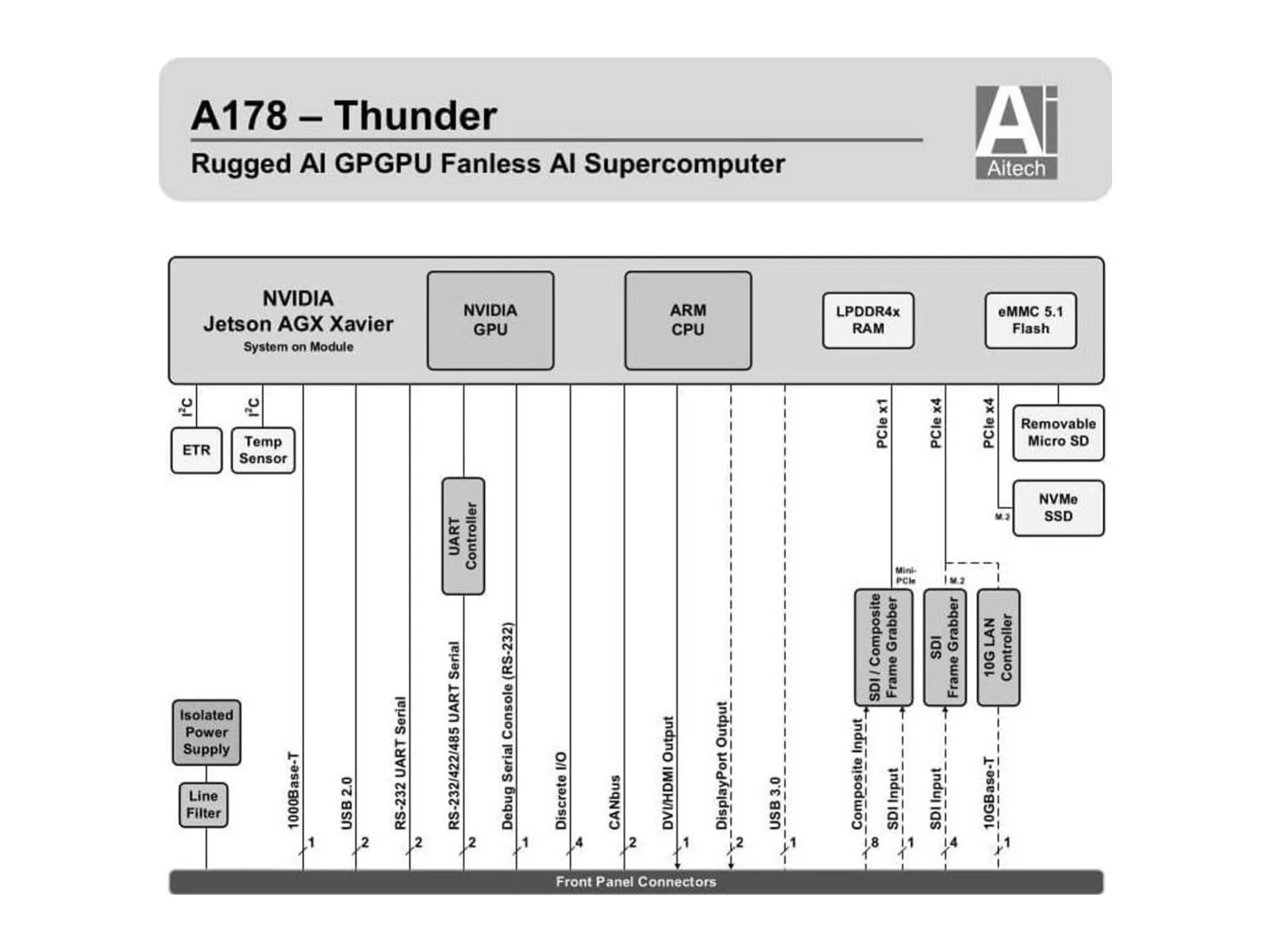
FeaturedMission computersA178 Thunder embedded mission computer
- AI performance
- 32 TOPS
- RAM
- 32 GB
- Grade
- Professional
No products match these filters.
Try removing a filter.
Mission computers for drones: autonomy, perception and payload
Updated November 3, 2026
A mission computer is the onboard processor that handles the heavy computing work the flight controller should not do: sensor fusion, computer vision, AI inference, path planning, payload control, video encoding and data storage. It sends high-level commands to the flight controller, which keeps the vehicle flying safely.
Types
- Companion computers: small boards with GPU or neural accelerators, used on professional multirotors for vision and autonomy.
- Rugged mission computers: sealed, conduction-cooled units with defence-grade connectors for military and harsh environments.
- Modular open architectures: computers based on standards such as VPX, with interchangeable processing, graphics and I/O cards.
Key specifications
- Processor and accelerator: CPU cores, GPU, FPGA or neural processing units, and their AI performance (TOPS).
- Power consumption and the heat it generates, against the cooling available.
- Camera and sensor inputs: MIPI, GMSL, Ethernet, USB.
- Video encoding for the downlink.
- Interfaces to the autopilot and payload: Ethernet, CAN, serial.
- Storage capacity and encryption.
- Ruggedness: temperature range, shock, vibration, sealing (IP rating), MIL-STD-810 and MIL-STD-461 qualification.
- Software support: Linux, ROS 2, AI frameworks and security features such as secure boot.
Choosing
Start from the workload: how many cameras, at what resolution, running which algorithms, and at what latency. Then check the power and thermal budget of the airframe. A computer that throttles when it overheats will not deliver its datasheet performance in flight.
Manufacturers in the directory
Examples include Curtiss-Wright, Aitech, Auterion, ModalAI and Connect Tech.
Frequently asked questions
Why not run autonomy on the flight controller?
Autonomy and vision need far more computing power than a flight controller provides, and their software is more complex. Keeping them on a separate computer protects the real-time, safety-critical flight control from being disturbed.
What does TOPS mean for an AI computer?
Tera operations per second: a measure of the peak throughput of an AI accelerator. It is useful for rough comparison, but real performance depends on the model, precision and software optimisation.
What is VPX?
A family of standards (VITA) for rugged, modular embedded computers built from plug-in cards. It is common in defence and aerospace because it allows upgrades and multi-vendor systems.

Related news

Honeywell tests alternative navigation for GNSS-denied flight
Honeywell Aerospace presents results from demonstrations of celestial-, vision- and magnetic-aided navigation that support inertial systems when GNSS signals are lost. Its star-tracker based system matches GNSS-INS performance under…
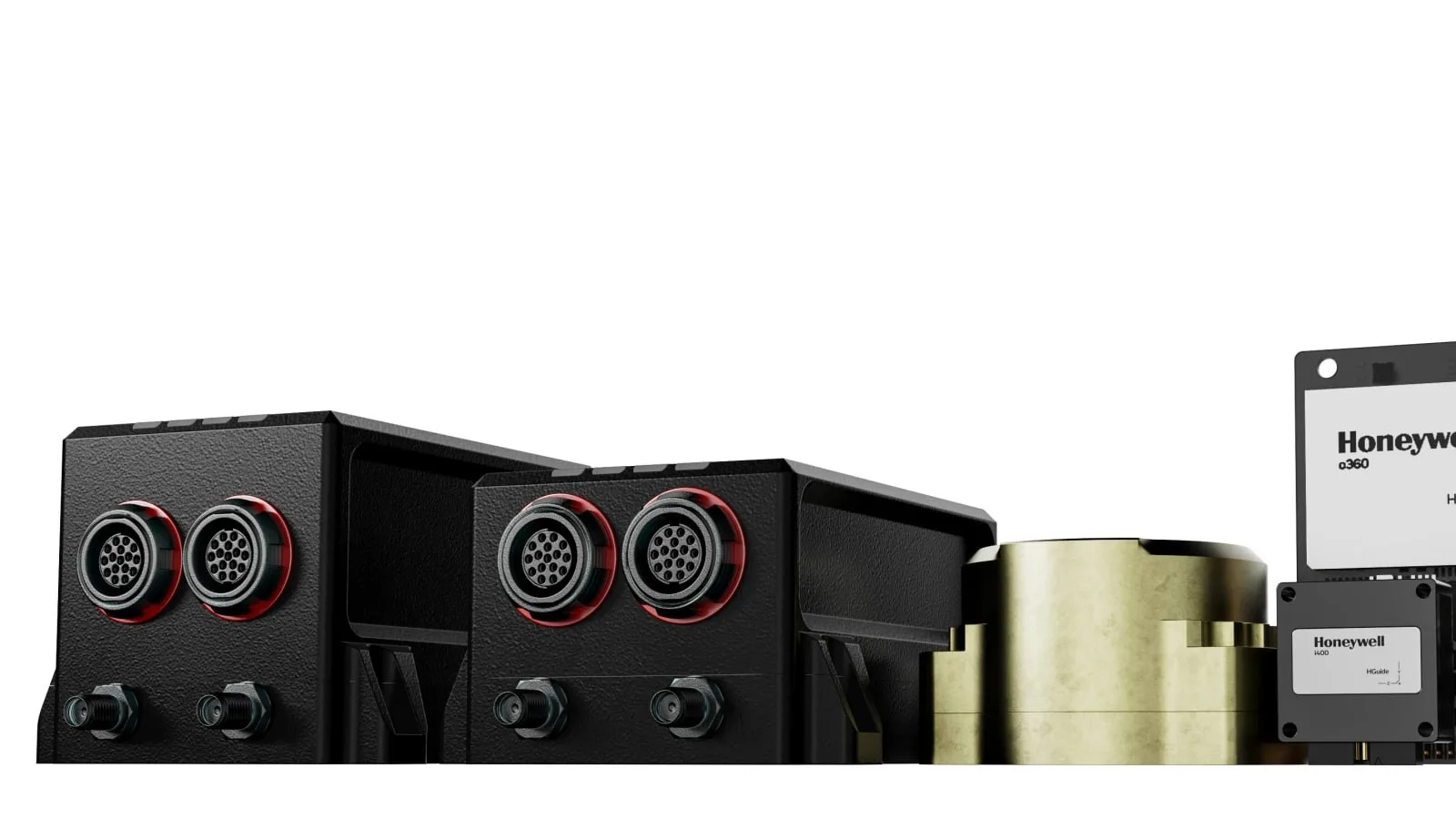
Honeywell HGuide o480 INS/GNSS navigator with AIM+ anti-jamming
Honeywell Aerospace offers the HGuide o480, a 26-gram INS/GNSS navigator for attritable military platforms and industrial uses. The unit pairs an IMU and a GNSS receiver with AIM+ anti-jamming, and it is available globally without export…
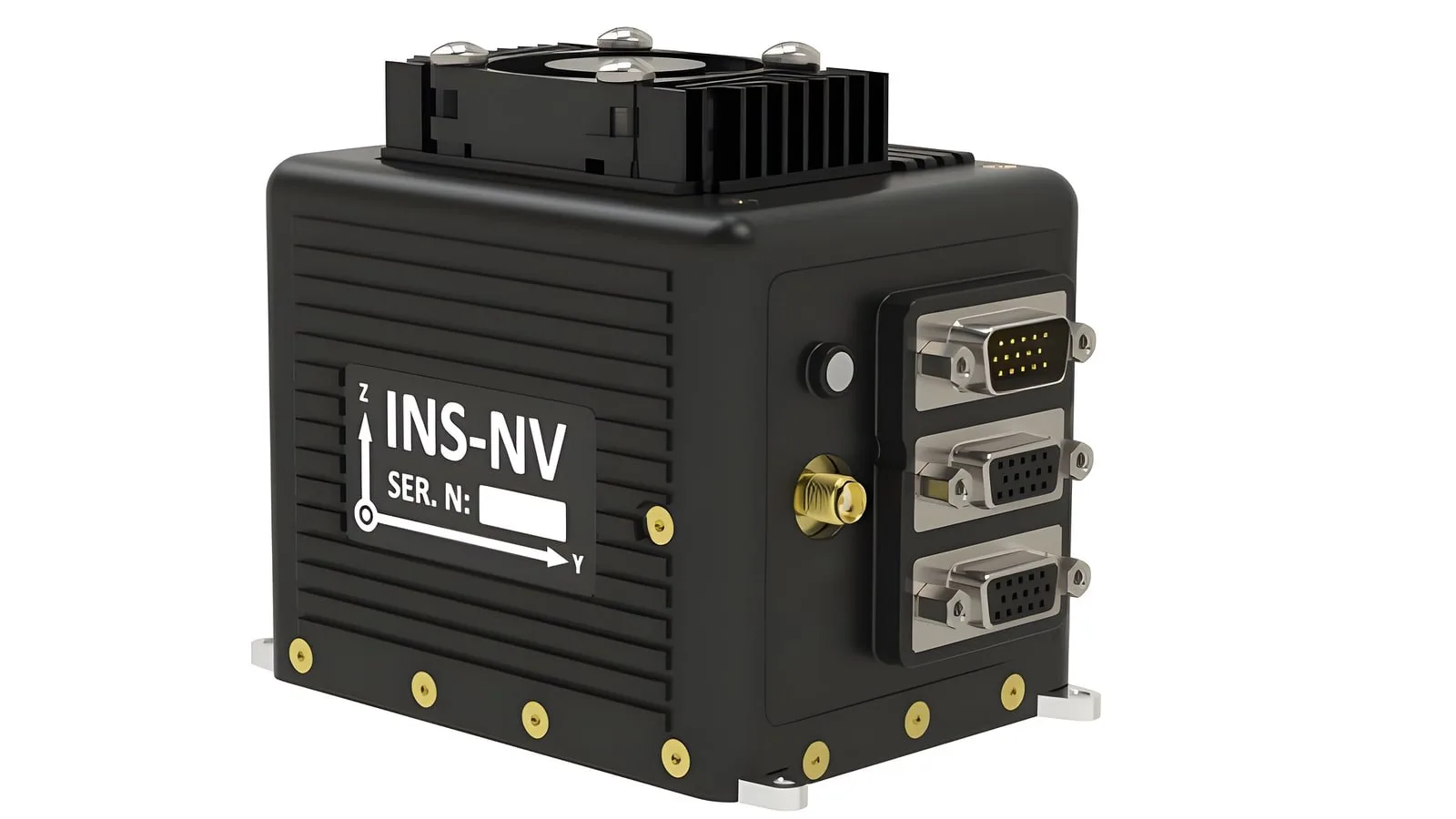
Inertial Labs INS-NV pairs INS with Jetson for Alt-PNT
The INS-NV is a new programmable platform from Inertial Labs, which belongs to VIAVI, and it pairs an NVIDIA Jetson Orin NX module with an inertial navigation system and an AHRS. Developers of alternative PNT and visual navigation systems…