Featured
Combustion engines
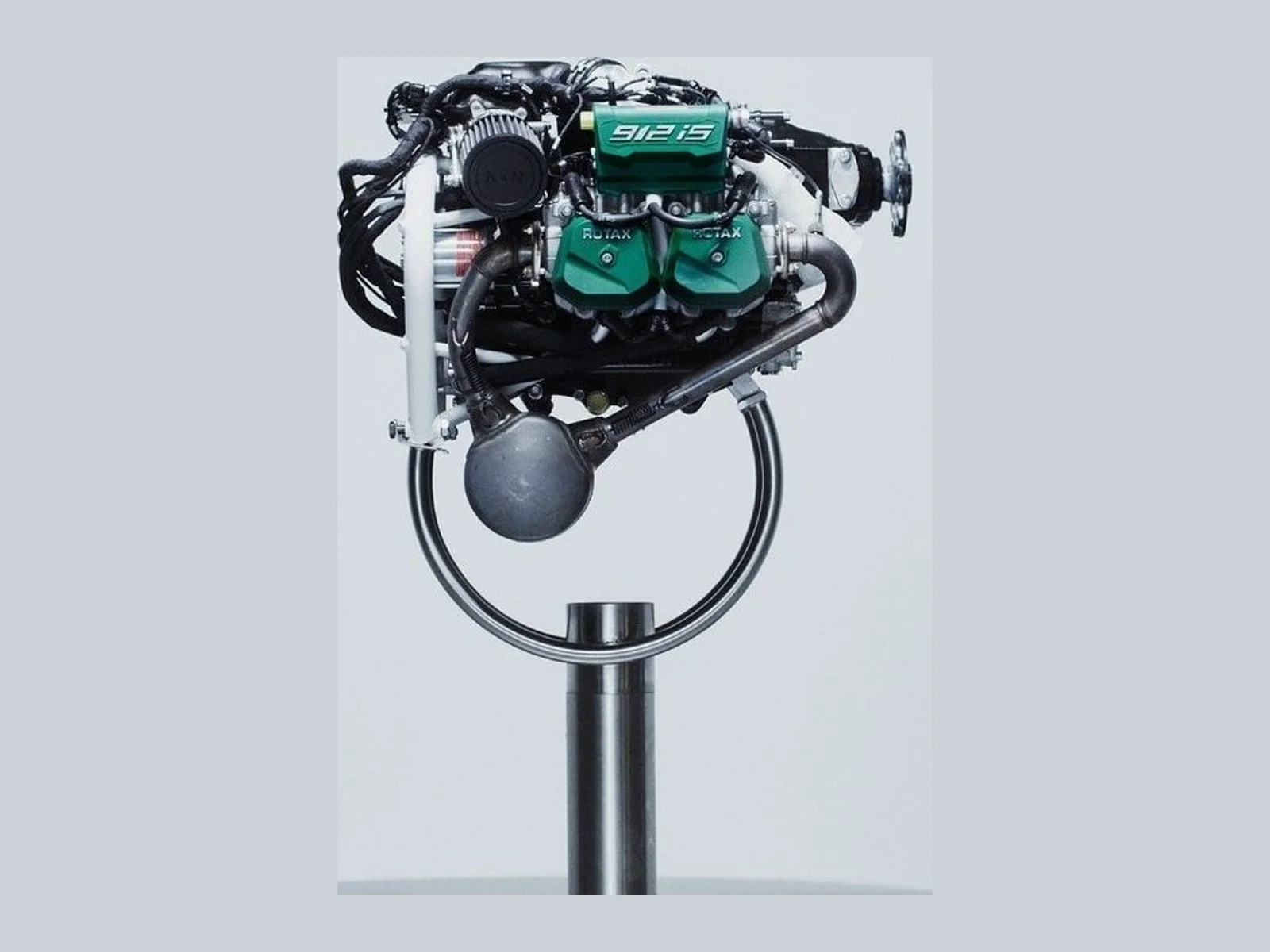
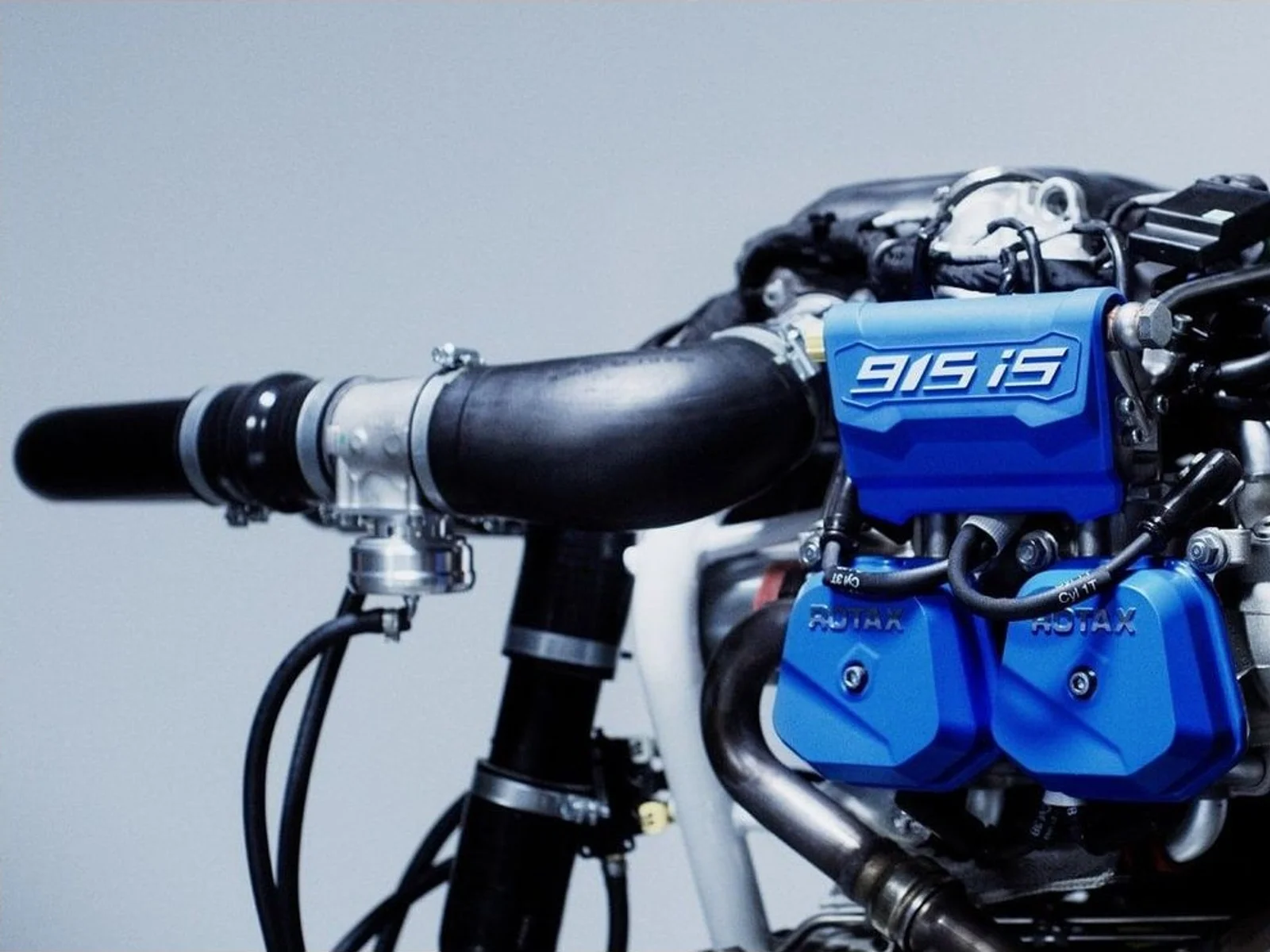
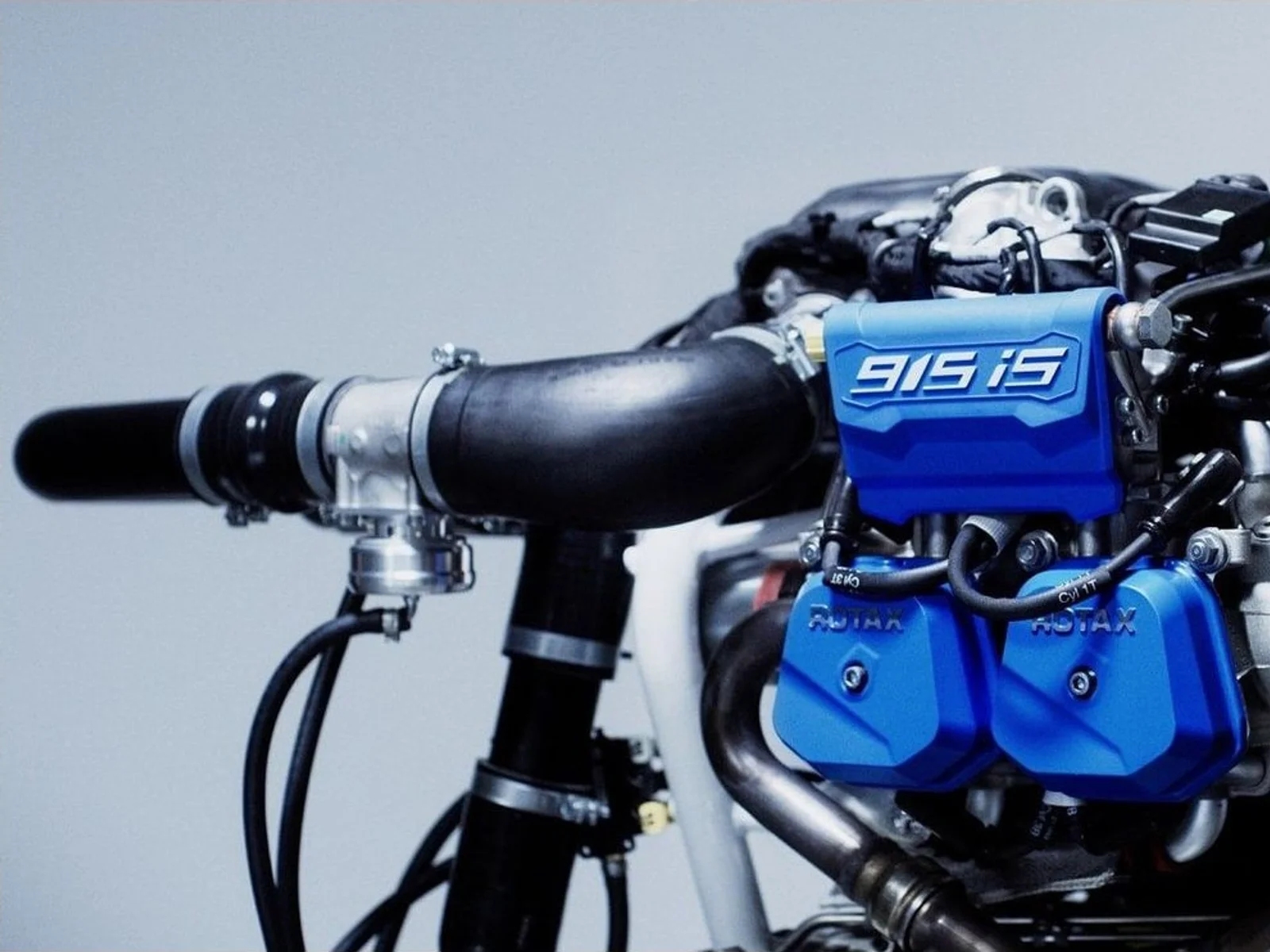
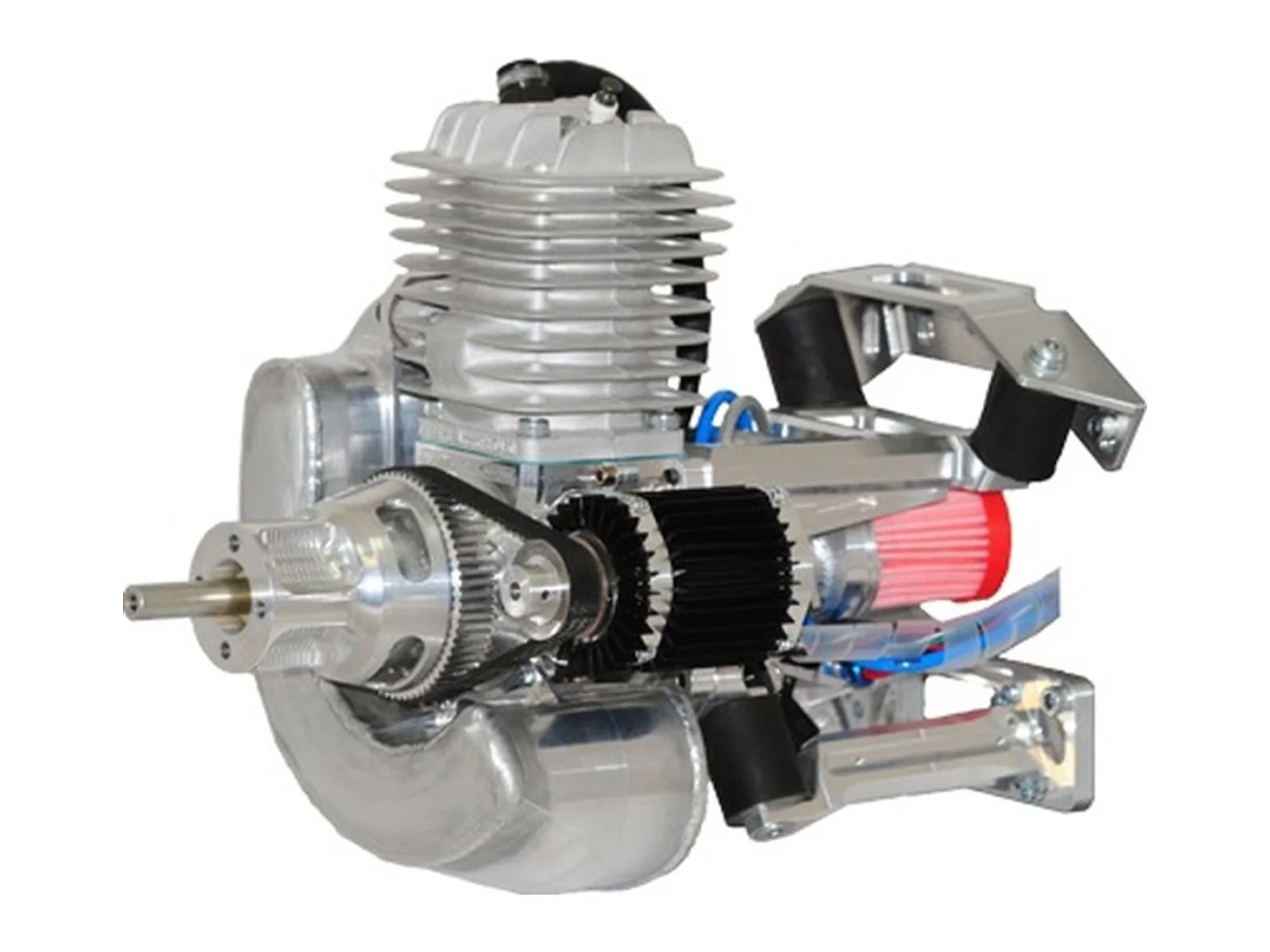
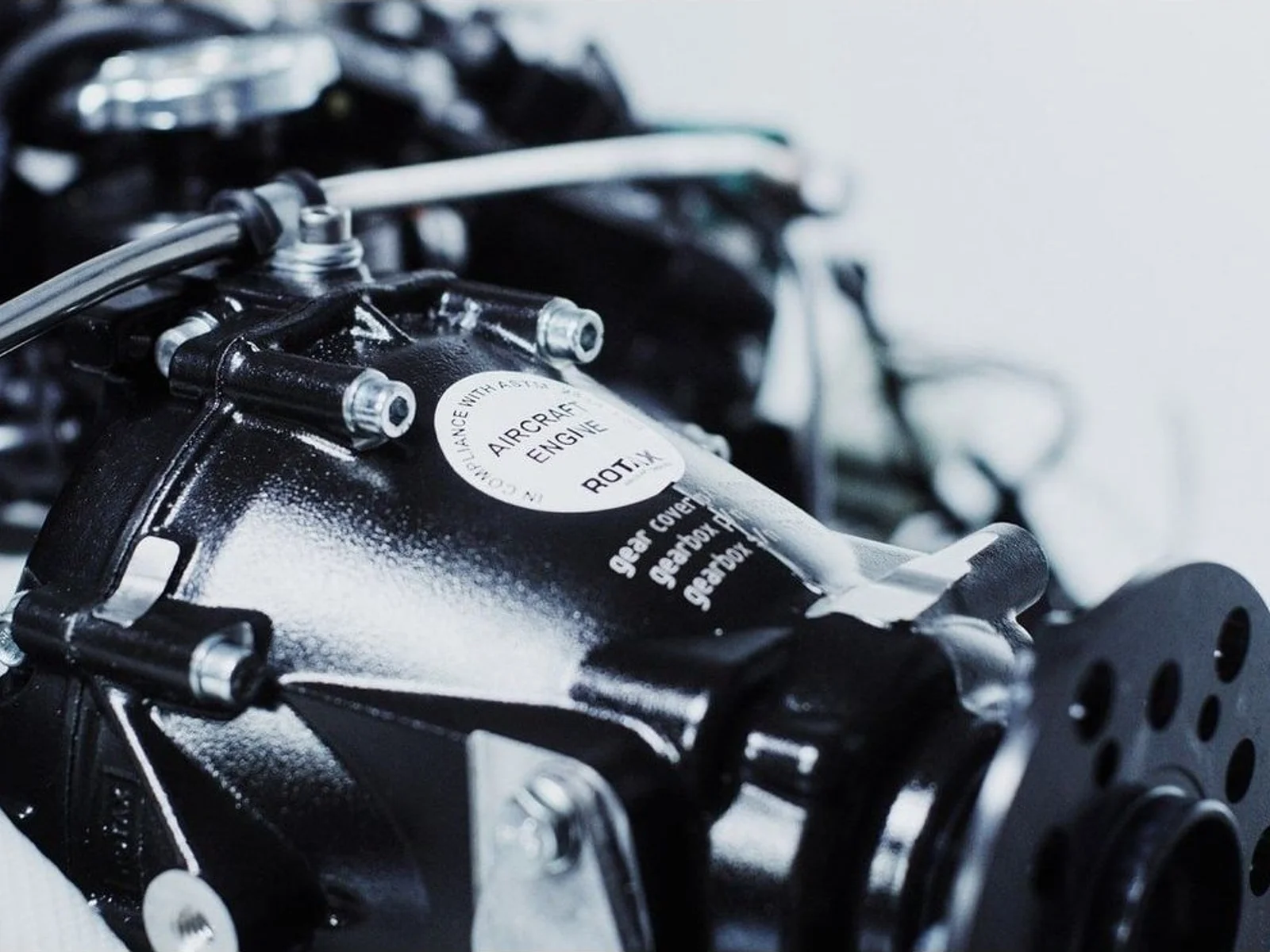
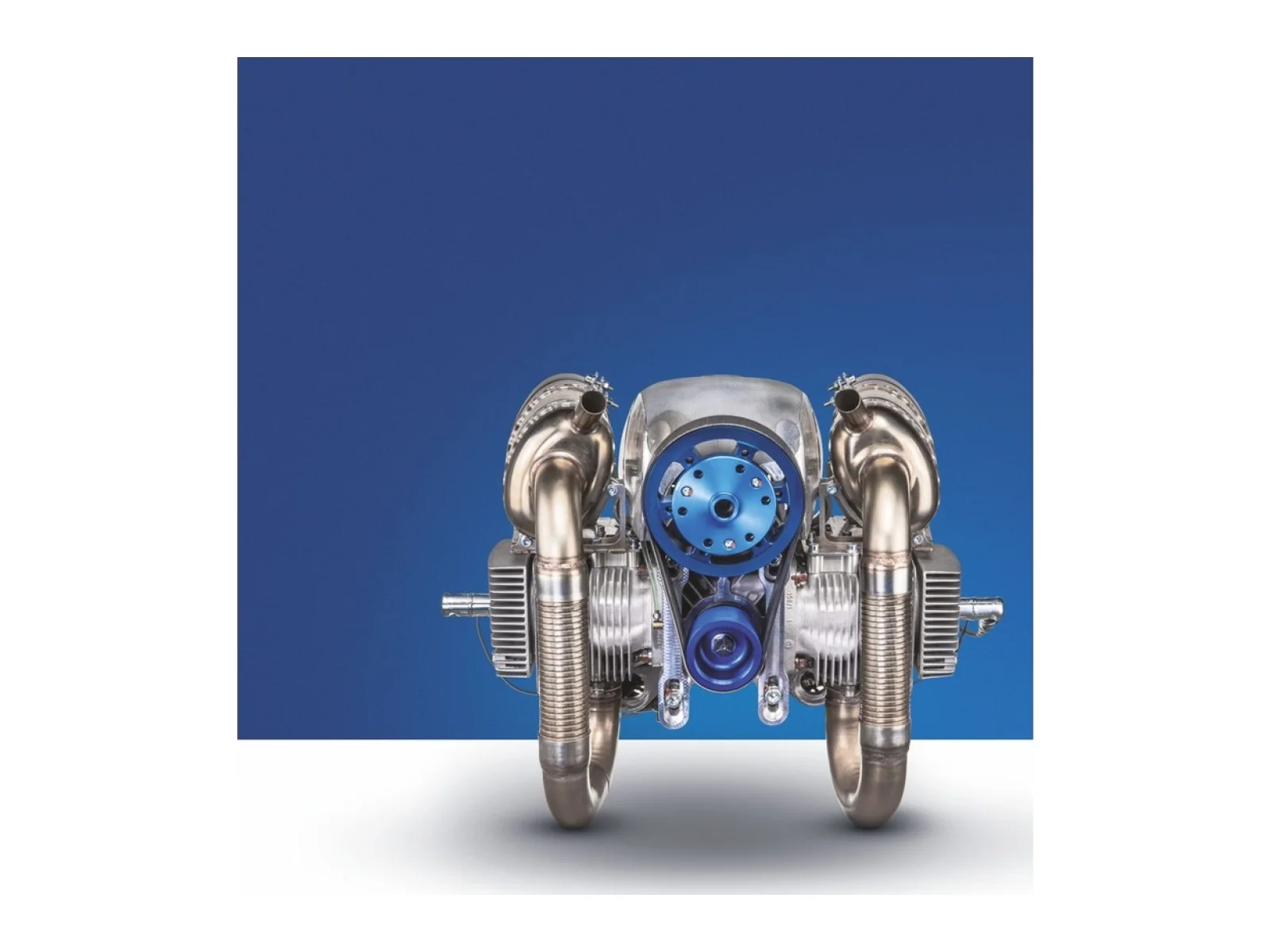
912 iS Sport aircraft combustion engine
- Max power
- 73.5 kW
- Engine type
- 4-stroke
- Displacement
- 1,352 cc
Piston engines, rotary engines and microturbines for fixed-wing UAVs and hybrid configurations that need long-range endurance.
Filters
Try removing a filter.



Updated November 3, 2026
Combustion engines remain the standard for fixed-wing UAVs that must fly for many hours or carry heavy payloads over long distances. Liquid fuel stores far more energy per kilogram than any current battery, which is why tactical, surveillance and long-range cargo drones still rely on them, either directly or as the generator of a hybrid system.
| Type | Strengths | Limits | Typical use |
|---|---|---|---|
| Two-stroke piston | Light, simple, high power-to-weight | Fuel consumption, vibration | Small and medium fixed-wing UAVs |
| Four-stroke piston | Fuel efficiency, durability | Heavier | Long-endurance UAVs, larger airframes |
| Heavy-fuel piston | Runs on JP-8, Jet A or diesel | Mass, cost | Military and maritime operations |
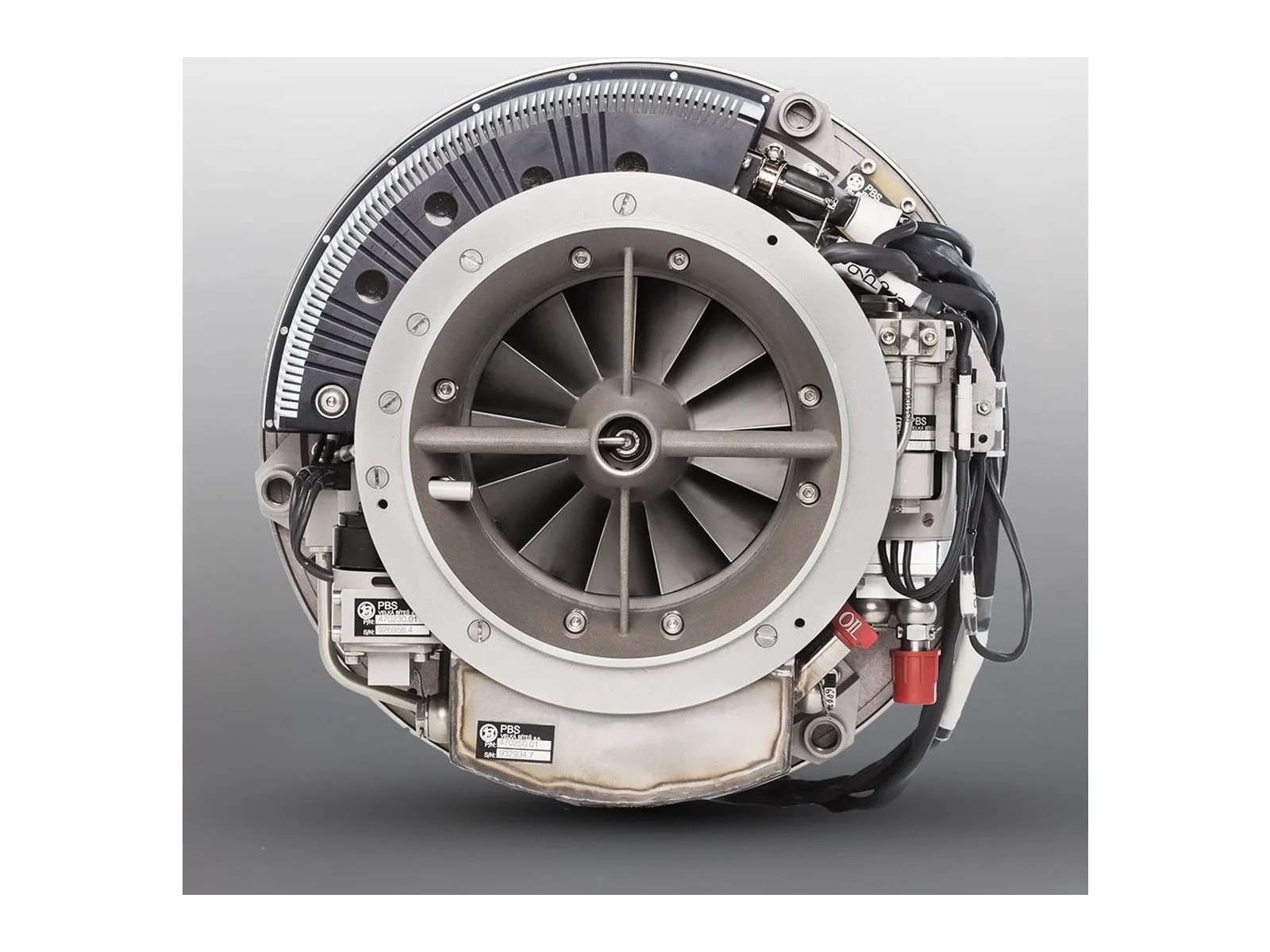
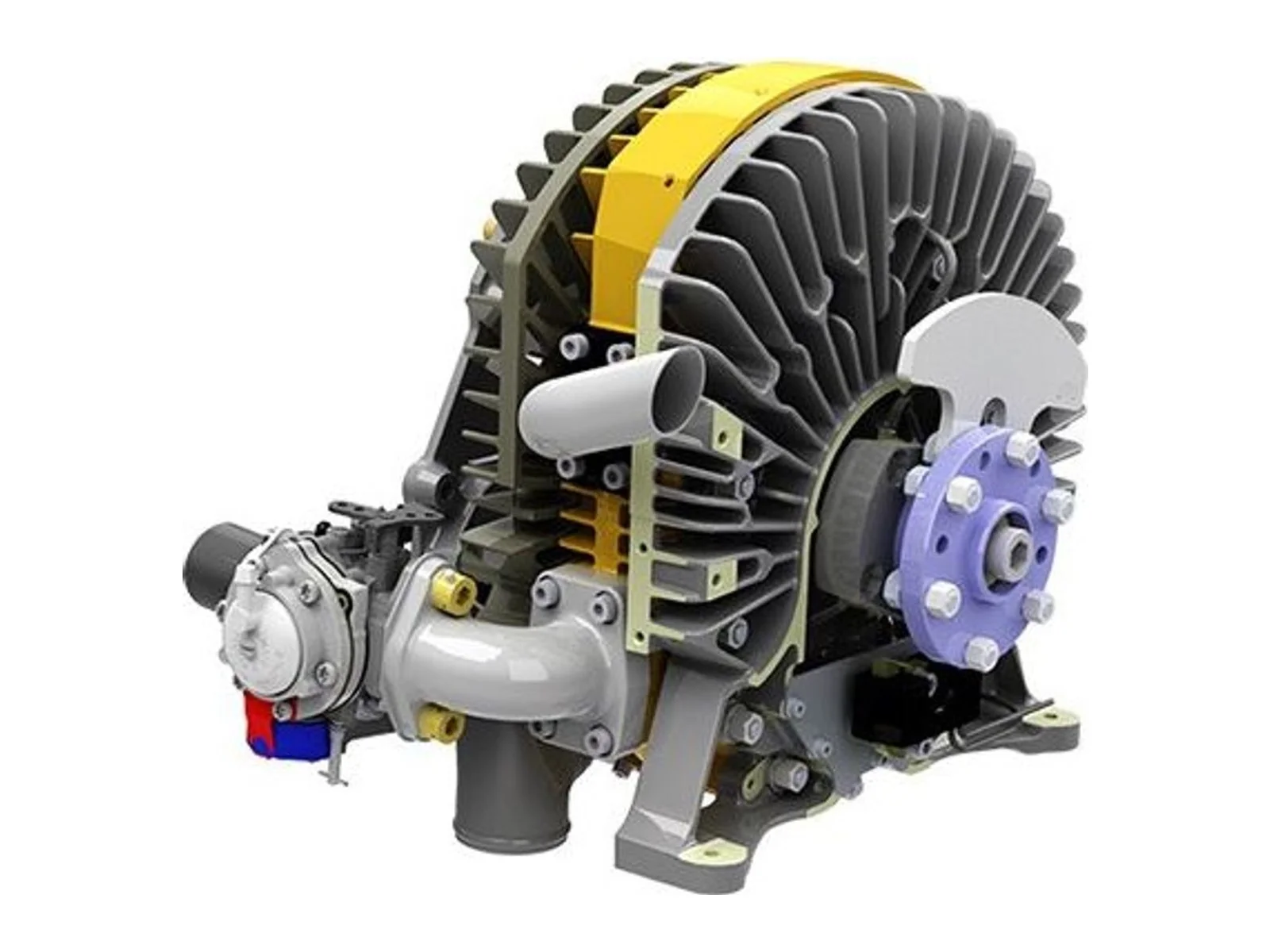
| Rotary (Wankel) | Very smooth, compact, high power-to-weight | Fuel consumption, seal wear | Target drones, tactical UAVs |
| Turbojet / turboprop / turboshaft | Very high power-to-weight, heavy fuel | Fuel consumption at low power, cost | Fast targets, large UAVs, hybrid generators |
Modern UAV engines use electronic fuel injection and ignition managed by an ECU, which adjusts the mixture with altitude and temperature and reports engine health to the autopilot. Fuel level and flow are measured with dedicated fuel sensors.
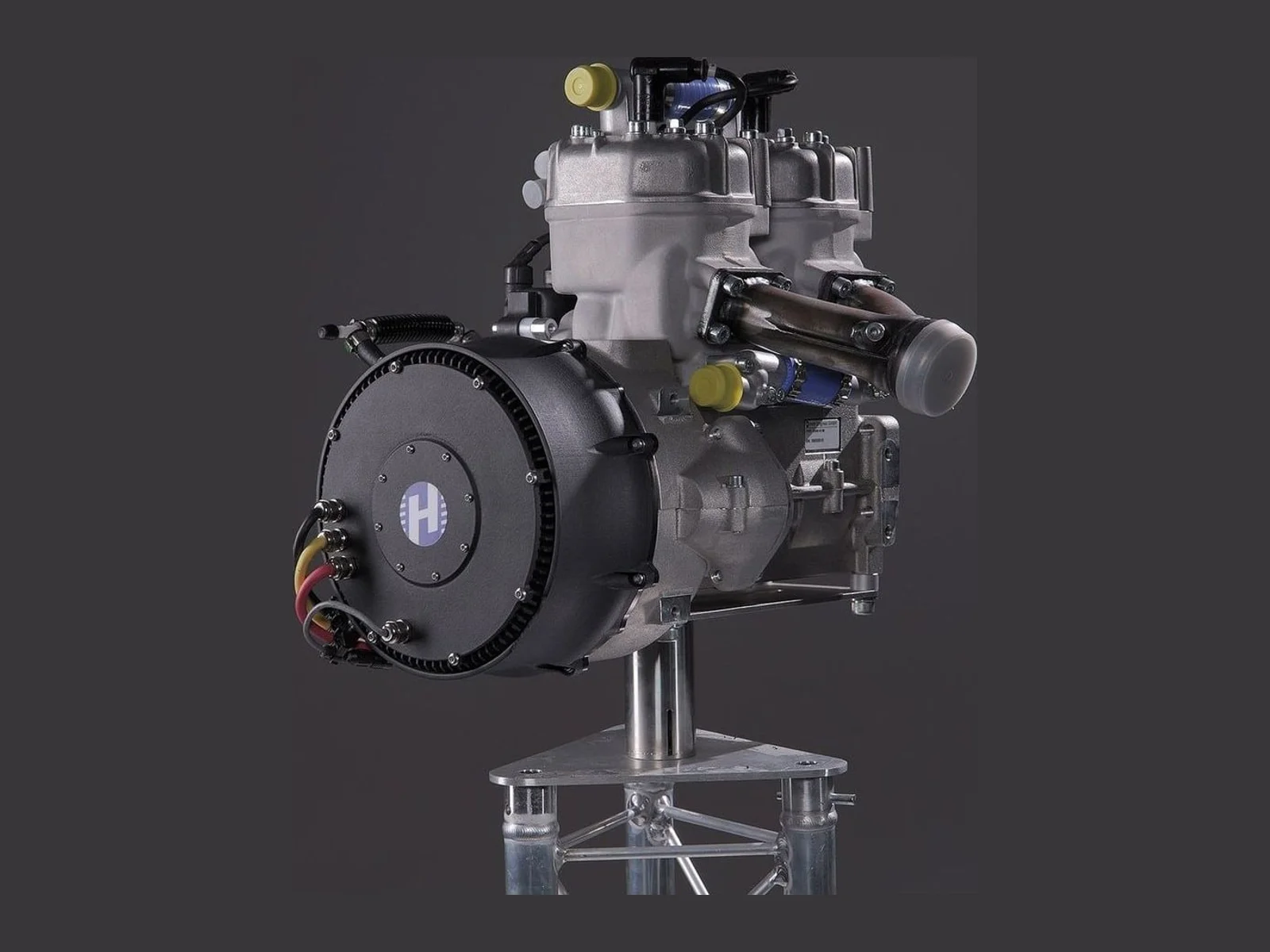
Examples include Rotax, Hirth Engines, UAV Engines Ltd (UEL), PBS Aerospace and Turbotech.
Because liquid fuel stores many times more energy per kilogram than current batteries. For missions of many hours, a combustion engine or a hybrid system carries the energy with much less mass.
An engine designed to run on kerosene-type fuels such as JP-8 or Jet A, or on diesel, instead of gasoline. Armed forces and ships prefer it because it uses the same fuel as the rest of their equipment and is safer to store.
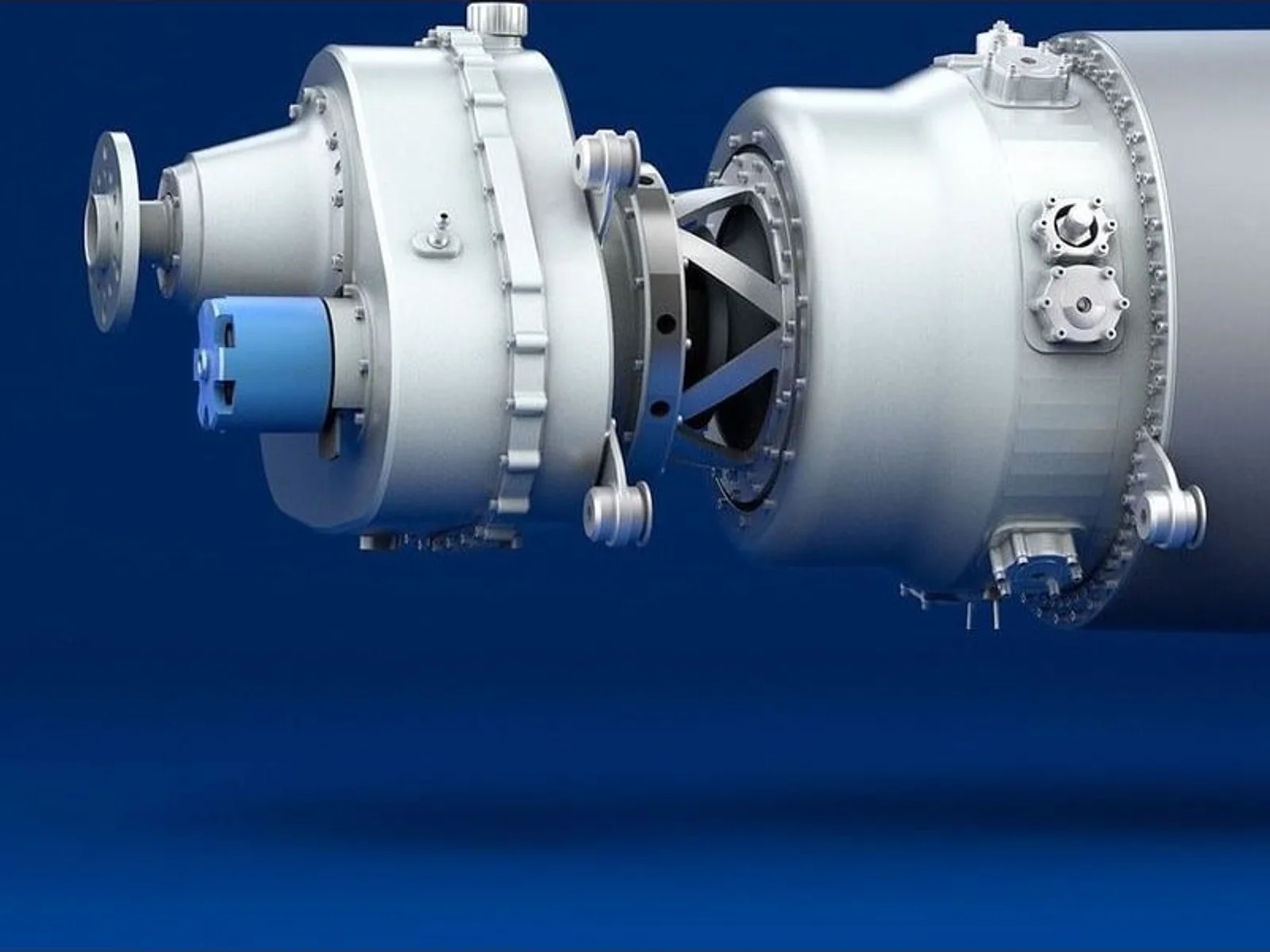
A rotary engine in which a triangular rotor turns inside an epitrochoid housing instead of pistons moving up and down. It is compact, smooth and powerful for its weight, which suits target drones and tactical UAVs.
Time between overhauls: the number of operating hours after which the manufacturer recommends a full overhaul of the engine. It is a key factor in the operating cost of the aircraft.
A literature-based review of how axial-flux permanent-magnet machines are sized for direct-drive lift rotors: hover torque requirement, torque-sizing relations, design and optimisation methods, reported parameter ranges, fault behaviour and regulatory context.
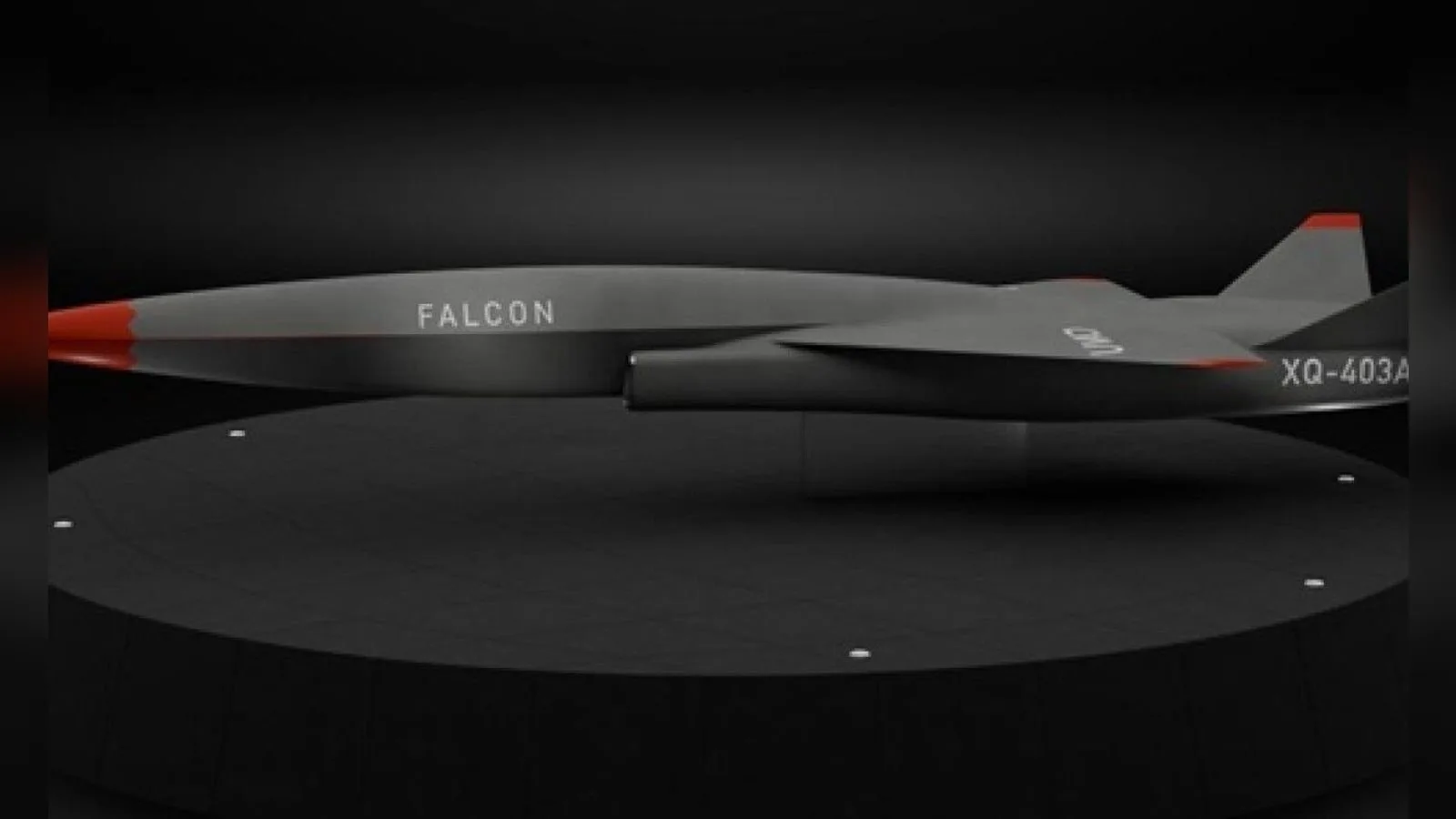
Falcon is a reusable supersonic uncrewed aerial target for missile-defense training, and its propulsion is the subject of a partnership between Safran Power Units and UVAD Technologies. Safran supplies two turbojet engines, and flight…

Honeywell Aerospace tests a 1 MW generator in a Mexicali test cell, and Flying Whales will integrate it into the hybrid-electric powertrain of its LCA60T airship. The unit reaches 1 MW steady state at 97% efficiency, giving…
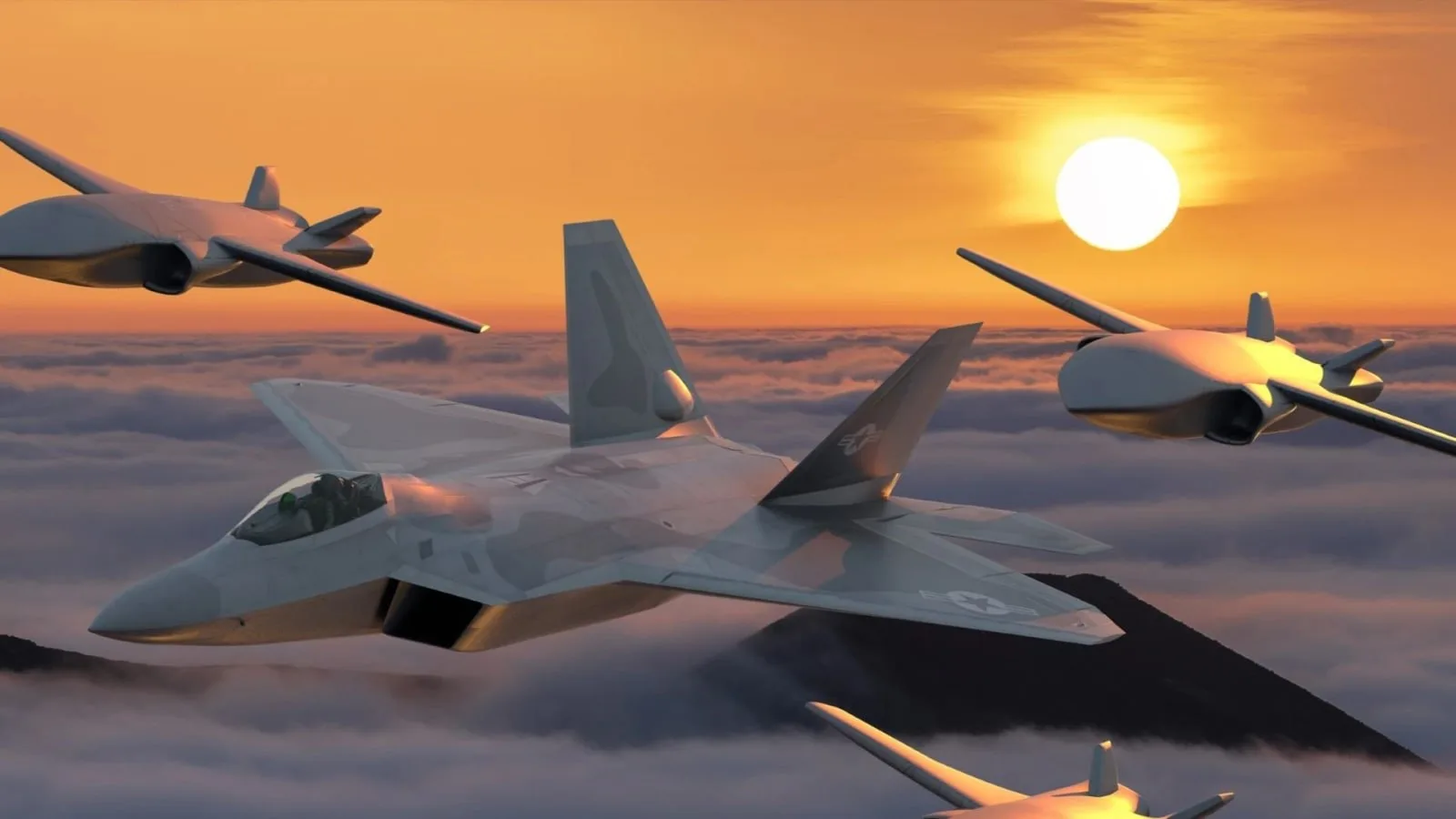
Honeywell Aerospace presents the HON1600, a small turbine engine it positions for the US Air Force's Collaborative Combat Aircraft (CCA) program, after a core engine run in September 2025. The Air Force has issued a request for proposals…