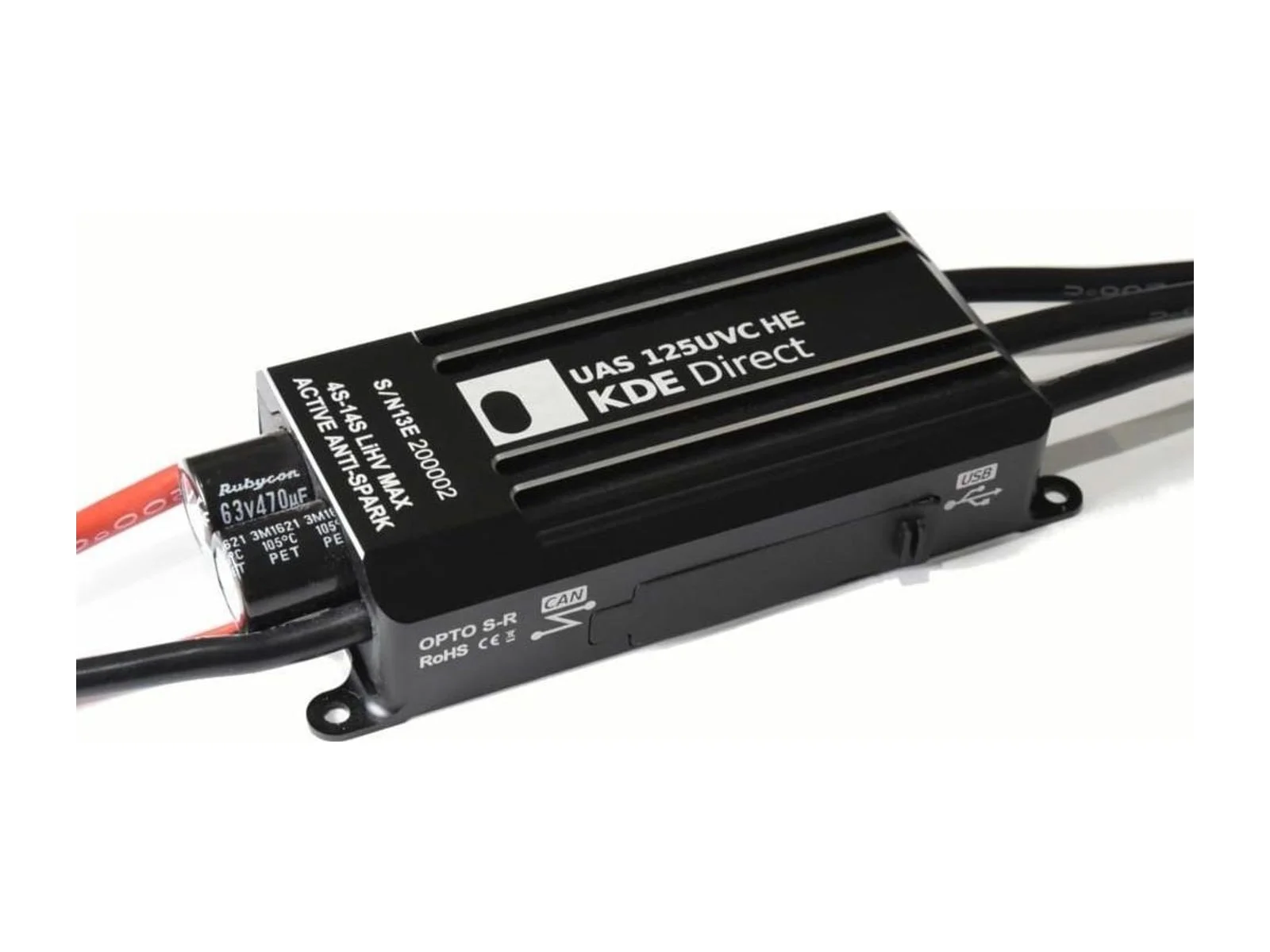
KDE-UAS125UVC is an electronic speed controller that regulates electrical power supplied to a brushless propulsion motor. Continuous power is 6475 W. It links the propulsion motor to its power source and flight-control command path in an aircraft installation.
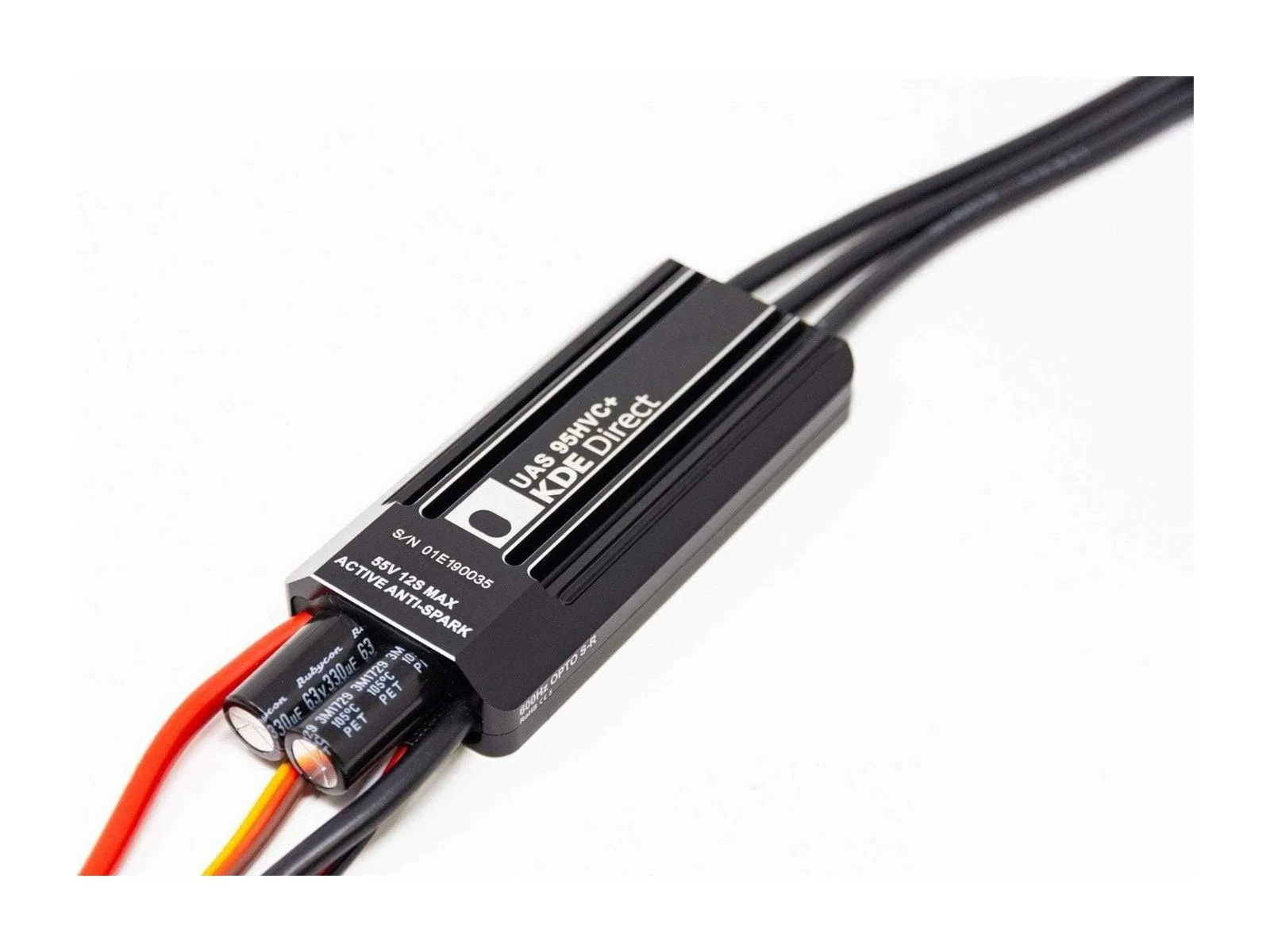
KDE-UAS125UVC-HE is an electronic speed controller (ESC) from KDE Direct for the brushless motors of professional multirotor aircraft. It converts the throttle command from the flight controller into the three-phase drive for the motor, and it works with battery packs from 4S LiPo to 14S LiHV. The HE edition adds thermal improvements for high-voltage operation, better compatibility with the 13218XF motor, a four-pin JST snap connector for CAN bus and a micro USB port.
The key figures are a continuous current of 125 A for 180 s, equal to a continuous power of 6,475 W, and a peak of 220 A for 5 s, equal to 11,395 W. The supply range is 14.8 V (4S LiPo) to 60.9 V (14S LiHV). These ratings apply at full load with consistent airflow of about 5 mph or more across the heatsink, so in a ducted or slow-air installation the integrator should plan cooling or derate the controller. Above the maximum temperature rating of 95 degrees C the controller limits the maximum rpm until it cools. The controller weighs 172 g (220 g with wires and connectors), measures 46 mm by 108 mm, and has an aluminum 6061-T6 case with IP66 protection for all-weather use.
For control, the unit accepts a PWM signal on a 22 AWG three-wire JR lead with opto-isolation and recognizes the signal automatically. A CAN bus port, which is not isolated, carries live telemetry to the flight controller and accepts additional control signals; setup guides exist for the KDECAN protocol and for DroneCAN. A 600 Hz refresh rate (adaptive from 50 to 600 Hz), a 32-bit microcontroller and proprietary timing with advance of 12 to 30 degrees drive the motor, up to a maximum of 360,000 rpm on a two-pole motor. There is no internal BEC, so the flight controller and accessories need their own supply.
Several functions concern operation and maintenance. Regenerative braking acts during deceleration to match the response to the acceleration profile, and active freewheeling (temperature-controlled synchronous rectification) reduces losses and operating temperature. An onboard EEPROM logs voltage, current, temperature, throttle signal, throttle output and electrical rpm, which can be downloaded over USB. An anti-spark circuit protects the connectors at power-up, and internal monitoring covers voltage, current, temperature and stall detection. Settings are changed with the KDE Direct Device Manager software.
Power and motor leads are 10 AWG rated to 200 degrees C. The package includes 4.0 mm and 6.5 mm bullet connectors and a micro USB cable. The DC wire between the ESC and the power source should not exceed 12 inches unless extra capacitance is added.
Typical applications are heavy-lift multirotors and other commercial and industrial aircraft that fly in rain, dust and harsh environments.
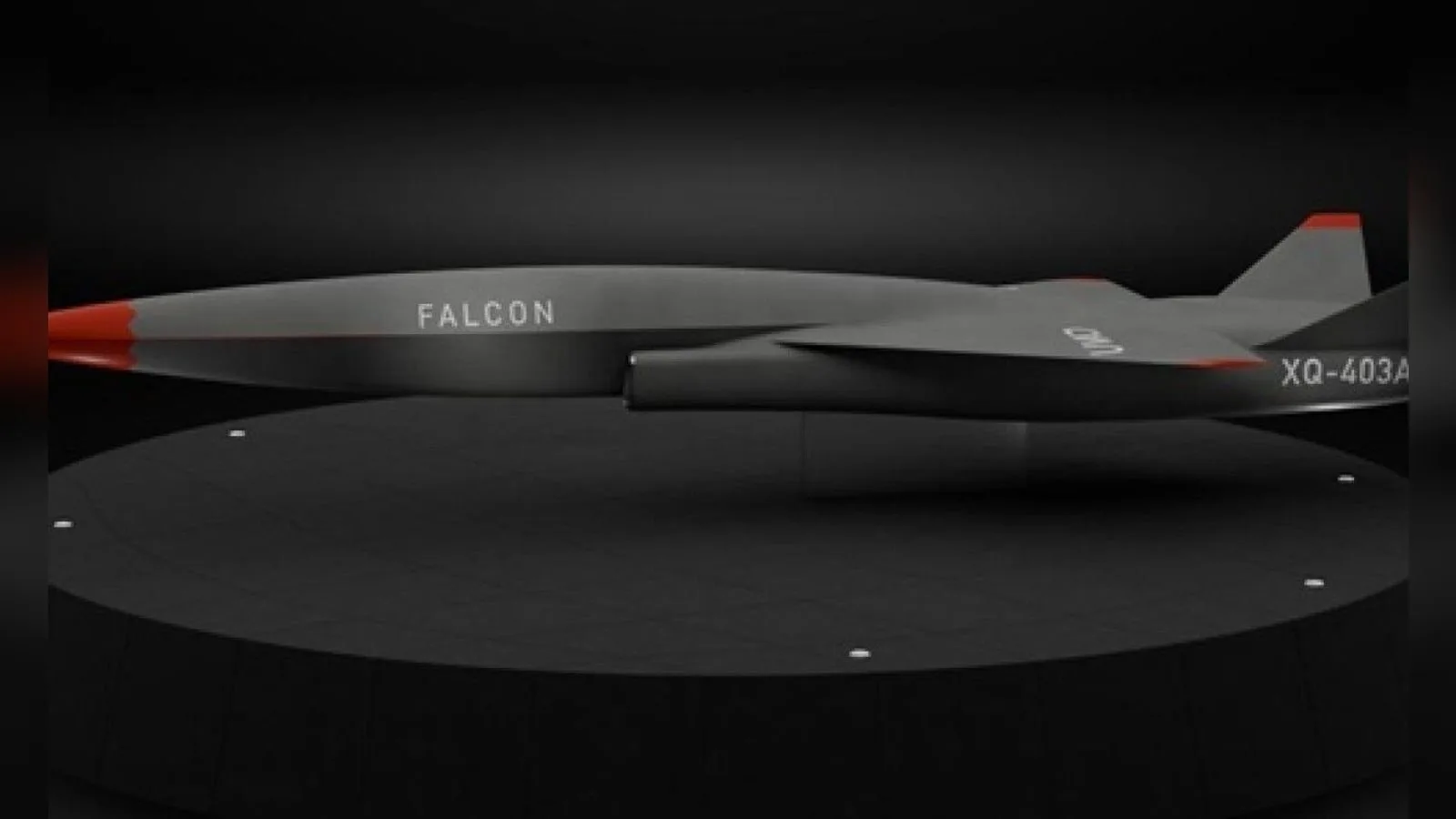
Falcon is a reusable supersonic uncrewed aerial target for missile-defense training, and its propulsion is the subject of a partnership between Safran Power Units and UVAD Technologies. Safran supplies two turbojet engines, and flight…
Honeywell Aerospace tests a 1 MW generator in a Mexicali test cell, and Flying Whales will integrate it into the hybrid-electric powertrain of its LCA60T airship. The unit reaches 1 MW steady state at 97% efficiency, giving…
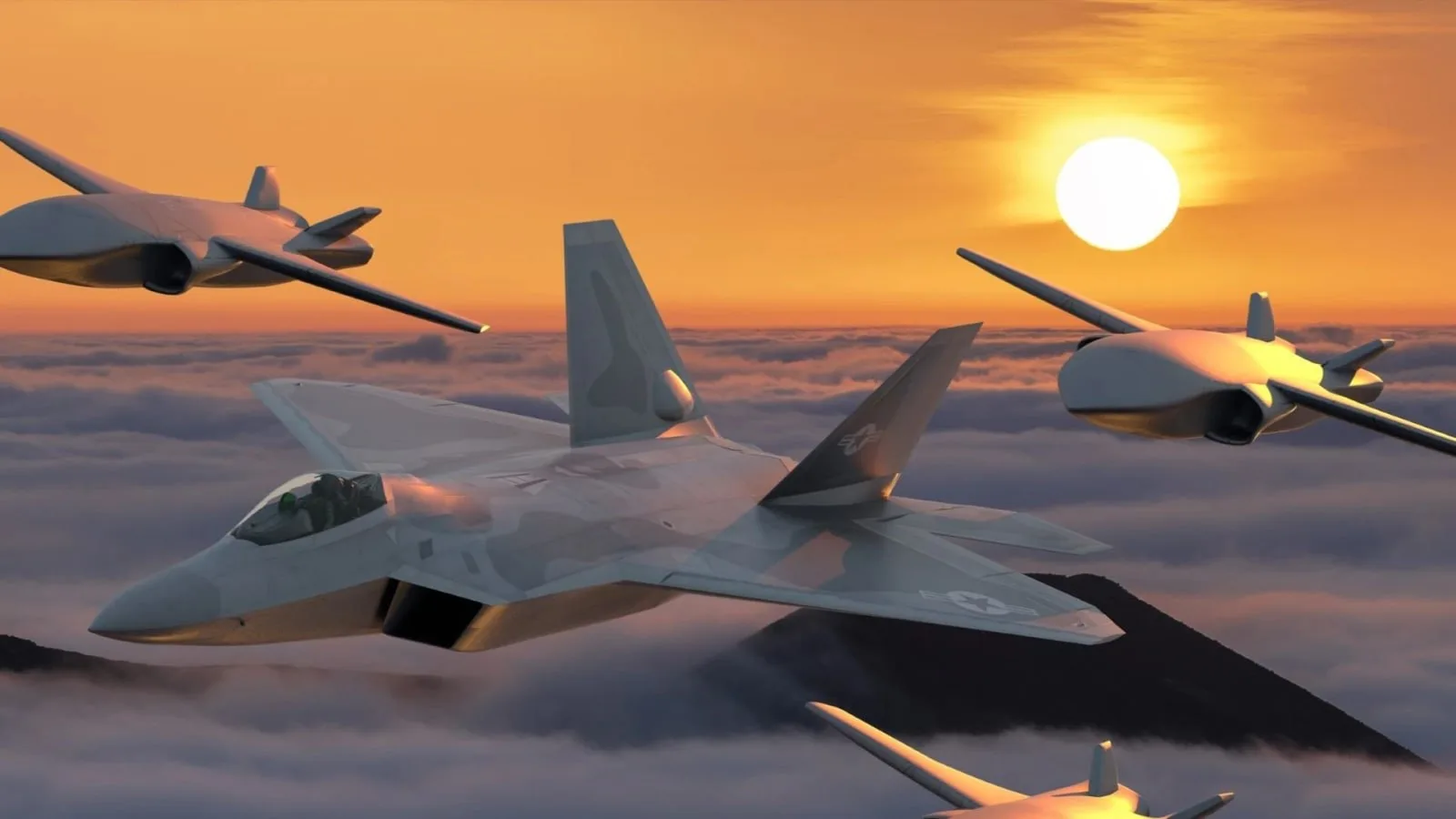
Honeywell Aerospace presents the HON1600, a small turbine engine it positions for the US Air Force's Collaborative Combat Aircraft (CCA) program, after a core engine run in September 2025. The Air Force has issued a request for proposals…











 FeaturedESCs
 FeaturedESCs
 Featured
 Featured
 FeaturedESCs