Featured
Landing gear
Actuation for landing gear landing-gear system offering
- Grade
- Aerospace-grade
- Market
- Dual-use
- Availability
- In production
Fixed and retractable landing gear, skids and shock absorbers for runway or vertical takeoff and landing.
Filters
Try removing a filter.



Updated November 3, 2026
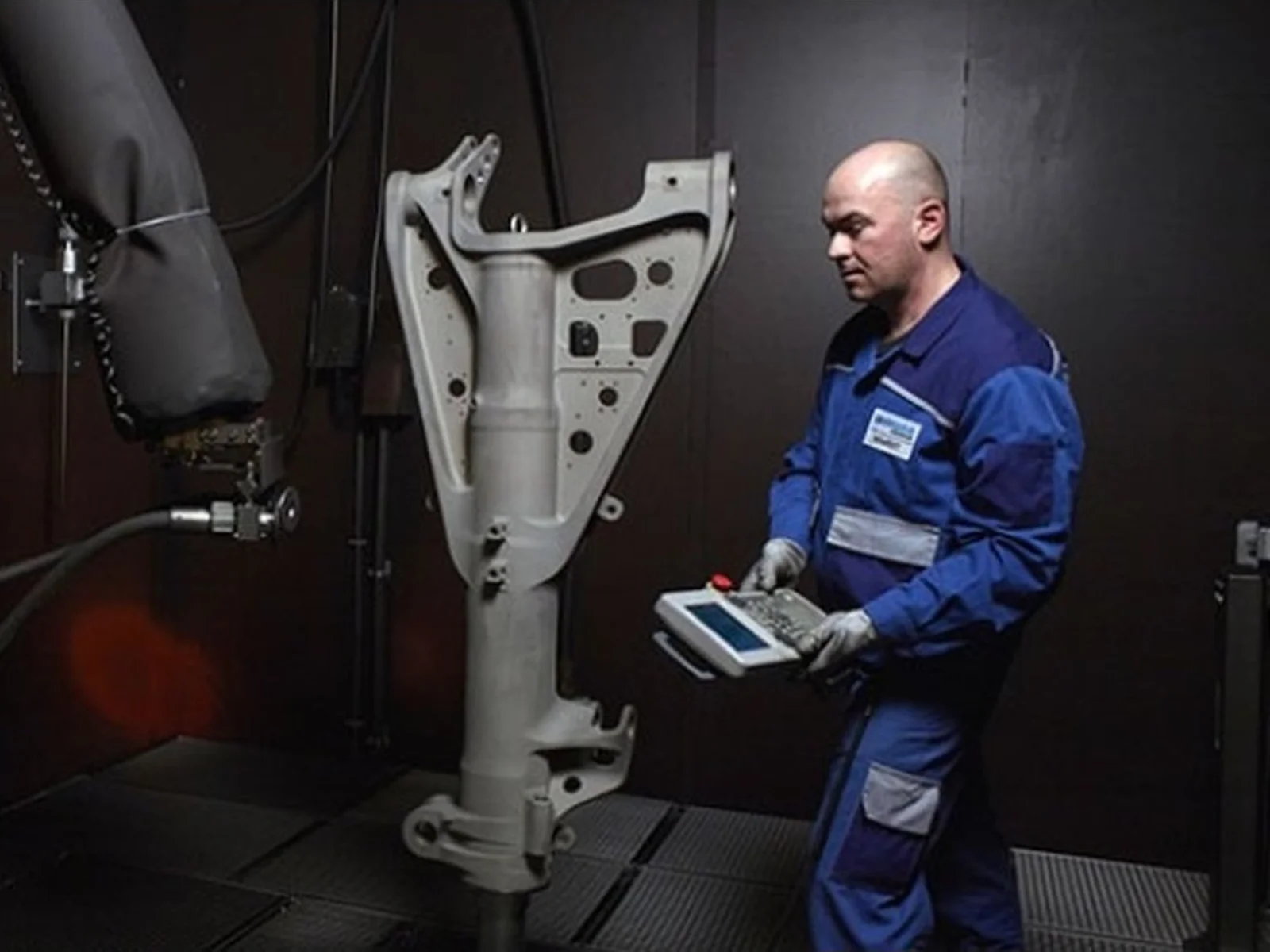
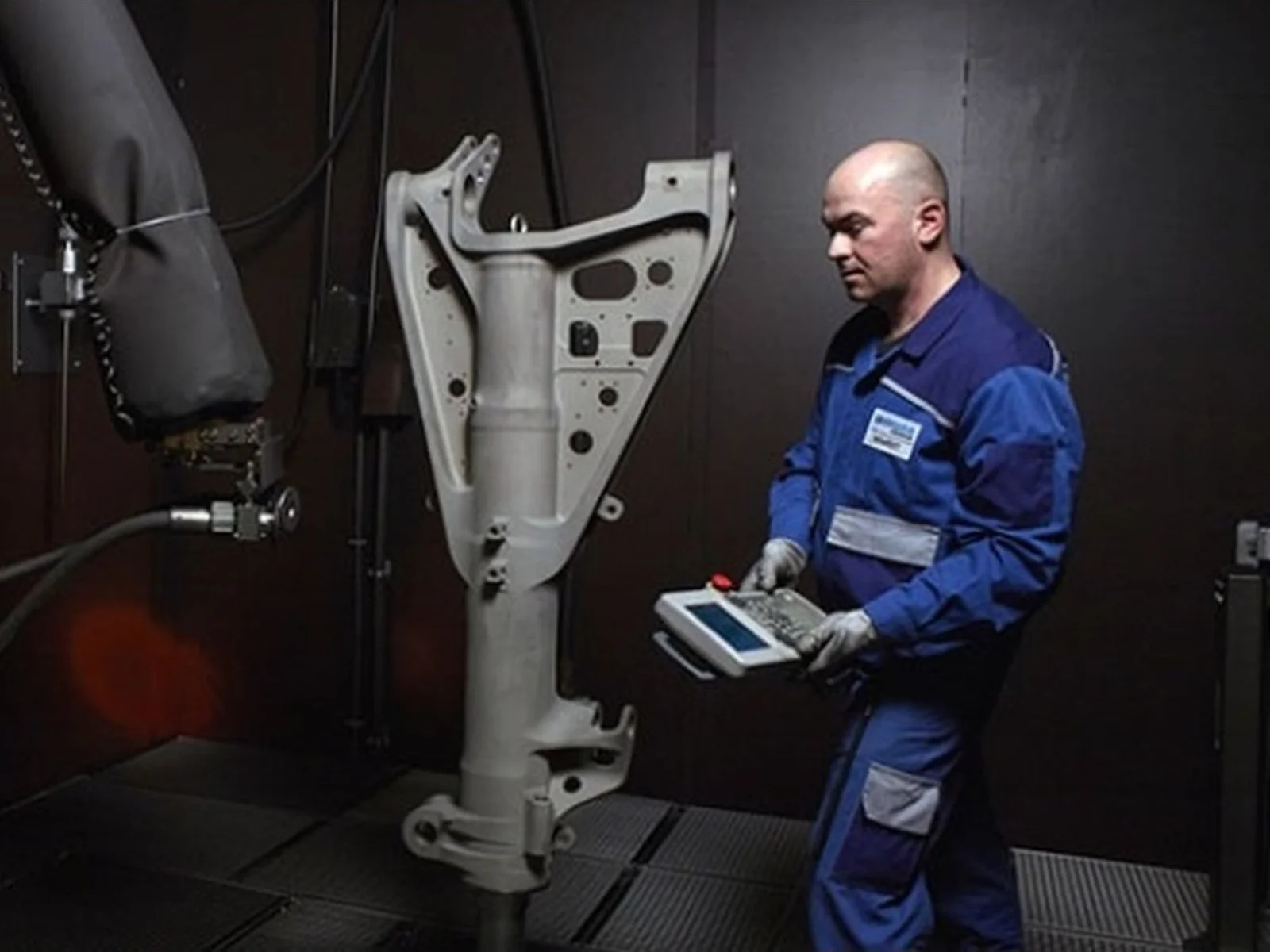
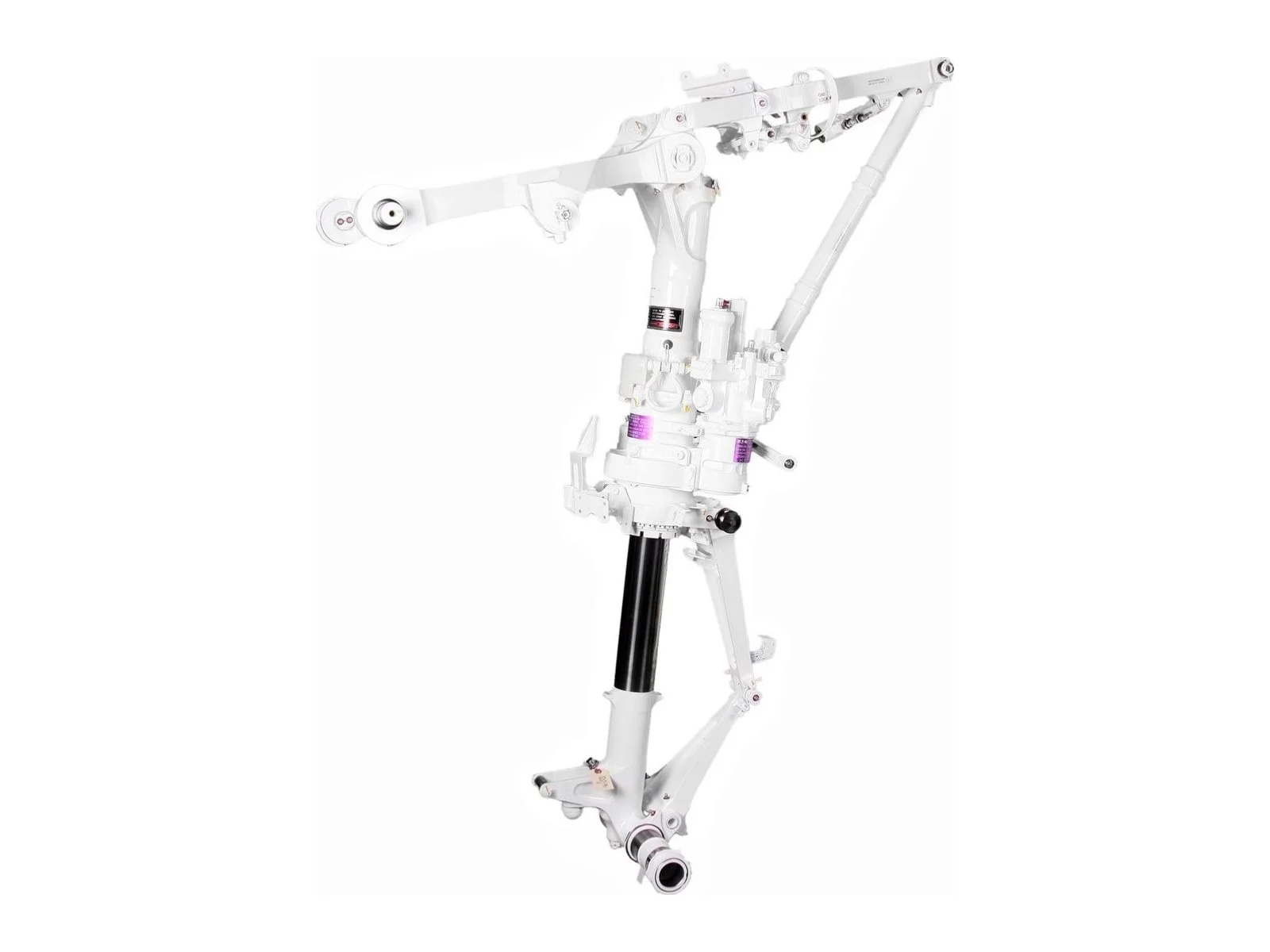
Landing gear supports the aircraft on the ground, absorbs the energy of landing and, on fixed-wing aircraft, allows take-off and landing on runways. On drones and eVTOL it ranges from simple carbon skids to retractable, shock-absorbing gear with brakes and steering.
Vertical landings are typically gentle, but the gear must still handle hard landings and failure cases, ground handling on wheels or trolleys, and charging and loading at vertiports. Many designs use light fixed gear and rely on energy-absorbing structures for crash protection.
Examples include Safran Landing Systems, Liebherr-Aerospace, Héroux-Devtek and Mecaer Aviation Group.
Because they cruise at moderate speeds where the drag saving of retraction is small, and fixed gear is lighter, simpler and more reliable.
A strut that combines compressed gas, acting as a spring, with oil forced through orifices, which dissipates energy. It is the standard shock absorber in aircraft landing gear.
With drop tests at the design sink rates and masses, static strength tests and fatigue tests that simulate many landing cycles.
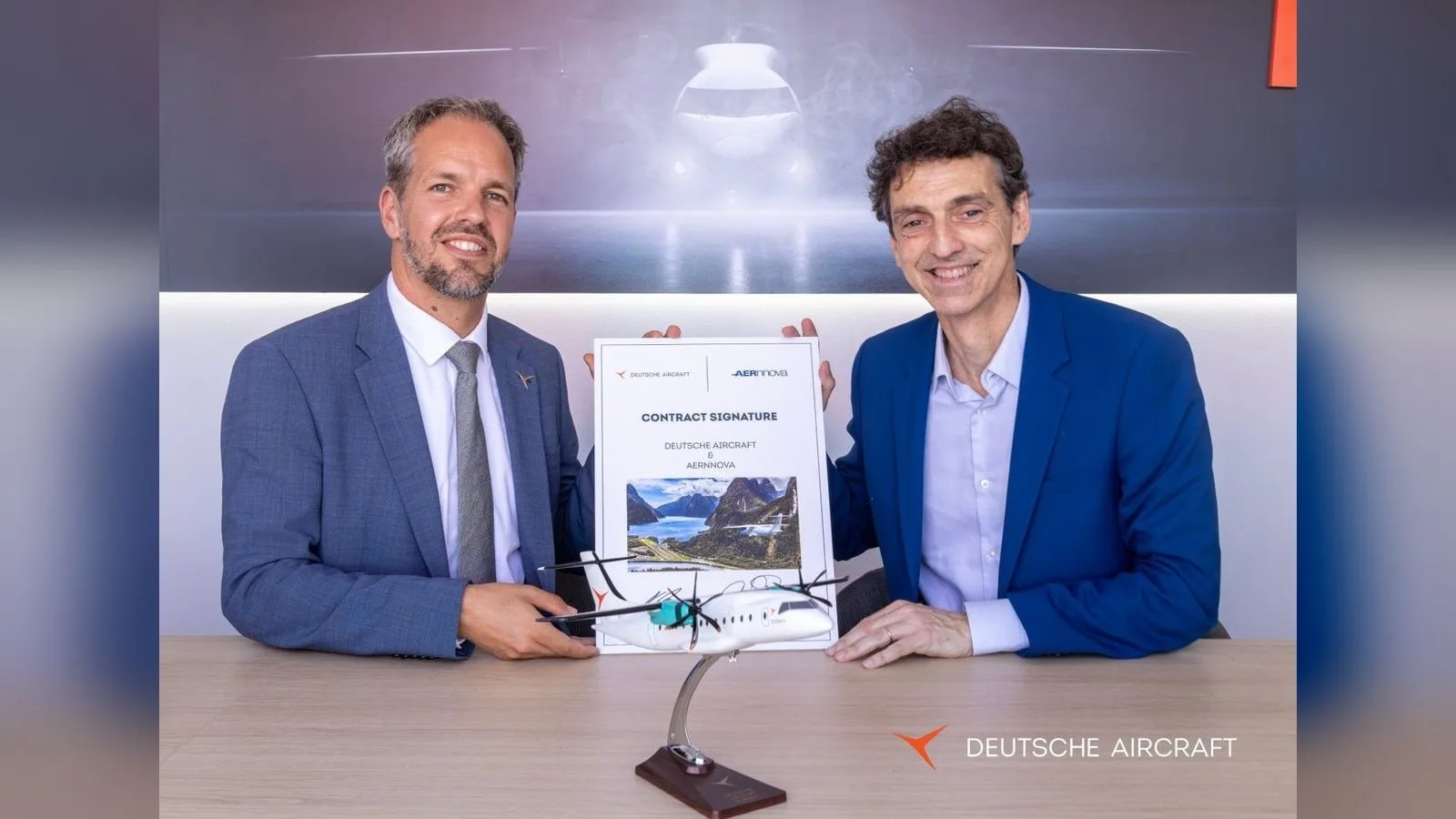
Aernnova signs a deal to take over GE Aviation's Hamble site in the UK, its first operating base in Britain. The deal brings about 700 employees, the A350 XWB wing fixed trailing-edge program and roughly $200 million in additional yearly…
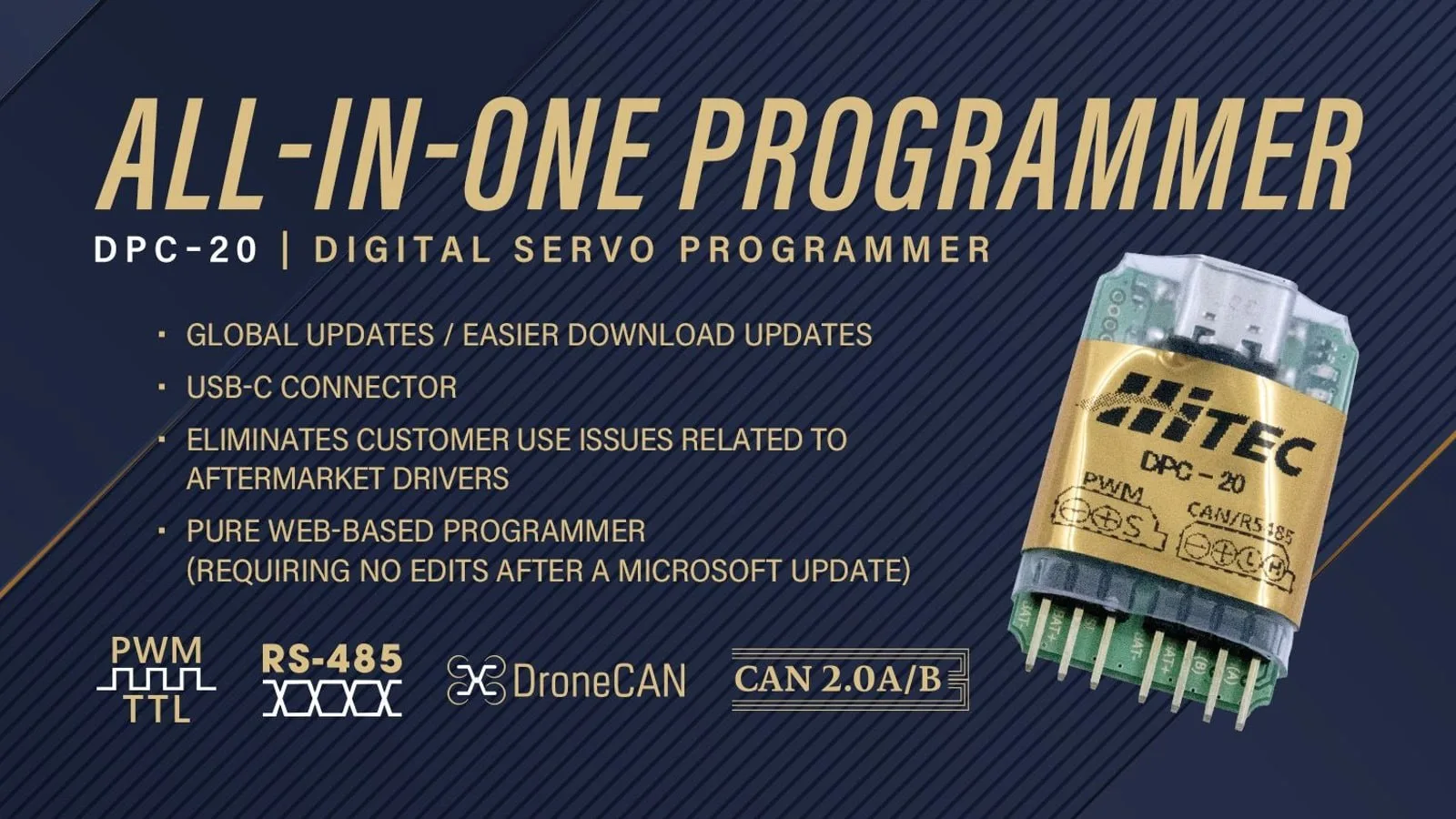
Hitec Commercial Solutions releases the DPC-20, a USB-C programmer that configures and tests its digital servo actuators over PWM, TTL, RS-485, CAN and DroneCAN. It replaces three earlier programmers, the DPC-11, DPC-485 and DPC-CAN, so…
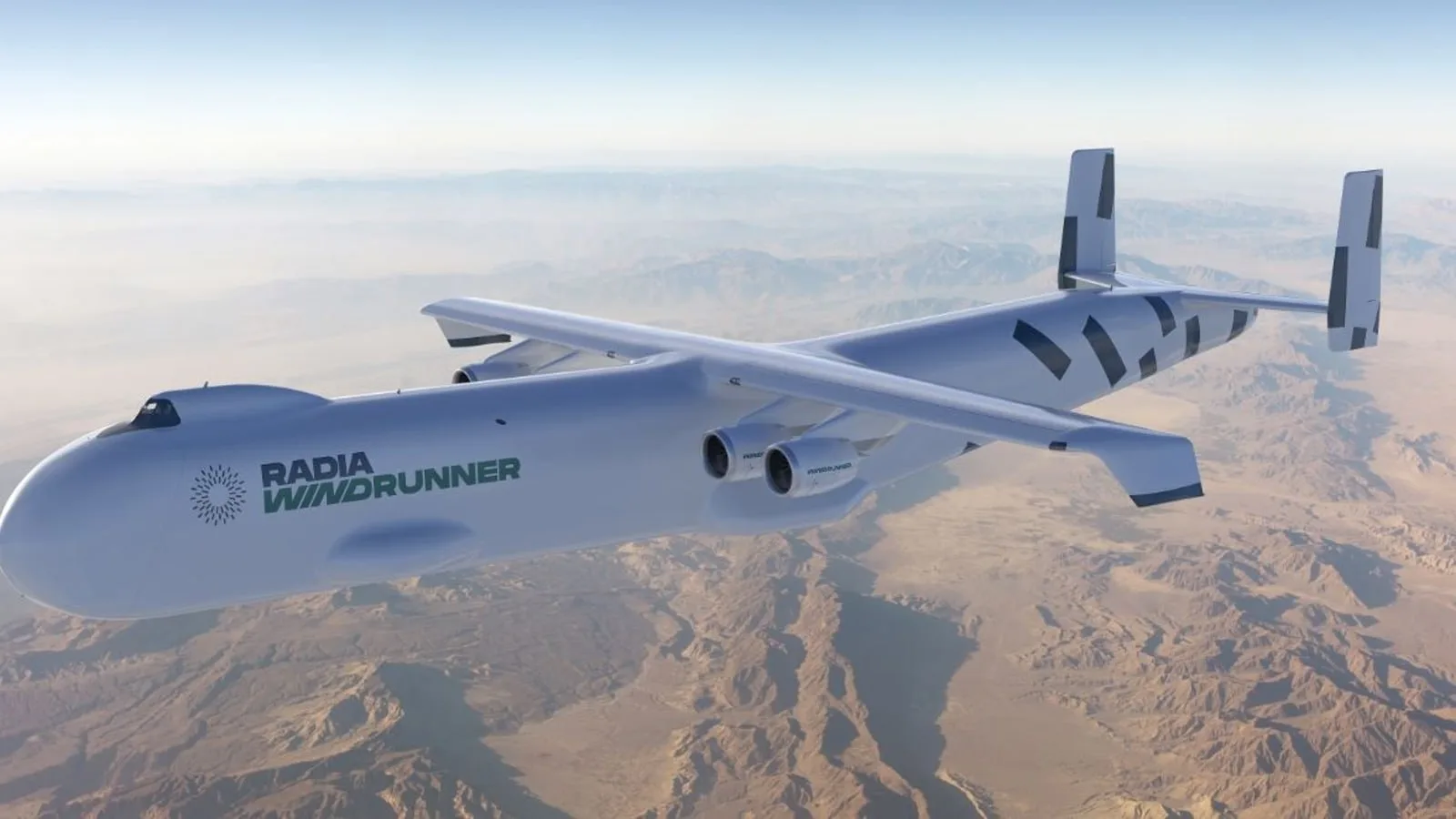
Aernnova partners with Radia on the wing and engine pylons of WindRunner, the cargo aircraft Radia is developing to carry wind turbine blades. Leonardo and AFuzion join the same ecosystem for fuselage engineering and for safety and…