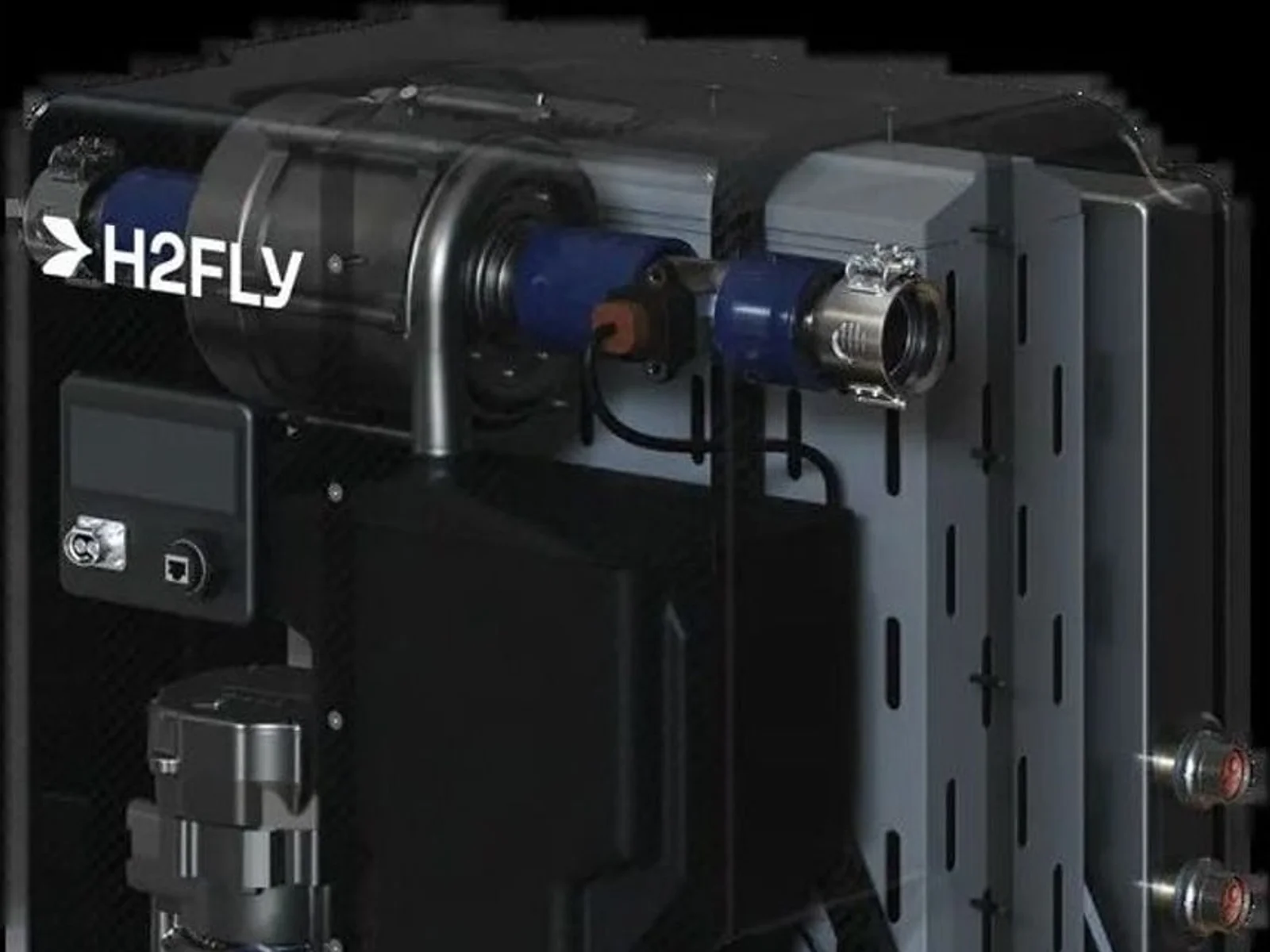
H2F-175 is a hydrogen fuel-cell power system that converts hydrogen and oxygen into electrical power. It supplies an electric propulsion or onboard power installation and requires integration with hydrogen storage and balance-of-plant equipment.
The H2F-175 hydrogen fuel-cell power system from H2FLY is a fuel cell system family for aircraft, intended for OEMs that want hydrogen-electric propulsion. It converts hydrogen and oxygen into electrical power and is offered as a modular fuel cell power system for electric vertical takeoff and landing aircraft, unmanned aerial vehicles and fixed-wing aircraft.
The system is modular by design and scalable from 30 kW up to 2 MW. For an integrator this means one product family covers a wide range of platform sizes, from small unmanned aircraft to larger fixed-wing airframes, and that the number and arrangement of modules can be matched to the power demand of the aircraft. Each system is tailored by the maker to the power requirements, design constraints and operational needs of the OEM, so the configuration delivered for a given platform is agreed during the integration project instead of being picked from a fixed catalogue size.
H2FLY describes the intended aircraft applications individually. For eVTOL aircraft, the requirement is a high power-to-weight ratio and reliable performance in all flight phases. For unmanned aerial vehicles, the systems address highly diverse mission profiles. For fixed-wing aircraft, the demand is scalable power output across flight phases and compatibility with the integration constraints of existing airframes.
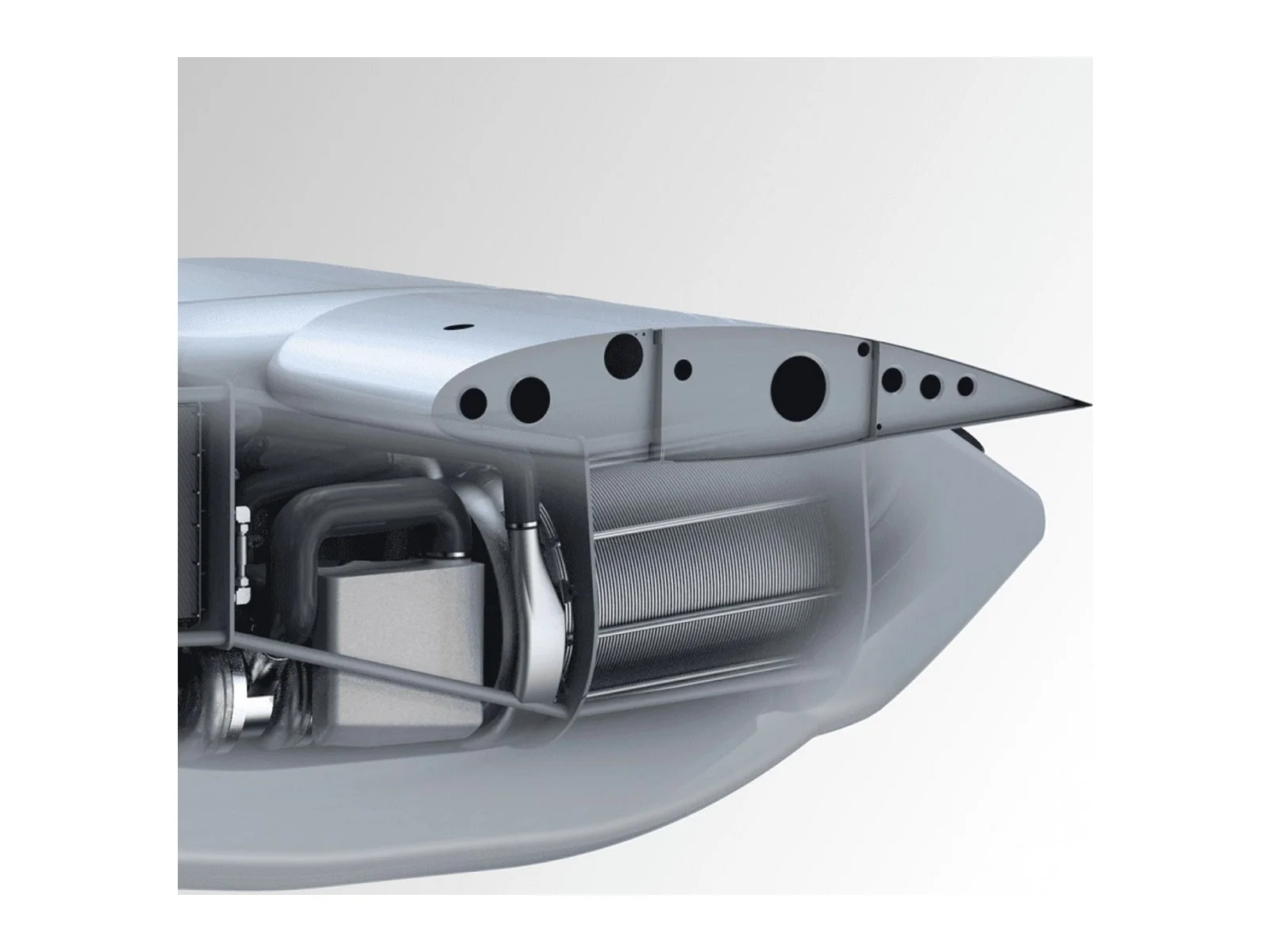
As a fuel cell power source, the system works together with hydrogen storage and balance-of-plant equipment in the aircraft, and its electrical output supplies the electric propulsion or onboard power installation. H2FLY also offers liquid hydrogen tank systems and liquid hydrogen infrastructure as separate solution areas, and the company supports early stage development partners with concept modeling and simulation to assess feasibility and size the hydrogen-electric propulsion system for a platform.
Typical applications are hydrogen-electric propulsion for eVTOL aircraft, long-mission unmanned aircraft and regional fixed-wing aircraft.
Specifications
Specifications · H2F-175 hydrogen fuel-cell power system
General
Grade
Aerospace-grade
Market
Civil
Platform class
Small UAS (<25 kg), Large UAS (25–150 kg), Heavy UAS (>150 kg), eVTOL, Manned aircraft
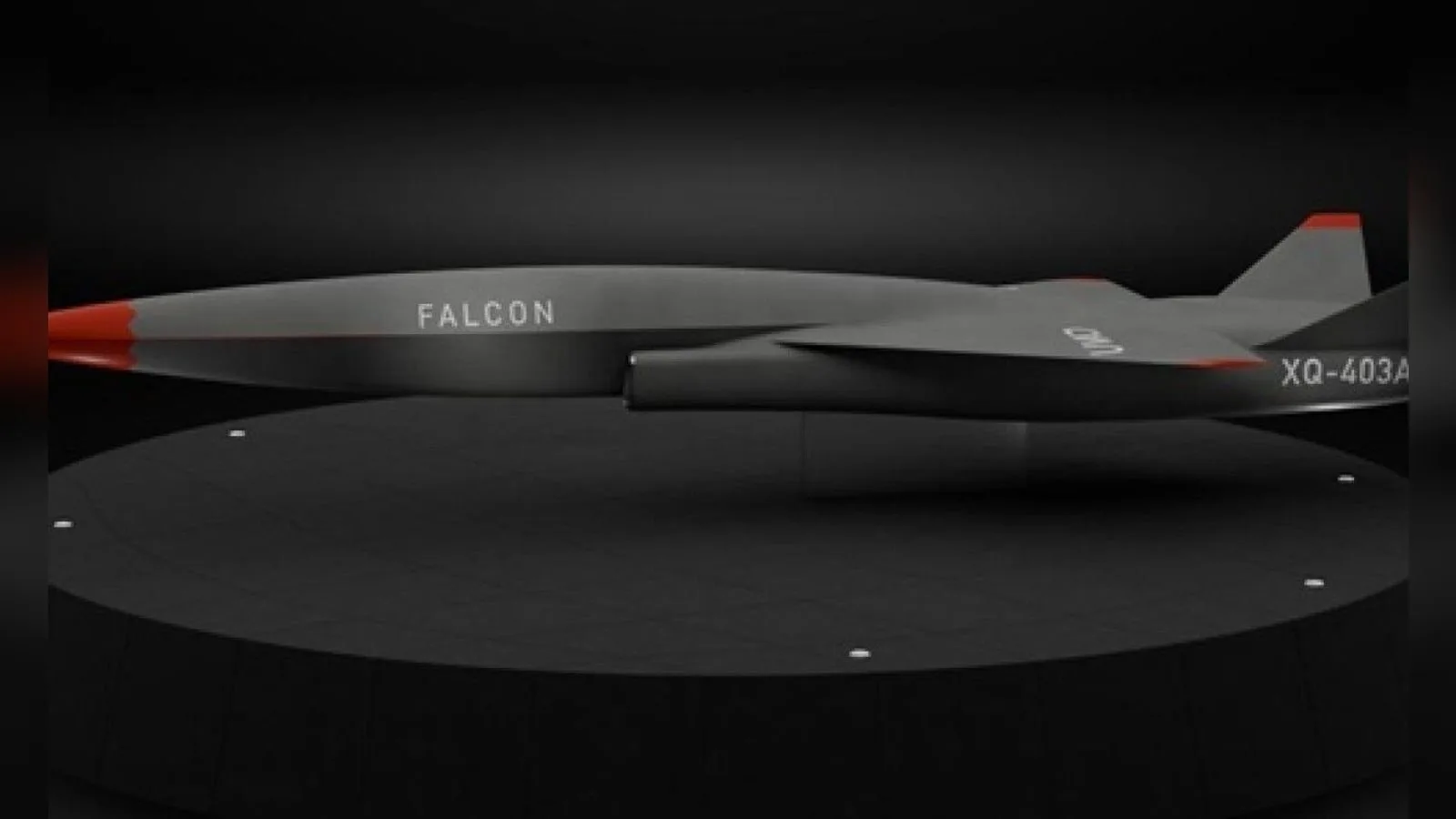
Falcon is a reusable supersonic uncrewed aerial target for missile-defense training, and its propulsion is the subject of a partnership between Safran Power Units and UVAD Technologies. Safran supplies two turbojet engines, and flight…
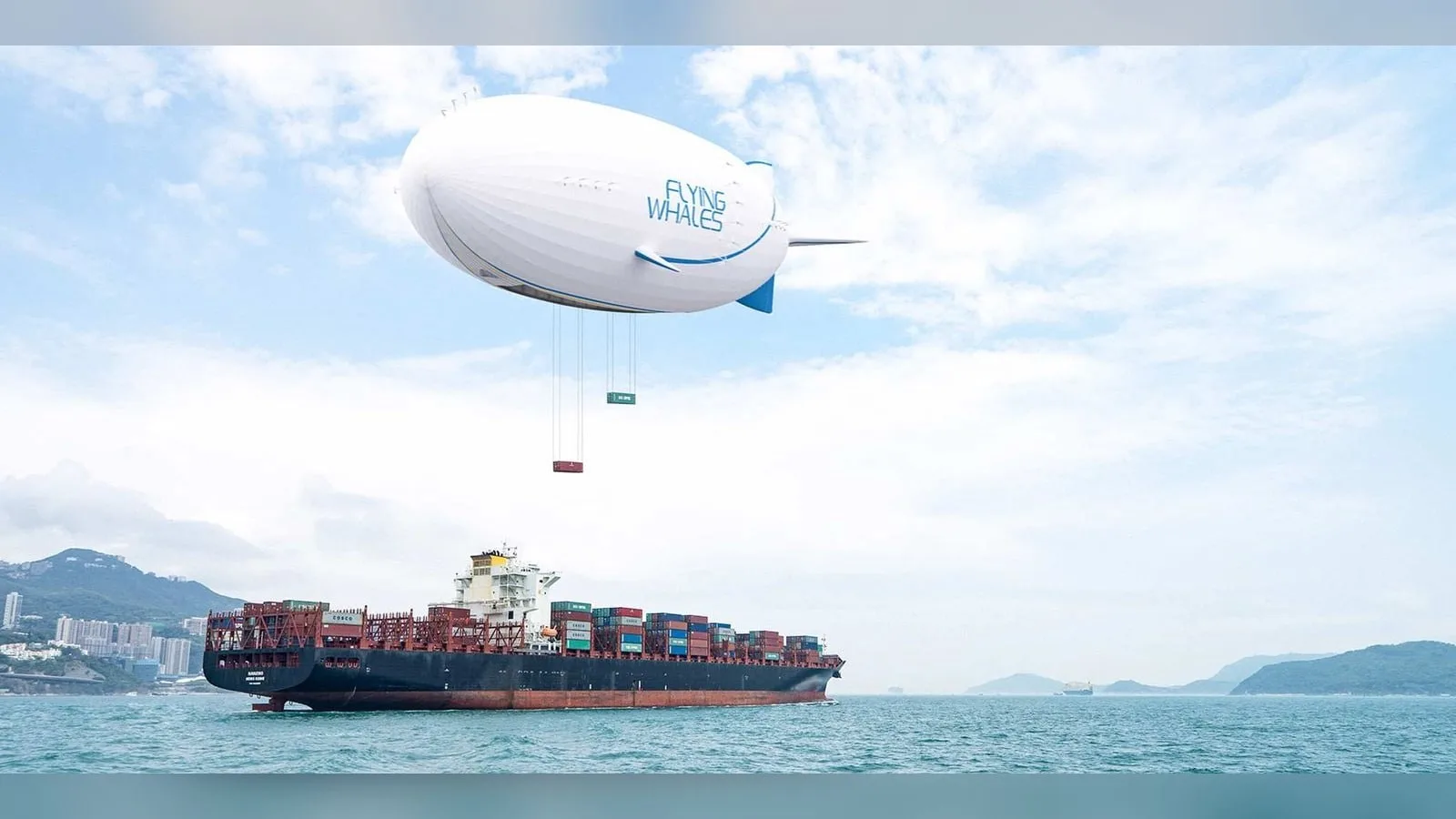
Honeywell Aerospace tests a 1 MW generator in a Mexicali test cell, and Flying Whales will integrate it into the hybrid-electric powertrain of its LCA60T airship. The unit reaches 1 MW steady state at 97% efficiency, giving…
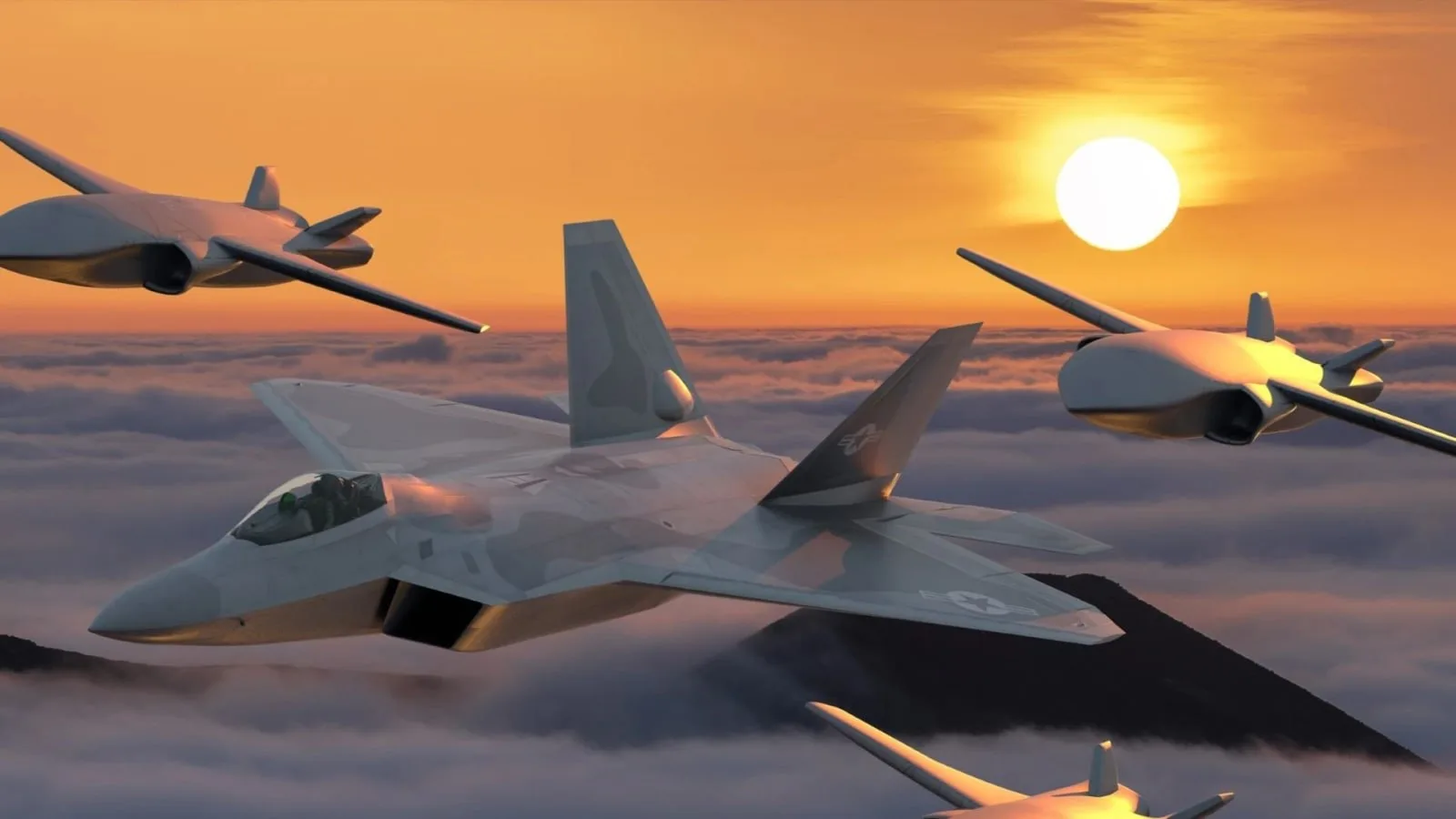
Honeywell Aerospace presents the HON1600, a small turbine engine it positions for the US Air Force's Collaborative Combat Aircraft (CCA) program, after a core engine run in September 2025. The Air Force has issued a request for proposals…










 FeaturedFuel cells
 FeaturedFuel cells