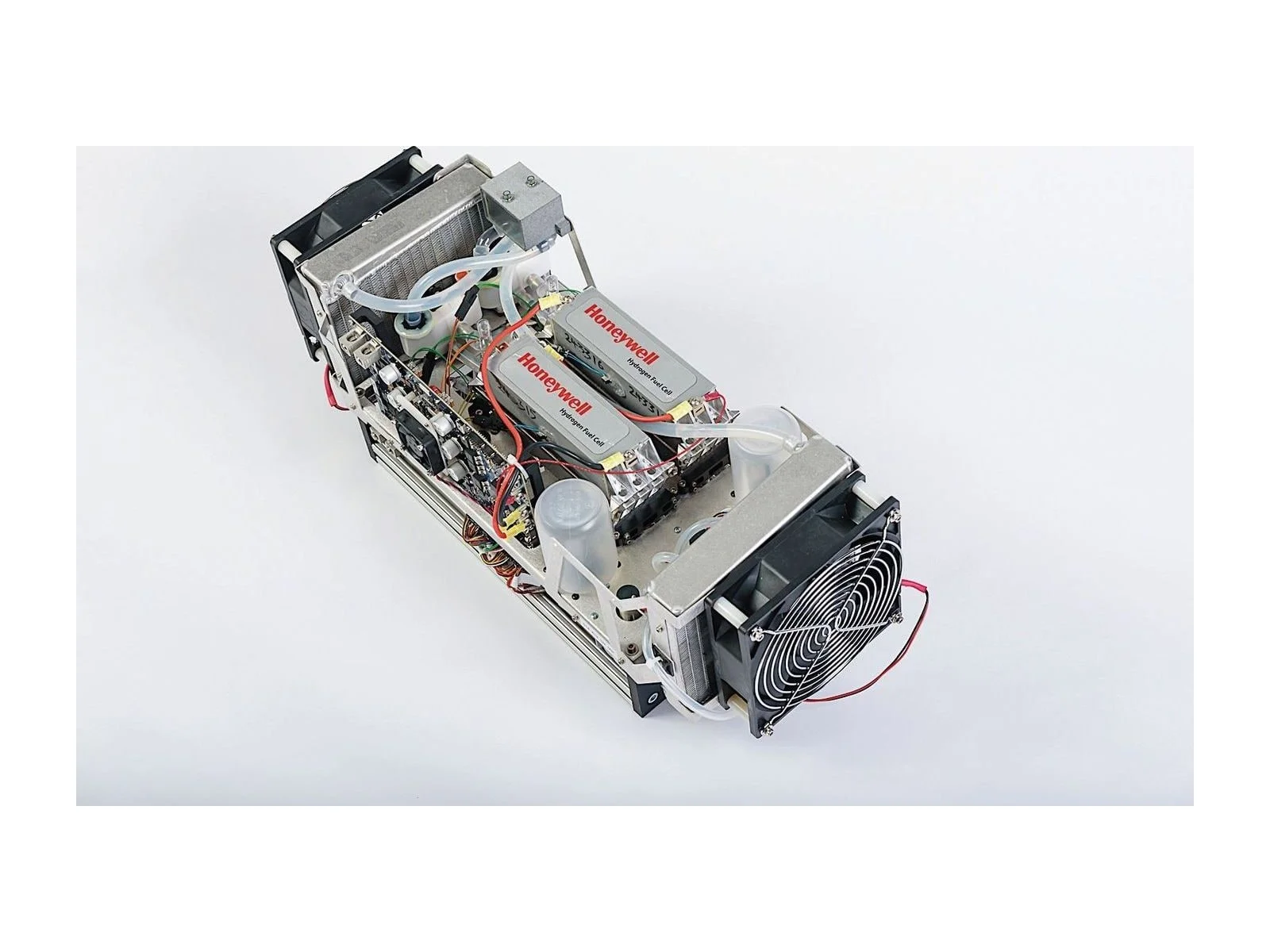
ZA600 is a hydrogen fuel-cell power system that converts hydrogen and oxygen into electrical power. It supplies an electric propulsion or onboard power installation and requires integration with hydrogen storage and balance-of-plant equipment.
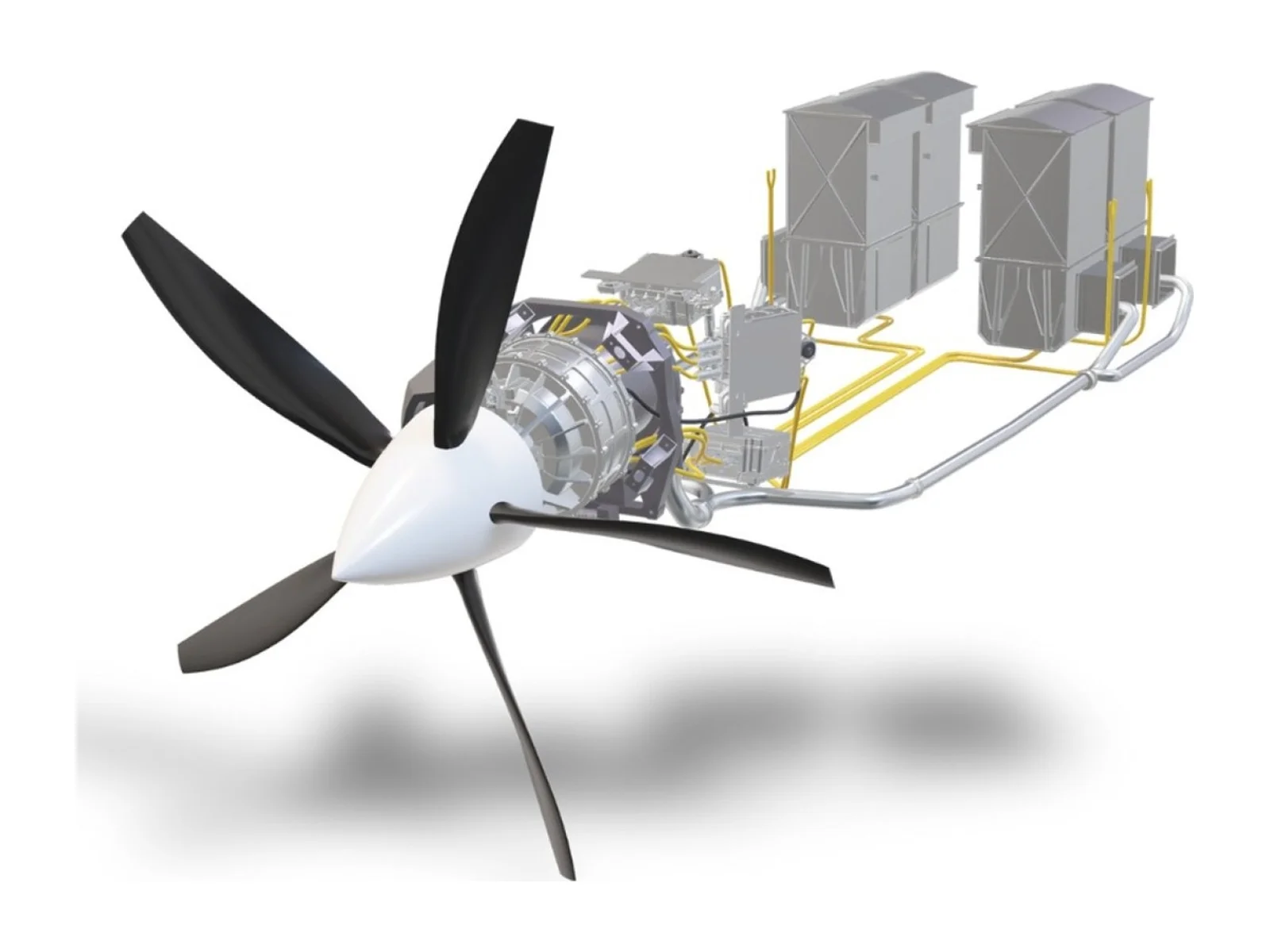
The ZA600 is a hydrogen-electric powertrain from ZeroAvia that uses fuel cells to convert onboard hydrogen into electricity, which drives electric motors that turn the propellers. It is a hydrogen fuel-cell power system with a continuous power of 600 kW, intended for fixed-wing aircraft of up to 20 seats, and it removes direct carbon dioxide and nitrogen oxide emissions at the point of use.
The architecture is the following. Gaseous hydrogen is stored in lightweight tanks, the fuel cell systems turn it into electrical energy, and electric motors deliver the shaft power. ZeroAvia compares the ZA600 with turboprop engines of the PT6A class: it quotes a shaft power of 500 to 750 kW, so one unit covers the power range of such engines, and an overall efficiency at fuel-cell level of 50 to 60 percent against 15 to 20 percent for the PT6A-114A turbine.
For operators the maker states a hydrogen consumption of 25 to 30 kg per flight hour, against 165 kg of fuel per flight hour for the Cessna 208B at 250 NM. The overhaul interval is 10,000 hours, while the turbine it is compared with is quoted at roughly 3,600 to 8,000 hours. The range stated is up to 300 NM with passengers. For a network planner this puts the powertrain into regional, short-sector routes, and the hydrogen supply at the airfield becomes a part of the operation.
The powertrain is intended to be retrofitted to existing aircraft. A prototype ZA600 has been installed to drive the left propeller of a Dornier 228, and ZeroAvia names the Cessna 208B Grand Caravan, the Dornier 228 and the De Havilland Canada DHC-6 Twin Otter as typical airframes; the page also links to a memorandum with de Havilland Canada for a Dash 8-400 program. Integration requires hydrogen storage tanks, balance-of-plant equipment such as thermal management and power electronics, and an airframe modification. The page does not give voltage or mass figures.
The page states no certification status, so airworthiness approval has to be confirmed with the maker for each installation. Typical applications are regional passenger and cargo operations with 9 to 19 seat fixed-wing aircraft, and conversion of utility turboprops to zero-emission propulsion.
Specifications
Specifications · ZA600 hydrogen fuel-cell power system
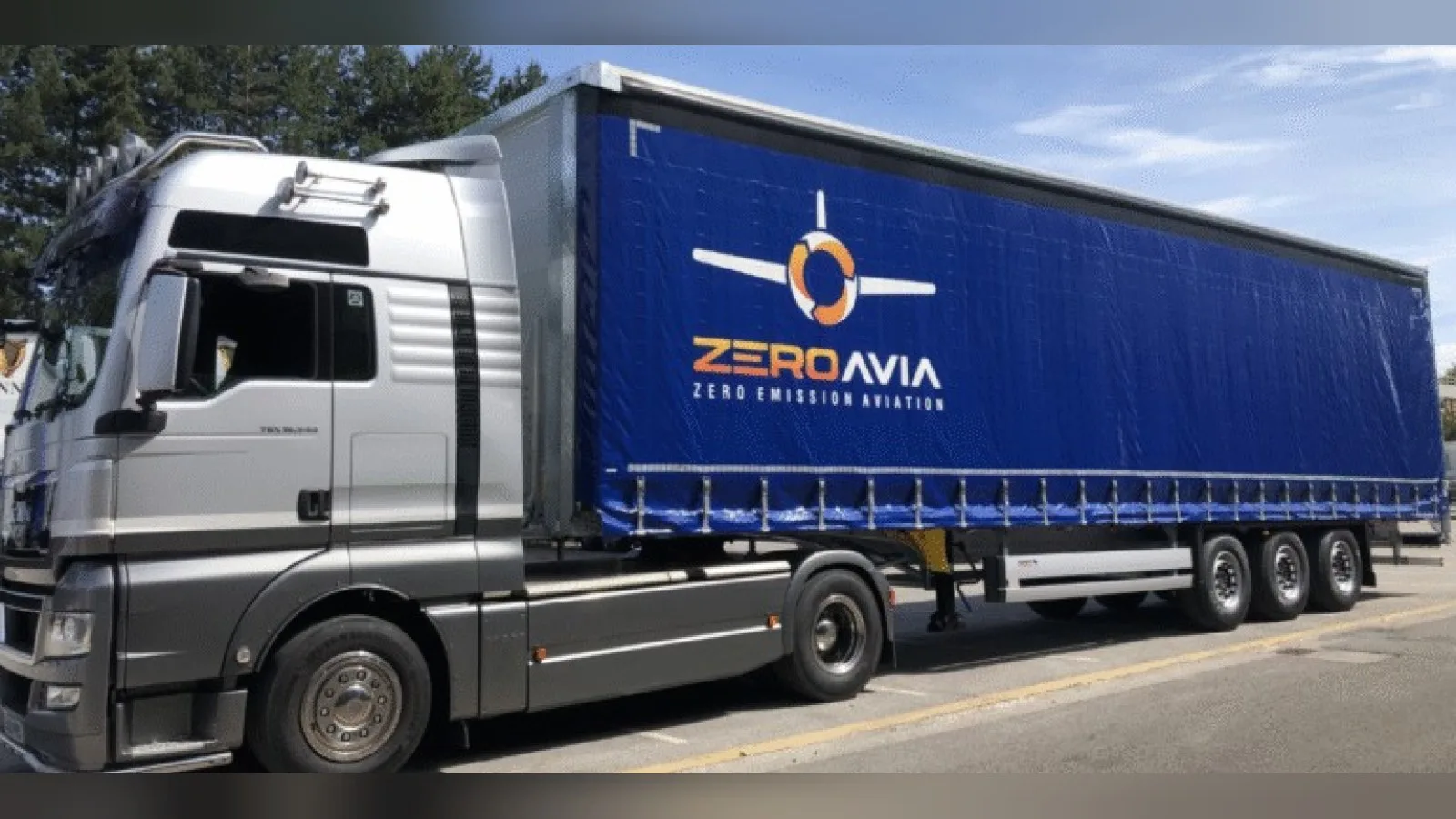
ZeroAvia leads HyPRIME, a project backed by the UK Department for Transport to develop, build and demonstrate liquid hydrogen refuelling infrastructure for commercial aircraft. The demonstration takes place in a live airport environment…
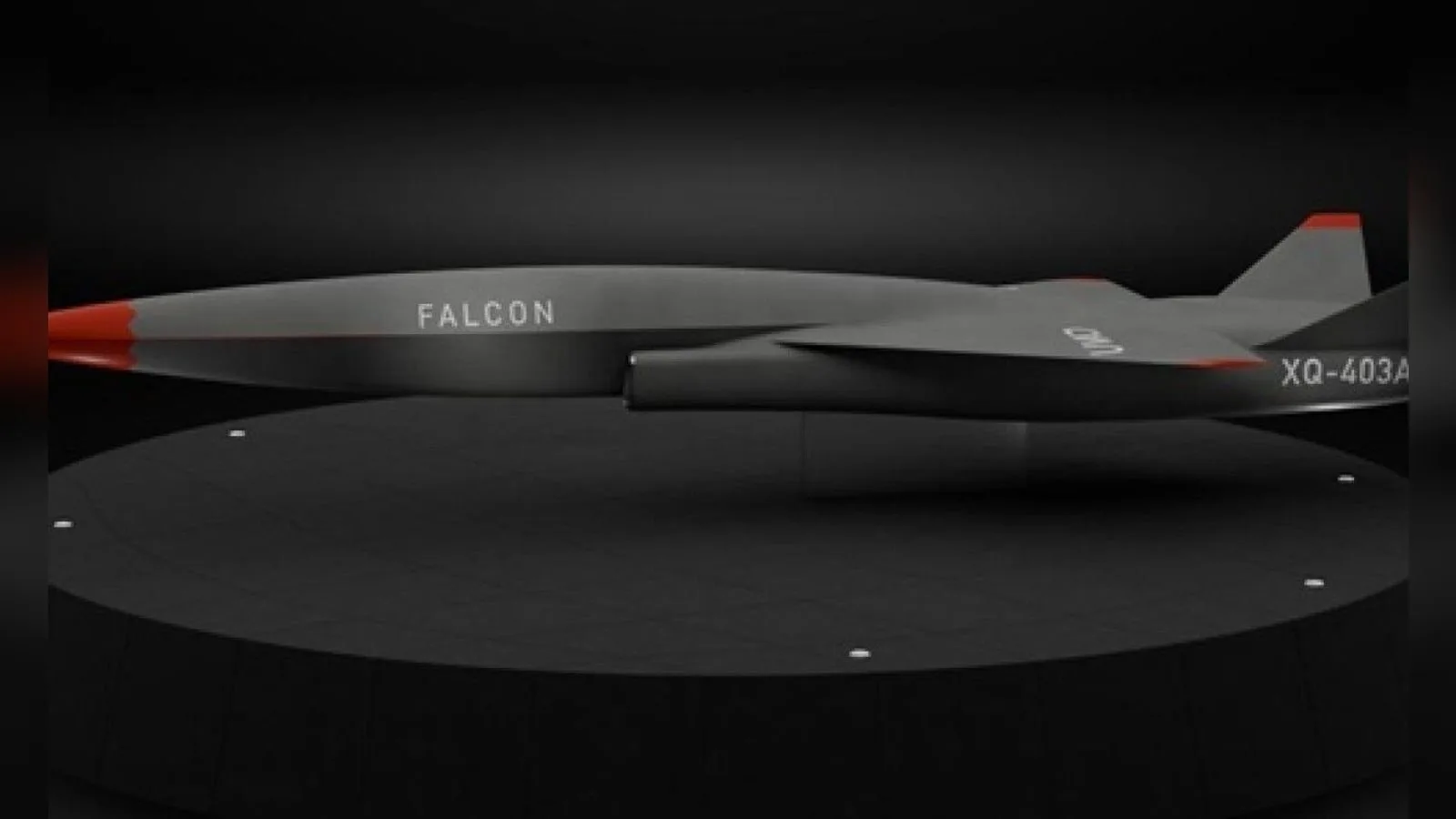
Falcon is a reusable supersonic uncrewed aerial target for missile-defense training, and its propulsion is the subject of a partnership between Safran Power Units and UVAD Technologies. Safran supplies two turbojet engines, and flight…
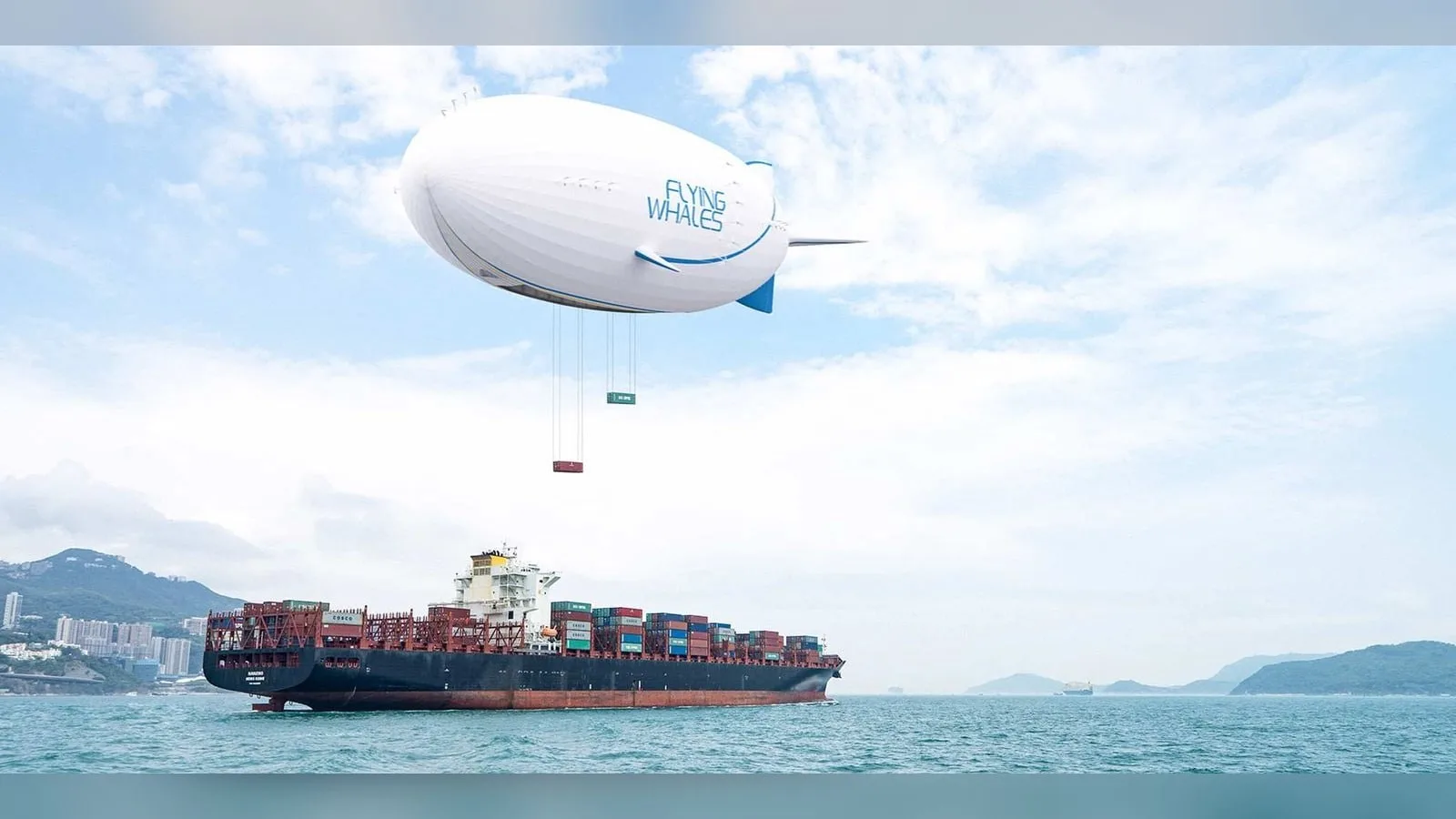
Honeywell Aerospace tests a 1 MW generator in a Mexicali test cell, and Flying Whales will integrate it into the hybrid-electric powertrain of its LCA60T airship. The unit reaches 1 MW steady state at 97% efficiency, giving…










 FeaturedFuel cells
 FeaturedFuel cells
 FeaturedFuel cells