Featured
GNSS receivers
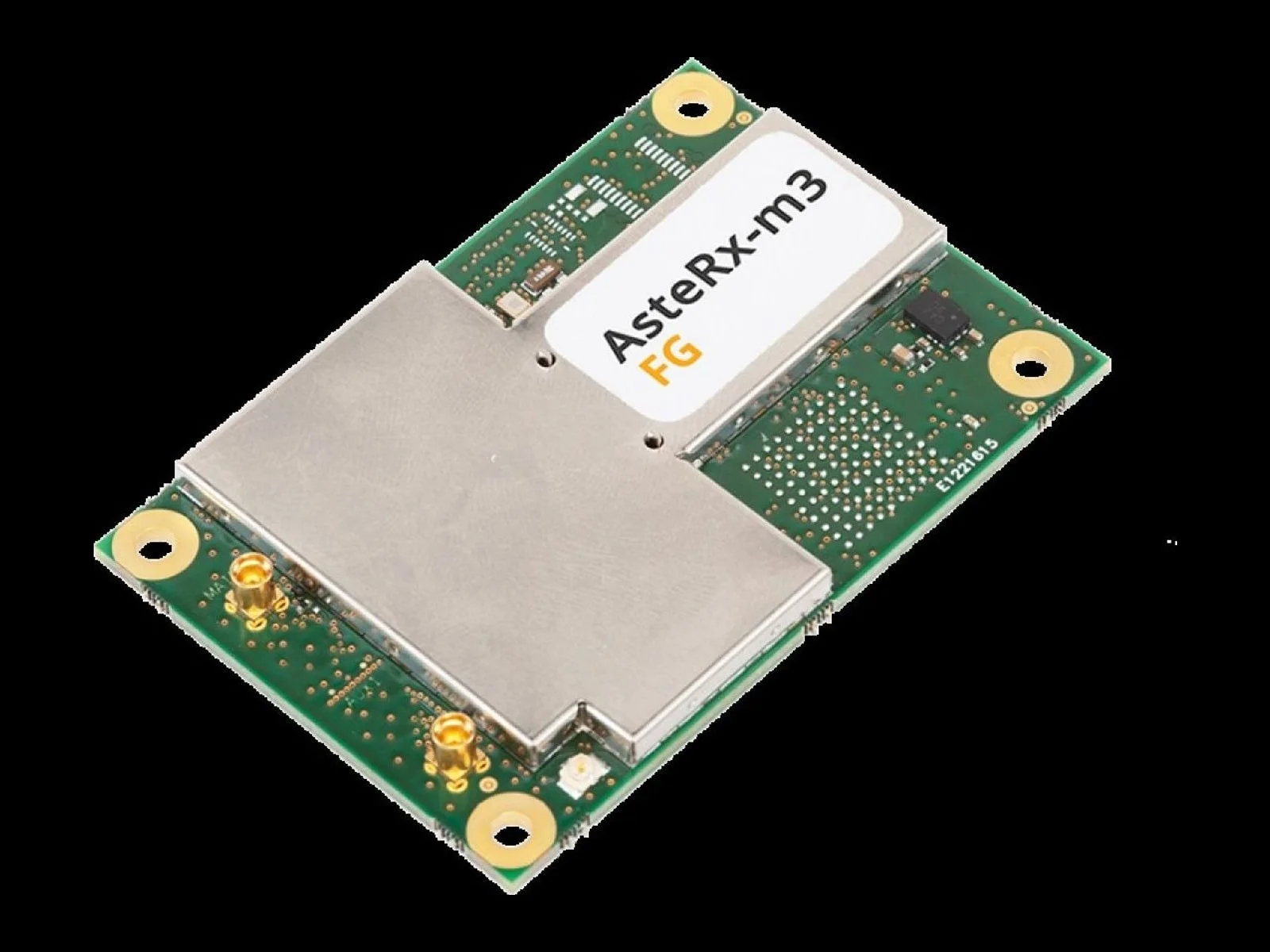
AsteRx-m3 satellite-navigation receiver
- Constellations
- GPS
- Update rate
- 100 Hz
- Grade
- Professional
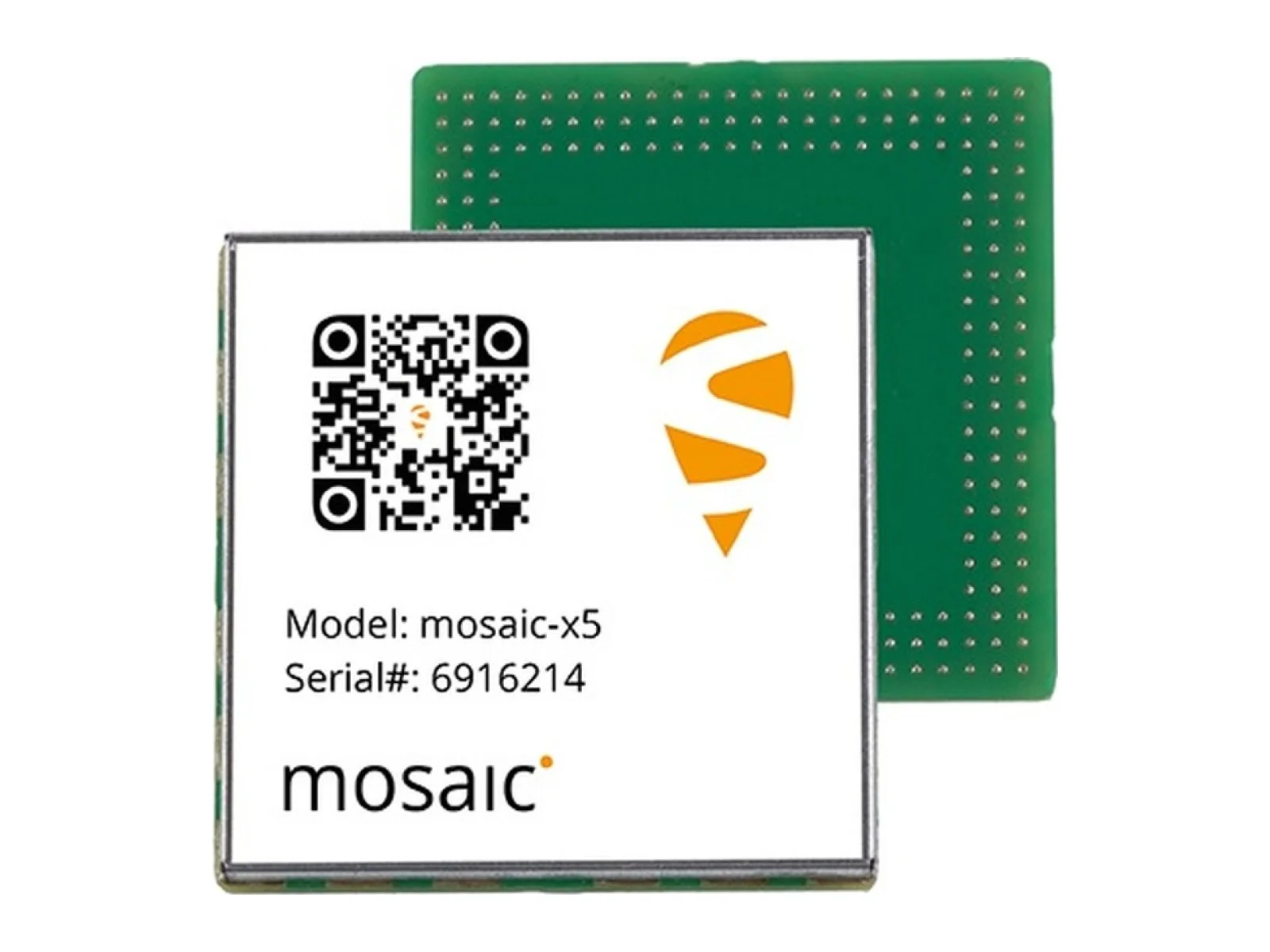
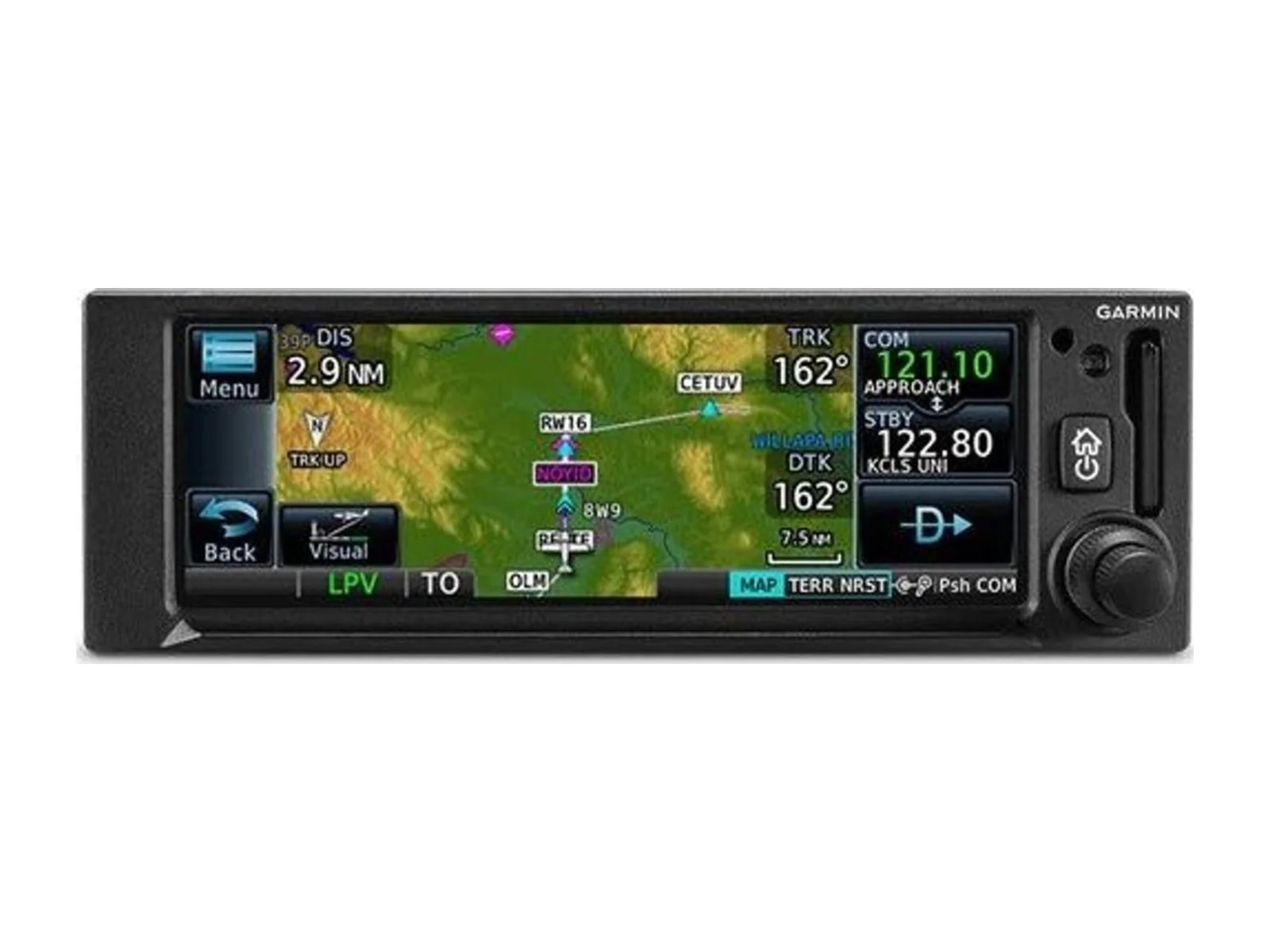
Multi-constellation GNSS (GPS, Galileo, GLONASS, BeiDou) receivers with RTK, multi-frequency tracking, anti-jamming protection and matching antennas.
Filters
Try removing a filter.



Updated November 3, 2026
A GNSS receiver computes position, velocity and time from navigation satellites: GPS, Galileo, GLONASS and BeiDou. It is the main absolute position source of almost every drone. Professional receivers add more frequencies and constellations, centimetre-level correction services and protection against interference.
The antenna and its installation decide much of the real-world performance: multipath, interference from onboard electronics and the view of the sky. Survey-grade and anti-jam antennas are specified with the receiver.
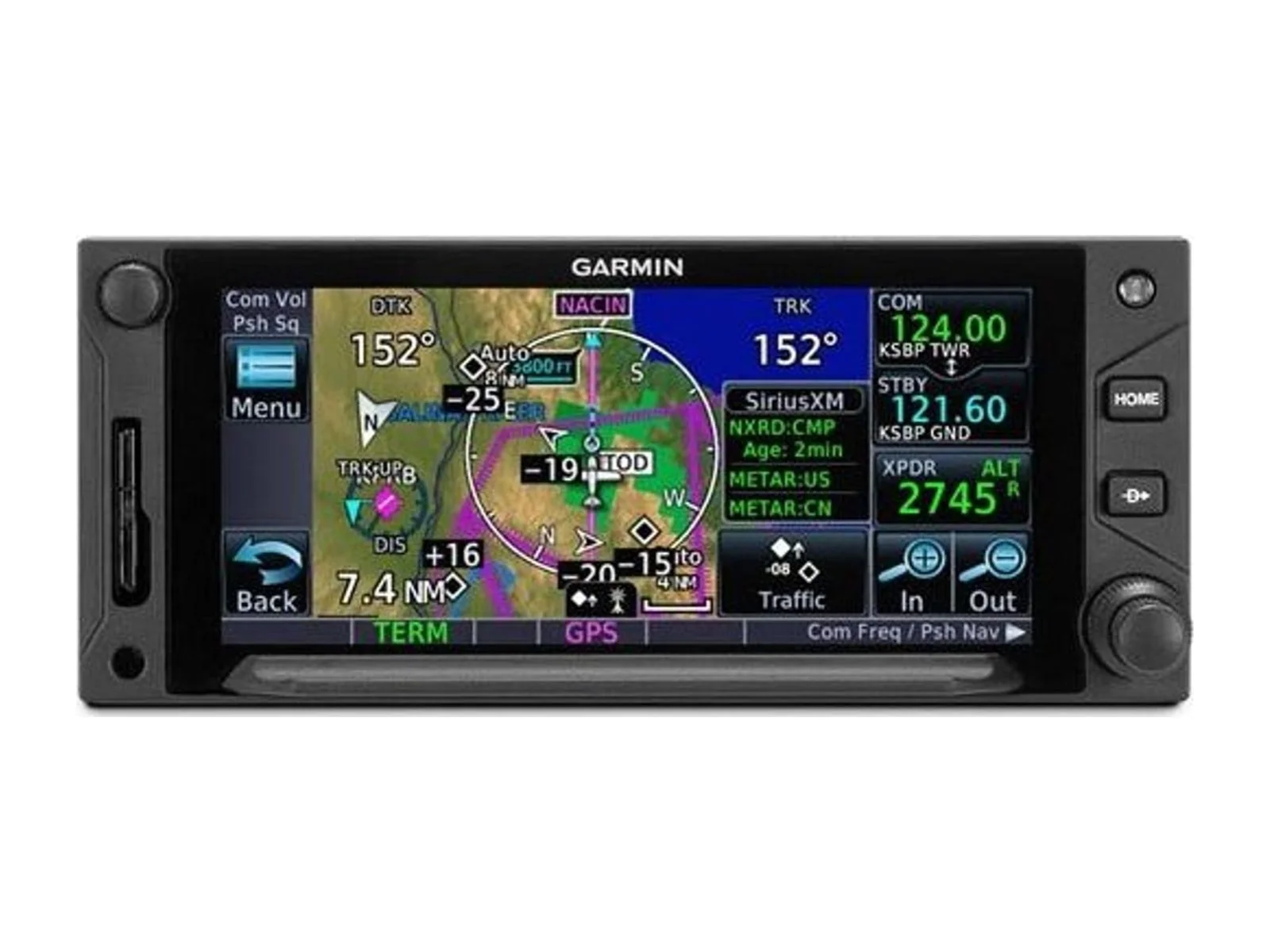
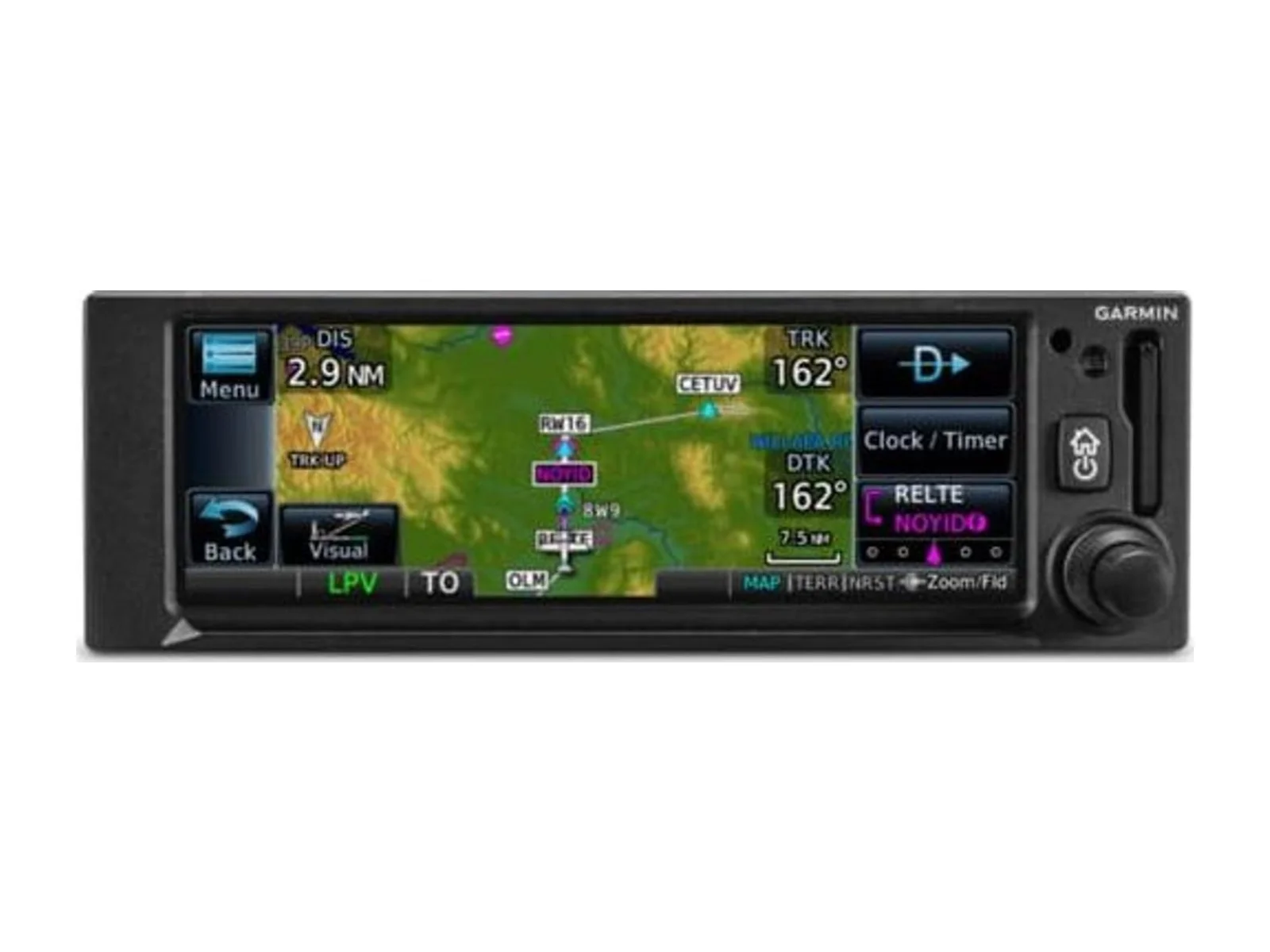
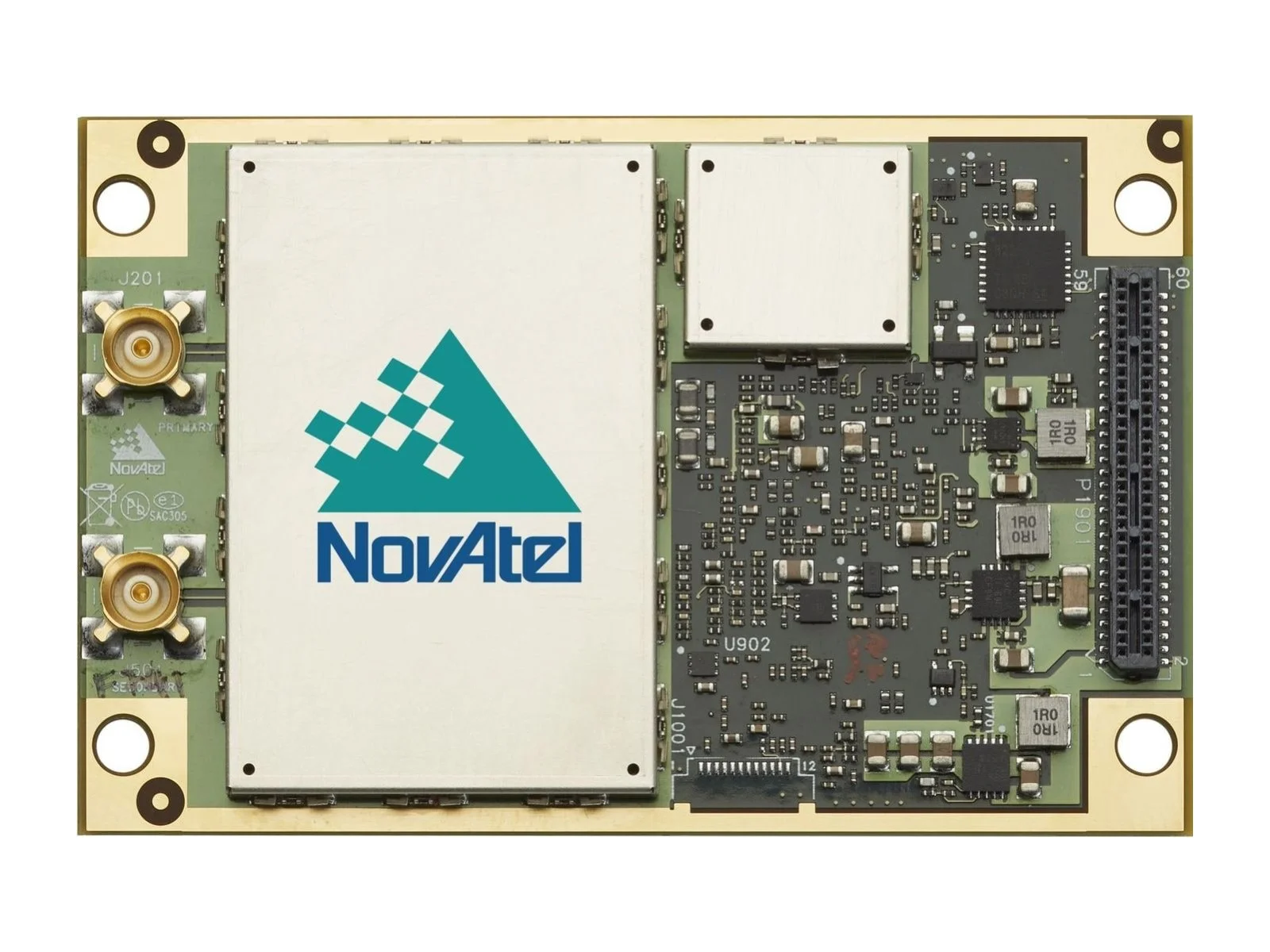
Examples include Septentrio, u-blox, NovAtel (Hexagon), Trimble and Garmin. Combine the receiver with an IMU or INS for continuity when signals are lost.
Real-time kinematic positioning: the receiver uses carrier-phase measurements and corrections from a base station or correction network to reach centimetre-level accuracy in real time.
Measuring several frequencies removes most ionospheric error, speeds up high-accuracy fixes and makes the receiver more robust to interference and multipath.
With receivers that detect and filter interference, multi-constellation and multi-frequency tracking, anti-jam antennas (CRPA), and by fusing GNSS with inertial and visual navigation so the vehicle keeps flying when signals are lost.
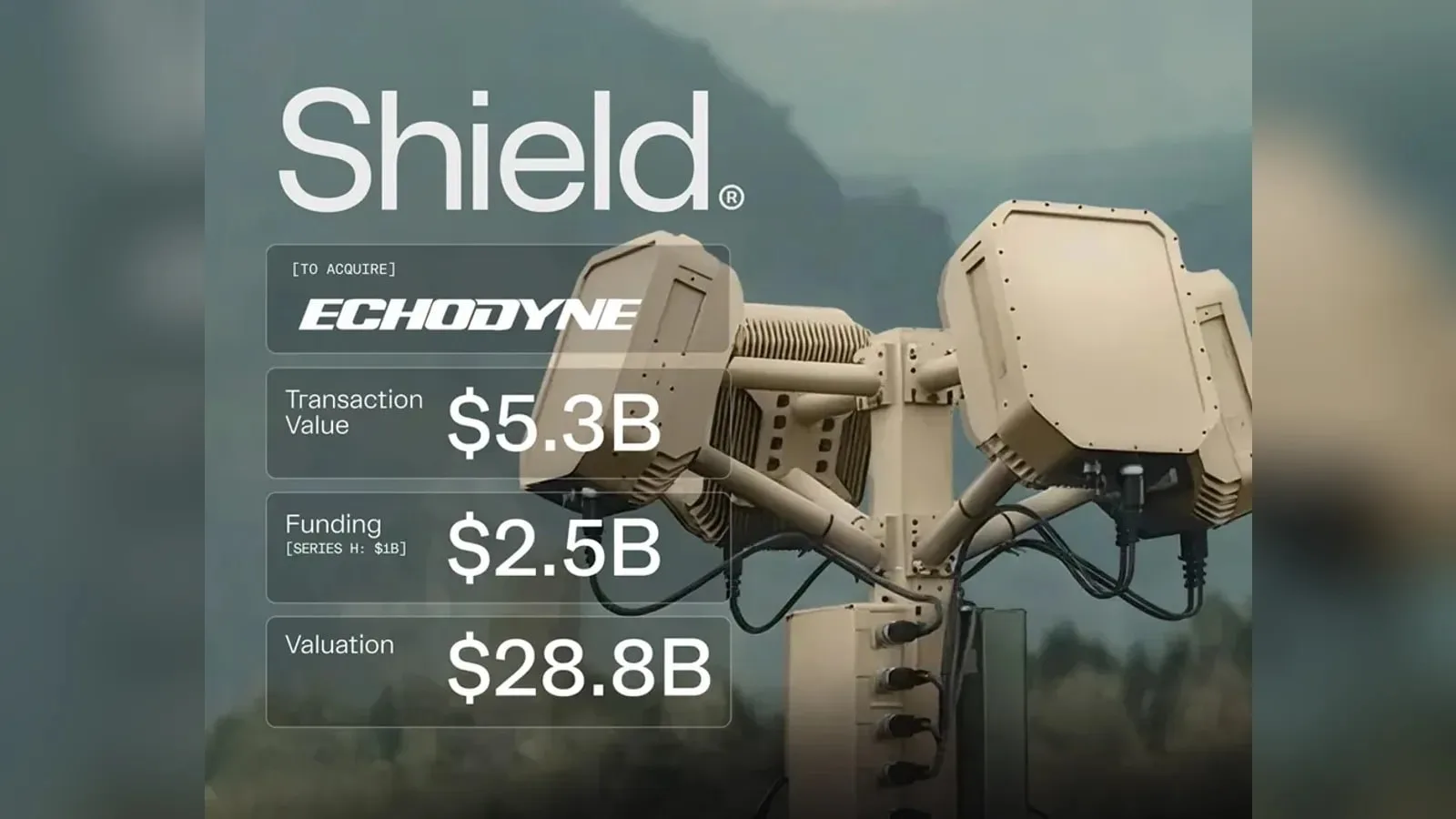
Shield agrees to buy Echodyne, the Kirkland-based radar maker, in a deal valued at $5.3 billion. The purchase brings software-defined MESA radars, used in counter-UAS systems and for UAS detect-and-avoid, into Shield's Mission Systems…
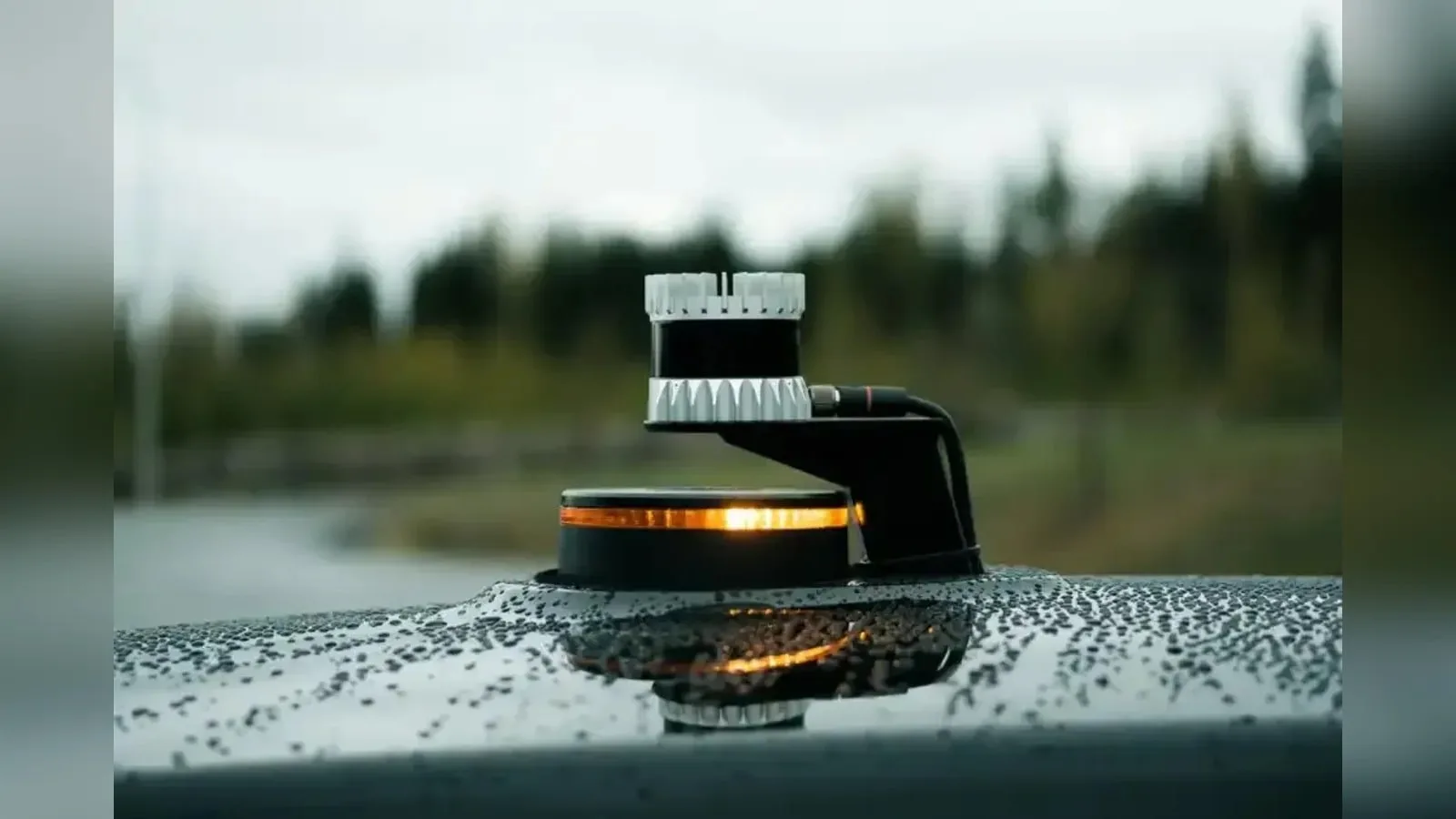
Ouster releases Firmware 3.2 for its lidar sensors, adding on-sensor 3D zone monitoring, optical window blockage detection and time-synchronized IMU data. The update shifts occupancy logic and motion compensation from the host computer to…
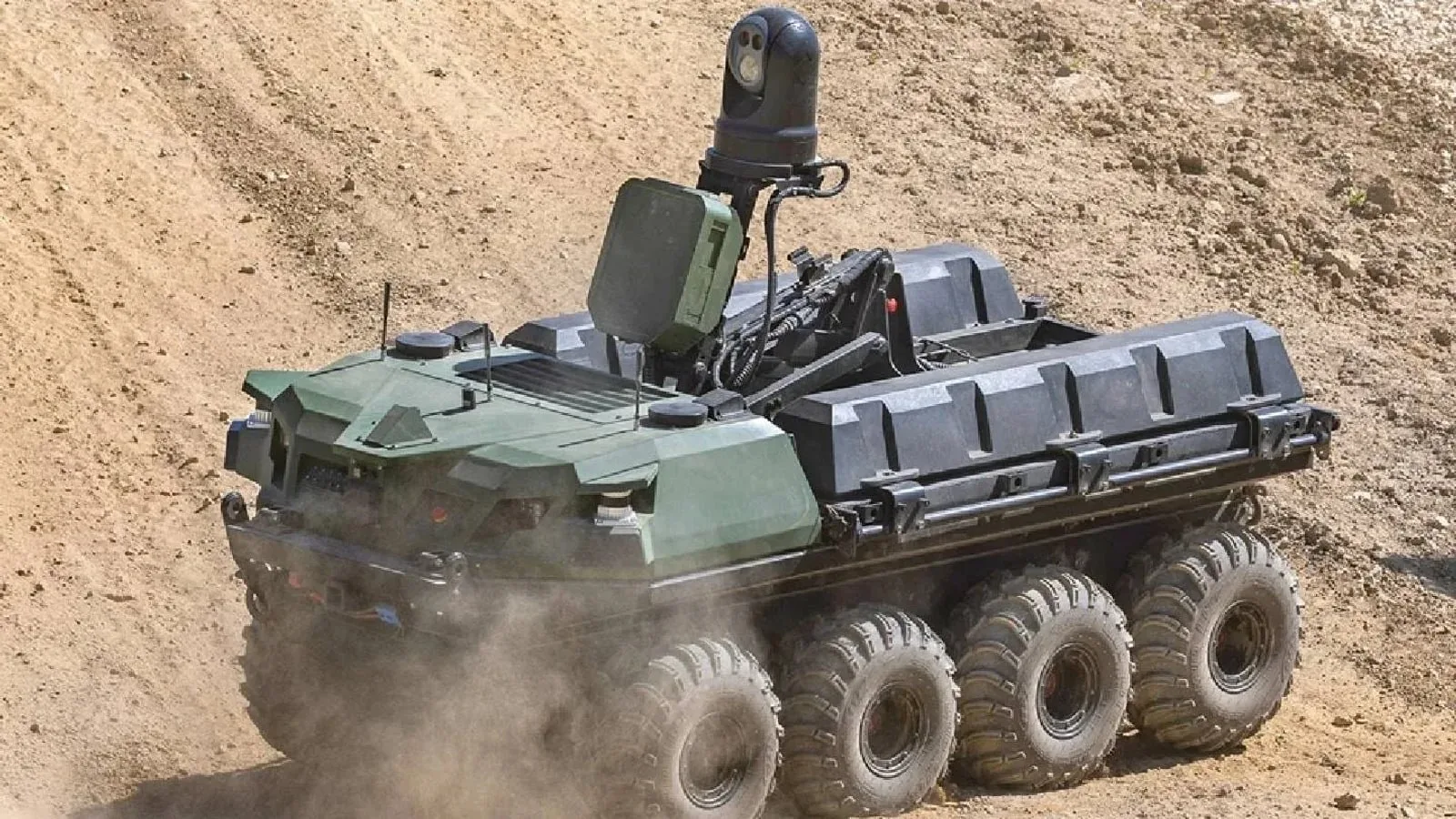
Shield has agreed to buy Echodyne, the Washington-based maker of MESA radars for counter-UAS and airspace sensing, for $5.3bn. Echodyne's radars stay available as standalone products, and the deal adds production capacity for the sensor…