Featured
Electric motors
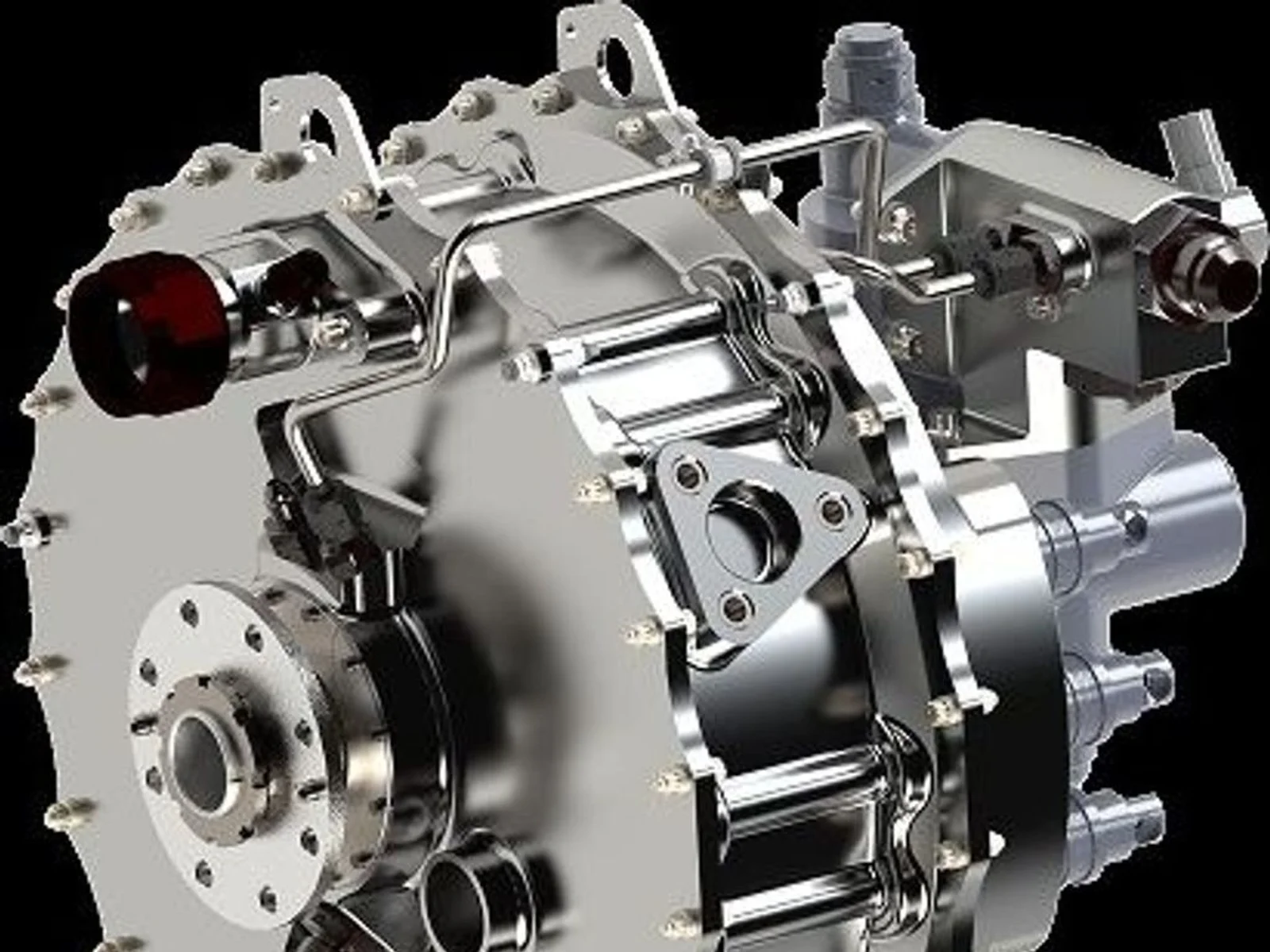
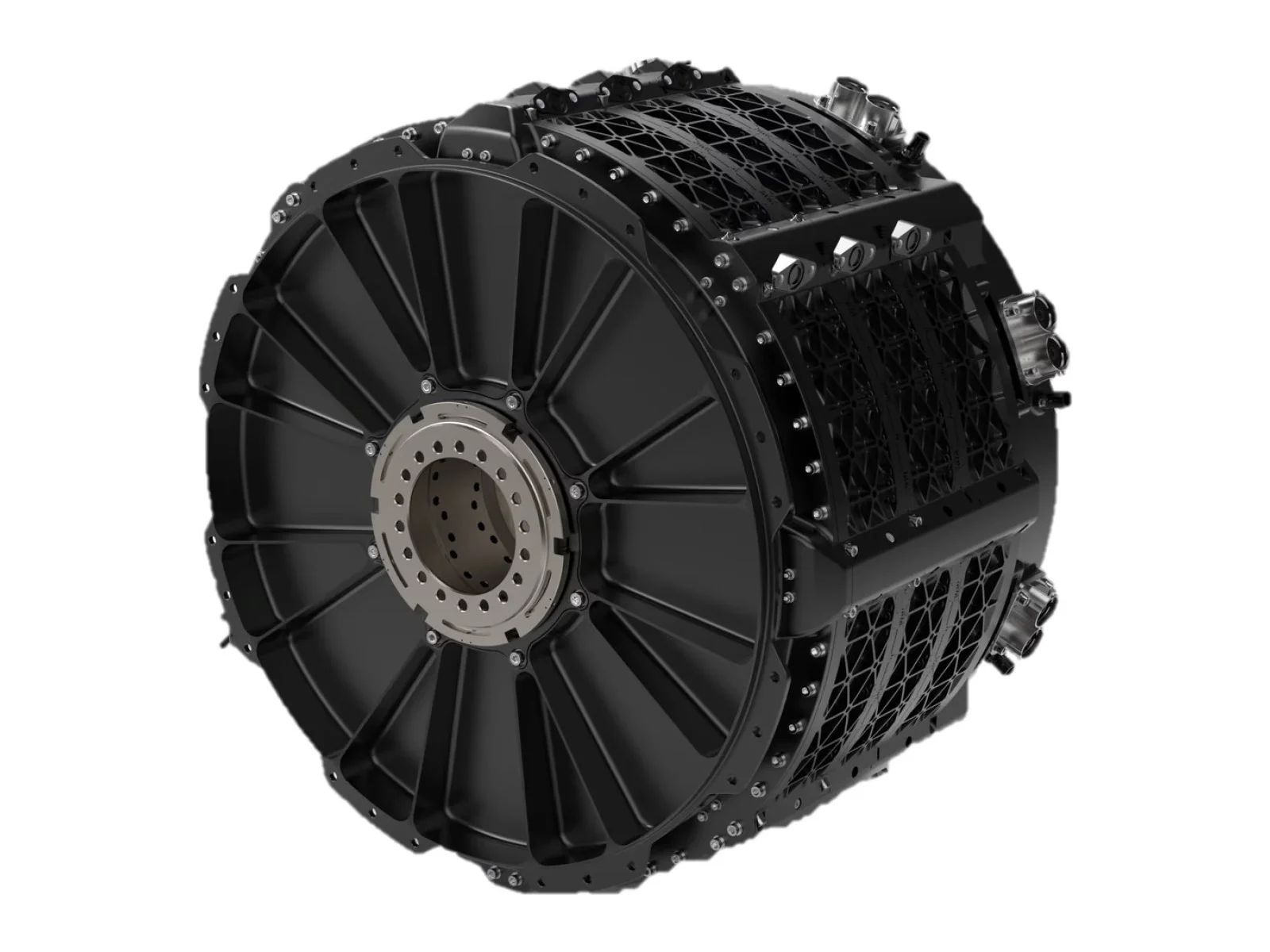
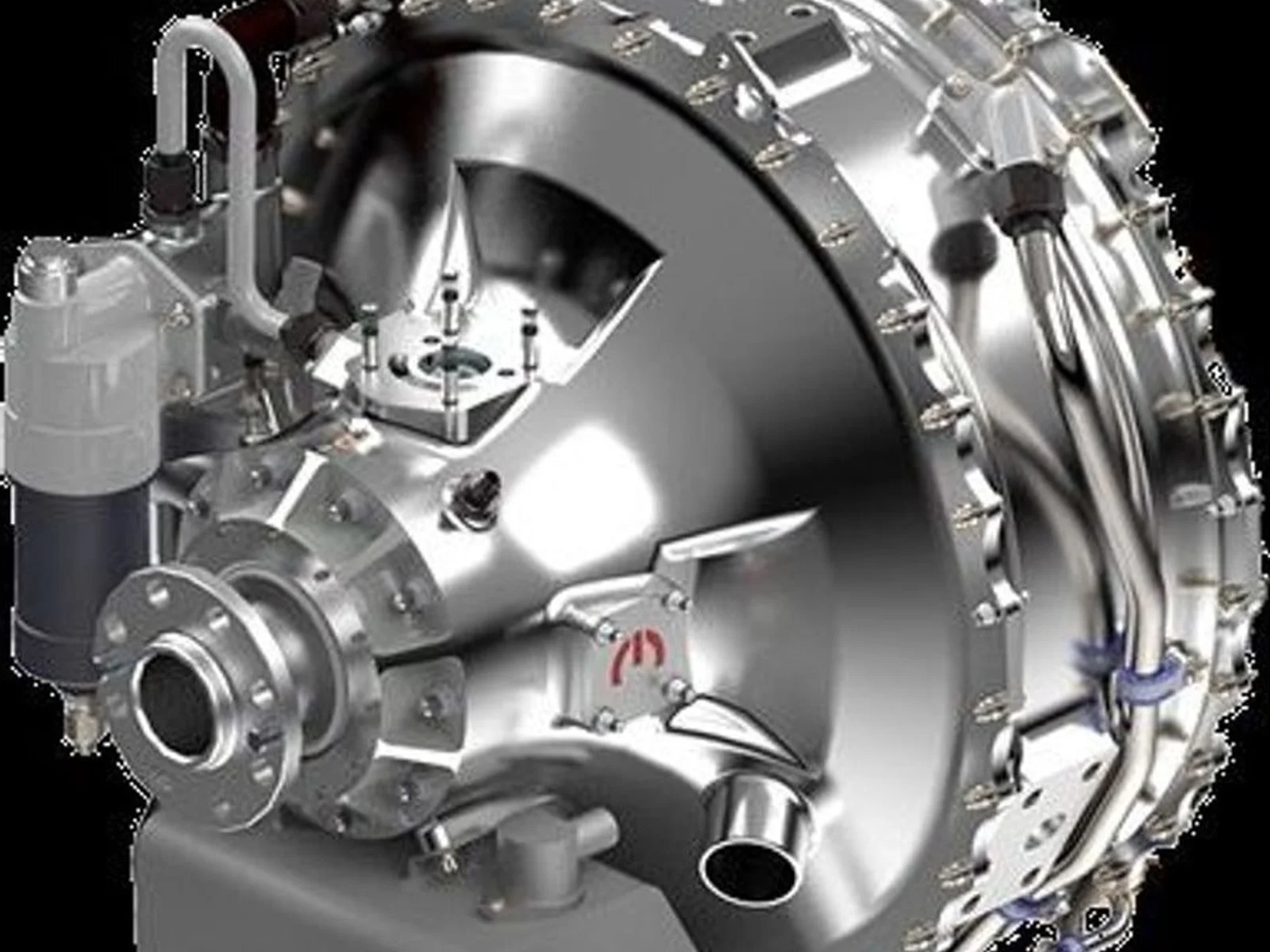
HeliStorm electric rotorcraft motor
- Continuous power
- 221 kW
- Peak power
- 324 kW
- Supply voltage
- 520 – 820 V
Radial flux and axial flux permanent magnet synchronous motors for distributed propulsion, lift rotors and cruise thrust.
Filters
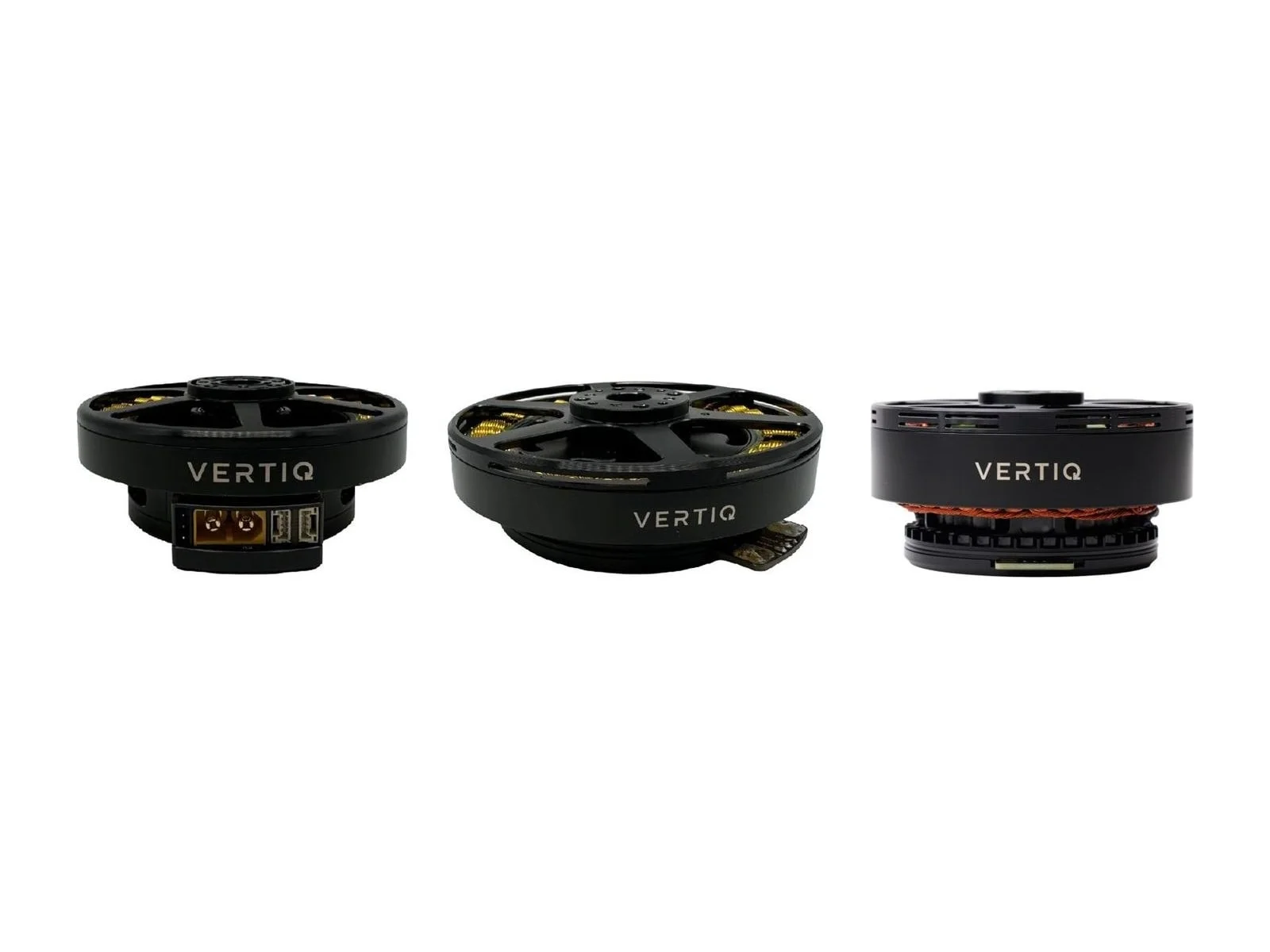
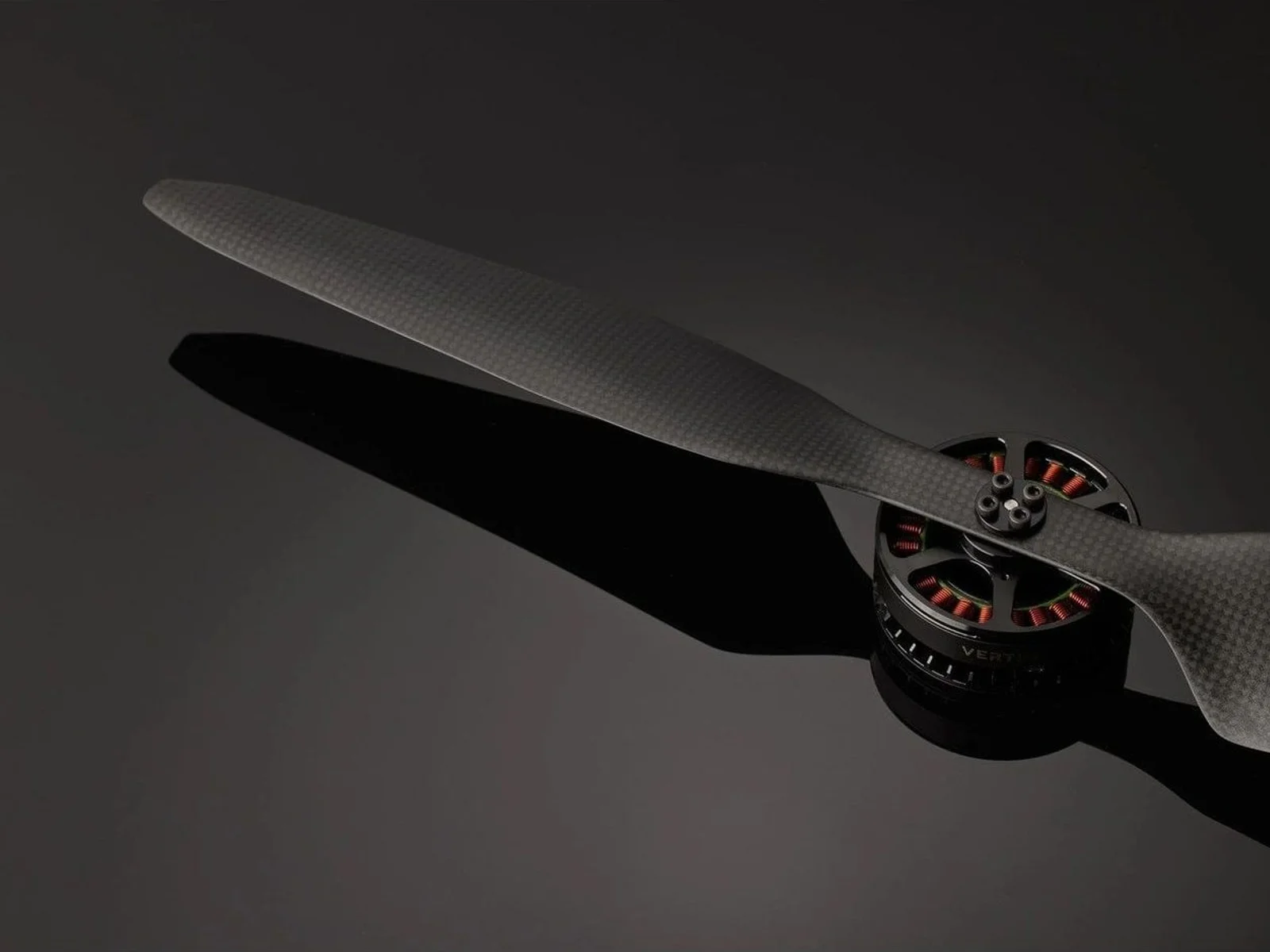
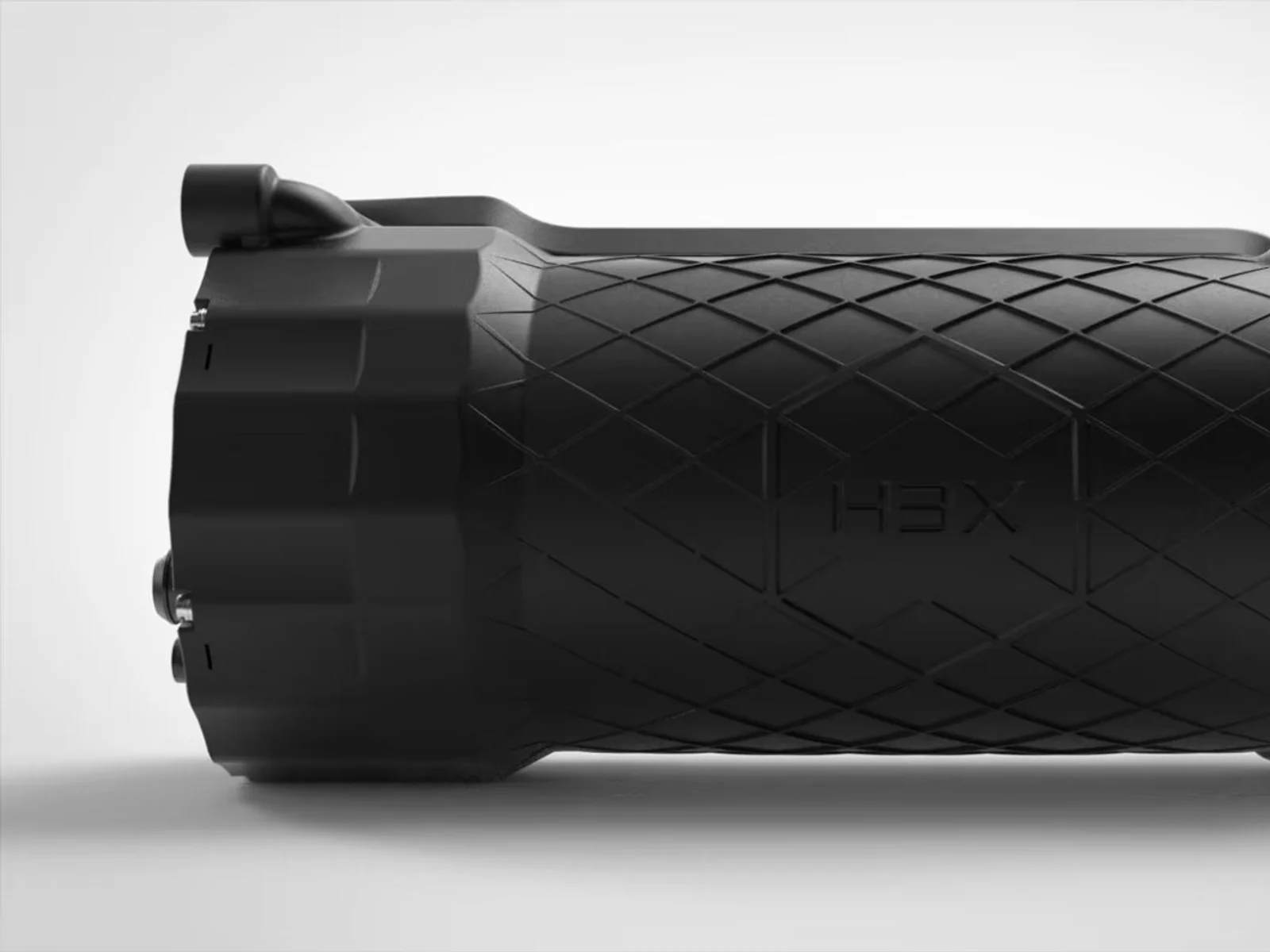
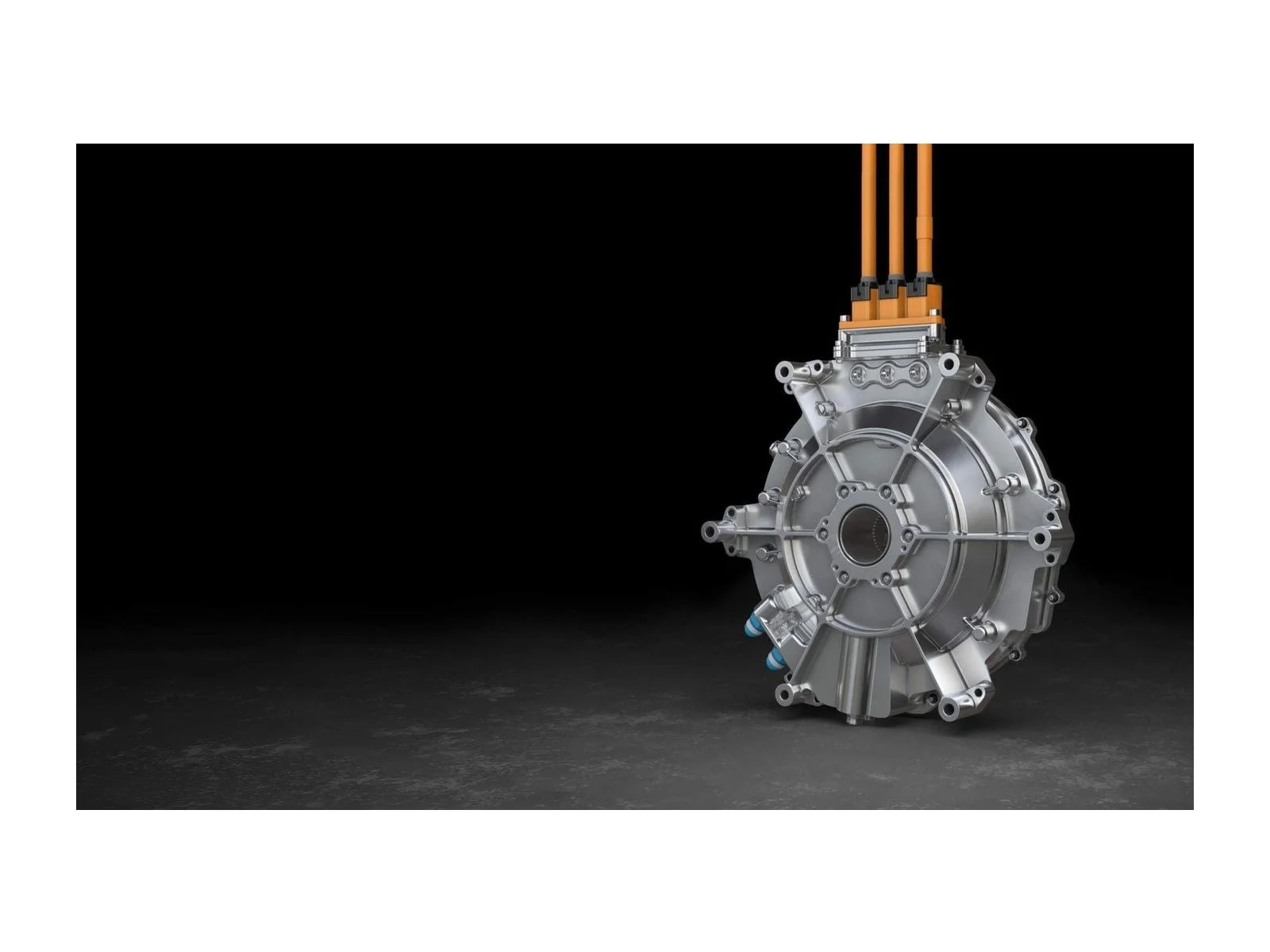
Try removing a filter.



Updated November 3, 2026
Almost every electric drone and eVTOL aircraft uses brushless permanent magnet synchronous motors (PMSM). They are efficient, power-dense and controlled entirely by electronics. What changes from one product to another is the topology, the voltage, the cooling and how much torque and power the motor can hold continuously.
| Radial flux | Axial flux | |
|---|---|---|
| Shape | Long cylinder, rotor inside or outside the stator | Short, flat disc |
| Strength | Mature, robust, easy to manufacture and cool | High torque and specific power in a short length |
| Typical use | Multirotors, cruise propellers, geared drives | Direct-drive lift rotors, compact installations |
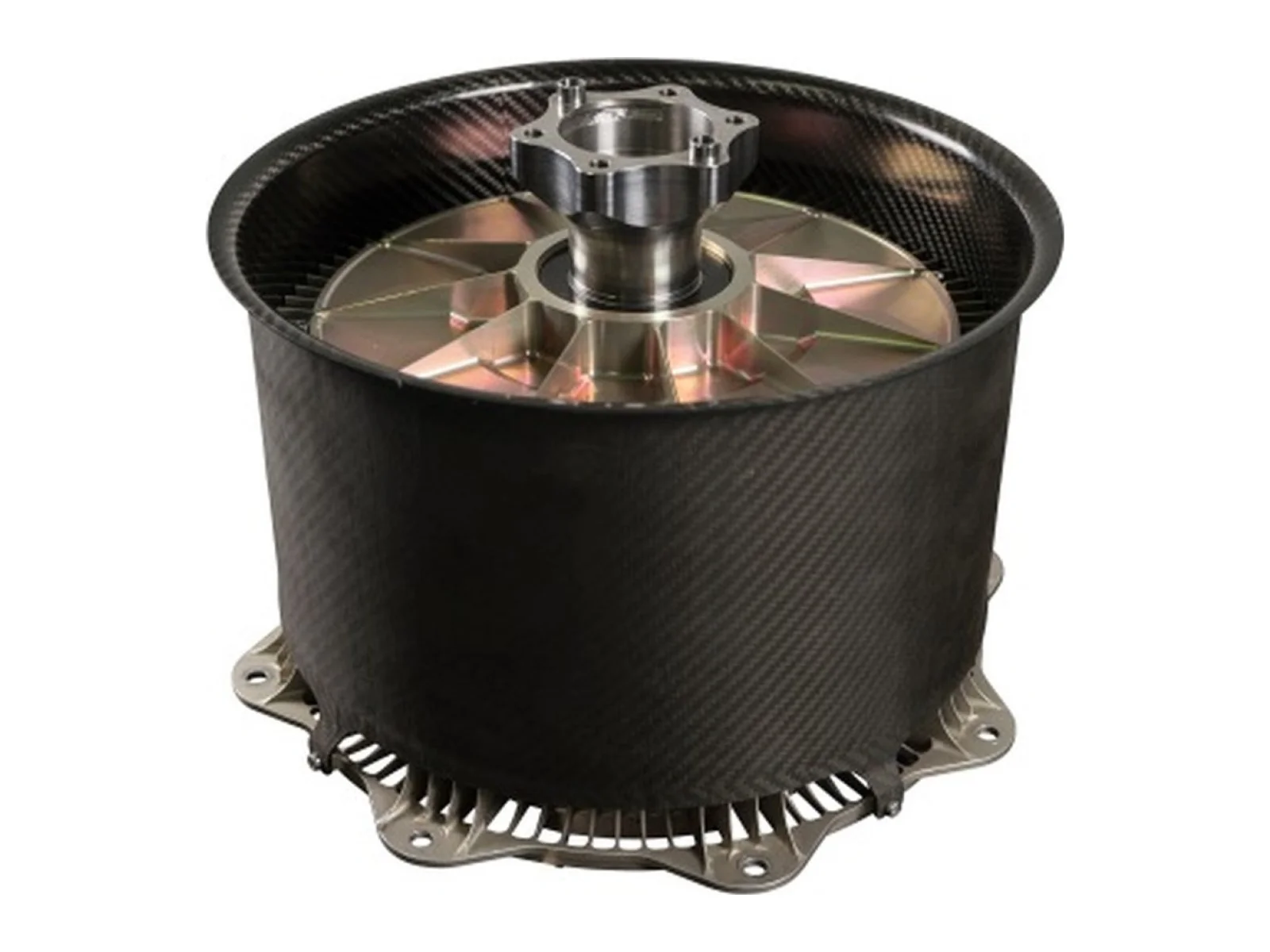
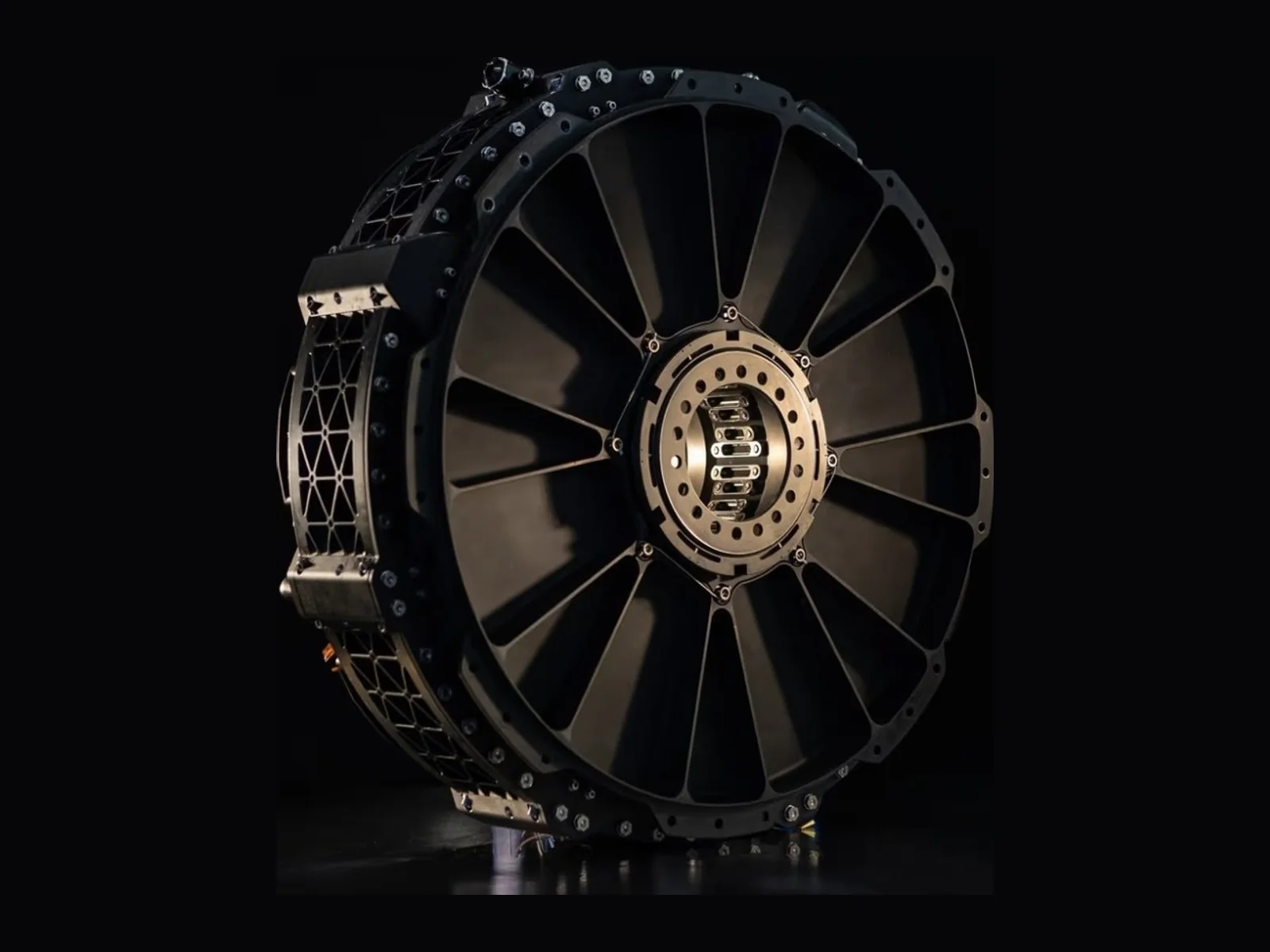
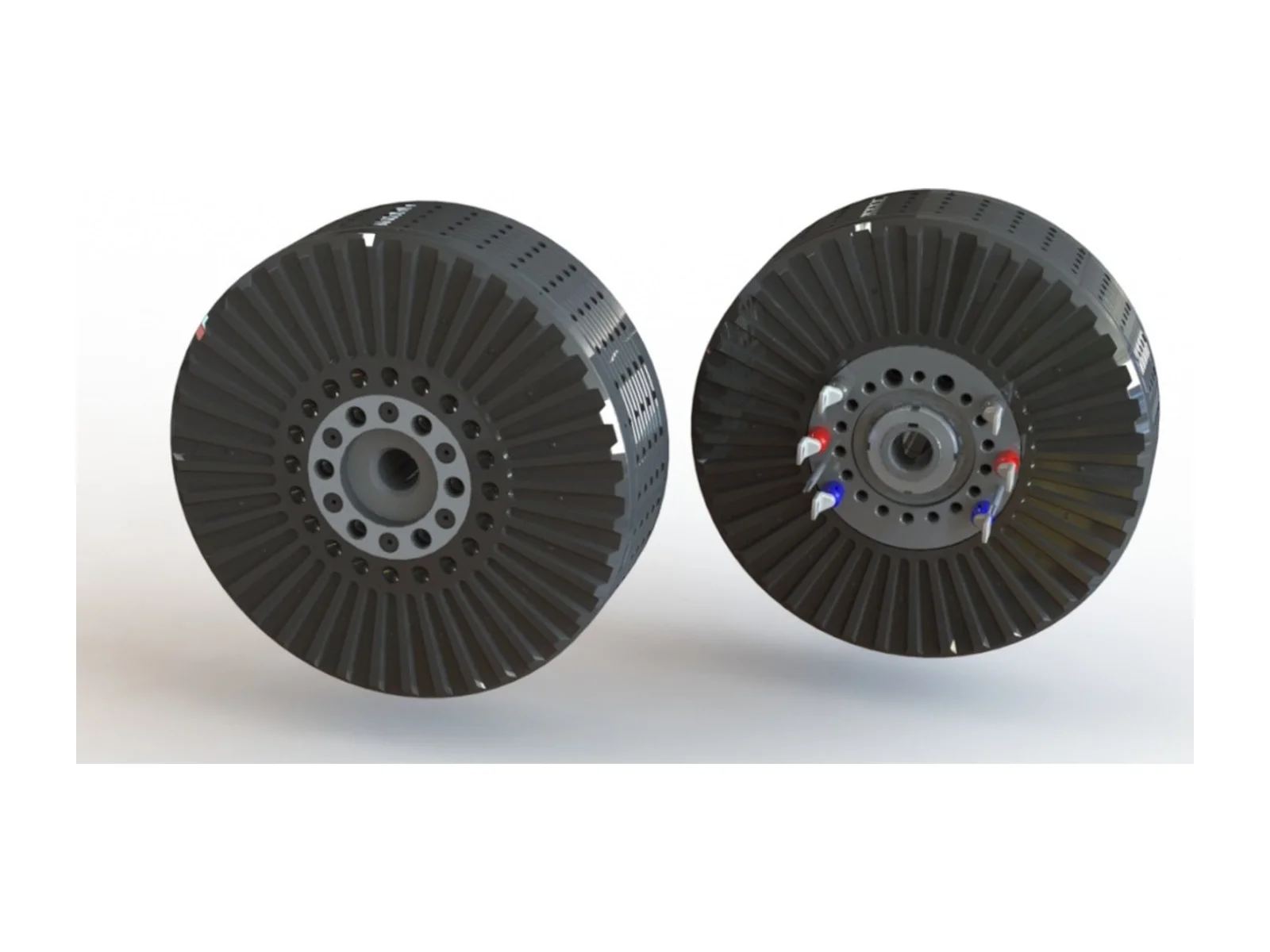
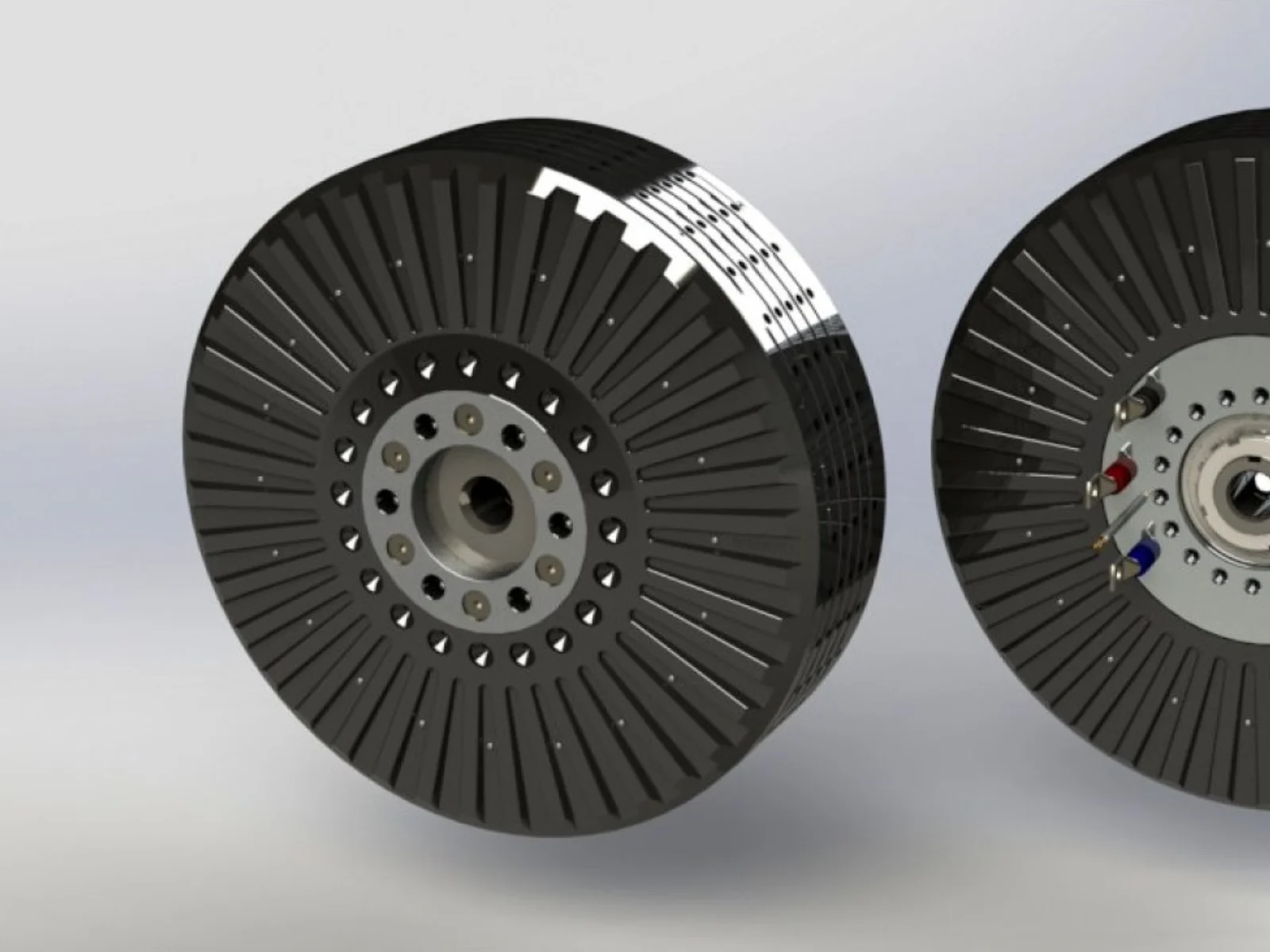
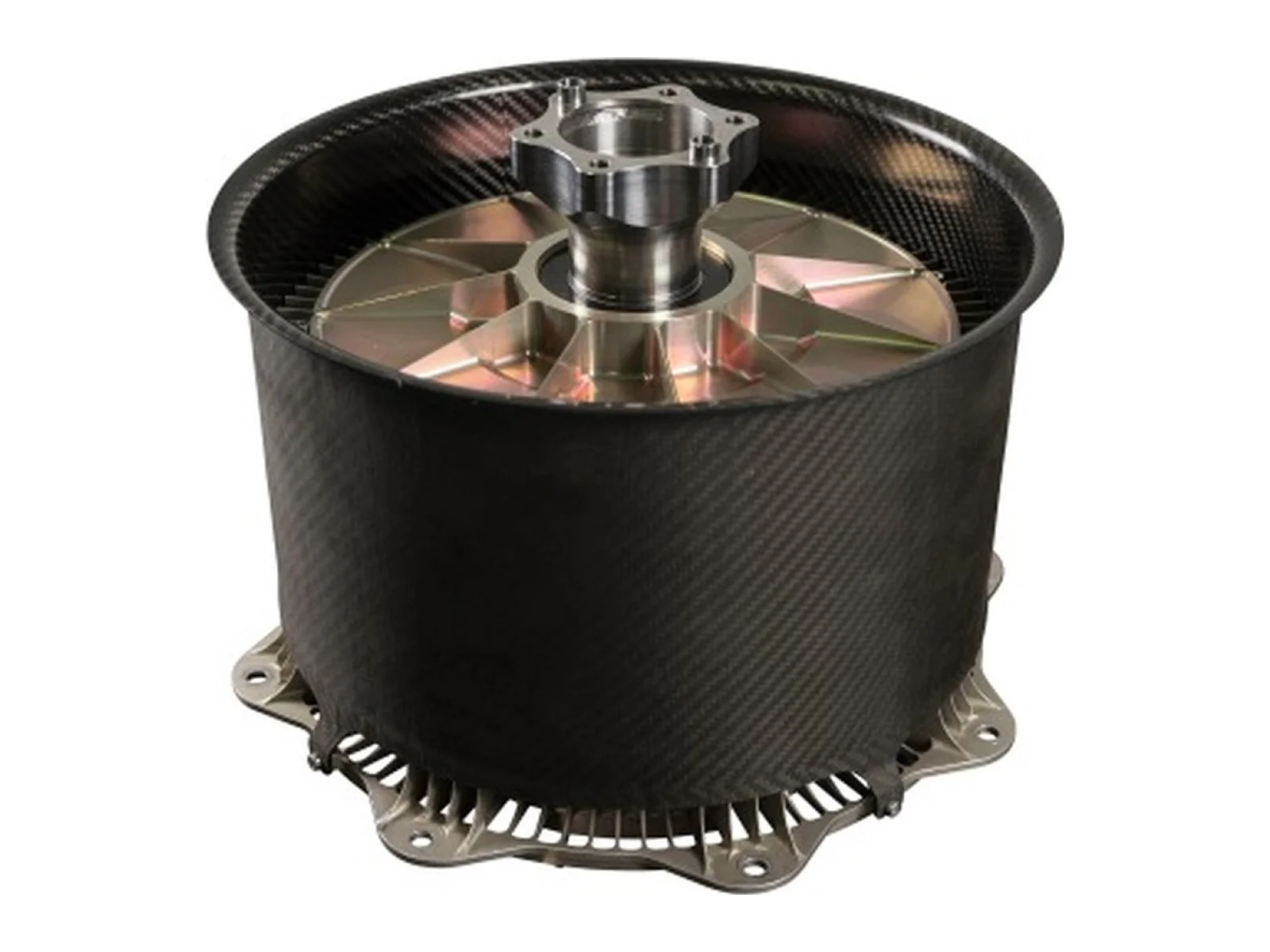
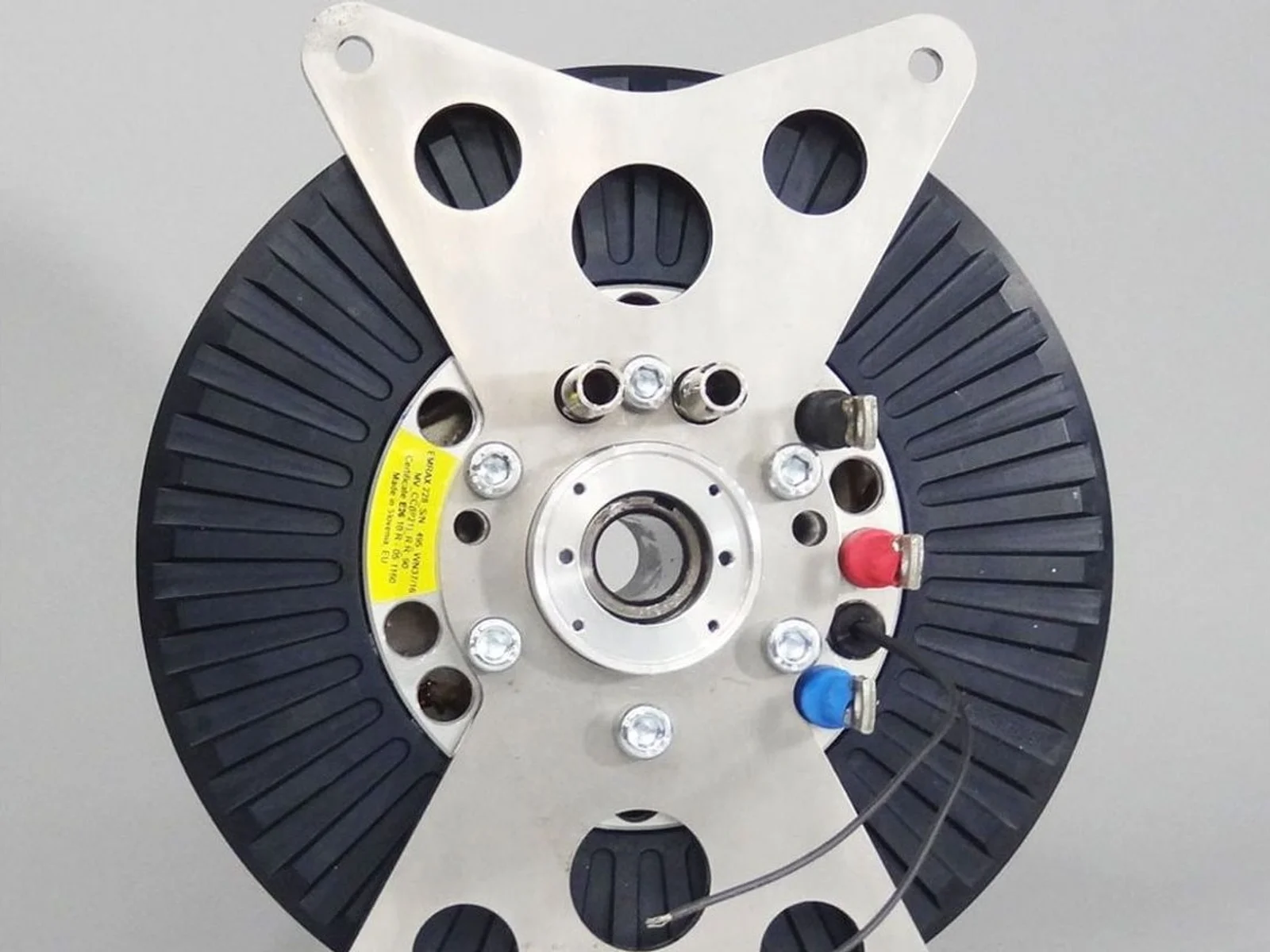
Outrunner radial-flux motors dominate small and medium multirotors. Axial-flux machines are increasingly used where high torque is needed at low speed without a gearbox; see the axial-flux motors page.
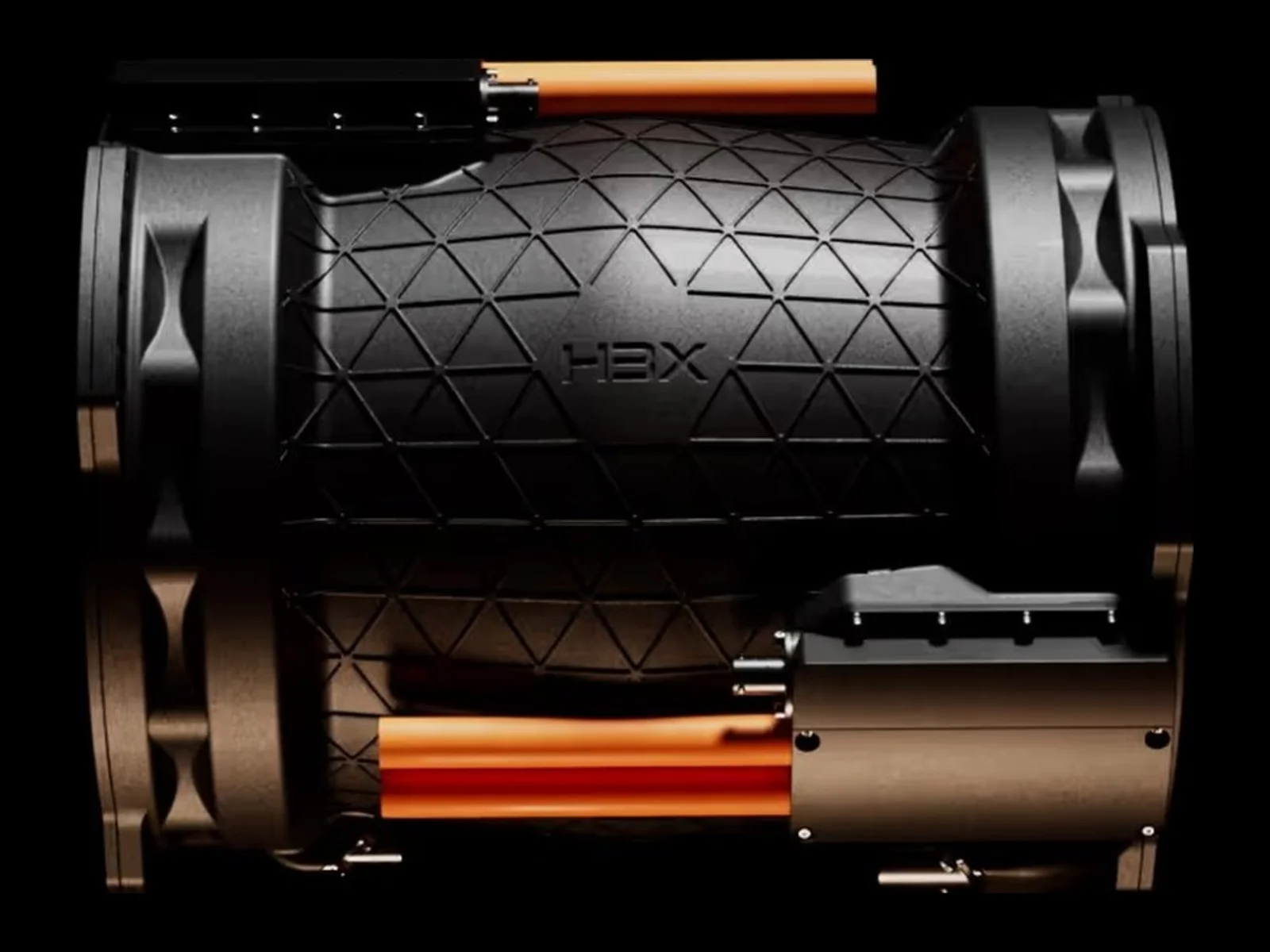
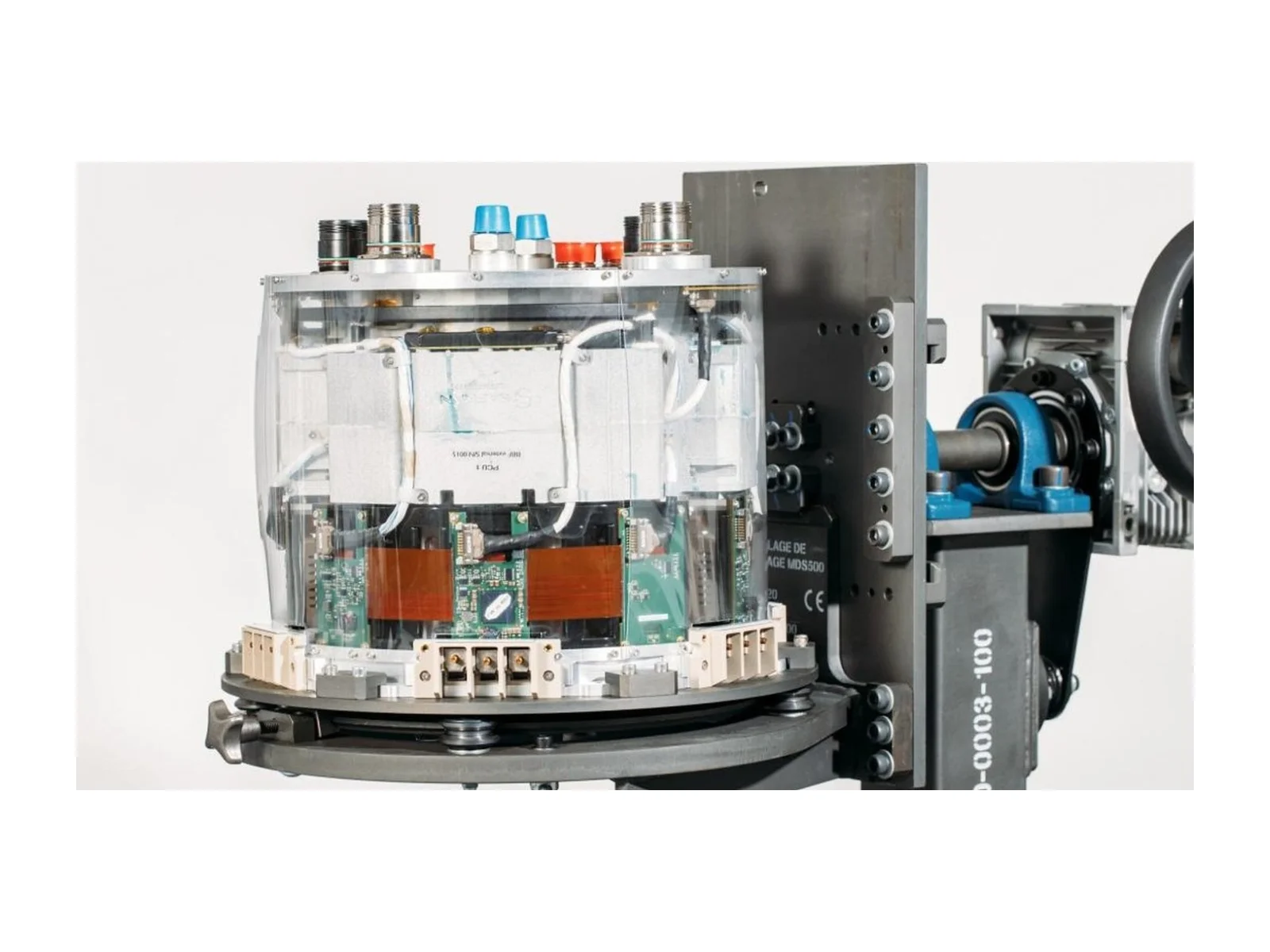
Some manufacturers combine motor and inverter in a single unit, which removes high-current cabling between them and simplifies installation. Compare these with separate motor and ESC or inverter combinations on a like-for-like basis.
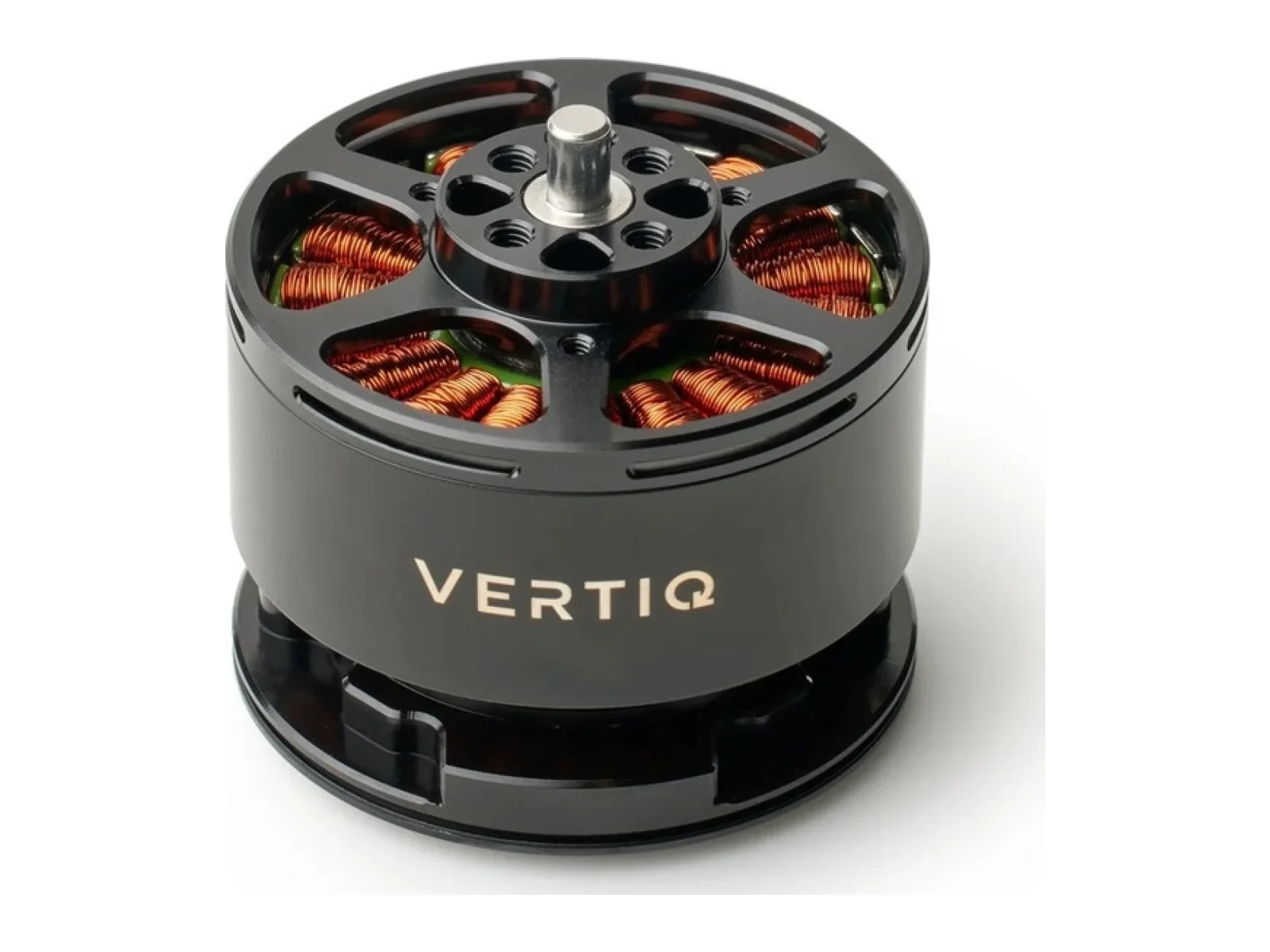
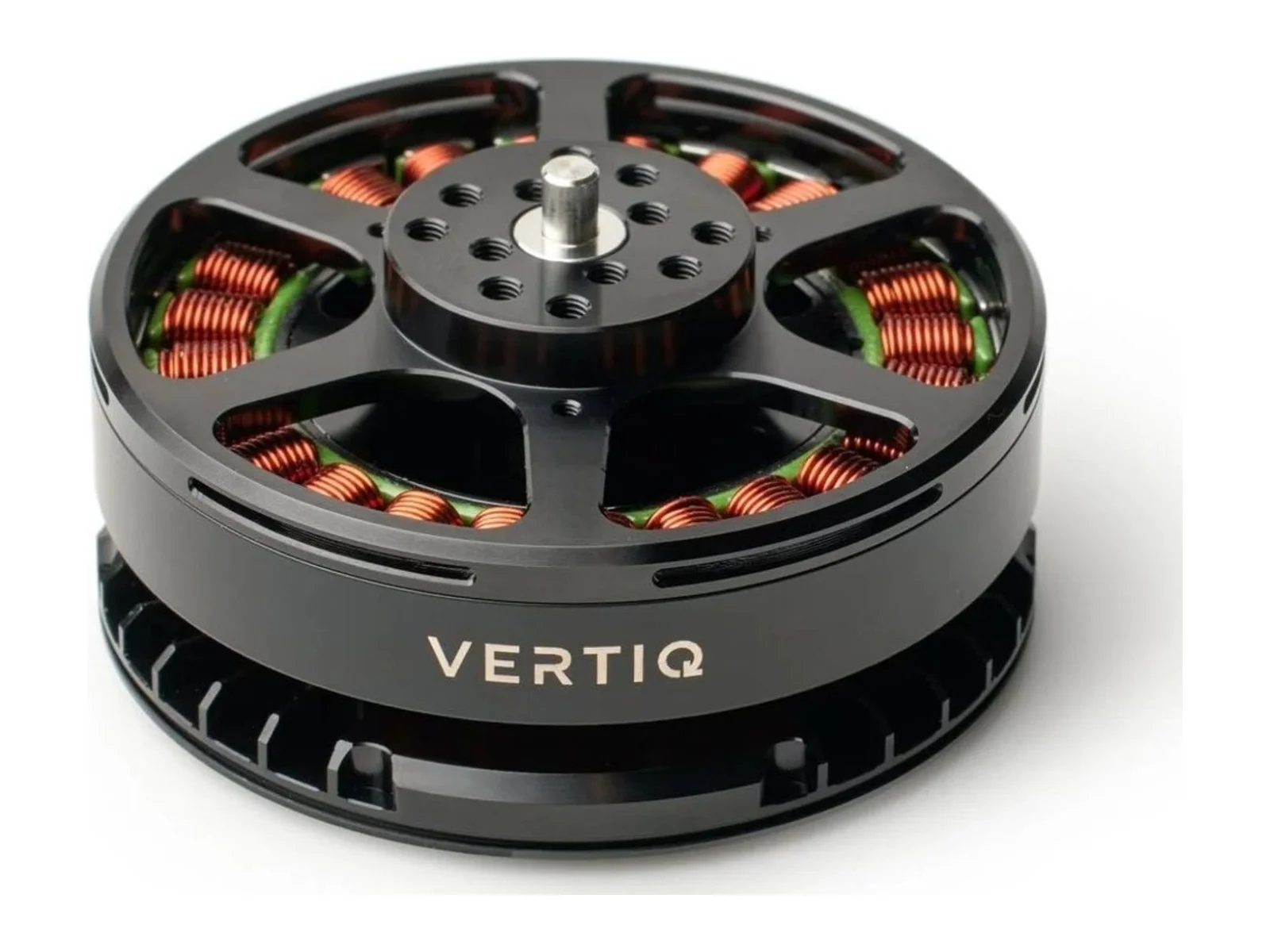
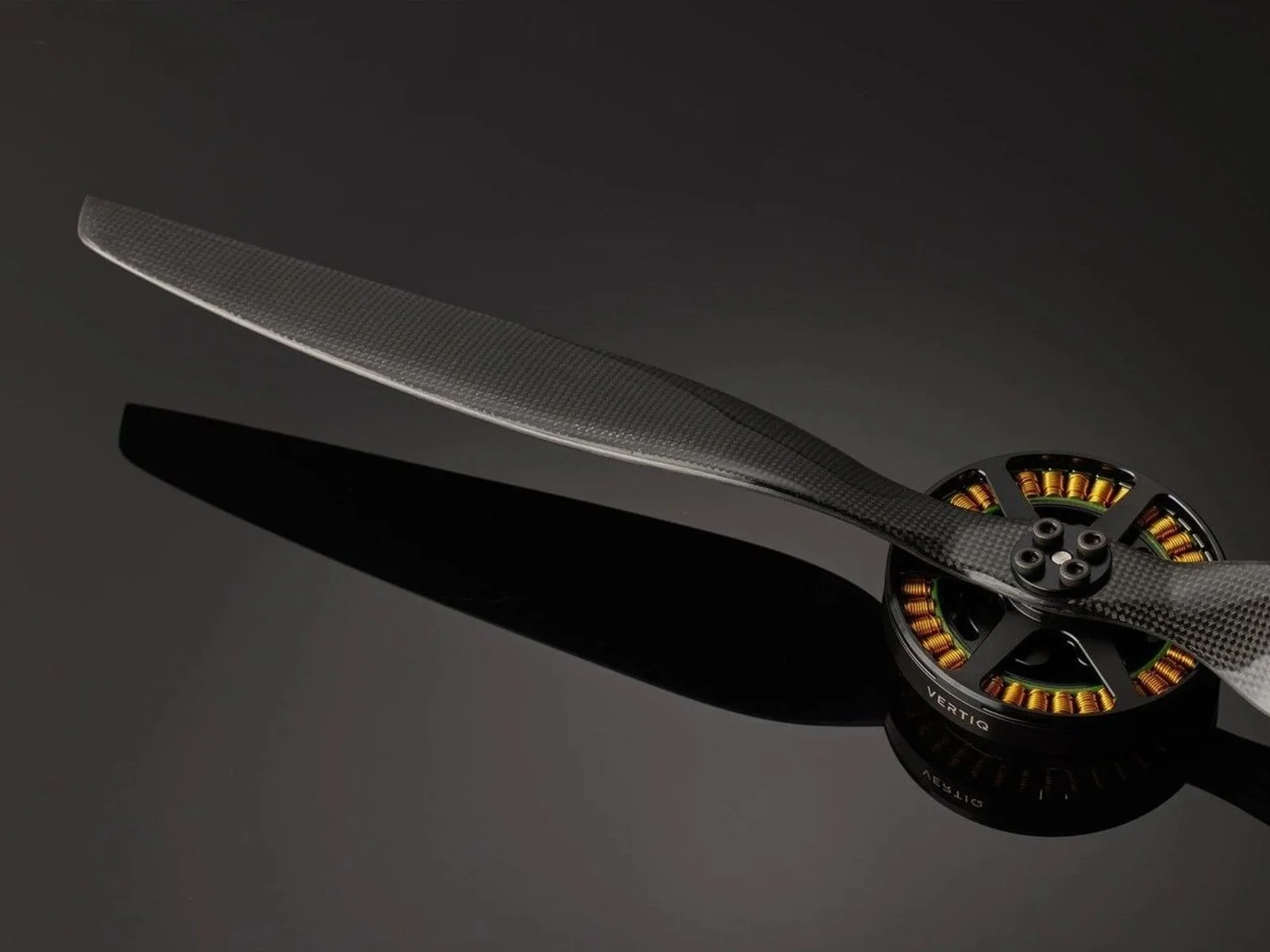
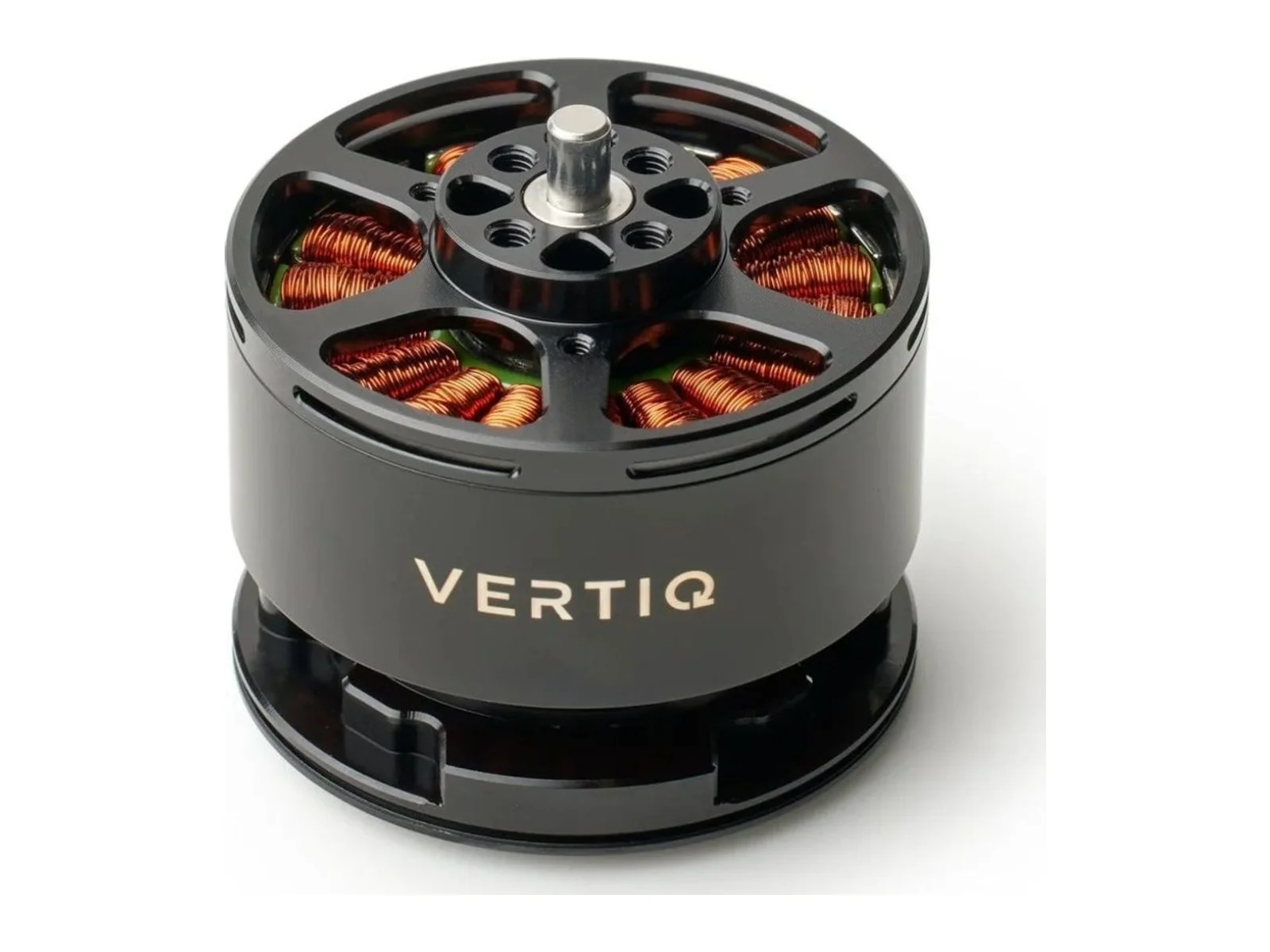
The directory covers motors from companies such as Safran, magniX, Evolito, EMRAX, H3X, Honeywell Aerospace, Vertiq, KDE Direct and Plettenberg. Match the motor with the propeller and the battery before you fix the design.
Kv is the motor speed constant: the no-load rpm per volt applied. A low-Kv motor turns slower and gives more torque per amp, which suits large propellers; a high-Kv motor suits small, fast propellers.
Not in general. Axial-flux motors give more torque in a short length, which suits direct-drive rotors. Radial-flux motors are mature, easy to cool and often lighter for high-speed applications. The right choice depends on the speed, torque and space of the installation.
Two independent winding sets, each driven by its own inverter, let the motor keep producing reduced thrust if one channel fails. It is a common way to meet the safety objectives of piloted aircraft.
Both. Continuous power sizes the motor for cruise and long hover; peak power and its duration size it for take-off, climb and failure cases. A motor that only meets the requirement at peak power will overheat in service.
A literature-based review of how axial-flux permanent-magnet machines are sized for direct-drive lift rotors: hover torque requirement, torque-sizing relations, design and optimisation methods, reported parameter ranges, fault behaviour and regulatory context.
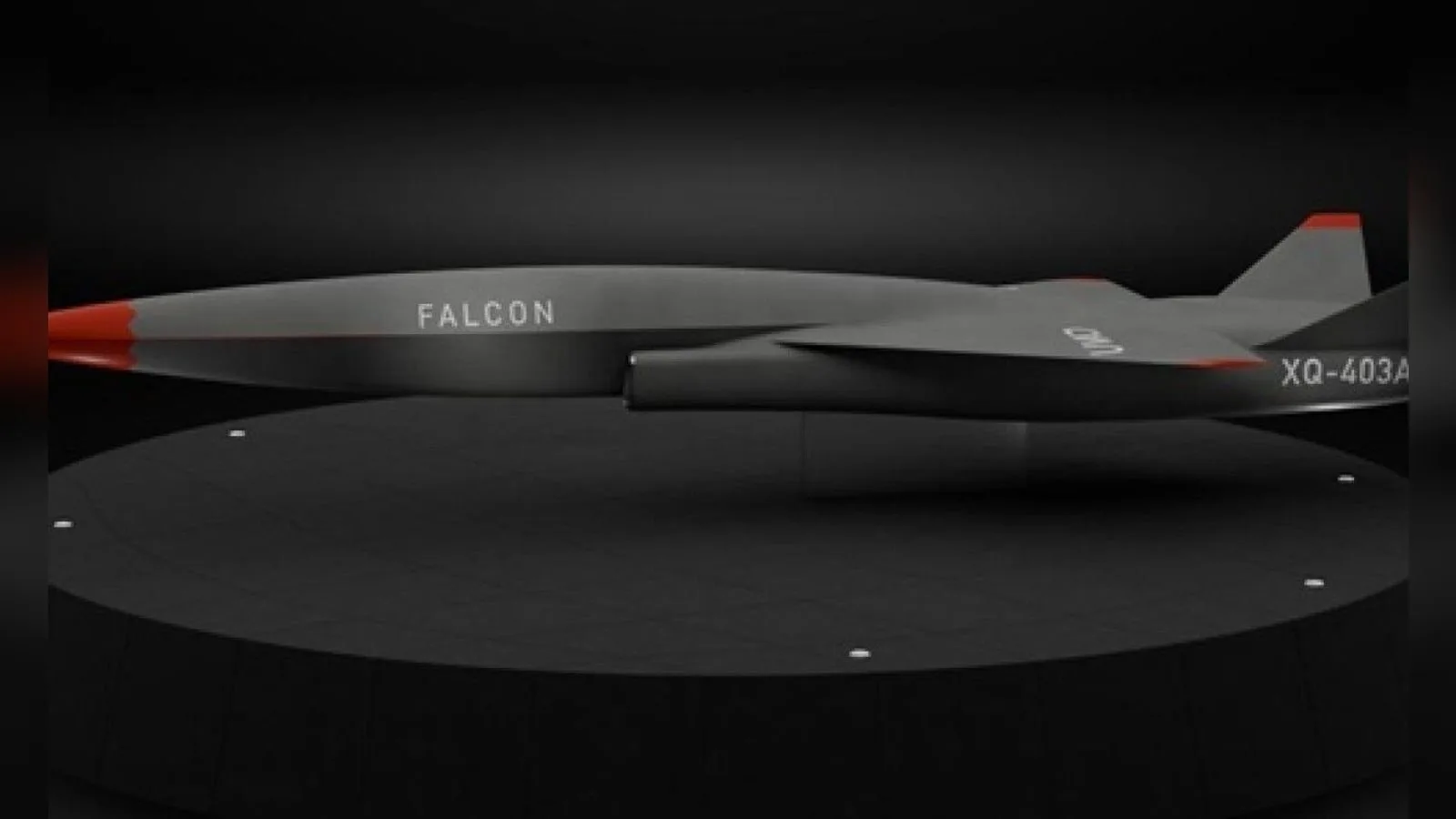
Falcon is a reusable supersonic uncrewed aerial target for missile-defense training, and its propulsion is the subject of a partnership between Safran Power Units and UVAD Technologies. Safran supplies two turbojet engines, and flight…

Honeywell Aerospace tests a 1 MW generator in a Mexicali test cell, and Flying Whales will integrate it into the hybrid-electric powertrain of its LCA60T airship. The unit reaches 1 MW steady state at 97% efficiency, giving…
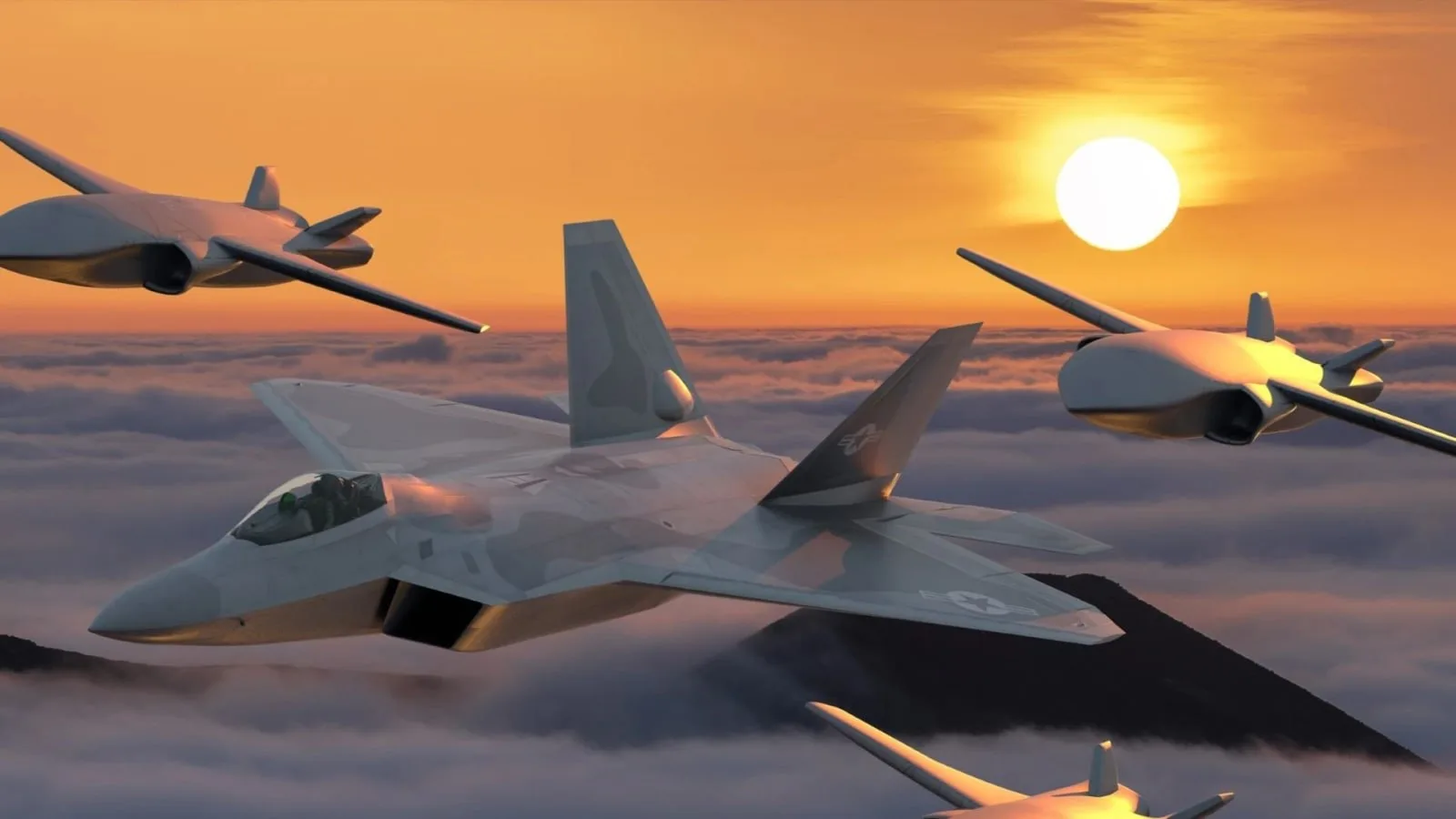
Honeywell Aerospace presents the HON1600, a small turbine engine it positions for the US Air Force's Collaborative Combat Aircraft (CCA) program, after a core engine run in September 2025. The Air Force has issued a request for proposals…