Power management units for drones
Power distribution and management units that route, protect and monitor power between propulsion, avionics and payload.
Filters
Products
Featured
FeaturedPMU modulesPower Cube electrical power-management product
- Output channels
- 3
- Grade
- Professional
- Market
- Dual-use
FeaturedPMU modulesVeronte R24F DC-DC converter
- Supply voltage
- 14 – 160 V
- Output voltage
- 24 – 24 V
- Continuous power
- 0.06 kW
Featured
FeaturedPMU modulesPower management systems electrical power-management product
- Supply voltage
- 20 – 60 V
- Output channels
- 3
- Grade
- Professional
- FeaturedPMU modules
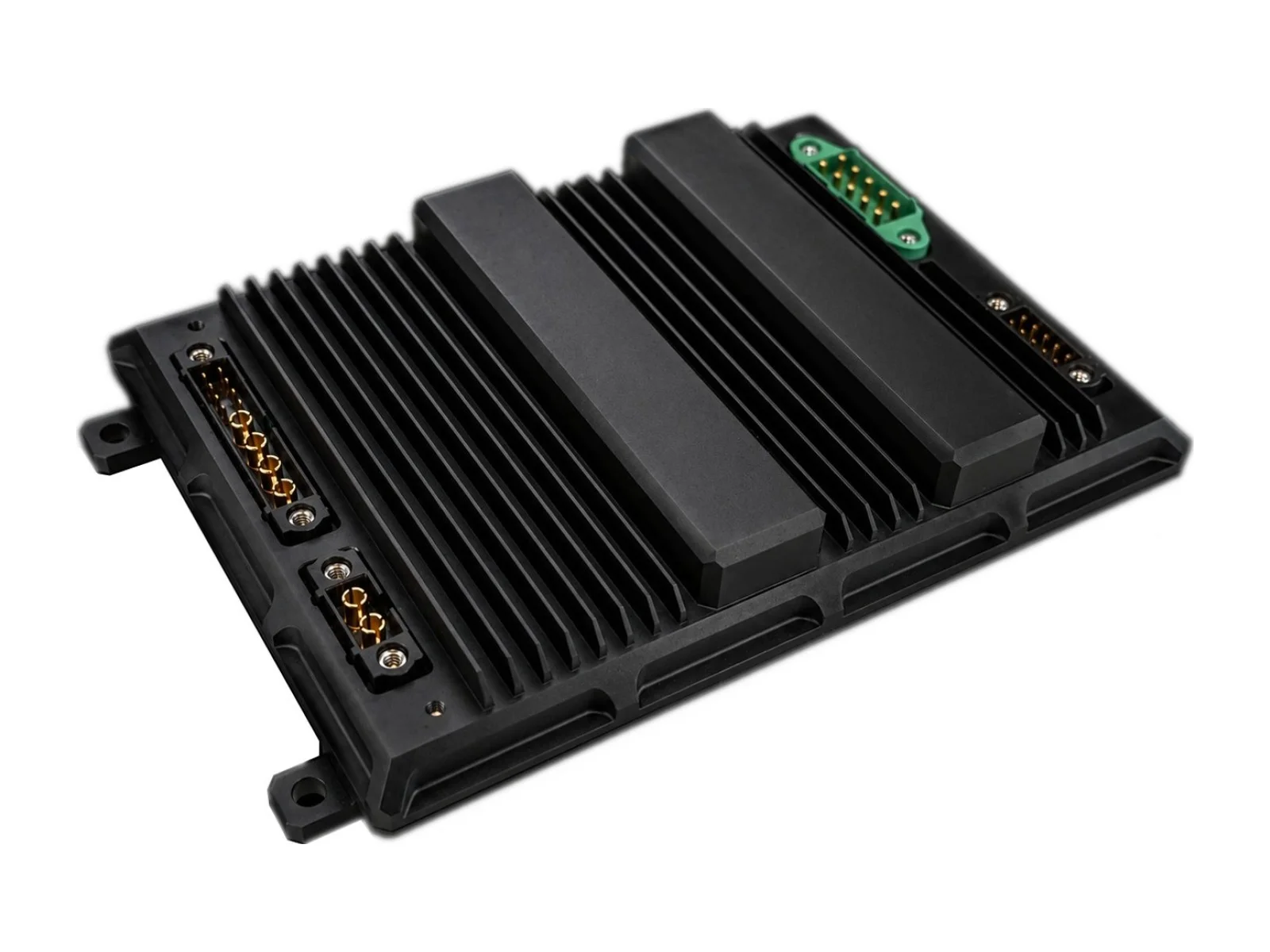
CorePower electronic circuit-breaker unit family
- Grade
- Aerospace-grade
- Market
- Dual-use
- Availability
- In production
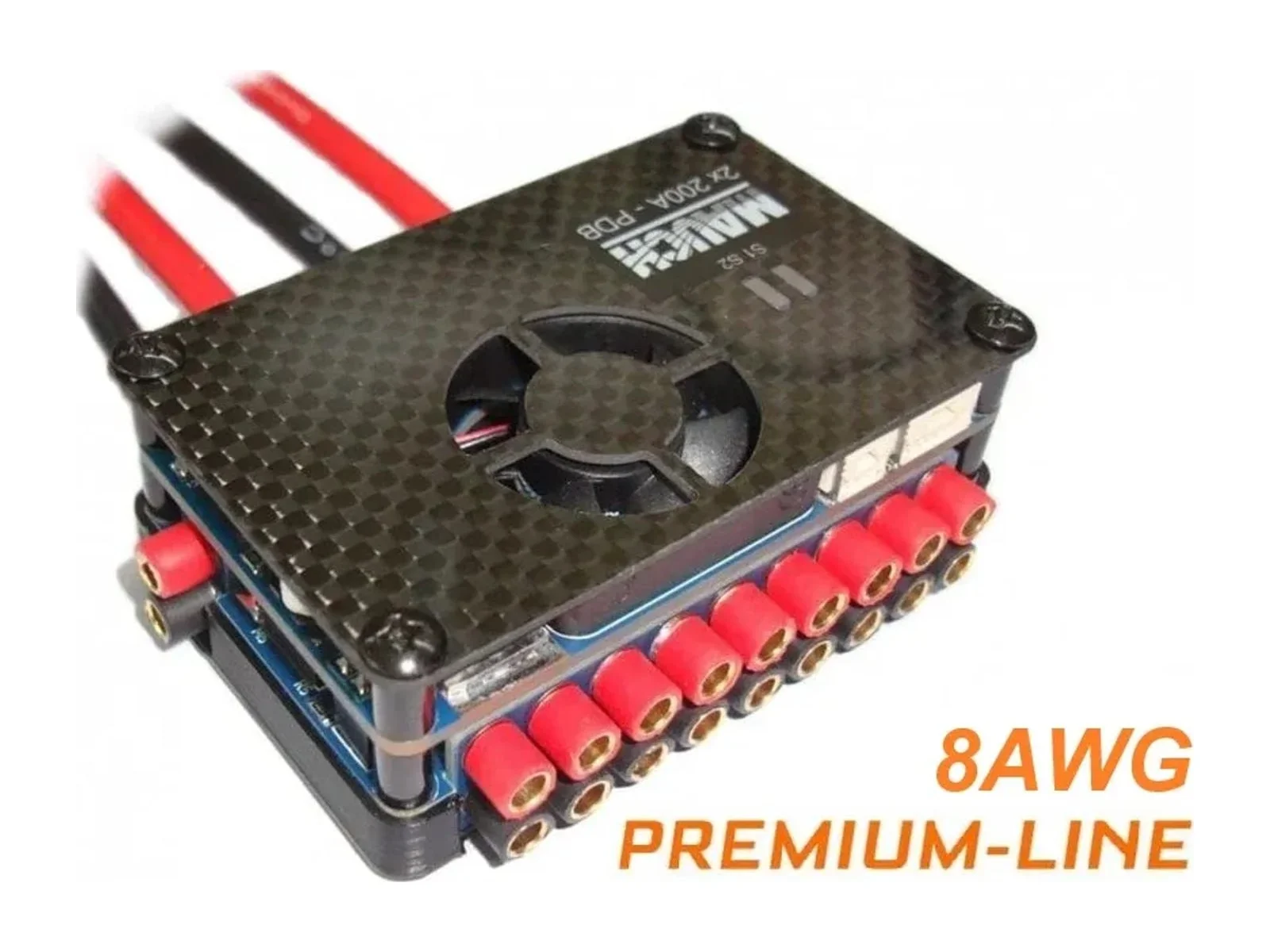
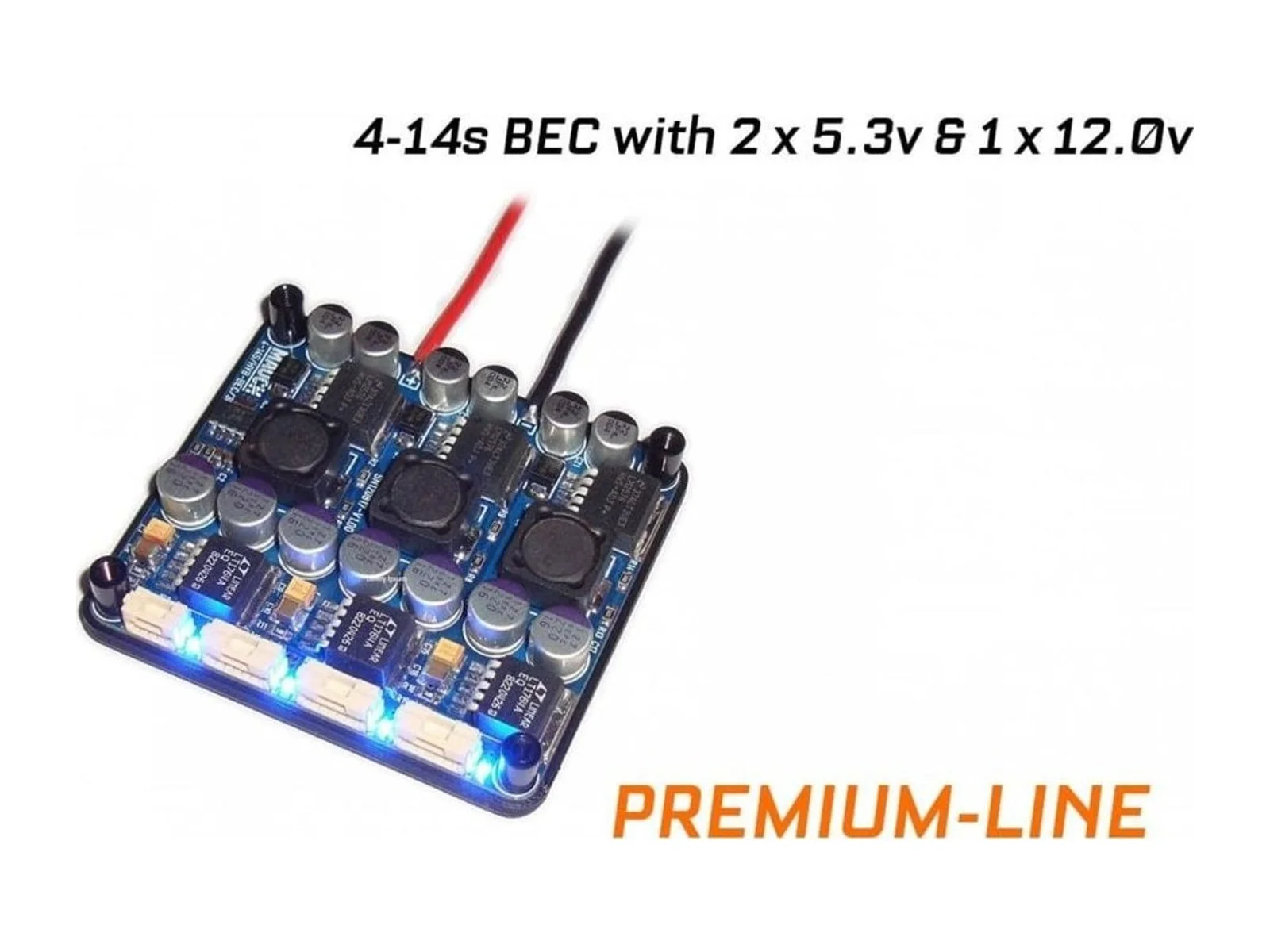
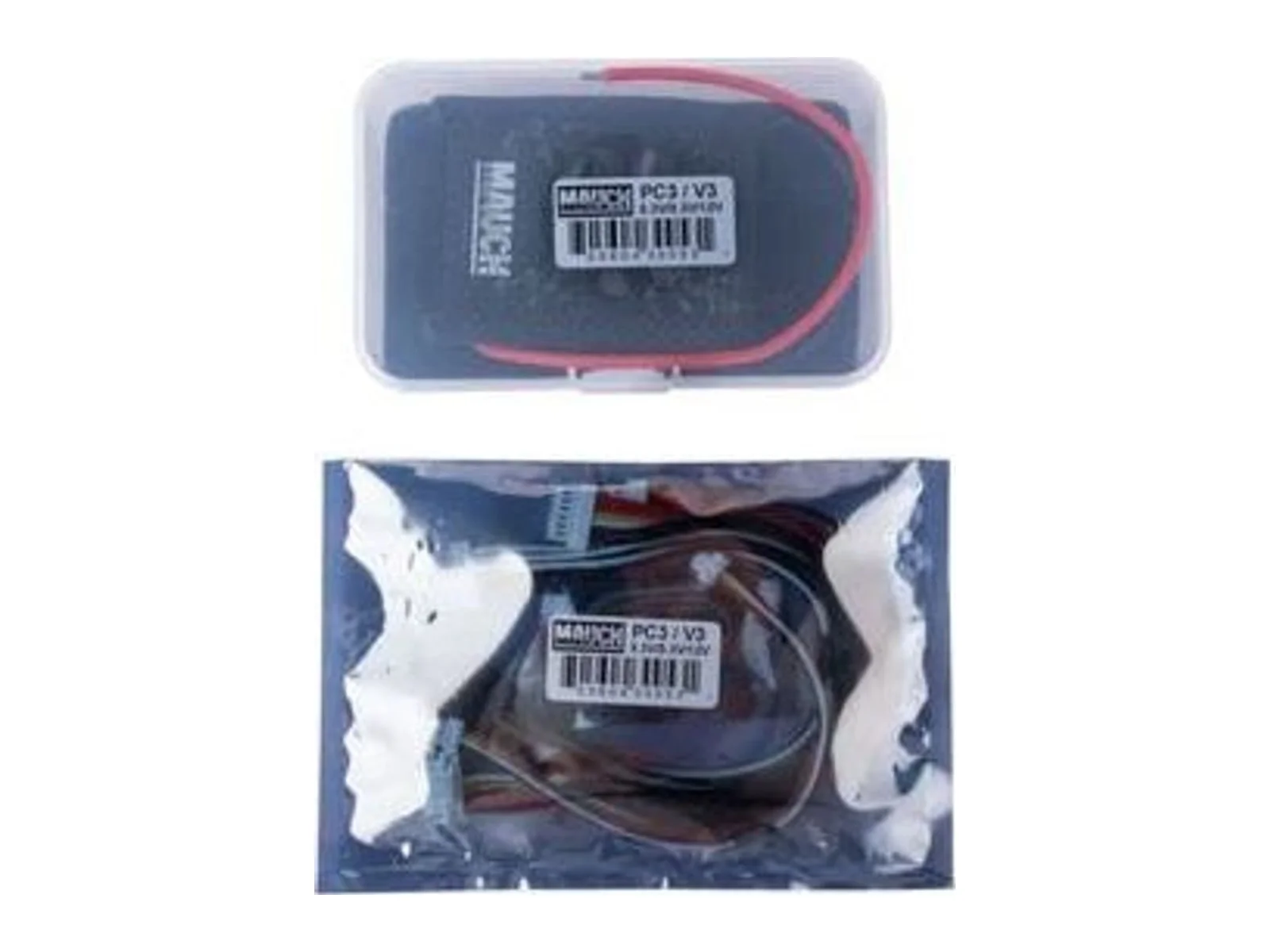
FeaturedPMU modulesMauch 030/8 PDB power module with 8AWG input cables
- Output voltage
- 5.3 – 5.3 V
- Grade
- Professional
- Market
- Dual-use
- FeaturedPMU modules
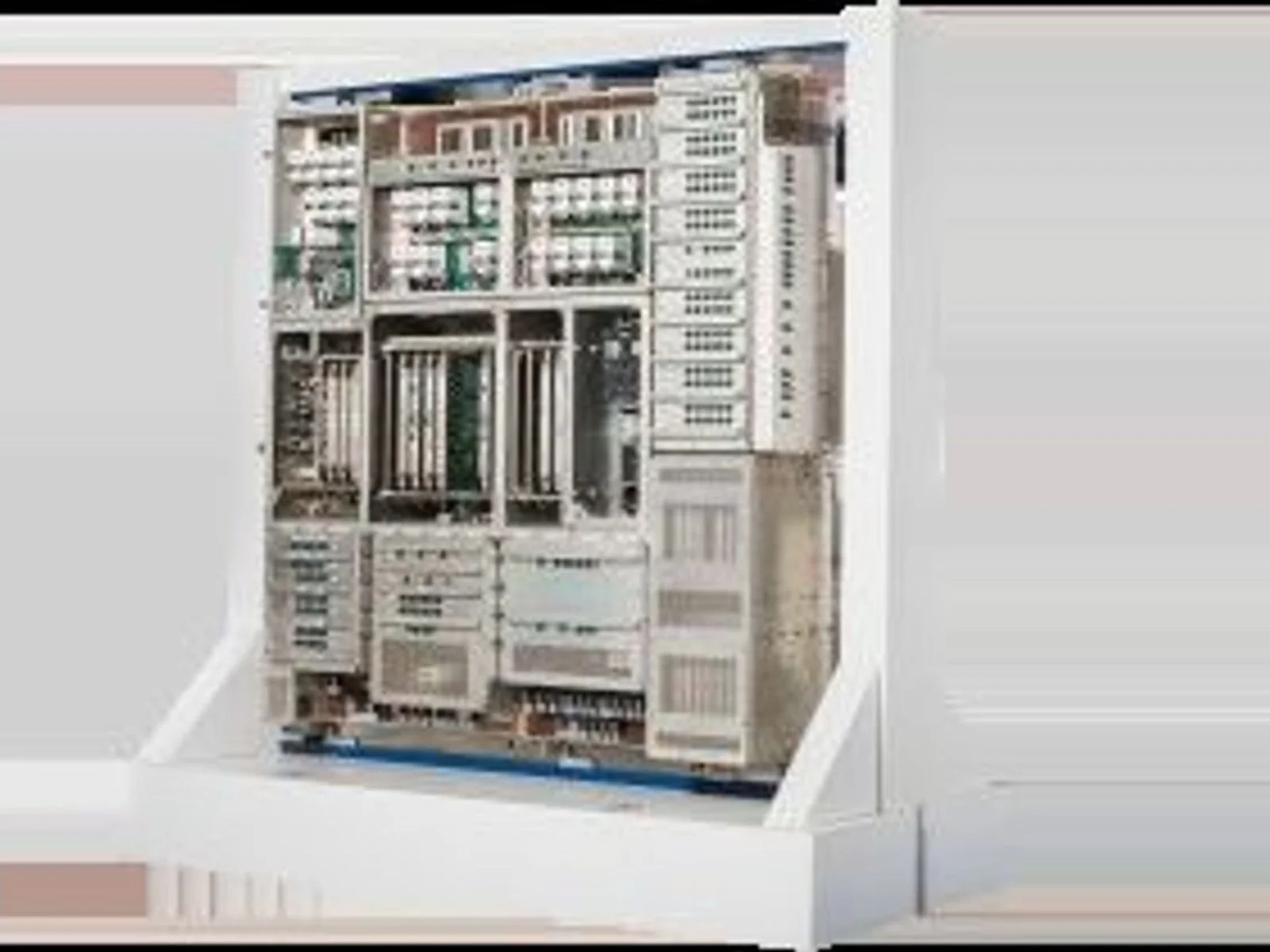
CorePower smart electrical power-distribution systems
- Output channels
- 24
- Grade
- Aerospace-grade
- Market
- Dual-use
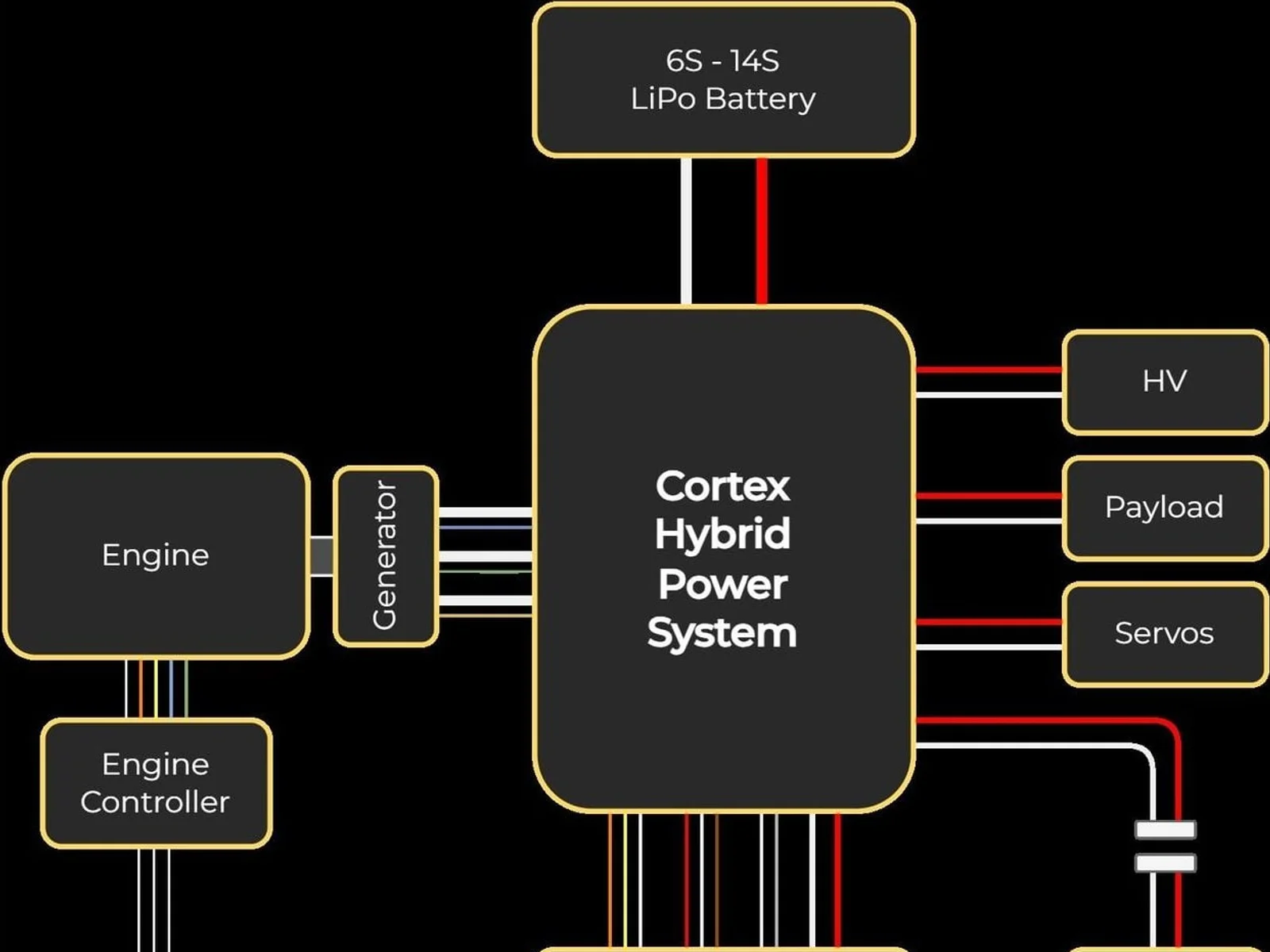
FeaturedPMU modulesCortex Hybrid Power System electrical power-management product
- Supply voltage
- 20 – 60 V
- Output channels
- 3
- Grade
- Professional
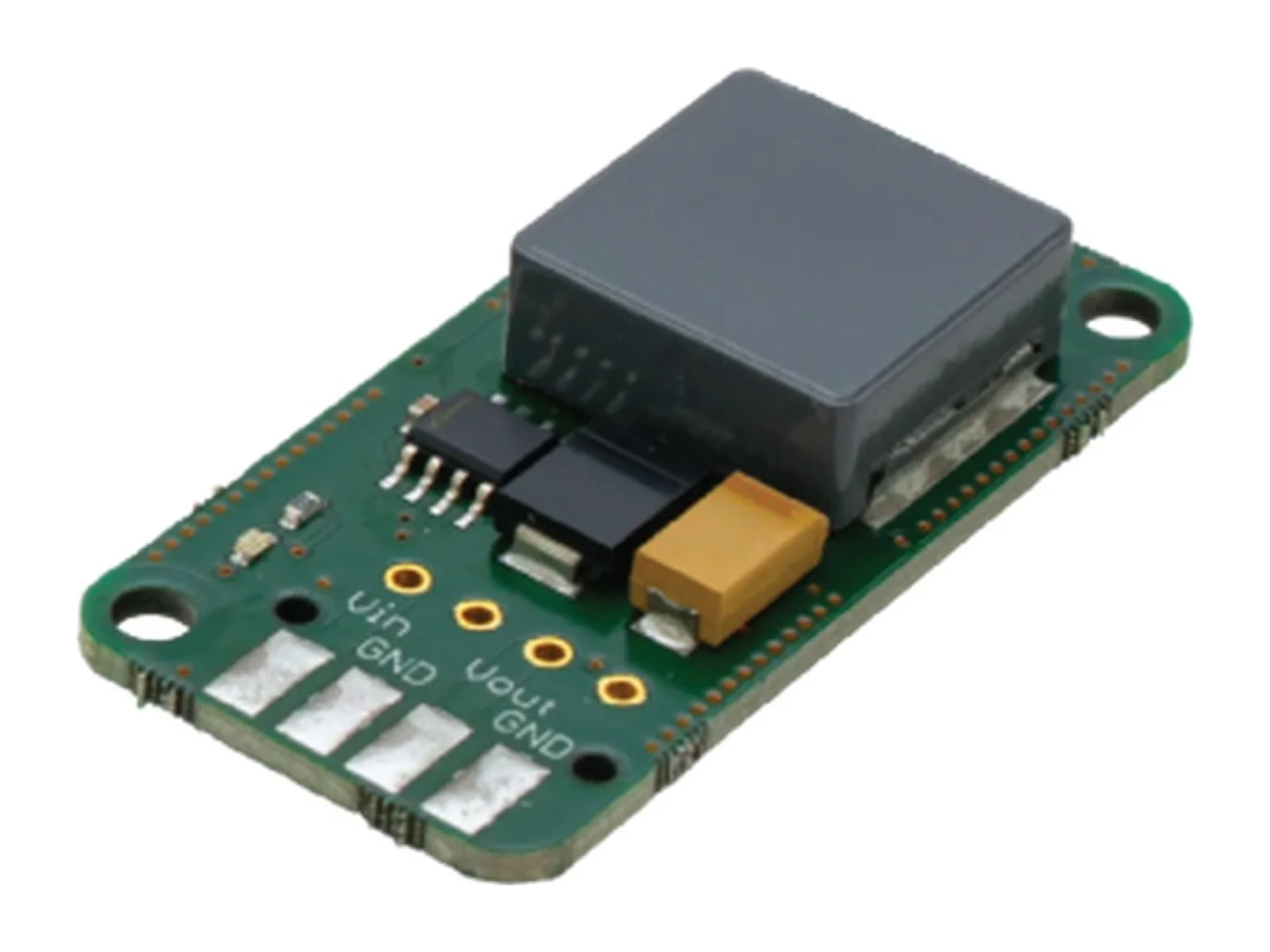
FeaturedPMU modulesVeronte R12S DC-DC converter
- Supply voltage
- 5.5 – 36 V
- Output voltage
- 3.3 – 12 V
- Grade
- Professional
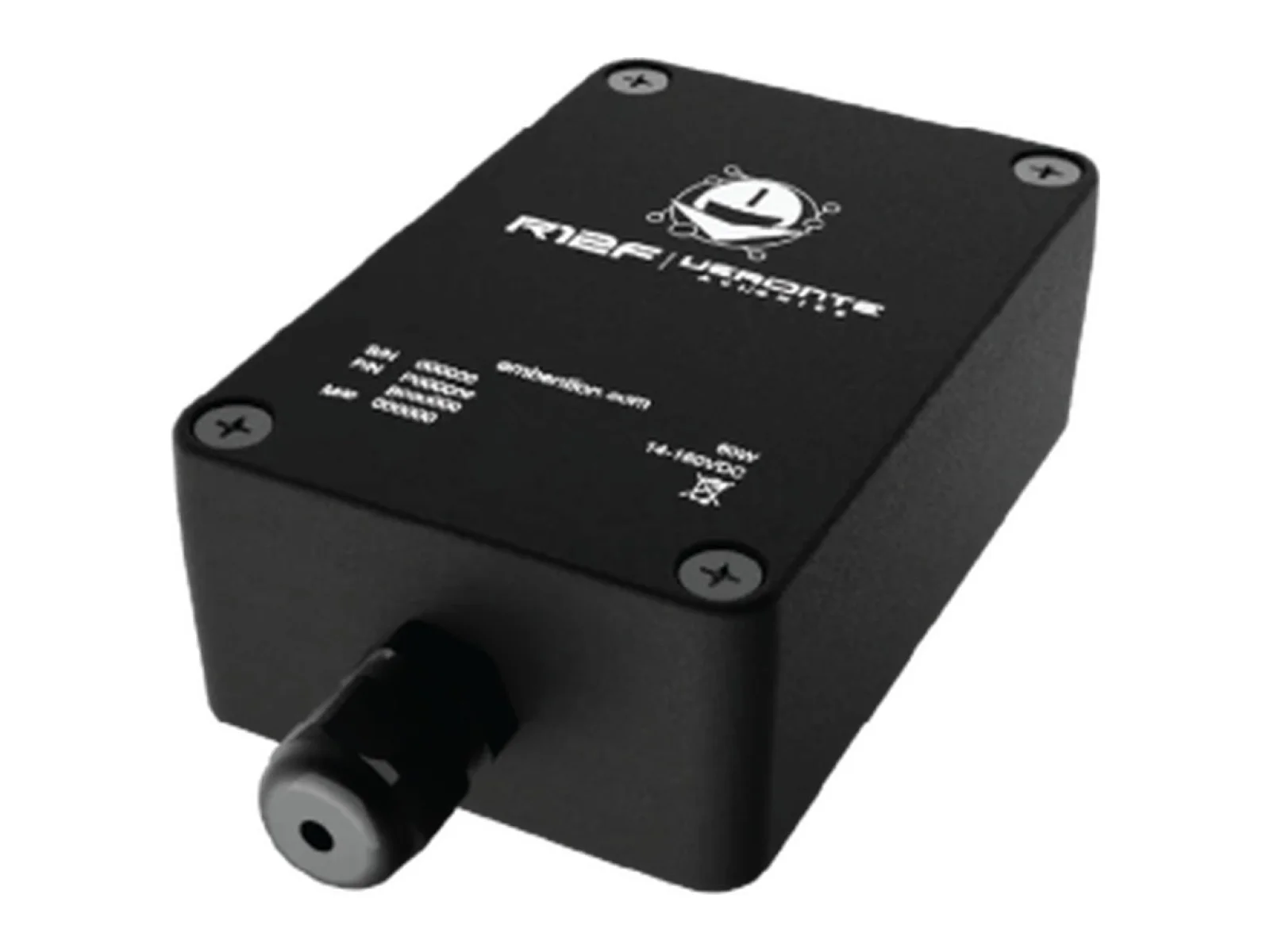
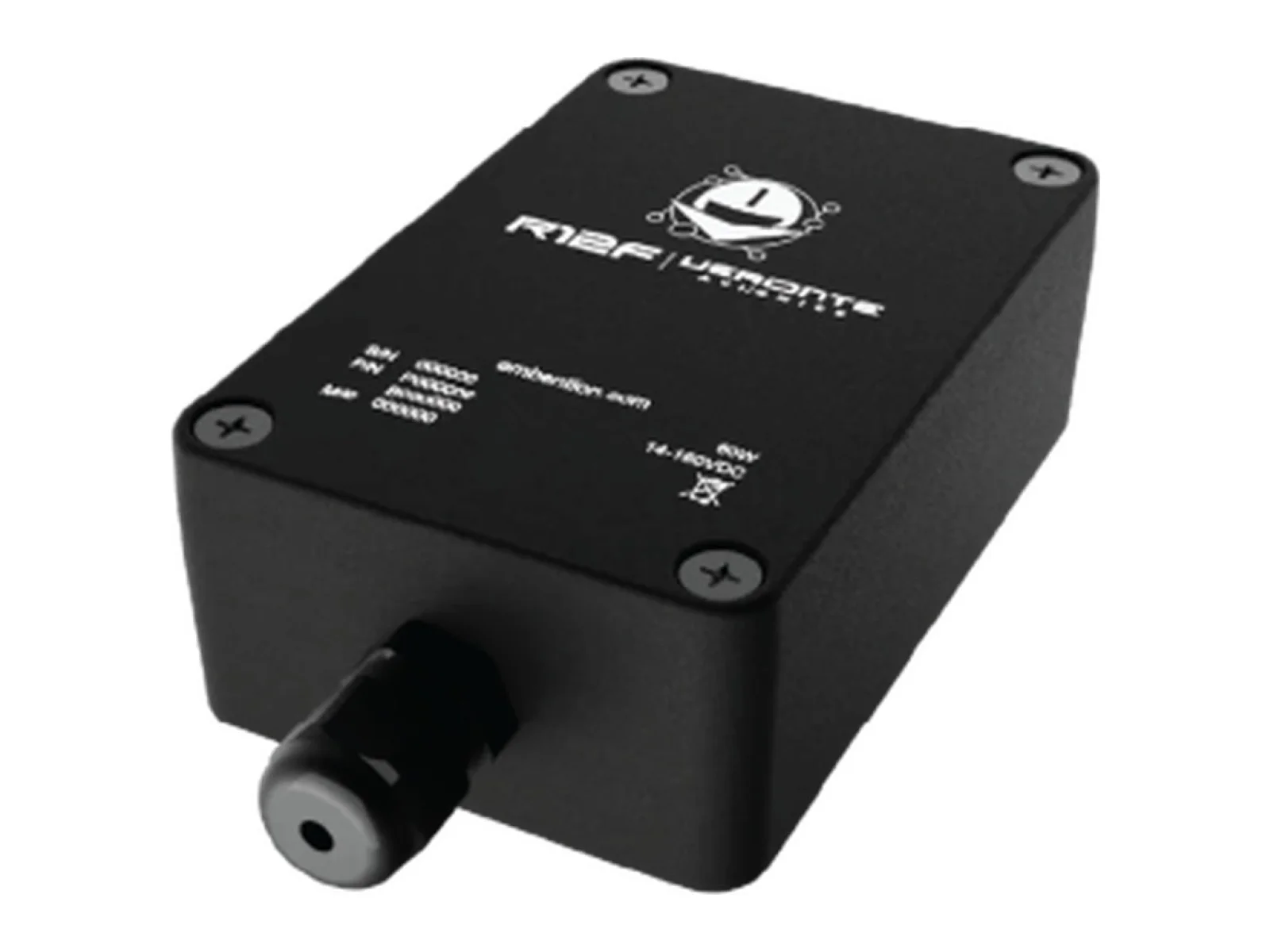
FeaturedPMU modulesVeronte R12F DC-DC converter
- Supply voltage
- 14 – 160 V
- Output voltage
- 12 – 12 V
- Continuous power
- 0.06 kW
No products match these filters.
Try removing a filter.
Power management and distribution units for drones and eVTOL
Updated November 3, 2026
A power management unit (PMU), also called a power distribution unit (PDU), routes electrical power from the sources (batteries, generators, fuel cells) to every load on the aircraft: propulsion, avionics, payload and actuators. It protects each circuit, monitors consumption and, in larger aircraft, switches between sources and isolates faults.
Functions
- Distribution: splits power into protected channels with the right voltage for each load.
- Protection: electronic circuit breakers or fuses that trip on over-current, short circuit or over-voltage. Solid-state power controllers (SSPC) can be reset remotely.
- Conversion: DC-DC converters that produce stable low-voltage rails (for example 5, 12 or 28 V) from the main bus.
- Source management: combines or switches between batteries, generators and ground power, with redundancy.
- Monitoring: voltages, currents and temperatures reported to the flight controller over CAN, serial or Ethernet.
Key specifications
- Input voltage range and number of sources.
- Number of output channels, their voltage and current rating.
- Type of protection: fuses, electromechanical breakers or SSPC, and whether trip limits are configurable.
- Redundancy: dual buses, diode-OR inputs and independent channels for critical loads.
- Telemetry and control interface.
- Mass, size and environmental qualification, for example to DO-160.
Why it matters
Electrical failures are a frequent cause of drone accidents. A well-designed power system makes sure that a fault in the payload or a single motor cannot take down the flight controller, and that the operator knows how much energy is left.
Manufacturers in the directory
Examples include Safran Electrical & Power, Astronics, Currawong Engineering and Mauch Electronic. See also batteries.
Frequently asked questions
What is the difference between a PMU and a PDU?
The terms overlap. A PDU mainly distributes and protects power; a PMU usually also converts voltages, manages several sources and reports detailed telemetry. Manufacturers use both names.
What is an SSPC?
A solid-state power controller: an electronic switch that replaces a fuse or circuit breaker. It trips on faults like a breaker but can be monitored and reset by software.
Why does a drone need a separate power supply for avionics?
So that noise, voltage drops or faults on the propulsion side cannot disturb or shut down the flight controller and data links. Separate, filtered and often redundant rails keep the critical systems powered.
Technical papers on this topic
- Axial-flux permanent-magnet machines for direct-drive lift rotors: sizing, thermal limits and failure behaviour
A literature-based review of how axial-flux permanent-magnet machines are sized for direct-drive lift rotors: hover torque requirement, torque-sizing relations, design and optimisation methods, reported parameter ranges, fault behaviour and regulatory context.
Related news

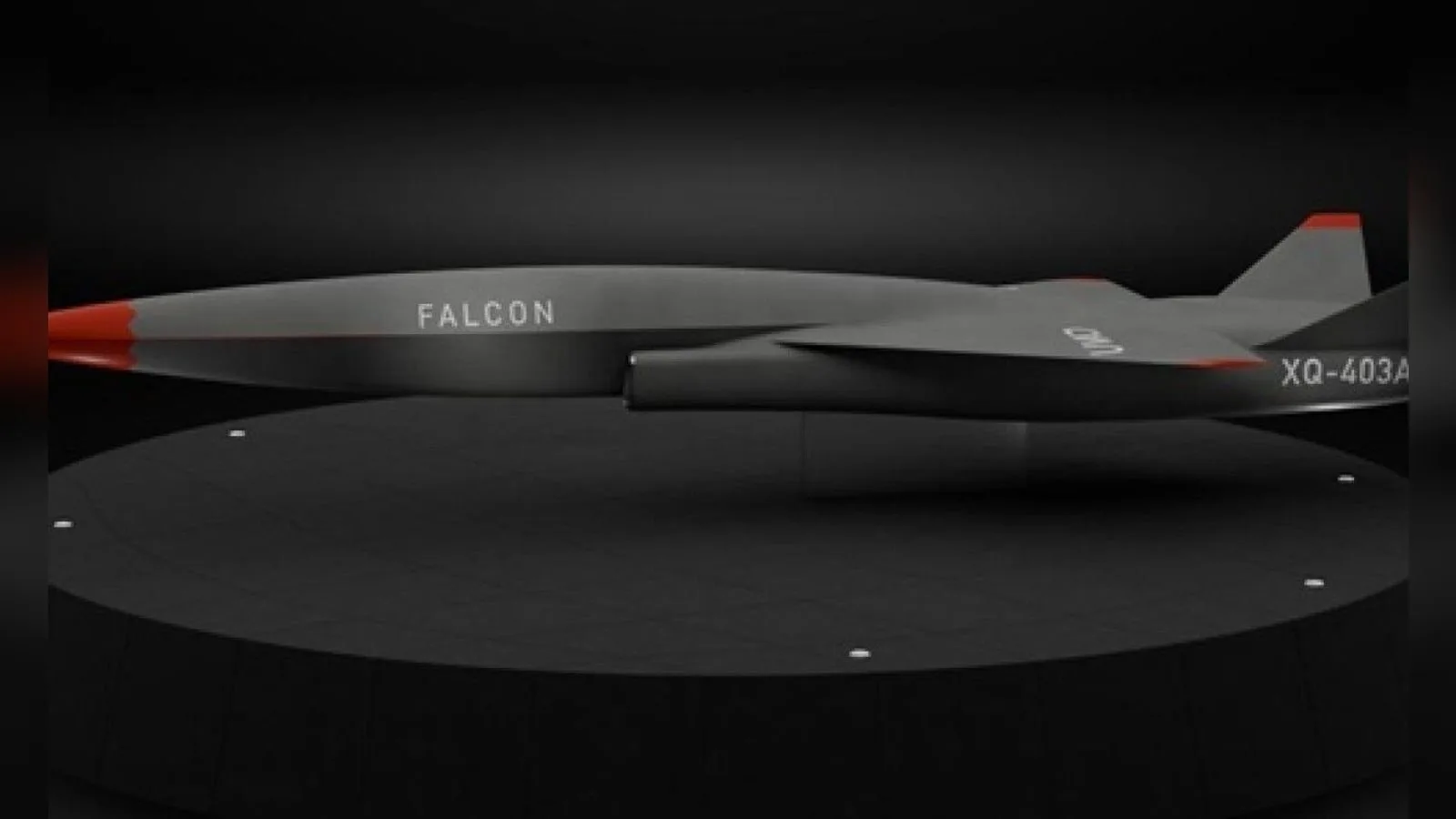
Safran turbojets to power Falcon supersonic UAV target
Falcon is a reusable supersonic uncrewed aerial target for missile-defense training, and its propulsion is the subject of a partnership between Safran Power Units and UVAD Technologies. Safran supplies two turbojet engines, and flight…
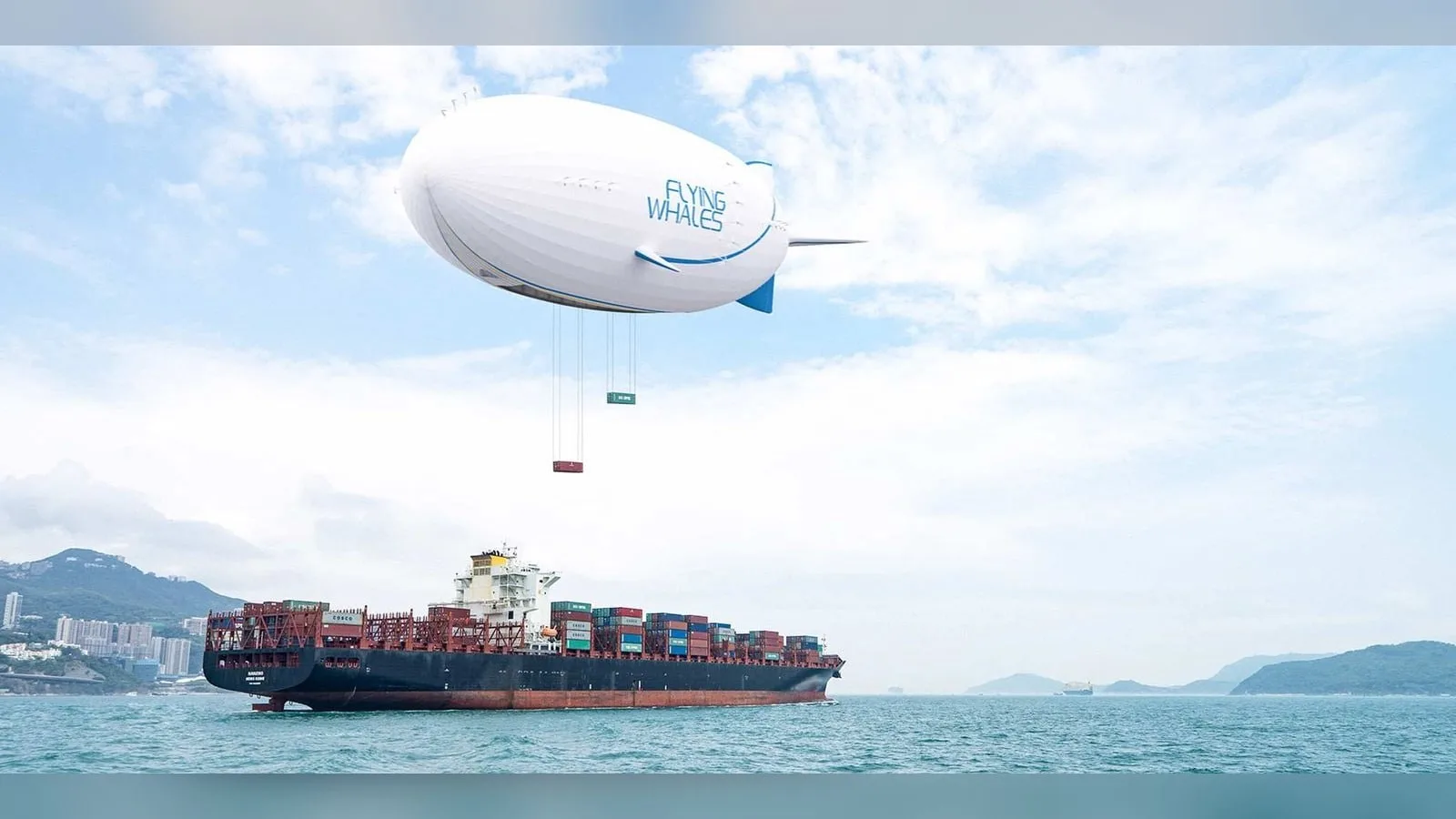
Honeywell tests 1 MW hybrid-electric generator for airship
Honeywell Aerospace tests a 1 MW generator in a Mexicali test cell, and Flying Whales will integrate it into the hybrid-electric powertrain of its LCA60T airship. The unit reaches 1 MW steady state at 97% efficiency, giving…
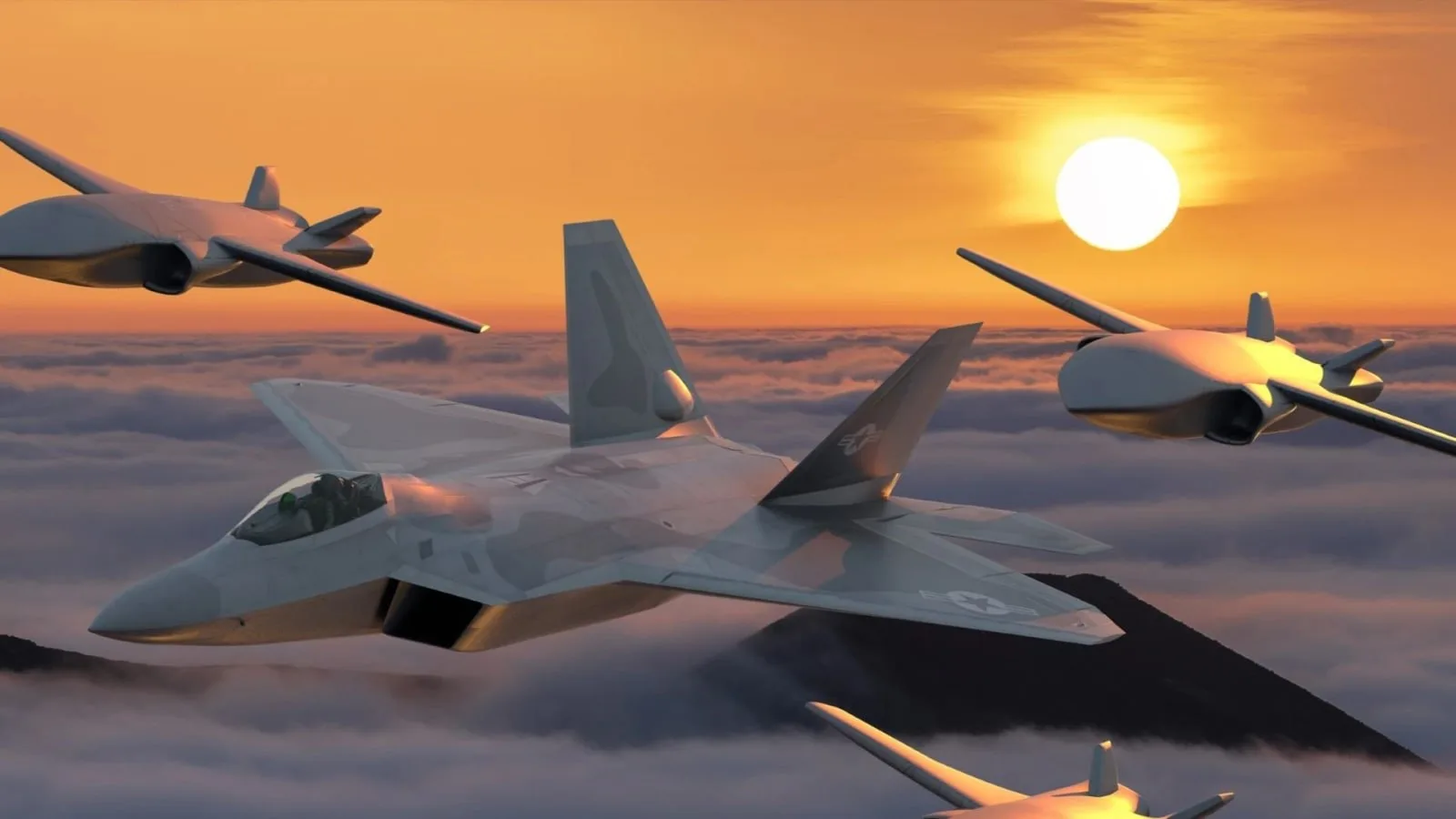
Honeywell HON1600 small turbine engine targets USAF CCA
Honeywell Aerospace presents the HON1600, a small turbine engine it positions for the US Air Force's Collaborative Combat Aircraft (CCA) program, after a core engine run in September 2025. The Air Force has issued a request for proposals…