Velocity ESC is a brushless motor-controller family for unmanned aircraft propulsion. Its variants support different electrical loads and share DroneCAN integration, with current capacity, mass and cooling requirements selected for the installation.
The Velocity ESC is a DroneCAN electronic speed controller for three-phase brushless DC motors, made by Currawong Engineering for the propulsion systems of uncrewed aircraft, particularly heavy-lift multirotors and VTOL platforms. The family is built as an aerospace-grade motor controller with documentation, testing and traceability, and it is designed and manufactured in Australia, so it is not subject to ITAR restrictions.
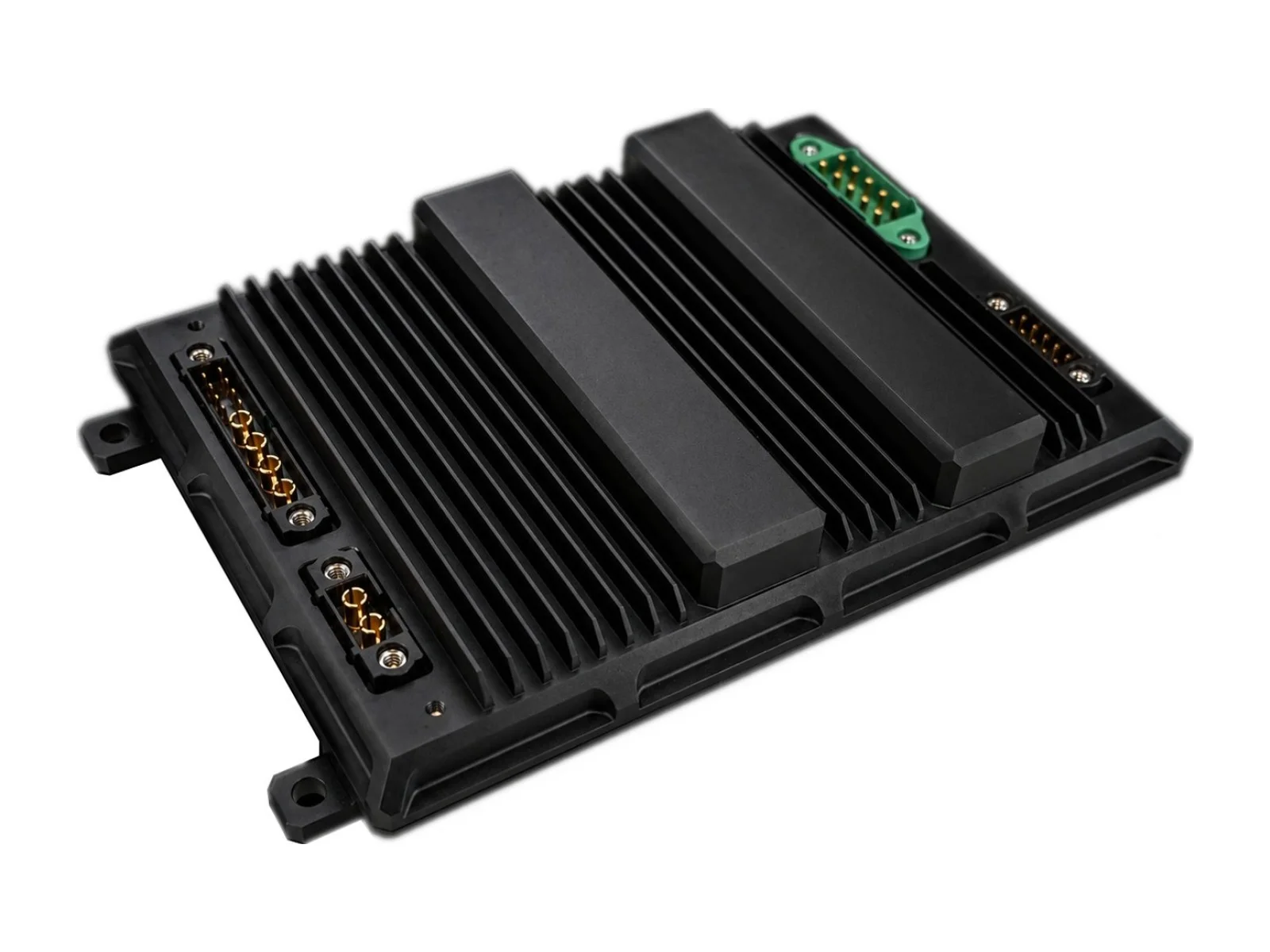
The power stage is intended for large motors. The brochure quotes a peak output above 20 kW, and the product range is split into four models. The XS (part CE2092) is rated 60 V / 14S, 75 A sustained and 150 A peak, 4.5 kW, and weighs 75 g in an 80 x 45 x 13.5 mm enclosure. The HS (CE1767) is rated 60 V / 14S, 150 A / 300 A, 7.5 kW, 250 g, 110 x 60 x 21 mm. The HT is rated 75 V / 18S, 150 A / 300 A, 10 kW, 300 g, 110 x 60 x 29 mm. The HC (CE1888) is rated 60 V / 14S, 250 A / 500 A, 15 kW, 350 g, 110 x 60 x 32 mm. The maker states that the continuous current depends on the installation, because the ESC and the motor must both stay below their maximum rated temperature. Higher bus voltage, up to 75 V / 18S, lowers current losses for a given power and lets larger motors run efficiently.
For motor control, every model supports a maximum of 250,000 electrical RPM, a drive frequency of 8 to 48 kHz on the main specification tables (the brochure also gives a configurable range up to 75 kHz) and a timing advance of 0 to 30 degrees. Sensorless starting runs several commutation methods in parallel, which gives repeatable starts on high-inertia propellers and VTOL transitions. An integrated closed-loop RPM controller holds speed against disturbances such as wind loading. The operating temperature range is -20 to 100 degrees C.
Integration is done through an isolated CAN interface running DroneCAN. It carries RPM commands and real-time telemetry (RPM, current, voltage, temperature and internal health statistics), and it is galvanically isolated from the power inputs so that motor transients do not reach the autopilot. An optional connector accepts an external motor temperature sensor. The ESC is natively integrated with Piccolo, Ardupilot and Veronte, and a documented ICD and SDK support other autopilots. Configuration is performed with the CEquip PC application, which also graphs ESC parameters live. The ESC reports its configuration and checksums so that an autopilot can check each unit before flight, and firmware can be updated over CAN without removing the unit from the vehicle.
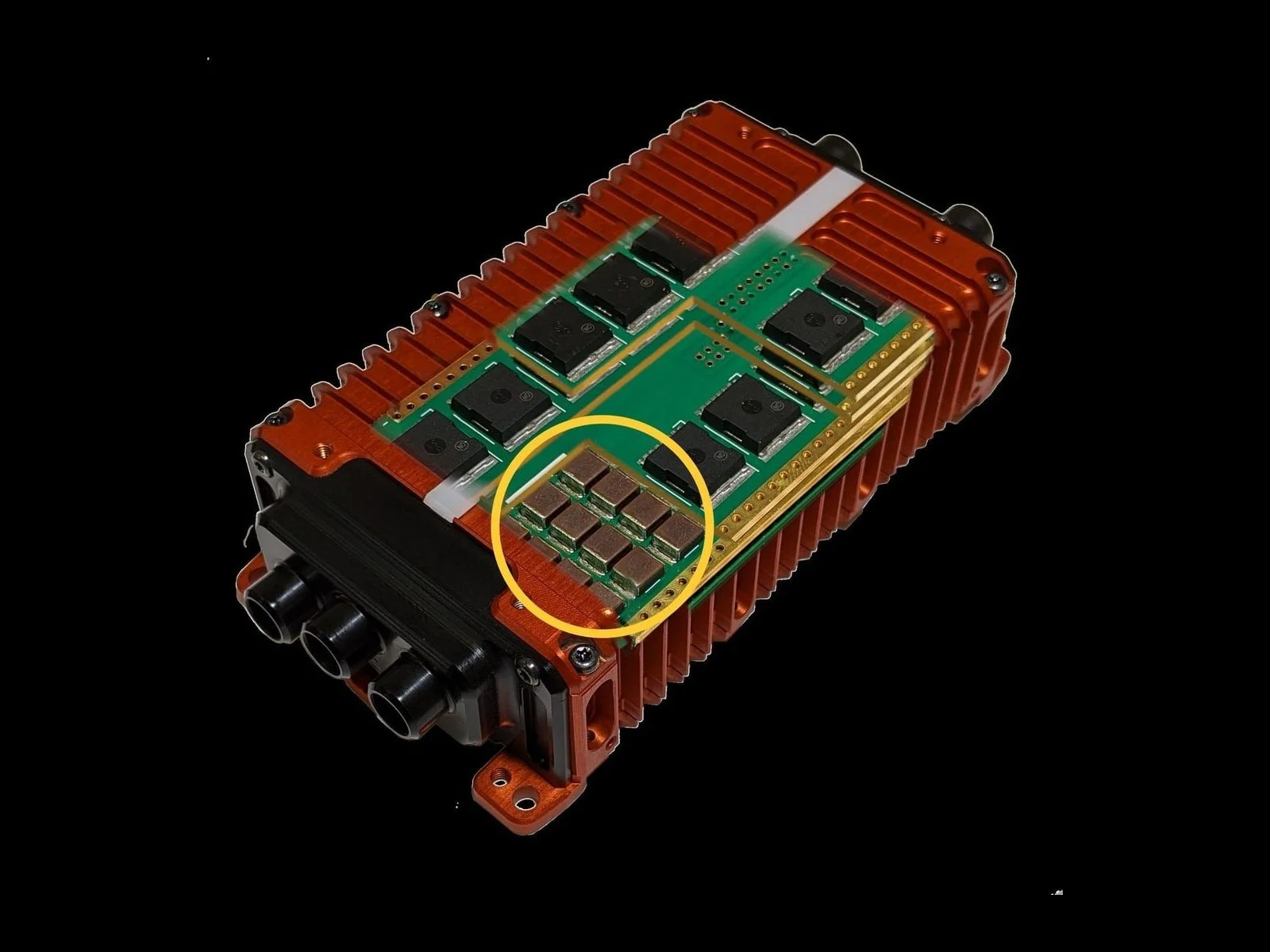
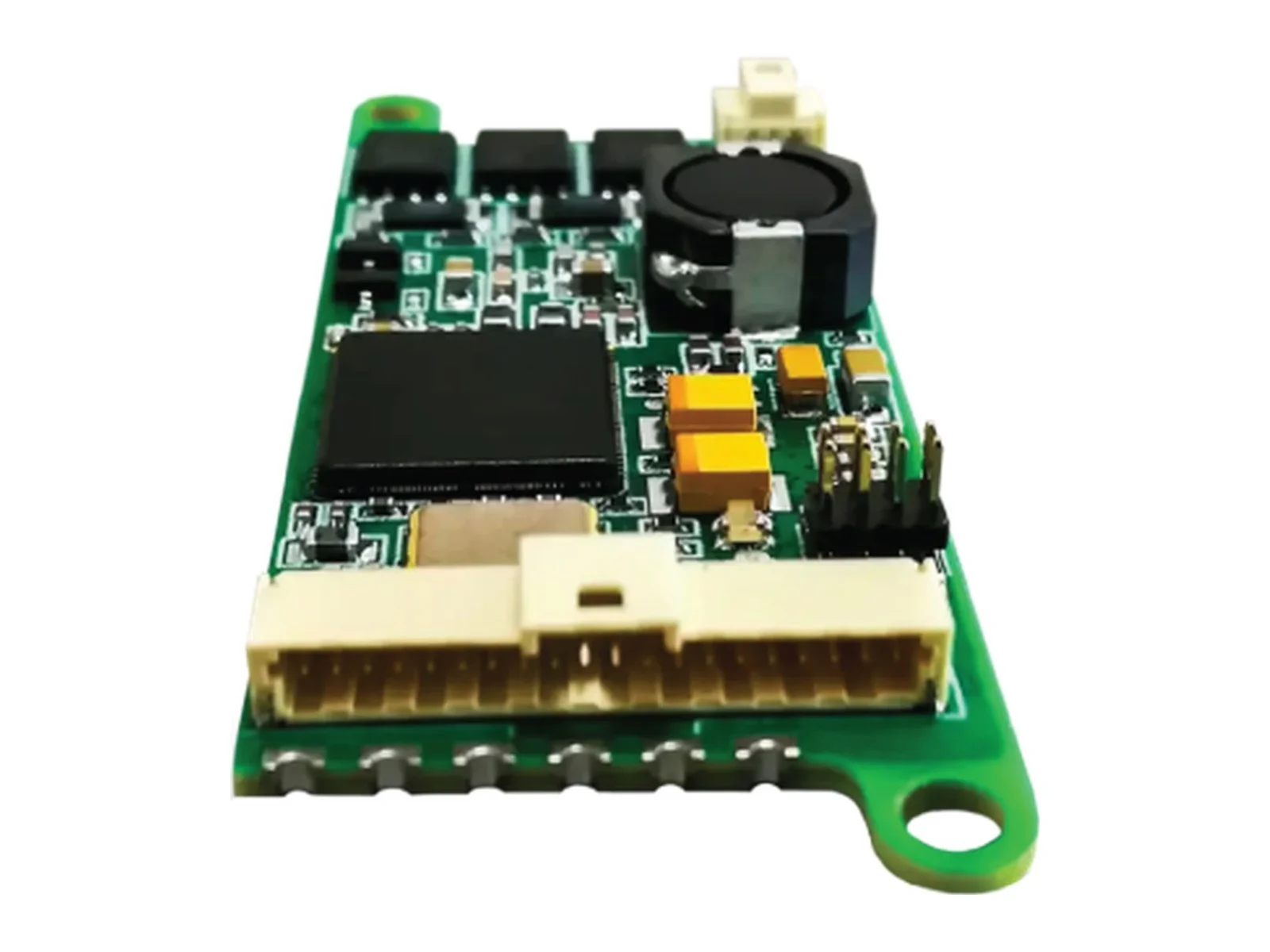
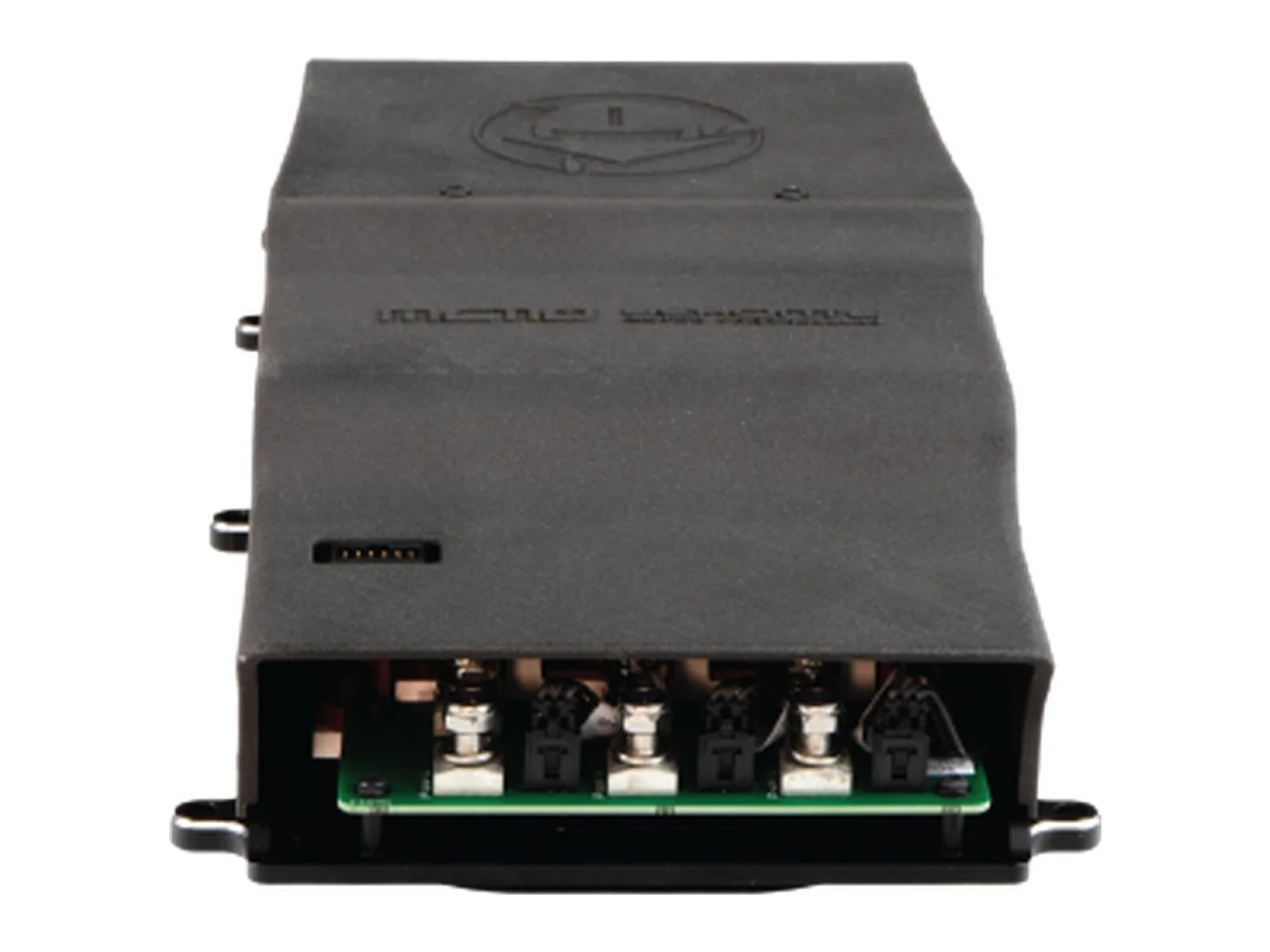
Protection and construction follow flight-critical practice. User-configurable foldback limits on current, voltage ripple and temperature keep the controller in a safe range without stopping the motor, and a hardware interlock gives a guaranteed shutdown while CAN stays active for preflight checks. The design uses low-impedance MOSFETs, a ceramic capacitor array, conformal-coated heavy-copper boards and a machined anodised aluminium enclosure. Ingress protection is IP54 on the XS and IP65 on the HT and HC in the maker's tables.
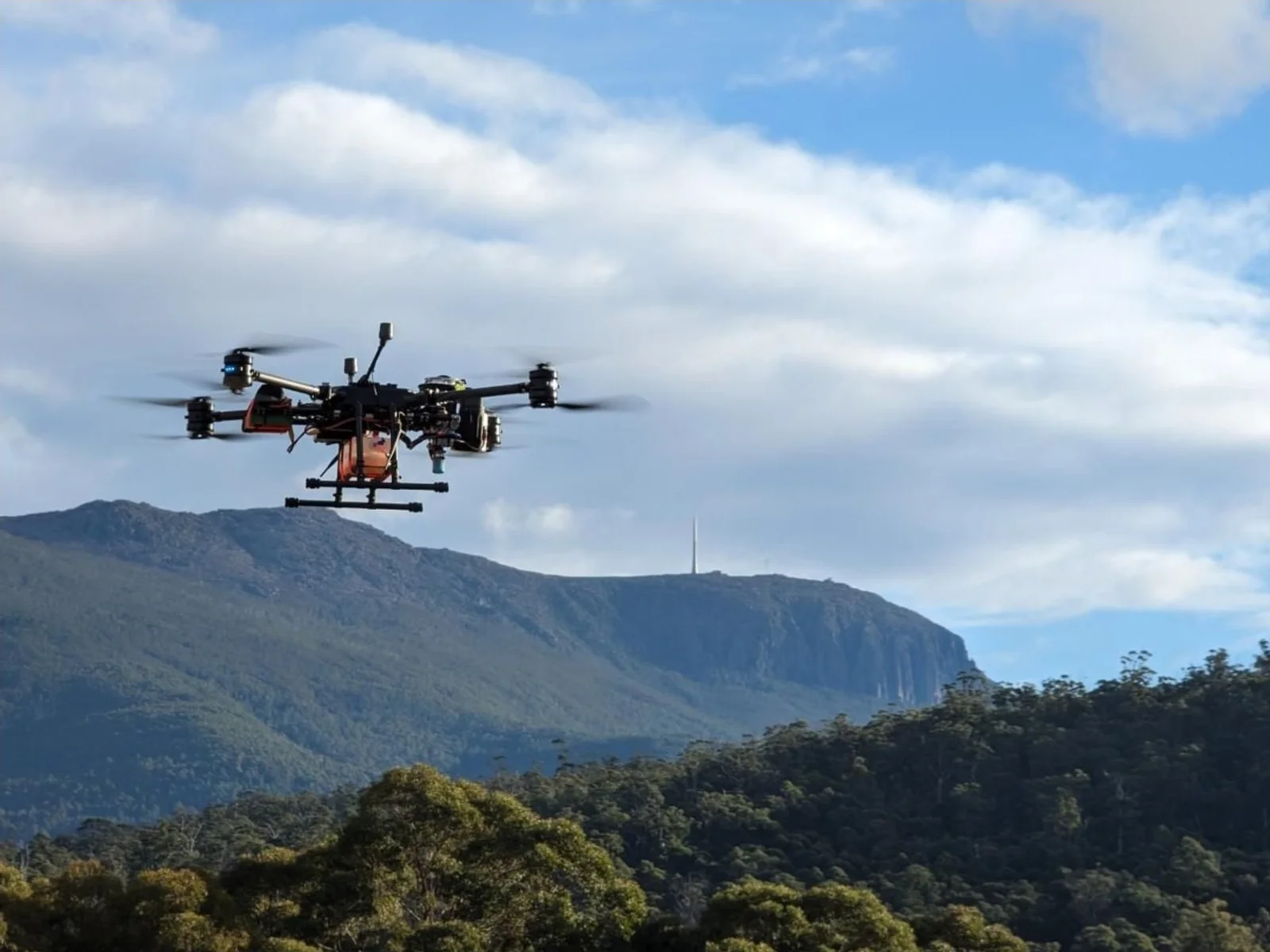
Typical applications are electric propulsion of heavy-lift multirotor UAS, VTOL and hybrid-electric uncrewed aircraft where several large motors must be controlled reliably over CAN, and Currawong also offers a service to optimise the ESC and motor combination.
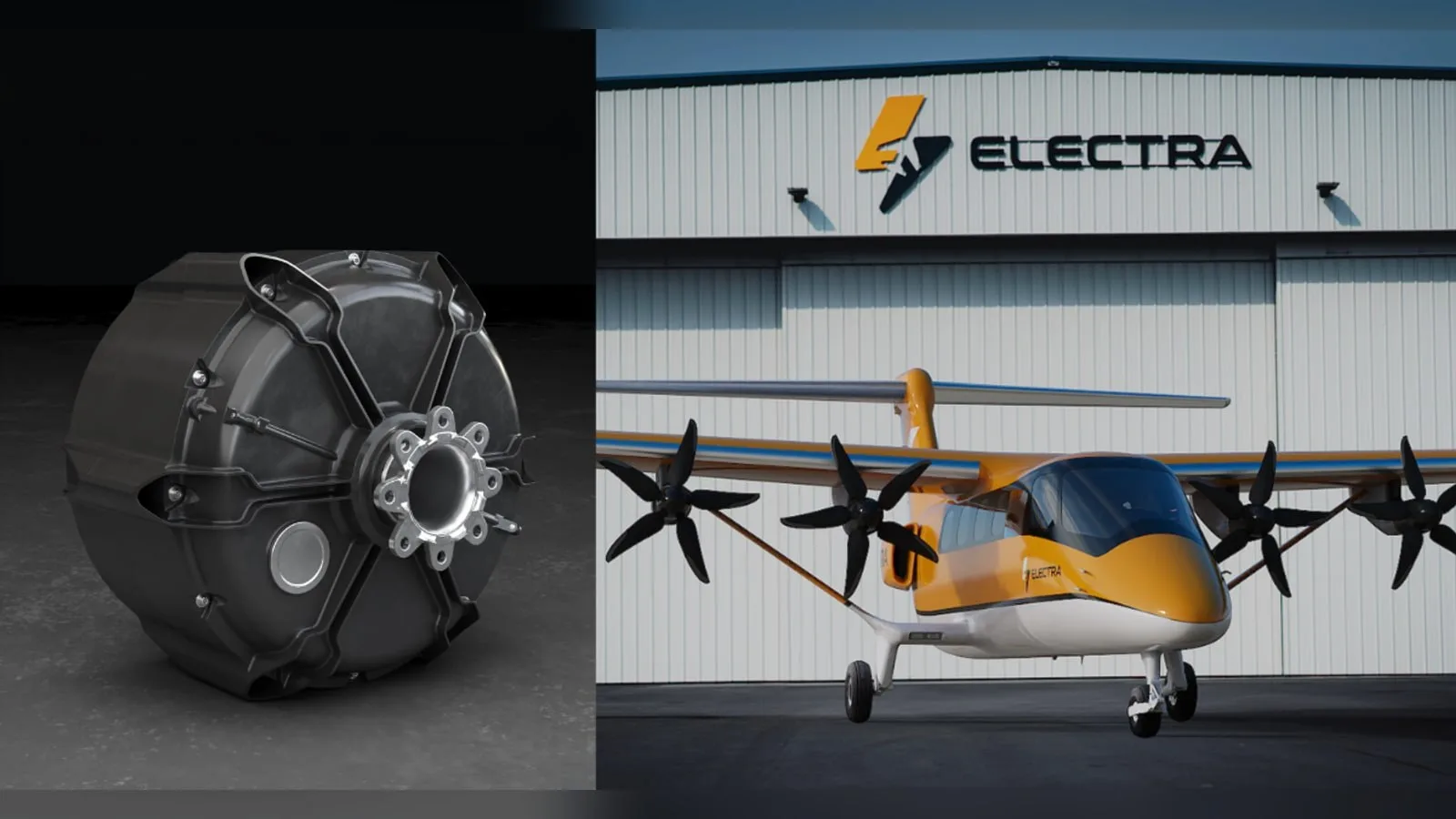
Evolito submits a type certificate application to the UK Civil Aviation Authority for its E800 electric engine, initially intended for Electra's EL9 hybrid-electric aircraft. The company describes it as the first certification application…
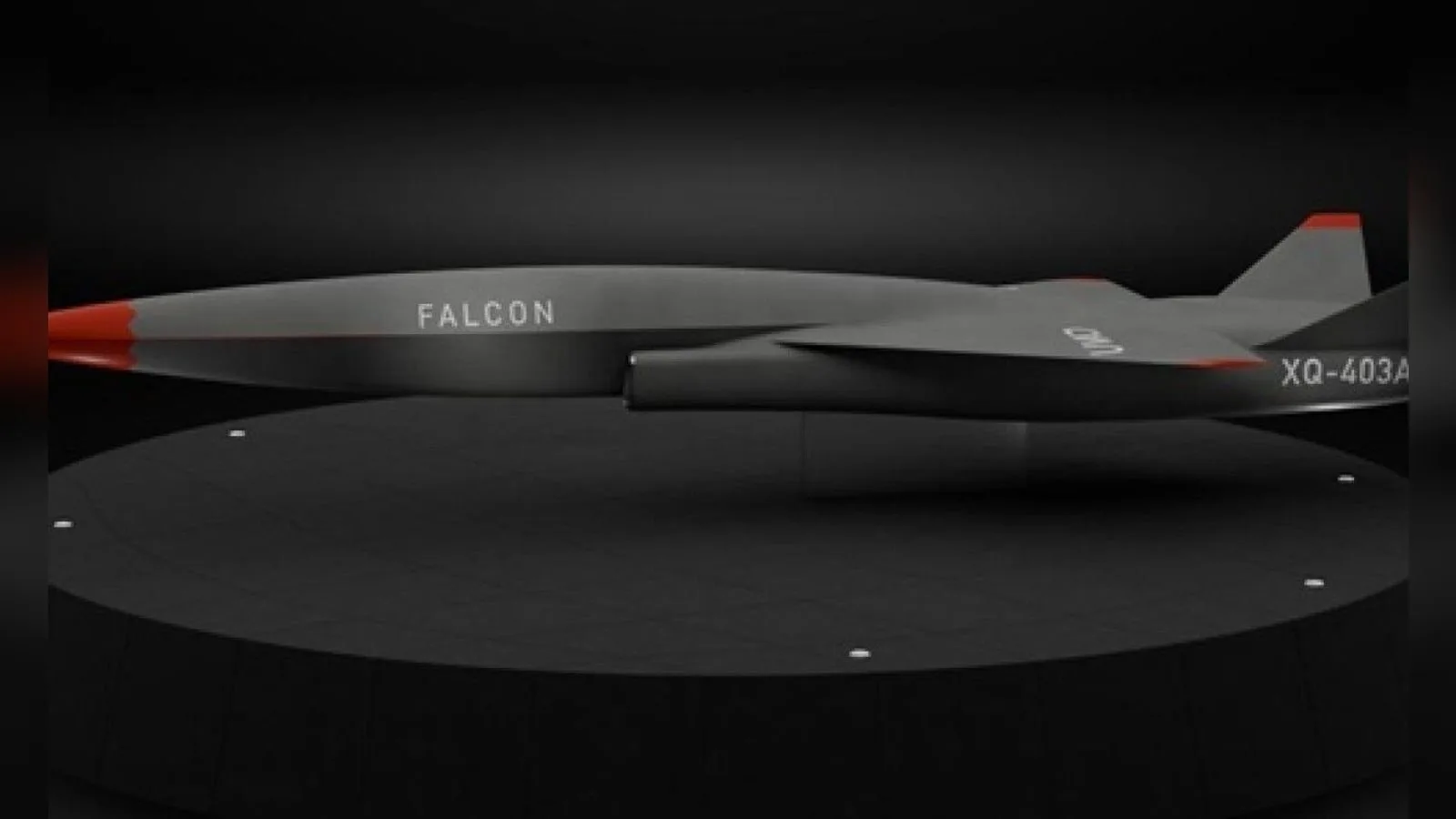
Falcon is a reusable supersonic uncrewed aerial target for missile-defense training, and its propulsion is the subject of a partnership between Safran Power Units and UVAD Technologies. Safran supplies two turbojet engines, and flight…
Honeywell Aerospace tests a 1 MW generator in a Mexicali test cell, and Flying Whales will integrate it into the hybrid-electric powertrain of its LCA60T airship. The unit reaches 1 MW steady state at 97% efficiency, giving…











 FeaturedCombustion engines
 FeaturedPMU modules
 Featured
 FeaturedCombustion engines
 FeaturedESCs
 Featured
 Featured
 FeaturedESCs