Honeywell engineers run the generator in November 2022 at a test cell in Mexicali, Mexico. The proof-of-concept regime includes steady-state operation at 1 MW for extended periods, followed by a reduced-speed run at 17,000 rpm, with operating behavior and temperatures monitored throughout. Afterward the team disassembles the machine and inspects the rotor, stator and other key components, finding no abnormalities. Measured efficiency is 97%, and the results exceed the launch customer’s requirements.
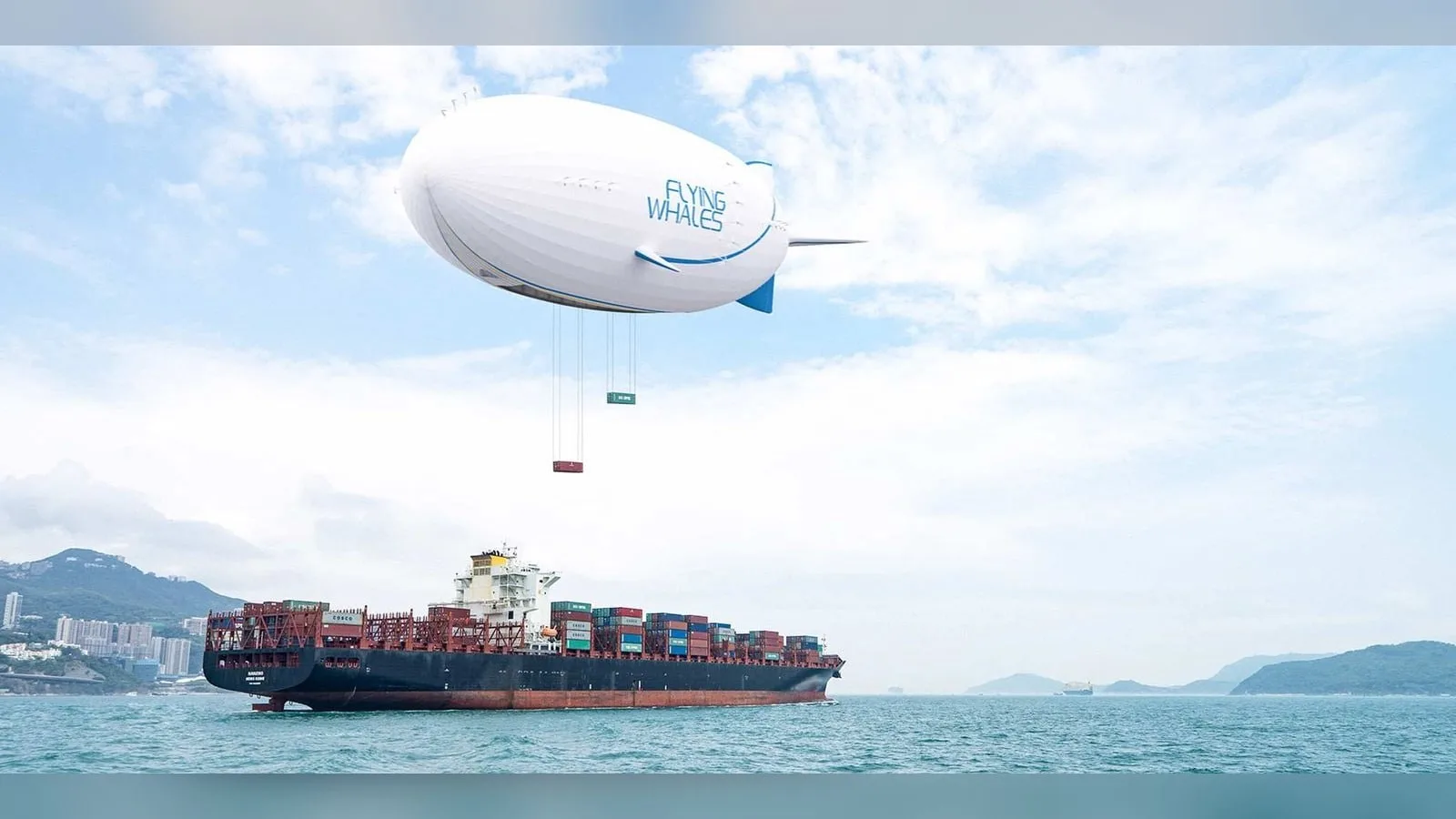
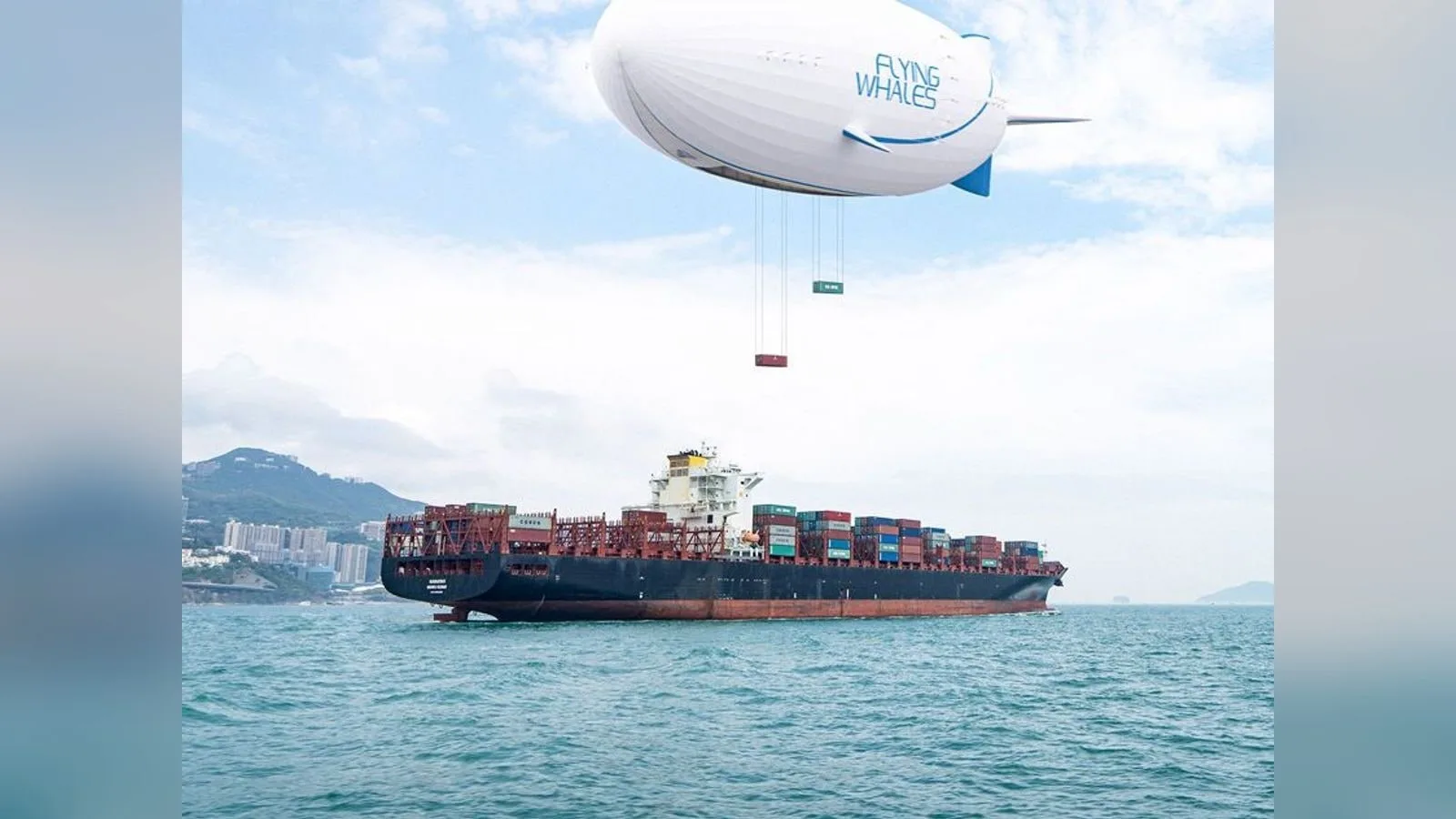
Flying Whales, a French and Canadian company, will integrate the generator into the hybrid-electric propulsion system of the LCA60T, a vertical takeoff and landing rigid airship. The powertrain pairs the generator with a conventional turbine engine for a combined 4 MW, and both can run on sustainable aviation fuel.
The unit can recharge the batteries that supply an aircraft’s electric motors or act as a motor turning propellers. According to Cristian Anghel, a Senior Technical Fellow at Honeywell Aerospace Technologies, no generator before this one was built with the specific needs of electric and hybrid-electric aircraft in mind. He says its output is four times that of any other aviation generator available today, in a smaller, lighter package.







Why it matters
The LCA60T is designed to lift heavy loads from remote or hard-to-reach sites, carrying cargo slung below the hull or in a bay 96 meters long, 8 meters wide and 7 meters high. The airship is 200 meters long and relies on 10 non-pressurized helium cells for lift. Intended uses range from timber extraction to construction, power projects, logistics and humanitarian missions.
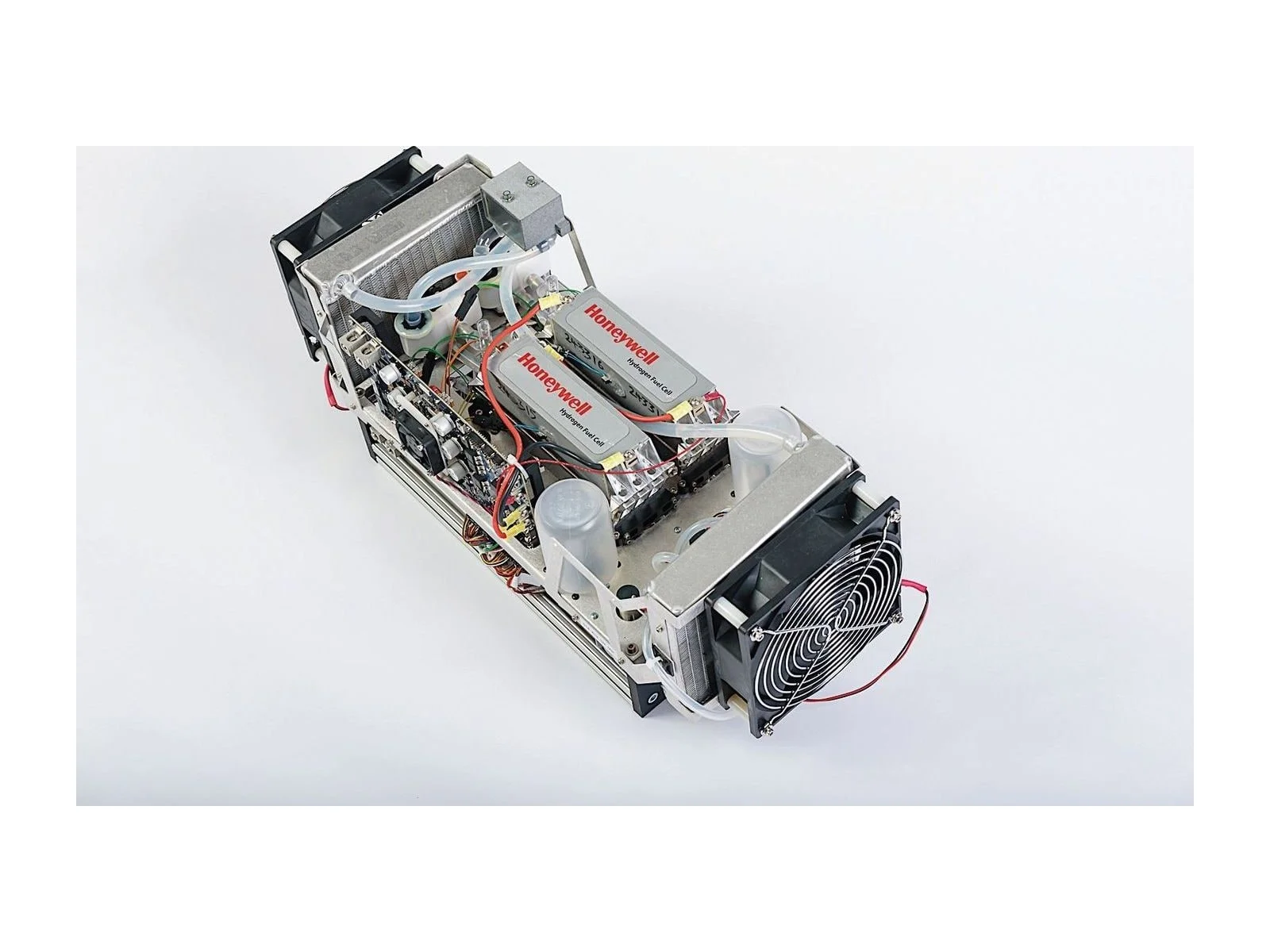
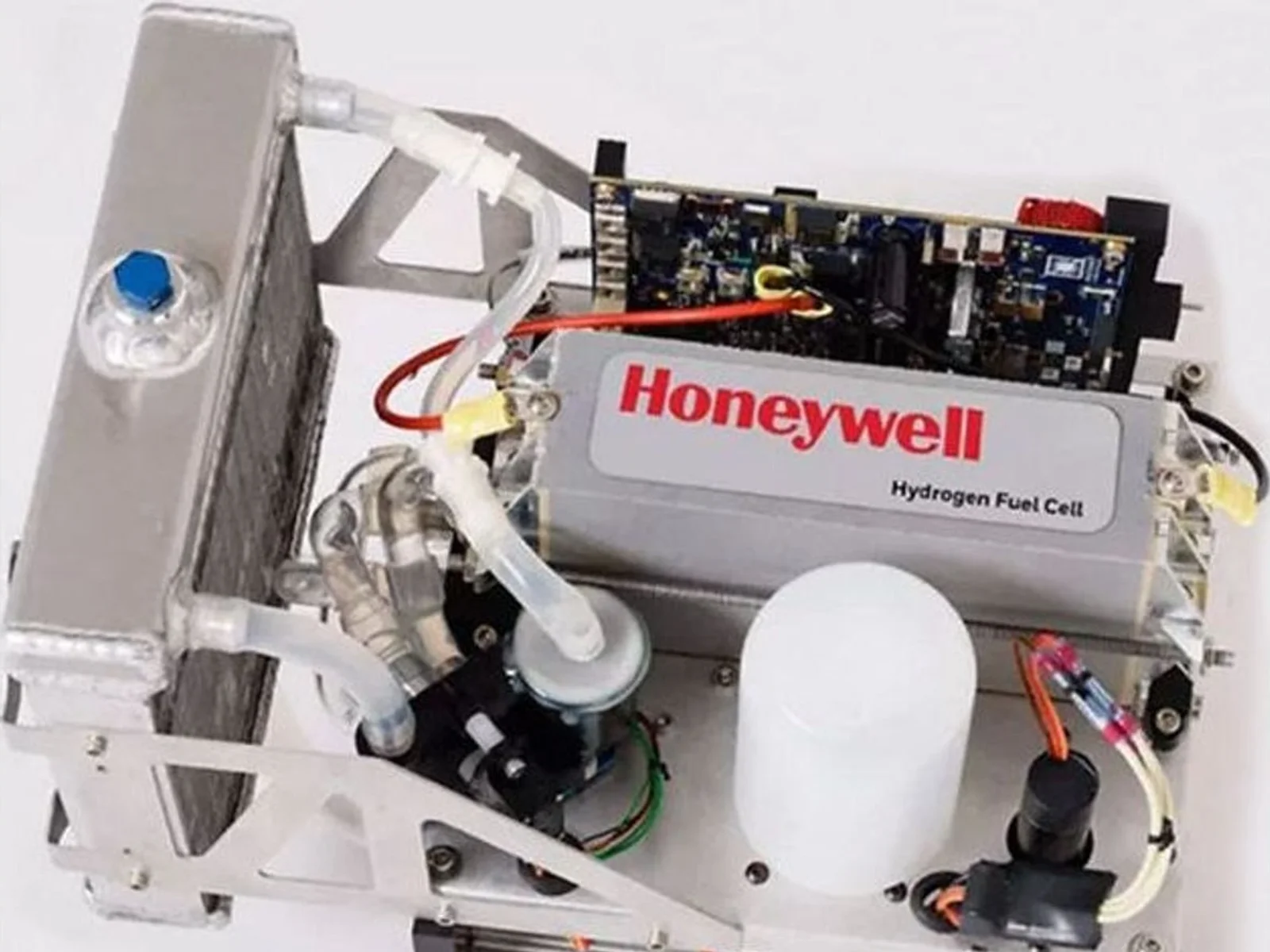
Honeywell positions the generator as an extension of its power-systems experience, which began with its first auxiliary power unit, and as part of a portfolio that includes avionics for urban air mobility and UAV platforms. In the UAV segment the company offers hydrogen fuel-cell systems such as the 1200U, rated at 1200 W, a far lower power class. Its propulsion work also includes the HON1600 small turbine engine for the USAF CCA program.

Source: Honeywell Aerospace: When whales fly its with Honeywell Aerospace's groundbreaking 1MW generator
Was this article useful?
Thanks for your feedback. You can change your answer at any time.
Latest news
Latest news
Companies in this article
 Sensors · 5Avionics · 4Propulsion · 2Structures · 2Comms & GCS · 1
Products in this article
 FeaturedFuel cells
1200U hydrogen fuel-cell power system
- Continuous power
- 1.2 kW
- Hydrogen consumption
- 63 g/kWh
- Output voltage
- 18 – 84 V
 FeaturedFuel cells
600U hydrogen fuel-cell power system
- Grade
- Professional
- Market
- Dual-use
- Availability
- In production
- FeaturedPMU modules
CorePower smart electrical power-distribution systems
- Output channels
- 24
- Grade
- Aerospace-grade
- Market
- Dual-use
Related articles
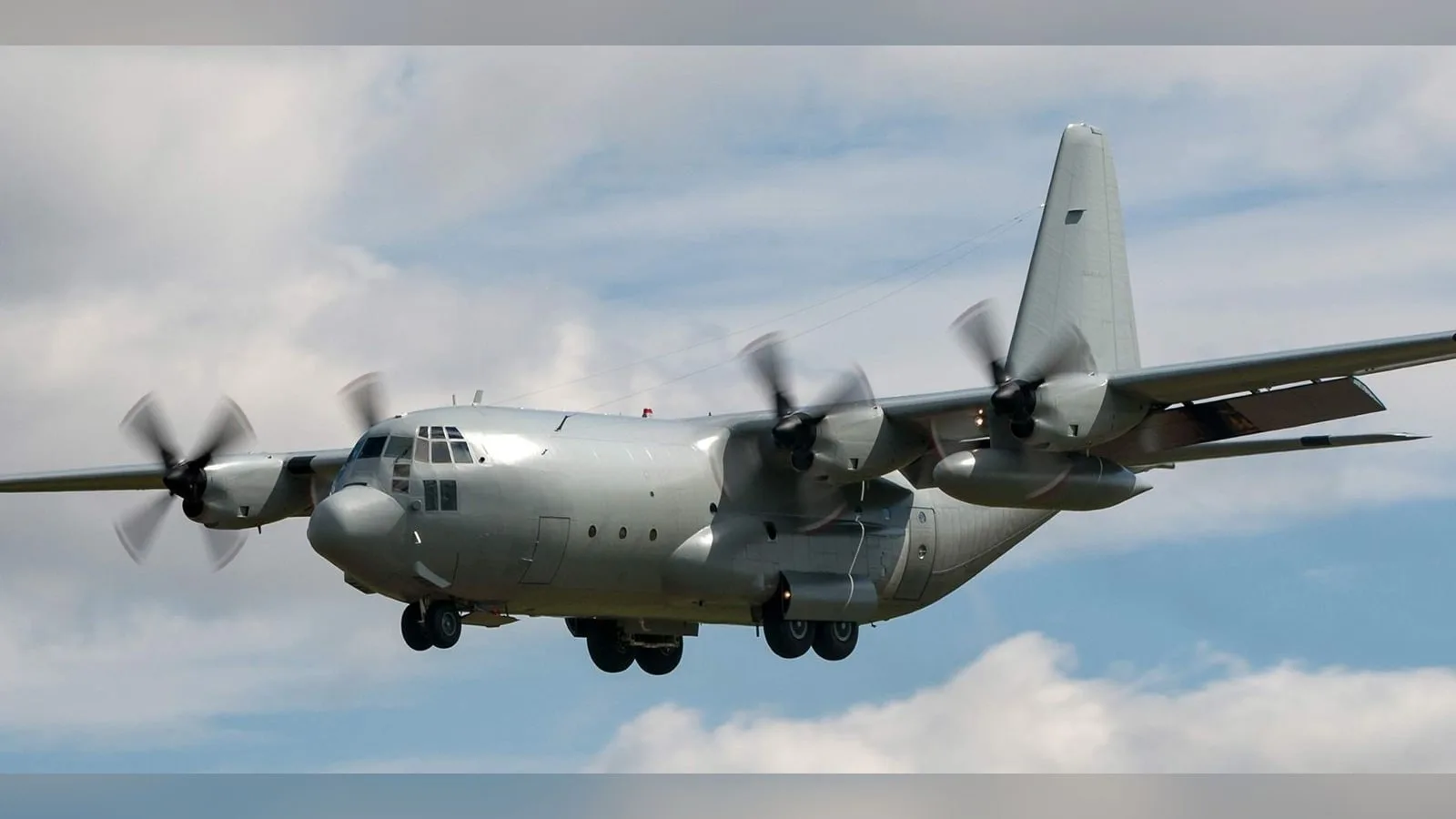
Honeywell tested multi-network satcom failover on 757 testbed
Honeywell Aerospace detailed on May 5, 2022 a test of a Primary, Alternate, Contingency and Emergency (PACE) satcom scheme on its Boeing 757-200 flying testbed, which switched between commercial and military satellite networks in flight…

Honeywell tests alternative navigation for GNSS-denied flight
Honeywell Aerospace presents results from demonstrations of celestial-, vision- and magnetic-aided navigation that support inertial systems when GNSS signals are lost. Its star-tracker based system matches GNSS-INS performance under…
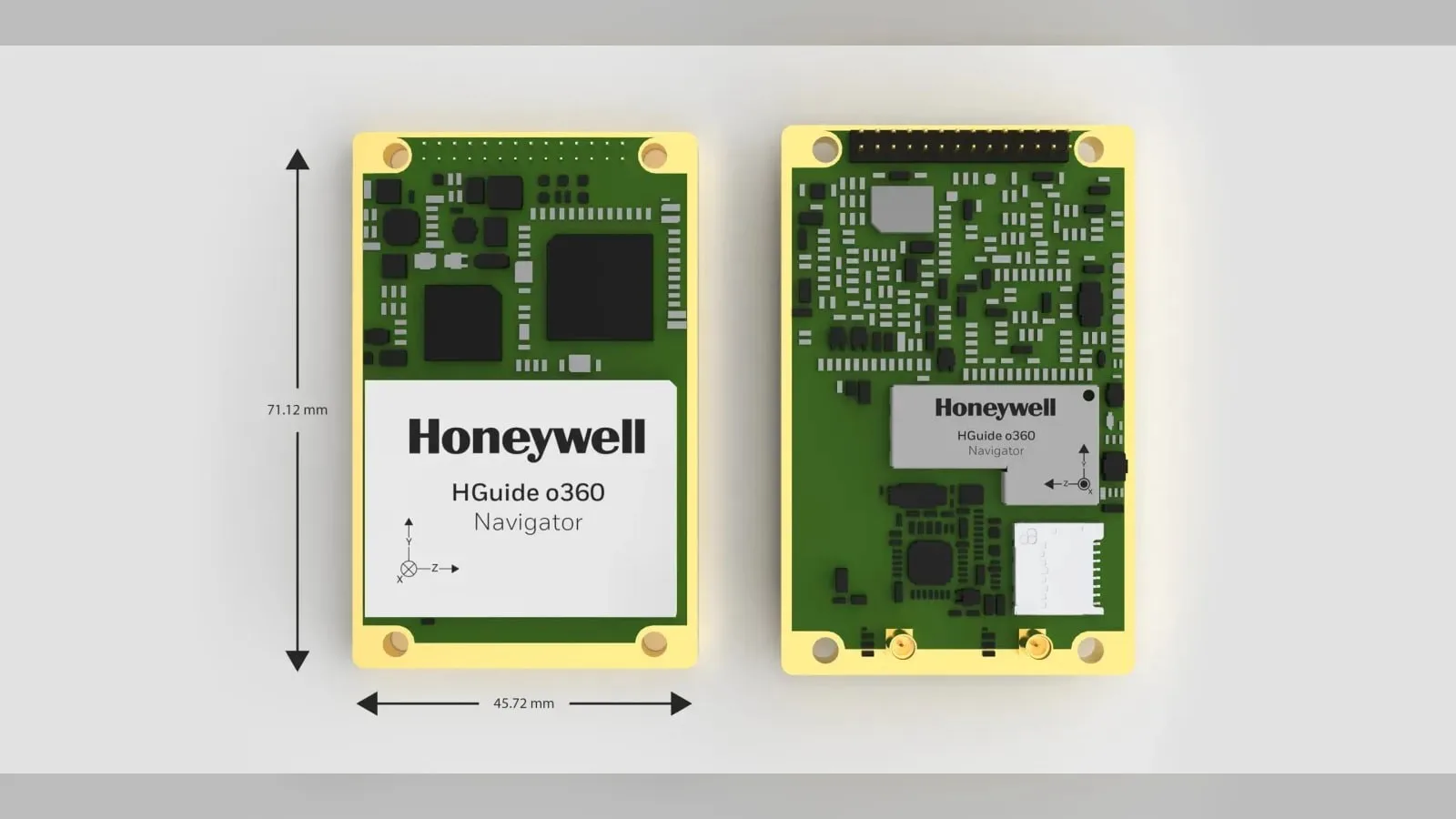
Honeywell HGuide HG4930 IMU anchors industrial nav line
Honeywell Aerospace marks five years of its HGuide Industrial Navigation group, which adapts inertial navigation technology from the company's defense and aerospace lines for industrial platforms. MEMS inertial measurement units such as…
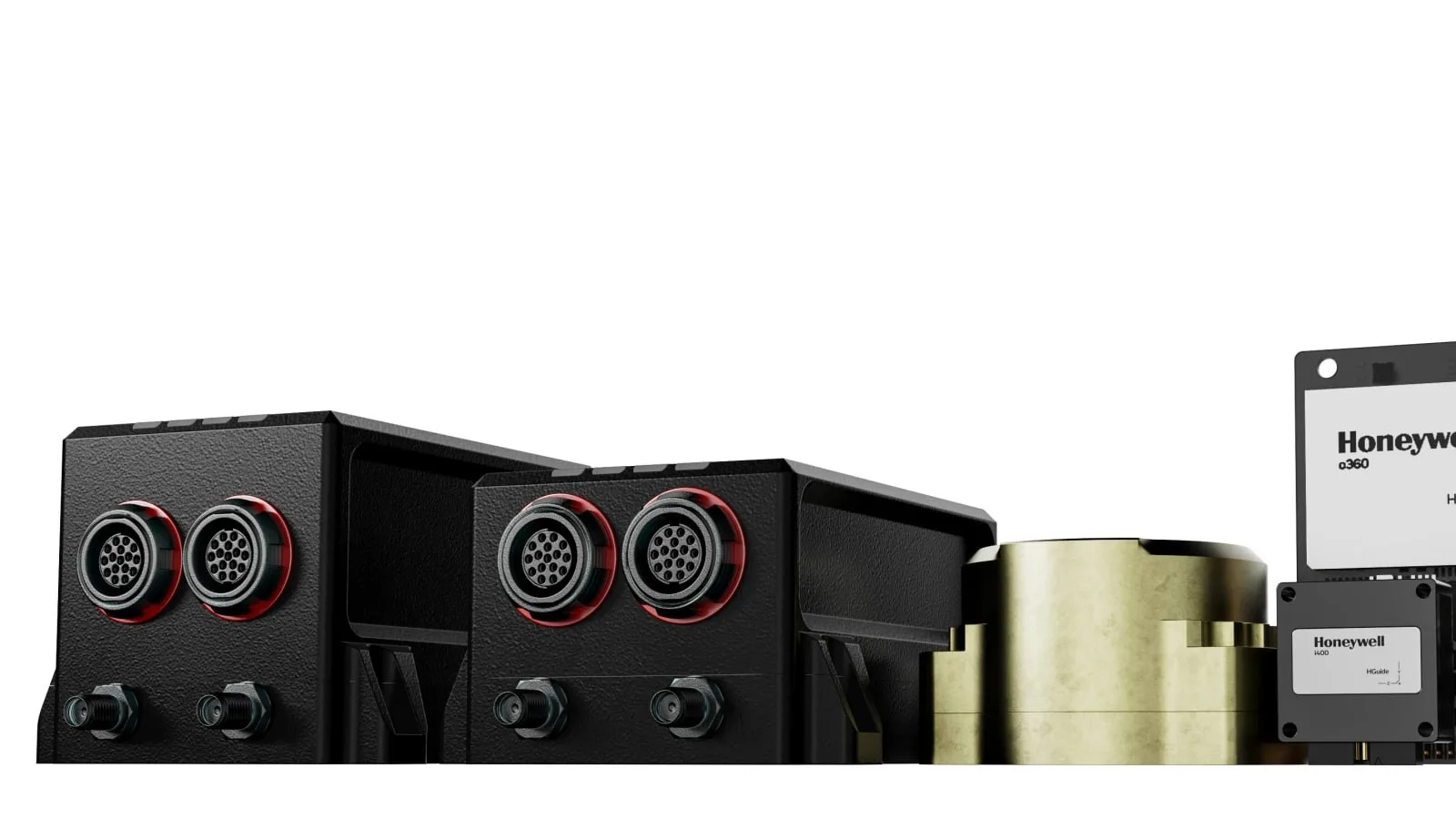
Honeywell HGuide o480 INS/GNSS navigator with AIM+ anti-jamming
Honeywell Aerospace offers the HGuide o480, a 26-gram INS/GNSS navigator for attritable military platforms and industrial uses. The unit pairs an IMU and a GNSS receiver with AIM+ anti-jamming, and it is available globally without export…