Featured
Batteries
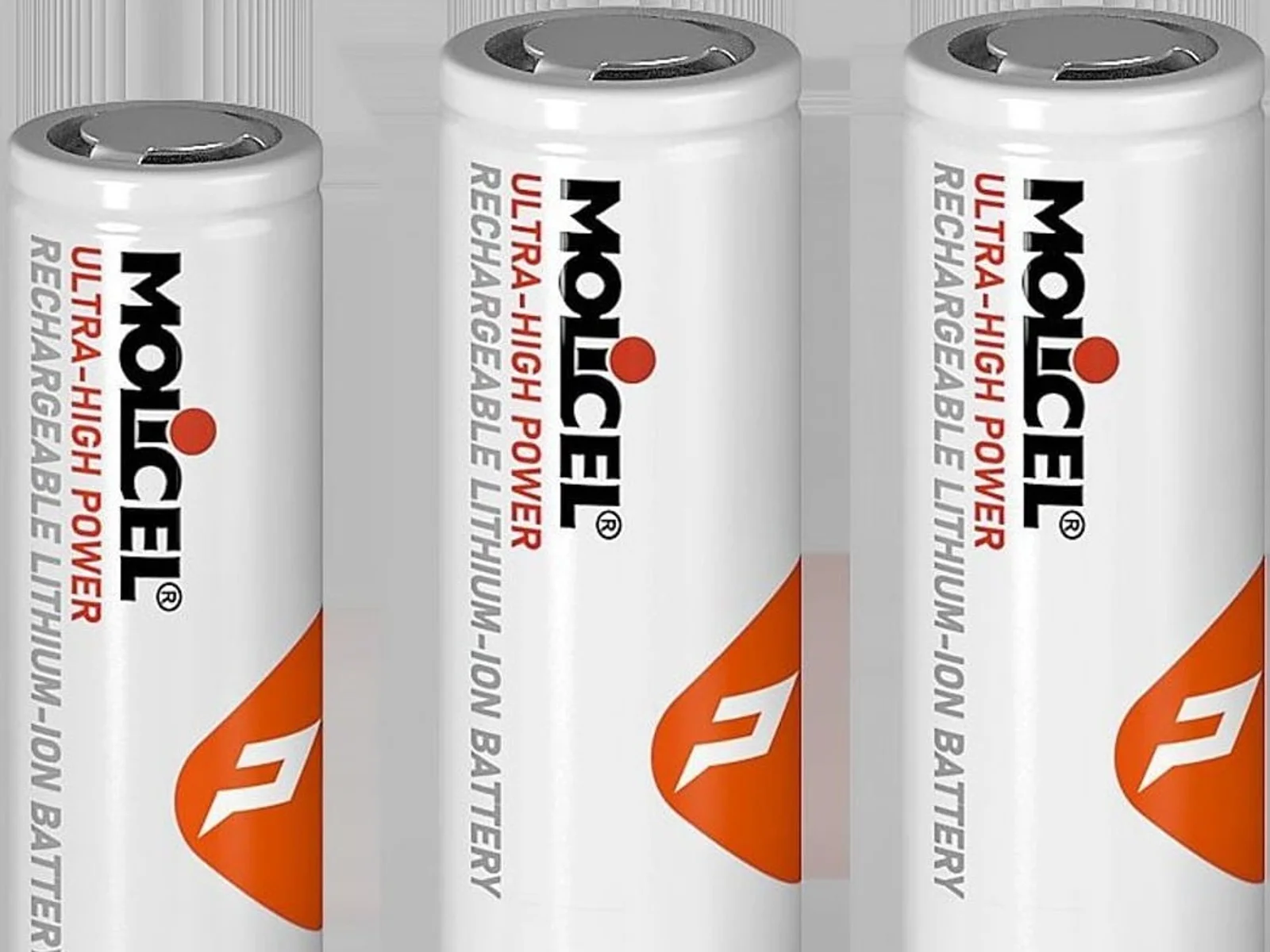
INR-21700-P50B cylindrical rechargeable battery cell
- Energy
- 18 Wh
- Nominal voltage
- 3.6 V
- Specific energy
- 265 Wh/kg
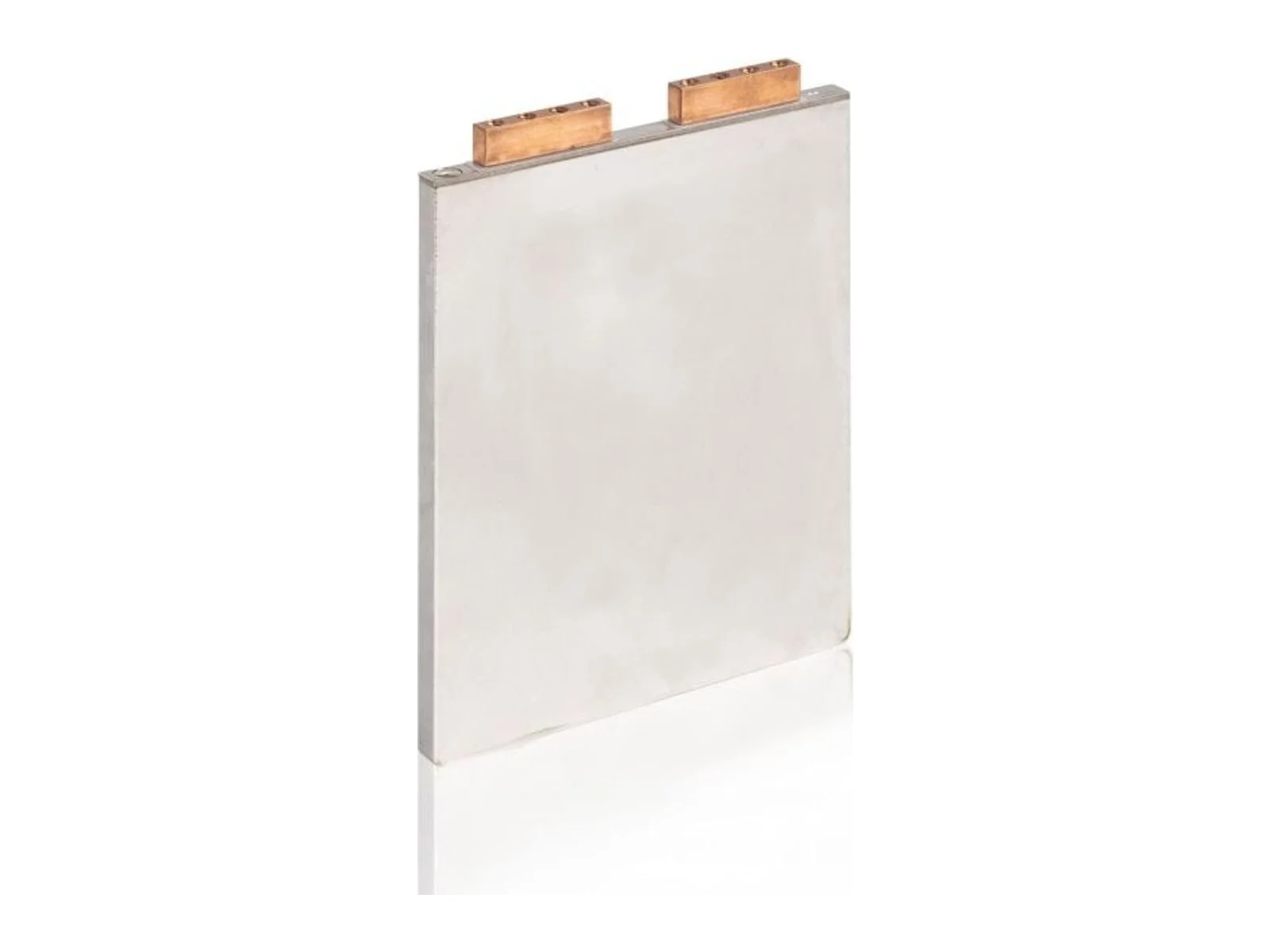
High energy density cells, modules and packs with battery management systems (BMS) for electric and hybrid propulsion.
Filters

Try removing a filter.



Updated November 3, 2026
In an electric aircraft the battery sets the range, a large share of the take-off mass and much of the safety case. The figures that matter are not only the energy density of the cell, but what remains after packaging, cooling and protection are added to make a flight-worthy pack.
Higher-energy cells usually give less power and fewer cycles. A drone flying long missions at low power and an eVTOL that must deliver high power for landing at the end of a flight need different cells, even at the same capacity.
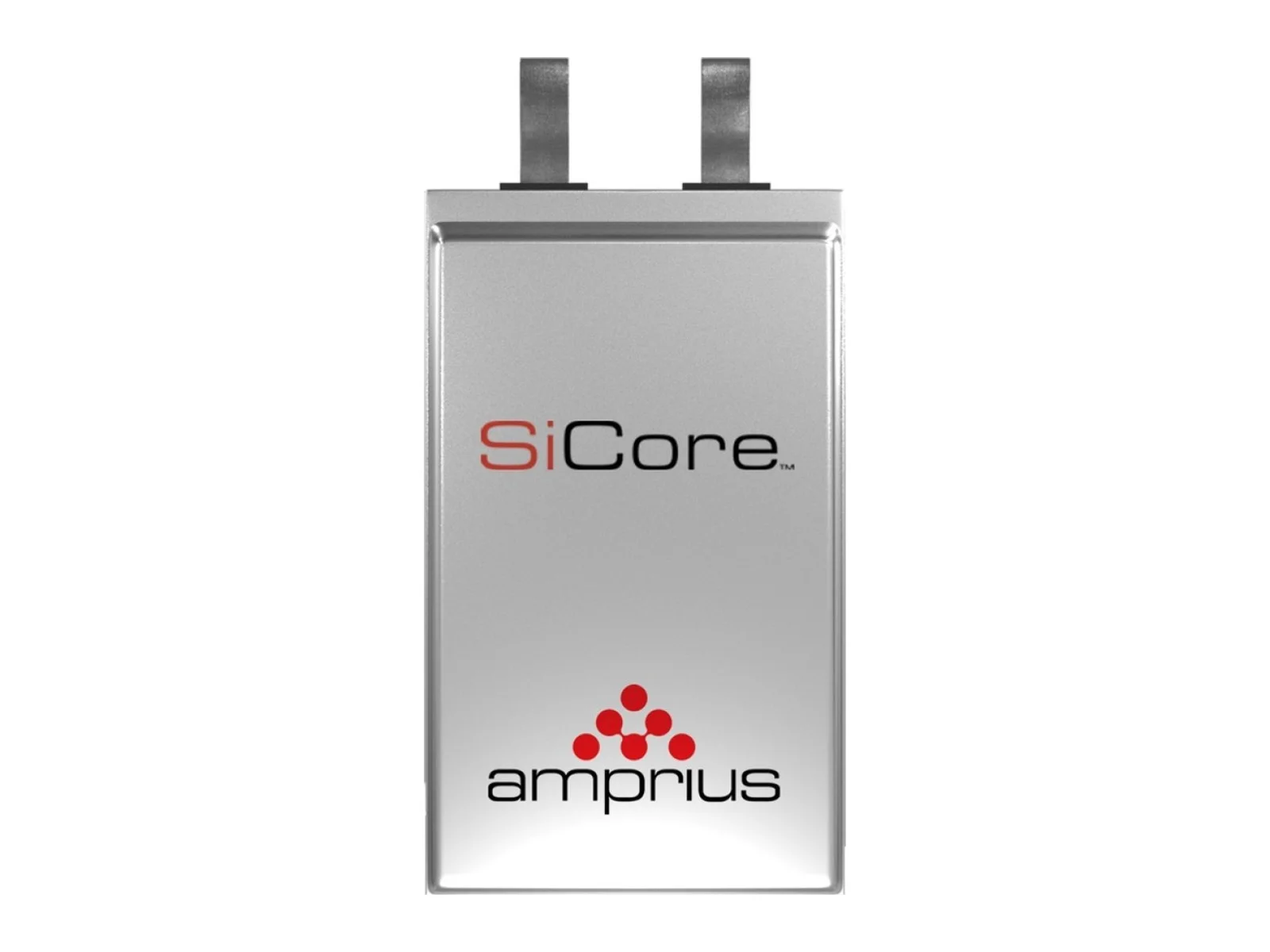
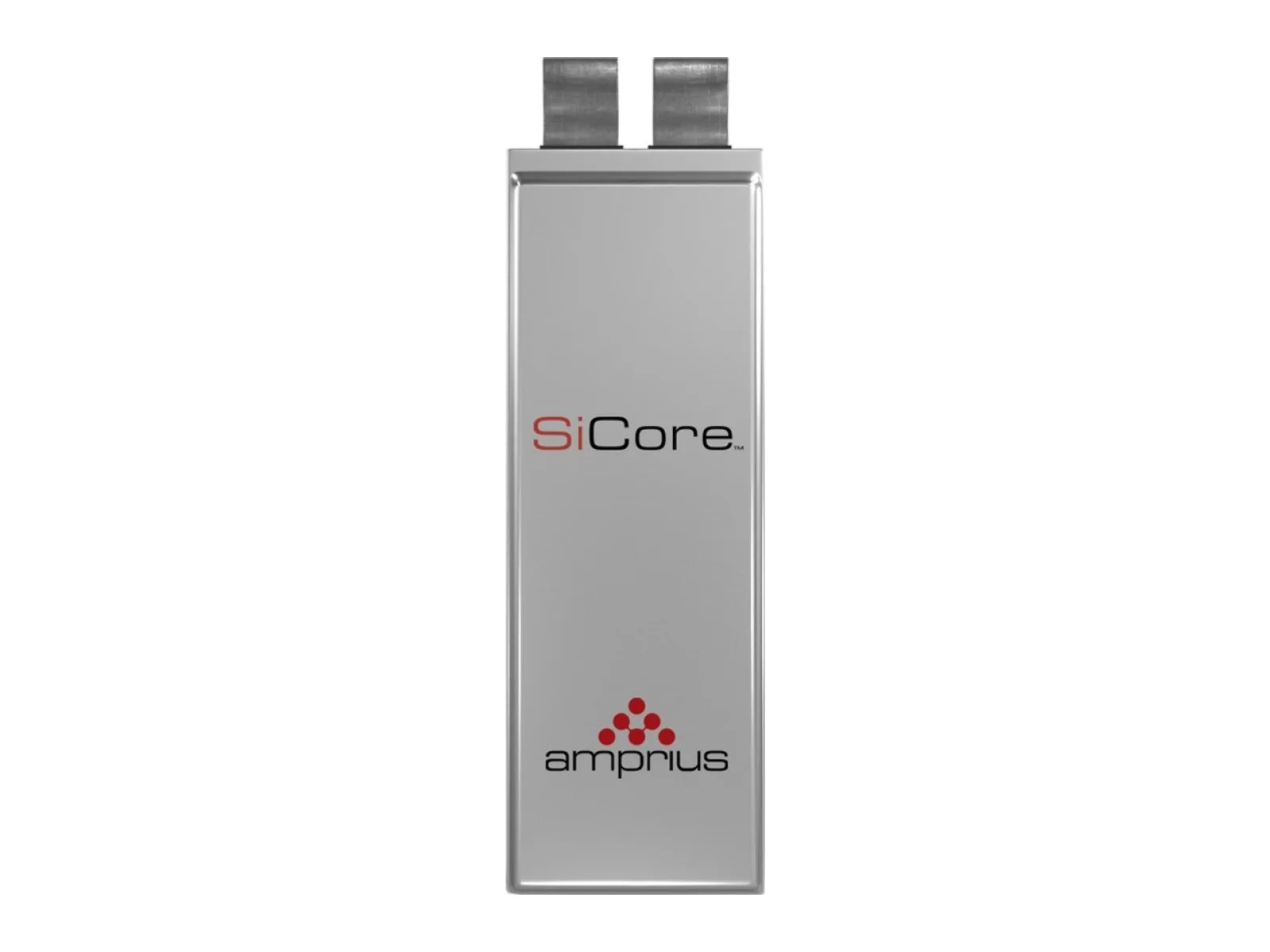
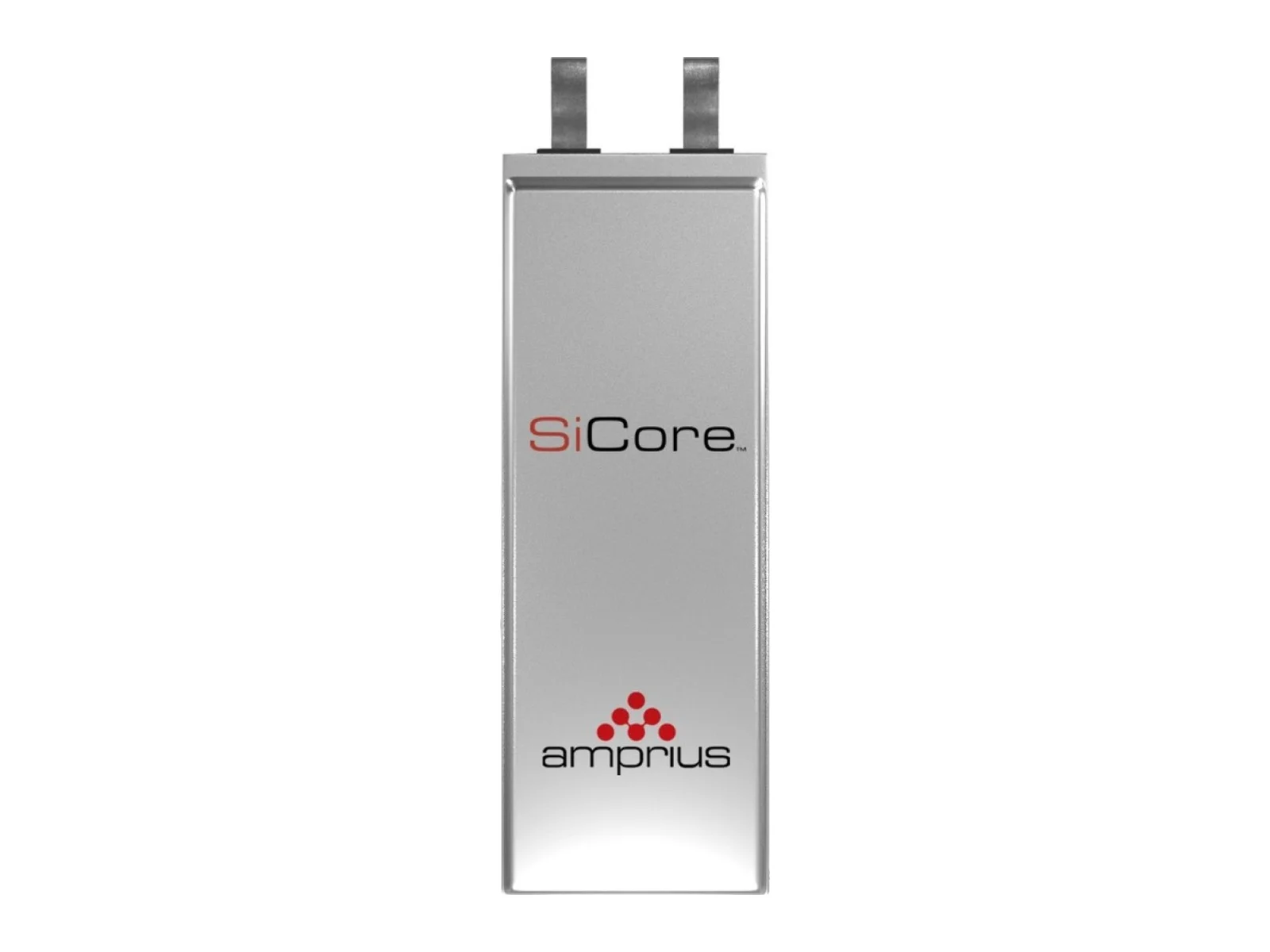
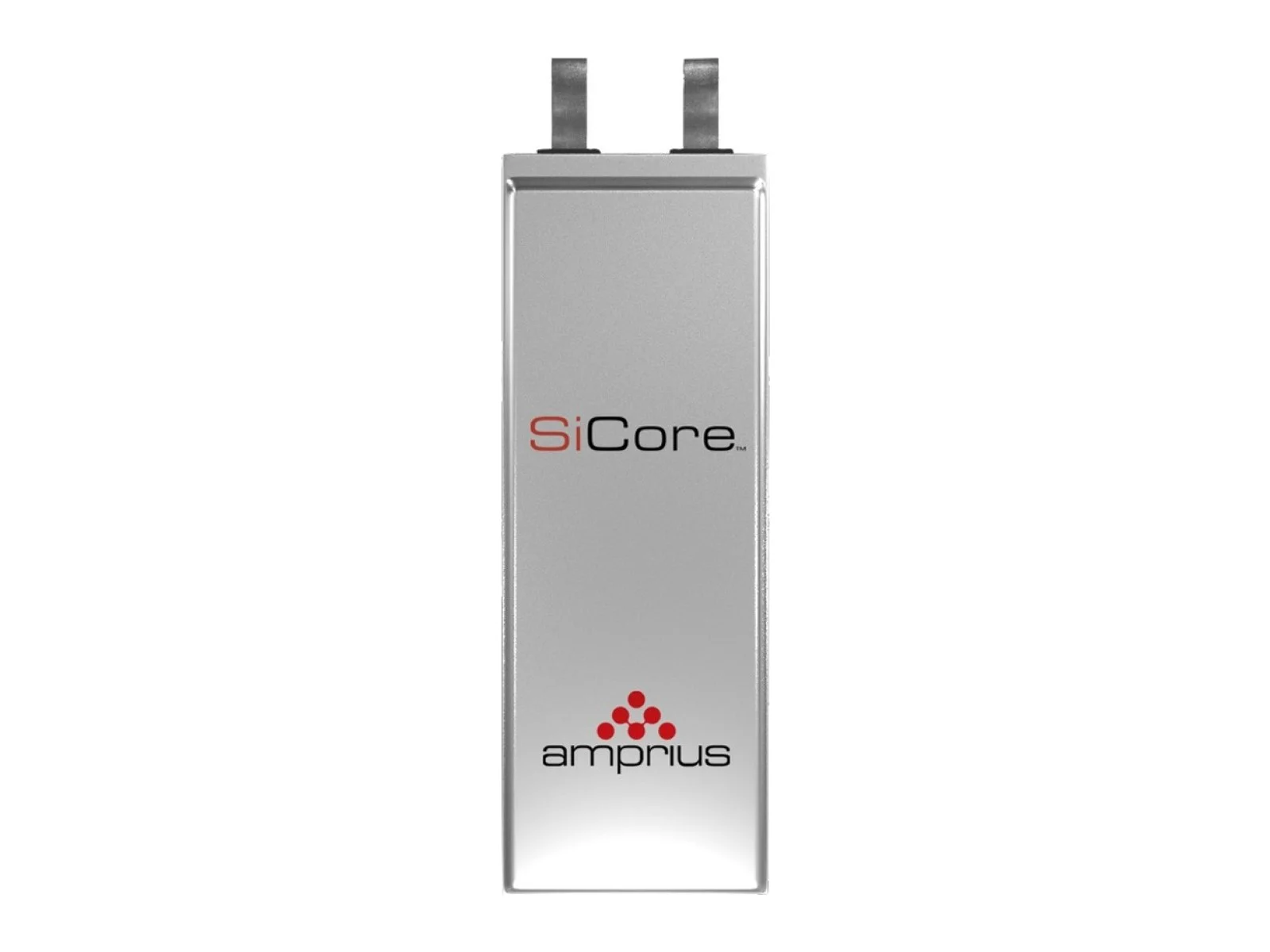
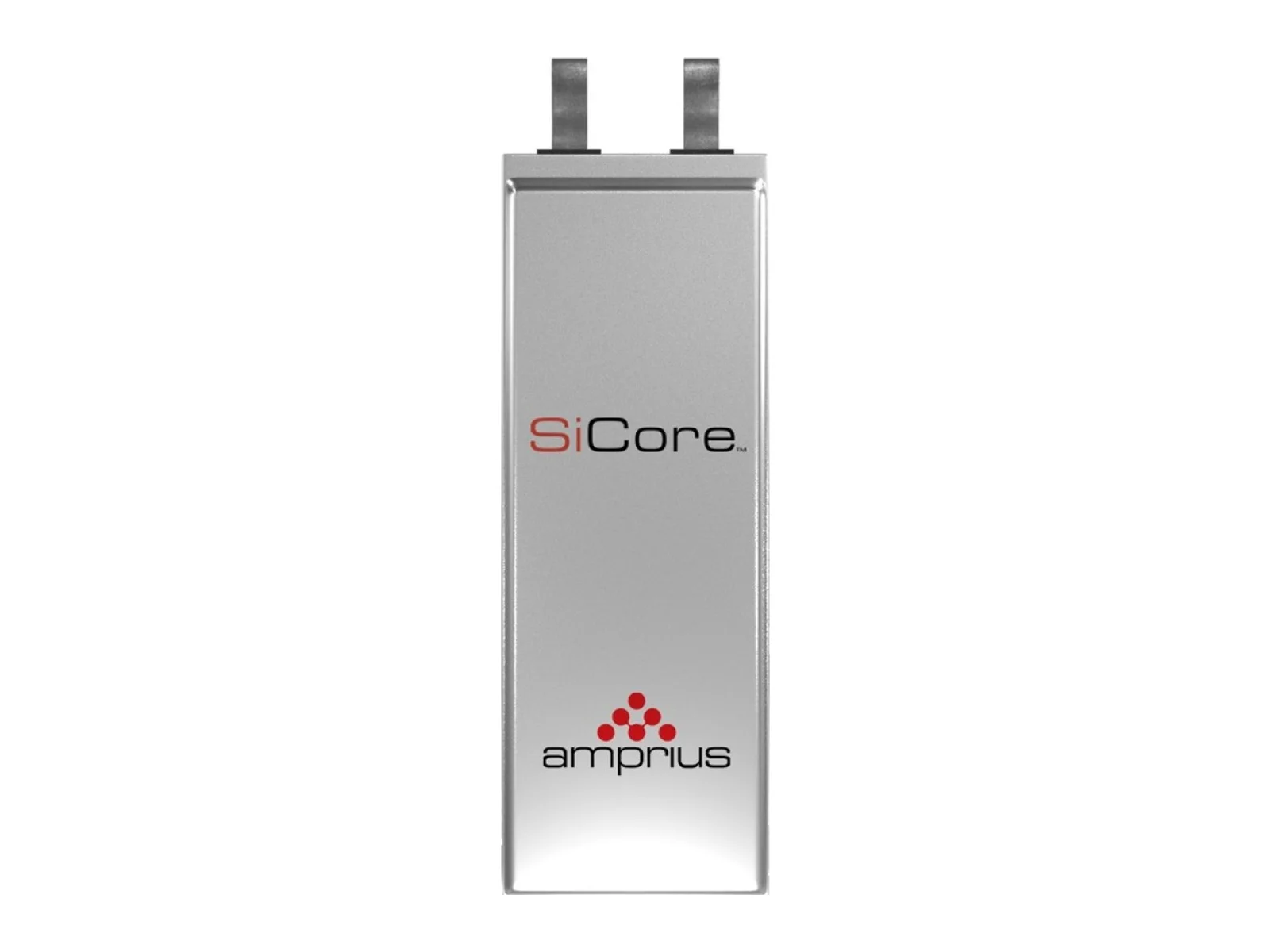
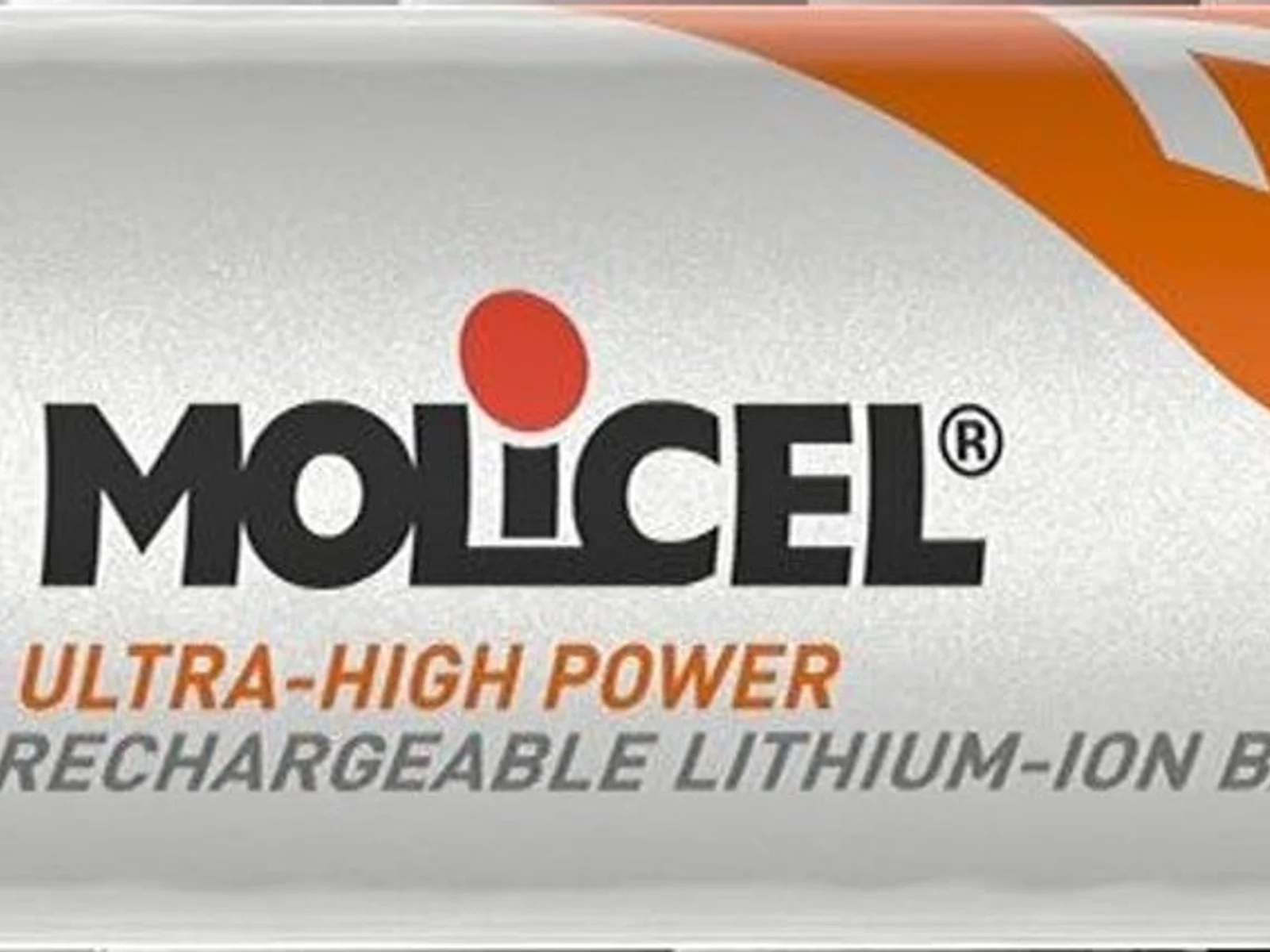
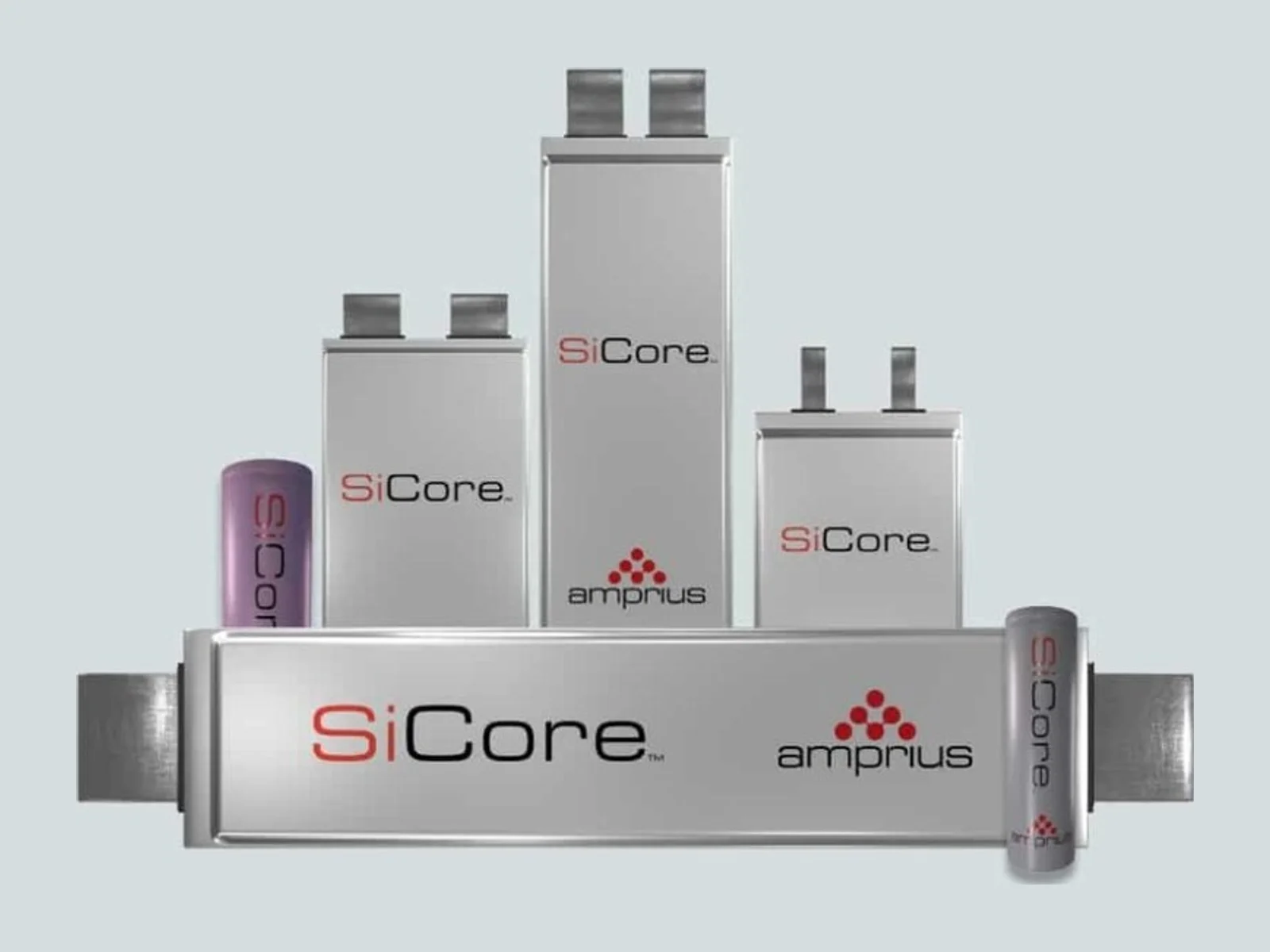
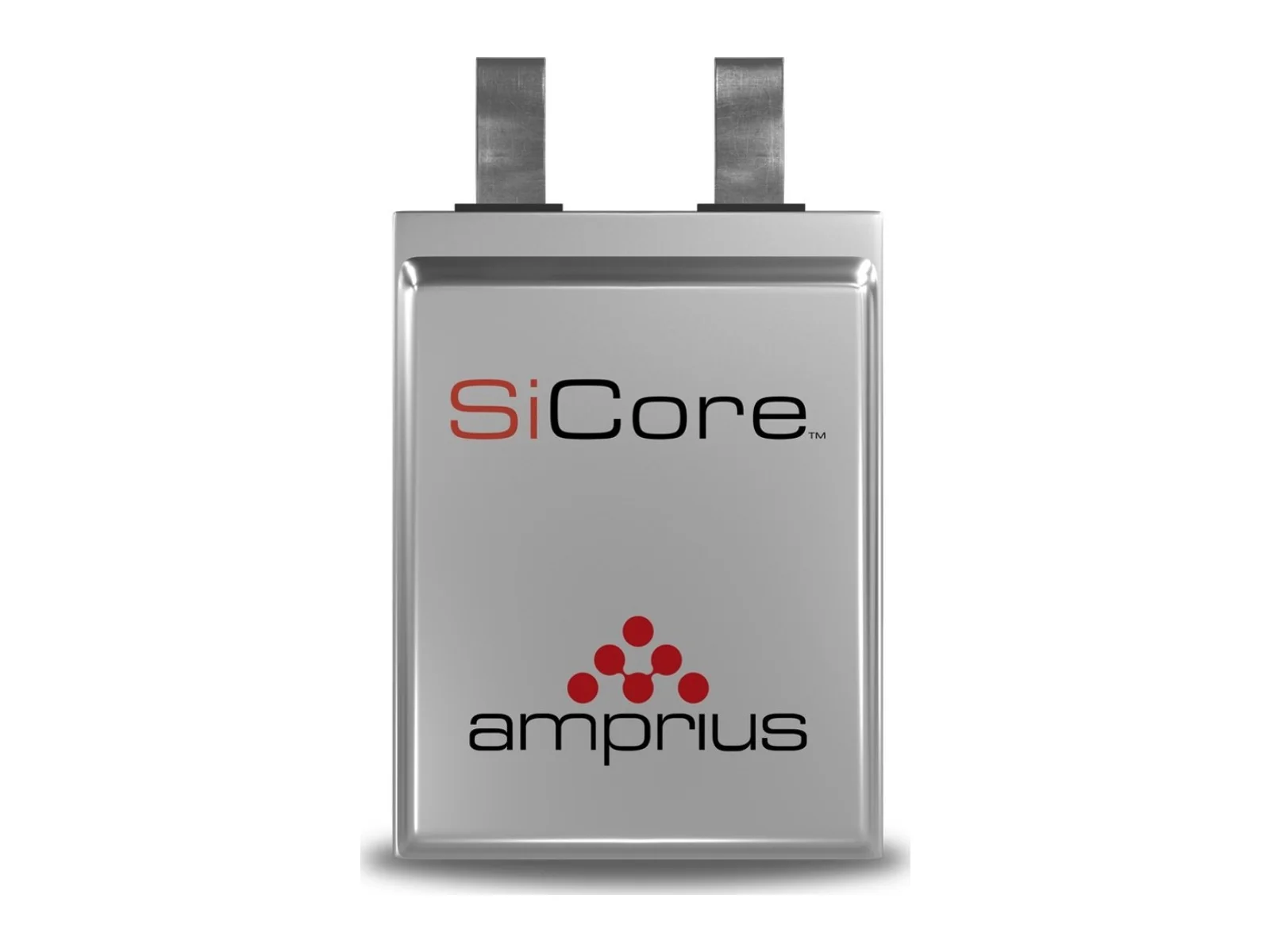
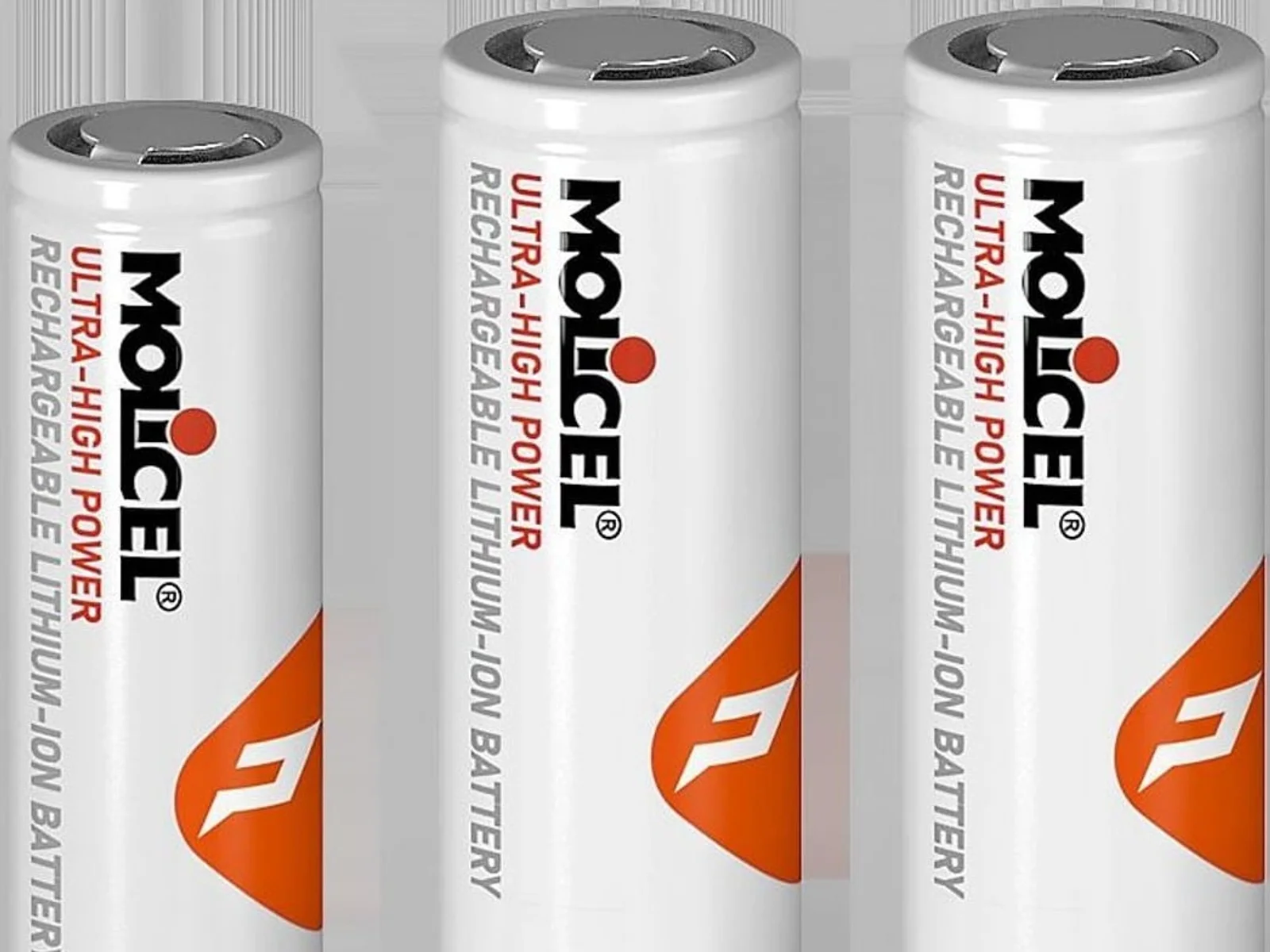
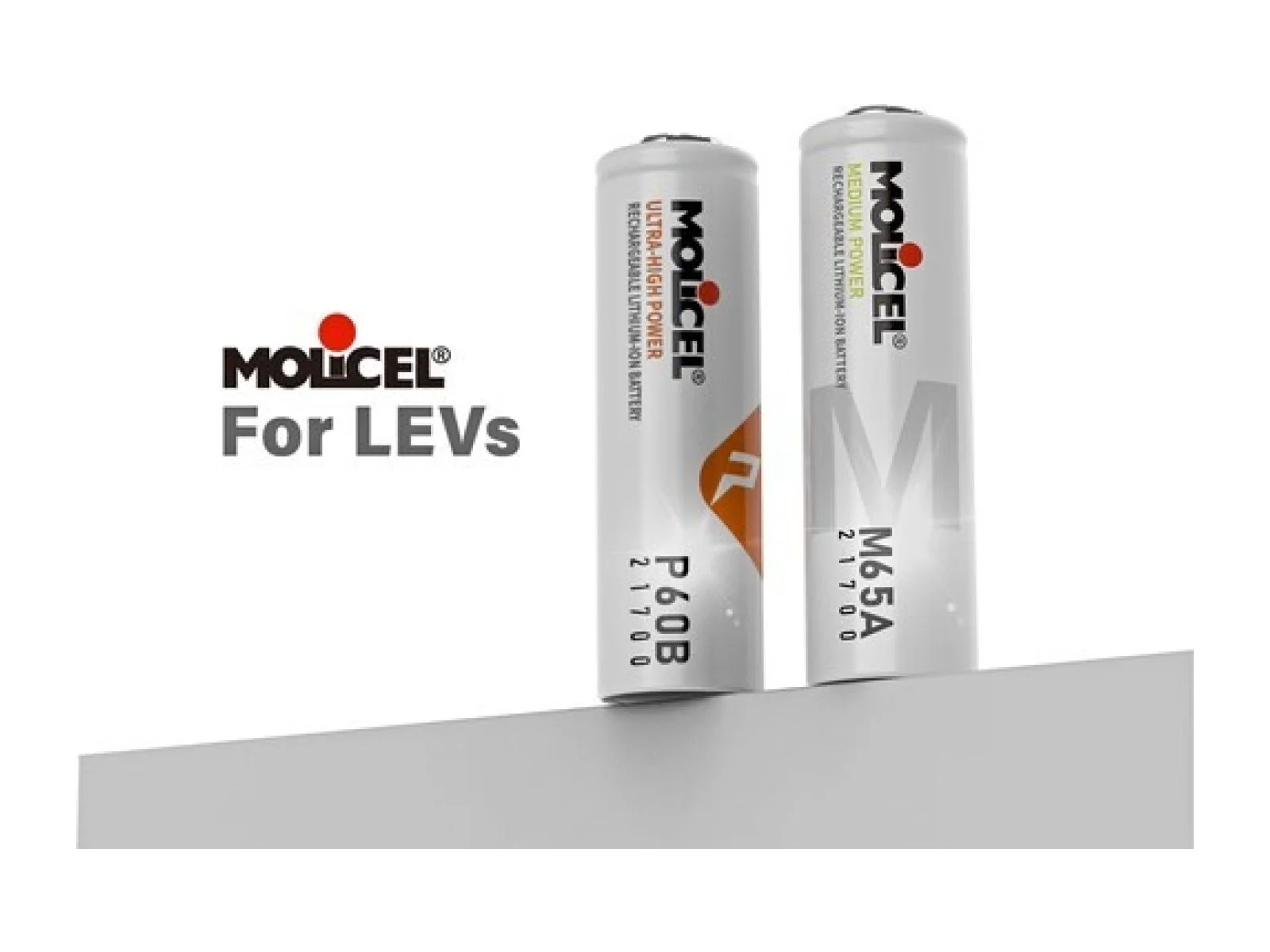
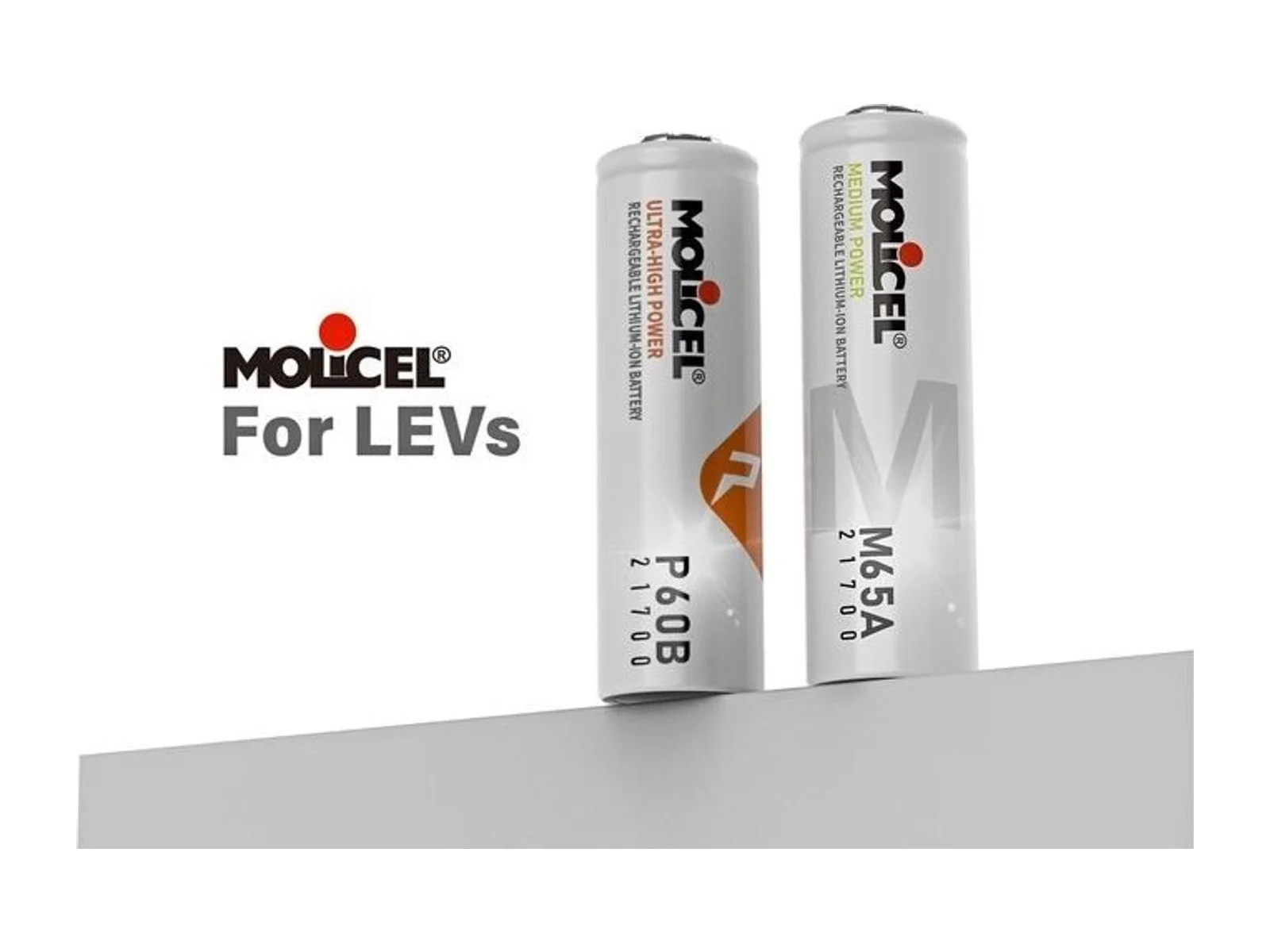
Examples include H55, EaglePicher, Amprius and Molicel. See also power management units and hydrogen fuel cells.
Because a pack adds structure, wiring, cooling, the BMS and thermal-runaway protection, none of which store energy. Comparing cells is useful, but aircraft performance depends on the pack figure.
The discharge or charge current relative to capacity: 1C empties the battery in about one hour, 5C in about twelve minutes. Lift phases of eVTOL flights demand high C-rates.
It monitors cell voltages and temperatures, balances the cells, estimates state of charge and health, and isolates the pack if a limit is exceeded. In aircraft it also reports the battery status to the flight controller.
A self-sustaining overheating of a lithium cell that can spread to neighbouring cells. Aircraft packs are designed to contain it or stop it propagating, and are tested for it.
A literature-based review of how axial-flux permanent-magnet machines are sized for direct-drive lift rotors: hover torque requirement, torque-sizing relations, design and optimisation methods, reported parameter ranges, fault behaviour and regulatory context.
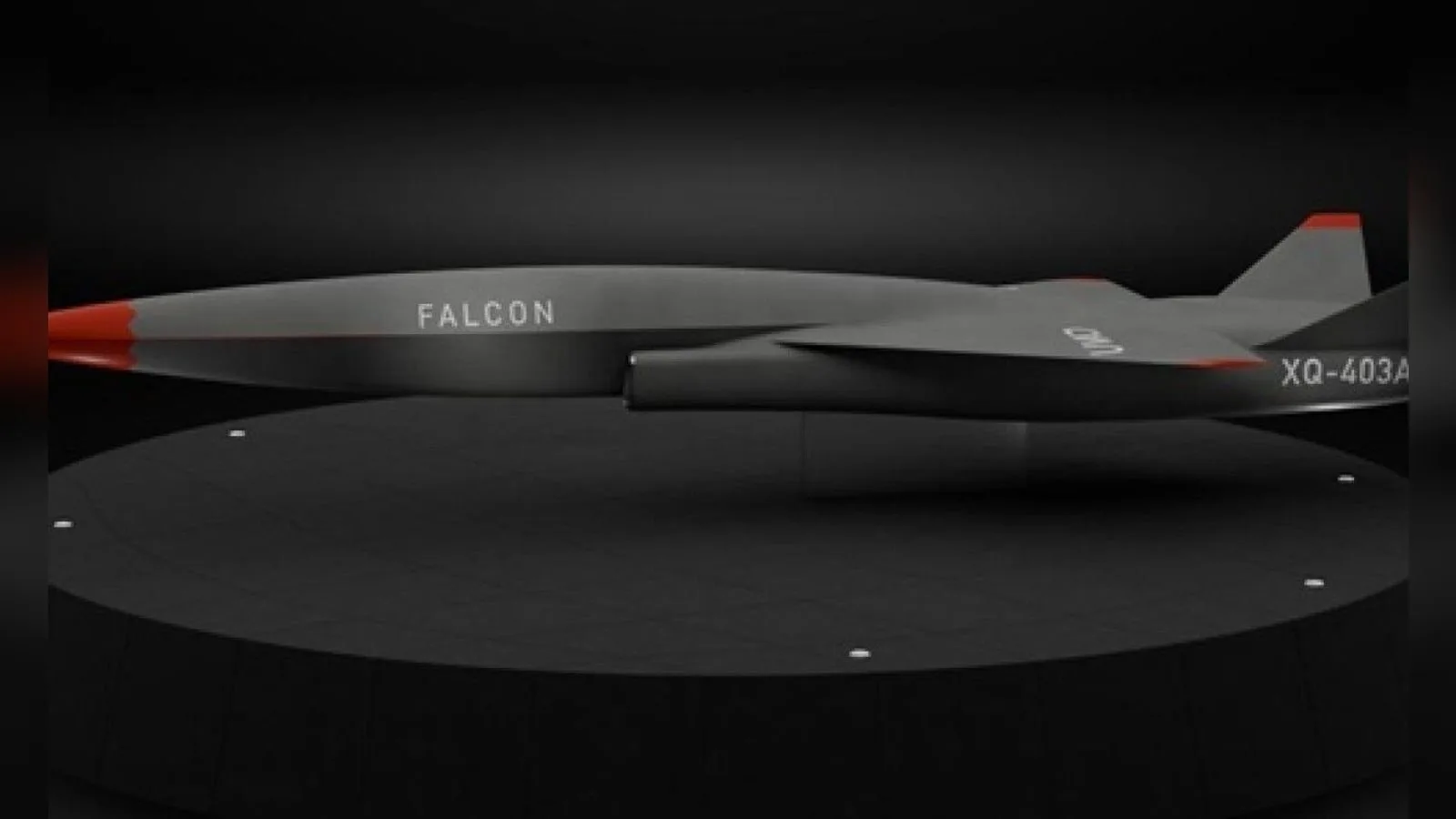
Falcon is a reusable supersonic uncrewed aerial target for missile-defense training, and its propulsion is the subject of a partnership between Safran Power Units and UVAD Technologies. Safran supplies two turbojet engines, and flight…

Honeywell Aerospace tests a 1 MW generator in a Mexicali test cell, and Flying Whales will integrate it into the hybrid-electric powertrain of its LCA60T airship. The unit reaches 1 MW steady state at 97% efficiency, giving…
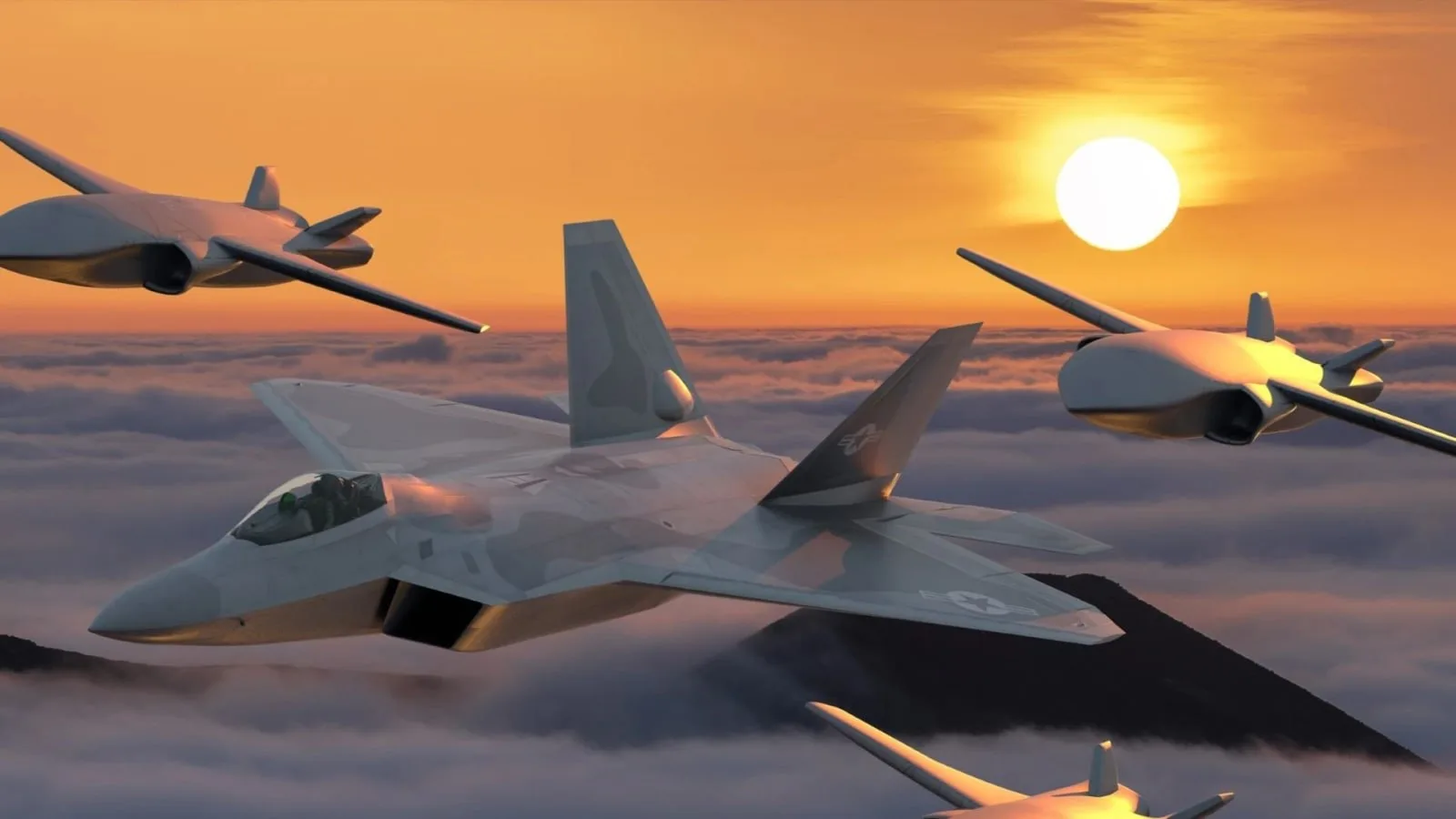
Honeywell Aerospace presents the HON1600, a small turbine engine it positions for the US Air Force's Collaborative Combat Aircraft (CCA) program, after a core engine run in September 2025. The Air Force has issued a request for proposals…