Featured
Electric motors
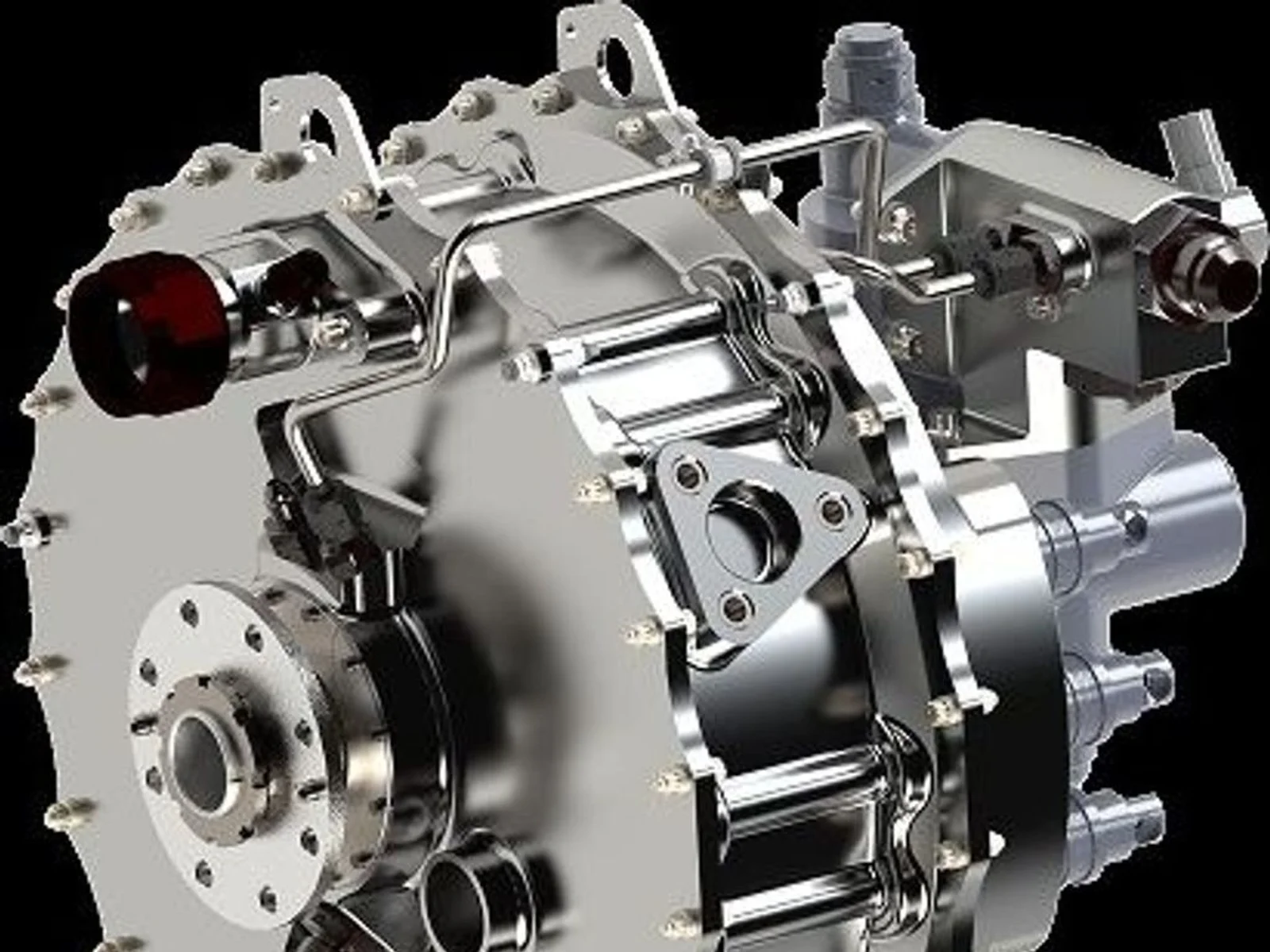
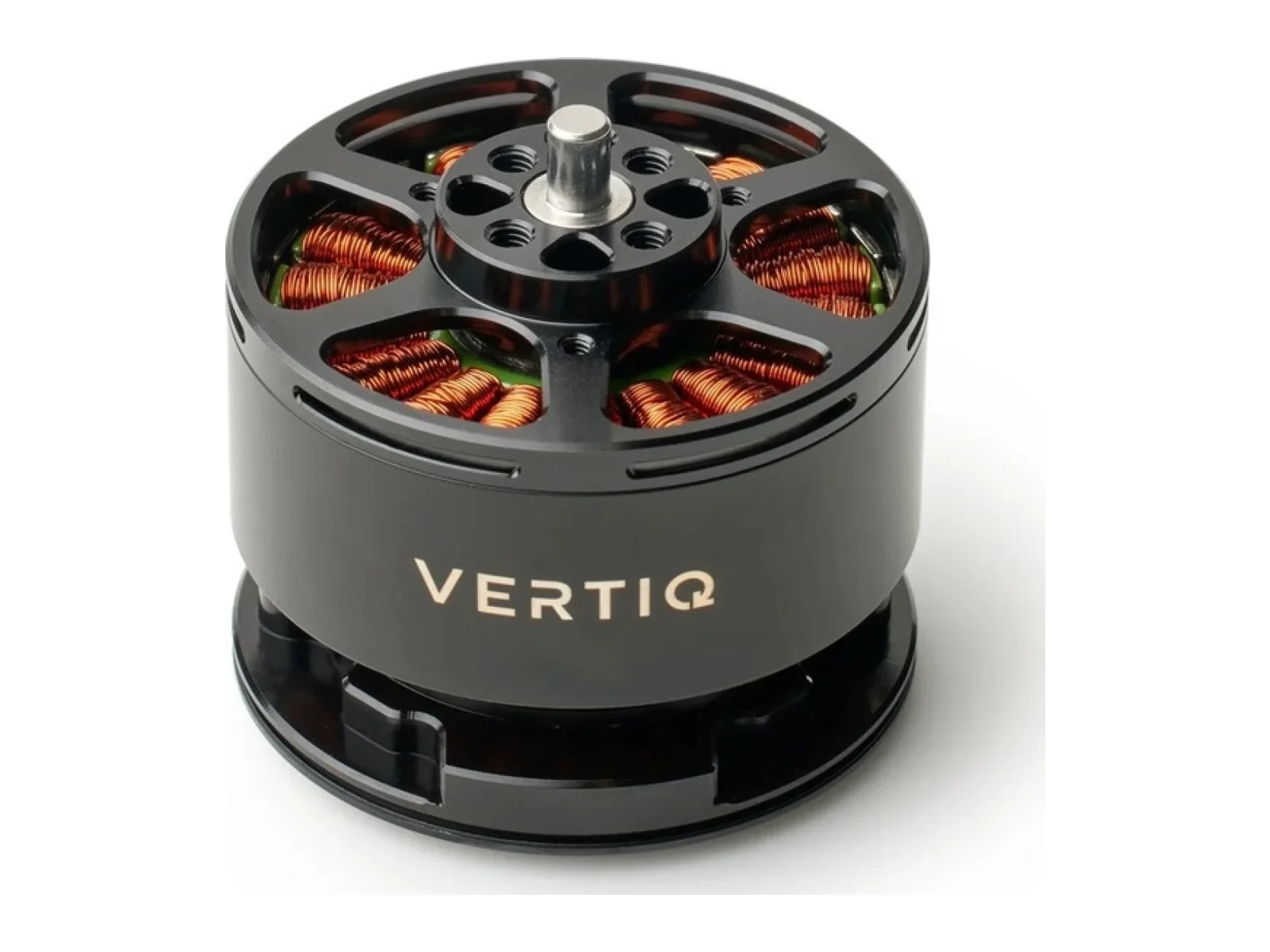
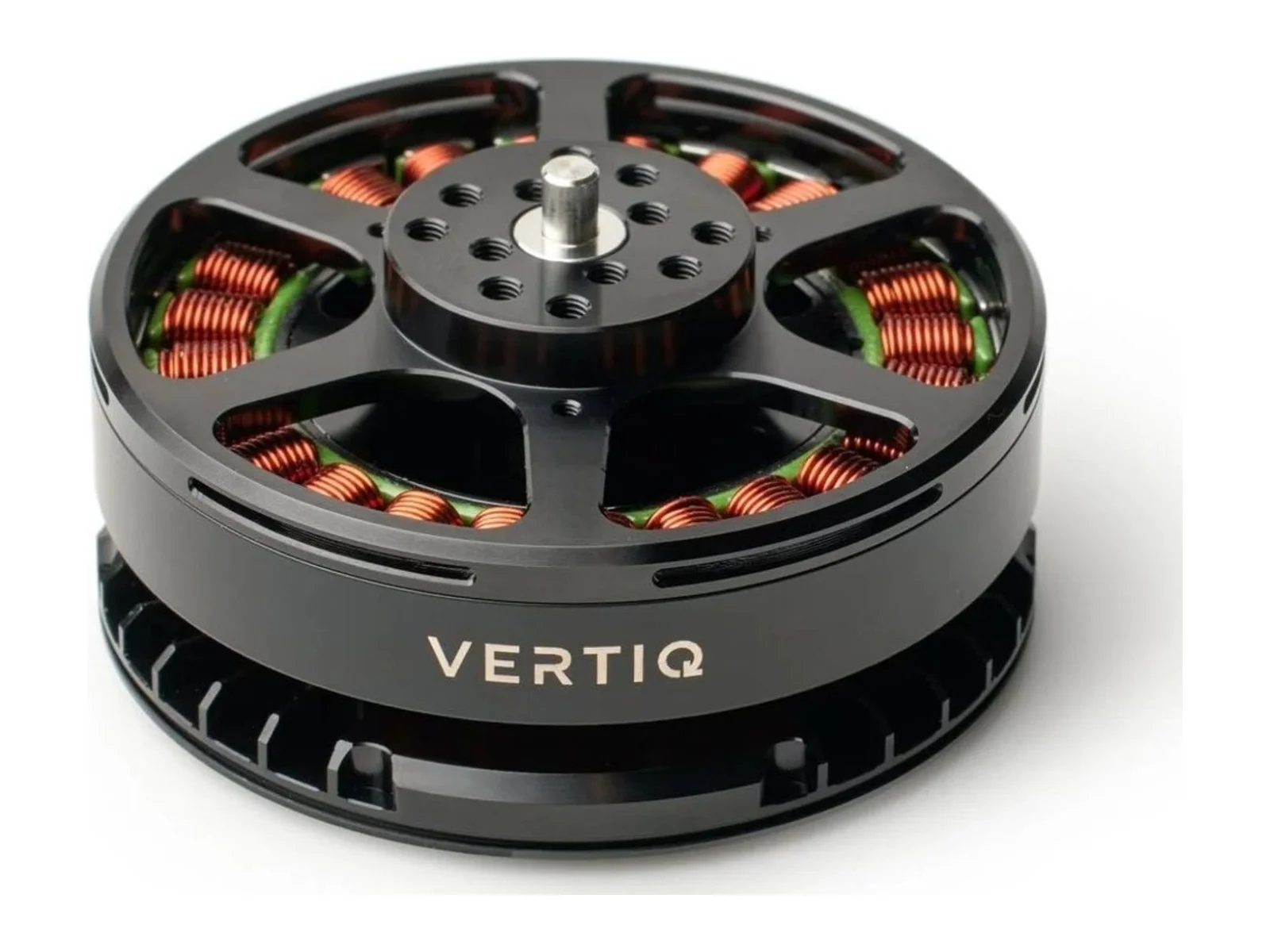
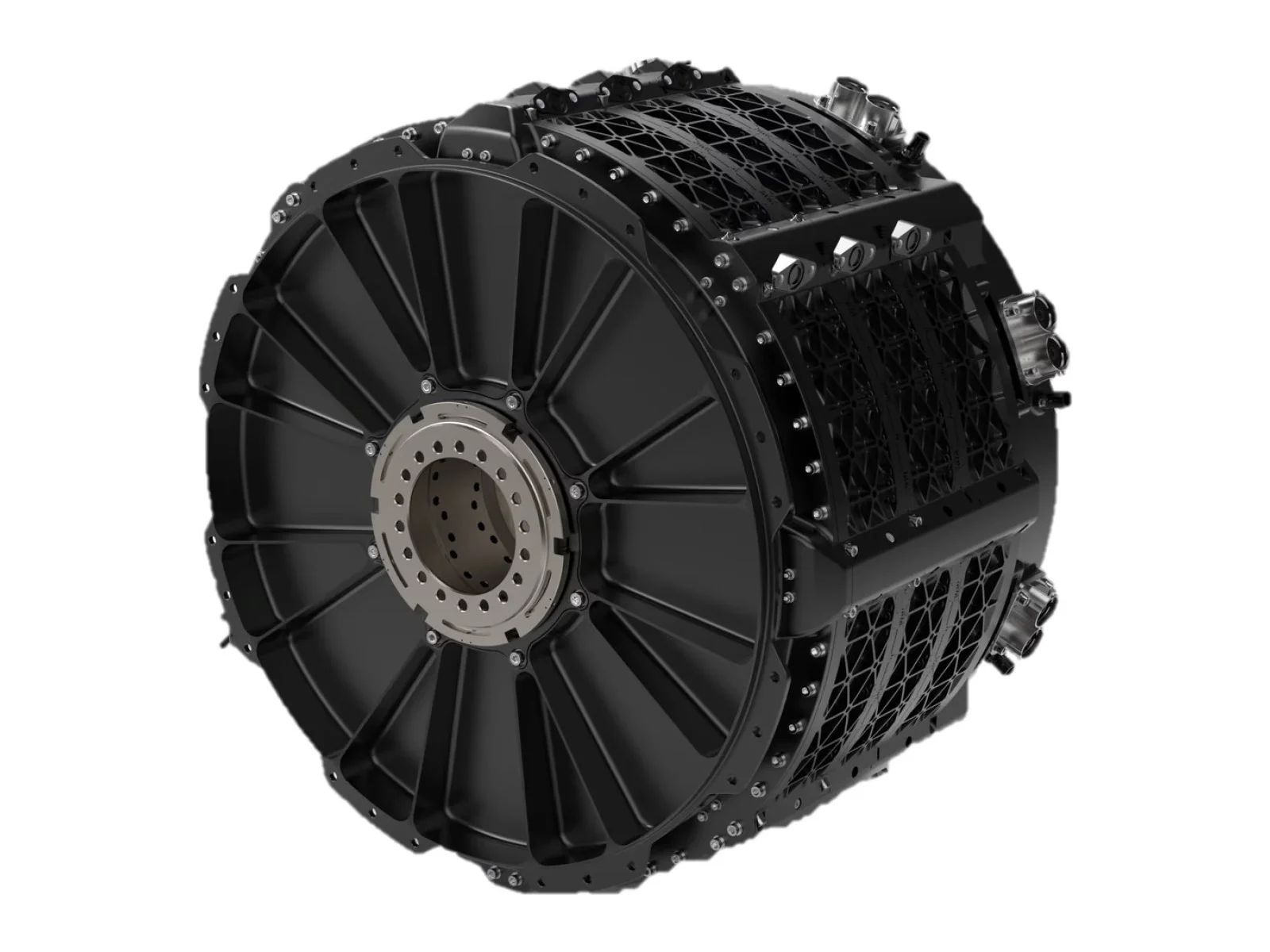
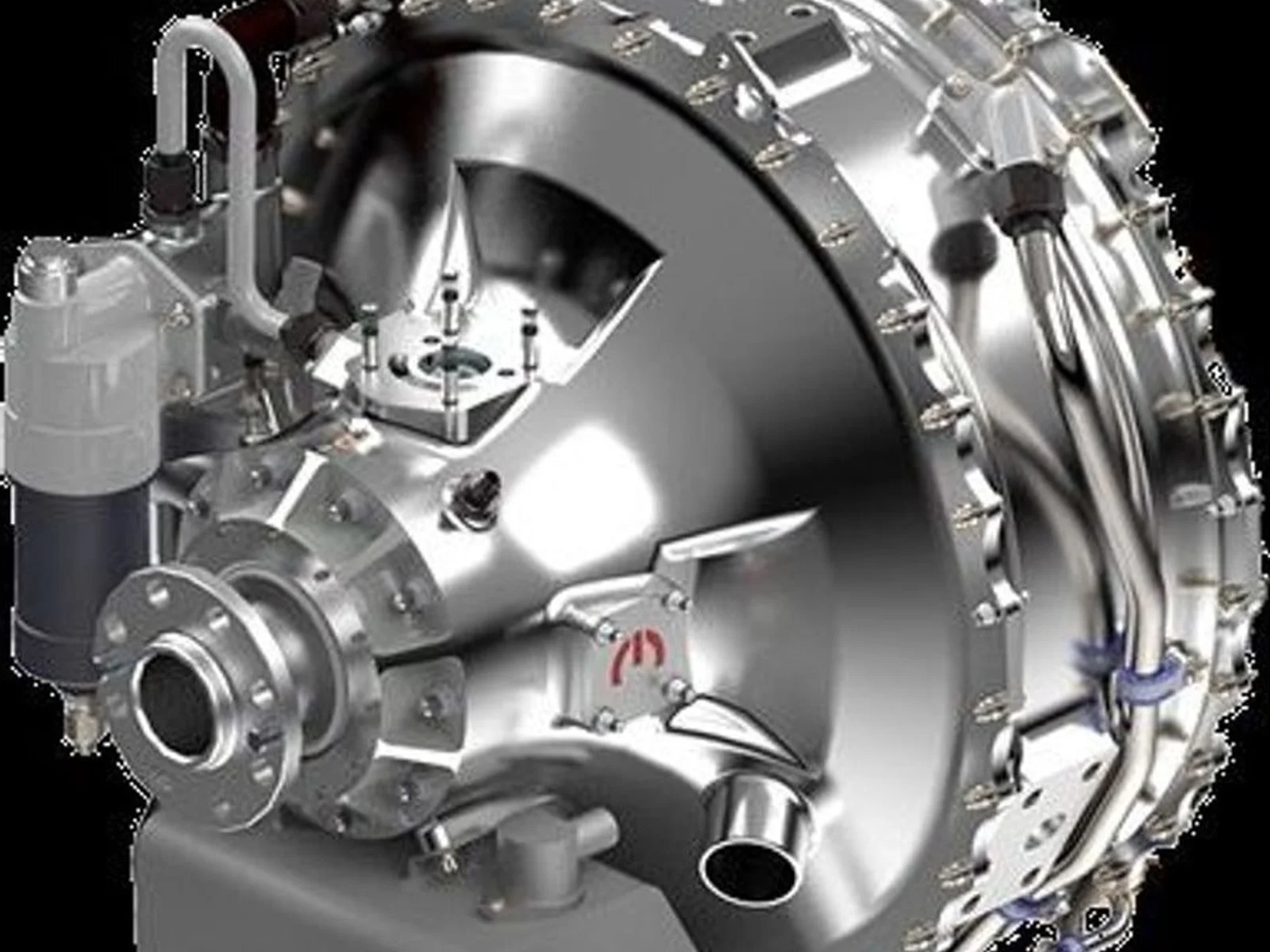
HeliStorm electric rotorcraft motor
- Continuous power
- 221 kW
- Peak power
- 324 kW
- Supply voltage
- 520 – 820 V
Axial-flux motors deliver high torque in a short, flat package, which suits direct-drive lift rotors. Compare continuous power, torque, mass and cooling across manufacturers.
Filters
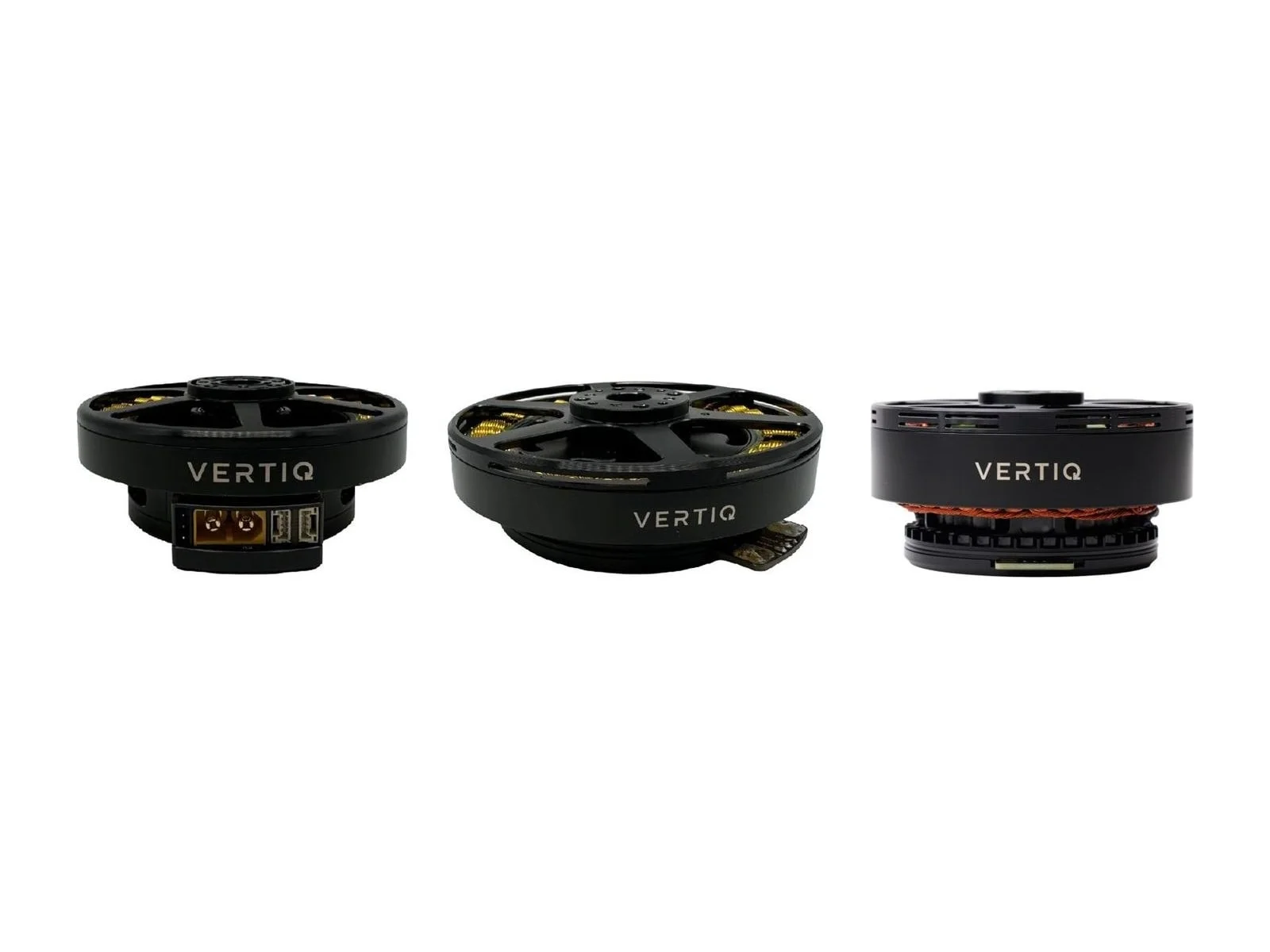
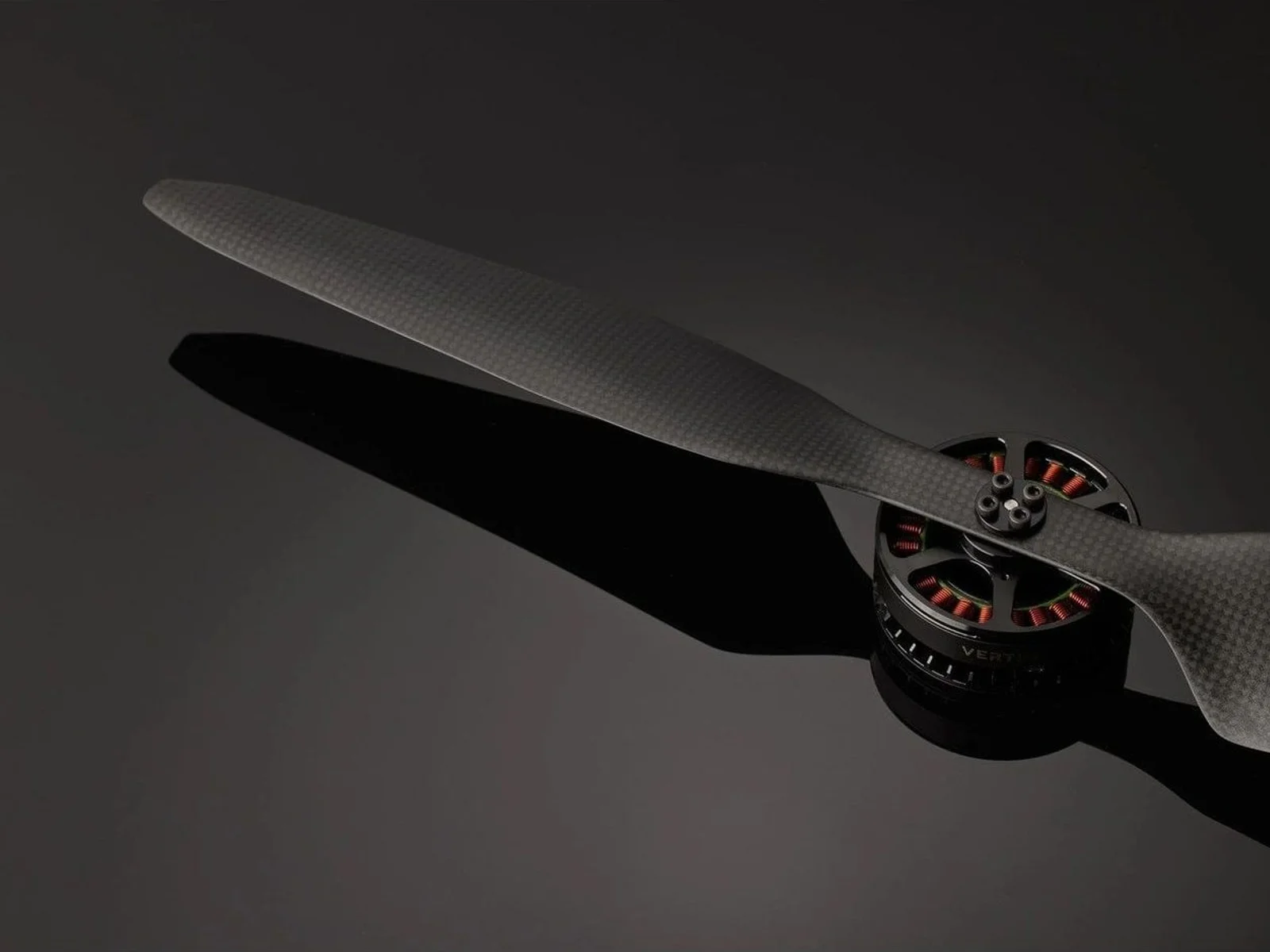
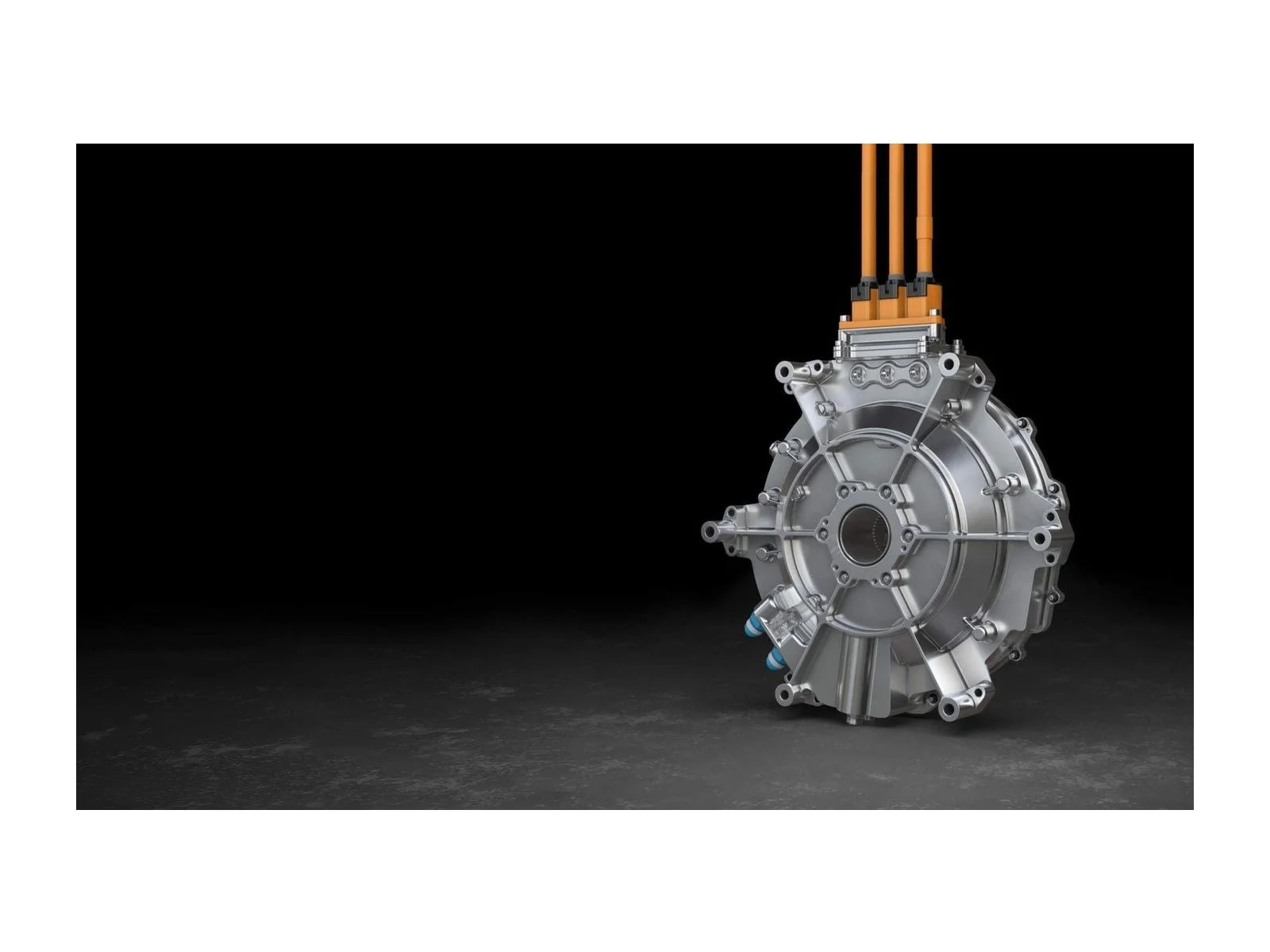
Try removing a filter.



Updated November 3, 2026
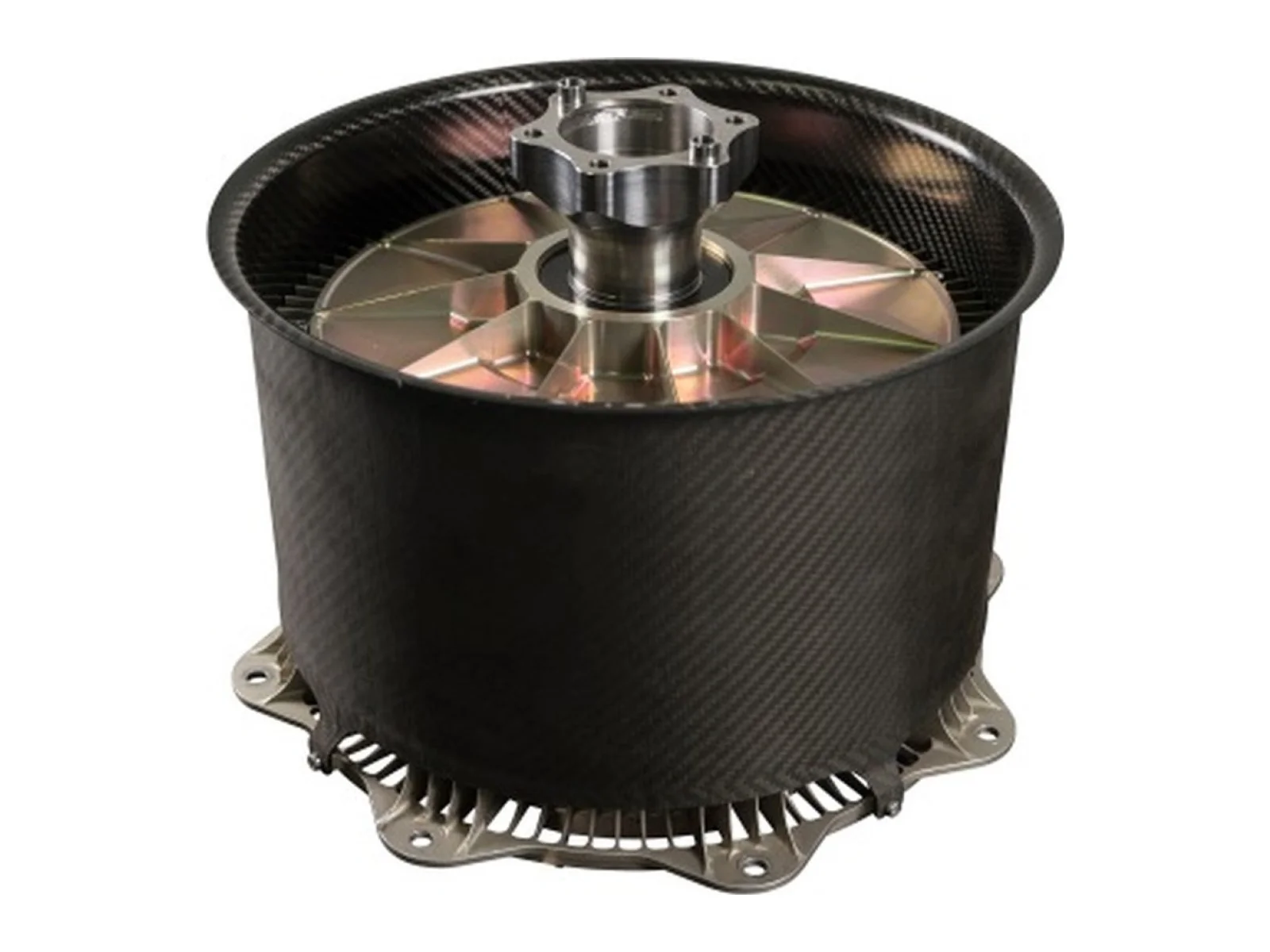
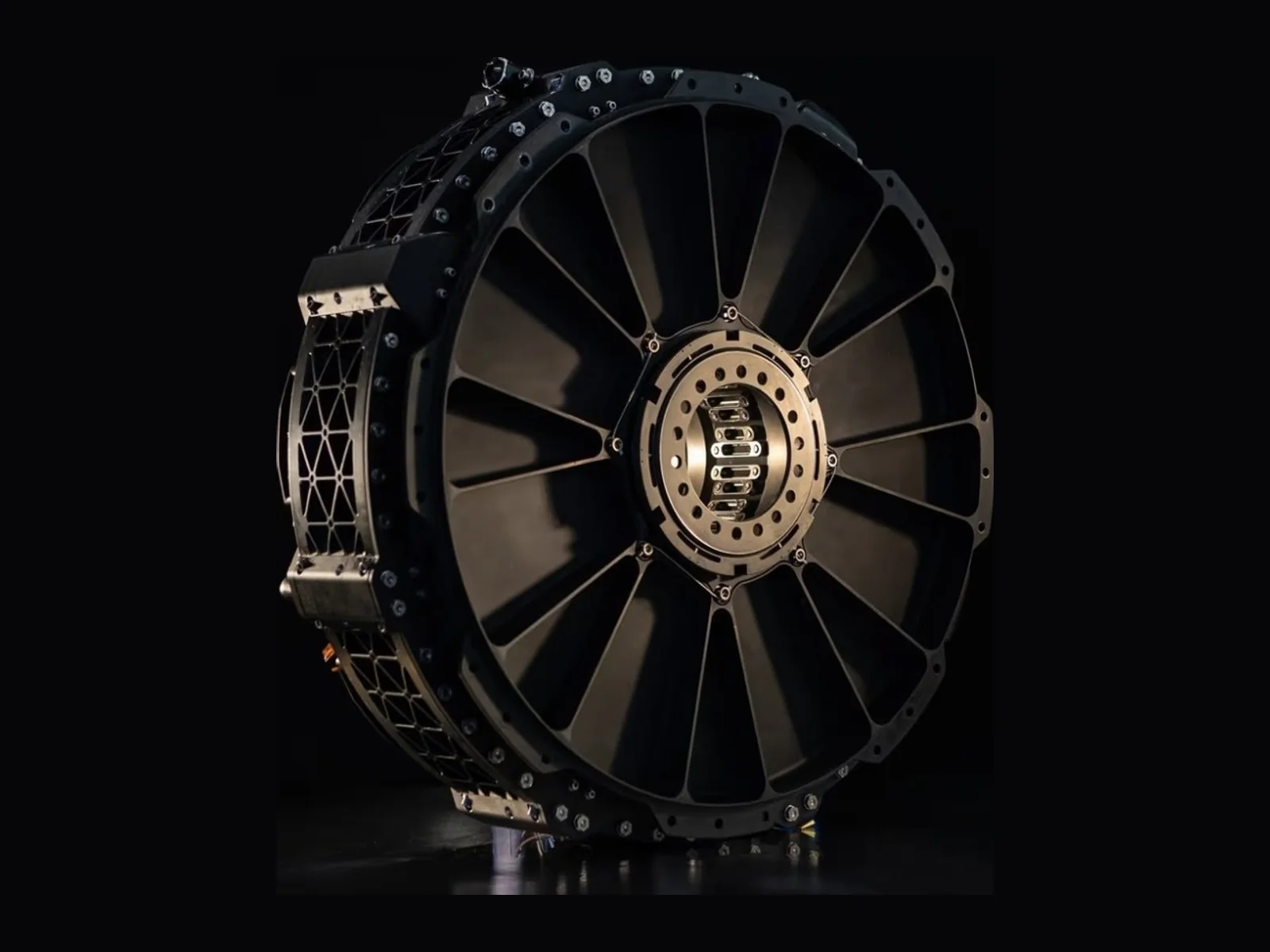
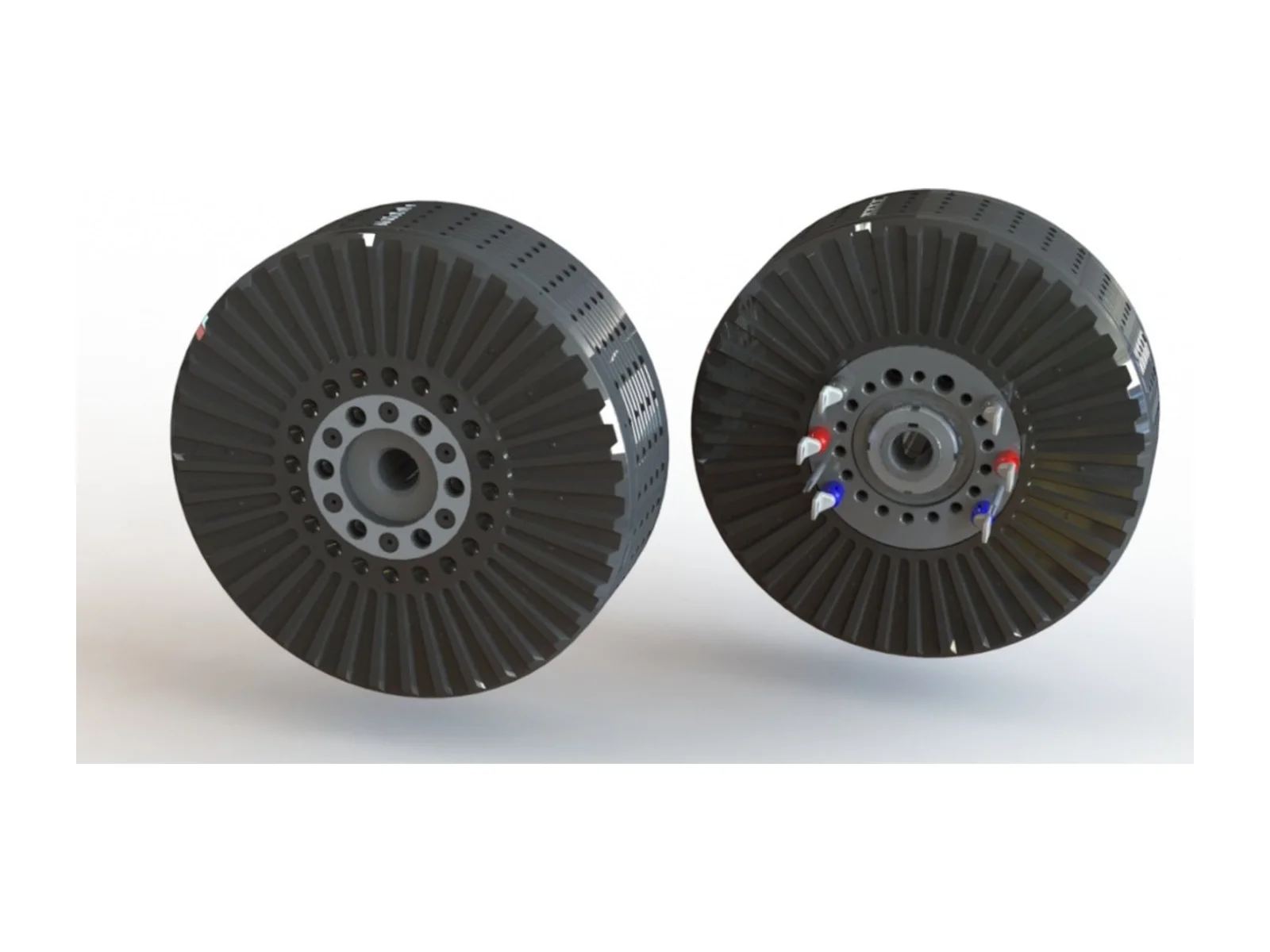
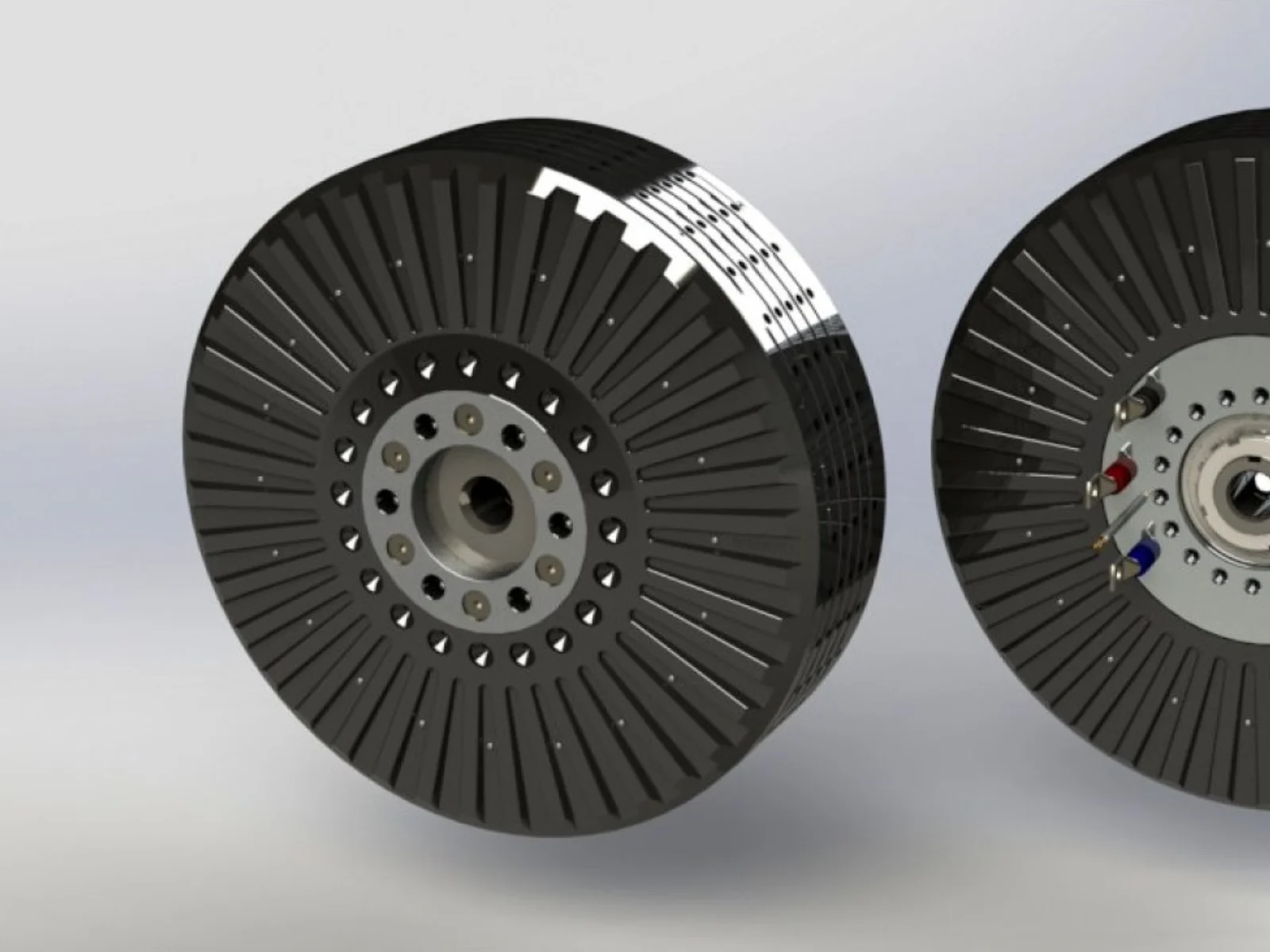
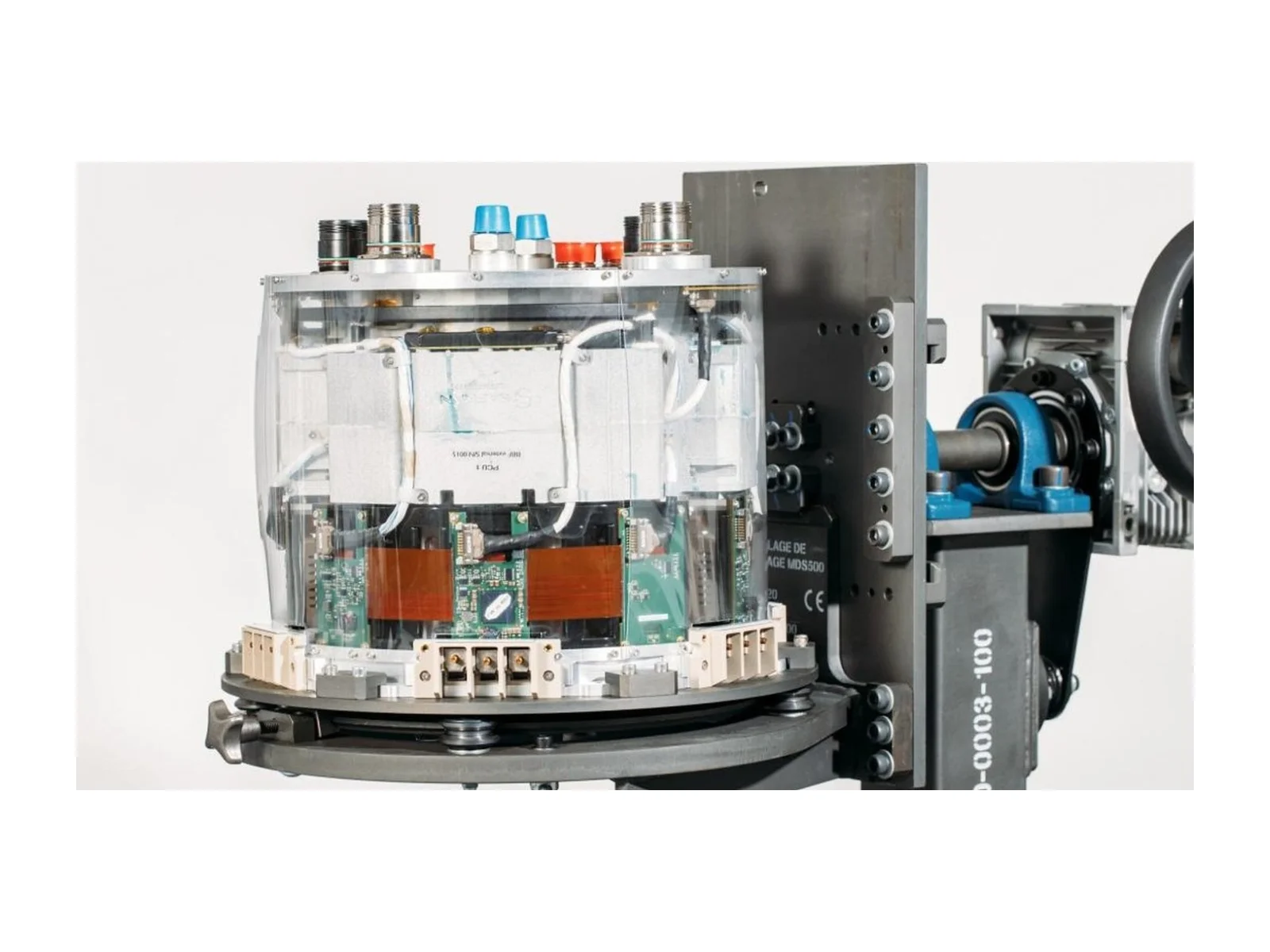
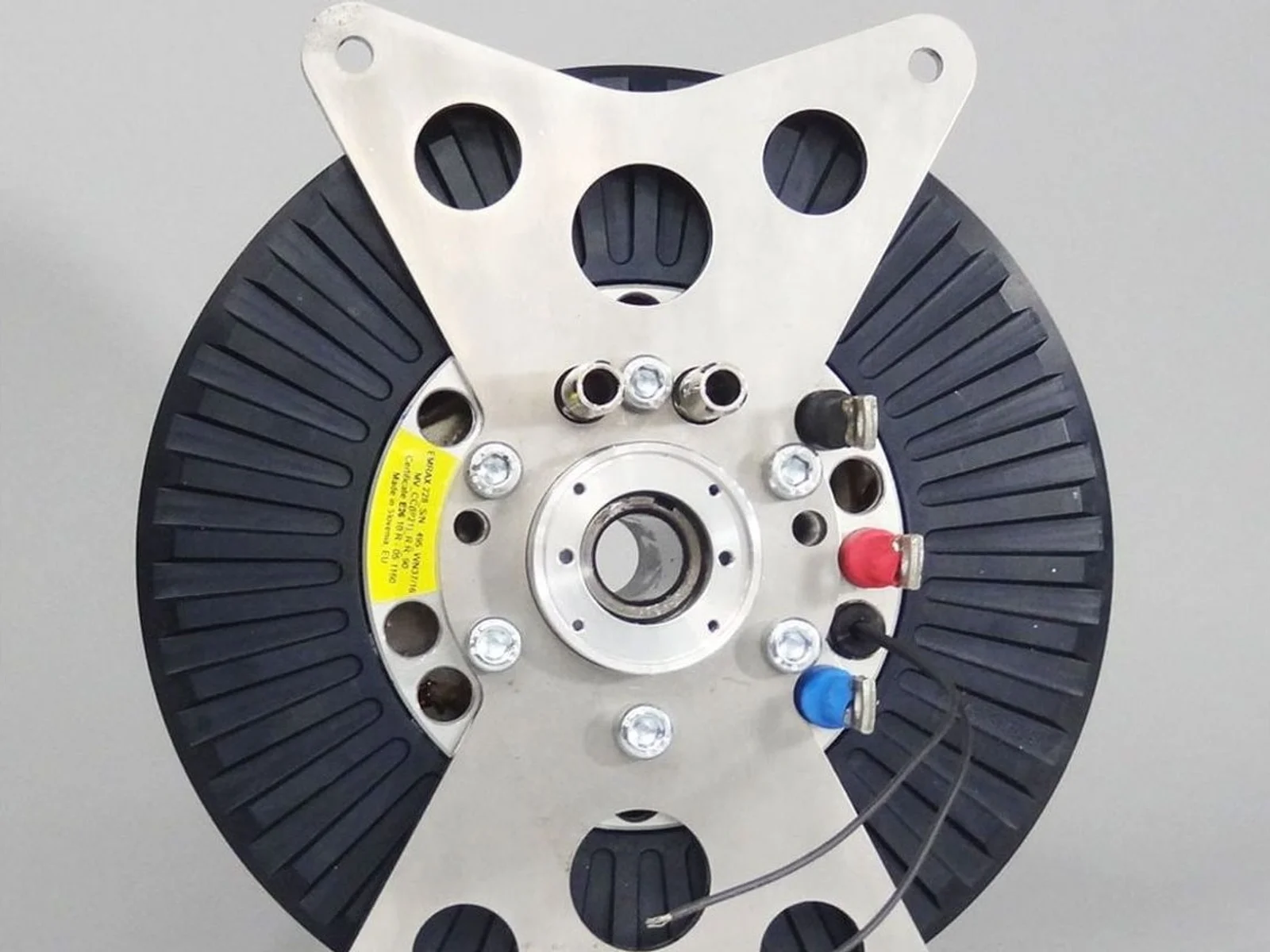
In an axial-flux motor the magnetic flux crosses the air gap parallel to the shaft, between disc-shaped rotors and stators. The result is a short, flat machine with a large active diameter, which produces high torque without a gearbox.
Torque grows with the radius at which the magnetic force acts. Because an axial-flux motor puts its active material at a large radius in a short length, it can drive a large, slow lift rotor directly. Removing the gearbox saves mass, removes a maintenance item and a failure mode, and reduces noise.
Compare continuous torque and power at the same coolant or ambient temperature, the mass with and without the inverter, the efficiency at cruise and whether the motor has redundant windings. The listing above filters only axial-flux products; the electric motors page covers every topology.
An electric motor in which the magnetic flux runs parallel to the shaft, between disc-shaped rotors and stators. It is shorter and flatter than a conventional radial-flux motor and produces high torque for its size.
Usually not. Their high torque at low speed is what lets them drive lift rotors directly, which is one of the main reasons eVTOL designers choose them.
The stator sits between the rotor discs, so heat has a longer path out than in many radial-flux designs. Manufacturers solve it with direct liquid cooling of the stator or with careful air paths; compare continuous ratings at the stated cooling conditions.
A literature-based review of how axial-flux permanent-magnet machines are sized for direct-drive lift rotors: hover torque requirement, torque-sizing relations, design and optimisation methods, reported parameter ranges, fault behaviour and regulatory context.
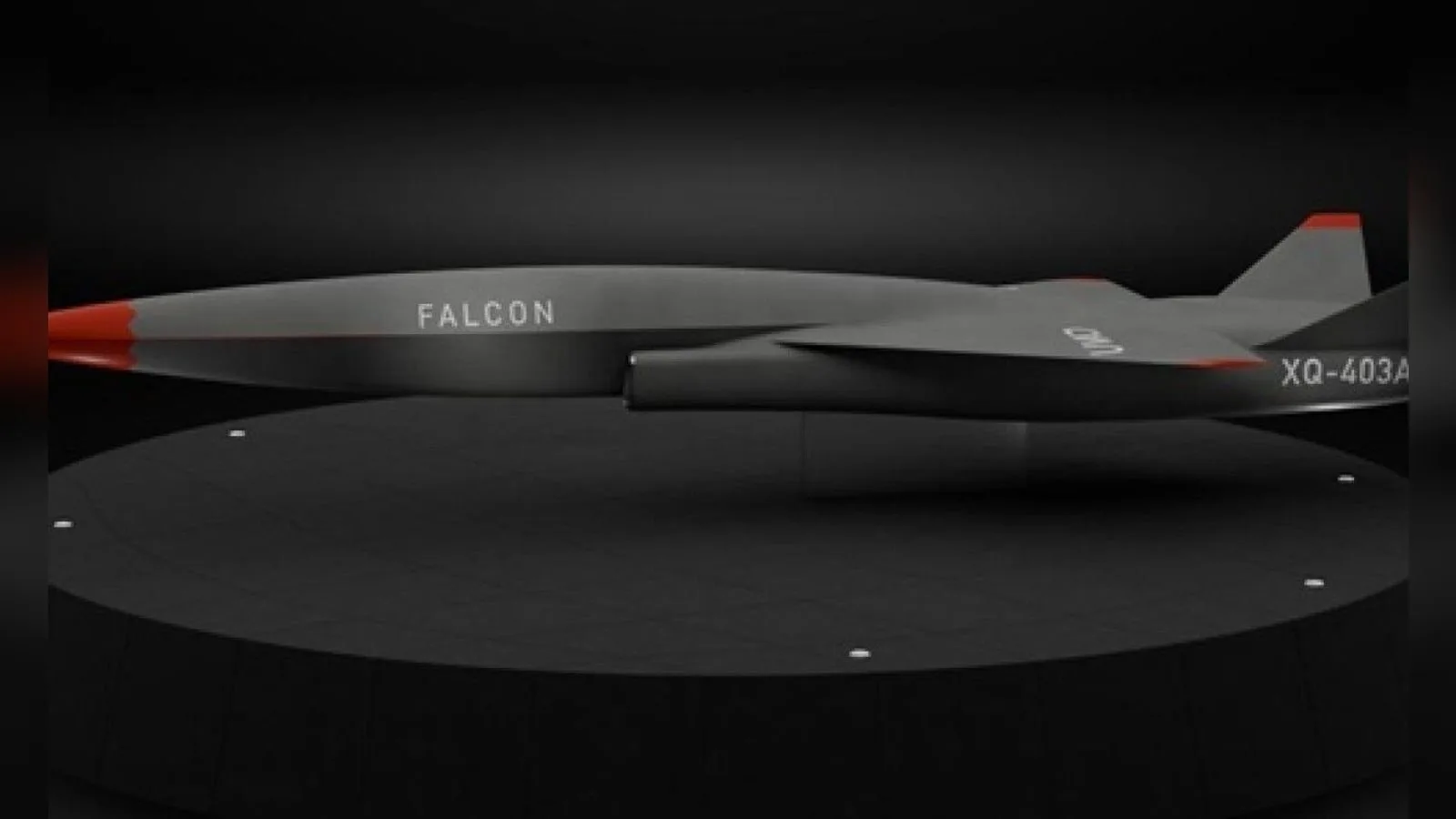
Falcon is a reusable supersonic uncrewed aerial target for missile-defense training, and its propulsion is the subject of a partnership between Safran Power Units and UVAD Technologies. Safran supplies two turbojet engines, and flight…

Honeywell Aerospace tests a 1 MW generator in a Mexicali test cell, and Flying Whales will integrate it into the hybrid-electric powertrain of its LCA60T airship. The unit reaches 1 MW steady state at 97% efficiency, giving…
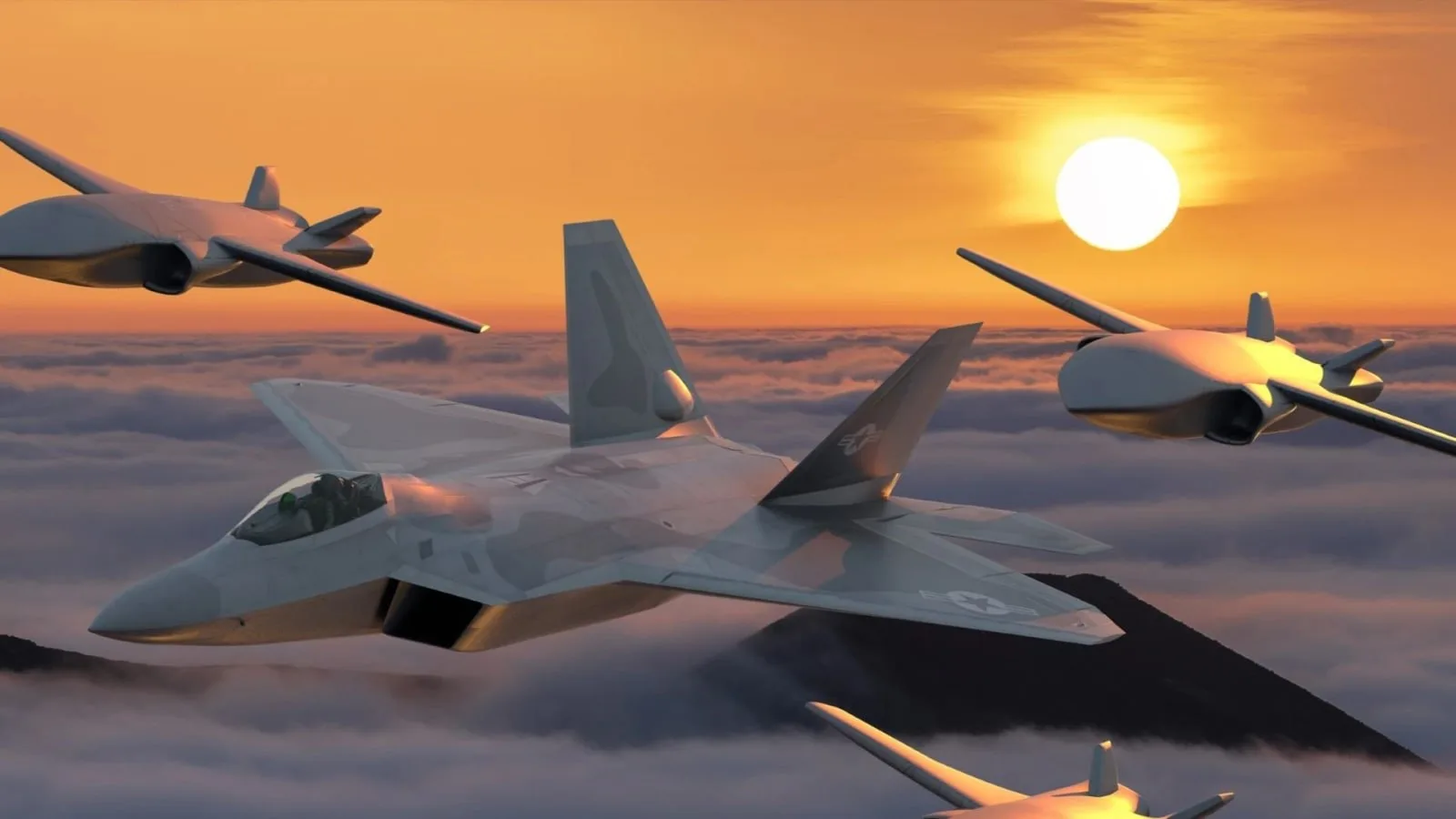
Honeywell Aerospace presents the HON1600, a small turbine engine it positions for the US Air Force's Collaborative Combat Aircraft (CCA) program, after a core engine run in September 2025. The Air Force has issued a request for proposals…