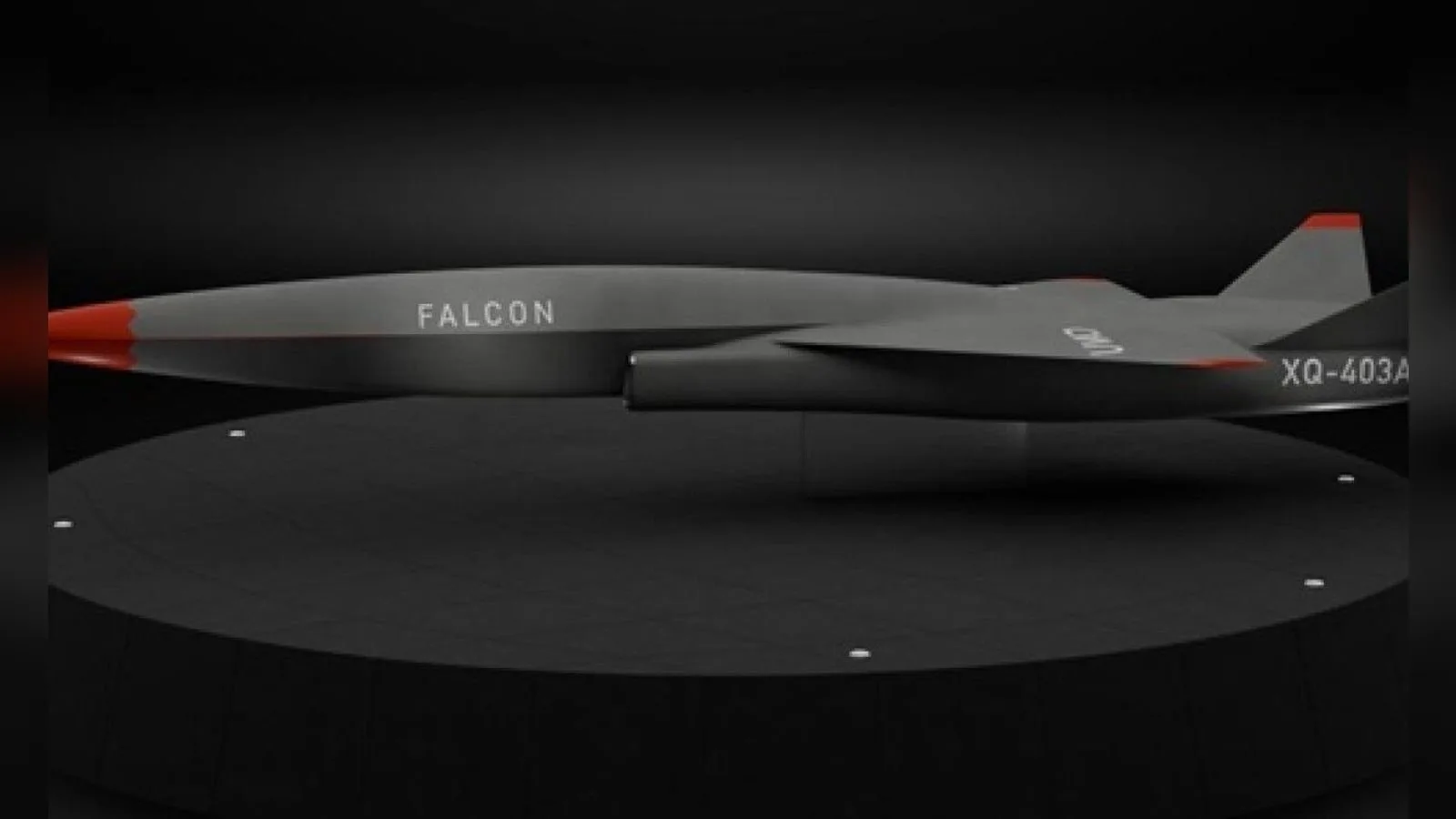
The two firms, Safran Power Units and UVAD Technologies, are teaming up to provide the propulsion for Falcon. Developers are building this supersonic uncrewed aerial vehicle to serve as a reusable target in missile-defense training. Two turbojet engines come from Safran. They are meant to let the aircraft fly faster than sound at low and medium altitudes, and to help crews launch and retrieve it quickly.
Falcon uses a modular architecture and an autonomous flight system. It is designed so that a single operator can oversee several aircraft at the same time during training scenarios. According to the companies, the target simulates fast-moving threats in air, naval and missile-defense exercises, and it could also be used for other high-speed missions.
Ground testing took place in 2026. Flight tests are planned to start in 2027.







Why it matters
Falcon is a reusable target, so its propulsion is tied to rapid deployment and recovery as well as to supersonic speed at low and medium altitudes. Those are the requirements the two Safran turbojets are intended to meet.
The target is aimed at air, naval and missile-defense training, where it is meant to stand in for high-speed threats. The autonomous flight system and the single-operator, multi-aircraft concept describe how the companies plan to run such exercises.
With ground testing completed in 2026 and flight testing planned for 2027, the engines move to airborne trials on Falcon next.

Was this article useful?
Thanks for your feedback. You can change your answer at any time.
Latest news
Latest news
Companies in this article
 Propulsion · 3Sensors · 2
Products in this article
 FeaturedCombustion engines
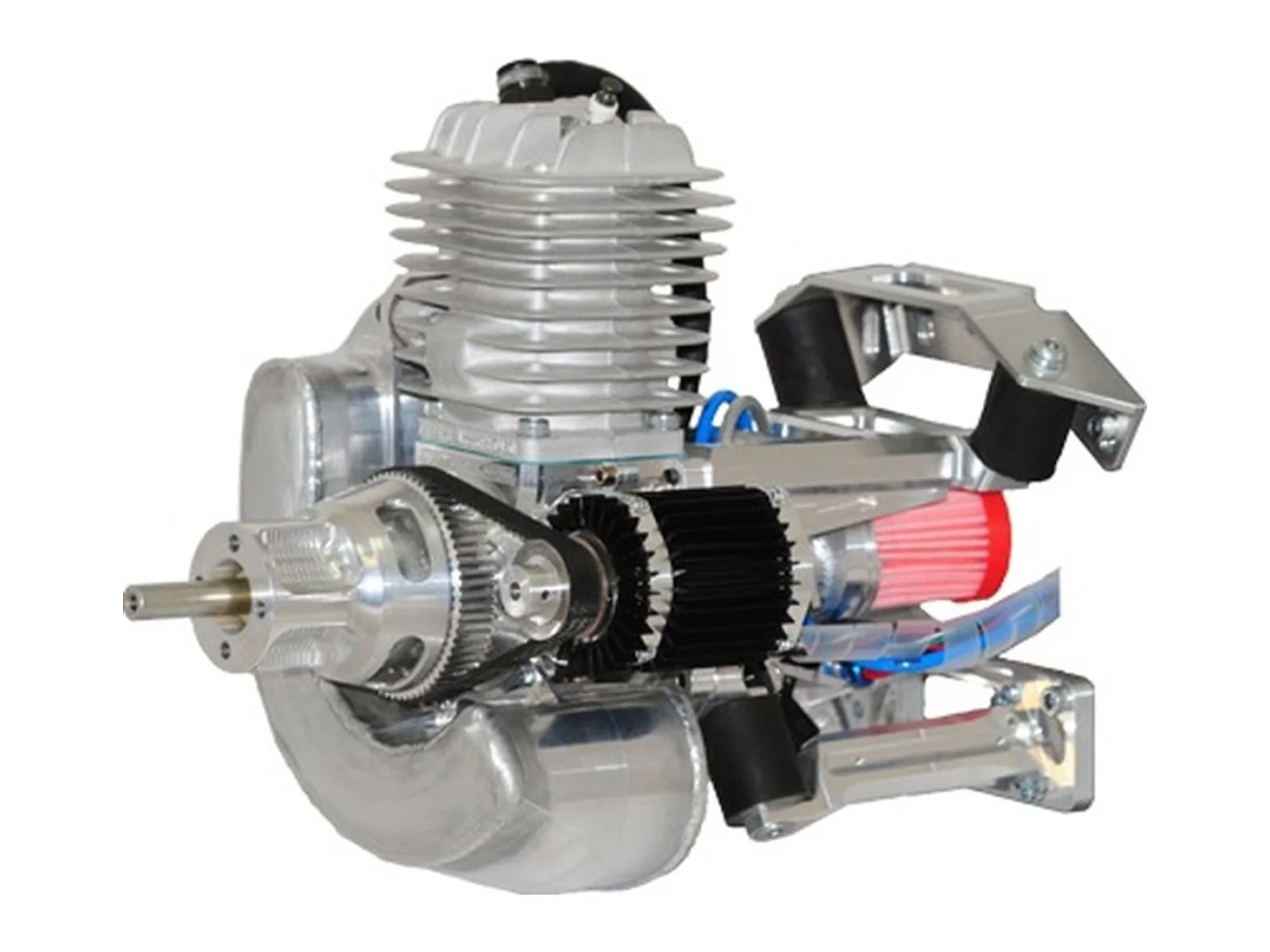
Corvid-50 electronically fuel-injected UAV engine
- Max power
- 2.8 kW
- Engine type
- 2-stroke
- Displacement
- 50 cc
 FeaturedCombustion engines
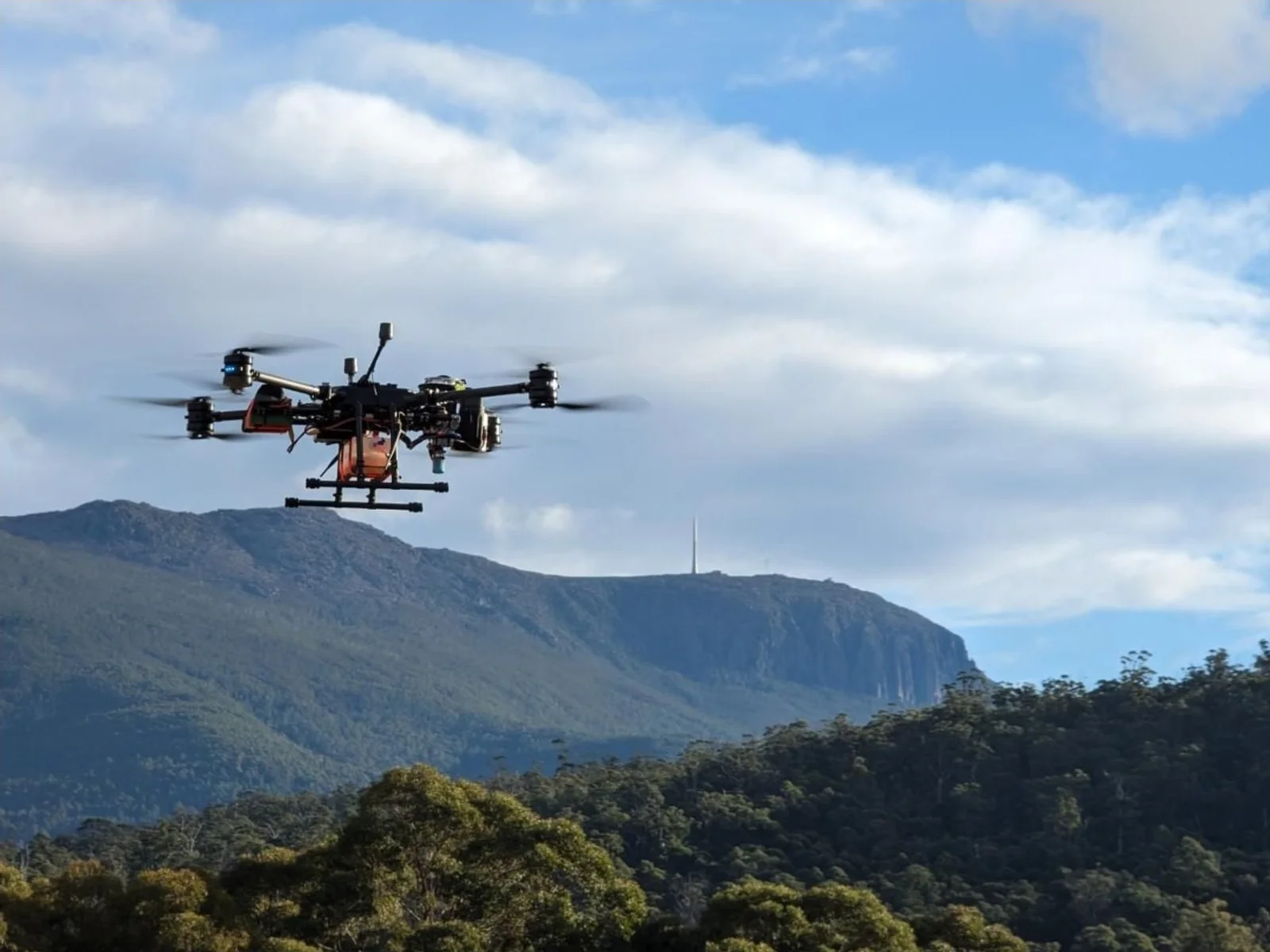
Cortex HF50 hybrid aircraft combustion engine
- Engine type
- 2-stroke
- Displacement
- 50 cc
- Grade
- Professional
 Featured
Related articles
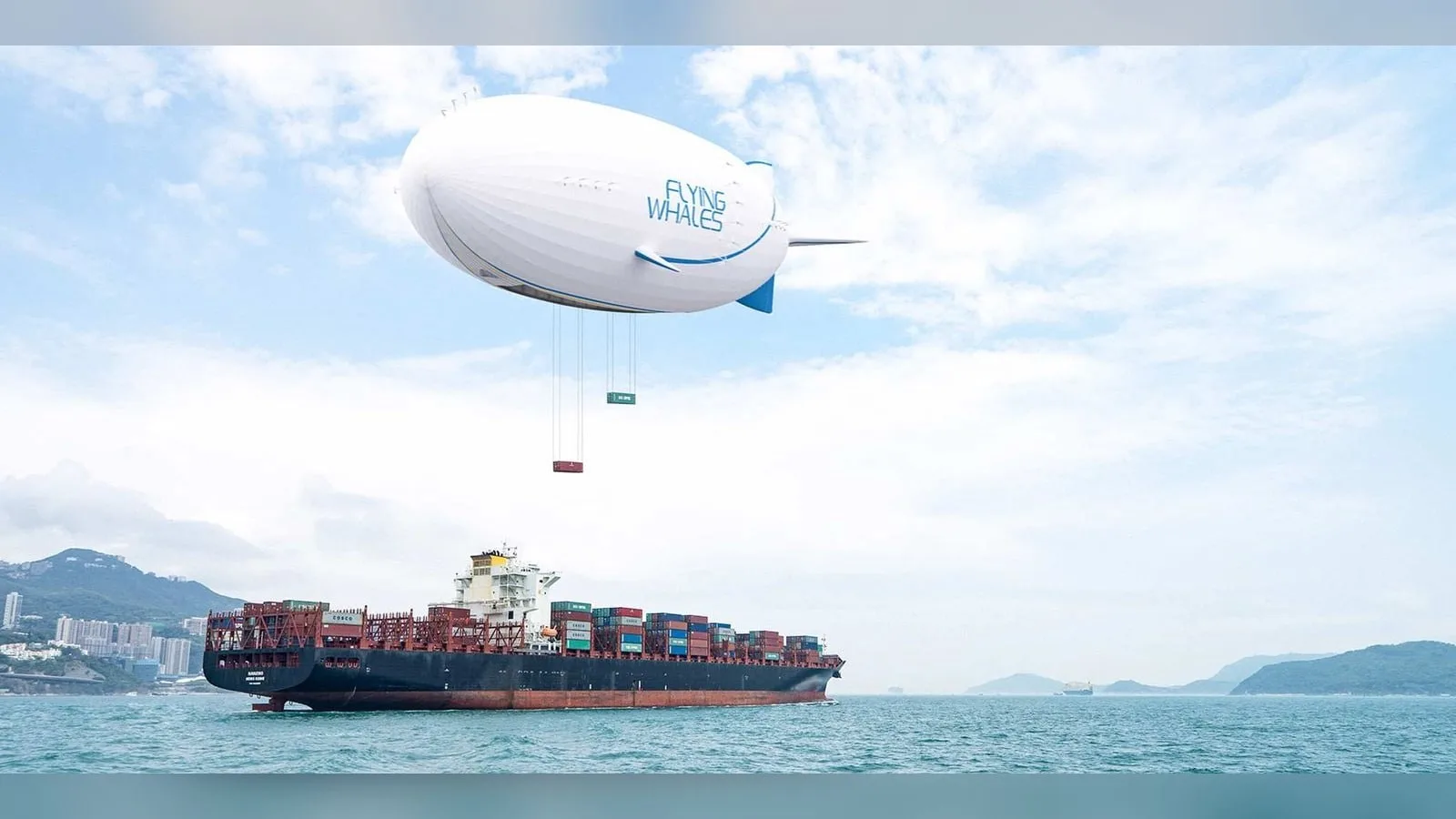
Honeywell tests 1 MW hybrid-electric generator for airship
Honeywell Aerospace tests a 1 MW generator in a Mexicali test cell, and Flying Whales will integrate it into the hybrid-electric powertrain of its LCA60T airship. The unit reaches 1 MW steady state at 97% efficiency, giving…
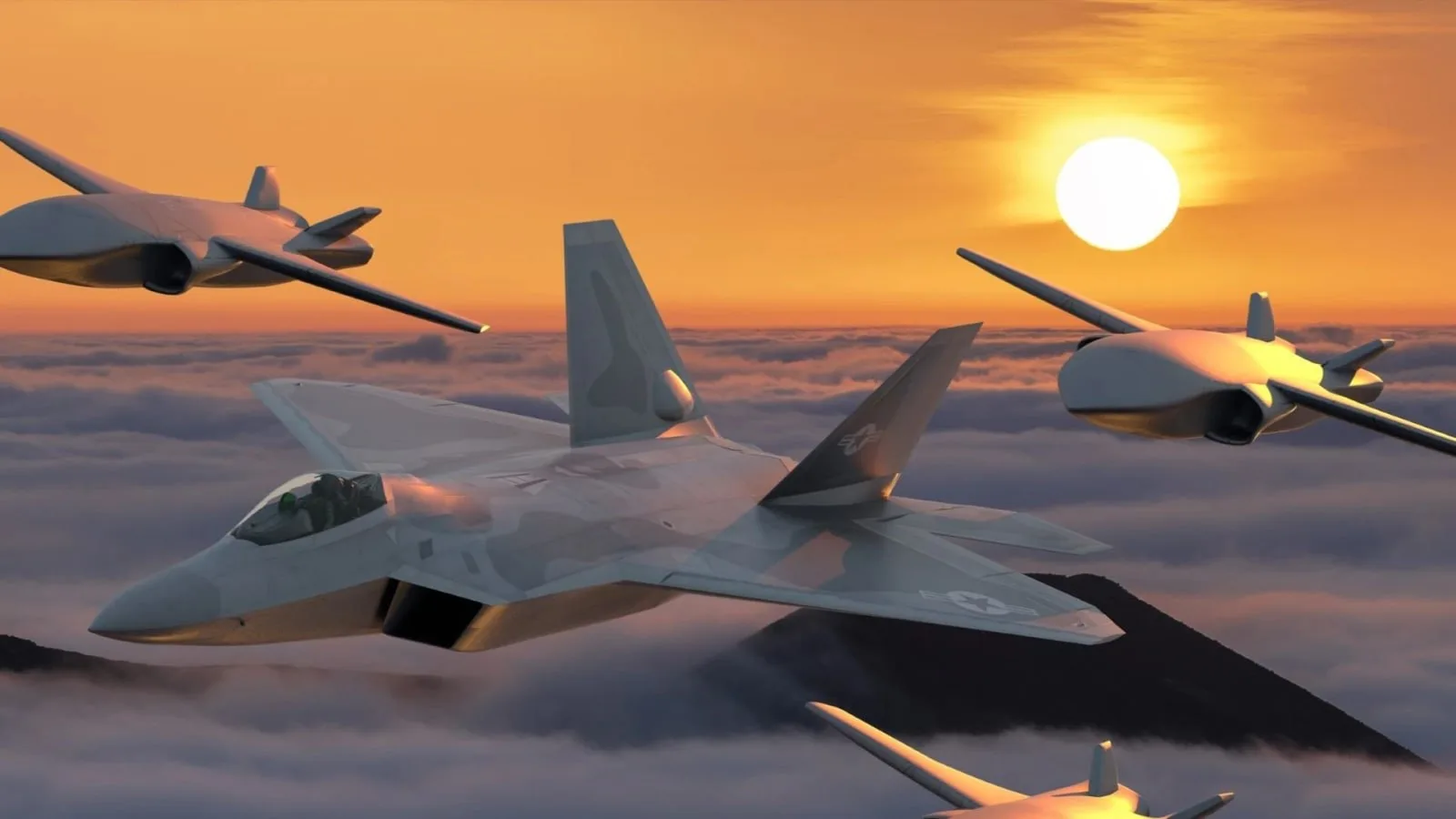
Honeywell HON1600 small turbine engine targets USAF CCA
Honeywell Aerospace presents the HON1600, a small turbine engine it positions for the US Air Force's Collaborative Combat Aircraft (CCA) program, after a core engine run in September 2025. The Air Force has issued a request for proposals…
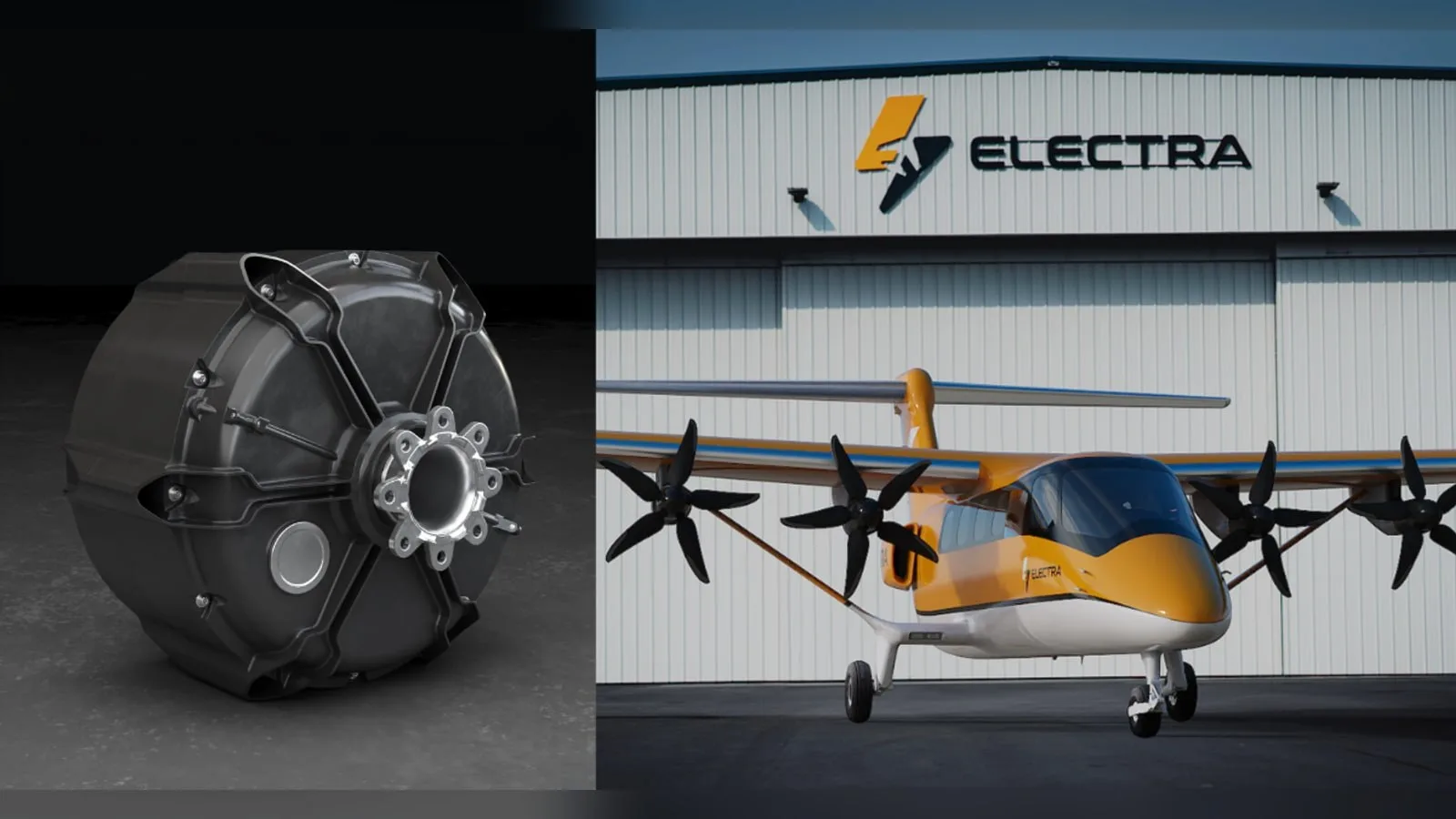
Evolito files type certificate application for E800 engine
Evolito submits a type certificate application to the UK Civil Aviation Authority for its E800 electric engine, initially intended for Electra's EL9 hybrid-electric aircraft. The company describes it as the first certification application…

Amprius taps CAMINUS for US silicon-anode pouch cell output
CAMINUS, the Indianapolis cell maker formerly known as EnPower, signs a contract manufacturing agreement with Amprius Technologies to build Amprius-designed silicon-anode pouch cells in the United States. Amprius gains a US production…