Featured
Gimbals
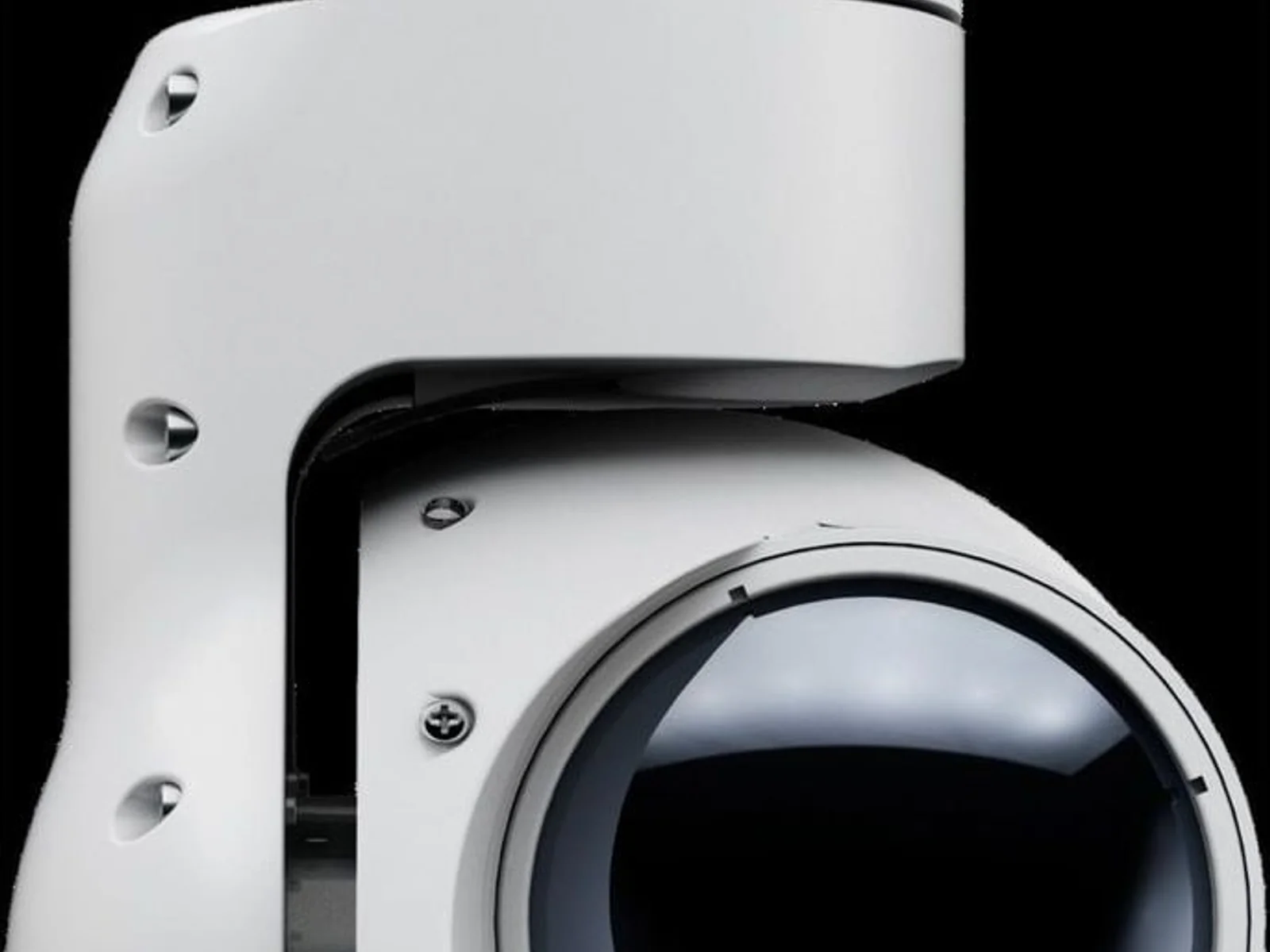
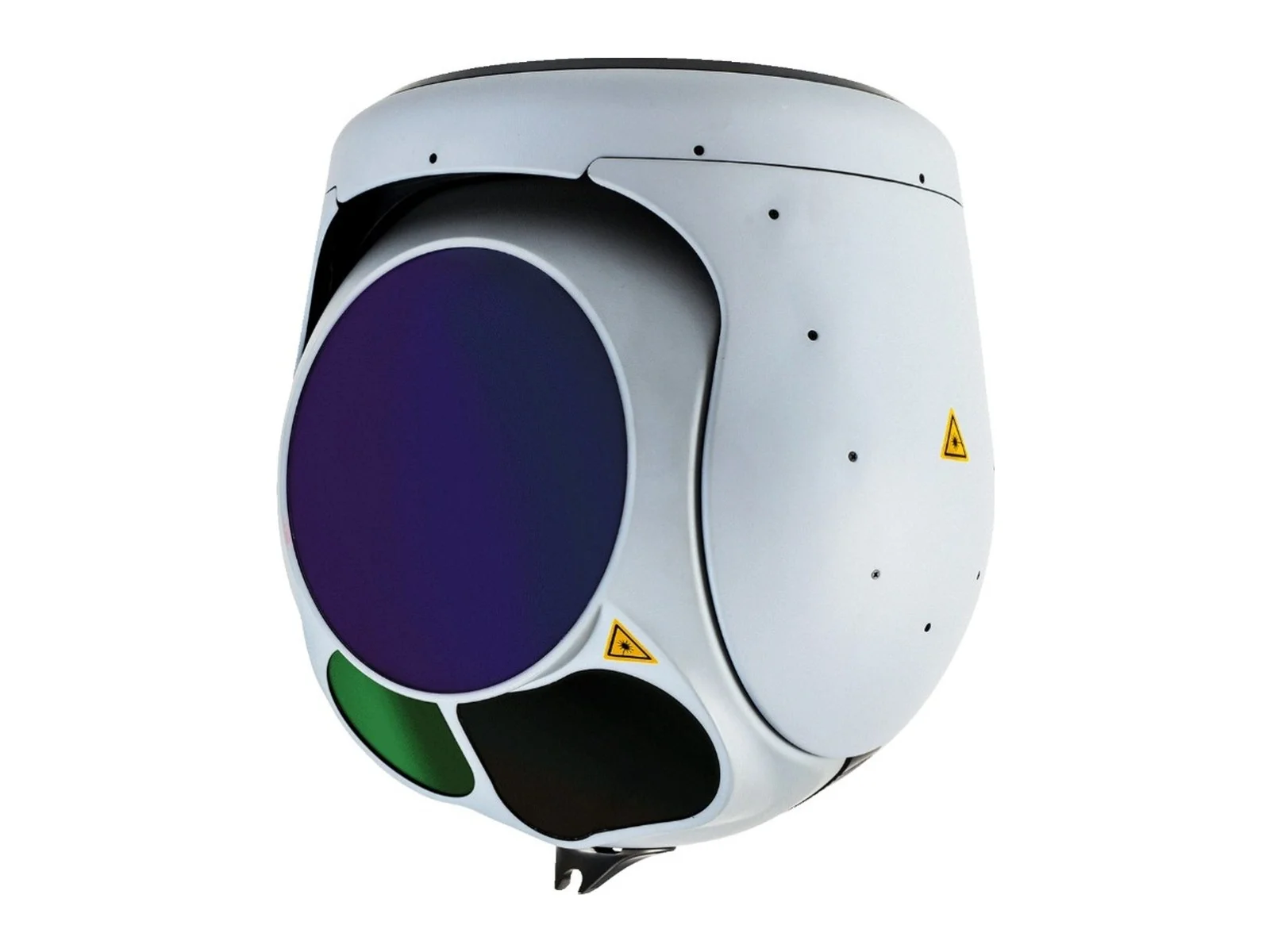
HD45 stabilized camera or payload mount
- Grade
- Professional
- Market
- Dual-use
- Availability
- In production
Gimbals and stabilized turrets that point and stabilize cameras and sensors in flight.
Filters

Try removing a filter.



Updated November 3, 2026
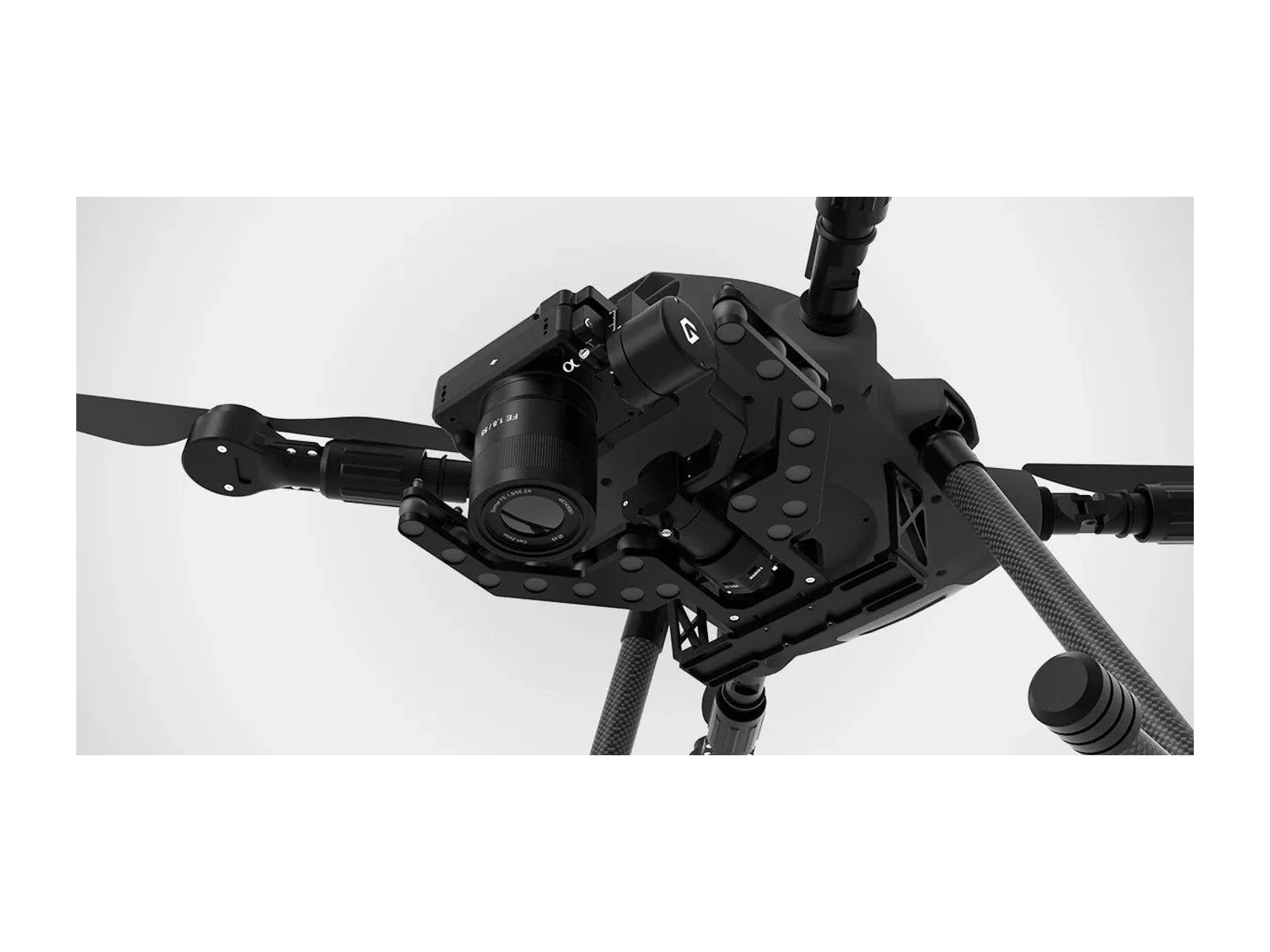
A gimbal holds a camera or sensor and keeps it steady and pointed in the right direction while the aircraft moves, vibrates and manoeuvres. Without stabilisation, zoom and long-range imaging from a drone would be unusable.
The longer the focal length, the better the stabilisation must be: a small pointing error becomes a large image movement at long range. Check stabilisation figures measured on vibration platforms representative of your aircraft, and how the gimbal integrates with your cameras and control software.
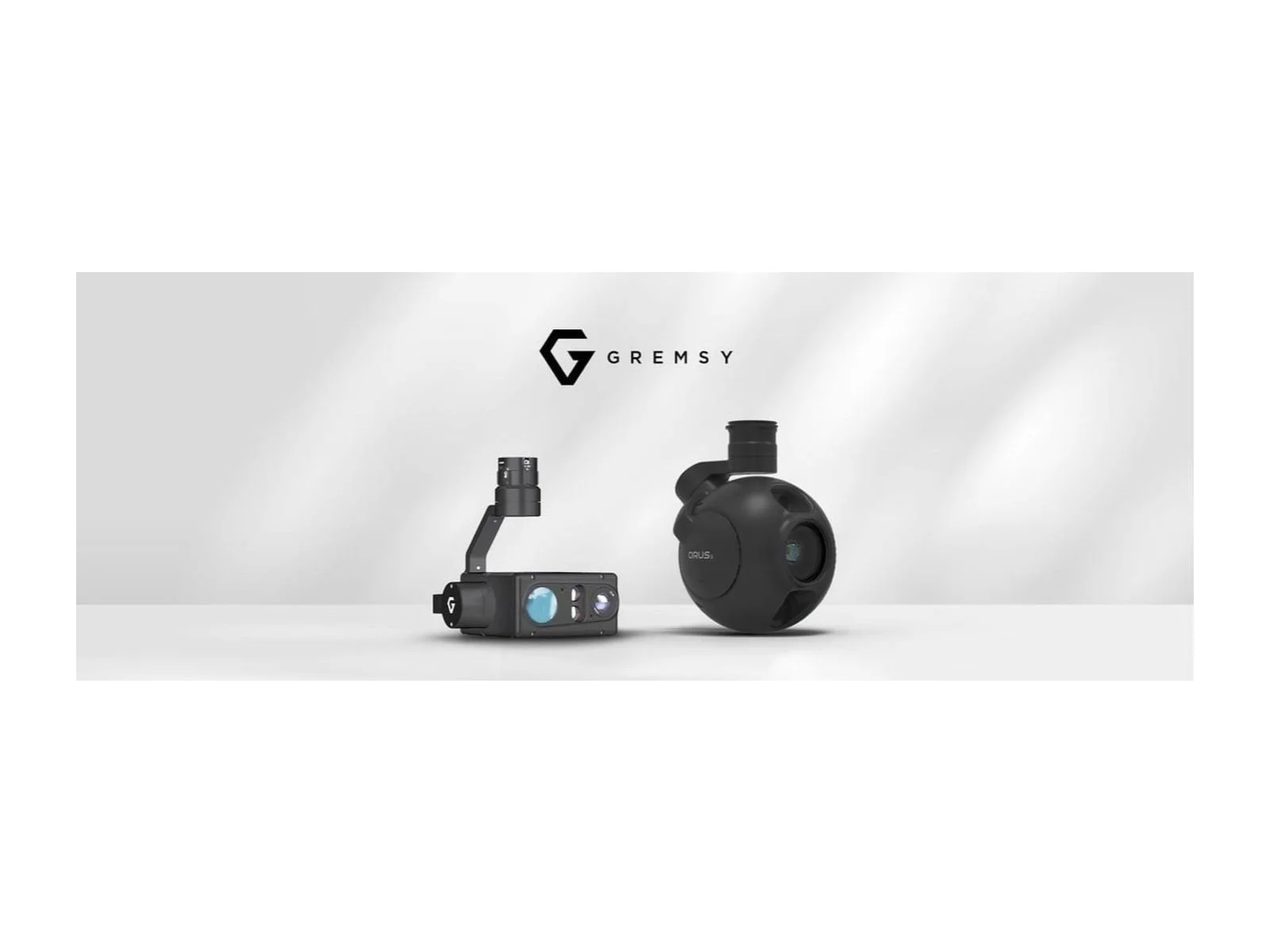
Examples include Gremsy, Trillium Engineering, Hood Technology and NextVision.
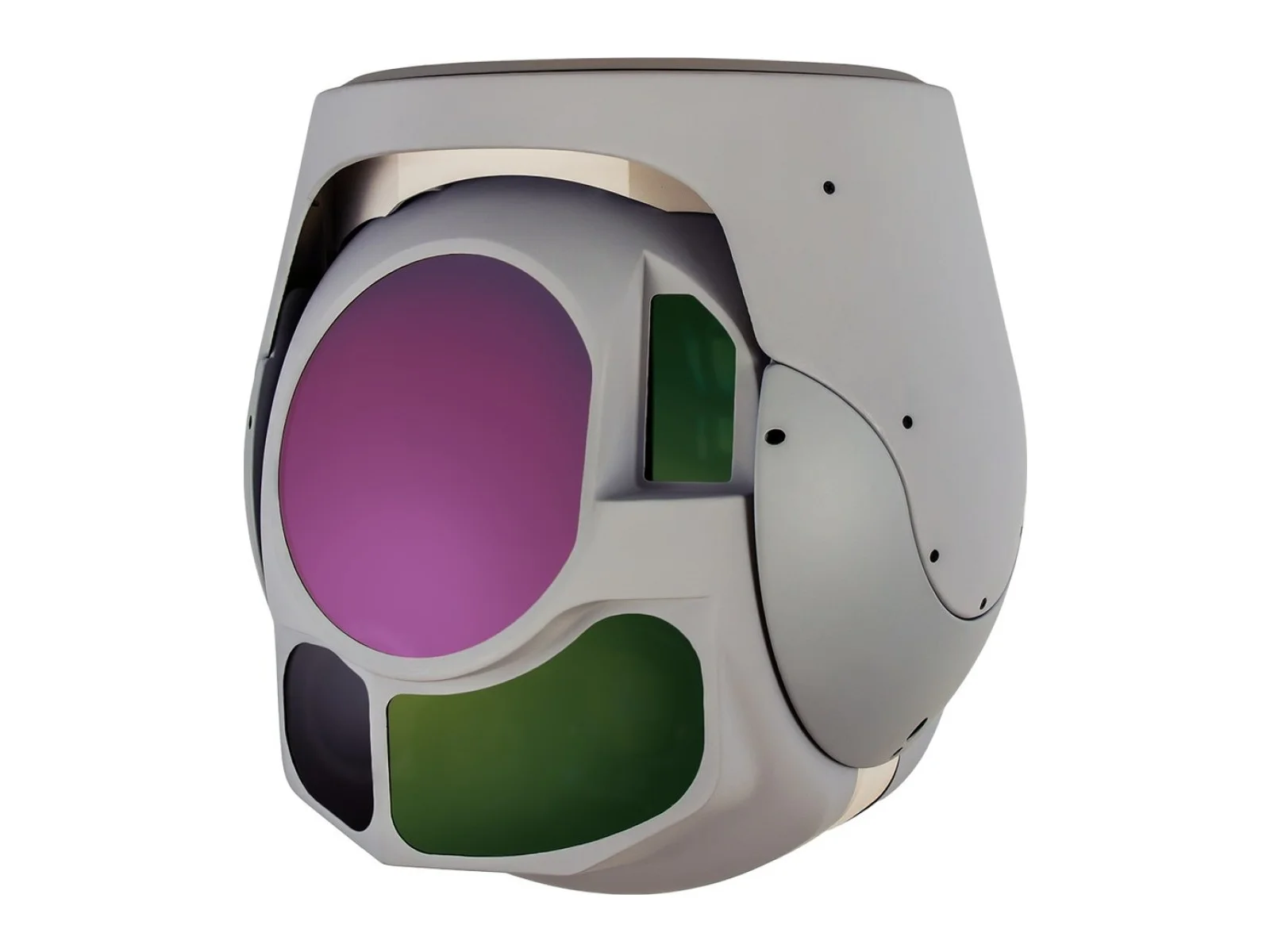
A gimbal usually stabilises a separate camera. An EO/IR turret is an integrated, sealed unit with its own sensors, stabilisation and processing, designed for long-range surveillance.
Because at long range tiny angular errors become large on the ground: 10 microradians at 5 km is 5 cm. High-end turrets must hold the line of sight extremely steady.
The ability of a gimbal to point at given geographic coordinates, using the aircraft position and attitude, and to keep looking there as the aircraft moves.
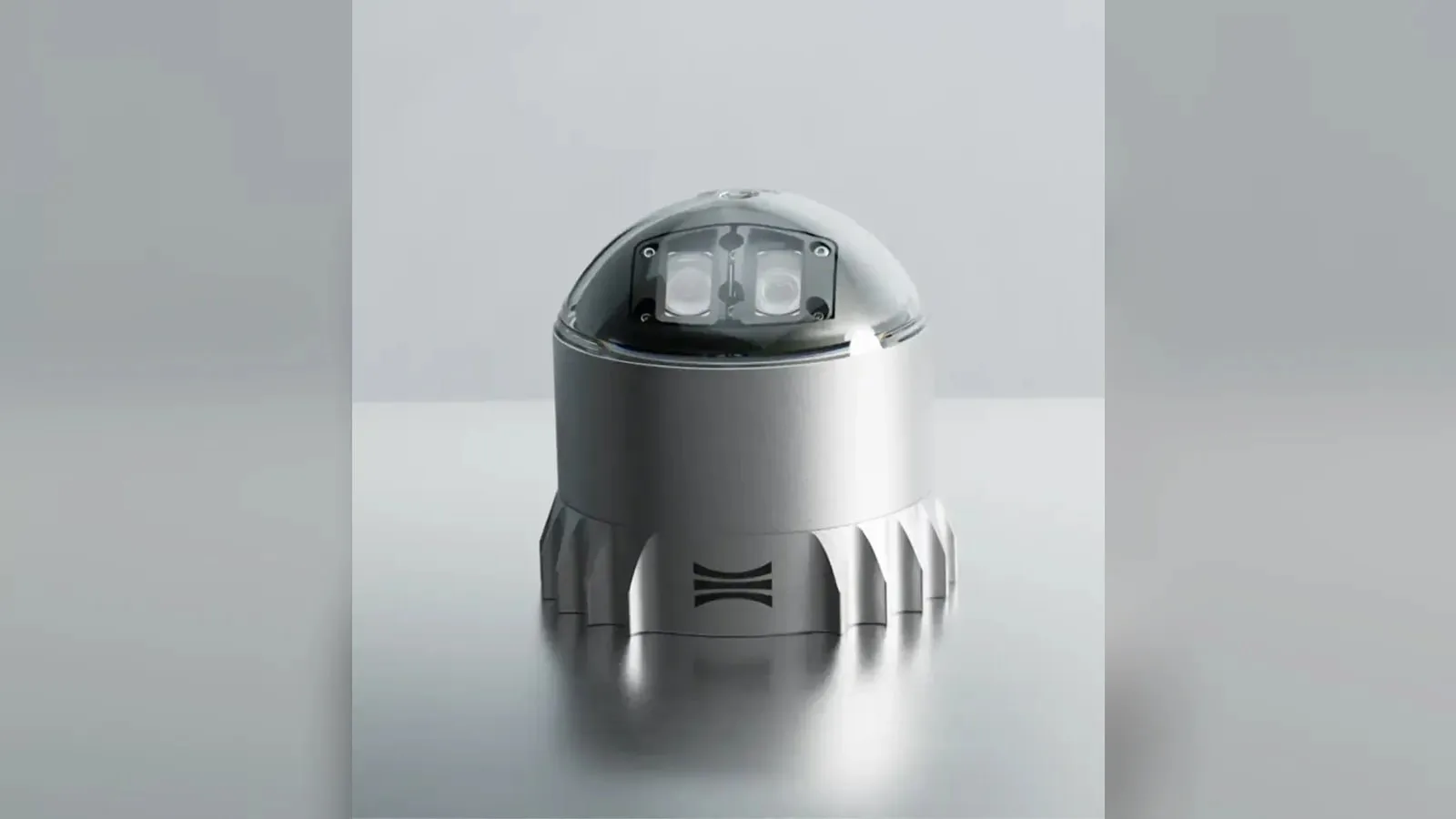
Ouster's REV7 lidar family, built on the L3 digital chip, spans the OS0, OS1 and OS2 plus the new 180° hemispherical OSDome. Ouster claims higher range and finer precision with no change in sensor size or weight.

Gremsy has signed a memorandum of understanding with South Korean UAV manufacturer NINANO to explore integrating Gremsy's EO/IR camera payloads into NINANO's unmanned platforms. The agreement sets a framework for technical collaboration…

SimActive launches an integrated workflow that brings Phase One aerial imagery into its Correlator3D photogrammetry software for large-scale defense mapping. The link targets the processing stage, where users who collect tens of thousands…