Featured
Collision avoidance
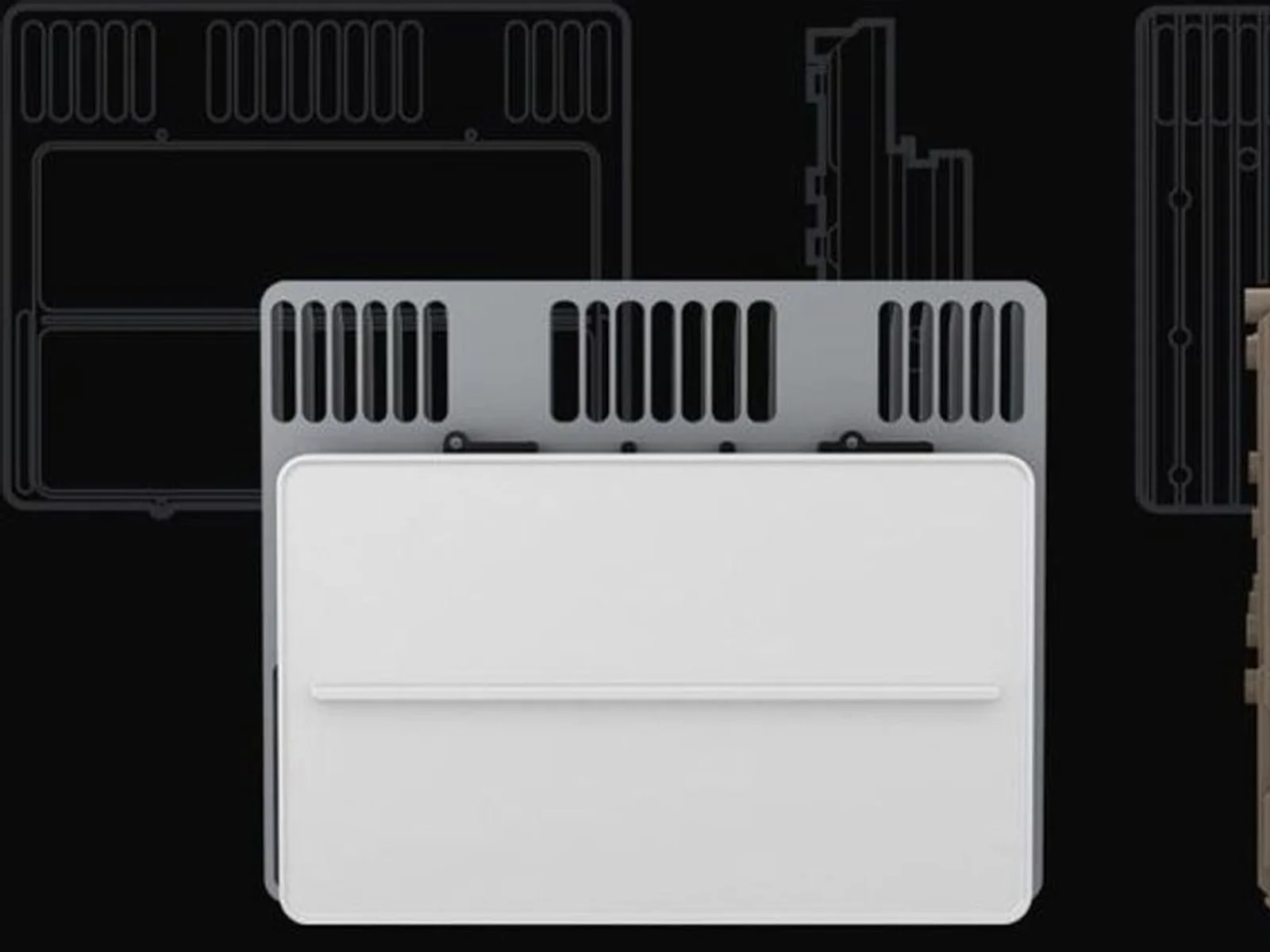
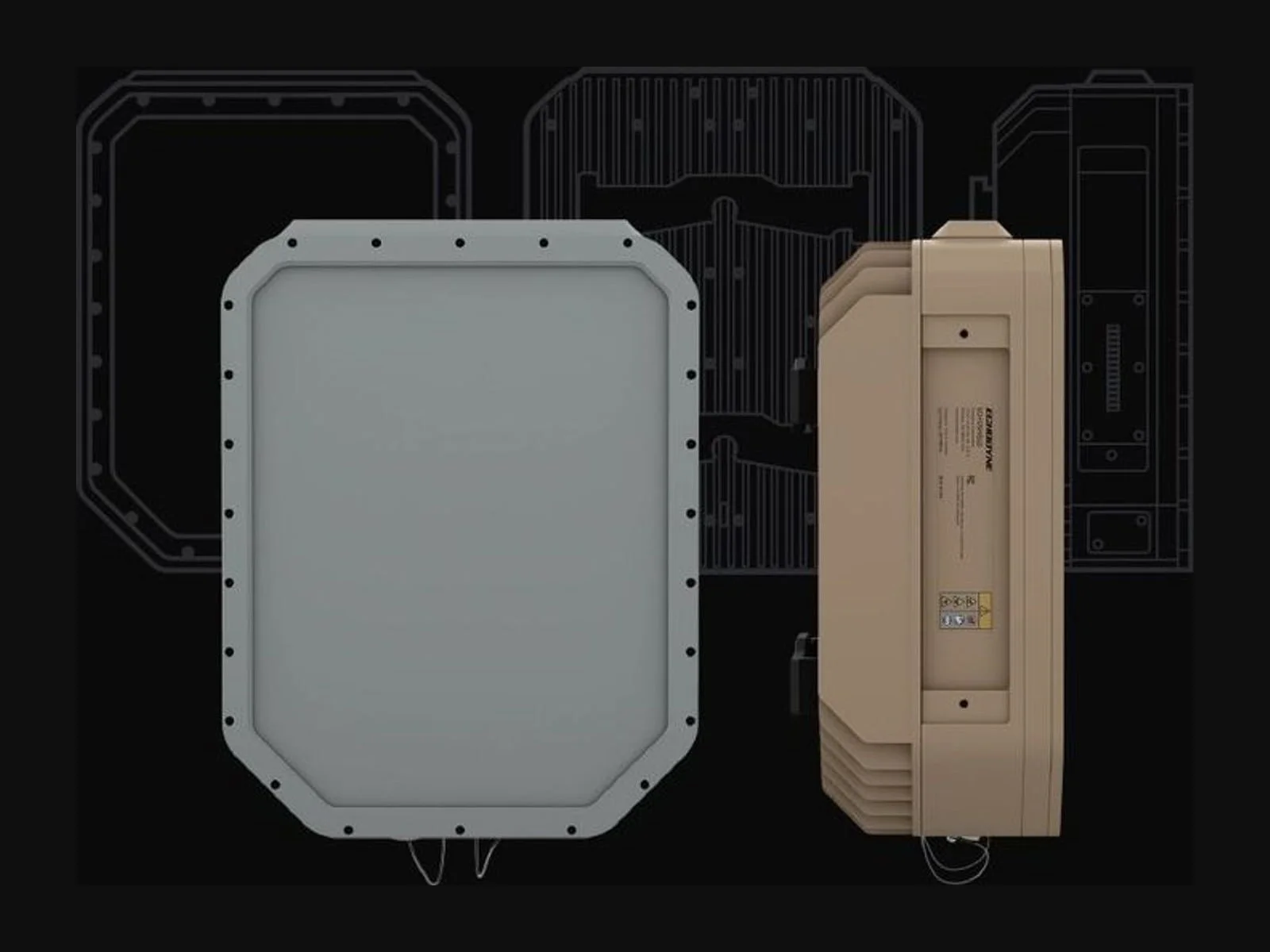
EchoGuard traffic-detection or avoidance system
- Sensor type
- Radar
- Grade
- Professional
- Market
- Dual-use
Detect and avoid (DAA) solutions that use radar, cameras and transponders to spot traffic and obstacles and prevent collisions.
Filters

Try removing a filter.



Updated November 3, 2026
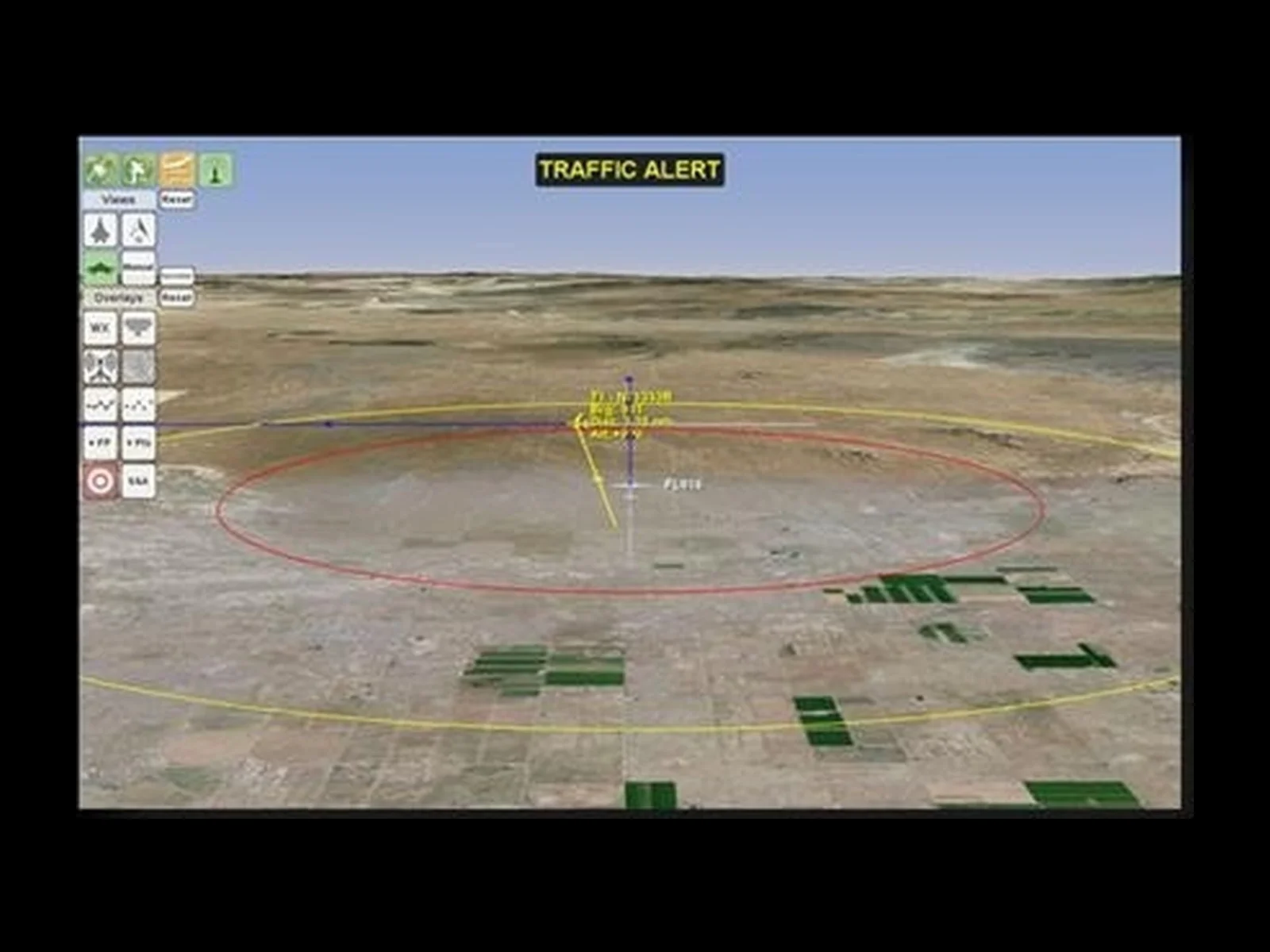
Detect and avoid (DAA) is the ability of an uncrewed aircraft to see other traffic and obstacles and stay clear of them, the job a pilot does by looking out of the window. It is a key enabler for operations beyond visual line of sight (BVLOS) and for integrating drones into shared airspace.
| Method | Detects | Strengths | Limits |
|---|---|---|---|
| Cooperative (ADS-B In, transponder, FLARM) | Aircraft that broadcast their position | Long range, precise identity | Misses non-equipped traffic |
| Radar | Any aircraft and many obstacles | Works day and night, through haze | Mass, power, cost |
| Electro-optical / infrared cameras | Aircraft and obstacles in view | Light, passive, high resolution | Weather and light dependent |
| Ground-based surveillance | Traffic around a defined area | No equipment on board | Fixed coverage |
Most solutions combine several methods. Cooperative traffic is received through ADS-B equipment.
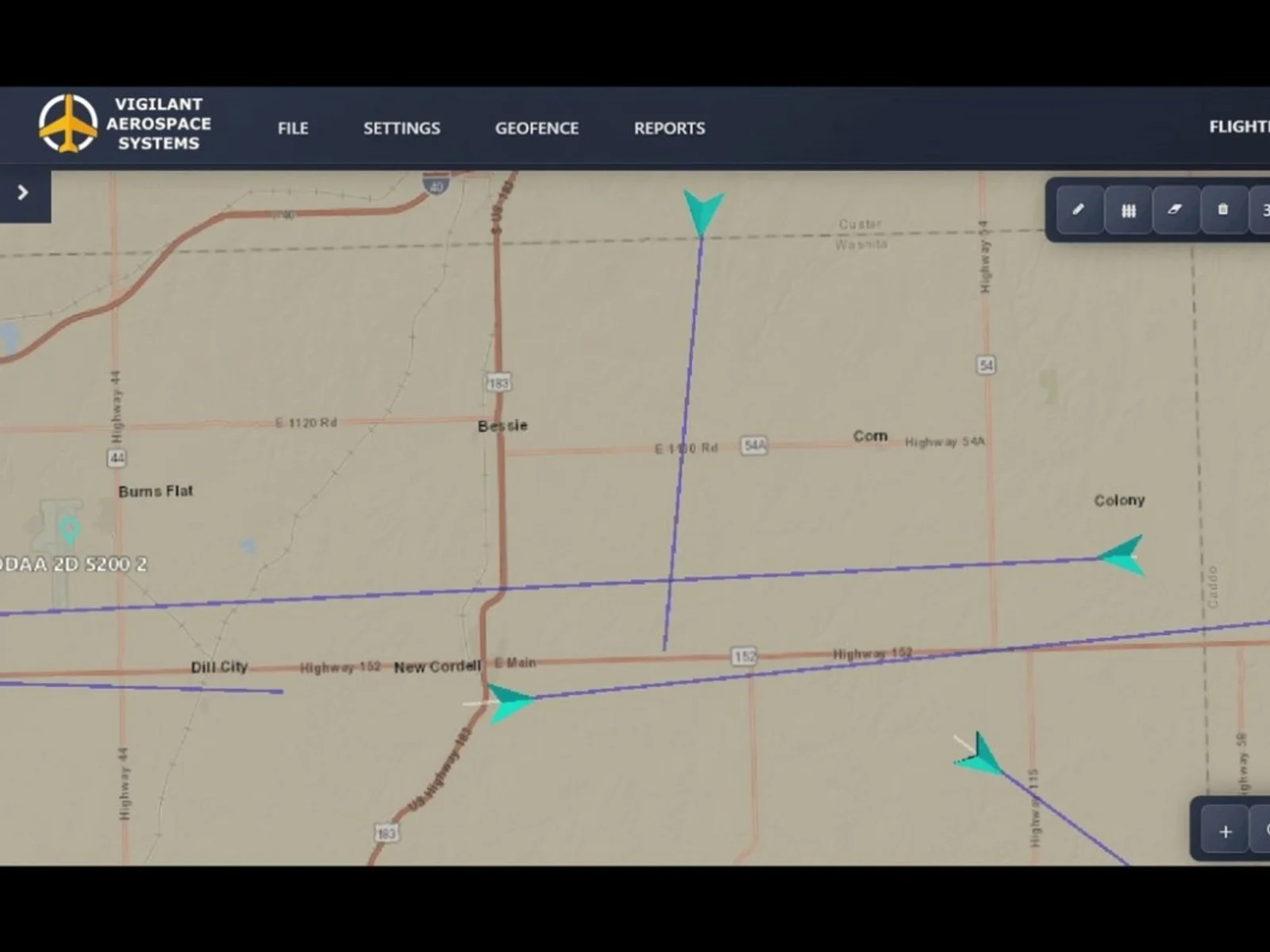
Examples include Echodyne, uAvionix and Vigilant Aerospace.
Beyond visual line of sight, the remote pilot cannot see other aircraft. Regulators require an equivalent means to detect and avoid traffic, which can be onboard sensors, ground-based surveillance, airspace measures or a combination.
No, on its own. ADS-B only shows aircraft that broadcast their position; many light aircraft, helicopters and other drones do not. Non-cooperative sensors such as radar or cameras cover that traffic.
ASTM F3442 defines DAA performance for small UAS. RTCA DO-365 and DO-366 cover DAA systems and air-to-air radar for larger UAS. Regulators reference these standards in their approvals.

Honeywell Aerospace presents results from demonstrations of celestial-, vision- and magnetic-aided navigation that support inertial systems when GNSS signals are lost. Its star-tracker based system matches GNSS-INS performance under…
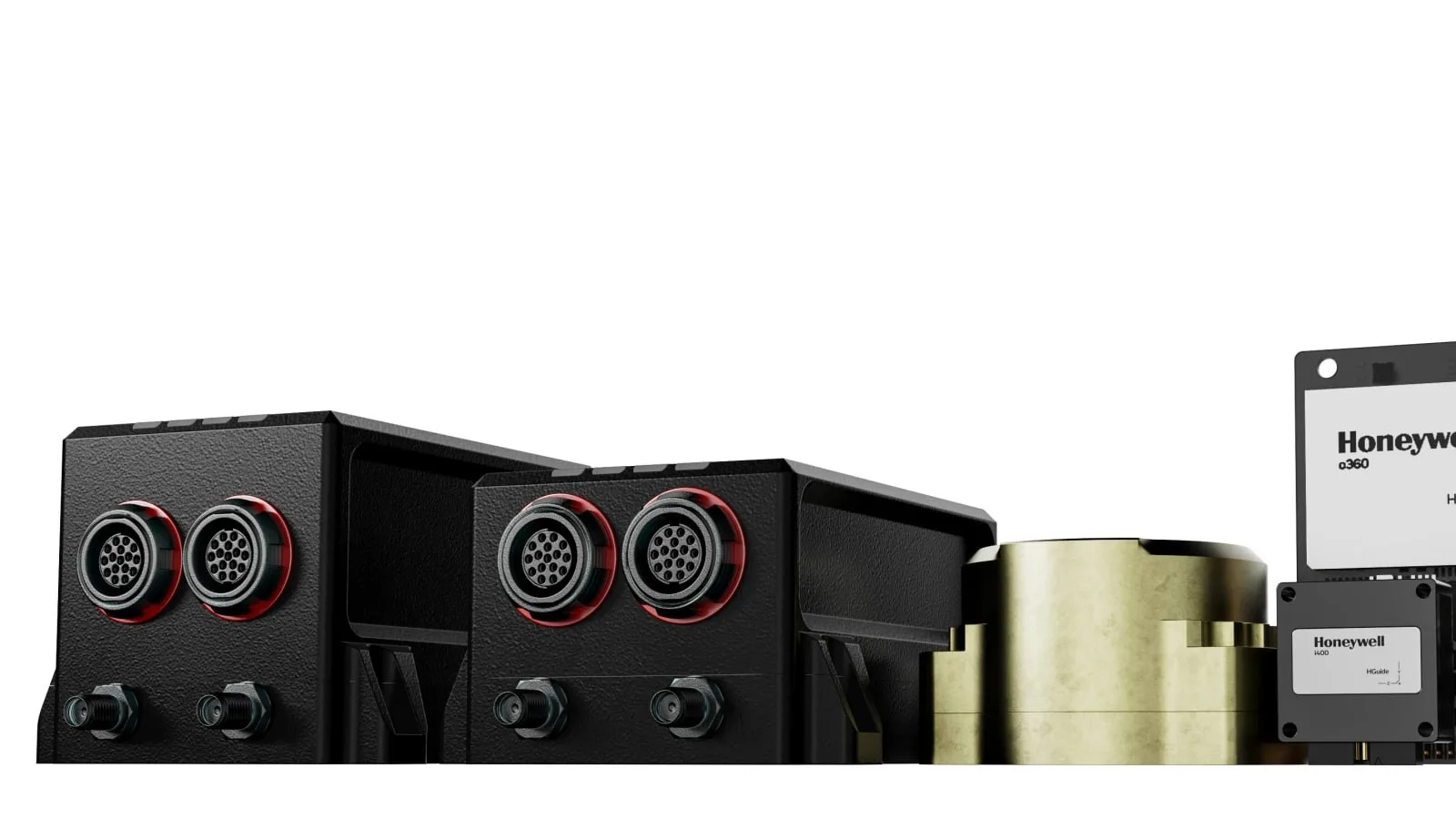
Honeywell Aerospace offers the HGuide o480, a 26-gram INS/GNSS navigator for attritable military platforms and industrial uses. The unit pairs an IMU and a GNSS receiver with AIM+ anti-jamming, and it is available globally without export…
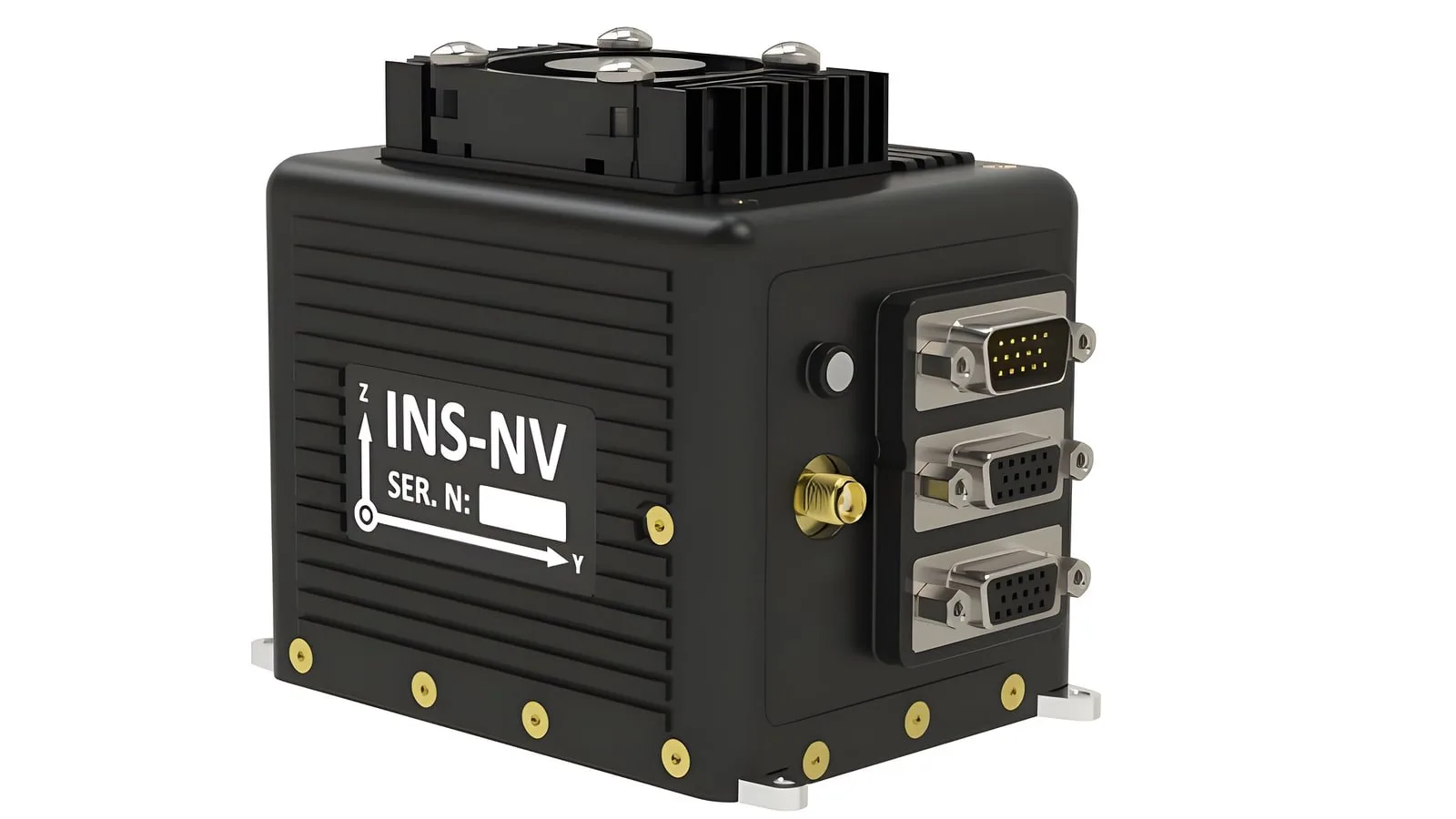
The INS-NV is a new programmable platform from Inertial Labs, which belongs to VIAVI, and it pairs an NVIDIA Jetson Orin NX module with an inertial navigation system and an AHRS. Developers of alternative PNT and visual navigation systems…