Featured
IMUs
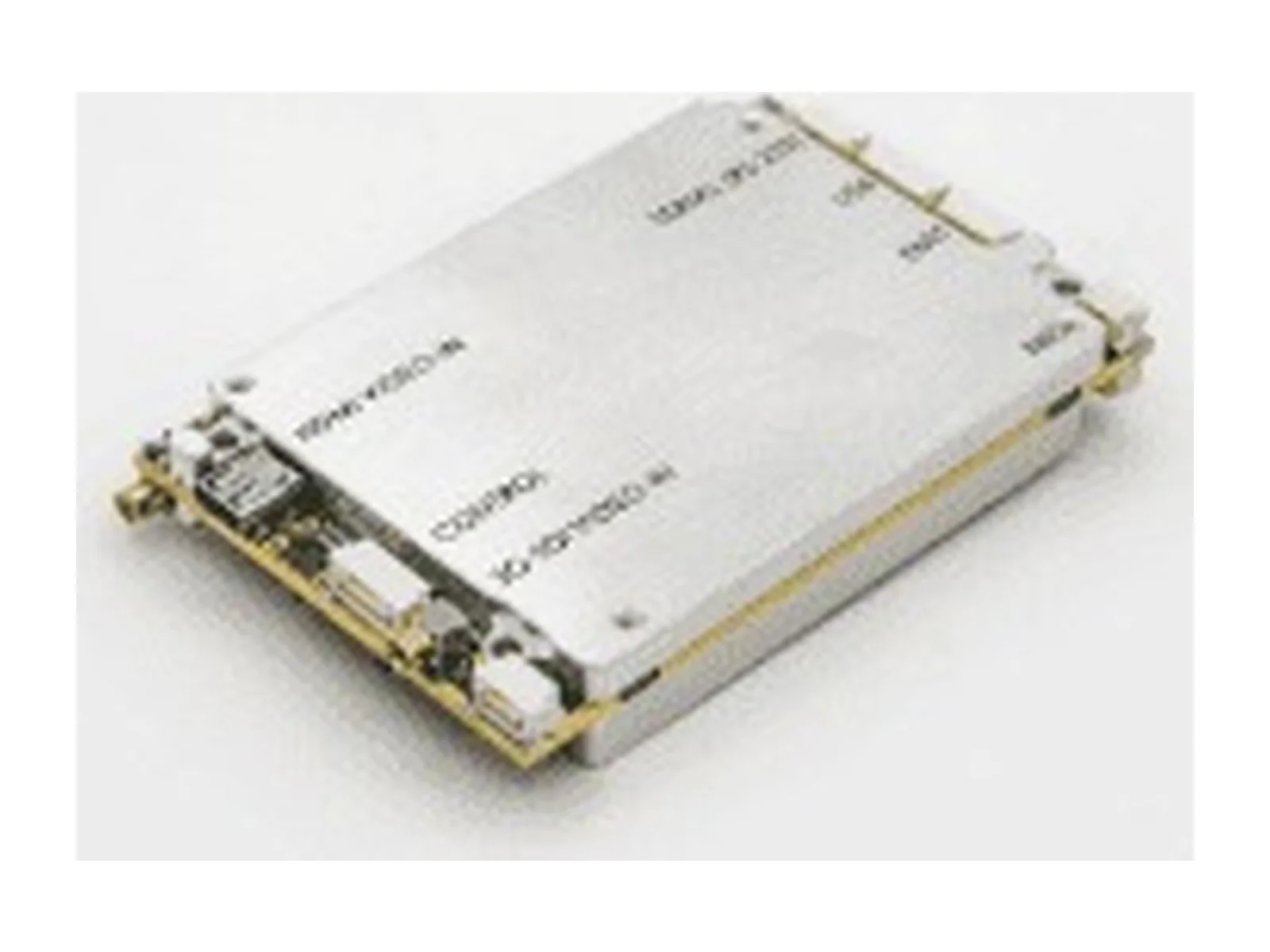
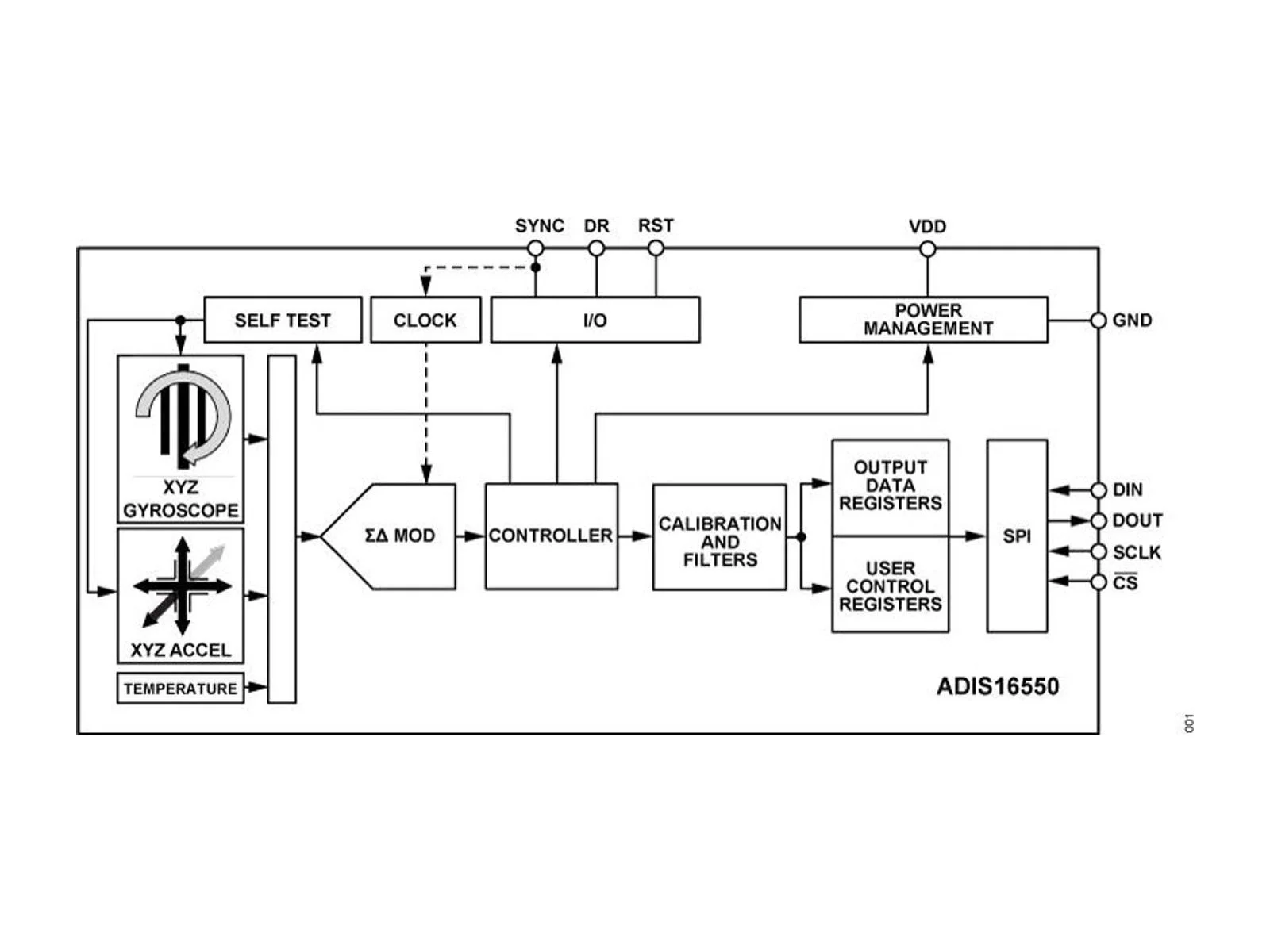
ADIS16550 inertial sensing unit
- Gyro bias instability
- 1 °/h
- Accelerometer bias instability
- 9 µg
- Angle random walk
- 0.13 °/√h
Inertial measurement units listed for eVTOL navigation. Compare gyro bias instability, angle random walk, accelerometer bias and mass.
| Product | Manufacturer | Gyro bias instability | Accelerometer bias instability | Angle random walk | Output rate |
|---|---|---|---|---|---|
| ADIS16550 inertial sensing unit | Analog Devices | 1 °/h | 9 µg | 0.13 °/√h | — |
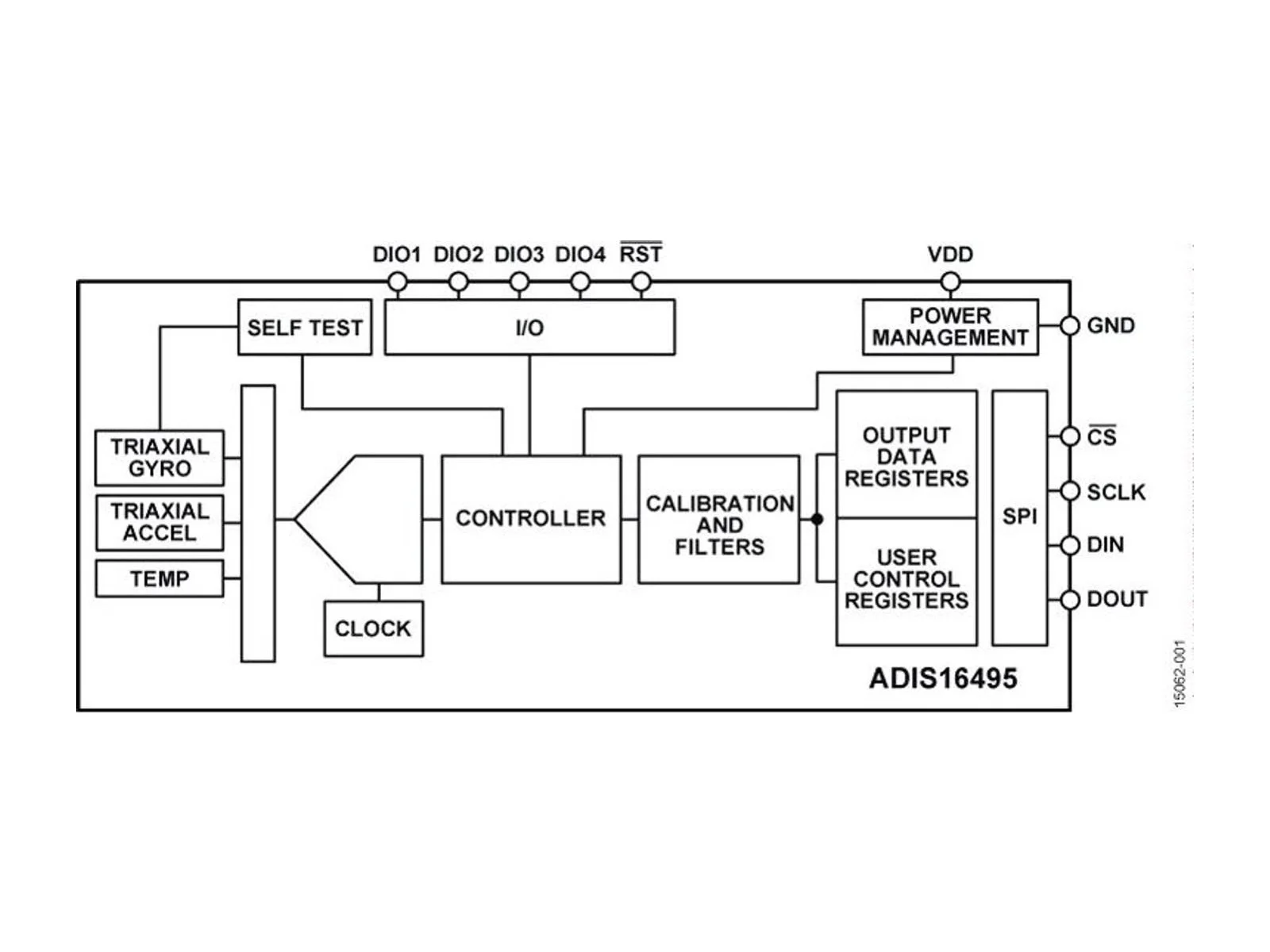
| ADIS16495 inertial sensing unit | Analog Devices | — | 3.2 µg | — | — |
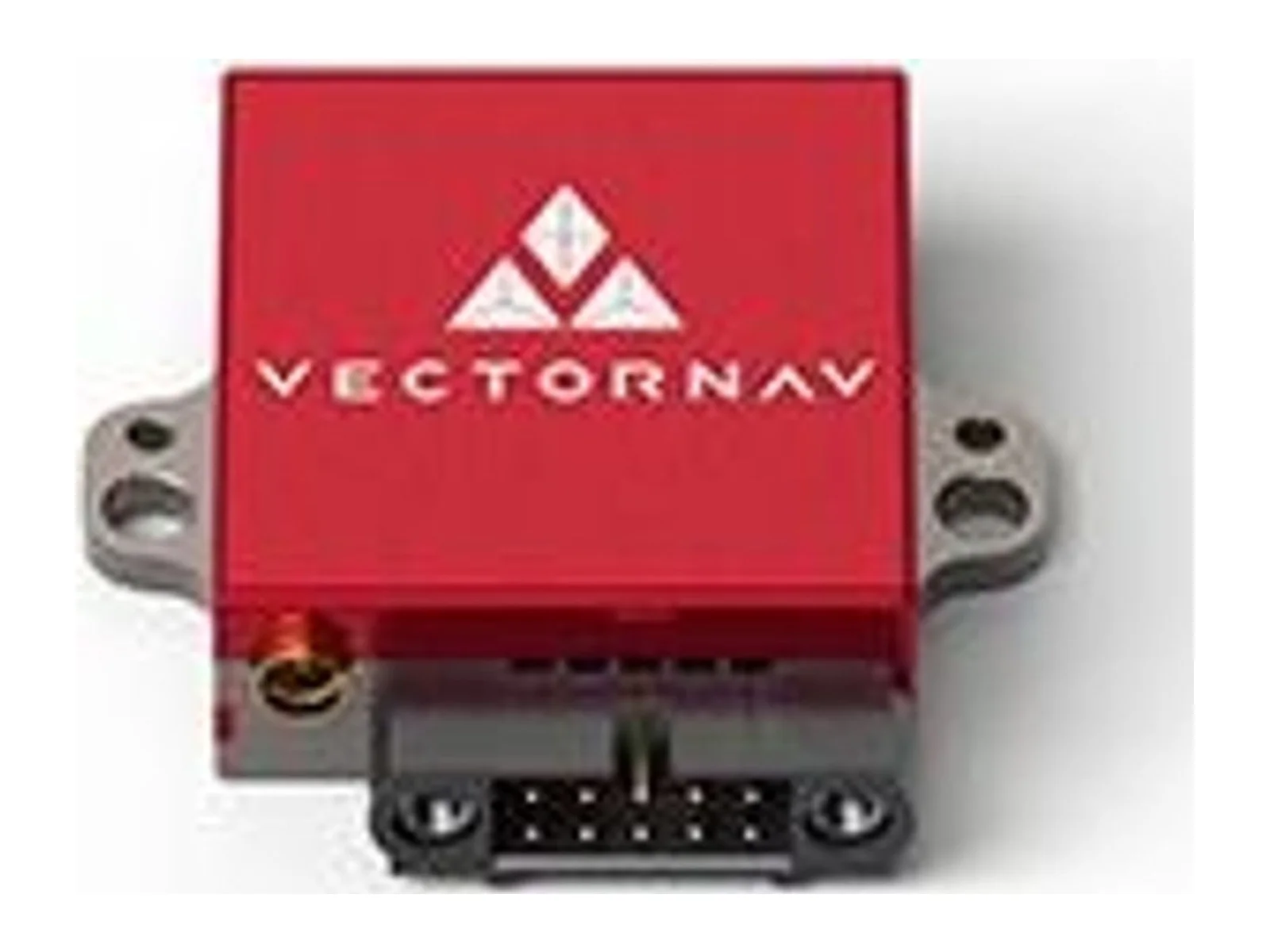
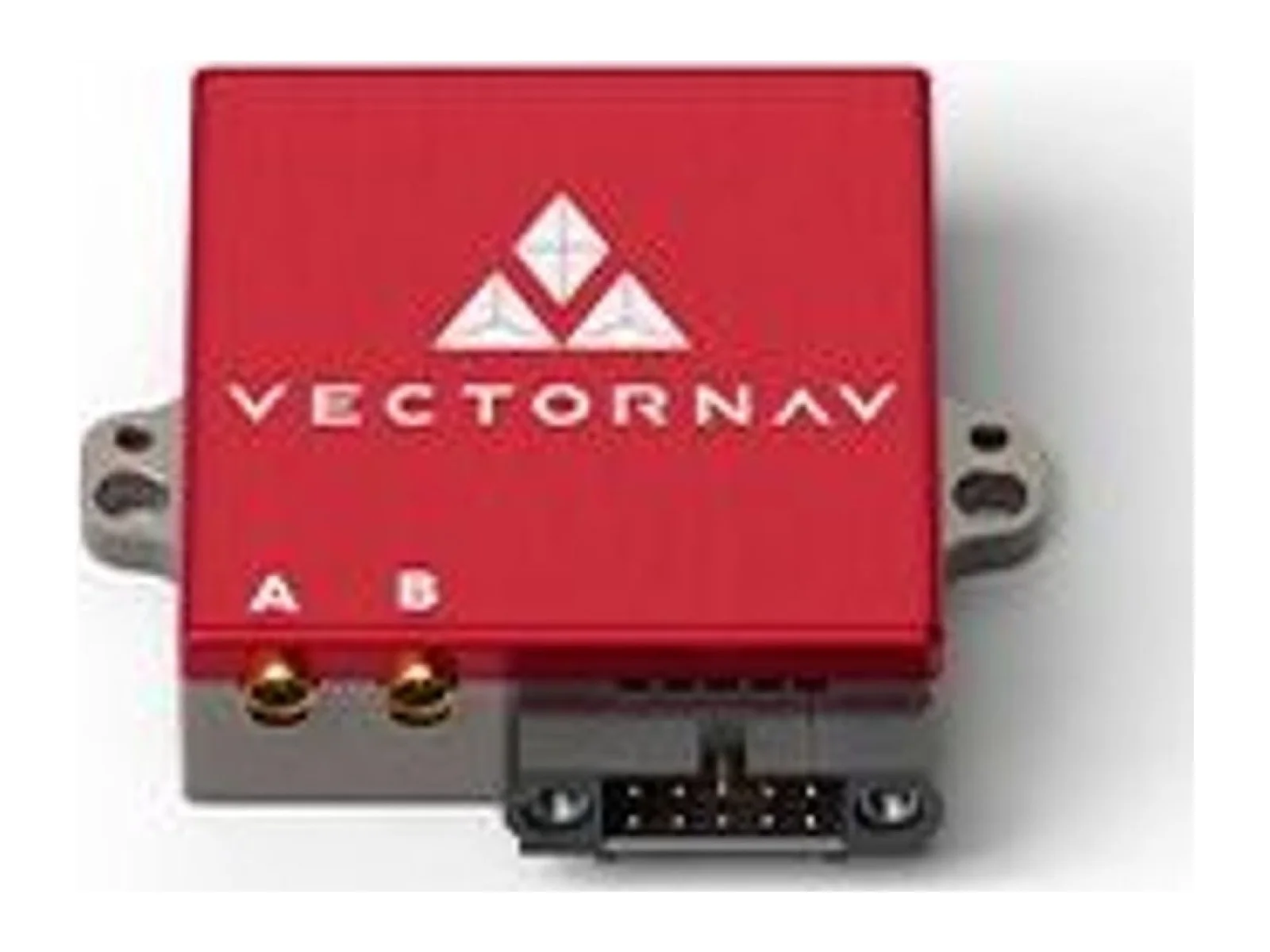
| VN-200 Rugged GNSS-aided inertial navigation sensor | VectorNav | 5 °/h | 40 µg | 0.21 °/√h | 800 Hz |
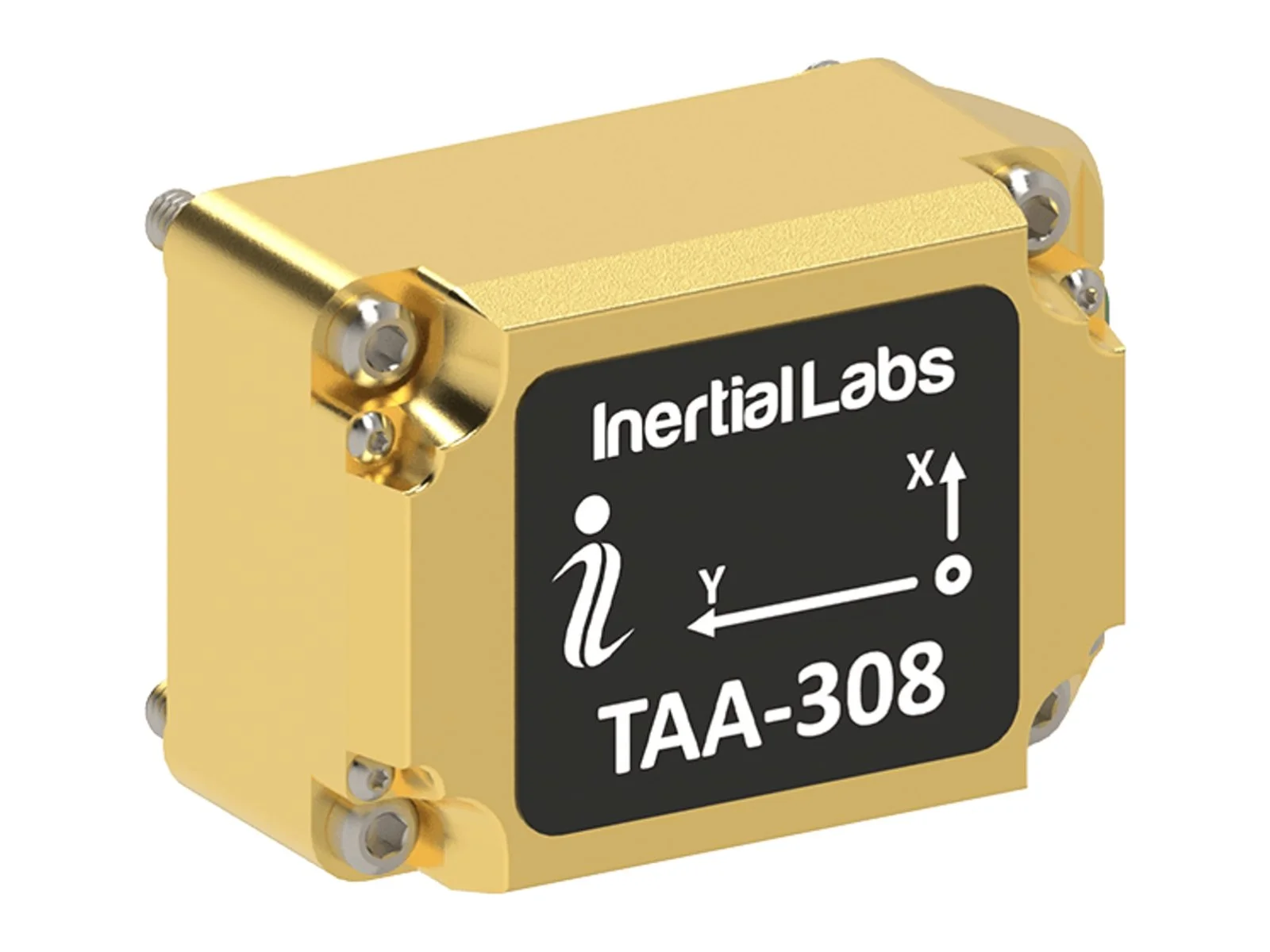
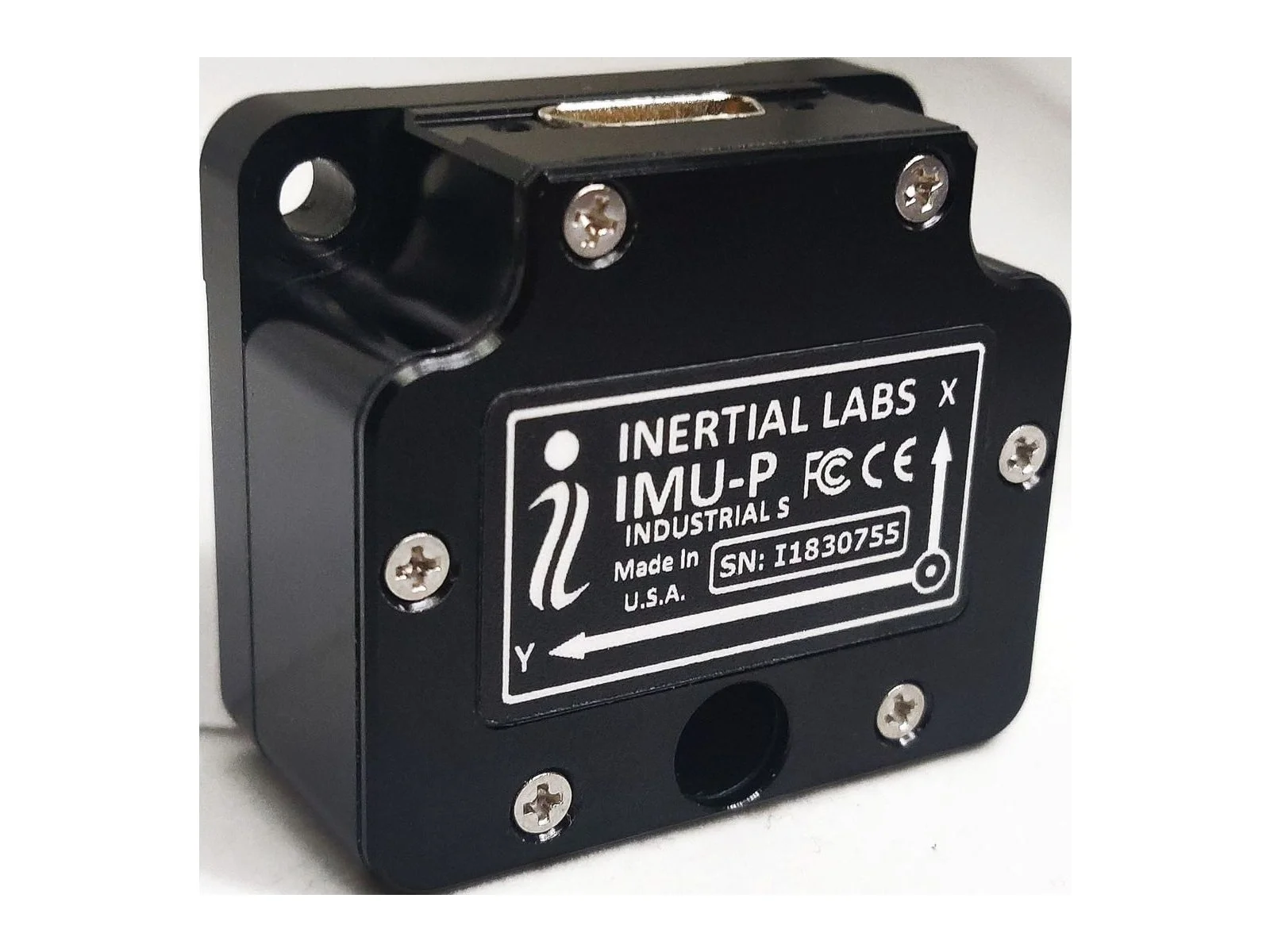
| IMU-P inertial sensing unit | Inertial Labs (VIAVI) | 1 °/h | 5 µg | 0.08 °/√h | 2,000 Hz |
| STIM300 inertial sensing unit | Safran | 0.3 °/h | 40 µg | 0.15 °/√h | 2,000 Hz |
| STIM320 inertial sensing unit | Safran | — | — | — | — |
| VN-100 Rugged inertial measurement and attitude sensor | VectorNav | 5 °/h | 40 µg | 0.21 °/√h | 800 Hz |
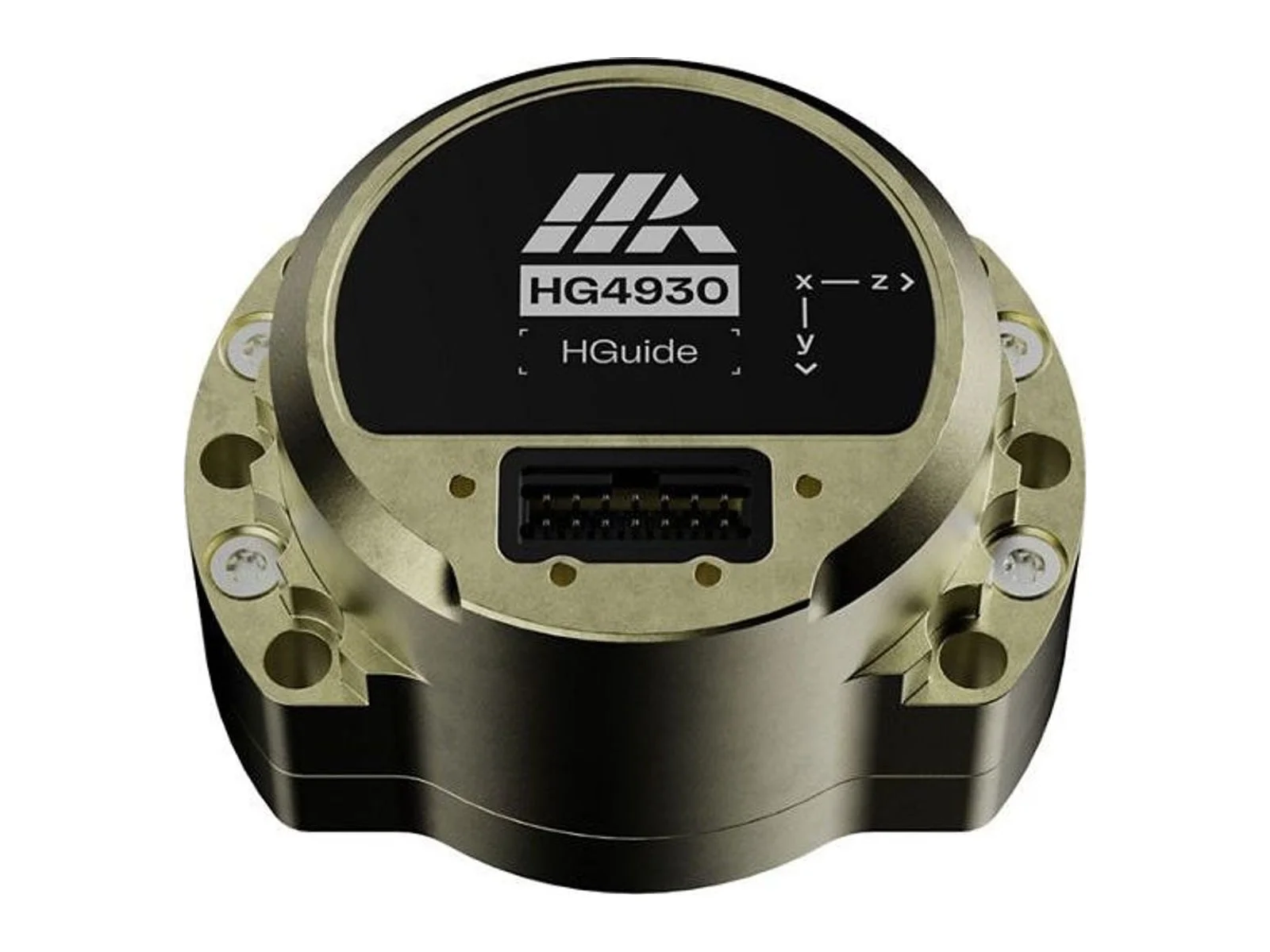
| HG4930 inertial sensing unit | Honeywell Aerospace | 0.25 °/h | 25 µg | 0.04 °/√h | 3,600 Hz |
| ADIS16505 inertial sensing unit | Analog Devices | — | 2.702 µg | — | — |
| HG1120 inertial sensing unit | Honeywell Aerospace | — | — | — | — |
| VN-300 Rugged dual-antenna GNSS inertial navigation sensor | VectorNav | 5 °/h | 40 µg | 0.21 °/√h | 400 Hz |
Filters
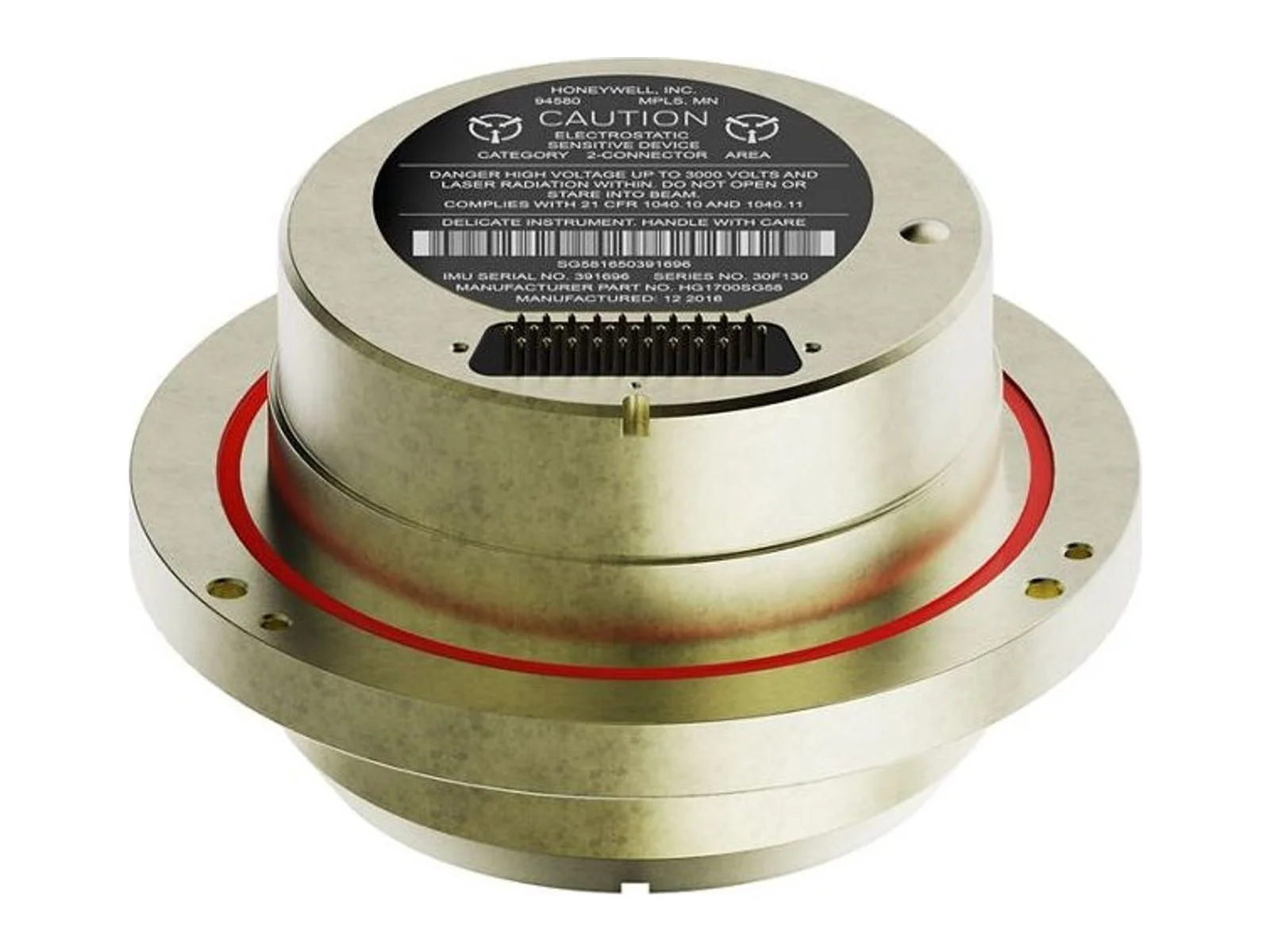
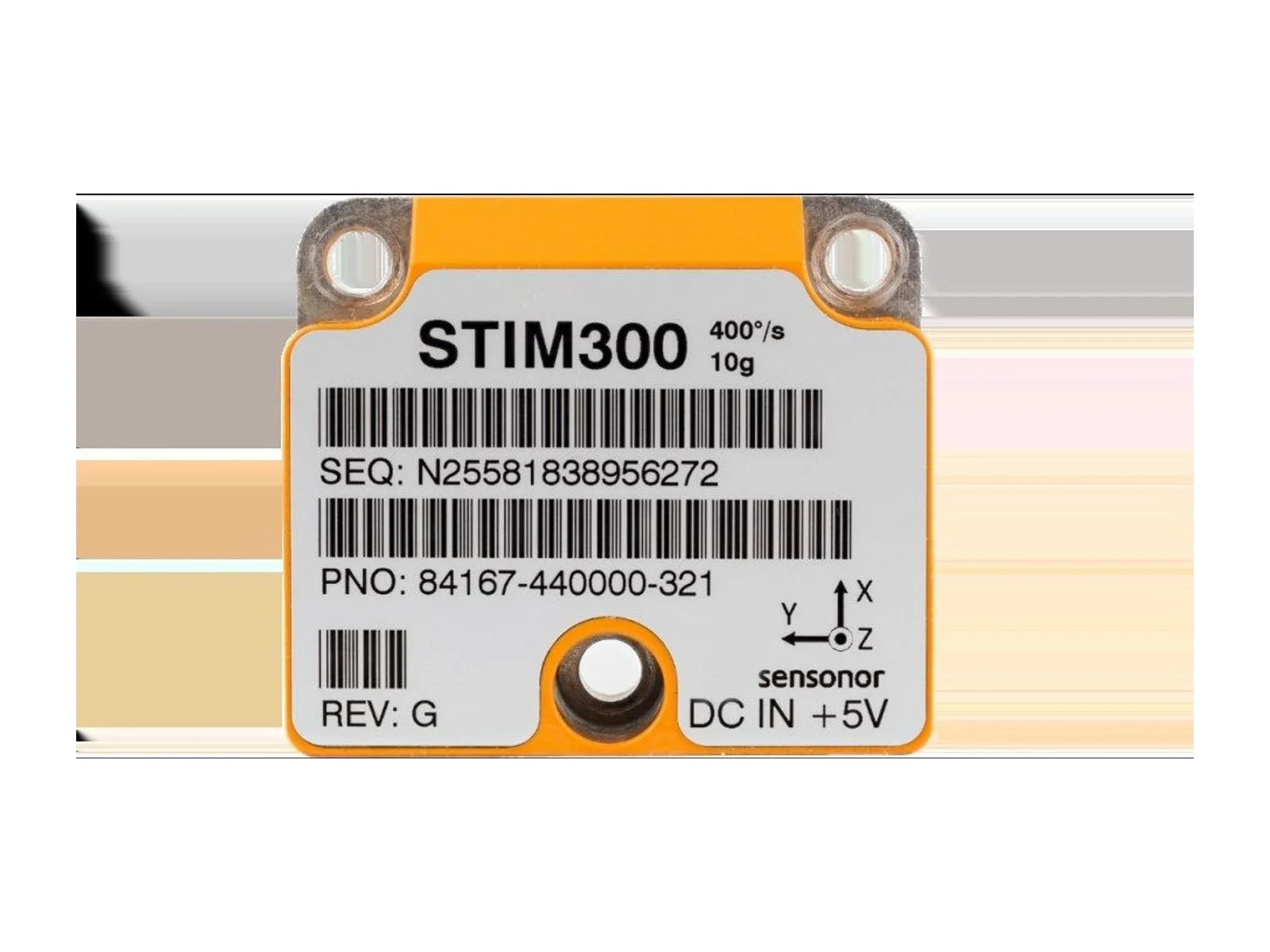
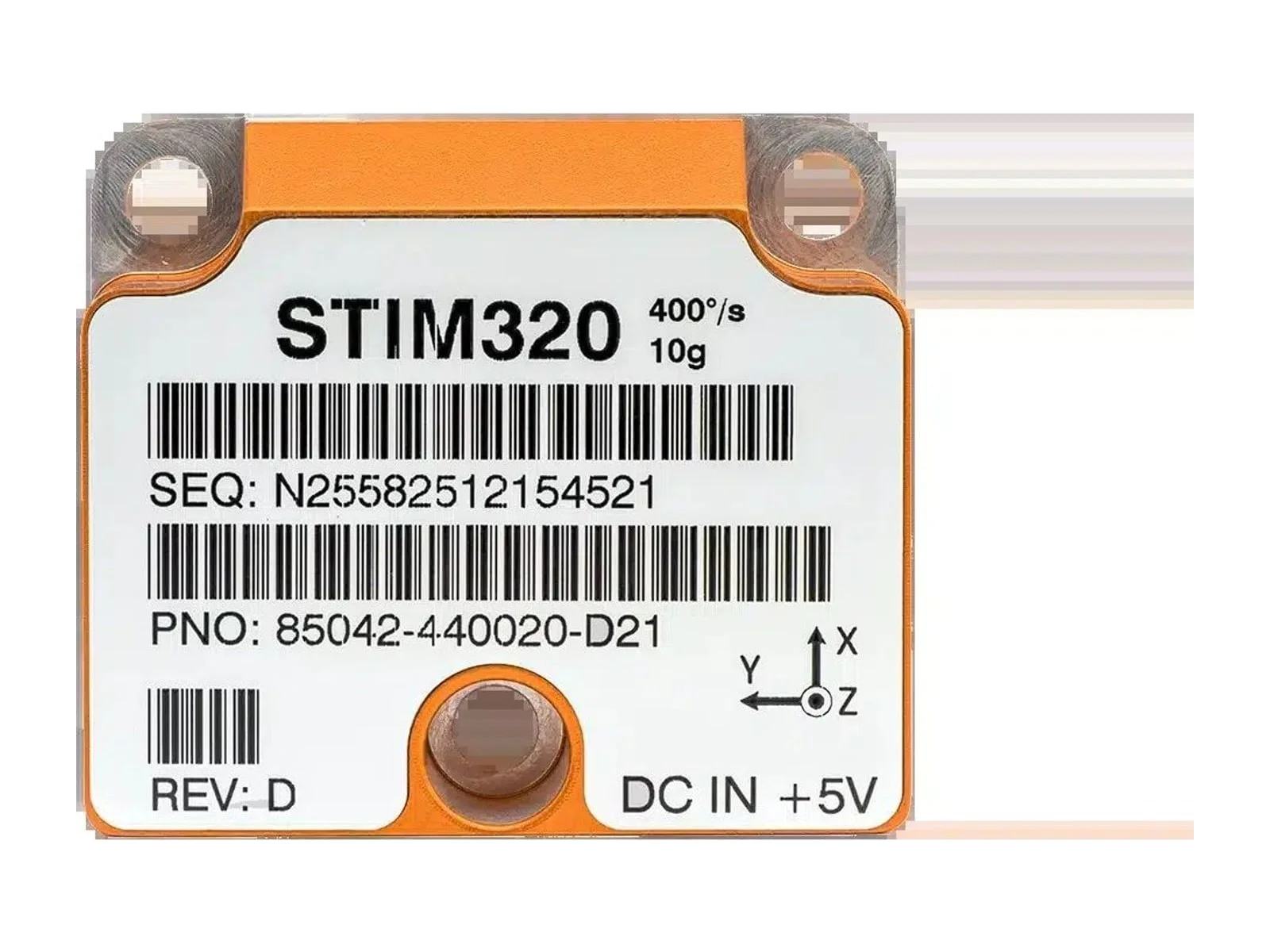
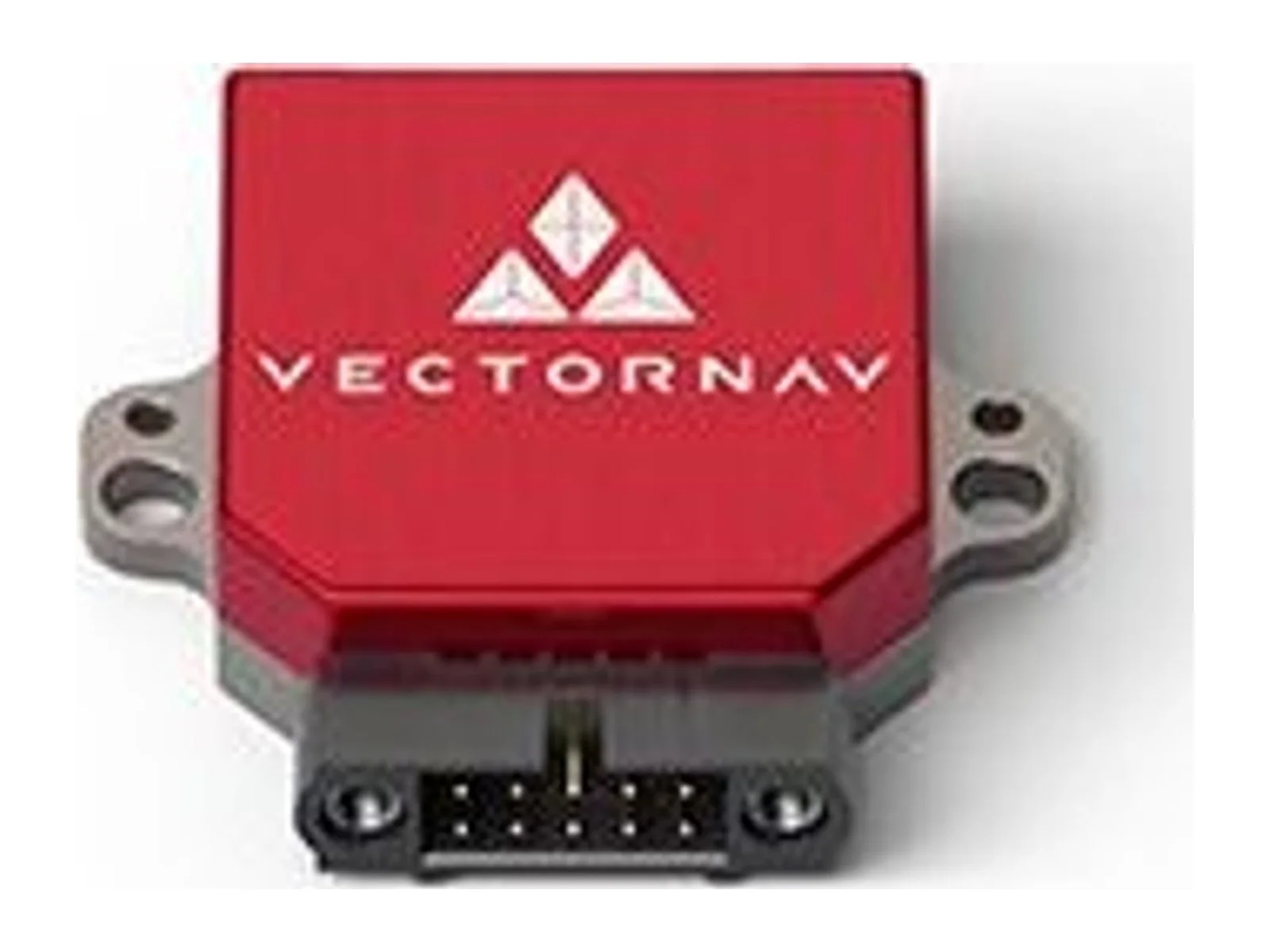
Try removing a filter.
Updated November 12, 2026
In a fly-by-wire eVTOL the inertial data feed the flight control laws directly. The requirement is driven less by raw accuracy than by integrity and availability: a wrong attitude that is not detected is a catastrophic failure condition.
Many architectures use an attitude and heading reference system (AHRS) or an inertial navigation system (INS) built on these IMUs.
Flight control generally uses tactical-grade sensors, with gyro bias instability from about 0.1 to 10 degrees per hour, installed in redundant sets. Navigation without GNSS for long periods needs better, navigation-grade units.
So that a single sensor failure is detected and outvoted. Loss or corruption of attitude data is a catastrophic condition in fly-by-wire aircraft, so the system needs redundancy and fault detection.
DO-160 for environmental qualification, DO-254 for hardware and DO-178C for software, at the design assurance level assigned by the aircraft safety assessment.
Allan variance is a time-domain statistic of the difference between consecutive averages of a signal; plotted against averaging time, it separates the noise types of gyroscopes, accelerometers and oscillators.
Angle random walk (ARW) is the growth of angle error in a gyroscope caused by white noise on its rate output, specified in degrees per root hour or degrees per root second.
Bias instability is the slowest, flicker-like drift of a gyroscope or accelerometer bias during operation at constant conditions, and sets the best accuracy with which that bias can be estimated.
DO-160 is the RTCA standard (EUROCAE ED-14) that defines environmental test conditions and procedures for airborne equipment, covering temperature, altitude, vibration, humidity, EMI and lightning among other sections.
FMCW radar is a continuous-wave radar whose transmit frequency is swept in a chirp, so the frequency difference between transmitted and received signals gives target distance, and often velocity.
MEMS (micro-electromechanical systems) are microscopic mechanical structures etched in silicon and integrated with electronics, used in drones and eVTOL aircraft mainly as gyroscopes, accelerometers and pressure sensors.
A literature-based review of inertial error propagation, Allan-variance characterisation of IMU grades, inertial budgets for GNSS-denied intervals and visual-inertial aiding.
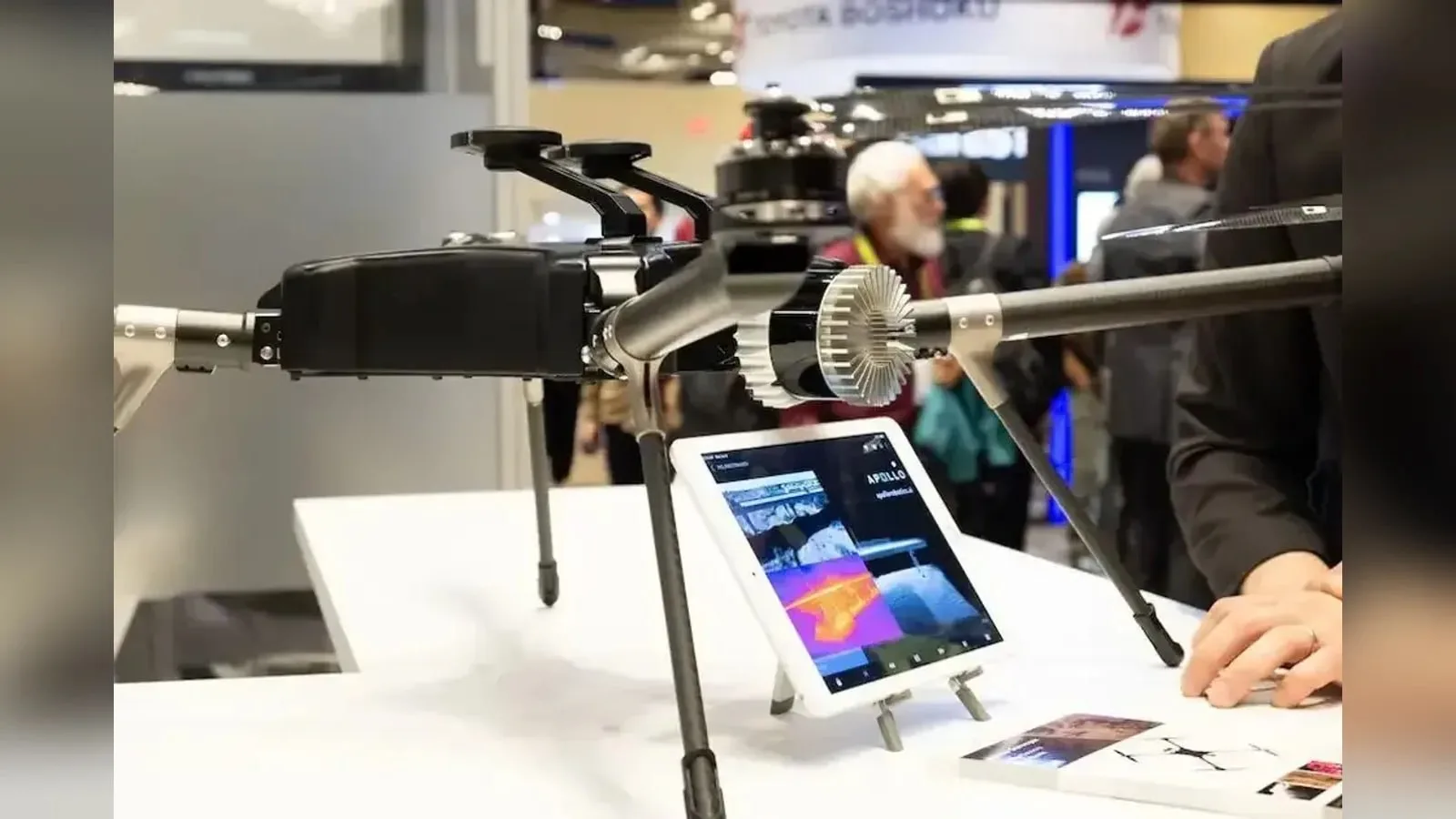
Apollo Robotics builds its Surveyor survey UAV around Ouster's OS1-64 lidar and starts bringing the aircraft to market against $3 million in pre-order reservations. Lidar feature matching handles localization onboard, so the platform…
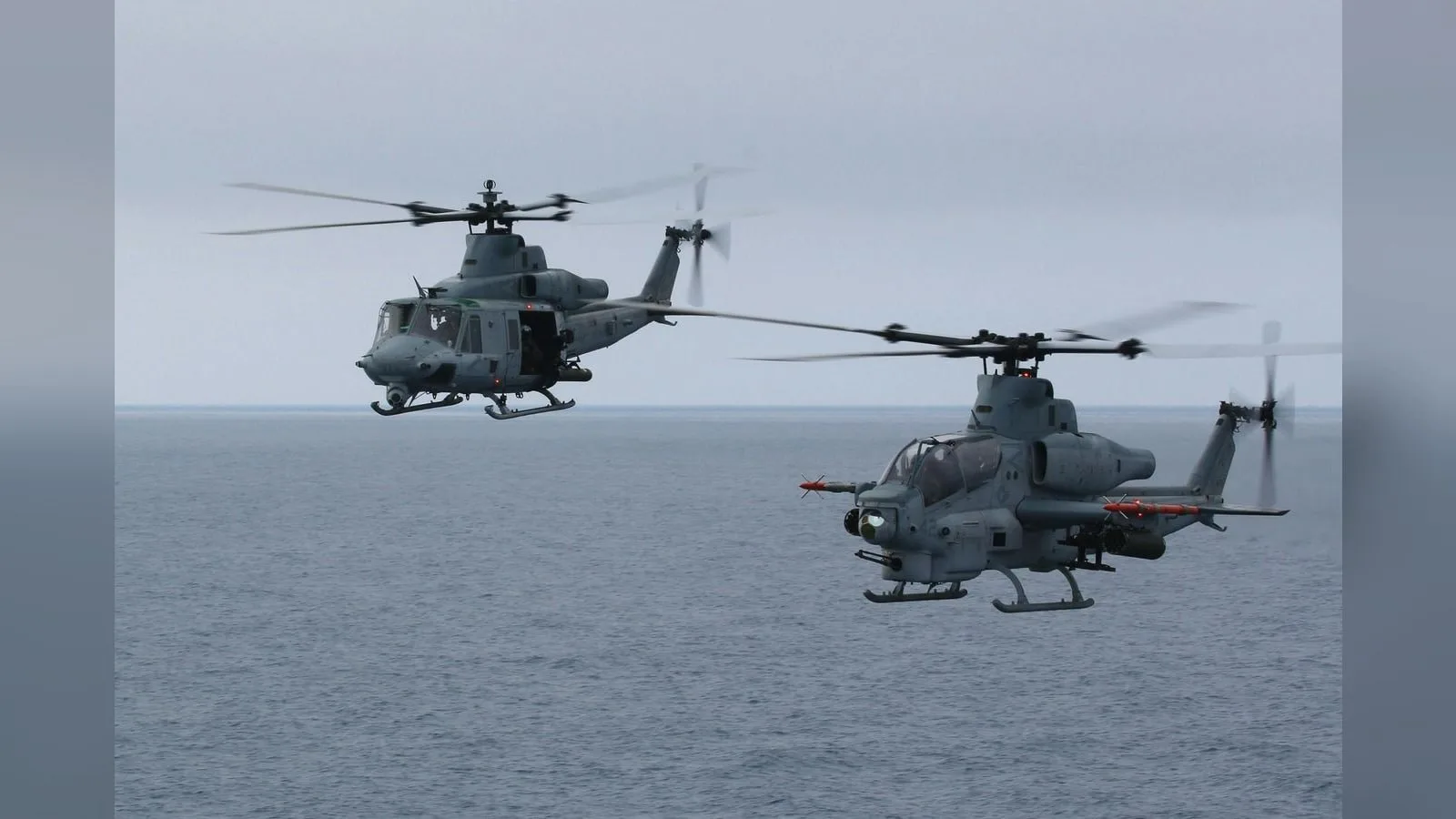
Leonardo DRS secures a three-year IDIQ vehicle from NAVAIR to begin low-rate initial production of its AN/AAQ-45 DAIRCM survivability system for aircraft. The award moves a modular missile-warning and countermeasure suite for small and…

Shield agrees to buy Echodyne, the Kirkland-based radar maker, in a deal valued at $5.3 billion. The purchase brings software-defined MESA radars, used in counter-UAS systems and for UAS detect-and-avoid, into Shield's Mission Systems…