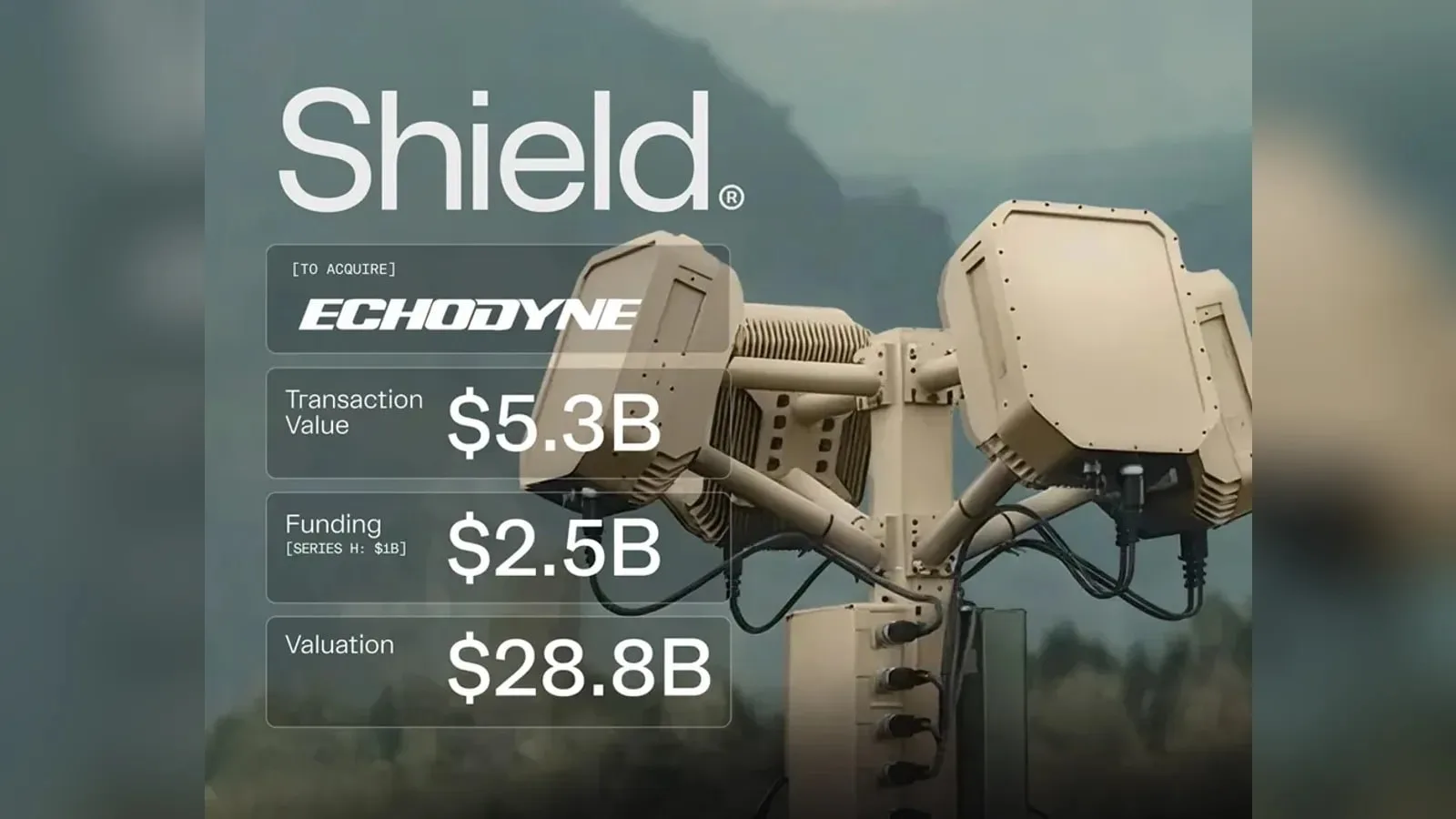
At closing Shield pays and issues $4.8 billion; a further sum of up to $500 million depends on Echodyne hitting agreed performance targets. Closing is expected in early 2027, pending regulatory approvals and customary conditions.
Shield raises $2.5 billion to fund the purchase: $1 billion from a Series H round valued at $28.8 billion post-money, $1 billion of structured equity from Blackstone-managed funds, and $500 million of debt led by JPMorgan Chase Bank.
Echodyne develops compact solid-state radars based on its patented MESA (Metamaterials Electronically Scanned Array) architecture. Customers in more than 40 countries have fielded them in hundreds of counter-drone and security systems. Integrators mount the sensors on remote weapon stations and on laser and microwave directed-energy systems, where they cue interceptors against incoming drones. Civilian users include stadium and airport operators and police and fire departments. Joint Interagency Task Force 401 awarded a contract with a $250 million ceiling in September for counter-drone radar for U.S. and allied forces.





Once the deal closes, the Echodyne team stays in place and MESA radars remain on sale as standalone products. CEO Eben Frankenberg reports to Shield CEO Gary Steele and keeps responsibility for products, manufacturing, and partner and customer engagement. Echodyne’s new 86,350-square-foot plant, a $40 million investment, can build about 30,000 radars a year.
Why it matters
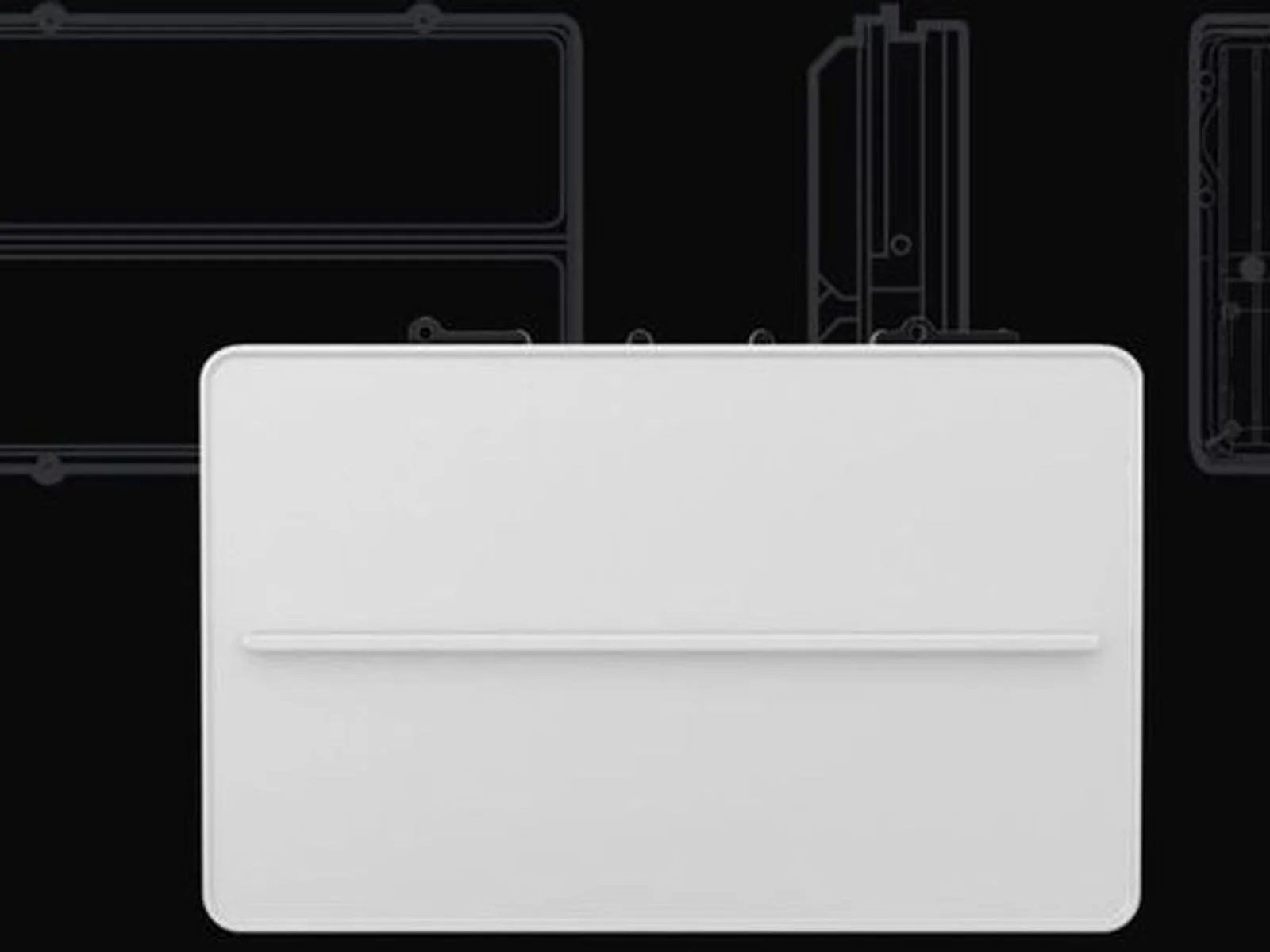
Echodyne’s range includes EchoFlight, an airborne radar for UAS detect-and-avoid, alongside the EchoGuard and EchoShield ground and vehicle radars. For buyers, the commitment to keep selling radars as standalone products matters most. Echodyne will continue to supply integrators while its new parent also builds its own autonomous systems.
Beyond radar, Shield makes Hivemind autonomy software, Aechelon simulation tools and the V-BAT and X-BAT aircraft. Shield named Washington state as the production home for X-BAT in September; Echodyne’s Kirkland plant sits in the same state. The deal also adds defense-qualified sensor capacity to a market where counter-drone demand is driving radar volumes.
Was this article useful?
Thanks for your feedback. You can change your answer at any time.
Latest news
Latest news
Companies in this article
 Avionics · 3
Products in this article
 FeaturedCollision avoidance
EchoFlight traffic-detection or avoidance system
- Grade
- Professional
- Market
- Dual-use
- Availability
- In production
 Featured
 FeaturedAltimeters
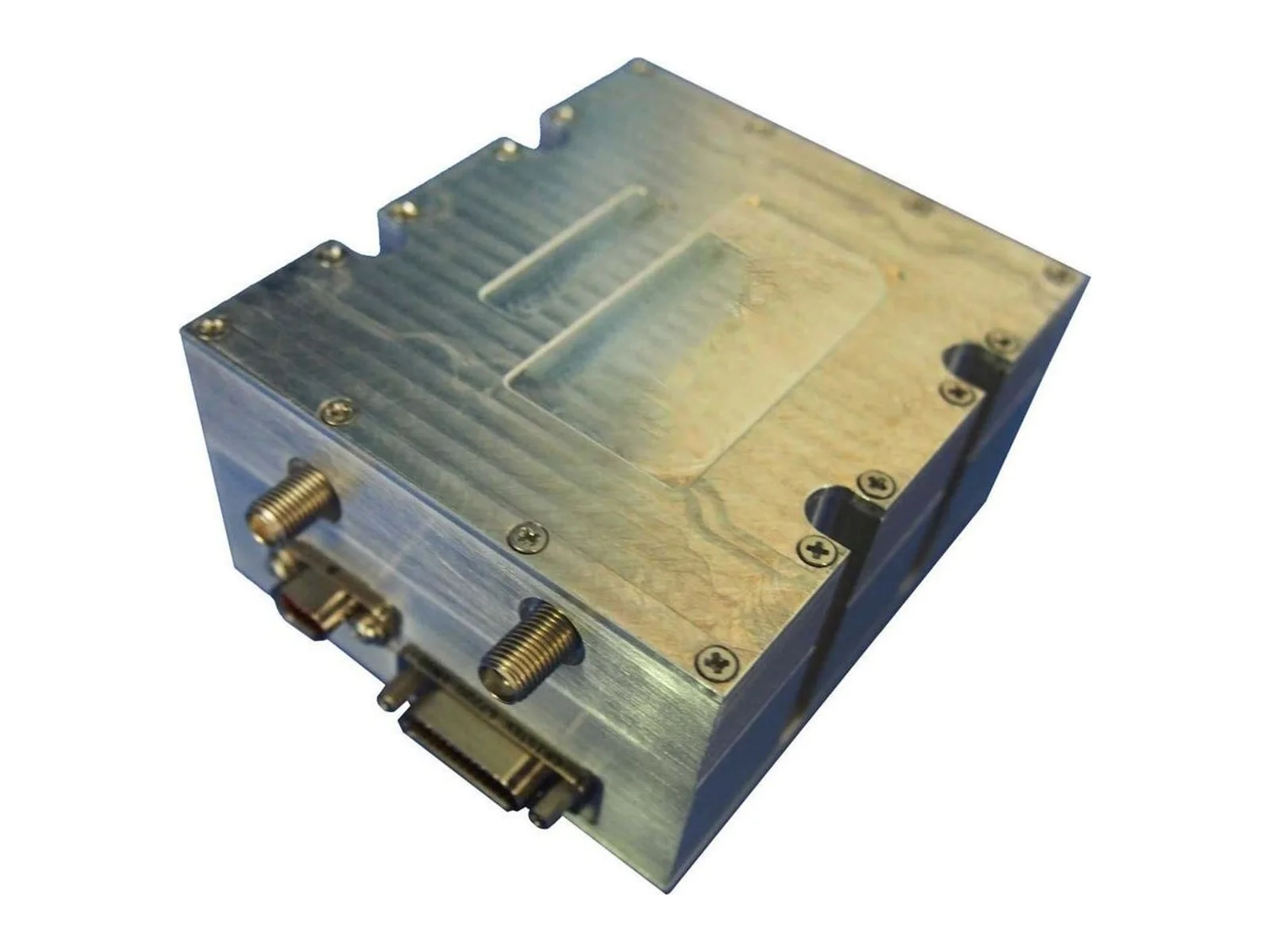
Radar altimeters for UAS altitude or distance sensor
- Sensor technology
- Radar
- Max range
- 2,438.4 m
- Update rate
- 50 Hz
Related articles
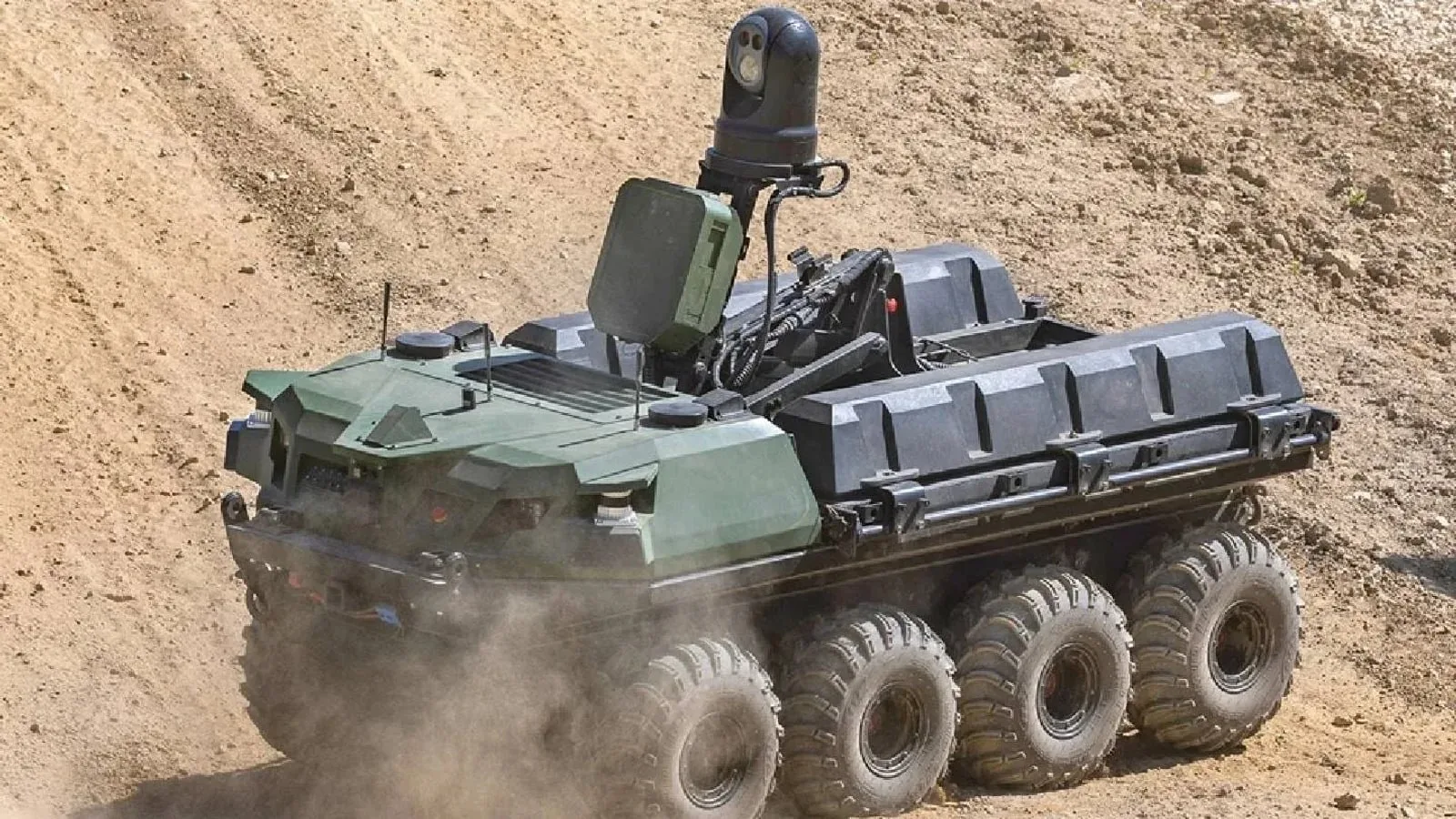
MESA radar maker Echodyne to join Shield in $5.3bn deal
Shield has agreed to buy Echodyne, the Washington-based maker of MESA radars for counter-UAS and airspace sensing, for $5.3bn. Echodyne's radars stay available as standalone products, and the deal adds production capacity for the sensor…
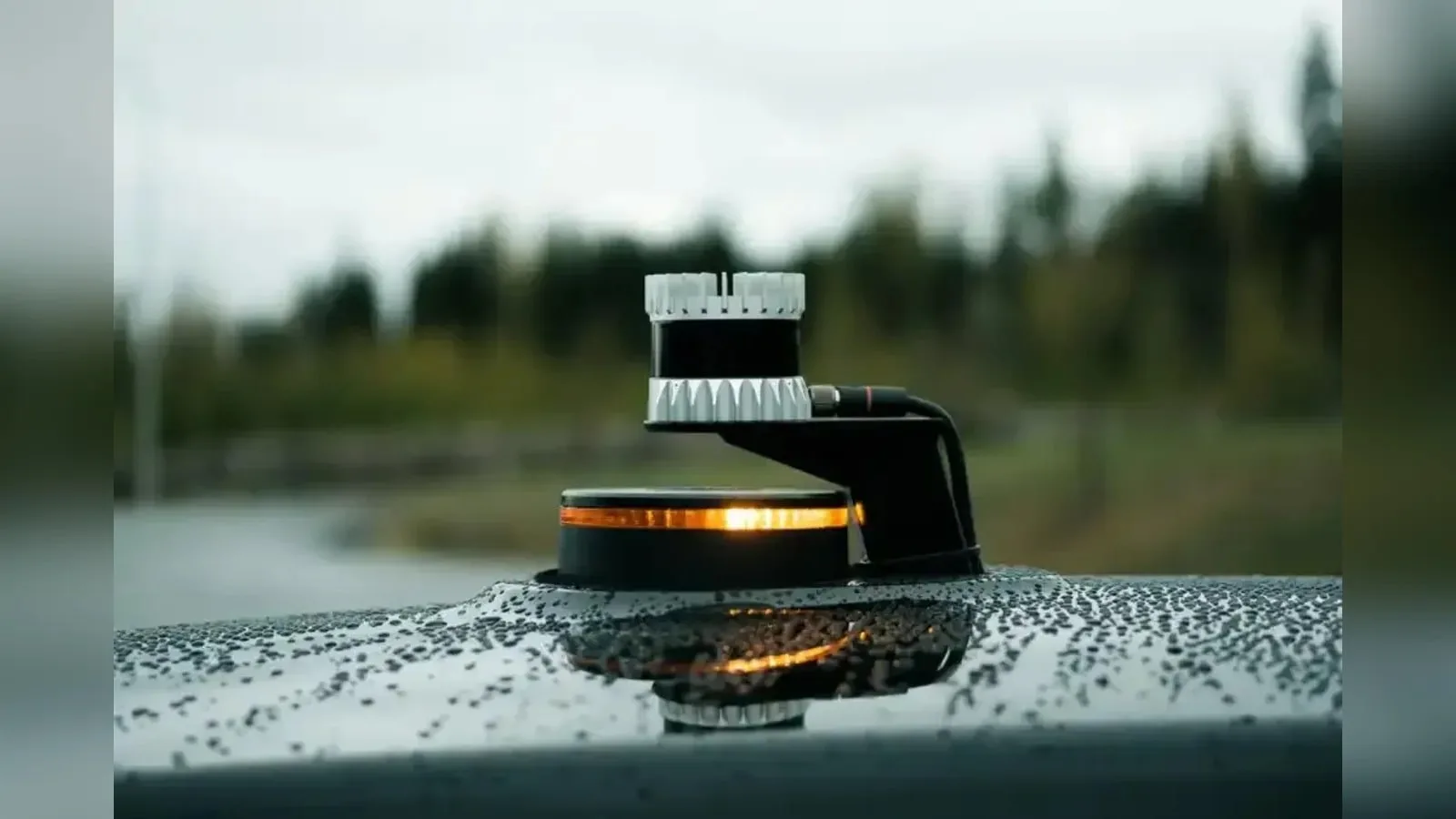
Ouster Firmware 3.2 adds on-sensor 3D zones and synced IMU
Ouster releases Firmware 3.2 for its lidar sensors, adding on-sensor 3D zone monitoring, optical window blockage detection and time-synchronized IMU data. The update shifts occupancy logic and motion compensation from the host computer to…
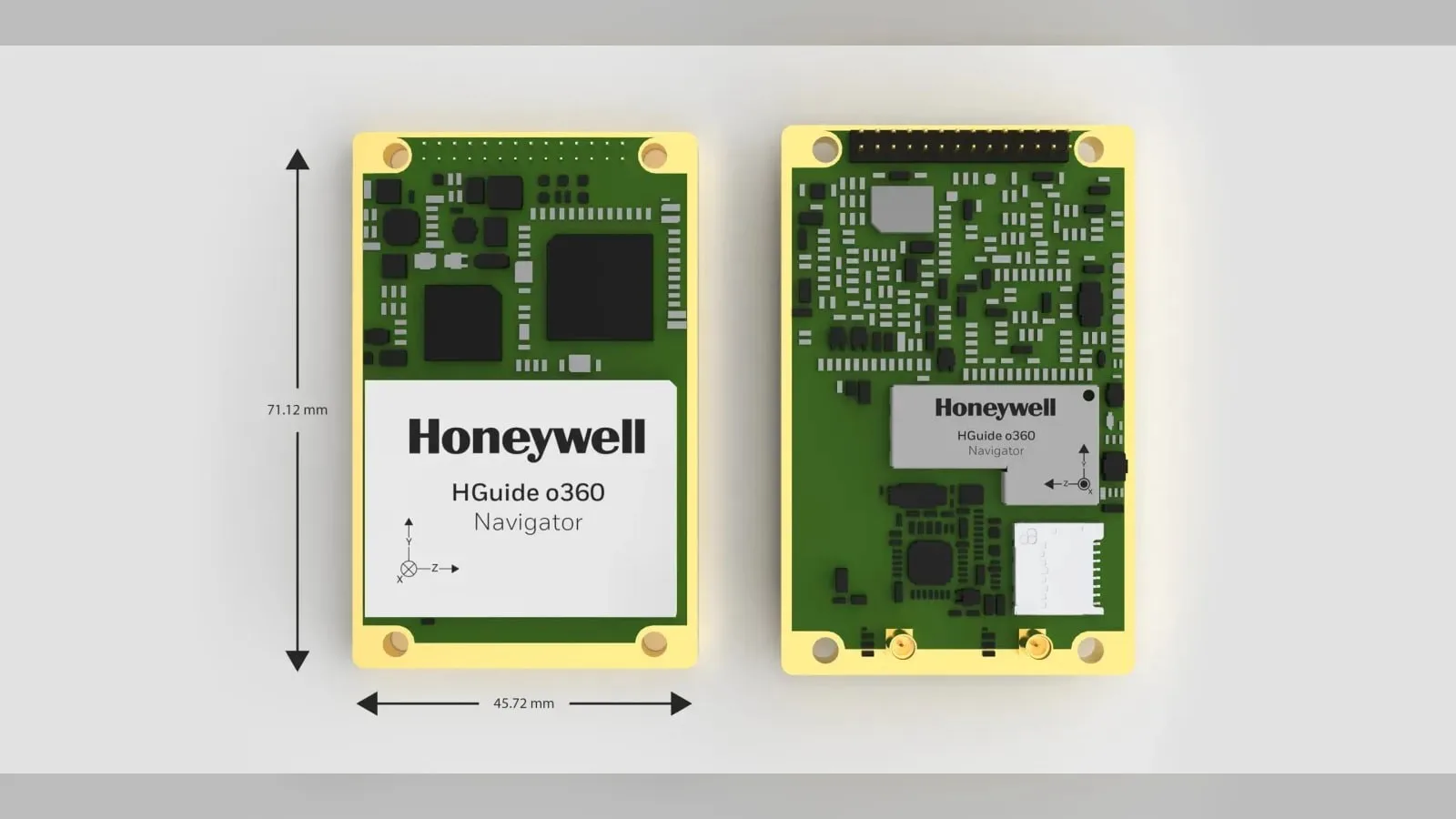
Honeywell HGuide HG4930 IMU anchors industrial nav line
Honeywell Aerospace marks five years of its HGuide Industrial Navigation group, which adapts inertial navigation technology from the company's defense and aerospace lines for industrial platforms. MEMS inertial measurement units such as…
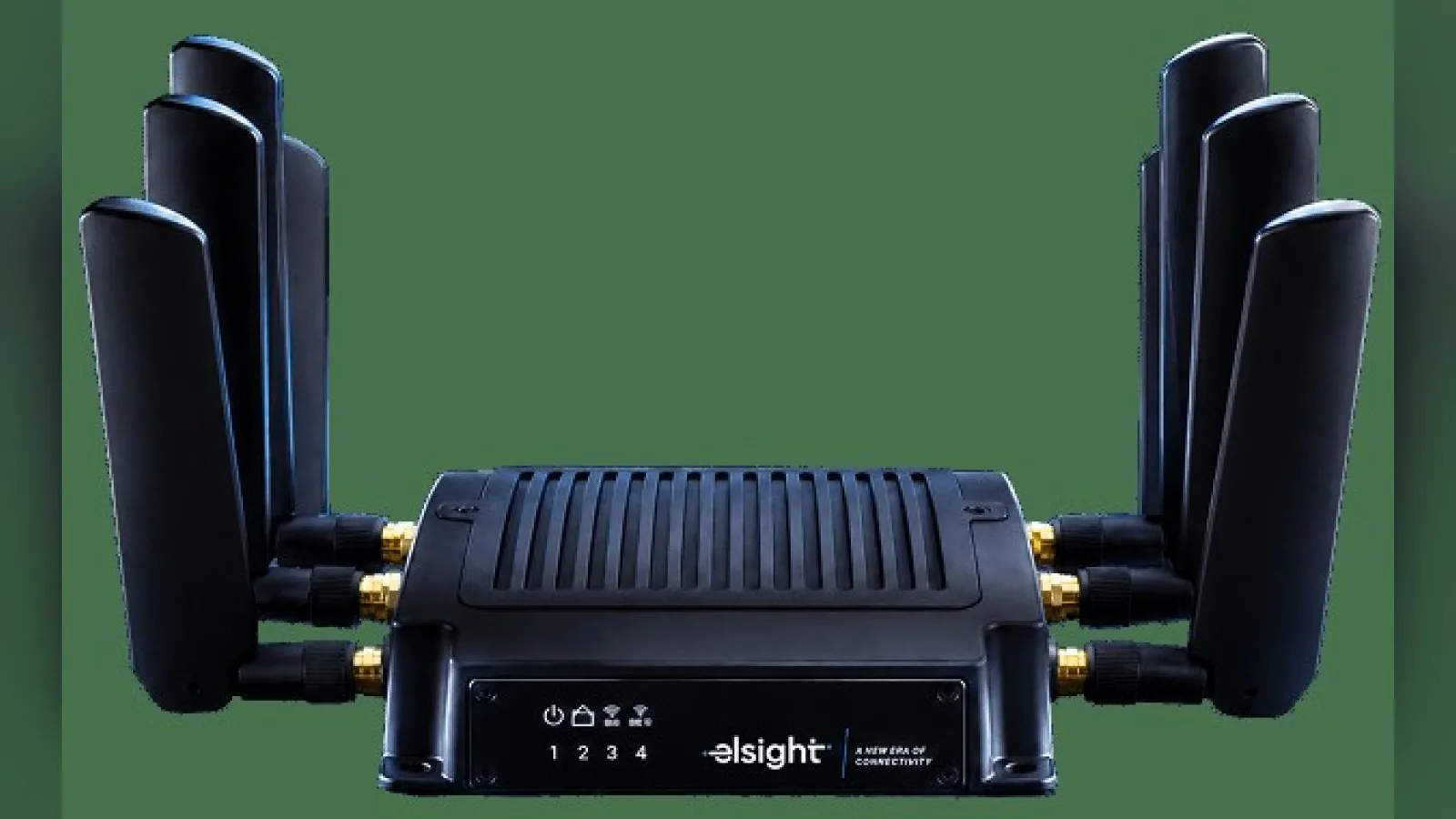
Elsight adds cellular-based positioning to its Halo unit
Elsight has added a Positioning capability to its Halo unit that fixes the location of uncrewed systems from cellular network measurements when GPS is jammed, degraded or spoofed. The company unveils it at AUSA 2026 as a software unlock…