Unverified
RMCU Railway Motion Control Unit
Also known as: Inertial Labs (VIAVI) RMCU
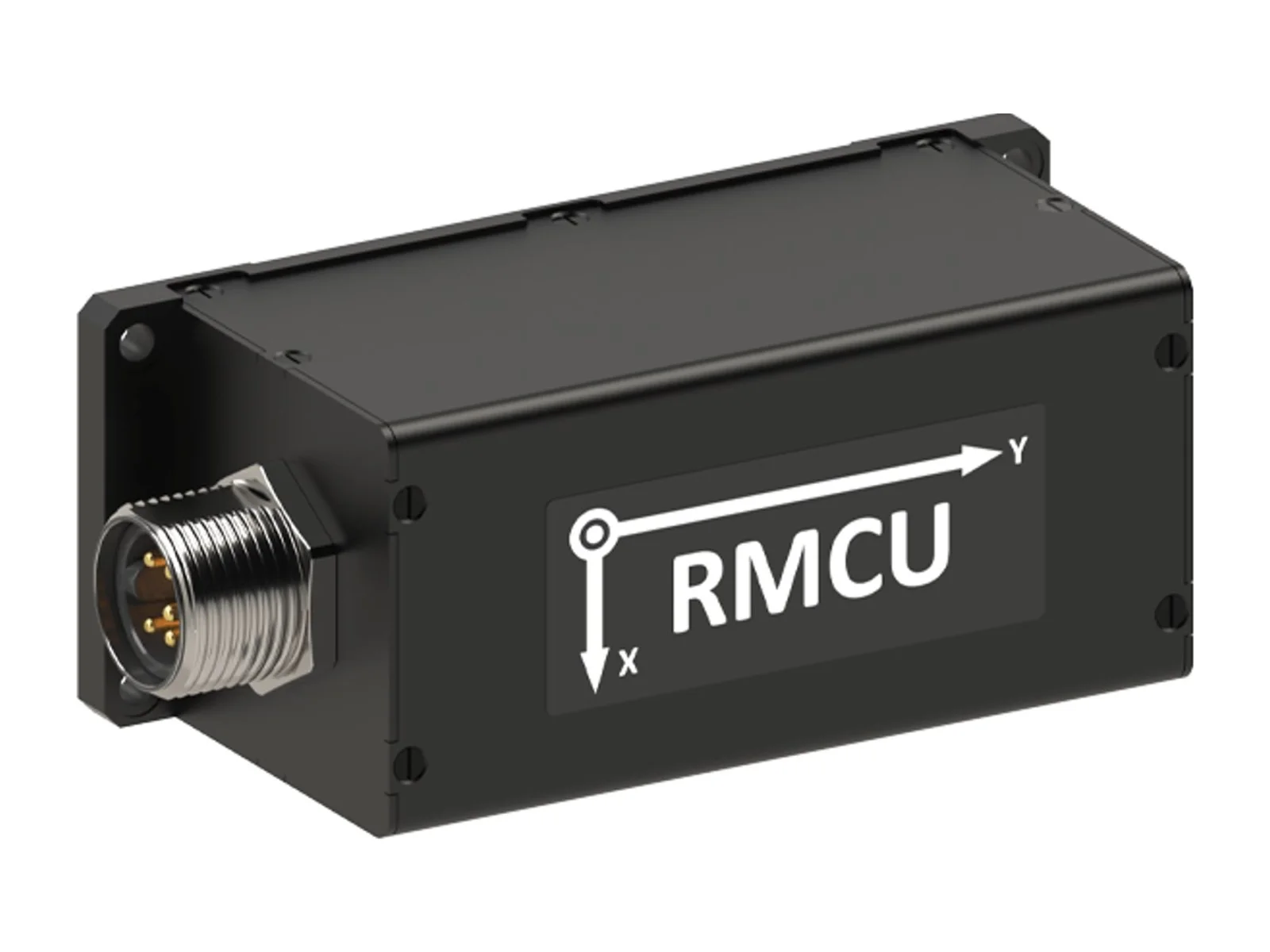
The RMCU is a high-performance strapdown IMU designed for railway platforms to determine absolute orientation and motion parameters. It features a 120 g mass and an update rate of 1 to 2000 Hz.
Description
The RMCU Railway Motion Control Unit, by Inertial Labs, is a high-performance strapdown IMU for heavy-duty motion sensing and navigation. This system is engineered to determine absolute orientation, including heading, pitch, and roll, alongside angular rates and linear accelerations for diverse railway platforms. It provides reliable data in both static and dynamic conditions, ensuring precise motion tracking for automated and monitoring applications.
The unit utilizes three 3-axis MEMS gyroscopes, precision MEMS accelerometers, and miniature fluxgate magnetometers. The integration of gyroscope outputs enables high-frequency, real-time measurement of rotation about all three axes. Simultaneously, the accelerometers and magnetometers provide ongoing corrections to the gyroscopes, ensuring accuracy during initial alignment and continuous operation. The system supports an update rate of 1 to 2000 Hz, facilitating integration with high-speed optical cameras and control systems.
Designed for industrial integration, the RMCU features a compact form factor measuring 129.4 × 53.2 × 49.3 mm and a mass of 120 g. It is built to withstand demanding environments, adhering to EN 50155 standards for temperature, humidity, shock, and vibration. The device is also compliant with EN 45545 for fire and heat protection, and EN 55011 for electromagnetic compatibility, ensuring it does not interfere with other sensitive instruments within the specified frequency range.
Typical applications include railway crack monitoring, where the unit outputs accurate attitude data to help control systems identify structural propagation. It is also used to create robust navigation platforms for automated rail industry solutions. Inertial Labs provides comprehensive support for integration, including drivers and tools for ROS, LabVIEW, and Waypoint products, as well as a software development kit for custom implementations.
RMCU specifications
| General | |
|---|---|
| Grade | Professional[1][2][3] |
| Market | Civil[1][2][3] |
| Platform class | Ground[1][2][3] |
| Airframe | Any[1][2][3] |
| Availability | In production[1][2][3] |
| Mass | 120 g[1][2][3] |
| Dimensions (L × W × H, mm) | 129.4 × 53.2 × 49.3[1][2][3] |
| Operating temperature | -40 – 75 °C[1][2][3] |
| Waterproofness (IP rating) | IP67[1][2][3] |
| Key specifications | |
| Sensor technology | MEMS[1][2][3] |
| Output rate | 2,000 Hz[1][2][3] |
| Additional specifications | |
| Accelerometer range | 40 g[3] |
| Integrated GNSS | No[1][2][3] |
| Heading accuracy | 0.3 °[1][2][3] |
| Power consumption (typical) | 0.5 W[1][2][3] |
| Supply voltage | 3.3 – 7 V[1][2][3] |
| Physical interfaces | RS-485, Ethernet[1][2][3] |
| Protocols | NMEA 0183, Proprietary[1][2][3] |
| Certifications and compliance | |
| Certifications | EN 45545 · EN 50155 · EN 55011 |
Sources
- inertiallabs.com/products/rmcu-railway-motion-control-units · checked November 17, 2026
- inertiallabs.com/inertial-labs-inc/technical-support · checked November 17, 2026
- inertiallabs.com/wp-content/uploads/2023/03/RMCU_Datasheet_rev1.9_Oct_2021.pdf · checked November 22, 2026
Frequently asked questions
What is the maximum output data rate of the RMCU?
The RMCU has a maximum output data rate of 4 kHz.
What are the static and dynamic heading accuracy specifications for the RMCU?
The RMCU provides a heading accuracy of 0.3º in static conditions and 0.6º in dynamic conditions.
Which railway standards does the RMCU comply with?
The RMCU complies with EN 45545, EN 50155, and EN 50011 standards.
What software platforms are supported for integration with the RMCU?
Inertial Labs provides drivers and tools for integration with ROS, LabVIEW, and Waypoint products.
Reviews & Ratings
– / 5
No reviews yet. Be the first to rate.
Rate this product
Almost done: send the form below to publish your rating.
Thank you: your review is published and already counts in the rating.
Demo mode: the form is not connected yet and nothing was sent.








Similar IMUs from other manufacturers
 FeaturedIMUs
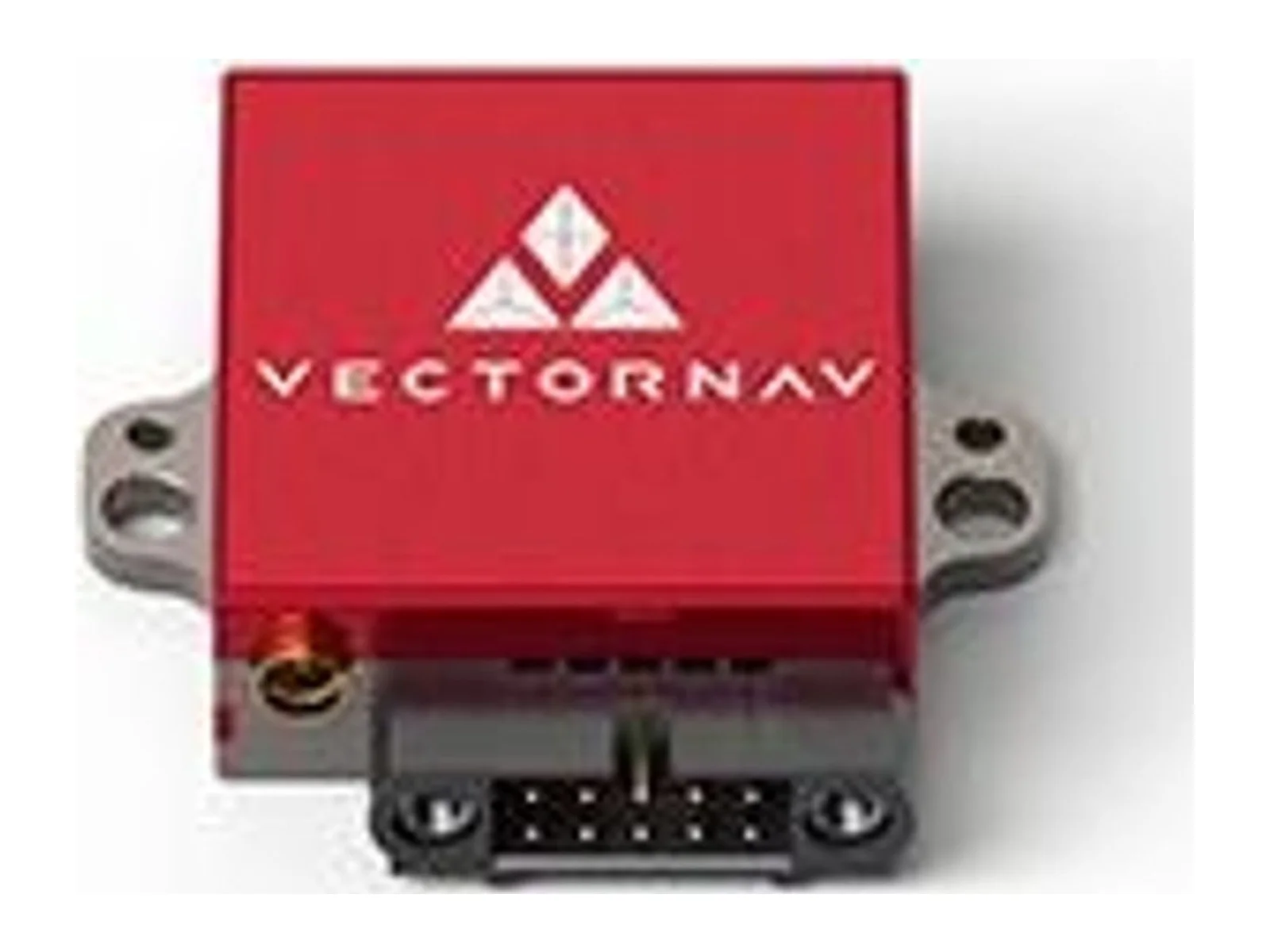
VN-200 Rugged GNSS-aided inertial navigation sensor
- Gyro bias instability
- 5 °/h
- Accelerometer bias instability
- 40 µg
- Angle random walk
- 0.21 °/√h
 FeaturedIMUs
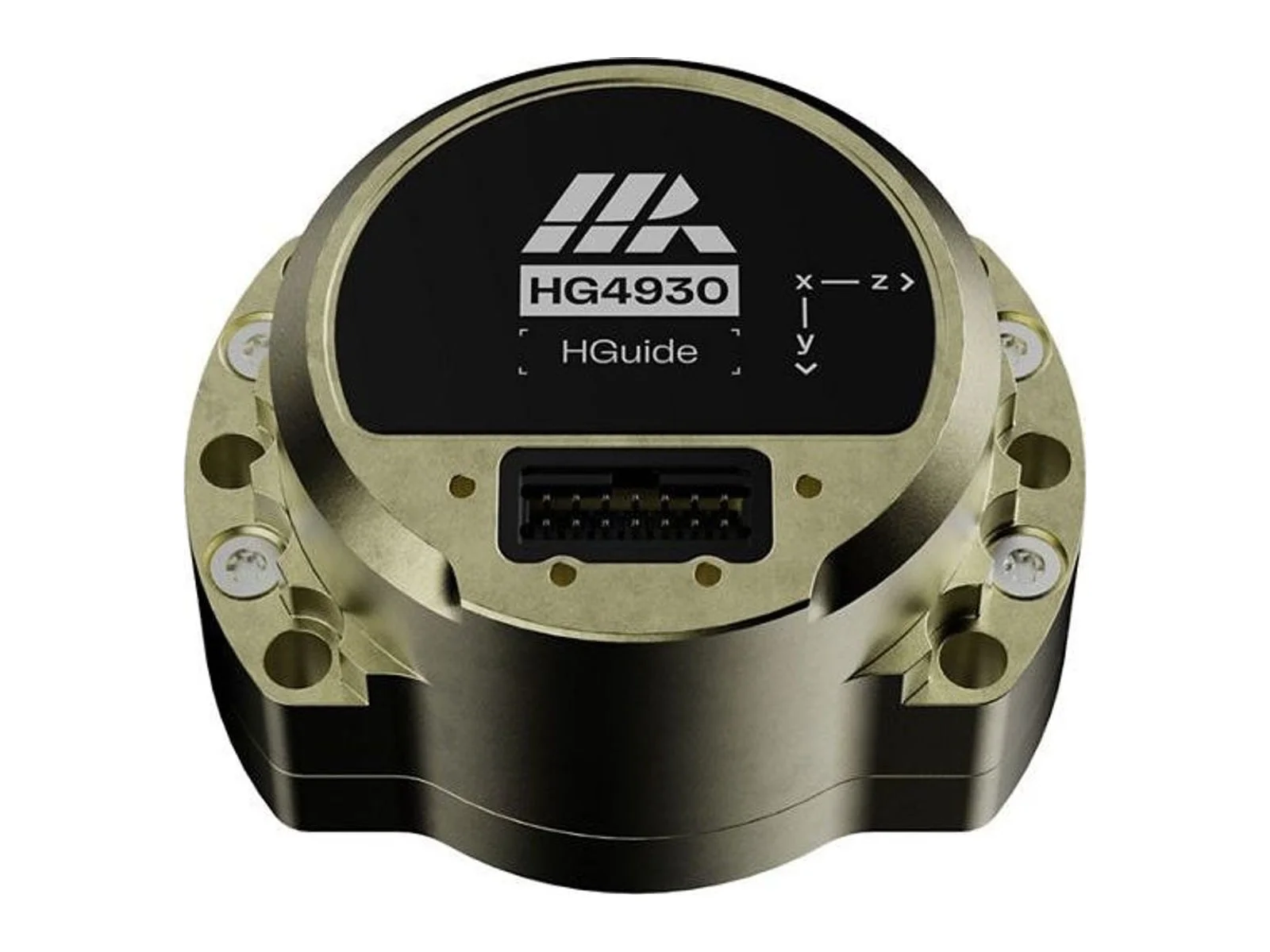
HG4930 inertial sensing unit
- Gyro bias instability
- 0.25 °/h
- Accelerometer bias instability
- 25 µg
- Angle random walk
- 0.04 °/√h
 FeaturedIMUs
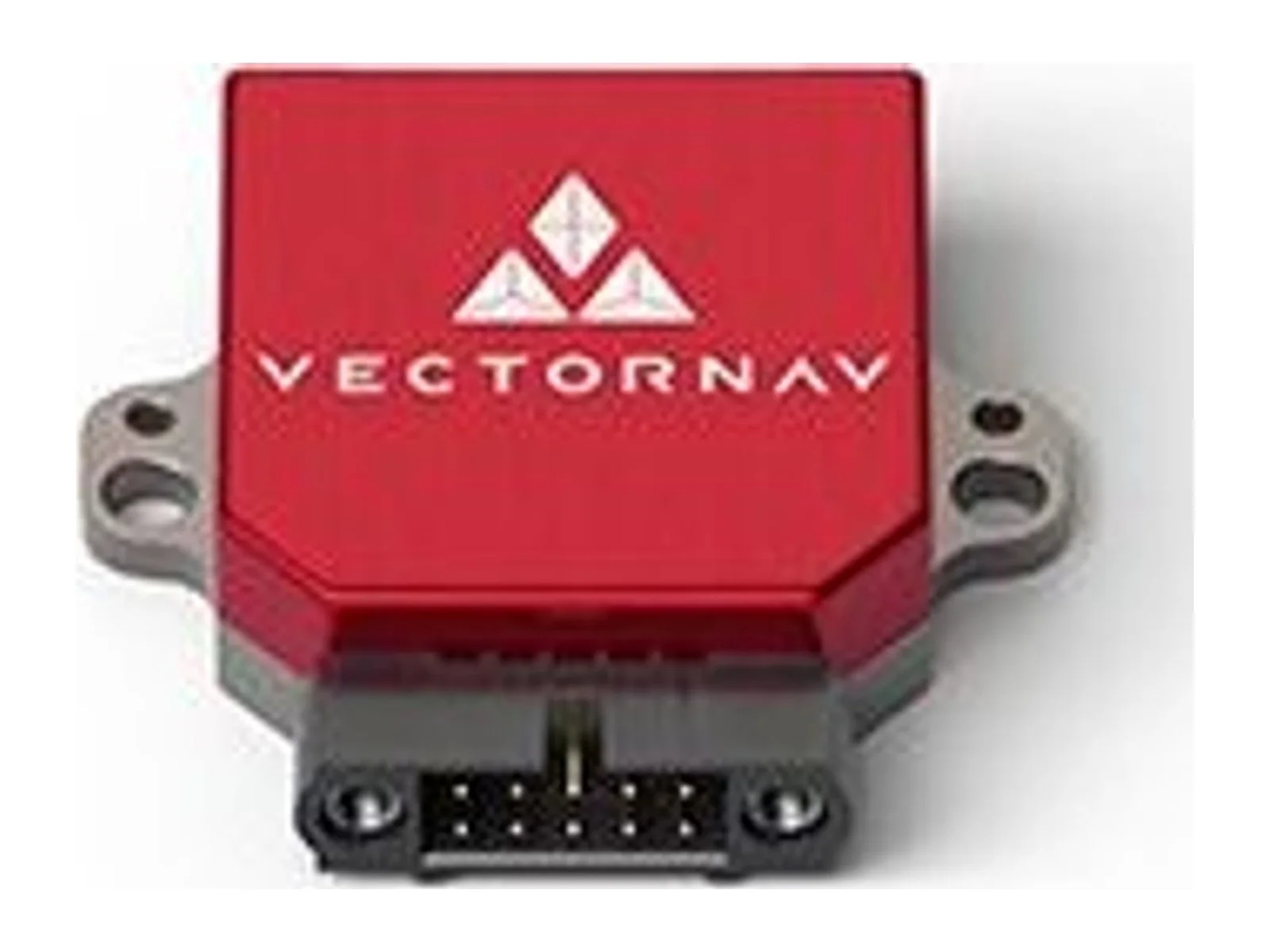
VN-100 Rugged inertial measurement and attitude sensor
- Gyro bias instability
- 5 °/h
- Accelerometer bias instability
- 40 µg
- Angle random walk
- 0.21 °/√h
 FeaturedIMUs
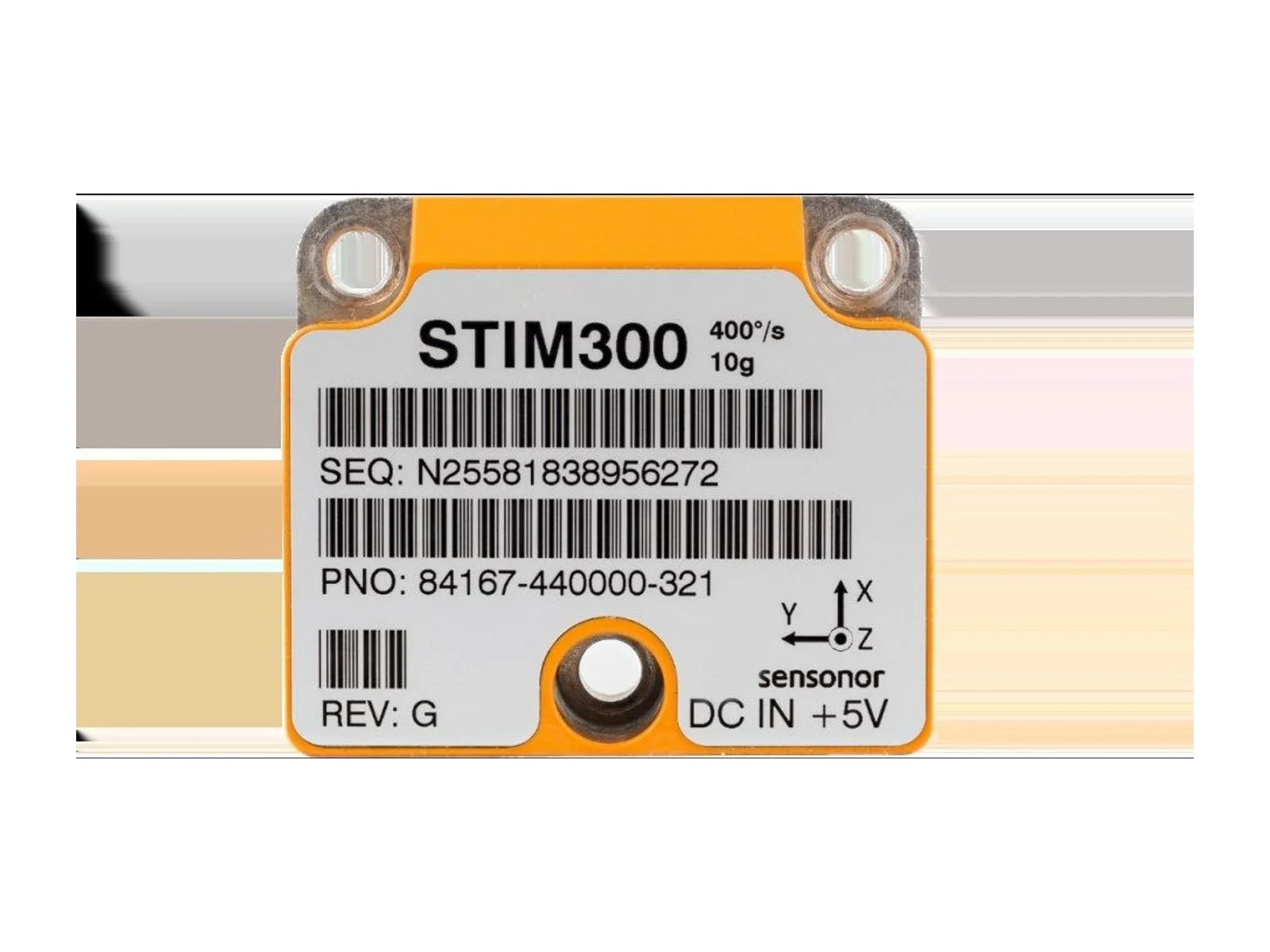
STIM300 inertial sensing unit
- Gyro bias instability
- 0.3 °/h
- Accelerometer bias instability
- 40 µg
- Angle random walk
- 0.15 °/√h
 FeaturedIMUs
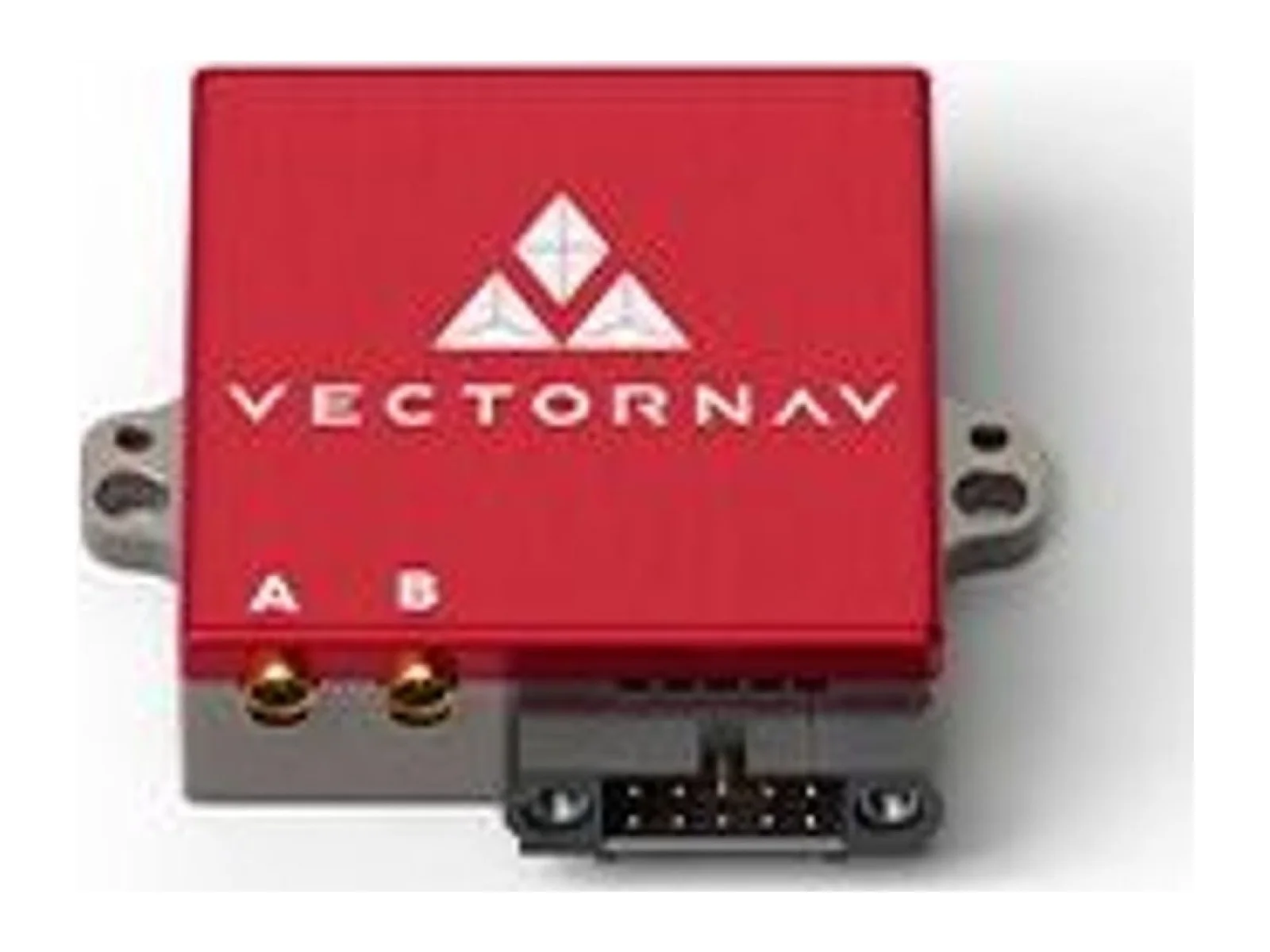
VN-300 Rugged dual-antenna GNSS inertial navigation sensor
- Gyro bias instability
- 5 °/h
- Accelerometer bias instability
- 40 µg
- Angle random walk
- 0.21 °/√h
 FeaturedIMUs
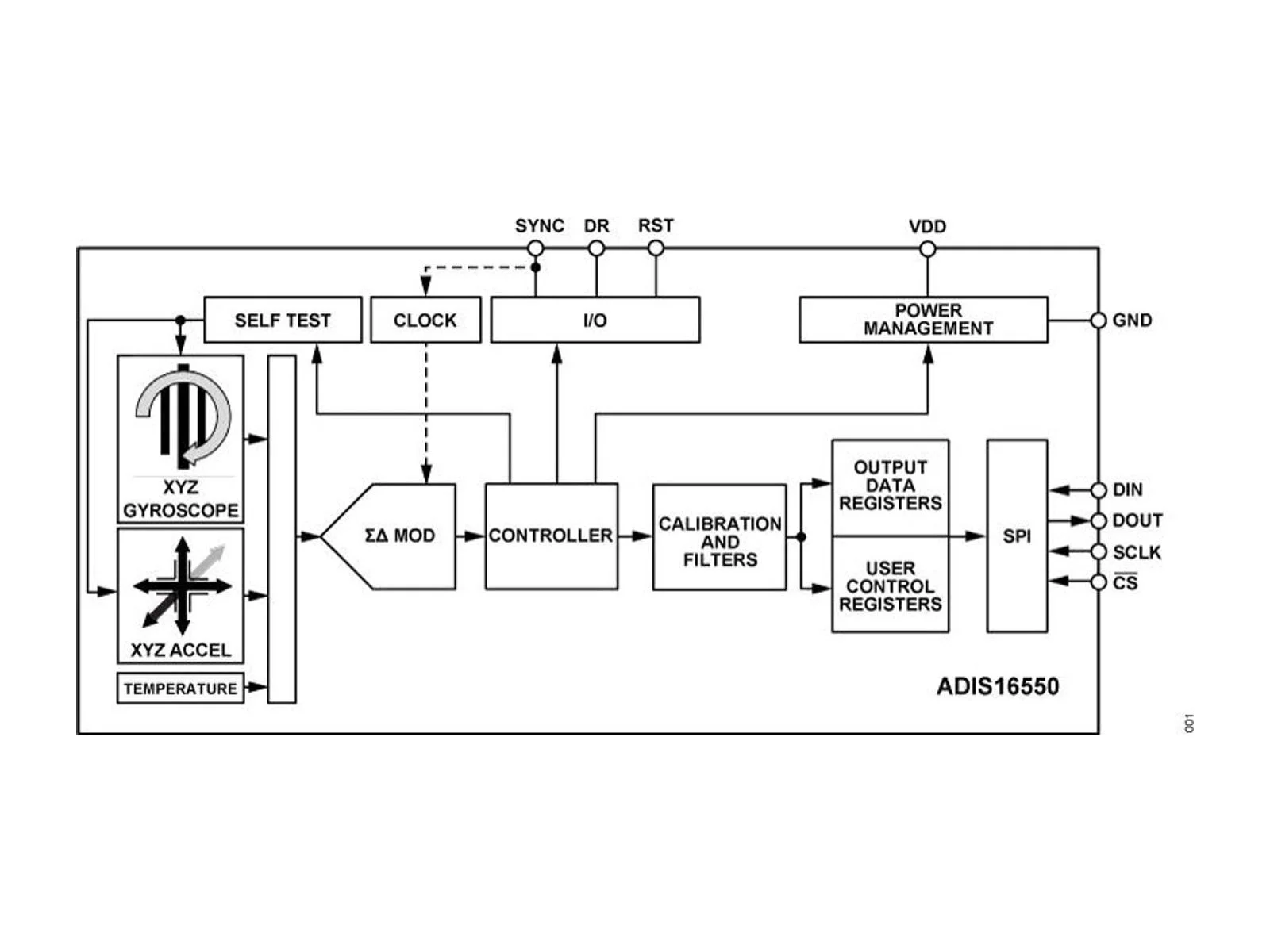
ADIS16550 inertial sensing unit
- Gyro bias instability
- 1 °/h
- Accelerometer bias instability
- 9 µg
- Angle random walk
- 0.13 °/√h
More from Inertial Labs (VIAVI)
 FeaturedIMUs
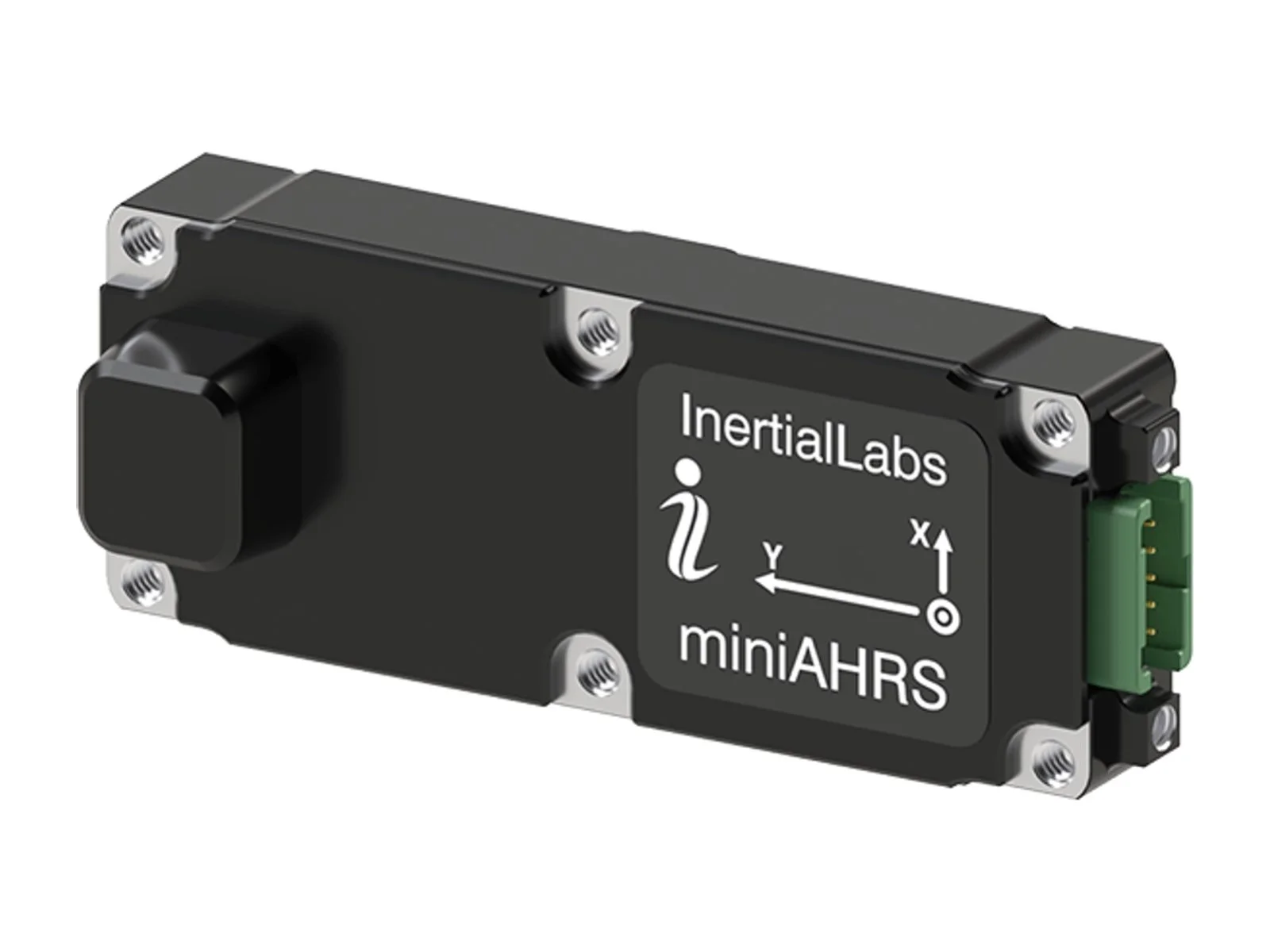
miniAHRS miniature attitude and heading reference system
- Gyro bias instability
- 2 °/h
- Accelerometer bias instability
- 10 µg
- Angle random walk
- 0.38 °/√h
 FeaturedIMUs
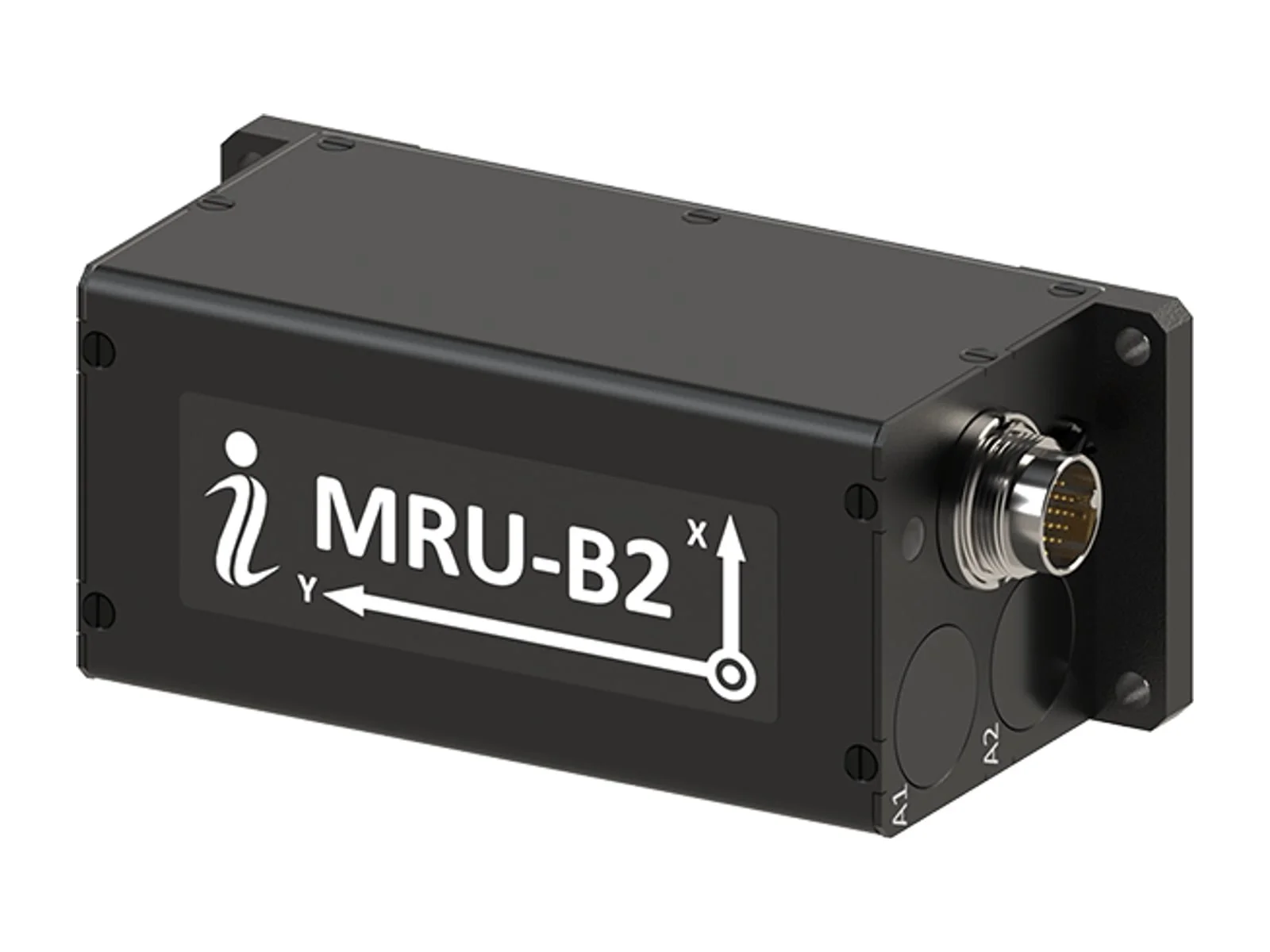
MRU-B2 motion reference unit
- Gyro bias instability
- 1 °/h
- Accelerometer bias instability
- 5 µg
- Angle random walk
- 0.24 °/√h
 FeaturedIMUs
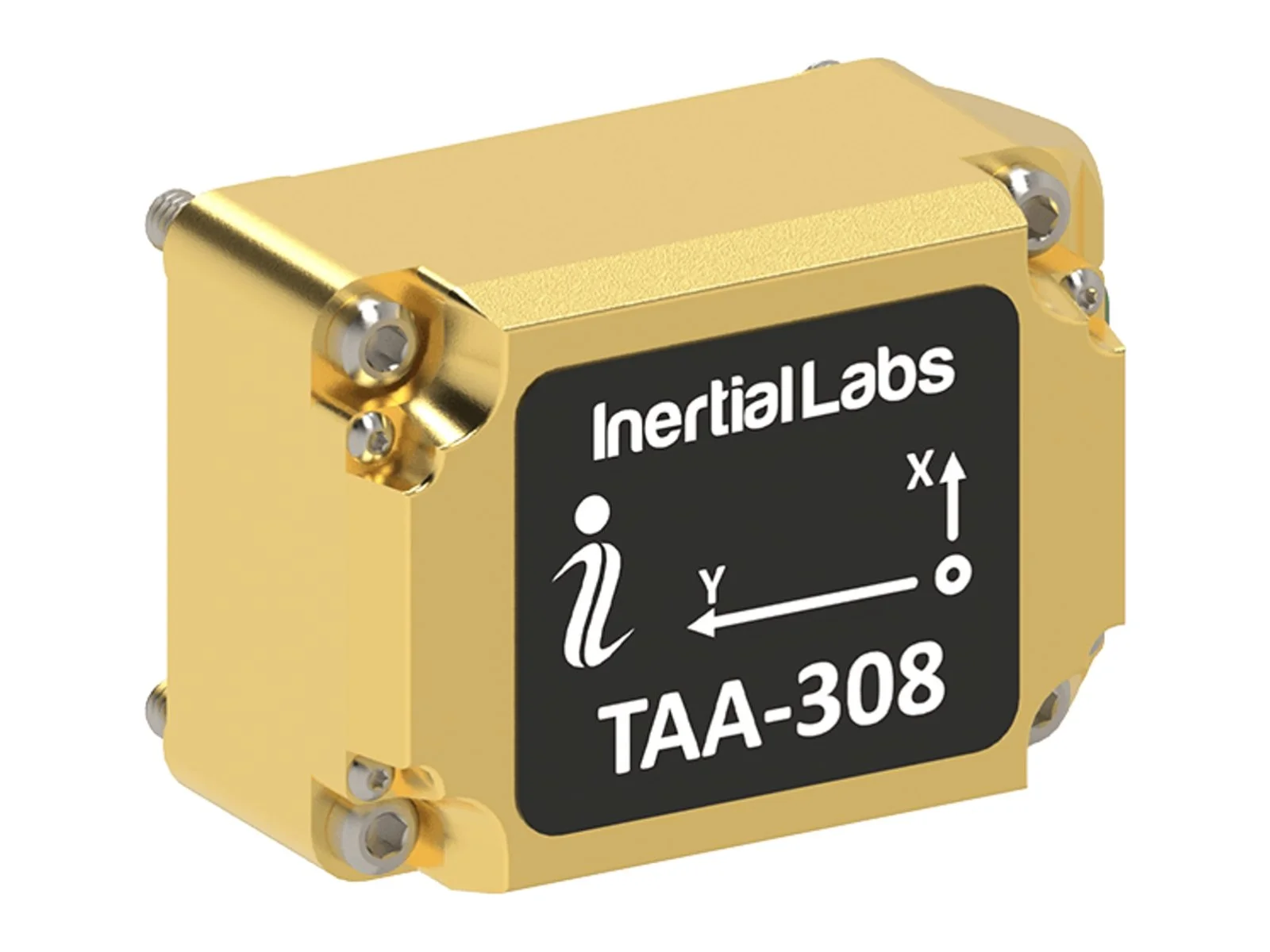
TAA-308 three-axis MEMS accelerometer
- Accelerometer bias instability
- 5 µg
- Sensor technology
- MEMS
- Output rate
- 4,000 Hz
 FeaturedIMUs
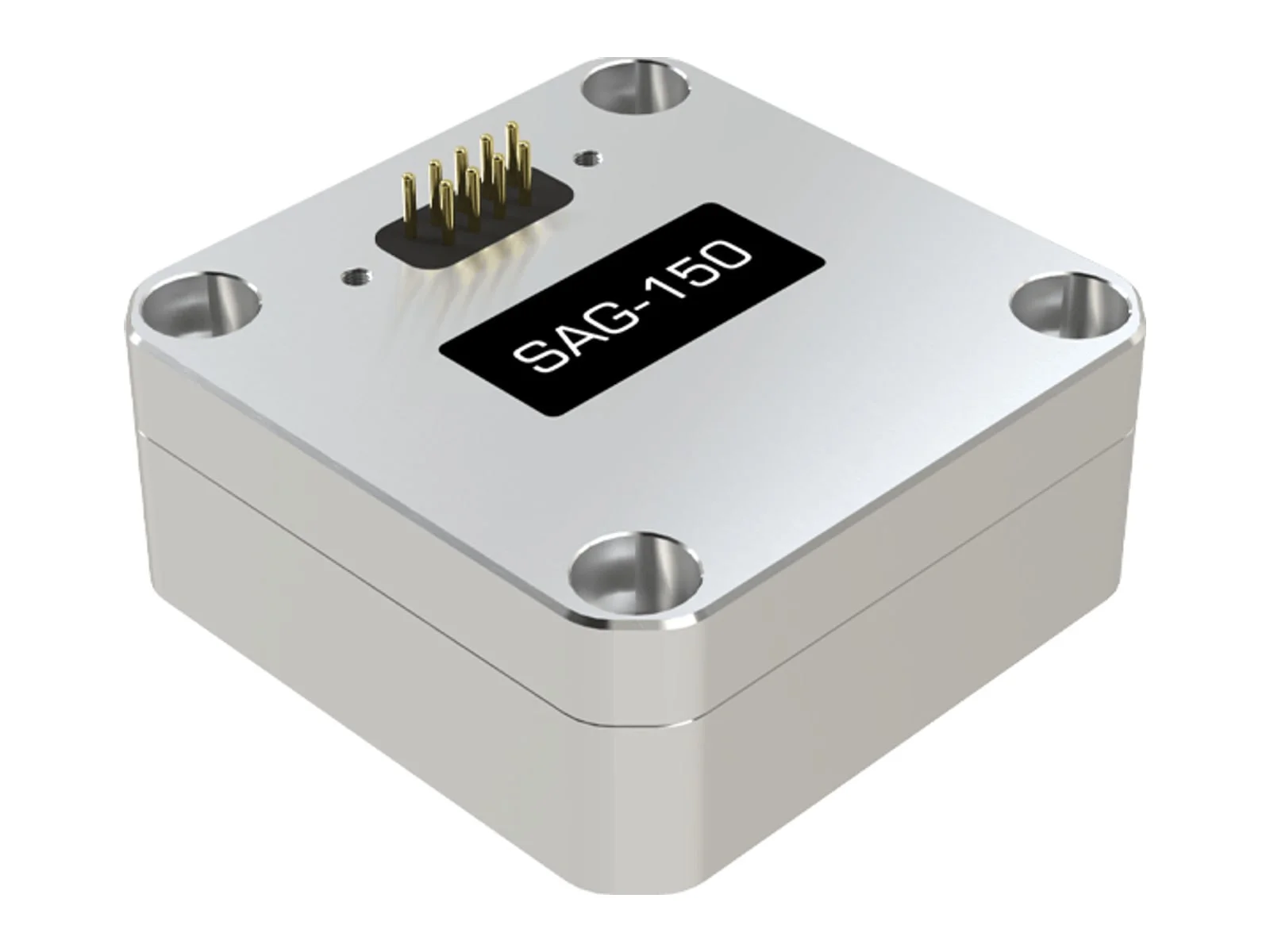
SAG-150 single-axis FOG gyroscope
- Gyro bias instability
- 0.02 °/h
- Angle random walk
- 0.03 °/√h
- Sensor technology
- RLG
Key terms
- Allan variance
Allan variance is a time-domain statistic of the difference between consecutive averages of a signal; plotted against averaging time, it separates the noise types of gyroscopes, accelerometers and oscillators.
- angle random walk
Angle random walk (ARW) is the growth of angle error in a gyroscope caused by white noise on its rate output, specified in degrees per root hour or degrees per root second.
- bias instability
Bias instability is the slowest, flicker-like drift of a gyroscope or accelerometer bias during operation at constant conditions, and sets the best accuracy with which that bias can be estimated.
- DO-160
DO-160 is the RTCA standard (EUROCAE ED-14) that defines environmental test conditions and procedures for airborne equipment, covering temperature, altitude, vibration, humidity, EMI and lightning among other sections.
Related news
Inertial Labs INS-P fluxgate-aided INS for GNSS-denied UAS
Inertial Labs, a VIAVI Solutions company, presents its INS-P GPS-aided inertial navigation system for UAS that must hold a heading when satellite signals drop out. The single-antenna unit pairs a tactical-grade MEMS IMU with a…
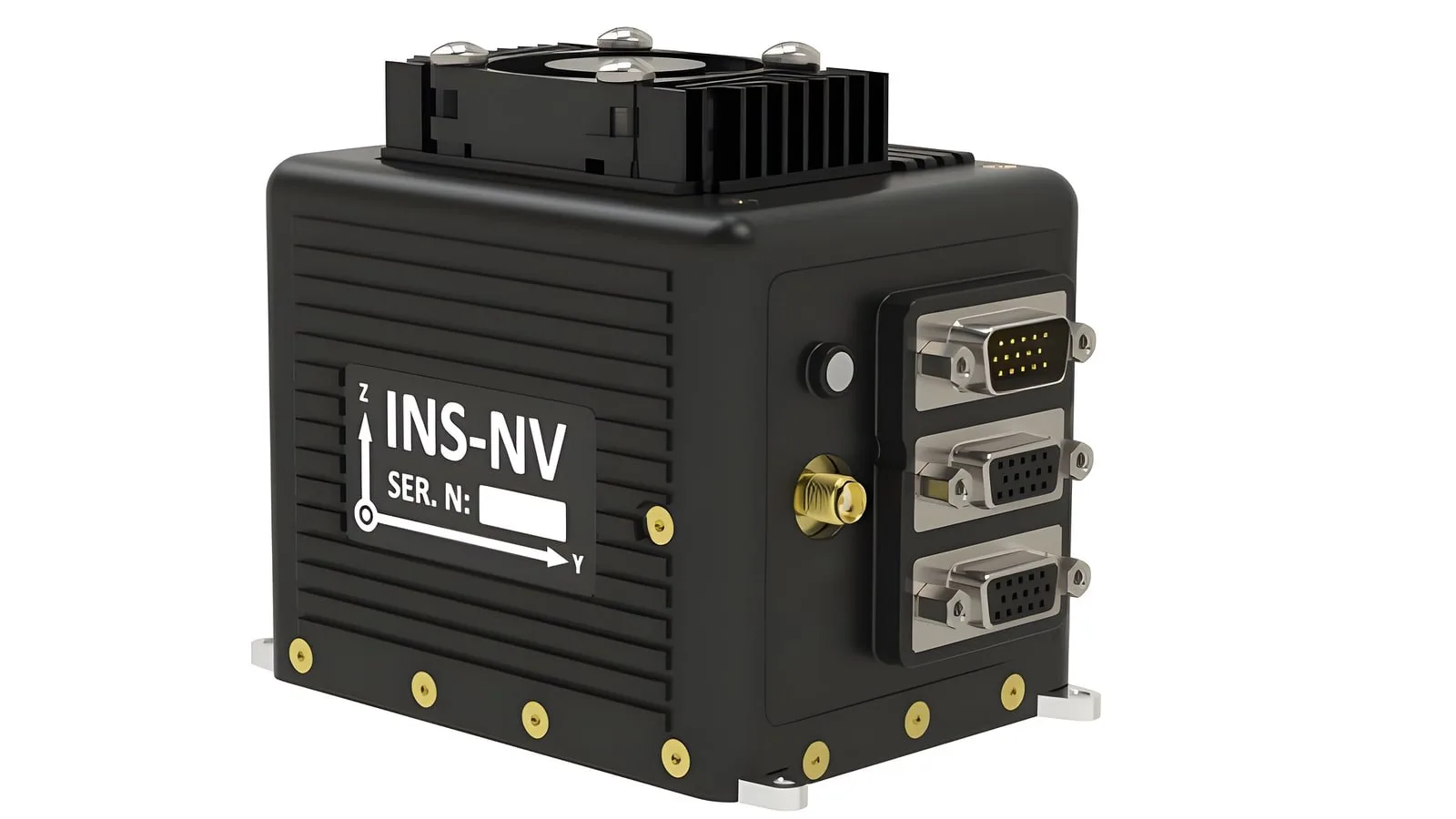
Inertial Labs INS-NV pairs INS with Jetson for Alt-PNT
The INS-NV is a new programmable platform from Inertial Labs, which belongs to VIAVI, and it pairs an NVIDIA Jetson Orin NX module with an inertial navigation system and an AHRS. Developers of alternative PNT and visual navigation systems…
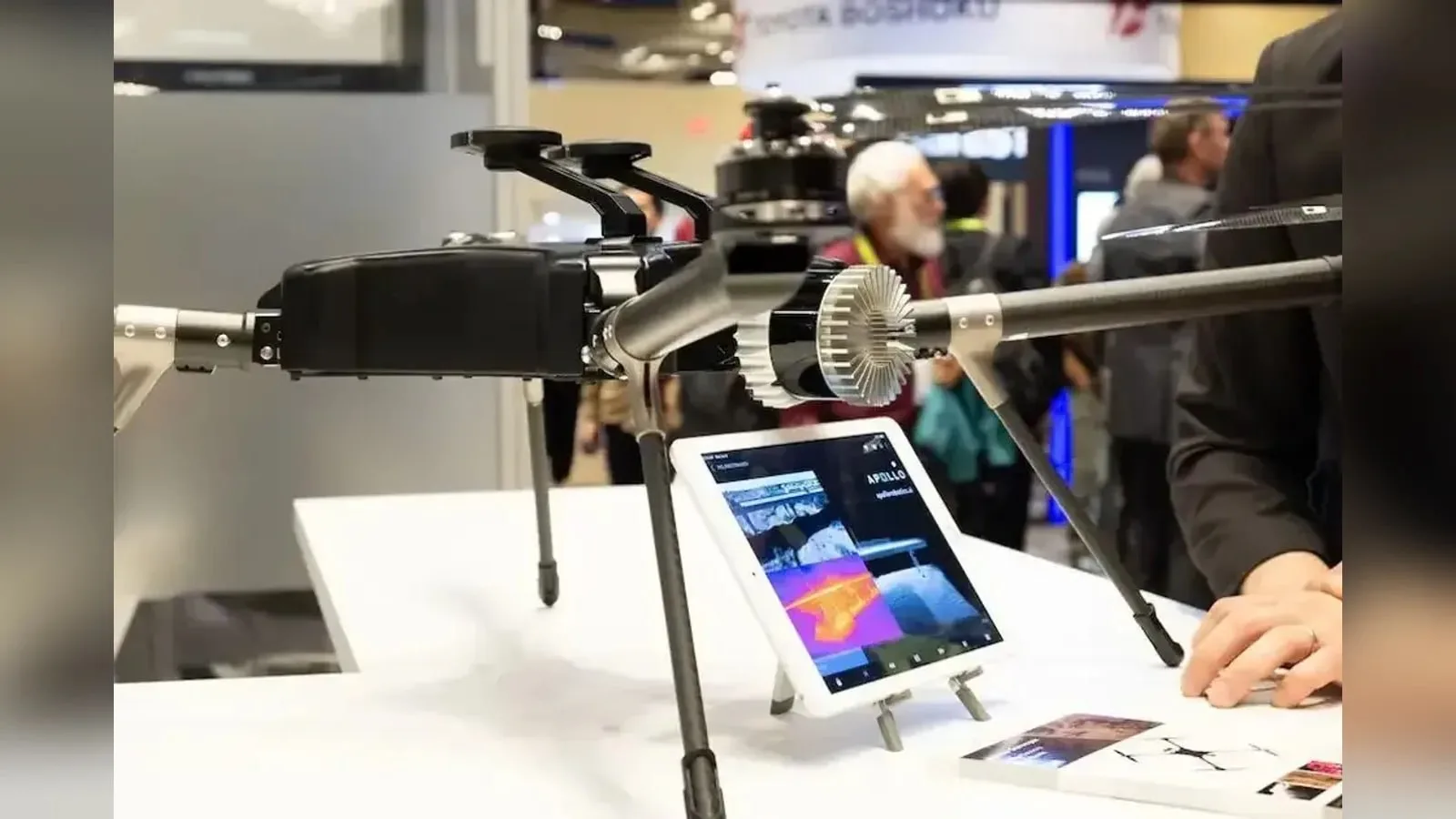
Apollo Robotics Surveyor UAV uses Ouster OS1-64 lidar
Apollo Robotics builds its Surveyor survey UAV around Ouster's OS1-64 lidar and starts bringing the aircraft to market against $3 million in pre-order reservations. Lidar feature matching handles localization onboard, so the platform…
This product listing is maintained by our editorial team and may contain errors. Last updated .