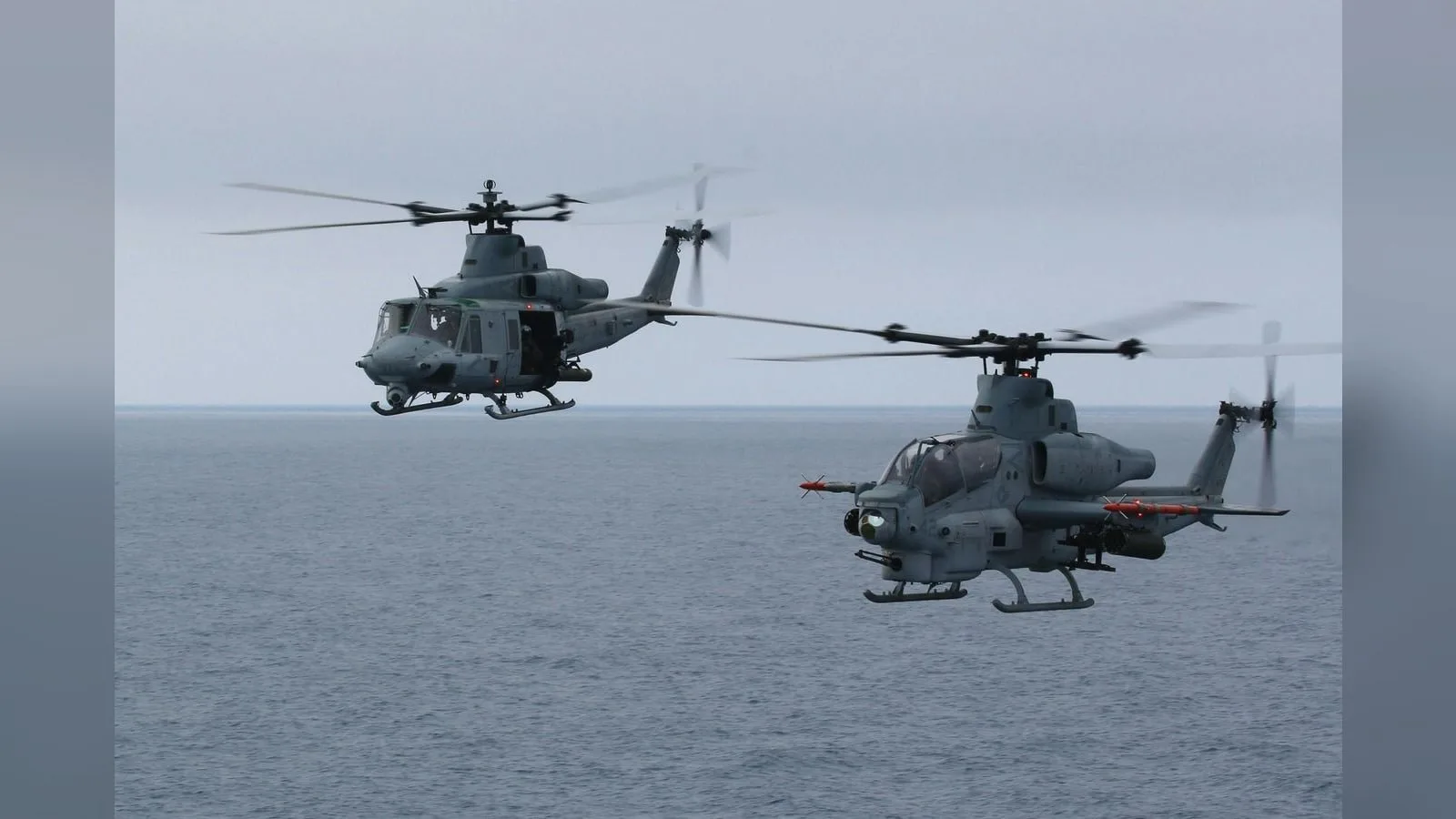
The AN/AAQ-45, expanded as Distributed Aperture Infrared Countermeasure (DAIRCM), is the subject of the NAVAIR award, which runs for three years. The system is built for small and medium-sized aircraft with tight size, weight and integration limits. Its functions are laser warning, hostile-fire indication, missile warning and directed infrared countermeasures, housed in a modular architecture. Expendable countermeasures are part of the package, supporting the defeat of missiles with infrared guidance.
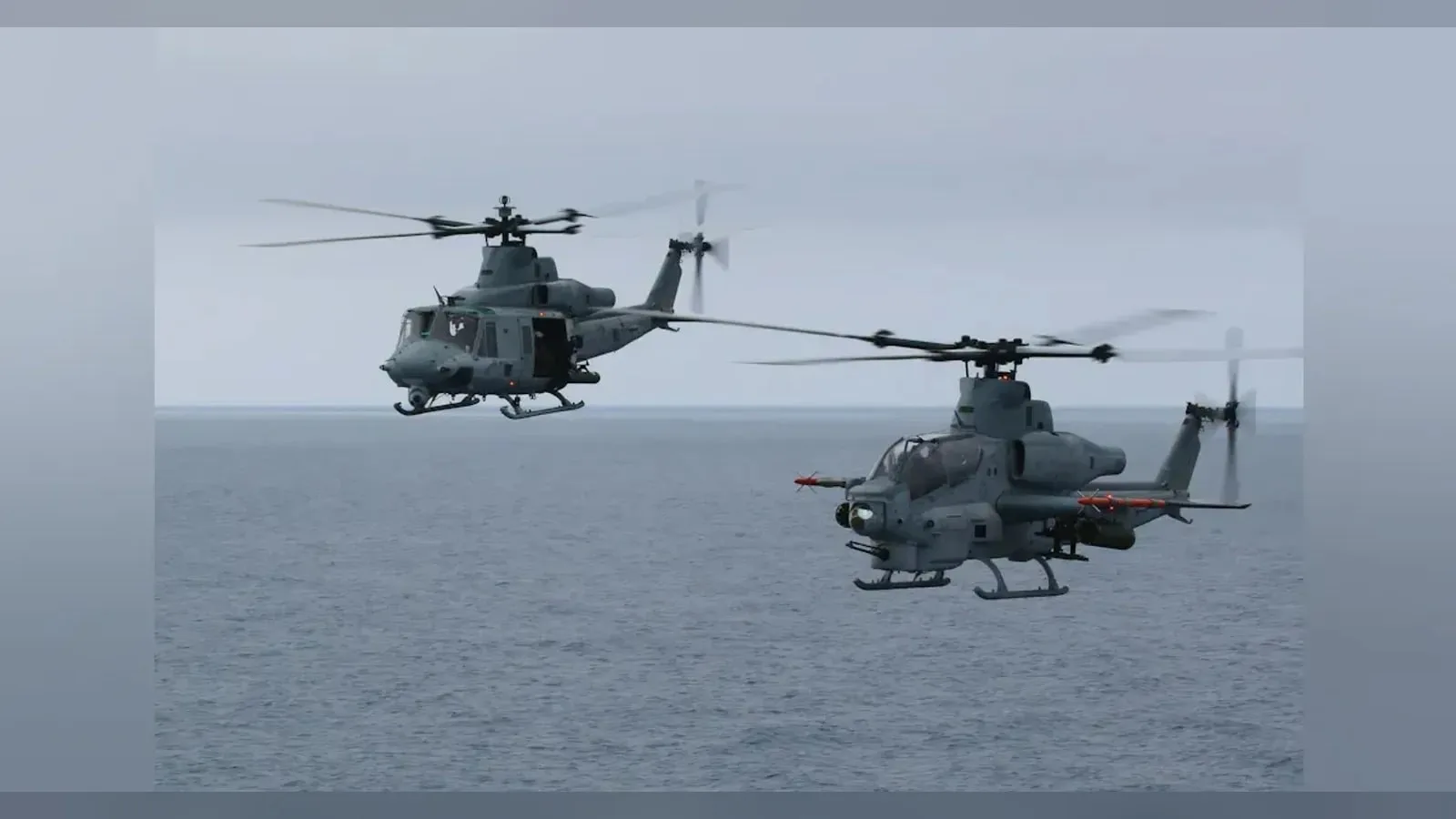
The Marine Corps names the AH-1Z Viper attack helicopter and the UH-1Y Venom utility helicopter as application platforms. On a limited number of those aircraft, DAIRCM is meant to take over from the AAR-47 missile-warning system.
The scope for Leonardo DRS covers building the hardware, integrating it on aircraft, systems engineering, program management and logistics support. Hardware is built in Dallas and San Diego, while integration and logistics work is based at Fort Walton Beach, Florida.







The production award follows the Engineering and Manufacturing Development phase, in which the company added capability and producibility enhancements to the configuration. Some aircraft already fly with DAIRCM to meet a Joint Urgent Operational Need Statement. John Baylouny, Leonardo DRS president and CEO, says the award widens the company’s ability to supply integrated survivability to military customers and calls the system cost-effective.
Why it matters
The contract adds to the aircraft survivability portfolio of Leonardo DRS as military aircraft face threats that are growing in number and complexity.
Packing warning and defeat functions into one modular system suits platforms such as the Viper and Venom, where size, weight and integration requirements are demanding.
For integrators, the scope runs from hardware production through aircraft integration to logistics, which places manufacturing, installation and support with a single contractor. The award covers low-rate initial production only, and the AAR-47 replacement applies to a limited number of aircraft.
In the directory, Leonardo’s radar sensing line for airborne platforms includes the PicoSAR AESA radar, which is offered for uncrewed aerial systems as well as fixed- and rotary-wing platforms.
Source: Military Aerospace: Leonardo DRS wins NAVAIR contract for aircraft survivability system
Was this article useful?
Thanks for your feedback. You can change your answer at any time.
Latest news
Latest news
Companies in this article
 Payload · 3
Products in this article
 FeaturedIMUs
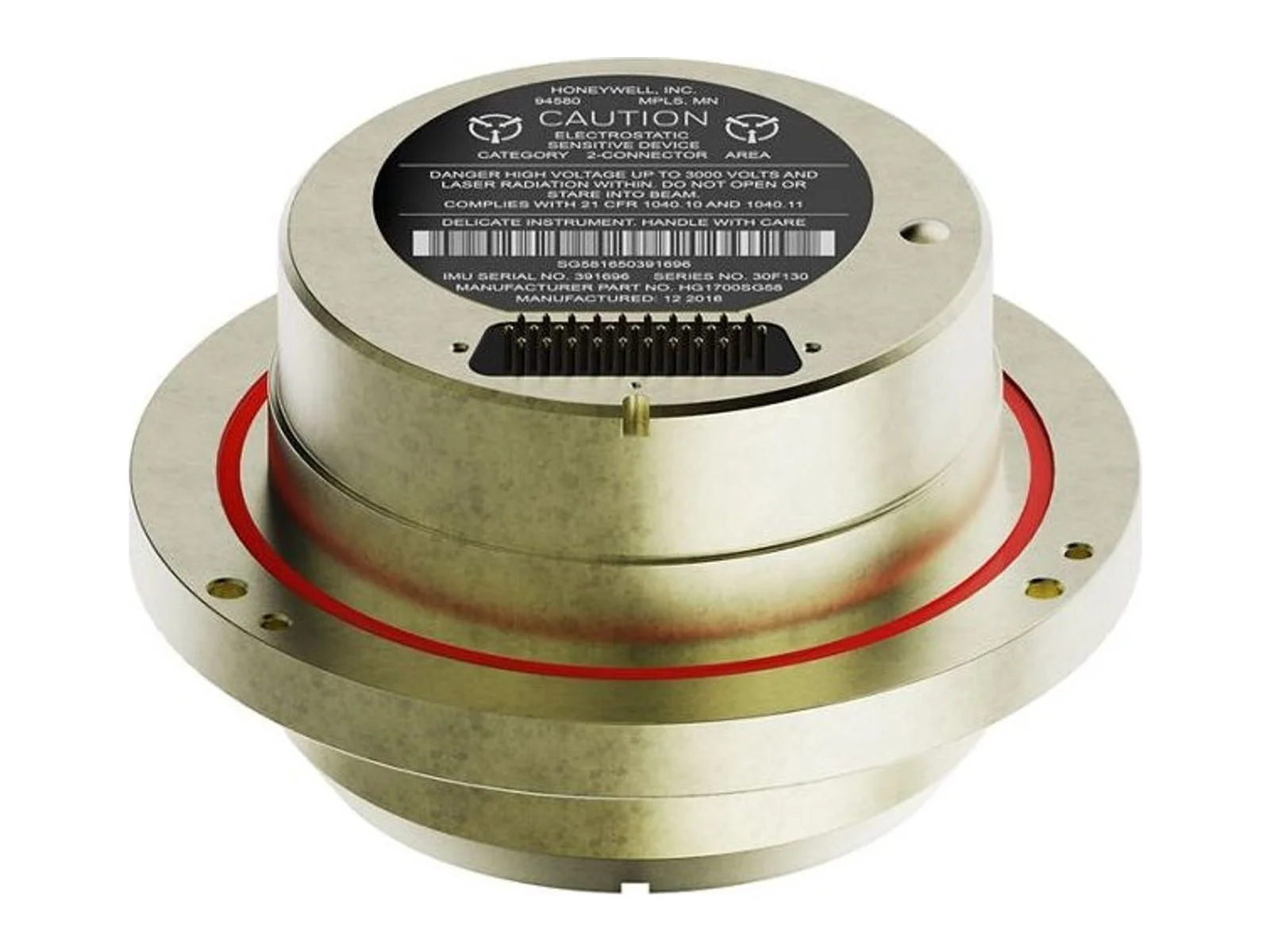
HG1700 inertial sensing unit
- Sensor technology
- RLG
- Operating temperature
- -54 – 85 °C
- Power consumption (typical)
- 5 W
 Featured
Related articles

Shield to acquire MESA radar maker Echodyne for $5.3 billion
Shield agrees to buy Echodyne, the Kirkland-based radar maker, in a deal valued at $5.3 billion. The purchase brings software-defined MESA radars, used in counter-UAS systems and for UAS detect-and-avoid, into Shield's Mission Systems…

Ouster Firmware 3.2 adds on-sensor 3D zones and synced IMU
Ouster releases Firmware 3.2 for its lidar sensors, adding on-sensor 3D zone monitoring, optical window blockage detection and time-synchronized IMU data. The update shifts occupancy logic and motion compensation from the host computer to…
MESA radar maker Echodyne to join Shield in $5.3bn deal
Shield has agreed to buy Echodyne, the Washington-based maker of MESA radars for counter-UAS and airspace sensing, for $5.3bn. Echodyne's radars stay available as standalone products, and the deal adds production capacity for the sensor…
Honeywell HGuide HG4930 IMU anchors industrial nav line
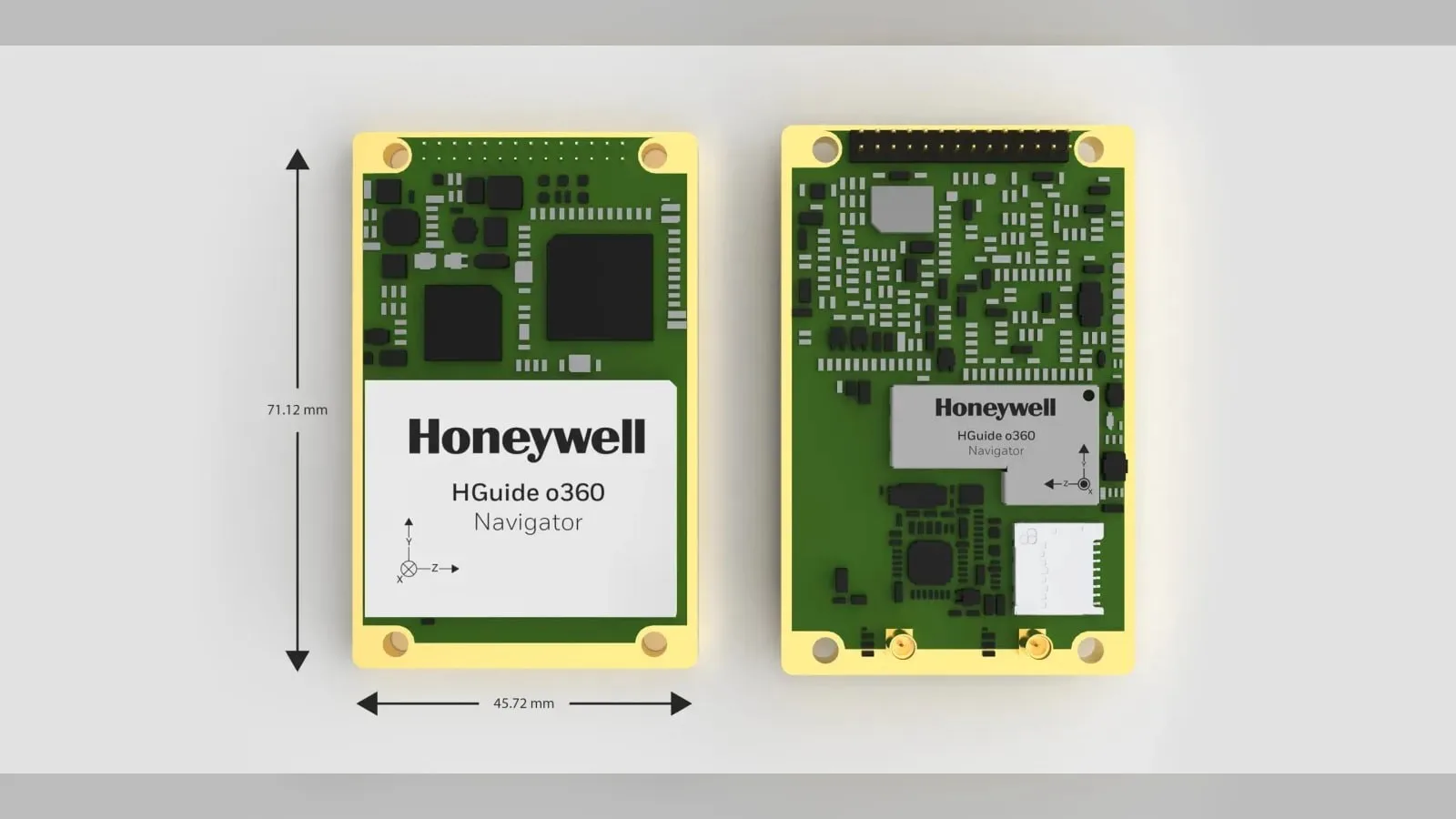
Honeywell Aerospace marks five years of its HGuide Industrial Navigation group, which adapts inertial navigation technology from the company's defense and aerospace lines for industrial platforms. MEMS inertial measurement units such as…