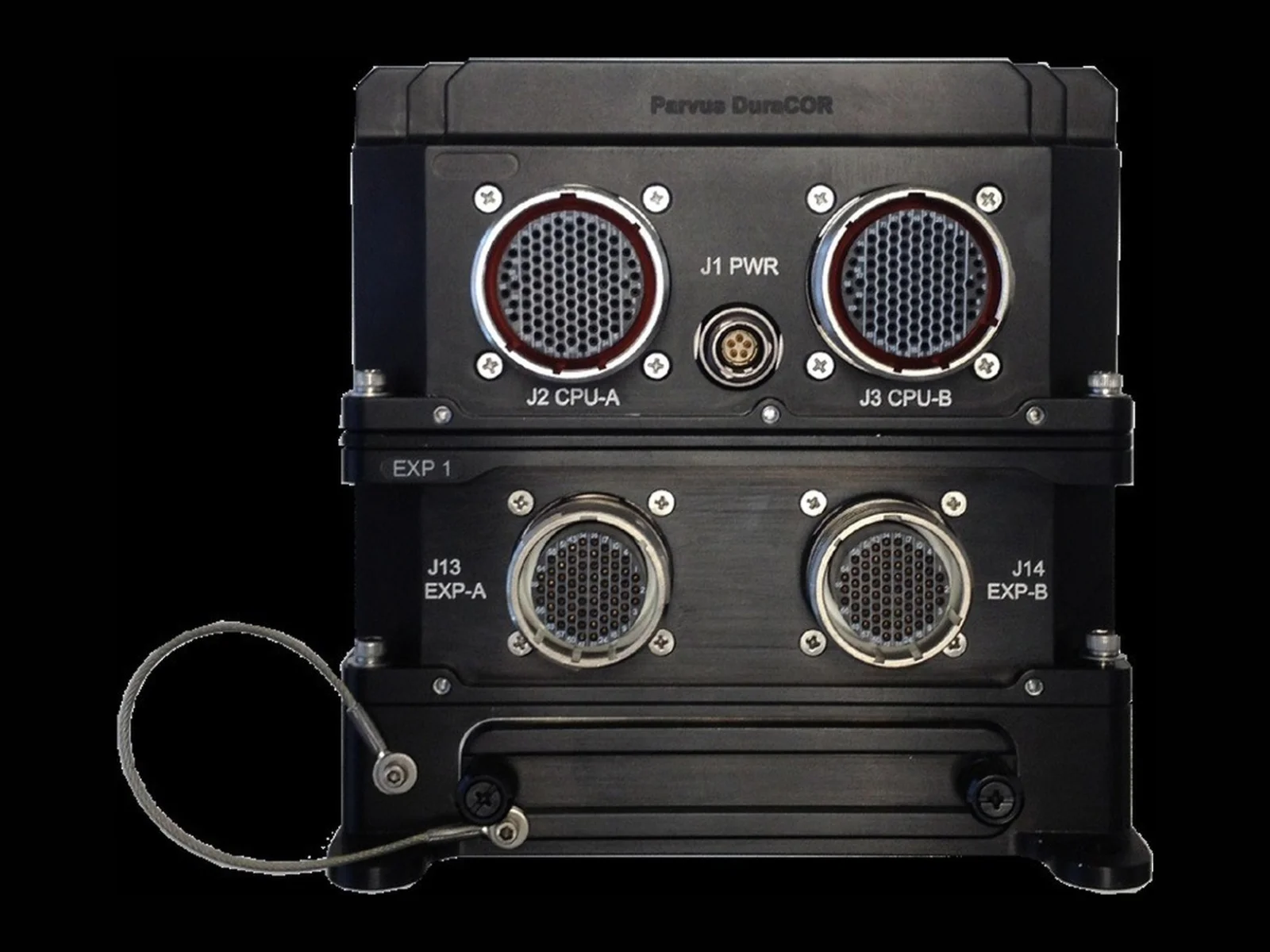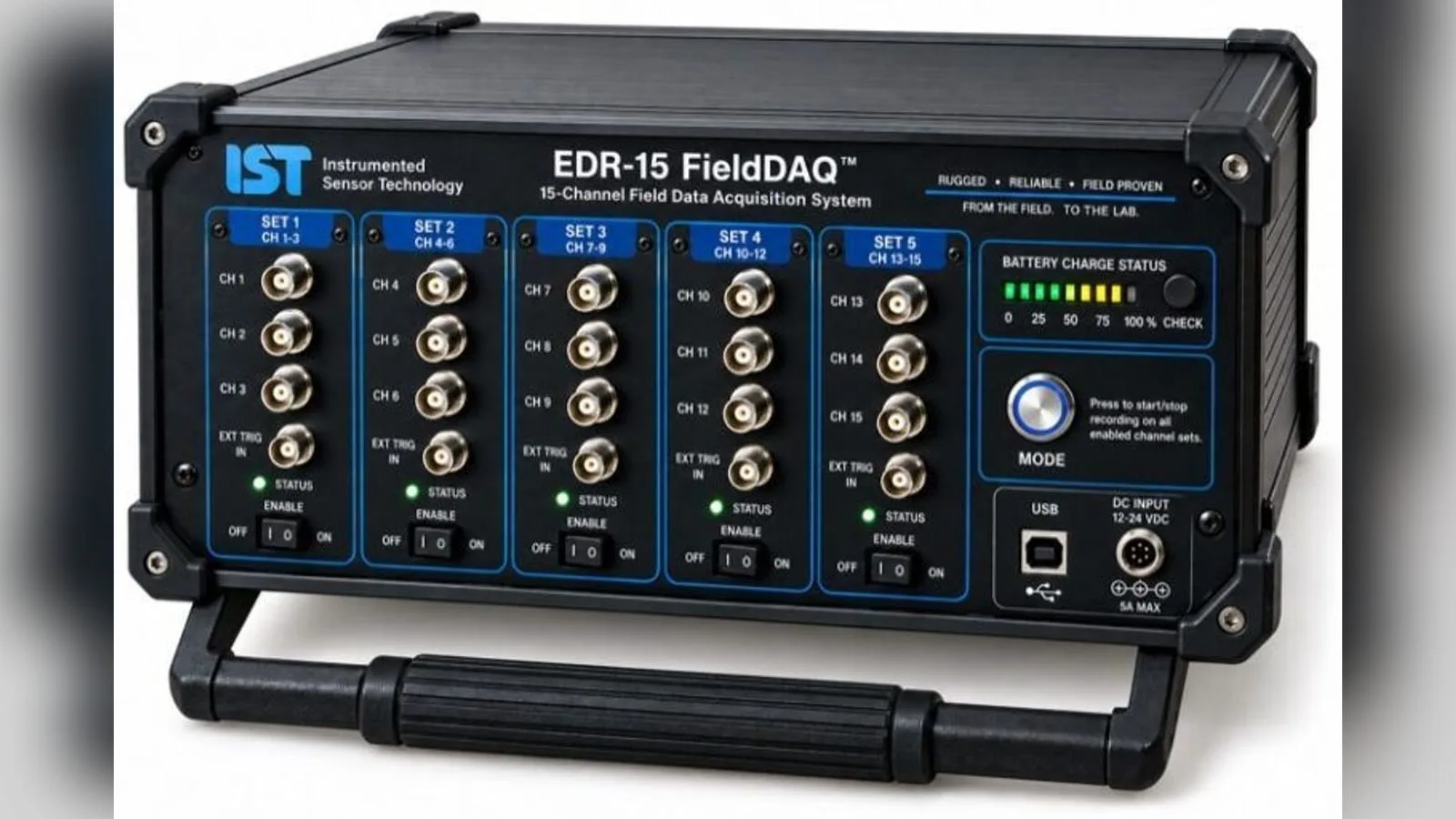
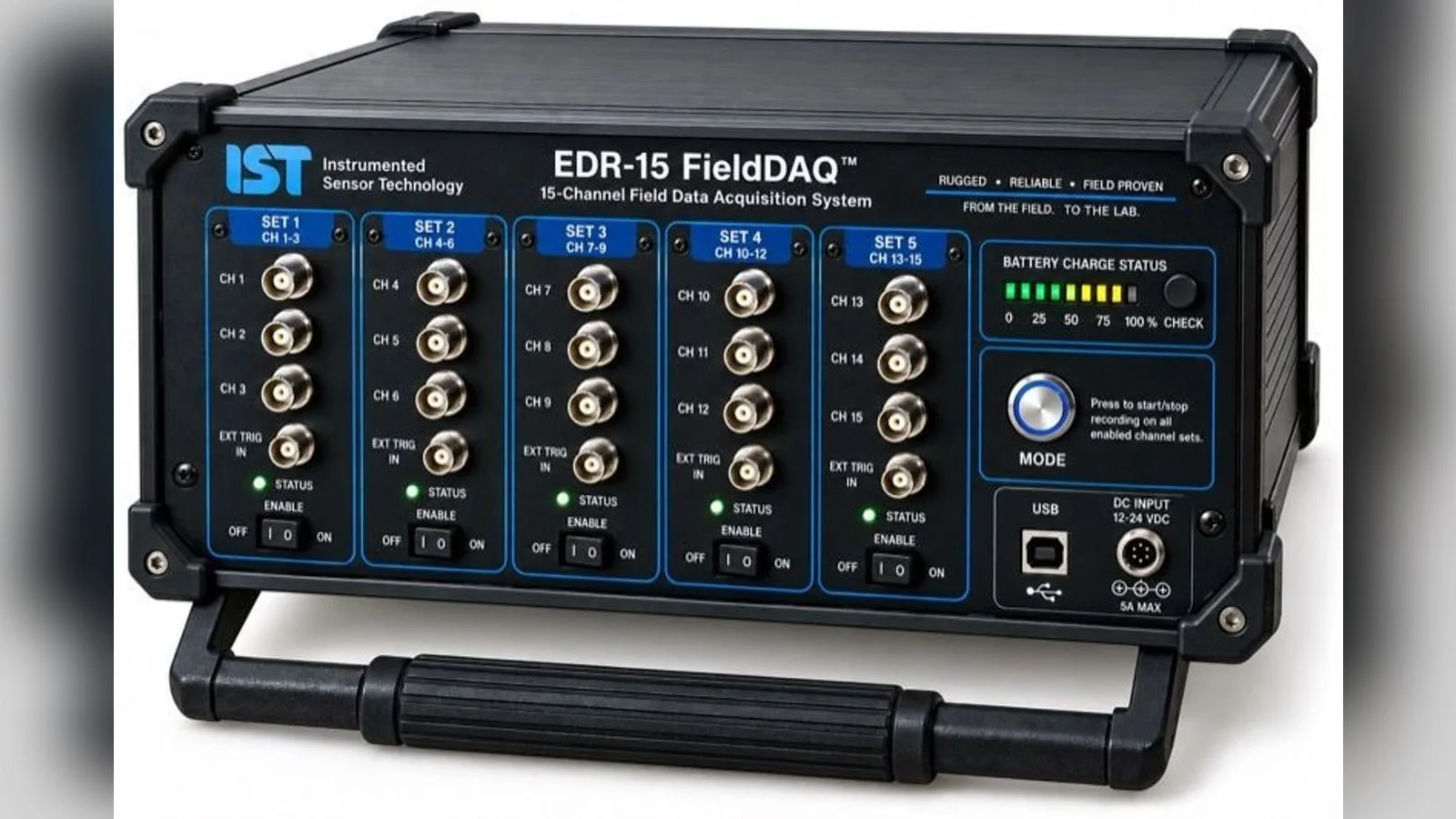
Powered accelerometers and other IEPE (integrated electronics piezo-electric) transducers connect to the EDR-15 FieldDAQ, which records from 15 channels at once. The channels are arranged as five synchronized acquisition engines of three channels each, housed in a portable enclosure. The front panel carries the channel inputs, a battery charge indicator, a mode button, and USB and DC power connectors.
Users set the sampling rate, which can reach 50,000 samples per second on each channel, and waveforms are captured at 16-bit resolution. The unit carries 160GB of onboard non-volatile storage.
Accelerometers go on several points of an aircraft, a spacecraft component, a flight-test structure or any other test article, and engineers place them there. After the initial configuration, the recorder runs autonomously, without a connected computer. For tests that need more than 15 channels, several EDR-15 units can be interconnected for synchronized acquisition.







Long battery life is aimed at distant flight-test setups, lengthy ground-test programs and vibration monitoring without an operator, as well as any job where outside power is scarce or hard to arrange.
Recorded data is downloaded over a single USB connection and analyzed in DynaMax, IST’s engineering analysis software. Among the analysis tools in DynaMax are time-history plots across several channels, power spectral density (PSD) and shock response spectrum (SRS), plus further functions.
Why it matters
Instrumented Sensor Technology (IST) intends the EDR-15 for defense instrumentation, as well as for flight testing in aerospace and for measuring structures on aircraft. The recorder’s battery is meant for cases like distant installations and extended test programs, where getting outside power is difficult or not practical.
Interconnection of several units lets a program grow beyond 15 channels while keeping acquisition synchronized across them. Analysis of the downloaded data runs in DynaMax, the software IST provides for the recorder, including PSD and SRS processing of shock and vibration records from the test article.
The EDR-15 records the output of IEPE transducers, so it sits alongside the sensing hardware of a test campaign. The inertial sensing units listed below come from other manufacturers and are given for reference within the same category.

Source: Aerospace Testing International: IST launches 15-channel field recorder for aerospace testing
Was this article useful?
Thanks for your feedback. You can change your answer at any time.
Latest news
Latest news
Products in this article
 FeaturedIMUs
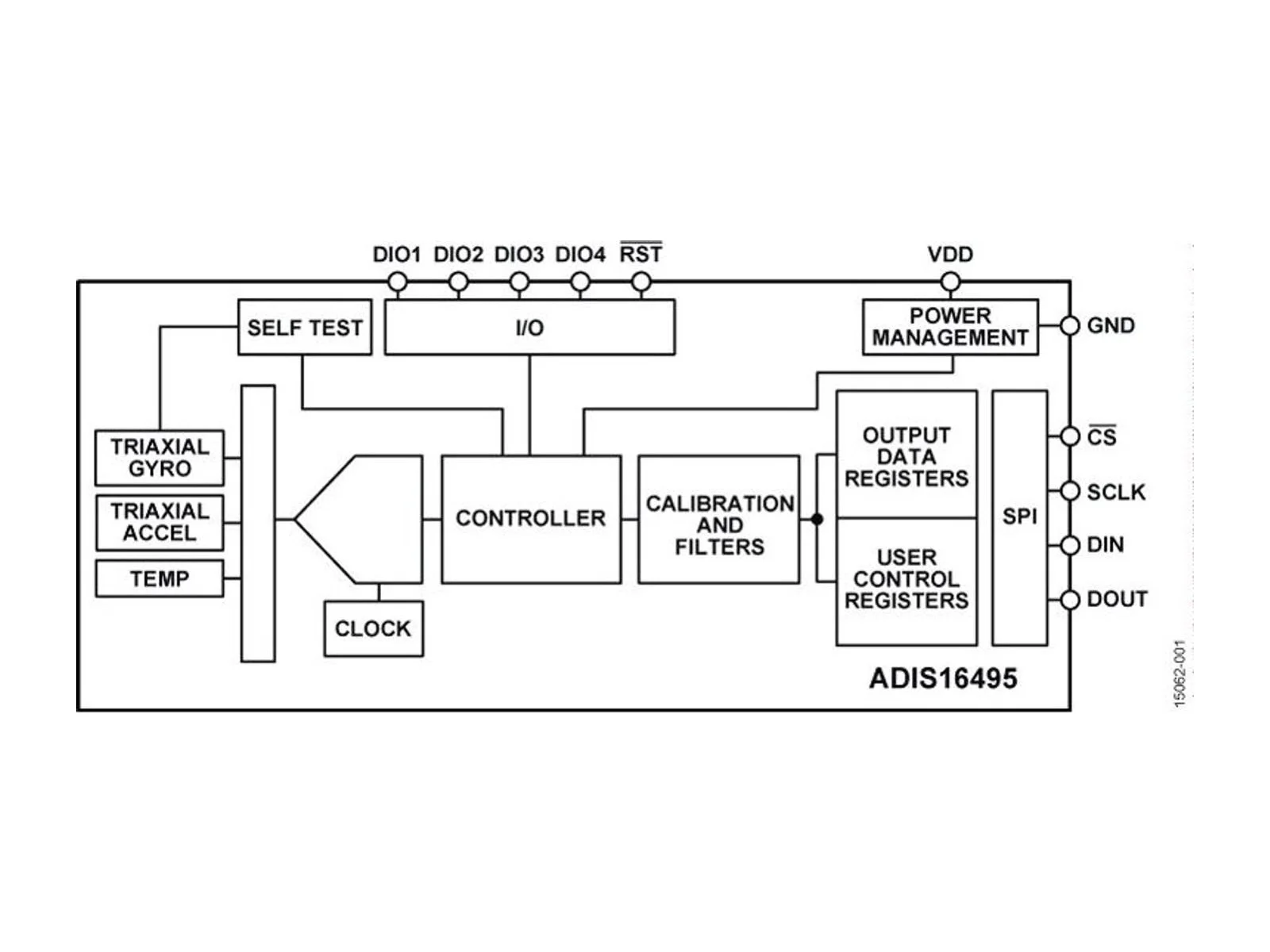
ADIS16495 inertial sensing unit
- Accelerometer bias instability
- 3.2 µg
- Sensor technology
- MEMS
- Grade
- Professional
 FeaturedIMUs
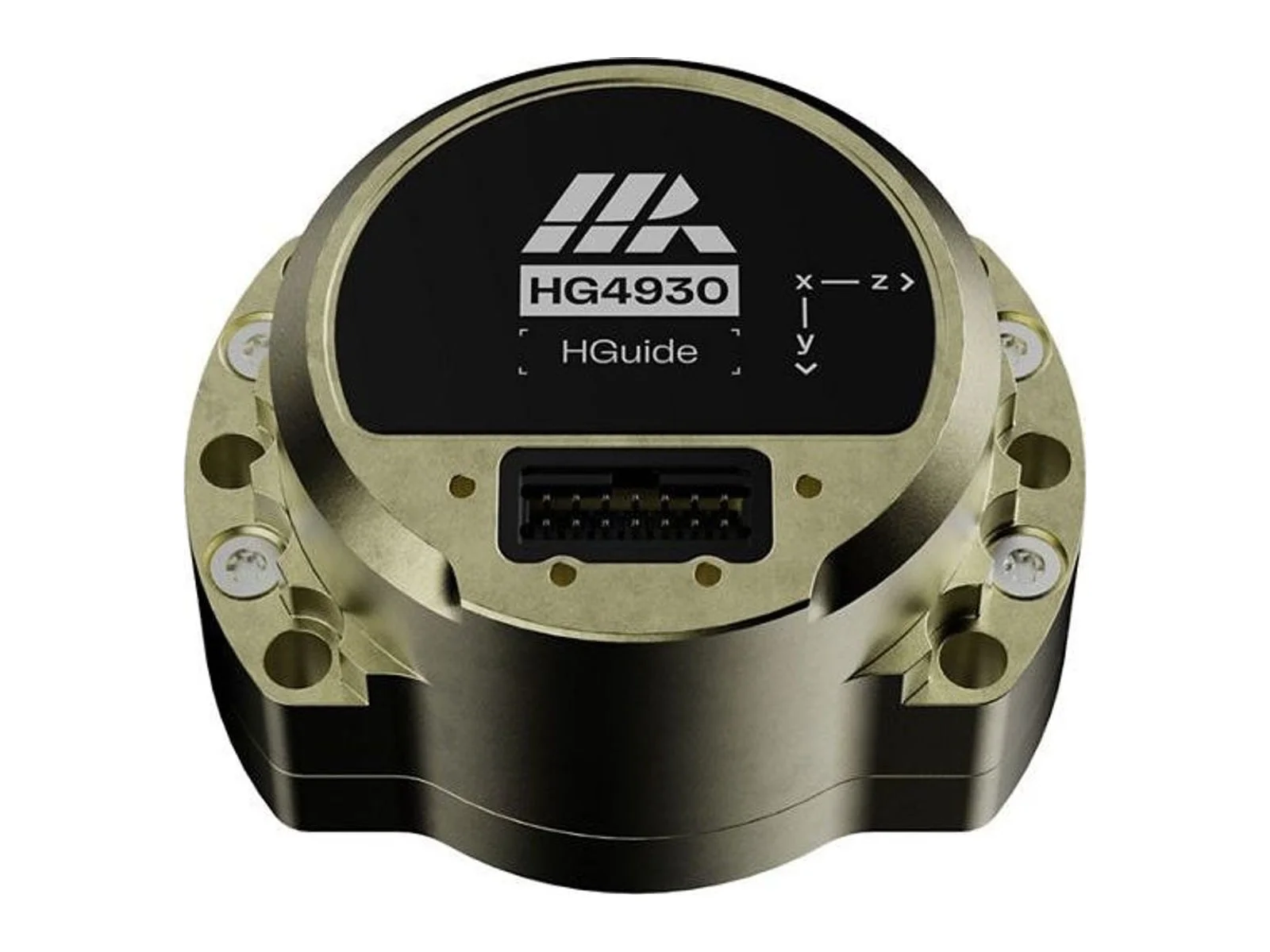
HG4930 inertial sensing unit
- Gyro bias instability
- 0.25 °/h
- Accelerometer bias instability
- 25 µg
- Angle random walk
- 0.04 °/√h
- FeaturedIMUs
ADIS16505 inertial sensing unit
- Accelerometer bias instability
- 2.702 µg
- Sensor technology
- MEMS
- Grade
- Professional
Related articles

SDL-64 data logger qualifies INS without a test rig
Inertial Labs, a VIAVI Solutions company, introduces the SDL-64 data logger for qualifying an inertial navigation system without building a test rig first. The tool joins an INS range of eight models that Inertial Labs configures for…
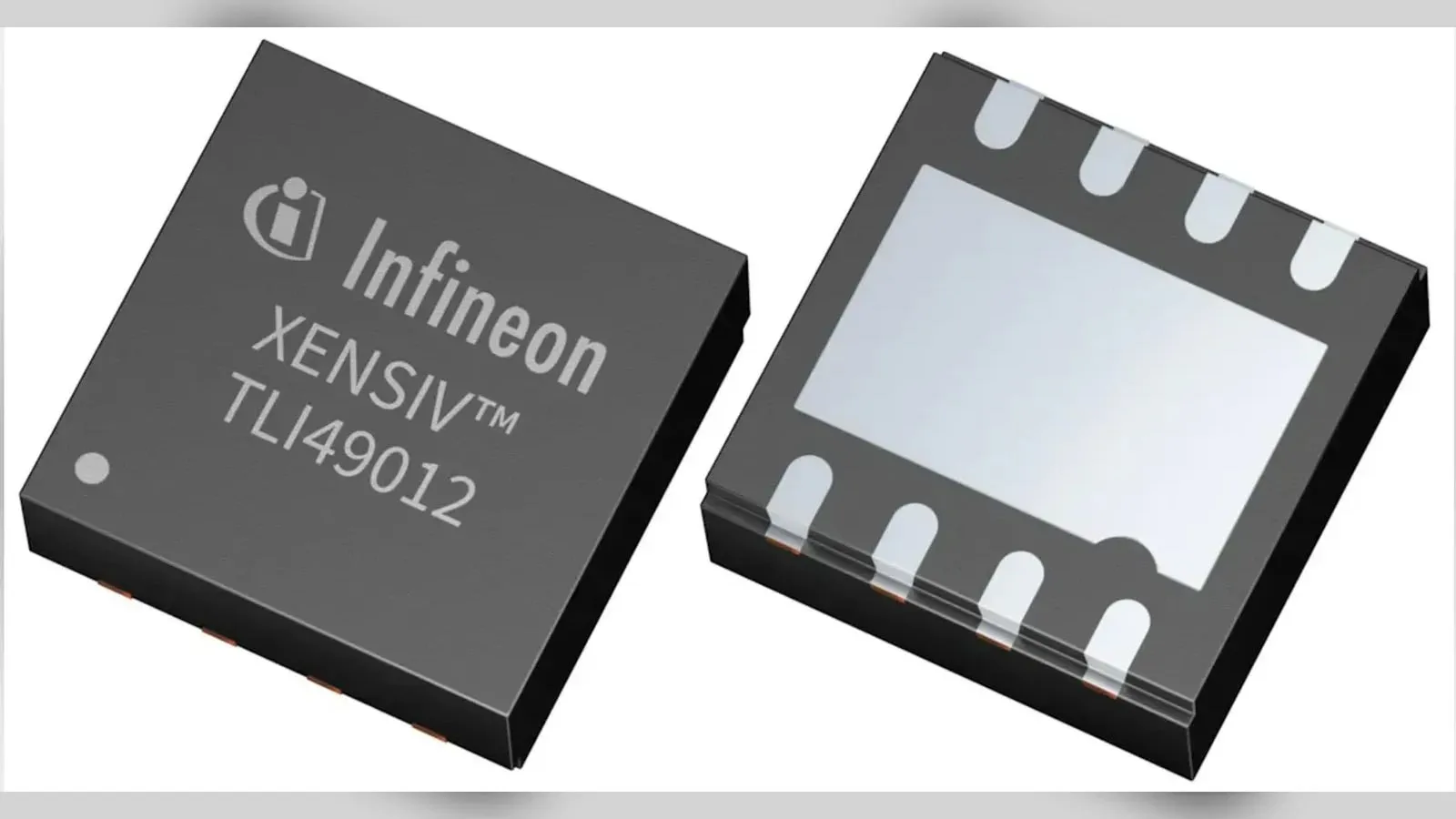
Self-calibrating Hall angle sensors for BLDC motors by Infineon
The XENSIV TLx49012 line from Infineon Technologies comprises four digital angle sensors built on Hall technology, aimed at controlling brushless DC motors in vehicles and industrial equipment. The devices calibrate themselves…
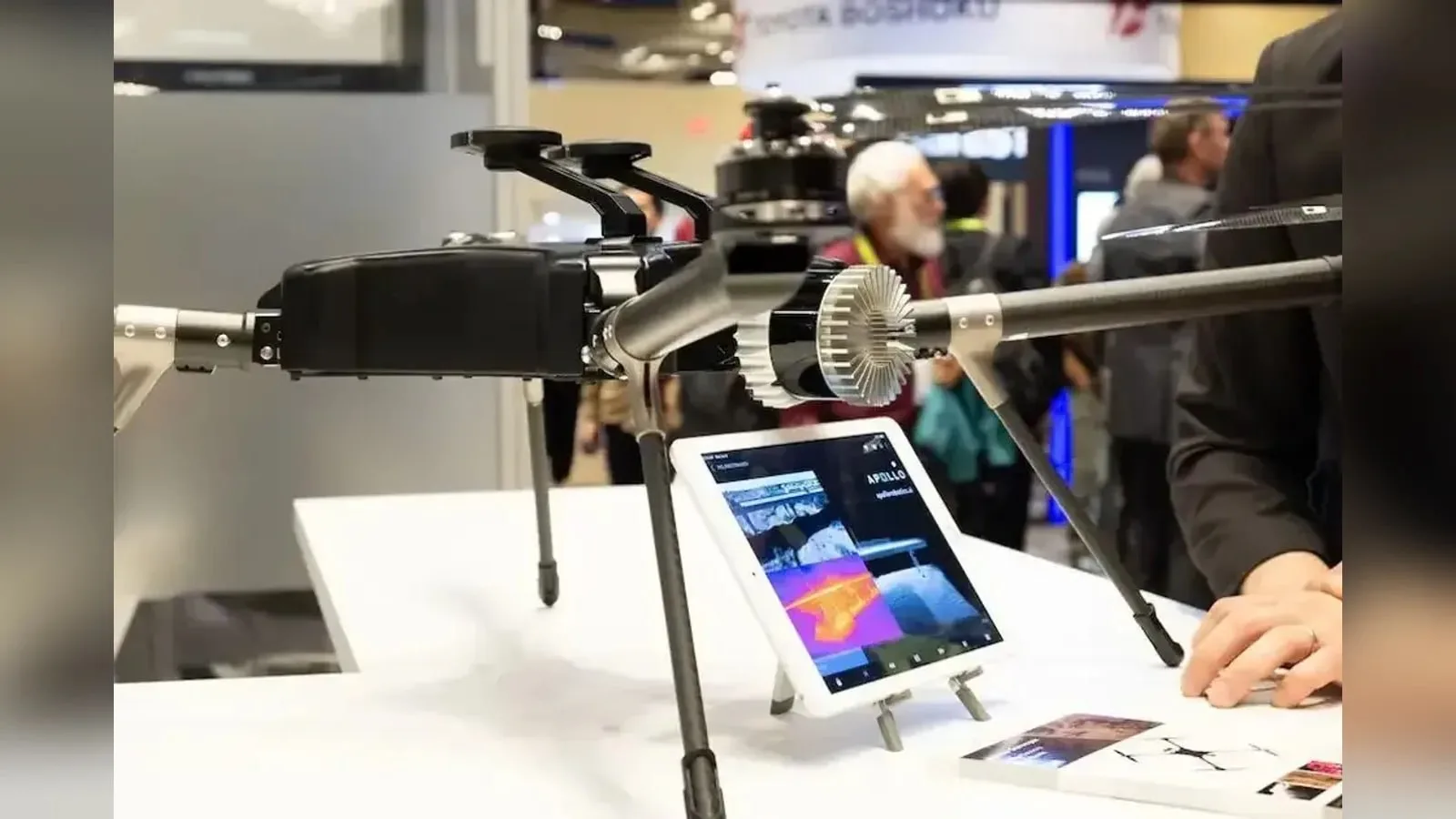
Apollo Robotics Surveyor UAV uses Ouster OS1-64 lidar
Apollo Robotics builds its Surveyor survey UAV around Ouster's OS1-64 lidar and starts bringing the aircraft to market against $3 million in pre-order reservations. Lidar feature matching handles localization onboard, so the platform…
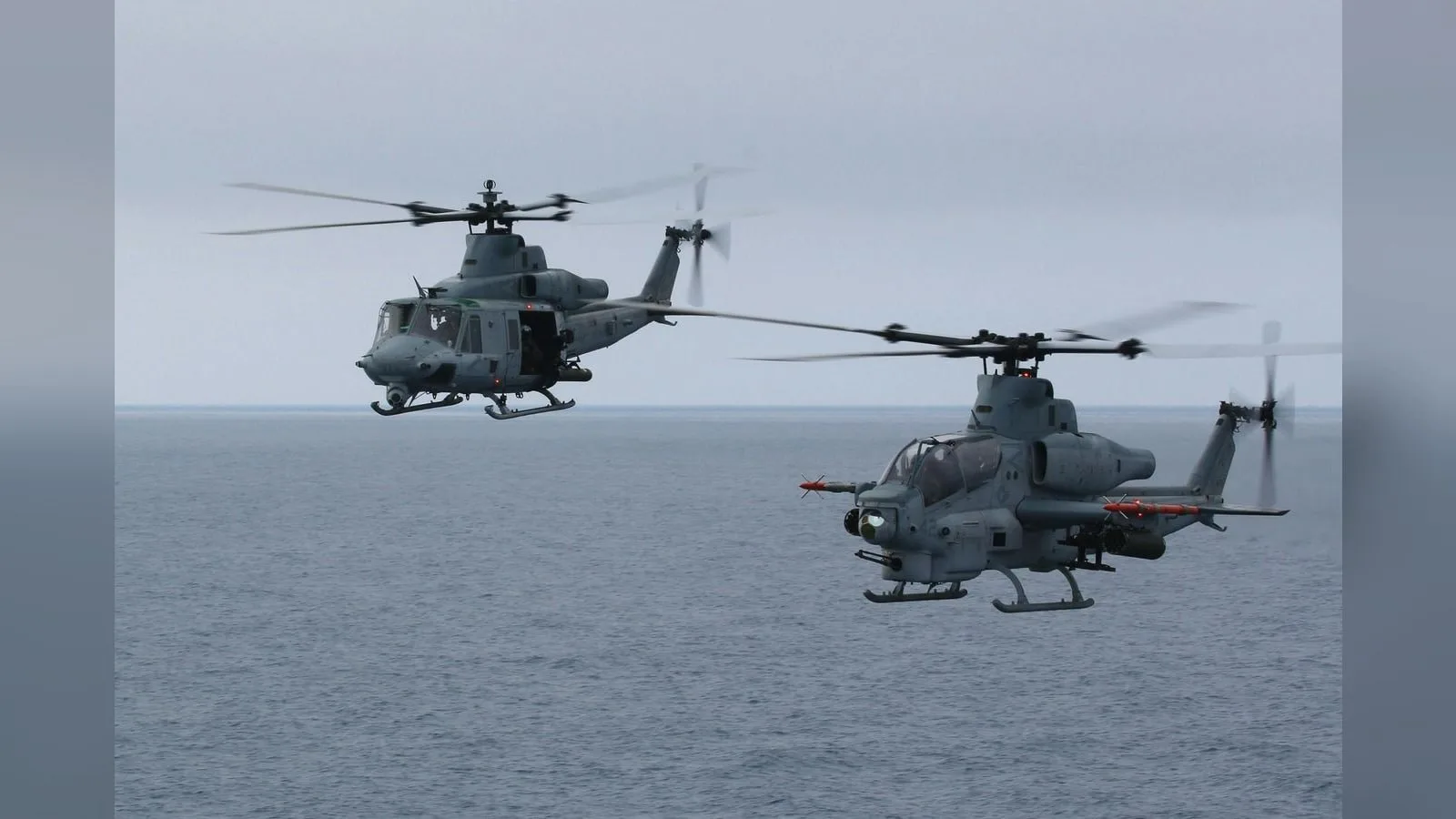
DAIRCM missile-warning system enters production at Leonardo DRS
Leonardo DRS secures a three-year IDIQ vehicle from NAVAIR to begin low-rate initial production of its AN/AAQ-45 DAIRCM survivability system for aircraft. The award moves a modular missile-warning and countermeasure suite for small and…