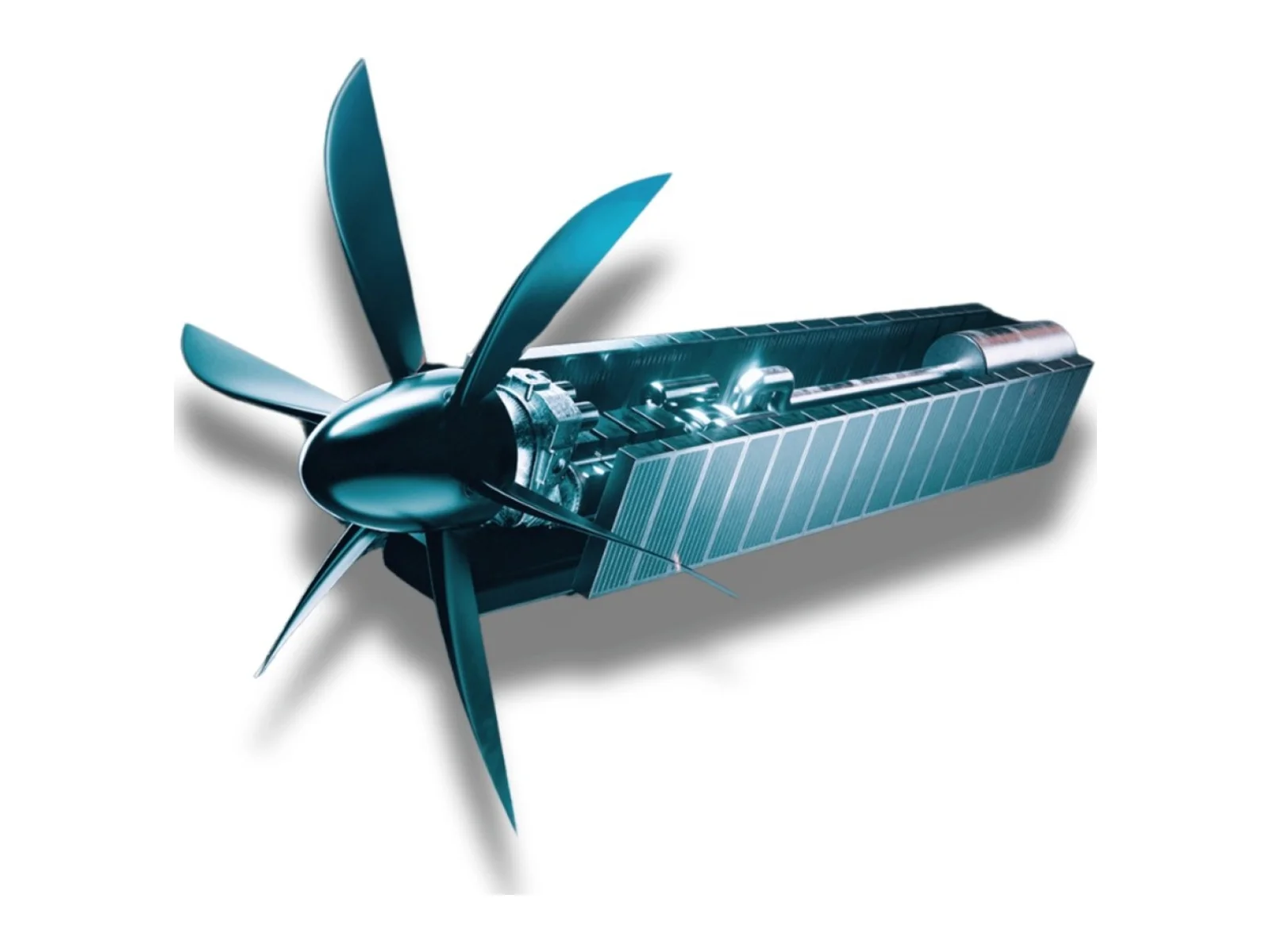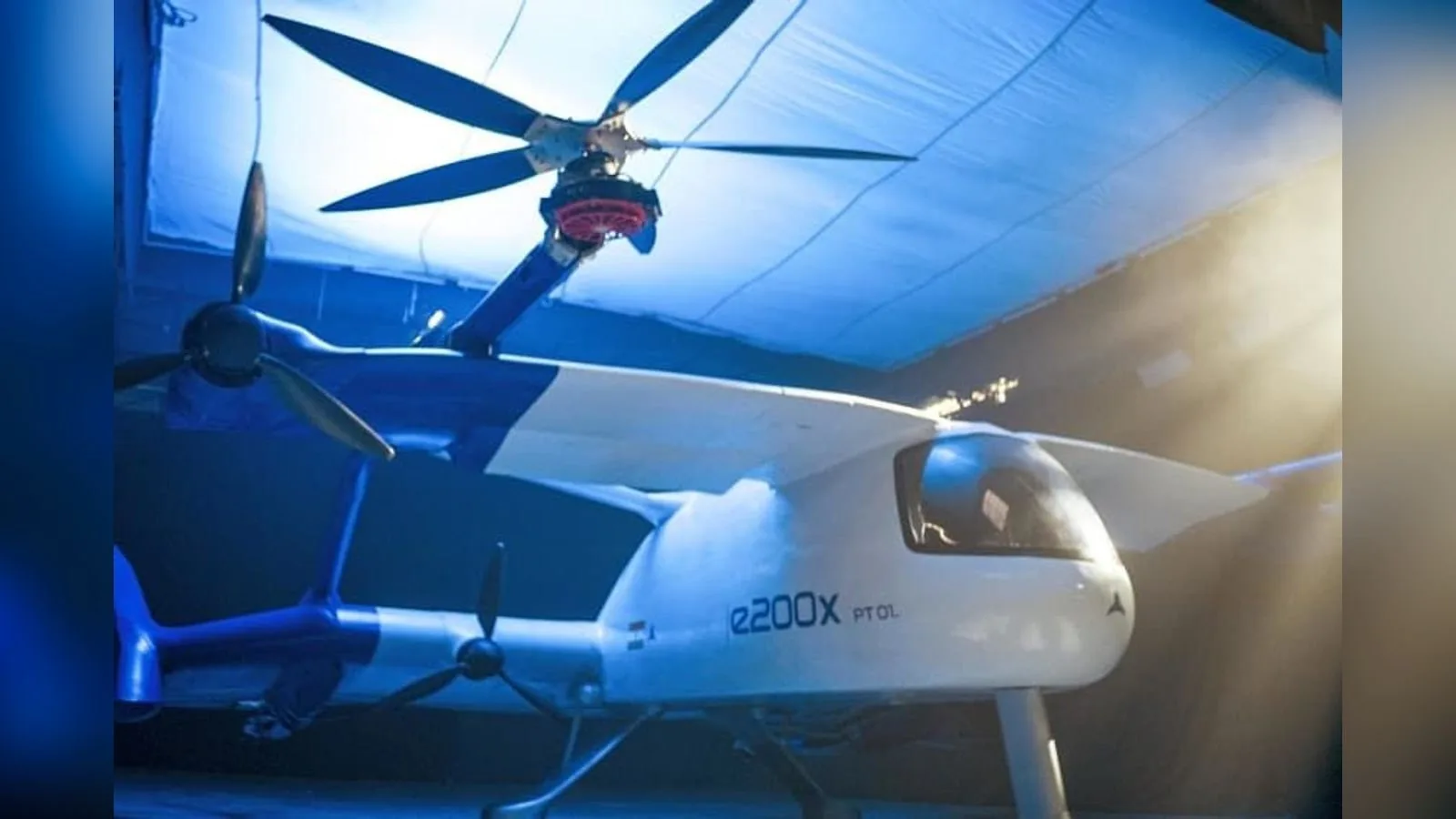
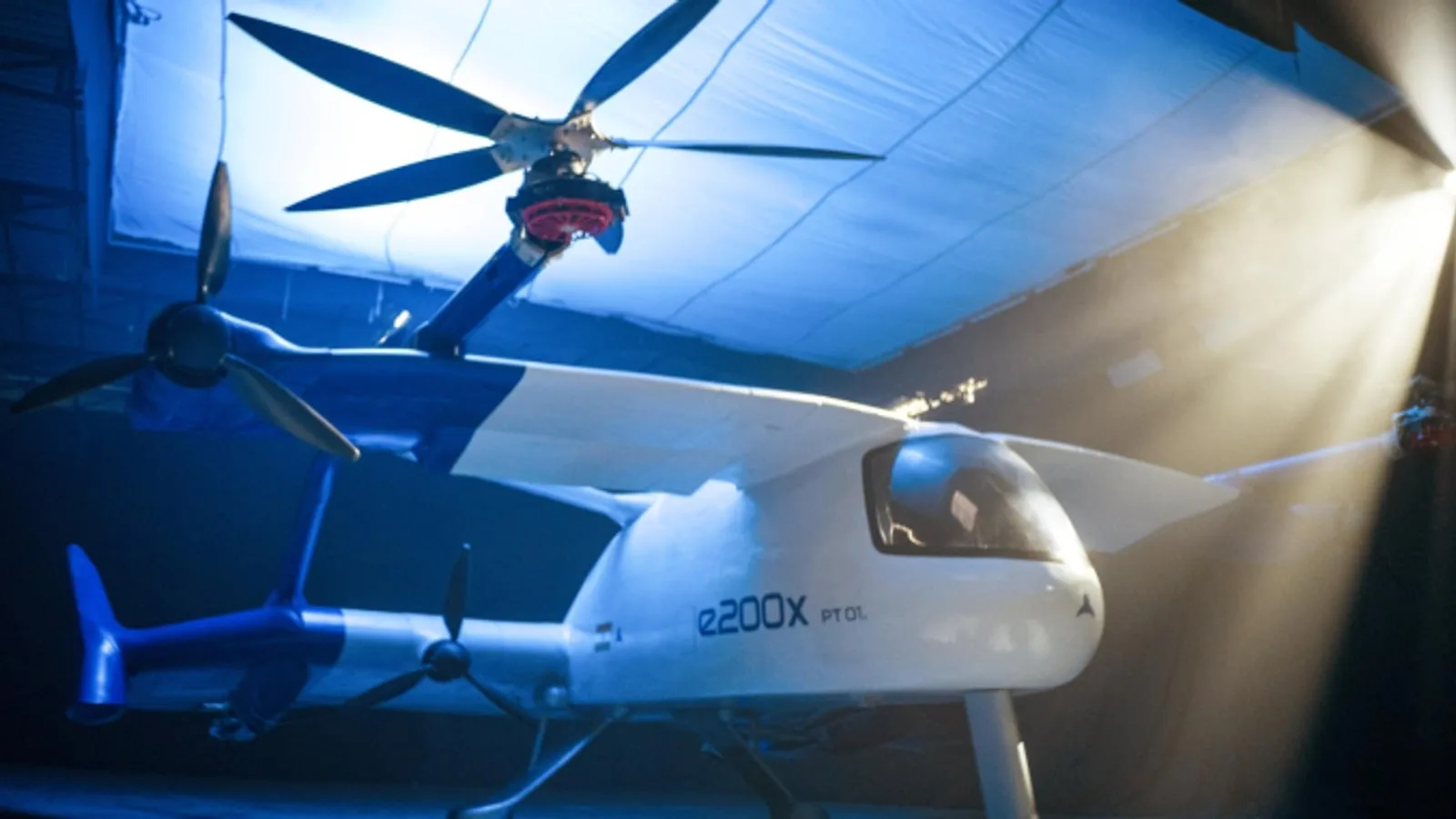
The e200X is a lift-and-cruise eVTOL with three seats, for a pilot and two passengers. The aircraft has a modular airframe built for three uses: air ambulance, urban cargo and passenger service. Every variant has a different payload, set of sensors and software stack. Flight control has to remain deterministic and certifiable in every configuration.
LYNX MOSA.ic partitions the aircraft’s onboard compute. ARINC 653 partitions host the software that is critical to flight, among it the vehicle and energy management systems. Lower-criticality mission functions, namely sensor data processing and situational awareness inference, are isolated from it. A separate platform handles the demanding AI workloads. The mission system controls the interfaces linking that platform to the rest of the aircraft, which keeps it isolated for cybersecurity and safety.
LYNX MOSA.ic is built around a type 1 hypervisor on a separation kernel. Each software subject receives its own time and space partition, so applications of different criticality levels can share one platform. The environment is certifiable to DO-178C DAL A.








Why it matters
Lynx supplies software platforms for safe and secure mission-critical edge systems. The selection was announced at eVTOL Show USA in Santa Clara, where Lynx presented a session titled “Building the Certifiable Software Behind Electric Flight” on November 17 at the convention center.
According to Lynx chief executive Tim Reed, computers on an aircraft with several roles face greater demands than those on a design with one mission. He said the platform lets ePlane evolve its pilot assist software role by role without affecting the isolation and certifiability of flight-critical code.
Prof. Satya Chakravarthy, who founded The ePlane Company and leads its technology, says mission computing must be certifiable as well as modular if high-density routes in emergency response, logistics and passenger transit are to run safely. He said the partitioning lets his engineers build aircraft functions on familiar tools.
Related avionics in the directory include the Embention Veronte Autopilot 4x, the Curtiss-Wright VPX mission computers and the Aitech A178 Thunder.
Was this article useful?
Thanks for your feedback. You can change your answer at any time.
Latest news
Latest news
Products in this article
 FeaturedFlight controllers
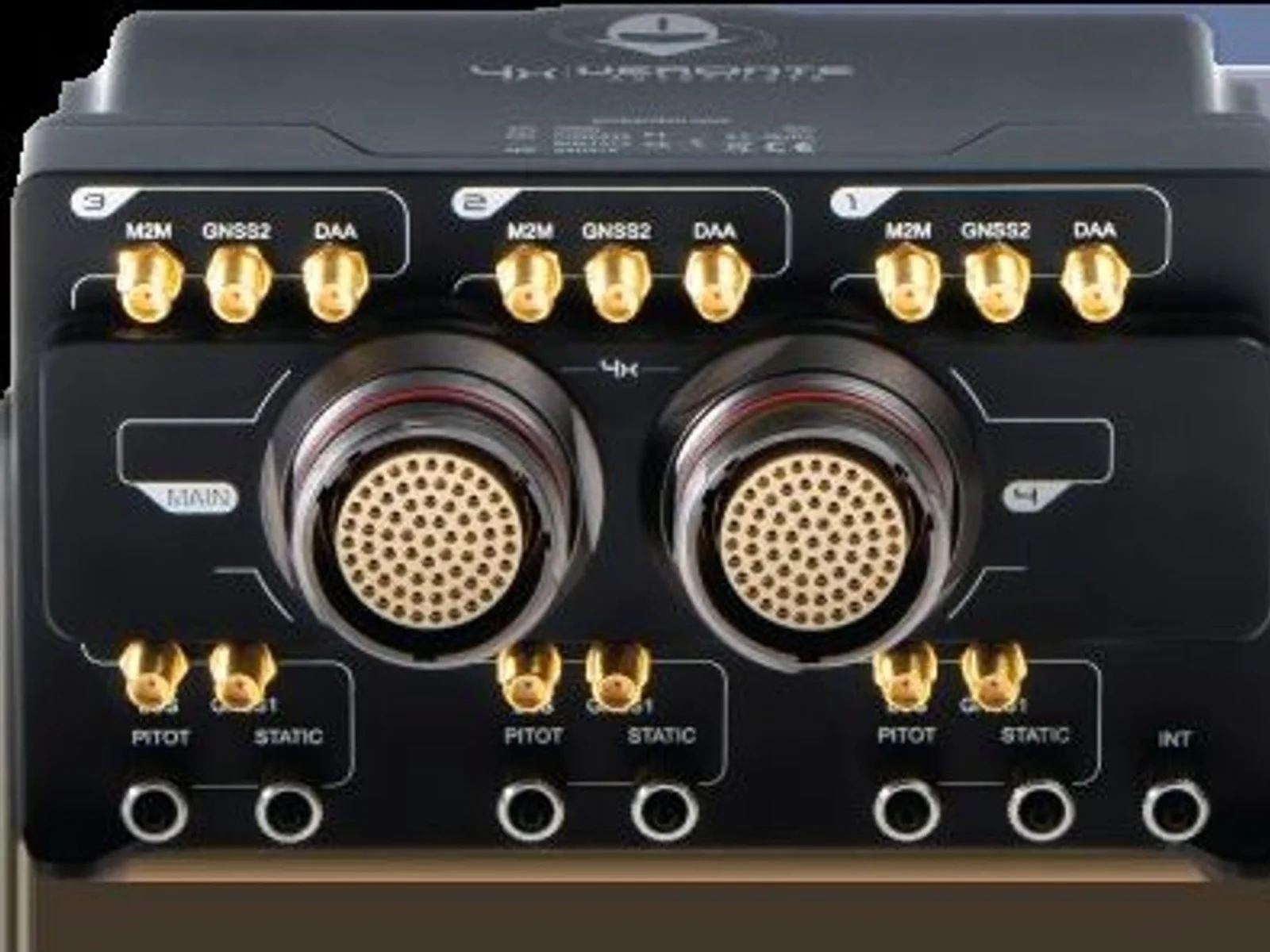
Veronte Autopilot 4x flight control system
- Redundancy
- Triple
- Software stack
- Proprietary
- Design assurance level
- DAL B
 FeaturedMission computers
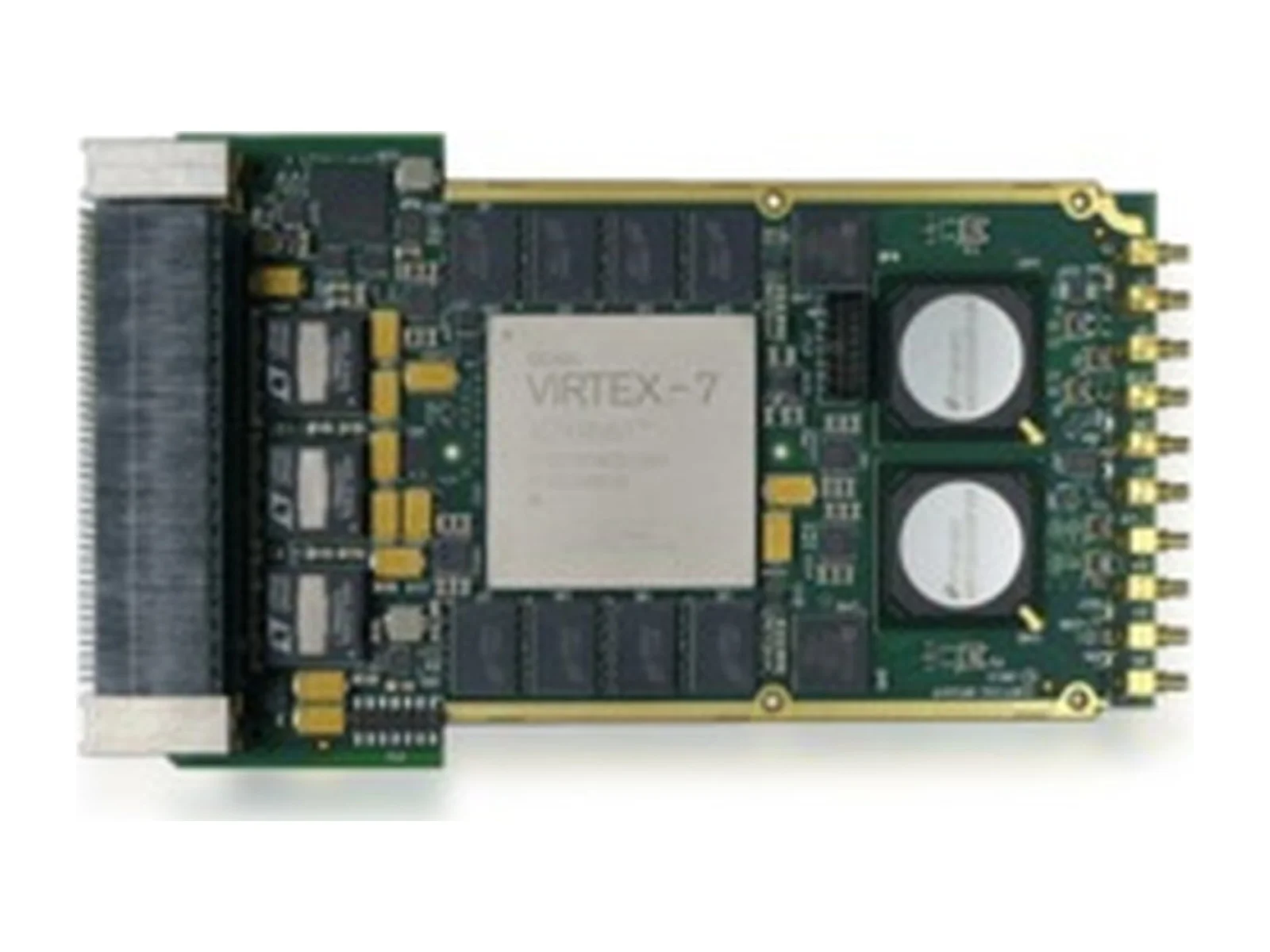
VPX mission computers embedded mission computer
- Grade
- Professional
- Market
- Defense
- Availability
- In production
 FeaturedMission computers
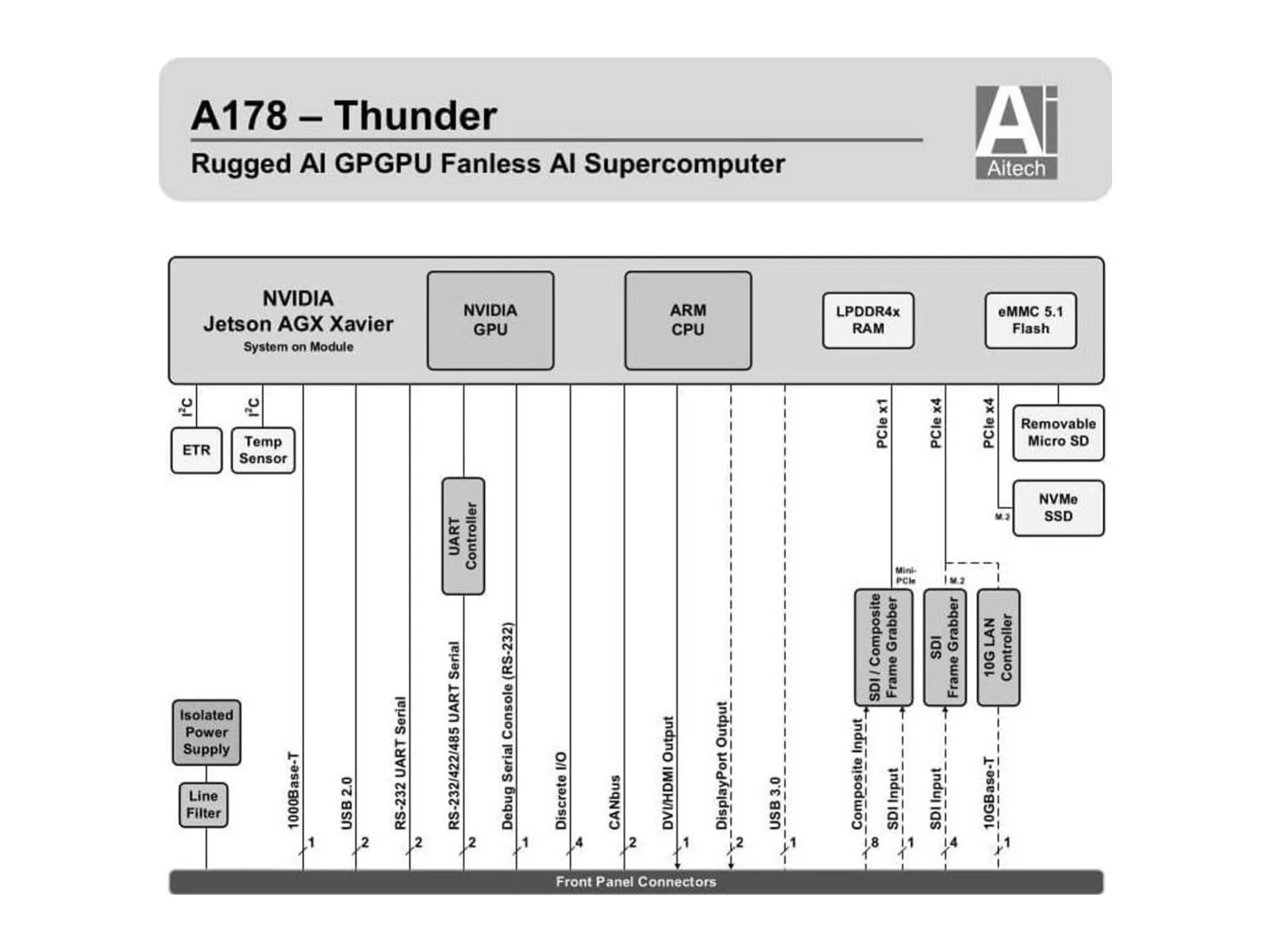
A178 Thunder embedded mission computer
- AI performance
- 32 TOPS
- RAM
- 32 GB
- Grade
- Professional
Related articles
ePlane picks Lynx MOSA.ic mission software for e200X eVTOL
For mission computing aboard the e200X eVTOL, The ePlane Company picks Lynx's MOSA.ic. The software keeps flight-critical functions in isolated ARINC 653 partitions, so role-specific mission software can change without affecting them.
Ecotron EAORA04-D pairs Jetson Orin with ASIL-D MCU
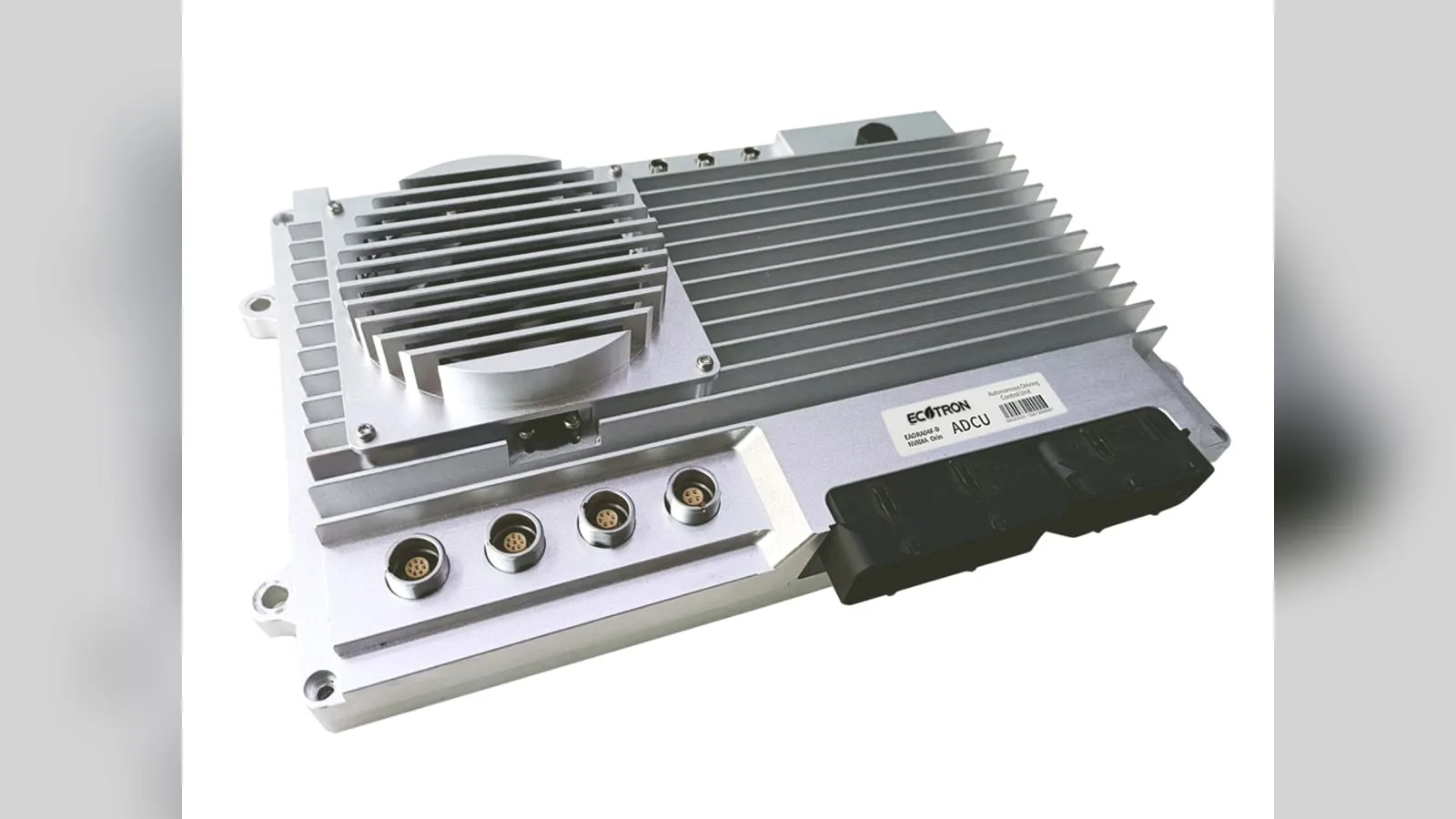
Ecotron releases the EAORA04-D, an autonomous driving computing unit rated at 200 TOPS that pairs an NVIDIA Jetson Orin processor with an Infineon TC297 microcontroller. The platform targets L4 low-speed autonomous driving and separates…
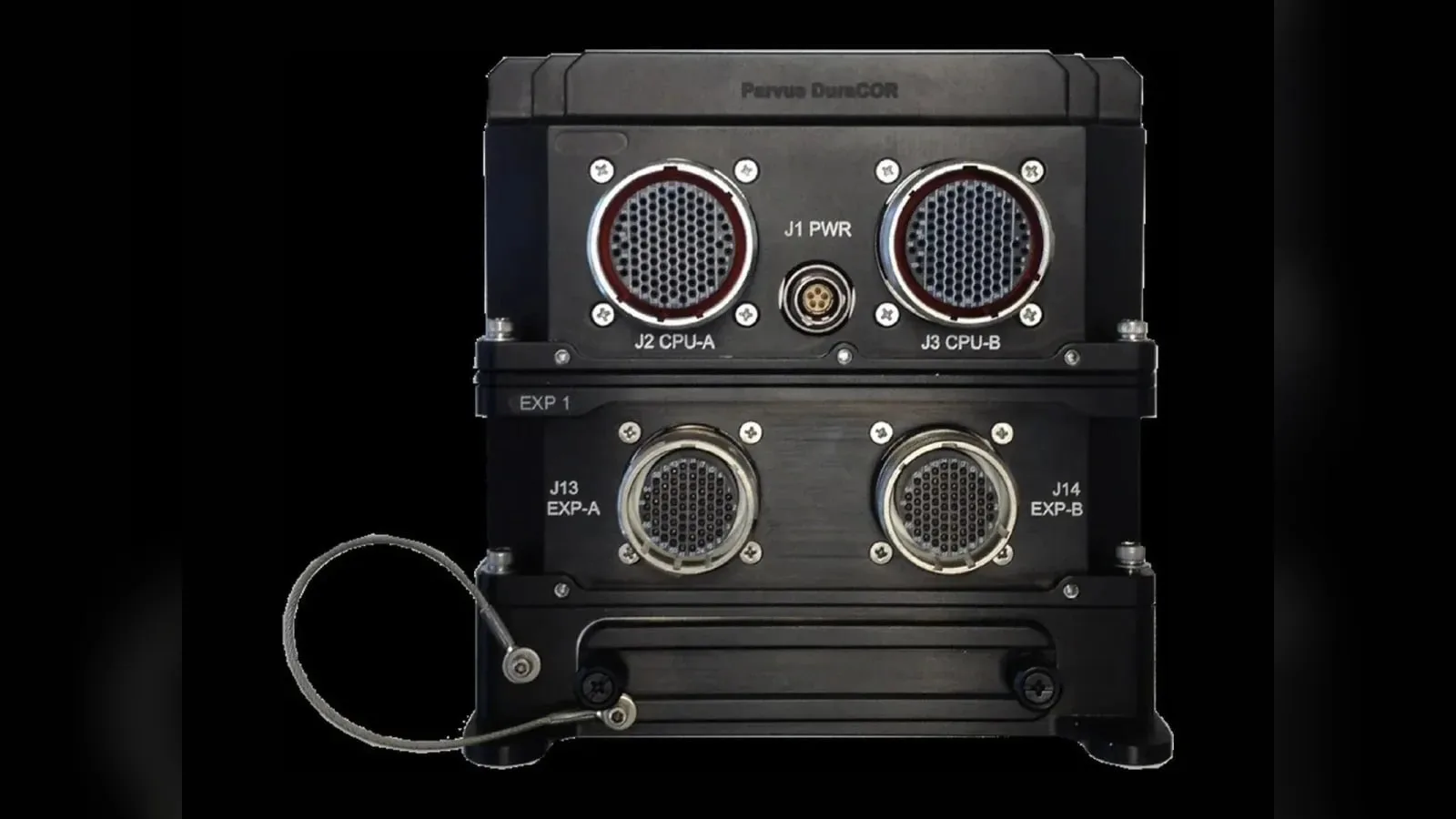
Encrypted NAS storage for Group 2–3 UAS by Curtiss-Wright
For military platforms with strict size, weight, and power limits, the DTS1 Nano is a new ruggedized network-attached storage unit from Curtiss-Wright Defense Solutions, and it applies two layers of encryption to stored data. It targets…
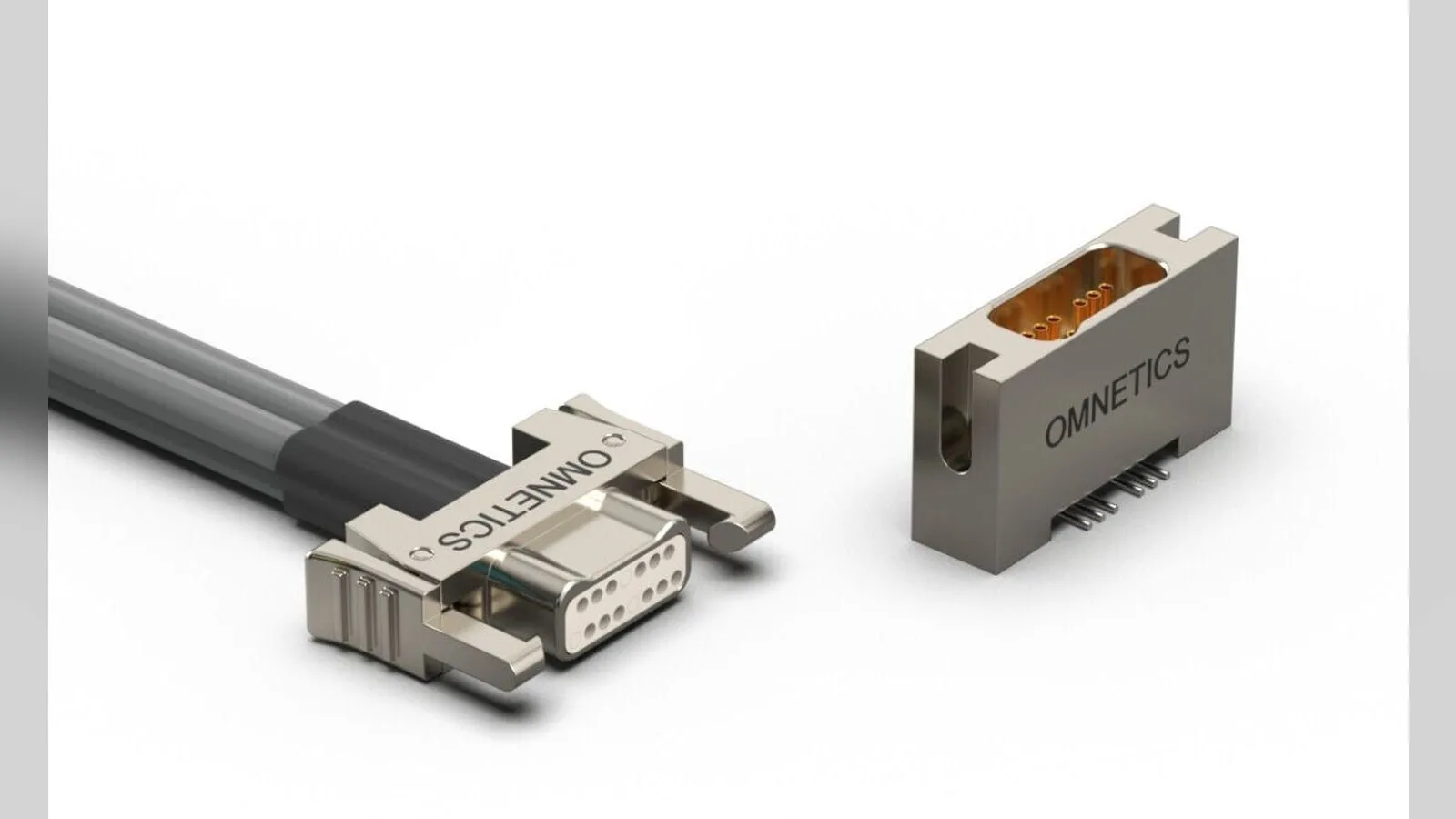
Omnetics High-Speed Nano-D connector carries 20 Gb/sec
Omnetics introduces a High-Speed Nano-D connector that pairs the miniature MIL-DTL-32139 format with signal routing up to 20 Gb/sec. The connector targets space and military electronics in which size, weight and shock tolerance restrict…