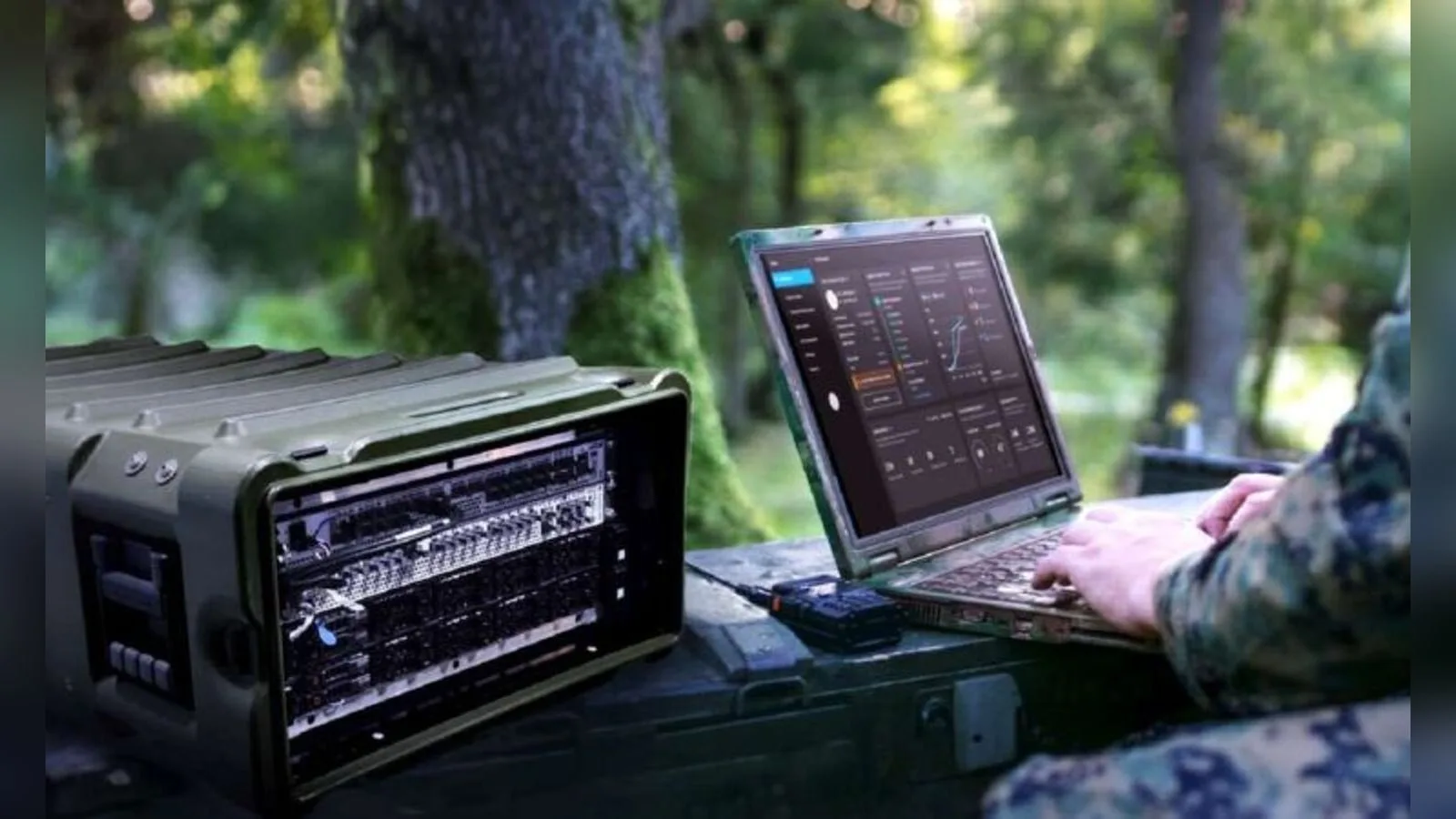
Ericsson announced the trial on 24 November. It took place in Huelva, at the Médano del Loro training area, between 19 and 23 October. A mobile communications link took the place of fixed cabling, so data moves wirelessly between sensors, radars, command posts and effectors. The approach reduces the dependence of the C-UAS and air defense setup on fixed infrastructure.
Ericsson’s Ultra Compact Core, which is a 5G core made for defense use, underpins the setup. In ATLAS 26, Ericsson paired its 5G core software with a container-as-a-service platform and the hardware needed to support them. Running the network was the job of the 5G Spanish Cyber Defence Centre, which belongs to the Joint Cyberspace Command.
The network used frequencies reserved exclusively for military use. Because of this, the links stay apart from civilian traffic, and the aim is to lower the risk of electromagnetic interference and network congestion. The trial concentrated on low-latency data exchange among distributed defense systems, which carries traffic between the detection, command and engagement elements: sensors, command-and-control infrastructure and effectors.








Why it matters
ATLAS 26 was a joint exercise of the Spanish Armed Forces, the Guardia Civil and the National Police. Its focus was the response to unmanned aerial threats, along with wider air defense scenarios. The 5G network was run by the Joint Cyberspace Command’s 5G Spanish Cyber Defence Centre.
For integrators of C-UAS equipment, the relevant layer is the communications link between sensors, radars, command posts and effectors. In this exercise that link was a 5G core from Ericsson, delivered as software on a container-as-a-service platform with supporting hardware, on spectrum reserved for the military. Separating the network from commercial traffic is how the design limits exposure to interference and congestion. Wireless data-link products such as Doodle Labs’ Mesh Rider Radio are listed in the directory as alternatives in the same category.
The counter-drone market is large, with worldwide outlays on C-UAS systems passing USD53 billion across the opening eight months of 2026.
Was this article useful?
Thanks for your feedback. You can change your answer at any time.
Latest news
Latest news
Products in this article
- FeaturedLOS links
Mesh Rider Radio wireless data-link product
- Max range
- 50 km
- Max data rate
- 80 Mbps
- Transmit power
- 1.6 W
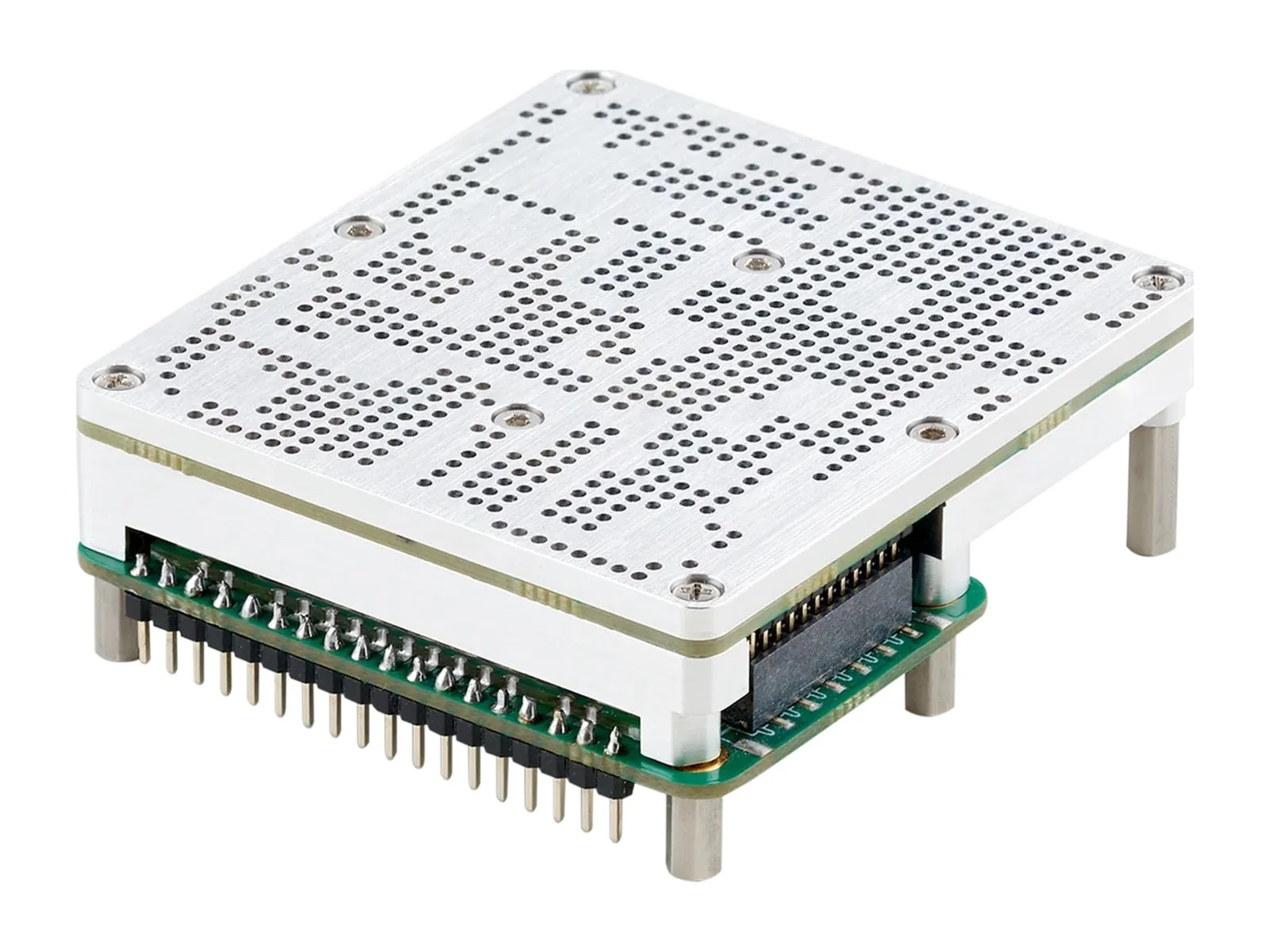 FeaturedLOS links
Mini-OEM wireless data-link product
- Grade
- Professional
- Market
- Dual-use
- Availability
- In production
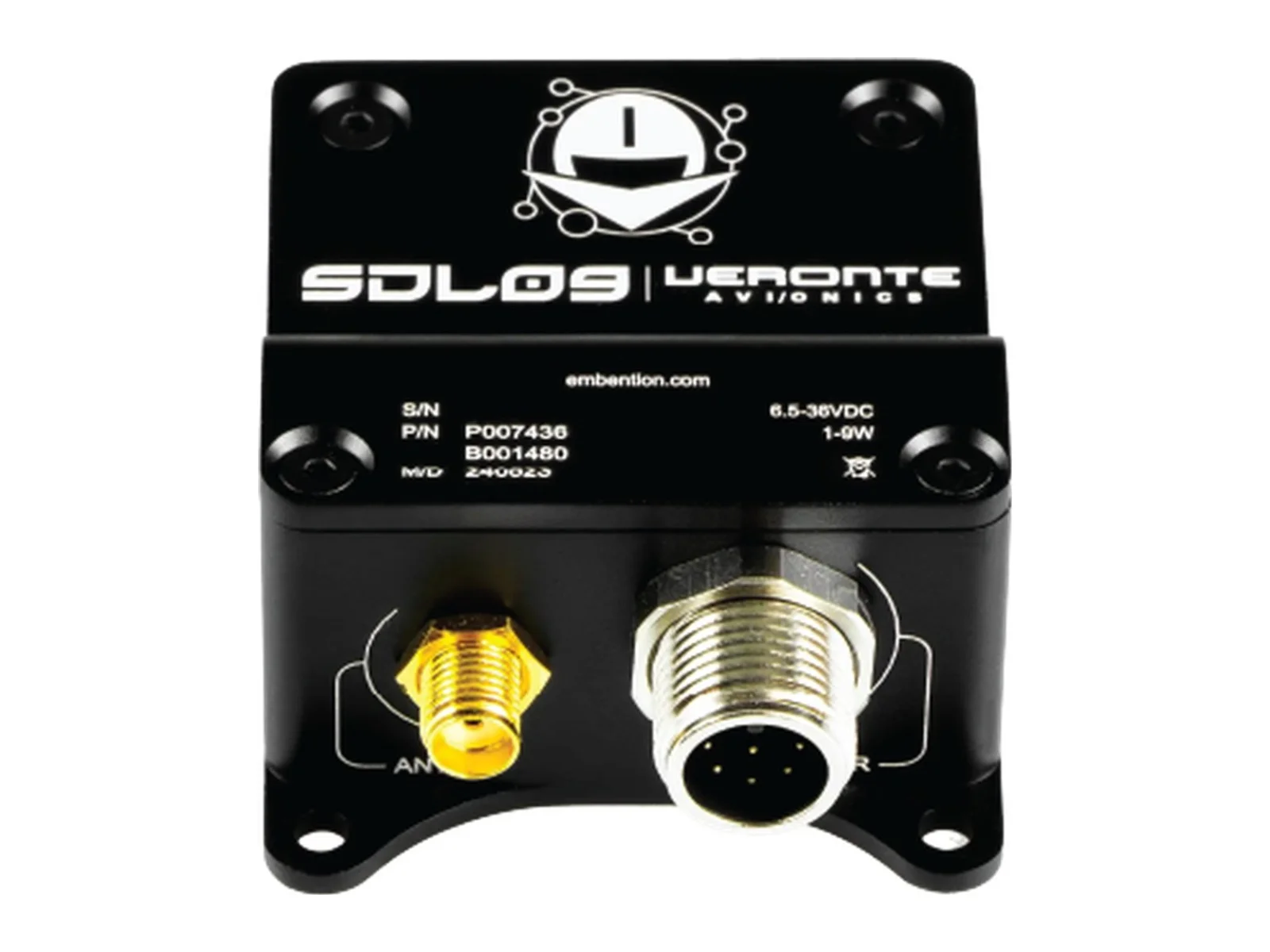 Featured
Related articles
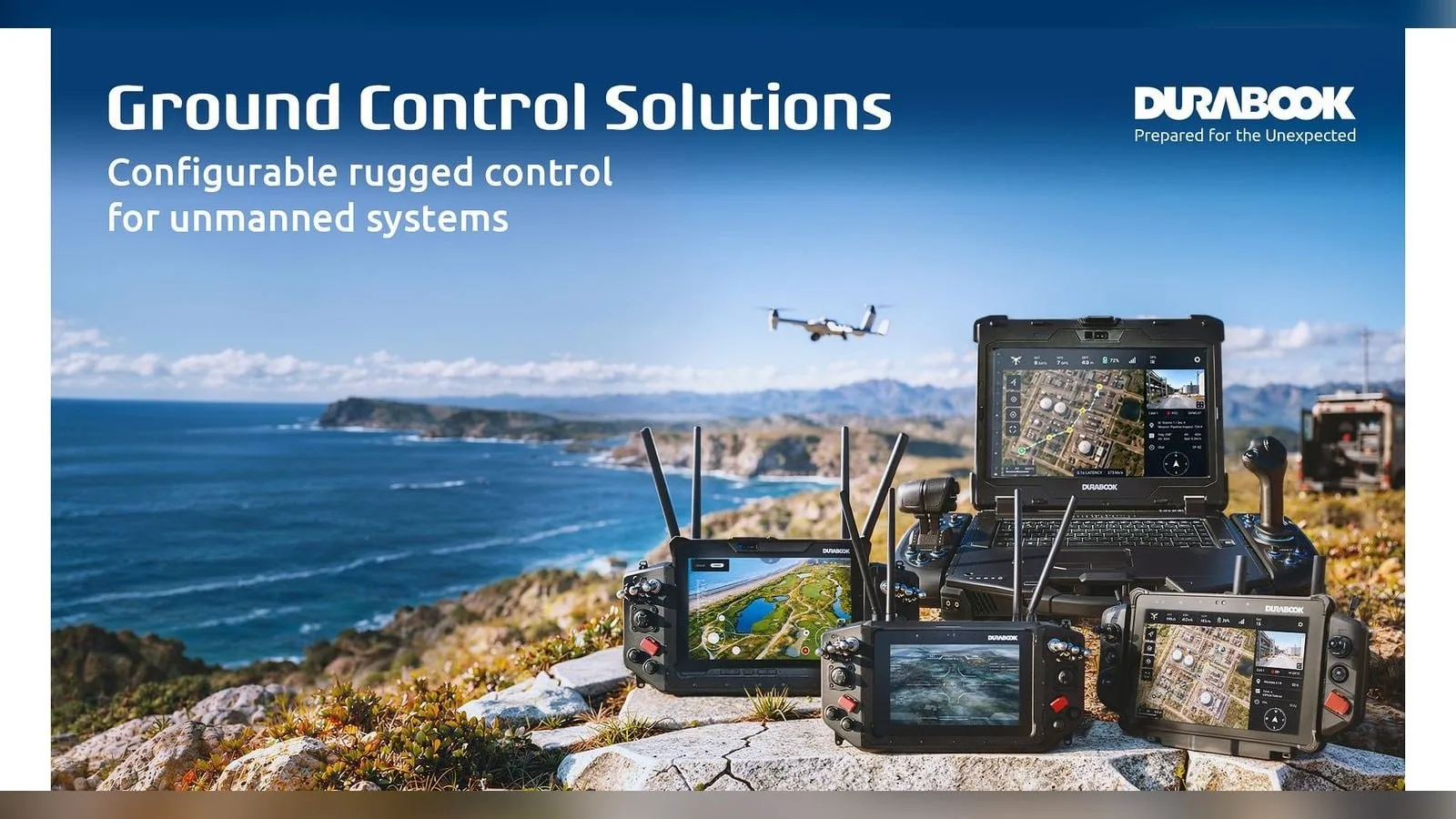
Durabook rugged tablet and laptop GCS platforms for UAS
Durabook, a brand of Twinhead International Corporation, presents a ground control station portfolio built on rugged tablet and laptop computers. The configurable range covers uncrewed air, ground and maritime systems and supports WinTAK…
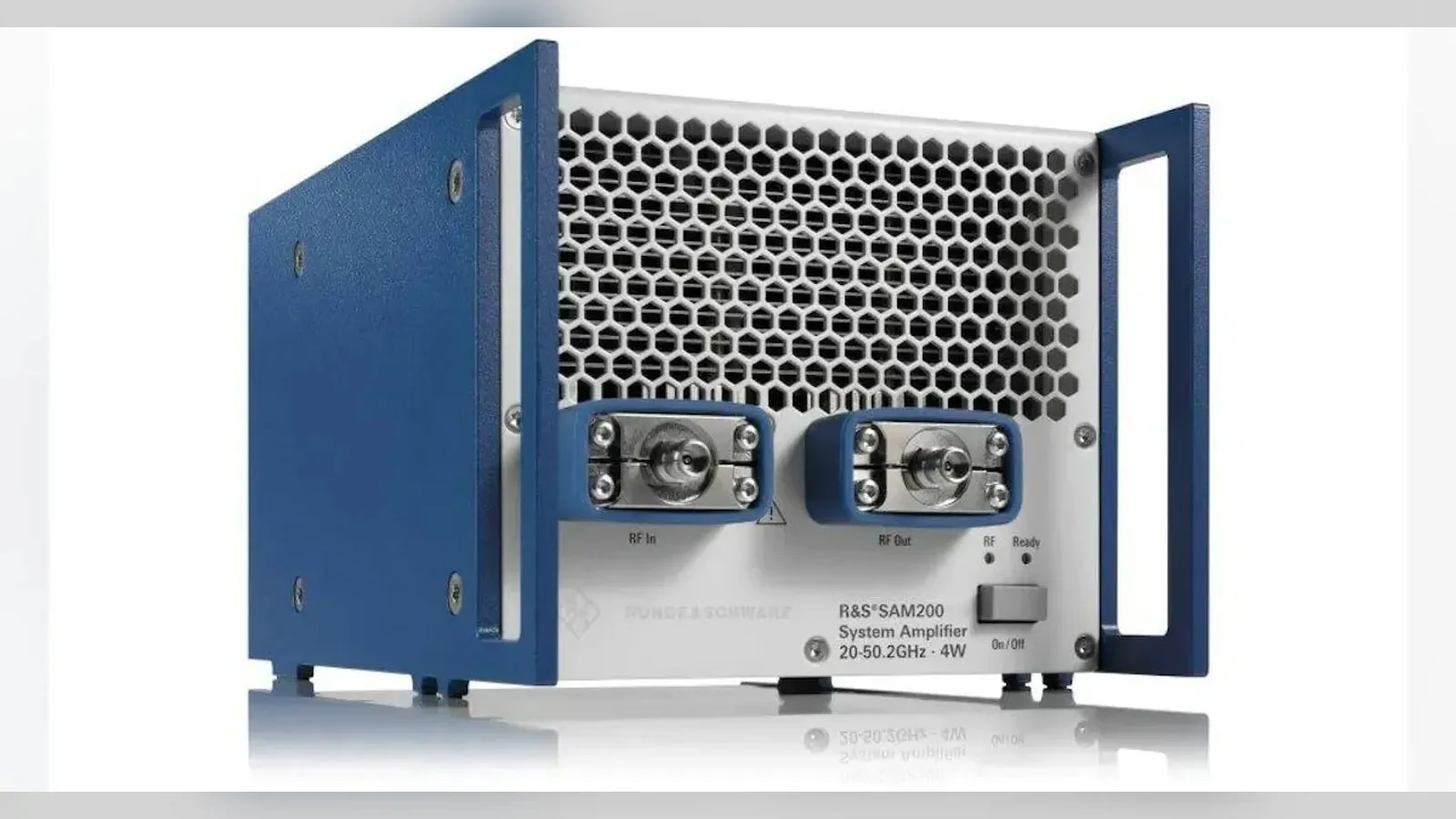
20-53 GHz system amplifiers for RF test from Rohde & Schwarz
Rohde & Schwarz introduces the R&S SAM200 and SAM200 Advanced, two solid-state system amplifiers that cover 20 to 53 GHz for testing high-frequency RF components. Both reach up to 4 watts of saturation power, aimed at Ka-, Q- and V-band…
Elsight Halo multilink unit named Award-Ready by Army lab
Elsight's Halo multilink unit earns Award-Ready status in DevX Autonomy, the Army Applications Laboratory's marketplace of assessed solutions. The status makes the unit's assessment video available to government customers who can consider…
Iridium NTN Direct activates NB-IoT satellite service
Iridium activates Iridium NTN Direct, a 3GPP standards-based NB-IoT and direct-to-device satellite service with global coverage. Chipset makers, mobile network operators and device manufacturers can add an Iridium satellite link to…