Zeng speaks at the opening business dialogue of the 2026 APEC CEO Summit in Shenzhen. According to the leader of the Chinese cell maker, CATL’s development work targets eVTOL propulsion cells that store 350 Wh/kg or more. He names the many islands and vast land areas of the Asia-Pacific as potential settings for electric aviation.
In a press release, CATL states that higher energy density reduces battery weight, but that an aircraft also needs sufficient power for take-off and landing, plus safety and service life for repeated operations. The company links these requirements to two missions it presents at an ABAC luncheon.
The first example is an eVTOL that flies supplies out to an offshore oil platform, a distance of 150 km that takes 58 minutes. In the second, five aircraft complete a formation flight of 133 km in 47 minutes. The aircraft and their manufacturers are not identified.







CATL presents the target and the two missions as a basis for discussing how battery development can answer the operational needs of aircraft manufacturers, and where researchers and industry must cooperate more closely.
Why it matters
The 350 Wh/kg figure is a development target. No cell or pack specification, delivery schedule or customer accompanies it, and the level at which it applies, cell or pack, is not stated.
CATL, a battery manufacturer based in China, lists energy density, take-off and landing power, safety and service life together as requirements for eVTOL batteries. The two missions give reference values of 150 km in 58 minutes and 133 km in 47 minutes. The Asia-Pacific settings Zeng cites, islands and large land areas, are the geography the company associates with electric aviation.
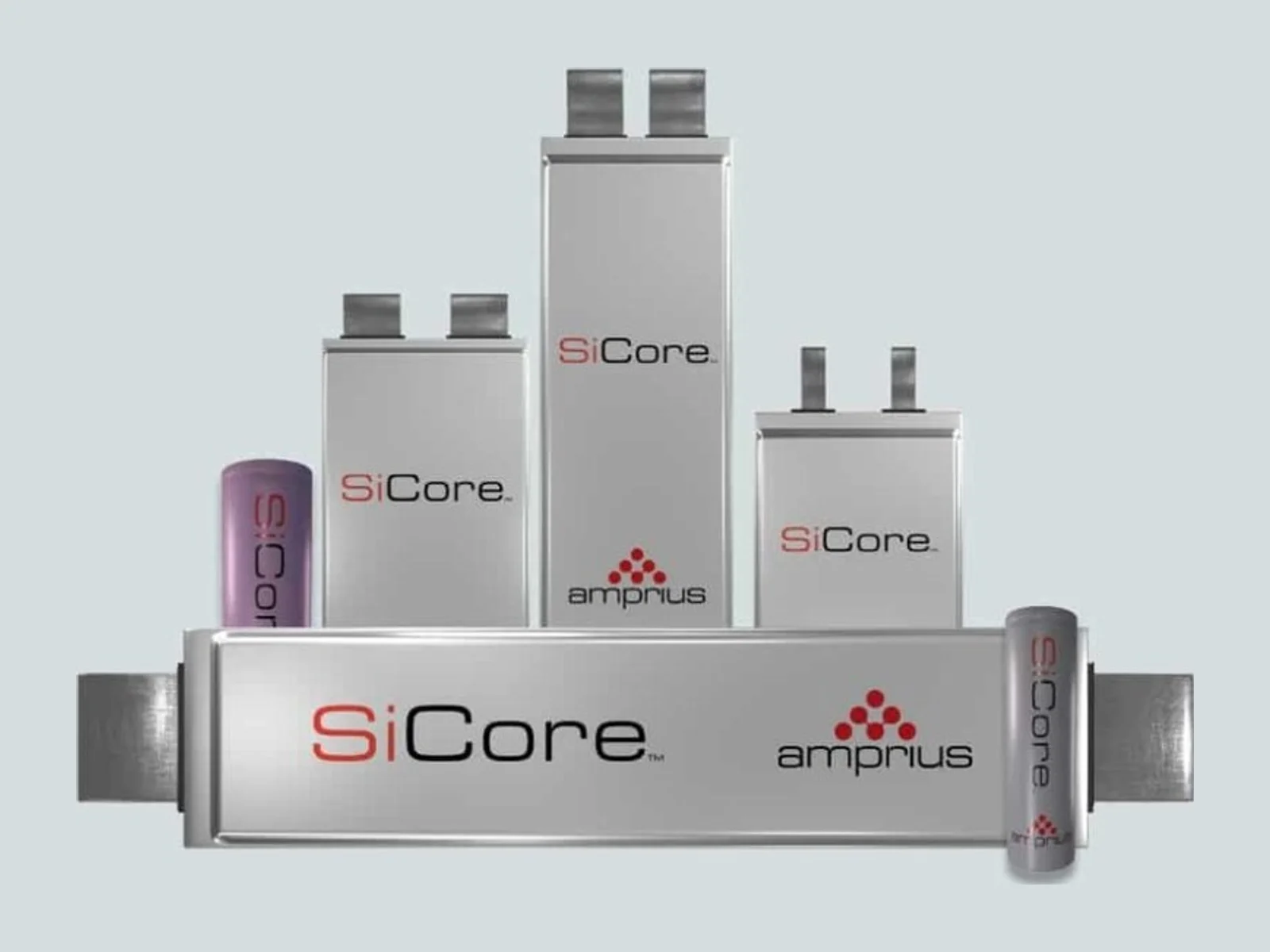
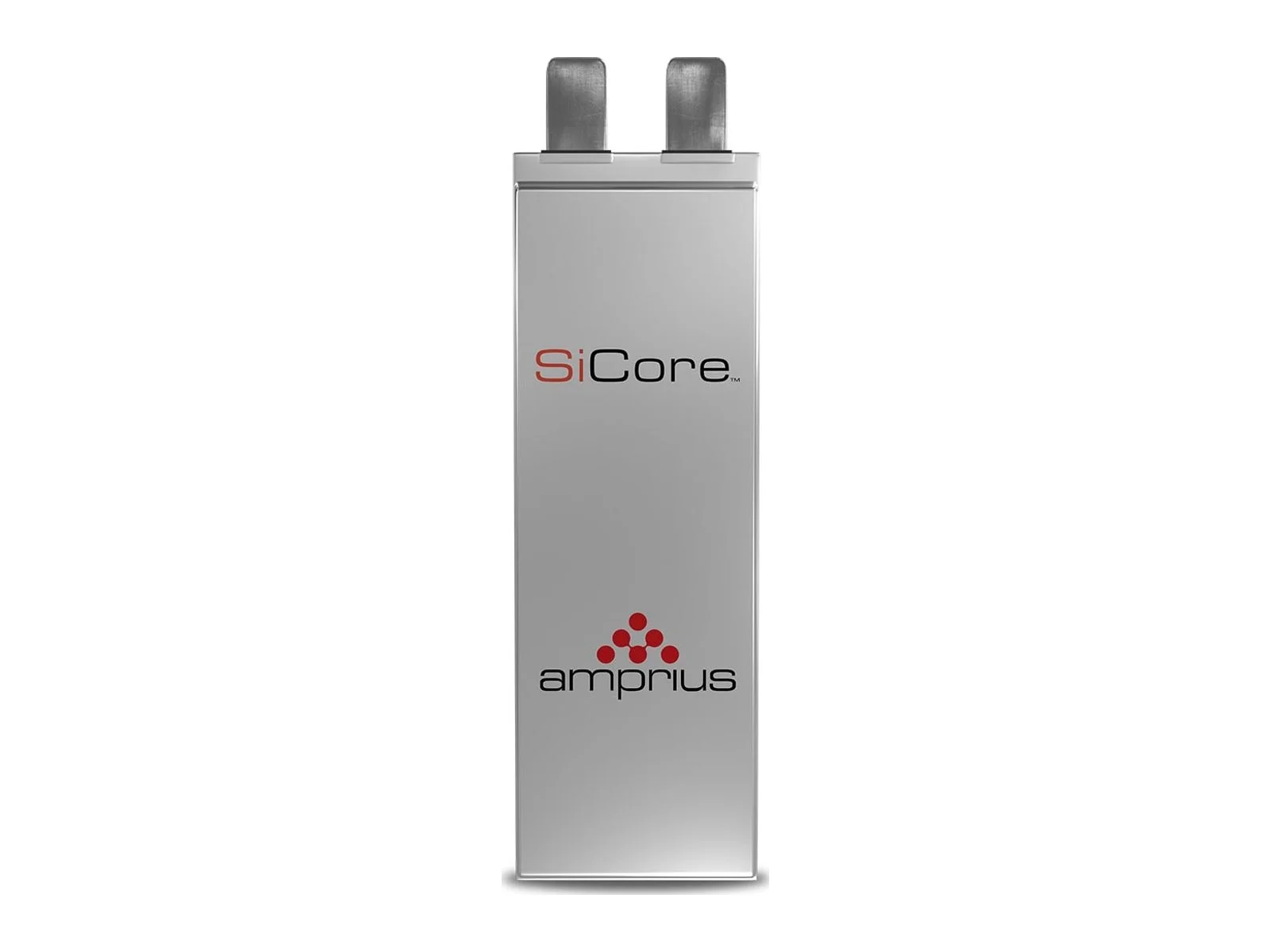
CATL is not yet listed in the directory. Silicon-anode lithium-ion cells in the directory include the Amprius SiCore family and the high-power pouch cells SA108 and SA504.
Source: Urban Air Mobility News: CATL “working towards 350 Wh/kg density batteries for eVTOLs
Was this article useful?
Thanks for your feedback. You can change your answer at any time.
Latest news
Latest news
Products in this article
 FeaturedBatteries
SiCore silicon-anode lithium-ion battery-cell family
- Specific energy
- 450 Wh/kg
- Continuous discharge rate
- 3 C
- Chemistry
- Li-ion silicon anode
 FeaturedBatteries
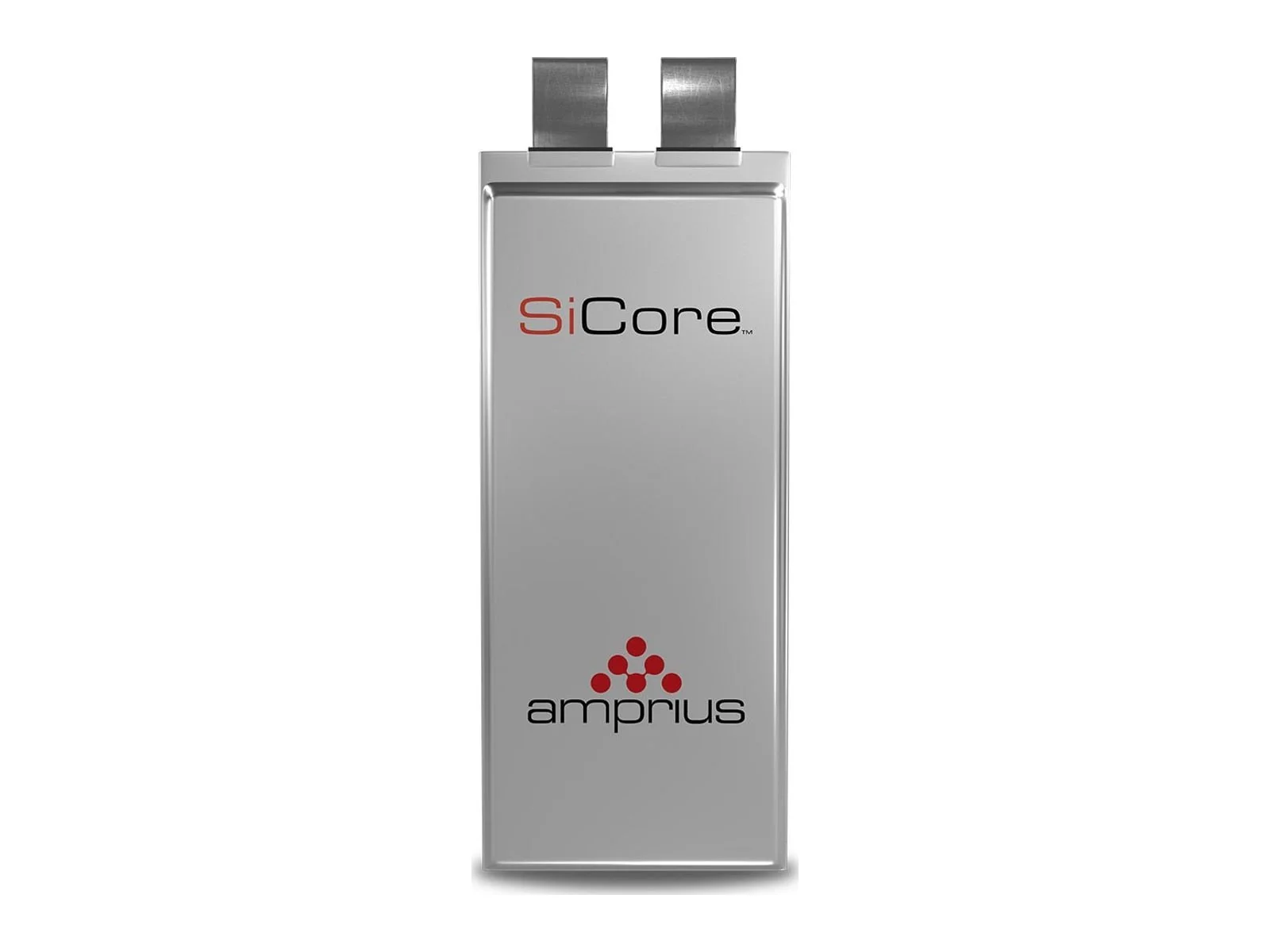
SA108 SiCore High Power Pouch Cell
- Specific energy
- 345 Wh/kg
- Continuous discharge rate
- 5 C
- Chemistry
- Li-ion silicon anode
 FeaturedBatteries
SA504 SiCore High Power Pouch Cell
- Specific energy
- 390 Wh/kg
- Continuous discharge rate
- 6 C
- Grade
- Professional
Related articles
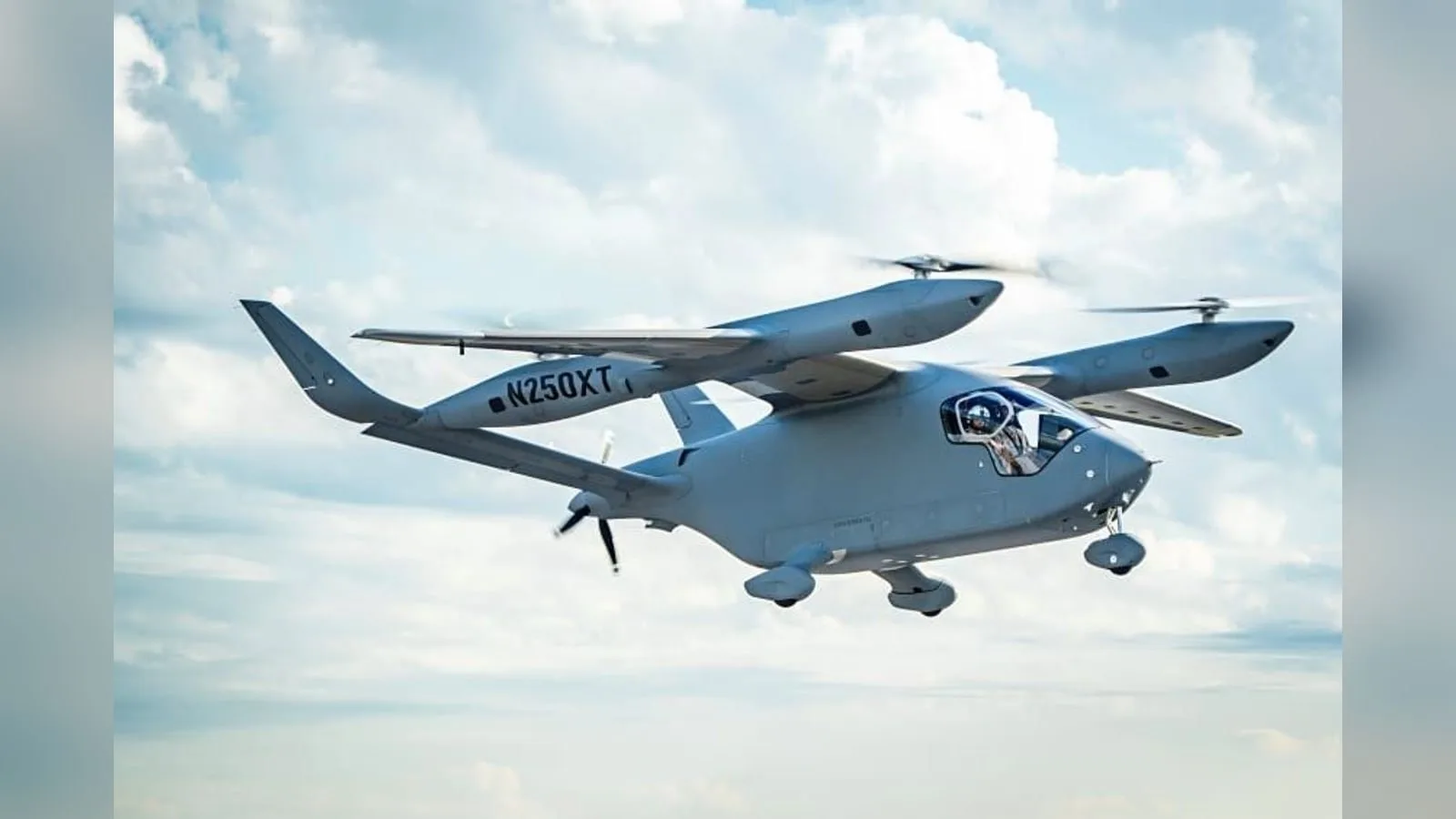
Astronics CorePower power systems enter BETA production
Astronics and BETA Technologies agree on series supply of CorePower electrical power systems for three BETA aircraft. The deal moves power hardware that has flown on BETA's development fleet since 2024 into production.
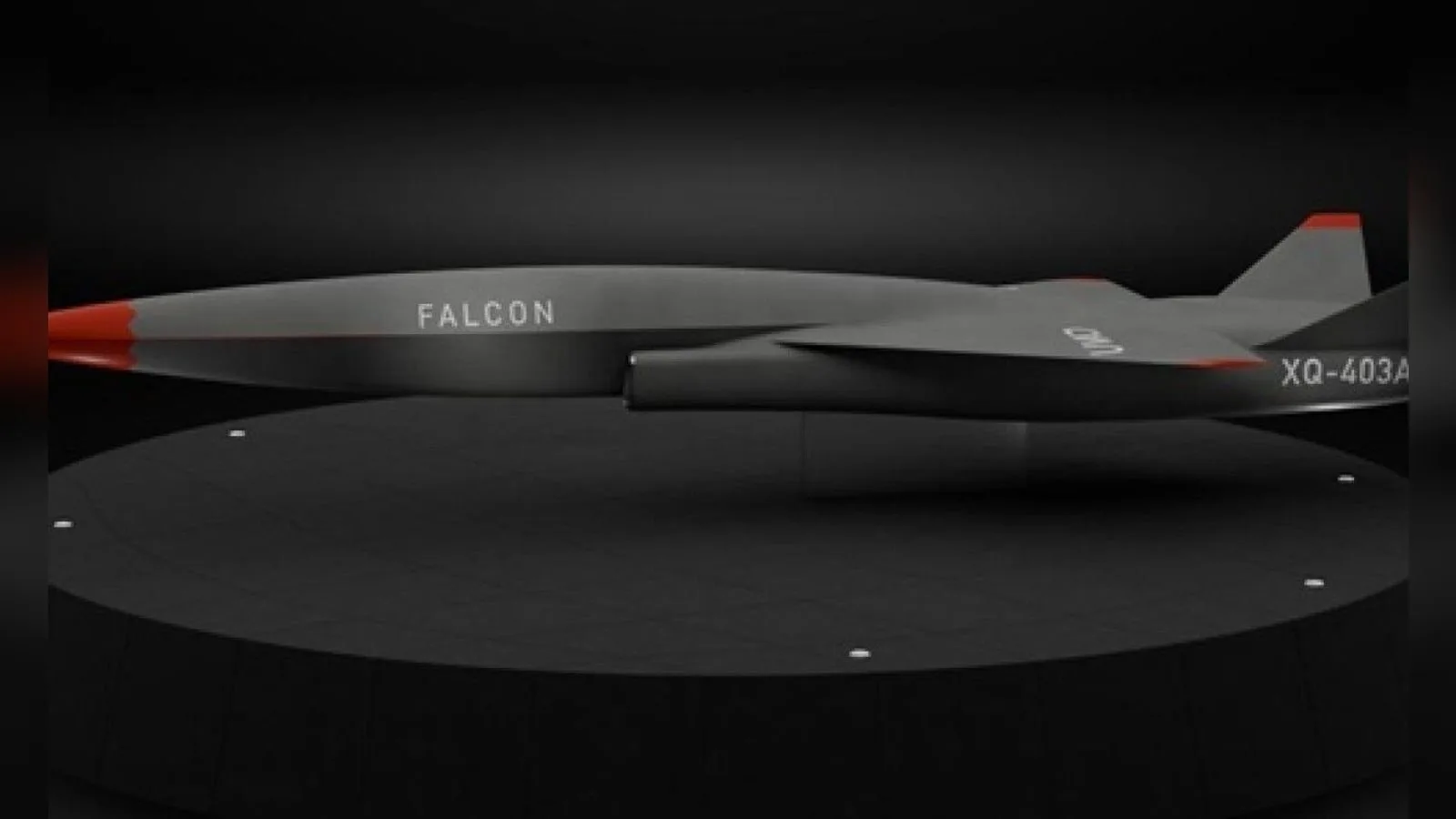
Safran turbojets to power Falcon supersonic UAV target
Falcon is a reusable supersonic uncrewed aerial target for missile-defense training, and its propulsion is the subject of a partnership between Safran Power Units and UVAD Technologies. Safran supplies two turbojet engines, and flight…
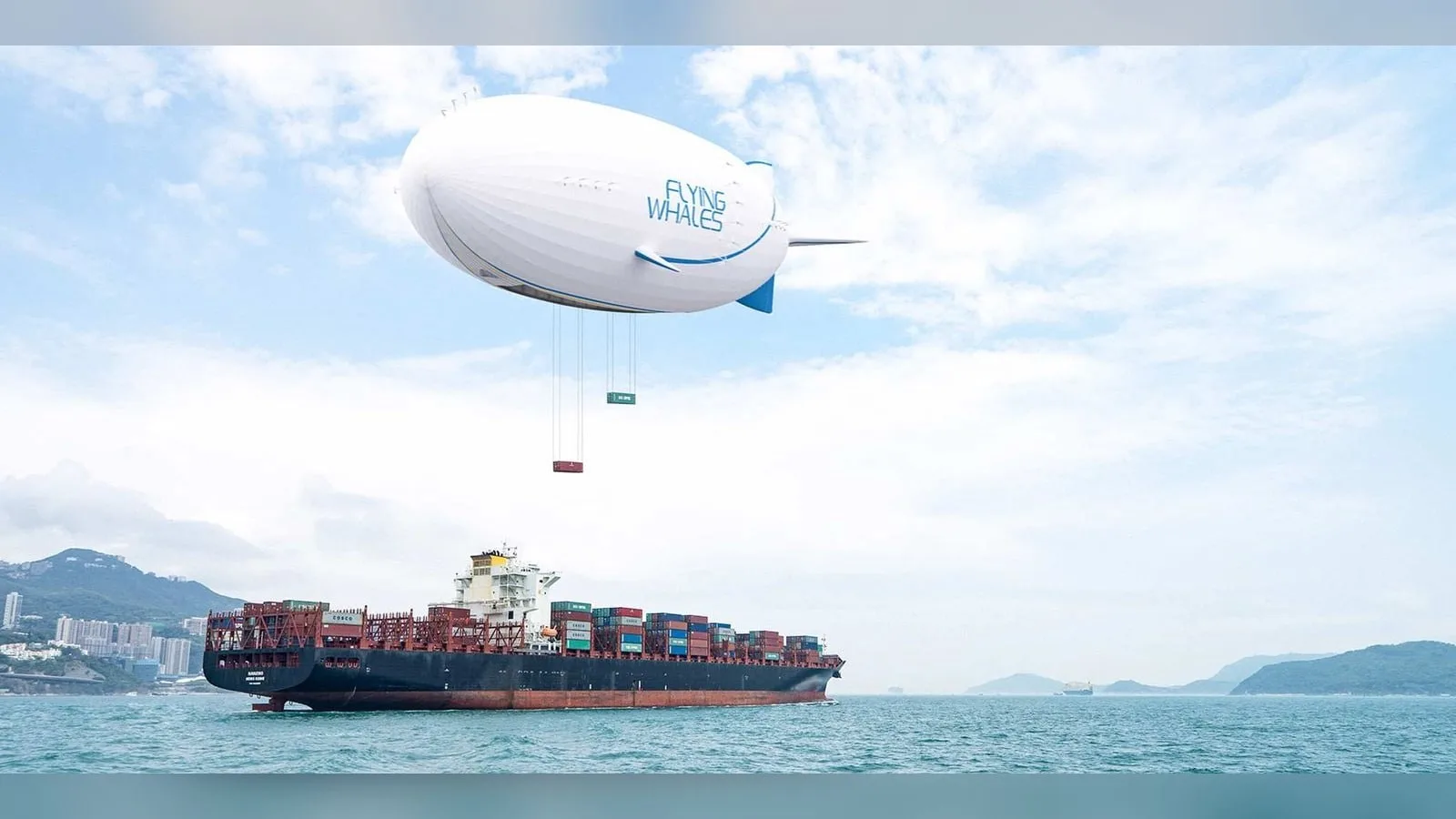
Honeywell tests 1 MW hybrid-electric generator for airship
Honeywell Aerospace tests a 1 MW generator in a Mexicali test cell, and Flying Whales will integrate it into the hybrid-electric powertrain of its LCA60T airship. The unit reaches 1 MW steady state at 97% efficiency, giving…
Honeywell HON1600 small turbine engine targets USAF CCA
Honeywell Aerospace presents the HON1600, a small turbine engine it positions for the US Air Force's Collaborative Combat Aircraft (CCA) program, after a core engine run in September 2025. The Air Force has issued a request for proposals…