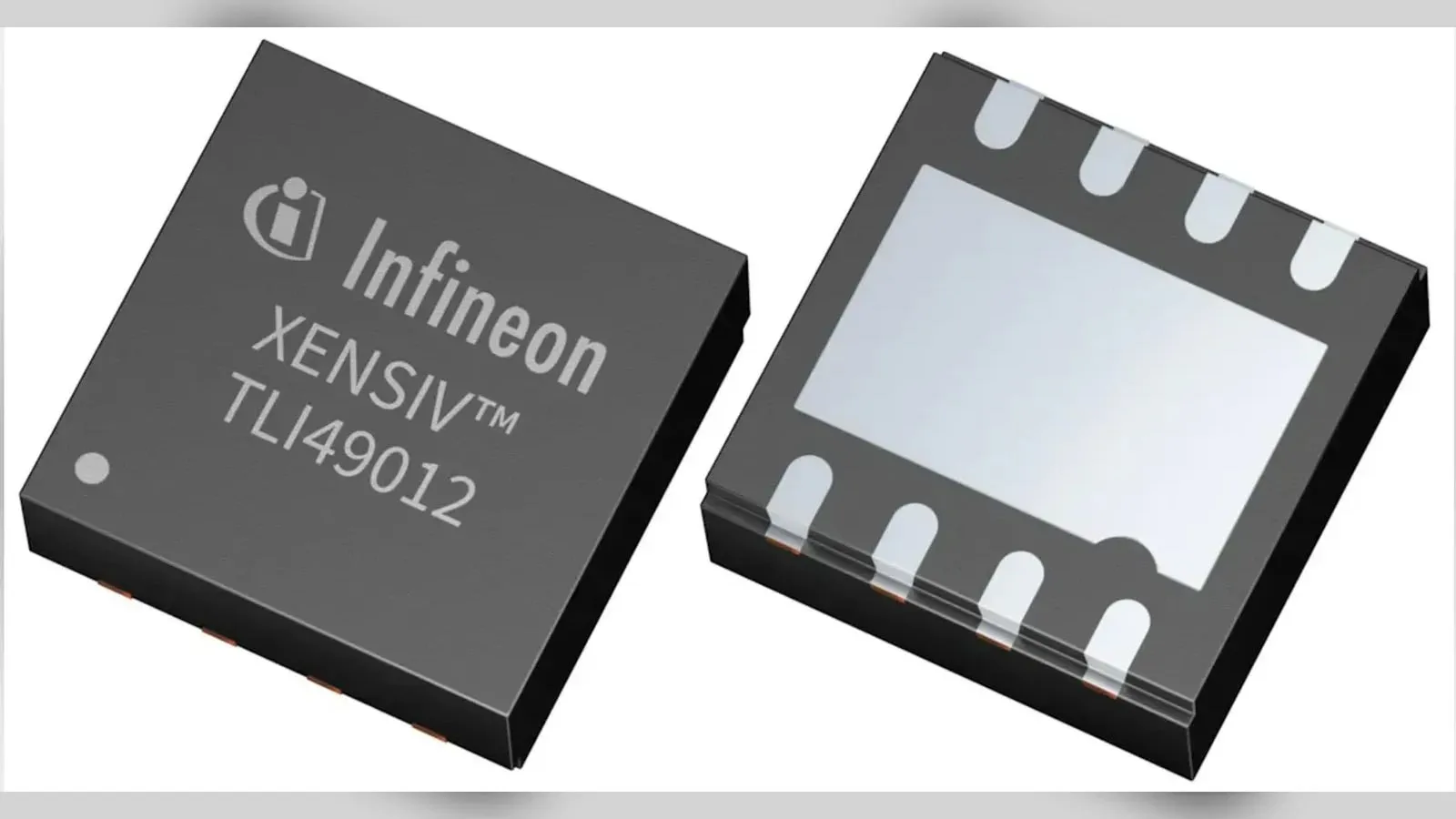
The XENSIV TLx49012 family from Munich-based Infineon consists of four sensors built on Hall technology. Because the chips calibrate the whole system by themselves and compensate continuously on the die, customers no longer write their own calibration code or add a separate reference encoder. Infineon says this reduces development work and end-of-line testing. The devices can be mounted either on the rotation axis or beside it.
The sensors deliver angular accuracy below 0.1 degree with latency of 1.5 microseconds, across magnetic field strengths from 20 to 120 millitesla. Connection to a motor controller runs through one of four interfaces: Serial Peripheral Interface (SPI), ABZ, UVW or pulse-width modulation (PWM).
Parts named TLE49012 are the automotive-qualified versions, and they meet the functional safety rules of ISO 26262 at Automotive Safety Integrity Level (ASIL) B. The industrial variants carry the designation TLI49012. Both the TLE49012 and TLI49012 devices are available now. Target uses include robotics, industrial automation and automotive electrification, where motors spin fast and the rotor position must be reported precisely.







Why it matters
Rotor-position feedback closes the control loop of a brushless DC motor. By moving calibration into the sensor, the TLx49012 shifts part of the test and software workload away from the motor builder, which is the benefit Infineon names for the family.
Infineon positions the launch in automotive and industrial markets. It gives no aerospace or defense positioning, and it publishes no temperature range or environmental qualification data with the announcement. Engineers who integrate electric actuators or propulsion motors in large uncrewed aircraft and eVTOL platforms therefore find no qualification basis for flight hardware in the launch material.
ISO 26262 and ASIL B are automotive functional-safety references. Aviation programmes work to DO-178C, DO-254 and ARP4754A, so the ASIL B rating of the TLE49012 variants does not serve as aviation certification evidence. Any evaluation of the family for aircraft motors or actuators would need qualification data from the supplier beyond what accompanies the launch.
The sensors sit in the magnetic angle-sensing segment used for motor commutation and rotor feedback. The NomyParts sensors category currently lists inertial units, air data probes, altimeters and navigation receivers, and no directly comparable angle sensor.
Source: Military Aerospace: Infineon introduces digital angle sensors with automatic calibration
Was this article useful?
Thanks for your feedback. You can change your answer at any time.
Latest news
Latest news
Companies in this article
Products in this article
 Featured
 FeaturedElectric motors
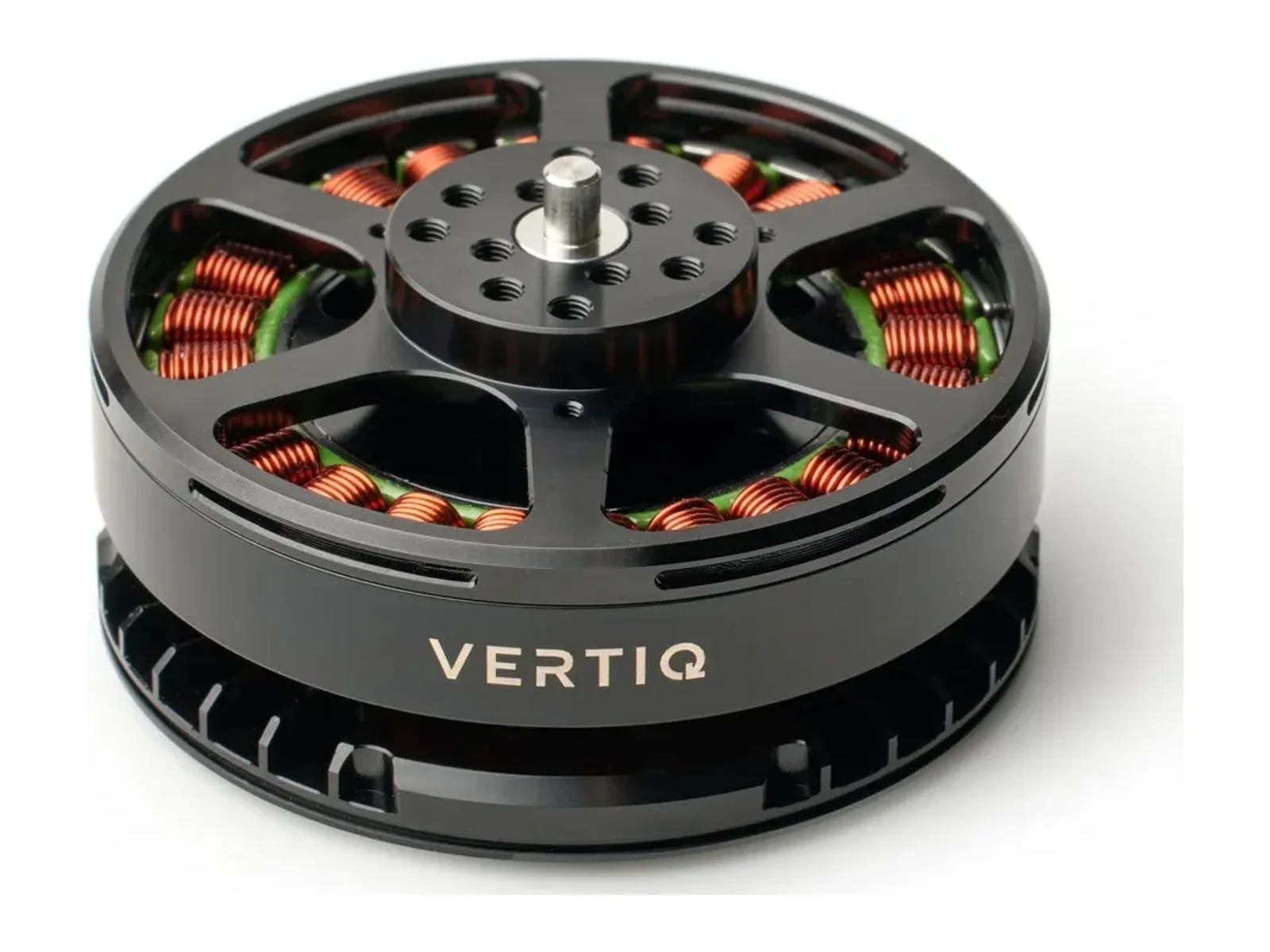
60-08 G2 integrated drone propulsion module
- Grade
- Professional
- Market
- Civil
- Availability
- In production
 FeaturedRotary actuators
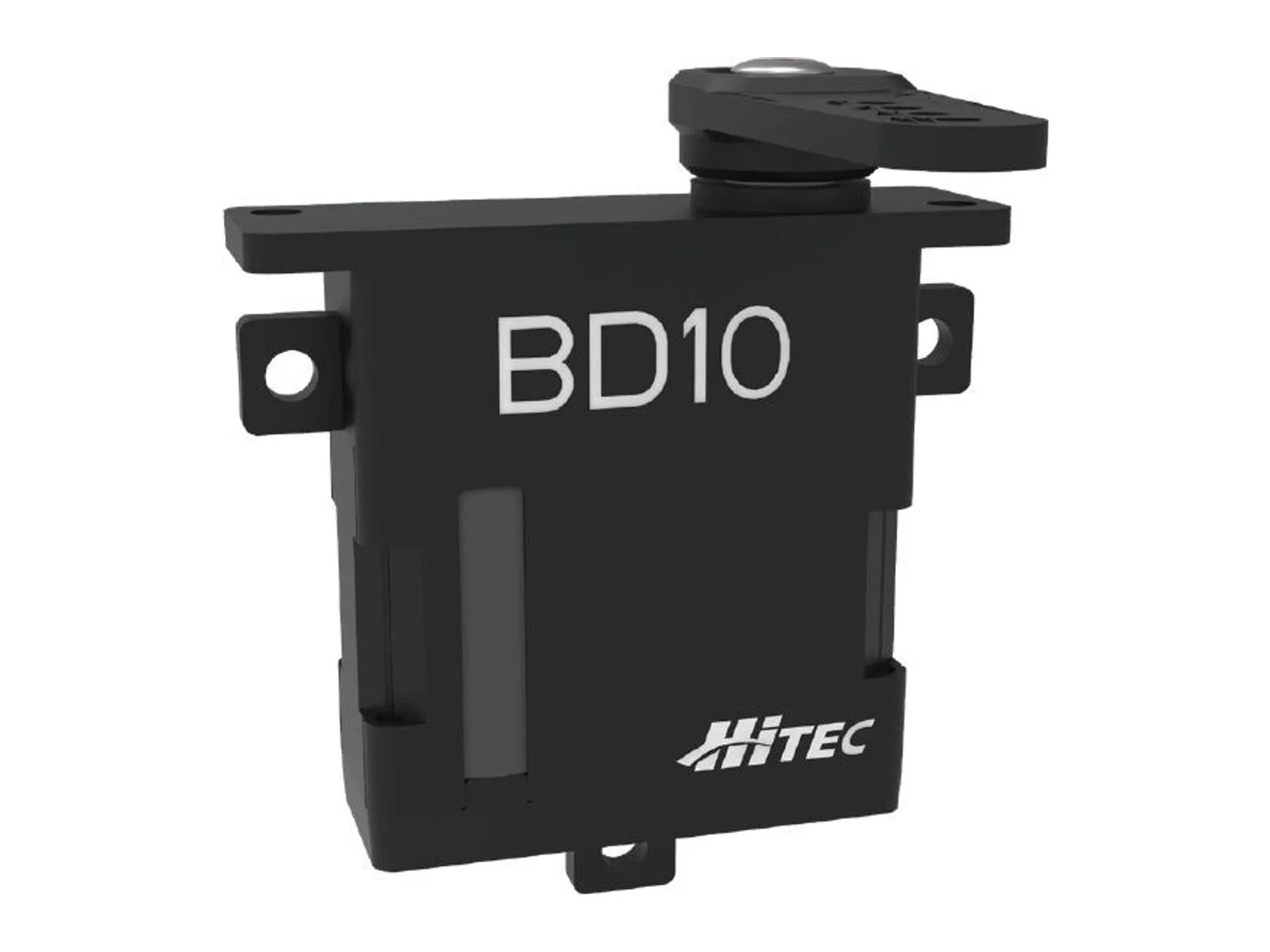
Brushless rotary servo-actuator family
- Grade
- Professional
- Market
- Dual-use
- Availability
- In production
Related articles
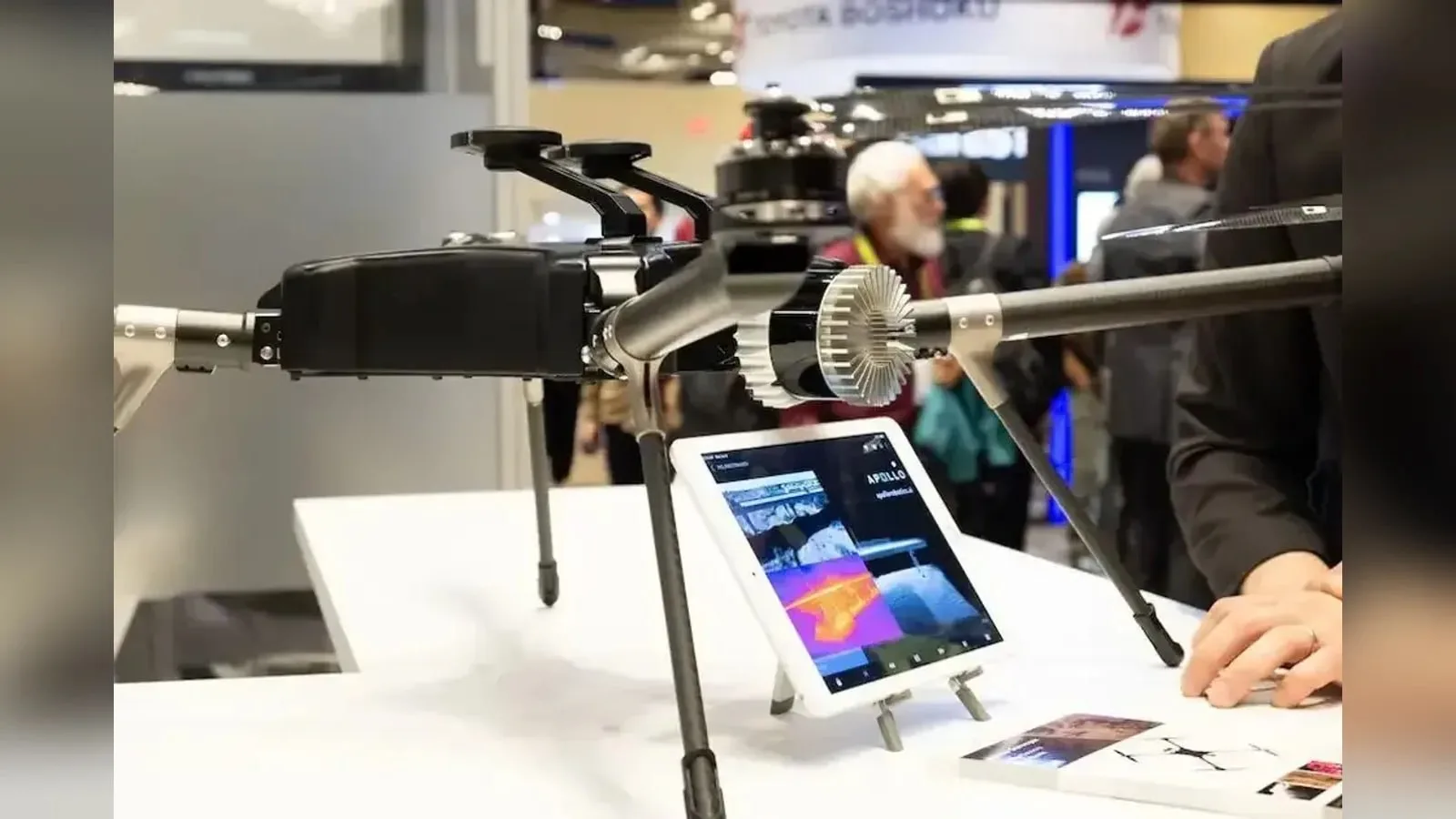
Apollo Robotics Surveyor UAV uses Ouster OS1-64 lidar
Apollo Robotics builds its Surveyor survey UAV around Ouster's OS1-64 lidar and starts bringing the aircraft to market against $3 million in pre-order reservations. Lidar feature matching handles localization onboard, so the platform…
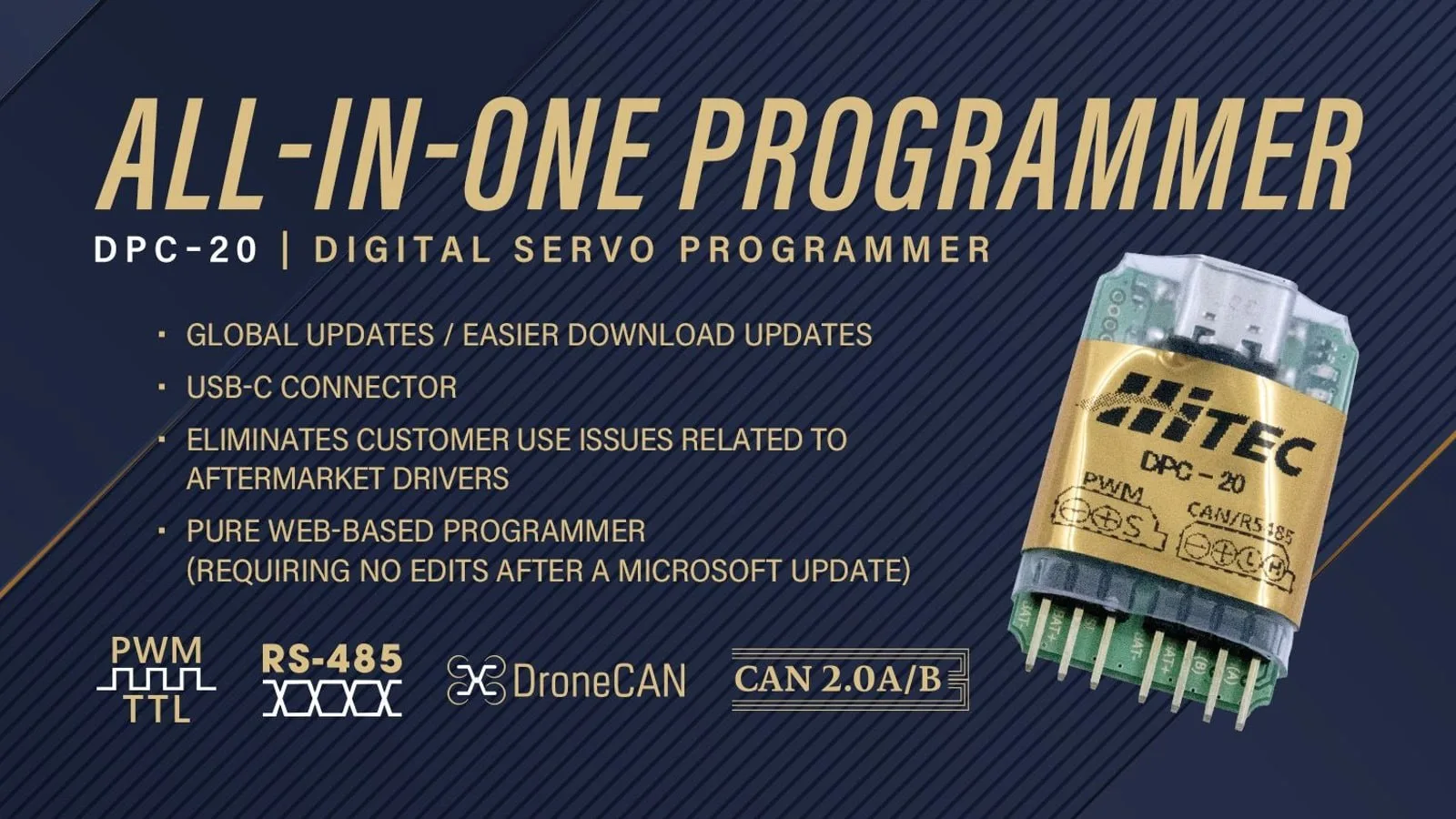
Hitec DPC-20 programmer configures PWM, CAN, DroneCAN actuators
Hitec Commercial Solutions releases the DPC-20, a USB-C programmer that configures and tests its digital servo actuators over PWM, TTL, RS-485, CAN and DroneCAN. It replaces three earlier programmers, the DPC-11, DPC-485 and DPC-CAN, so…
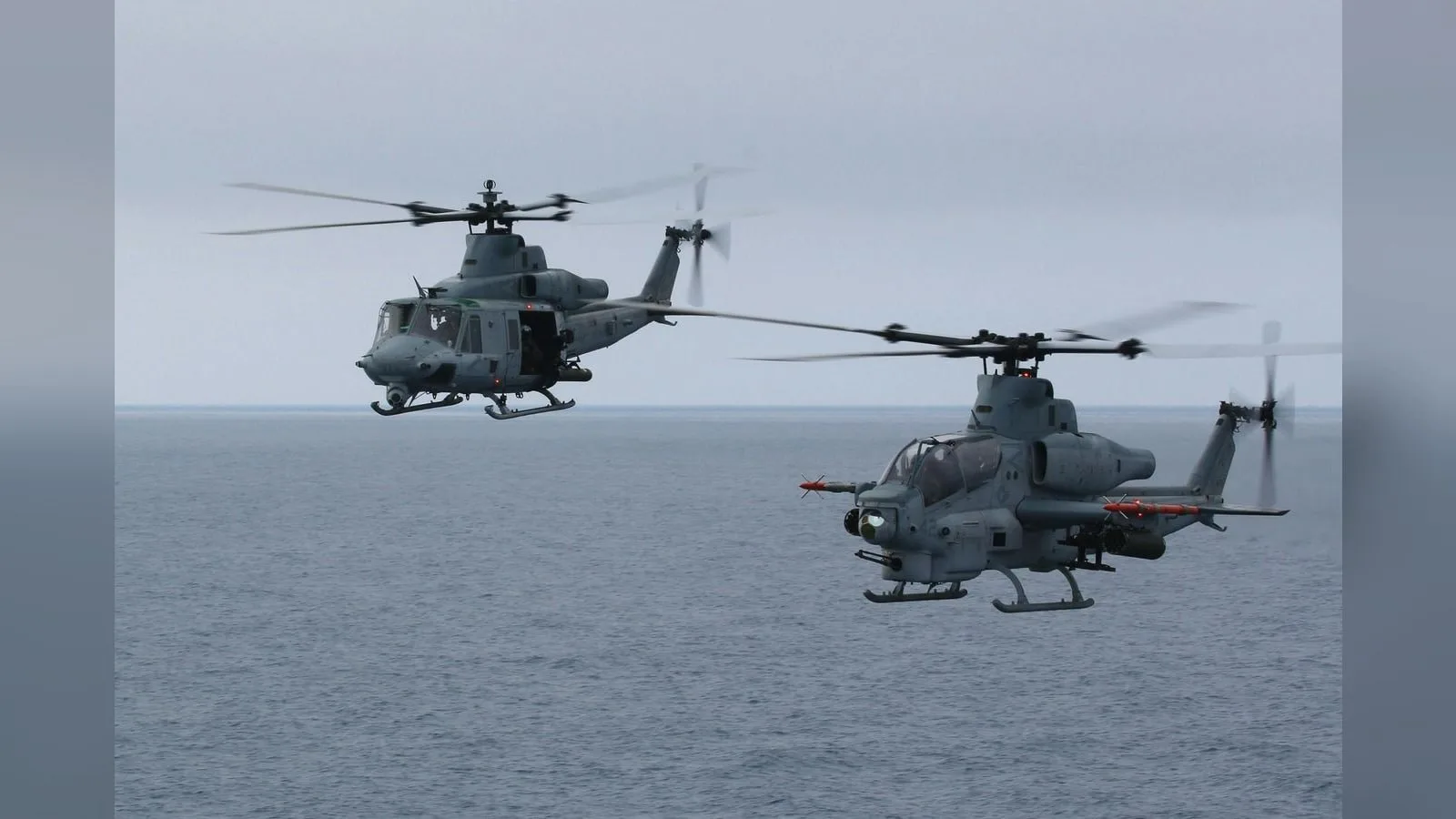
DAIRCM missile-warning system enters production at Leonardo DRS
Leonardo DRS secures a three-year IDIQ vehicle from NAVAIR to begin low-rate initial production of its AN/AAQ-45 DAIRCM survivability system for aircraft. The award moves a modular missile-warning and countermeasure suite for small and…
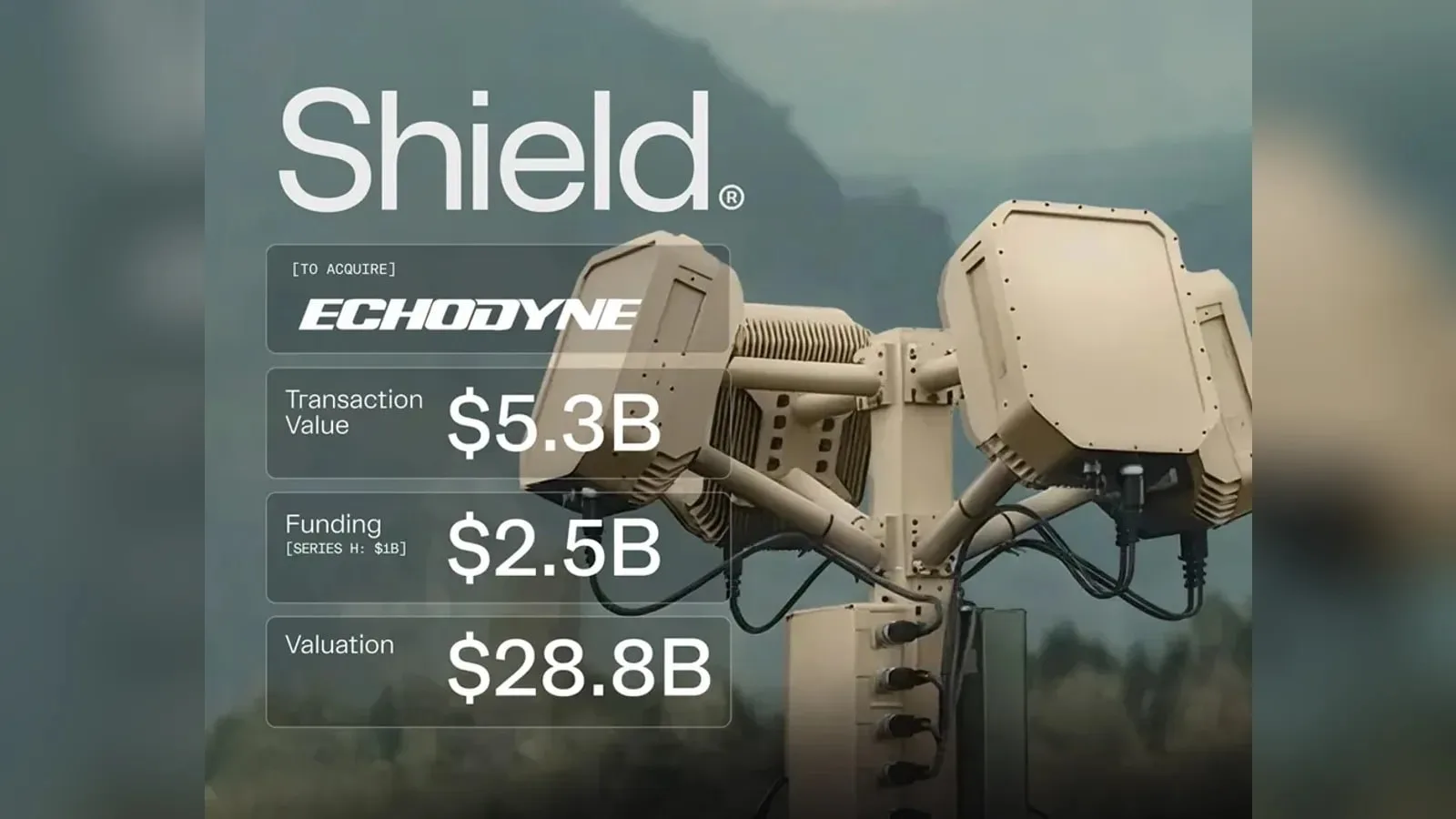
Shield to acquire MESA radar maker Echodyne for $5.3 billion
Shield agrees to buy Echodyne, the Kirkland-based radar maker, in a deal valued at $5.3 billion. The purchase brings software-defined MESA radars, used in counter-UAS systems and for UAS detect-and-avoid, into Shield's Mission Systems…