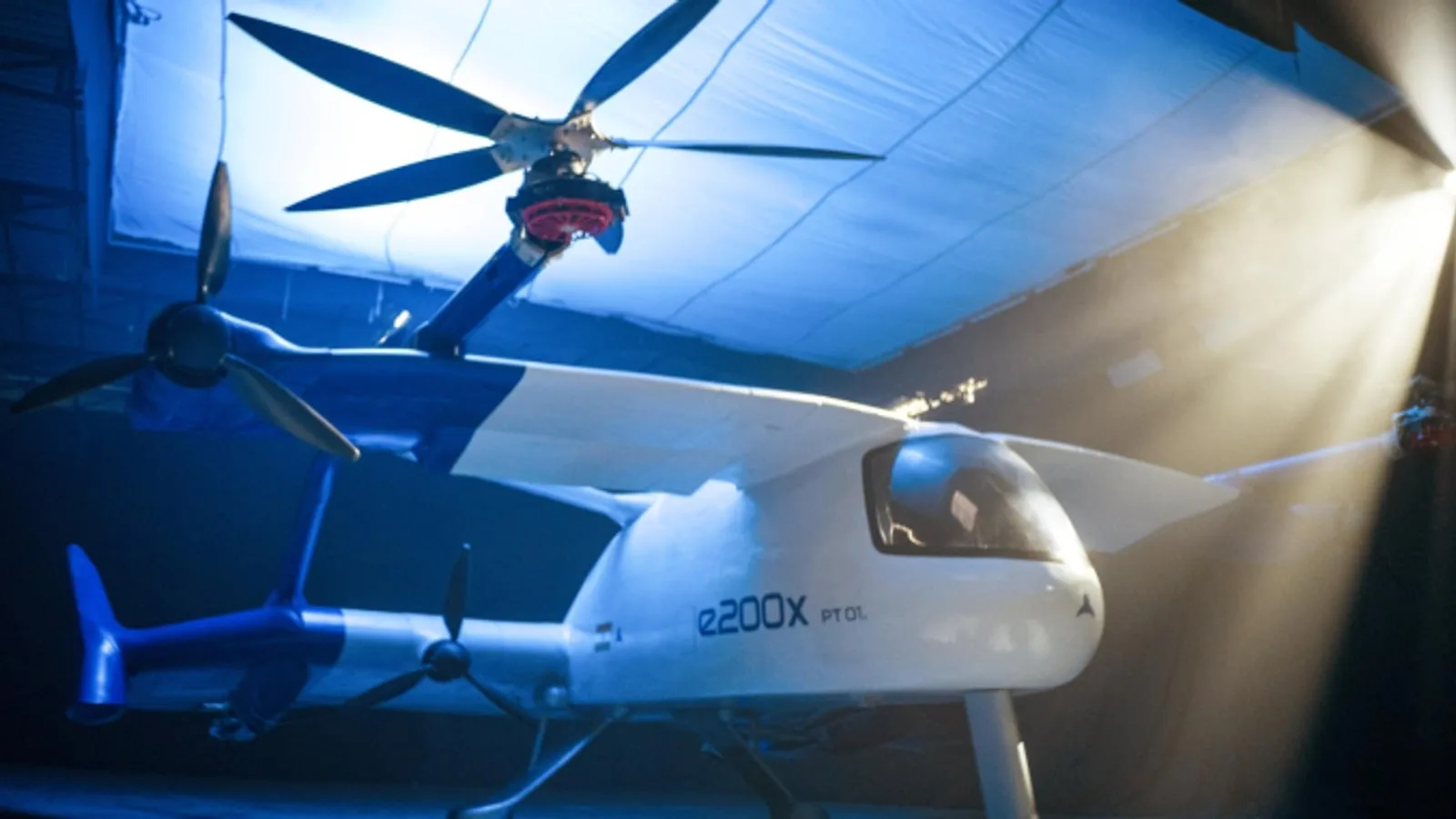
Its modular airframe lets the three-seat e200X eVTOL be configured as a passenger air taxi, a cargo carrier or an air ambulance. Each role brings its own sensors and software, while the flight control software stays the same across all three. Isolated ARINC 653 partitions in MOSA.ic contain the flight-critical functions, such as managing the vehicle and its energy. Mission software is then swapped per role in separate partitions.
According to ePlane, no eVTOL before the e200X has entered the type certification process of the DGCA, the aviation regulator in India.
Lynx also announces a second platform the same day, with Swiss rugged computing company ELIX Systems. The pre-integrated hardware and software platform targets safety-critical cockpit displays and onboard processing. The platform is built on the CB-1002 module from ELIX, where the Intel processor stays at one fixed frequency so that timing remains predictable. Graphics and AI workloads execute on the software layer supplied by Lynx. Evidence packages for DO-254 and DO-178C come with the platform and back certification as high as DAL A.








Why it matters
Role-changing airframes such as the e200X need avionics in which mission software changes leave flight-critical code untouched. On this aircraft, ARINC 653 partitioning separates vehicle and energy management from the sensors and applications that each role adds. Lynx software handles mission computing on the e200X, while the hardware it runs on is not named.
ePlane places the e200X first in the DGCA’s eVTOL type certification pipeline, so its software partitioning approach is part of a certification programme in India.
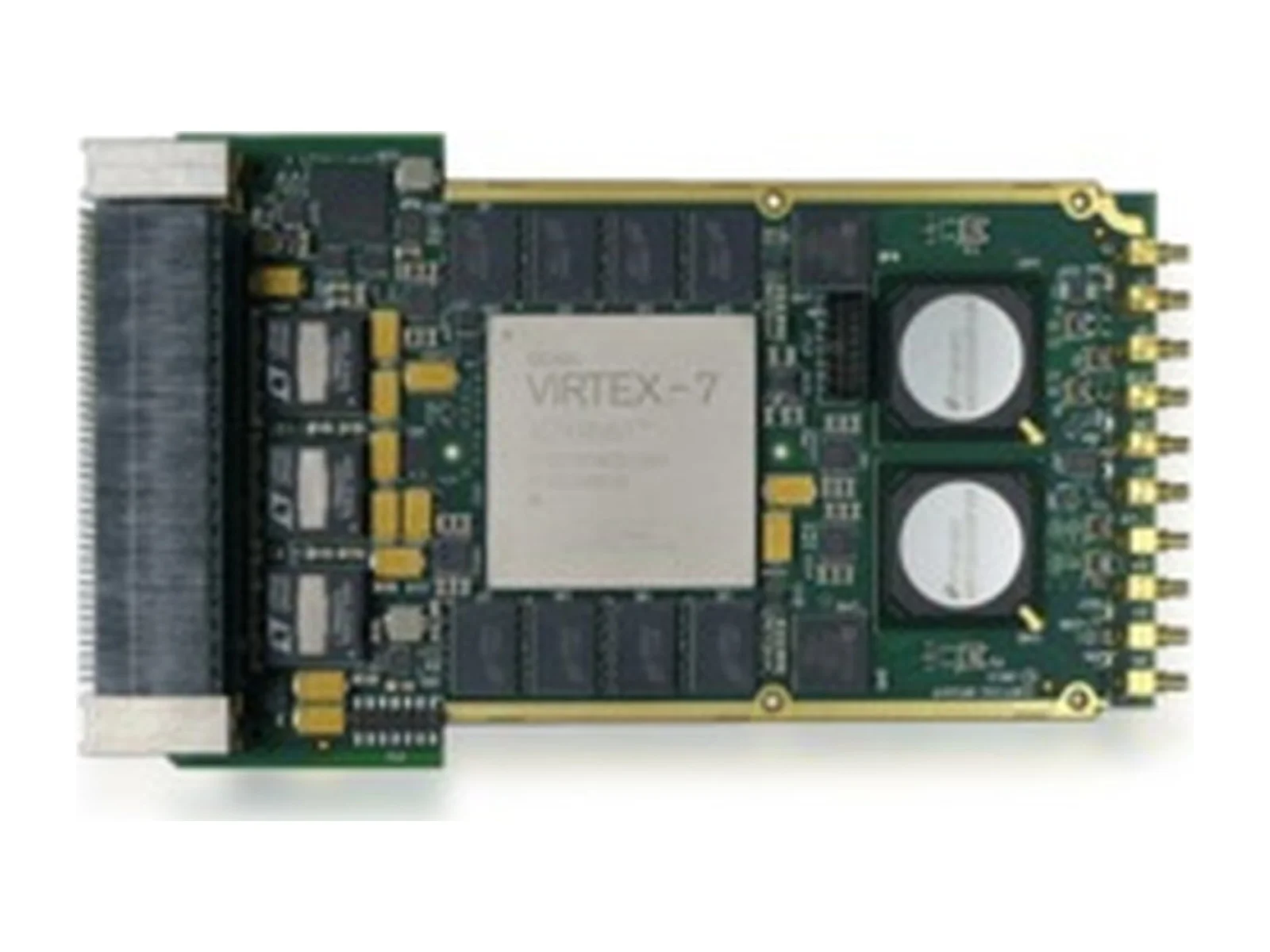
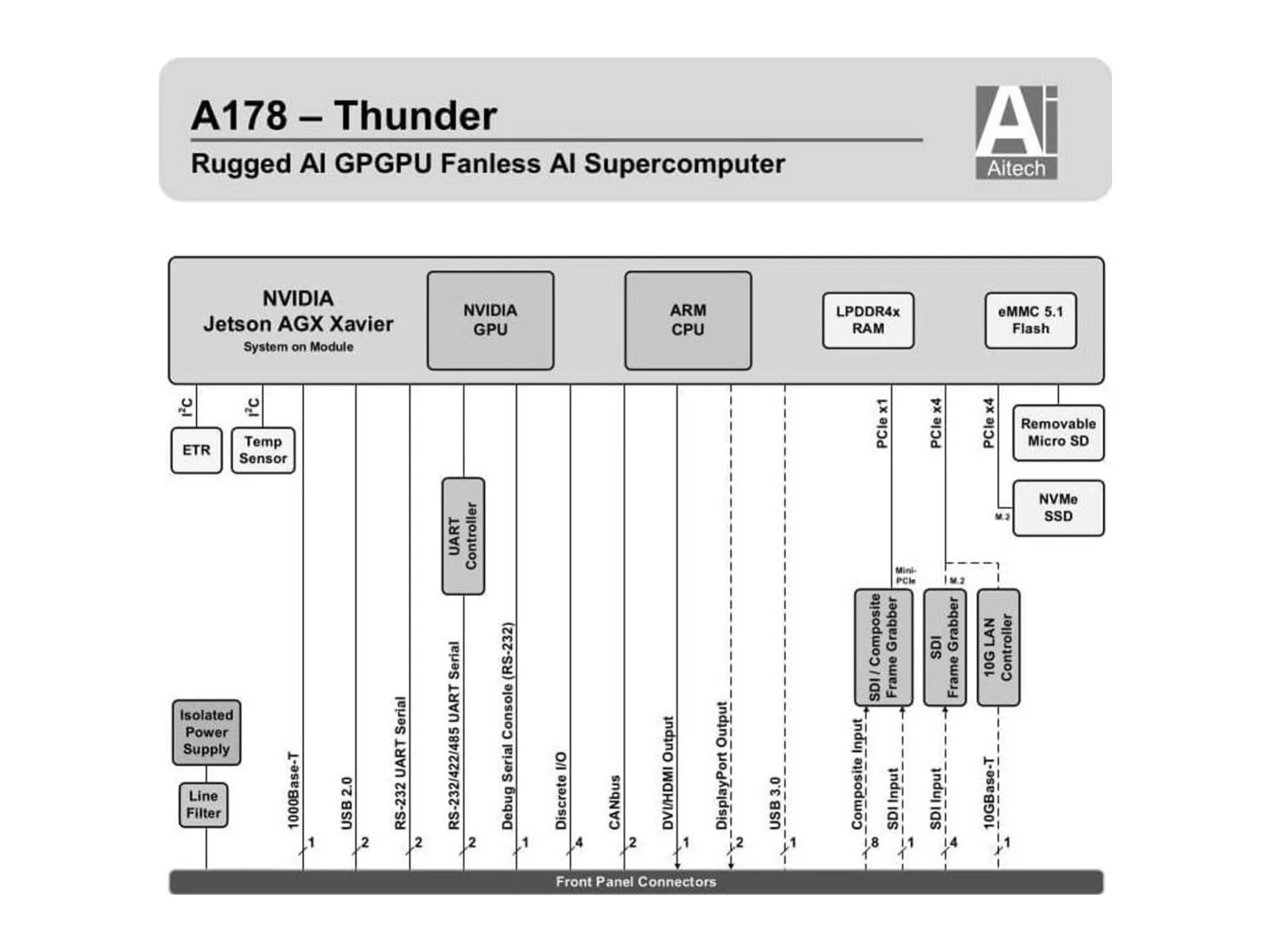
The ELIX platform is a separate Lynx announcement and is not part of the e200X selection. It pairs a processor locked at a fixed frequency with Lynx graphics and AI software, and its DO-254 and DO-178C evidence packages support certification up to DAL A. Lynx therefore offers a software partitioning layer on the ePlane aircraft and a pre-integrated hardware option for cockpit displays. Buyers weighing hardware-based mission computing can compare embedded mission computers in the directory, such as the Curtiss-Wright VPX mission computers and the Aitech A178 Thunder.
Was this article useful?
Thanks for your feedback. You can change your answer at any time.
Latest news
Latest news
Products in this article
 FeaturedMission computers
VPX mission computers embedded mission computer
- Grade
- Professional
- Market
- Defense
- Availability
- In production
 FeaturedMission computers
A178 Thunder embedded mission computer
- AI performance
- 32 TOPS
- RAM
- 32 GB
- Grade
- Professional
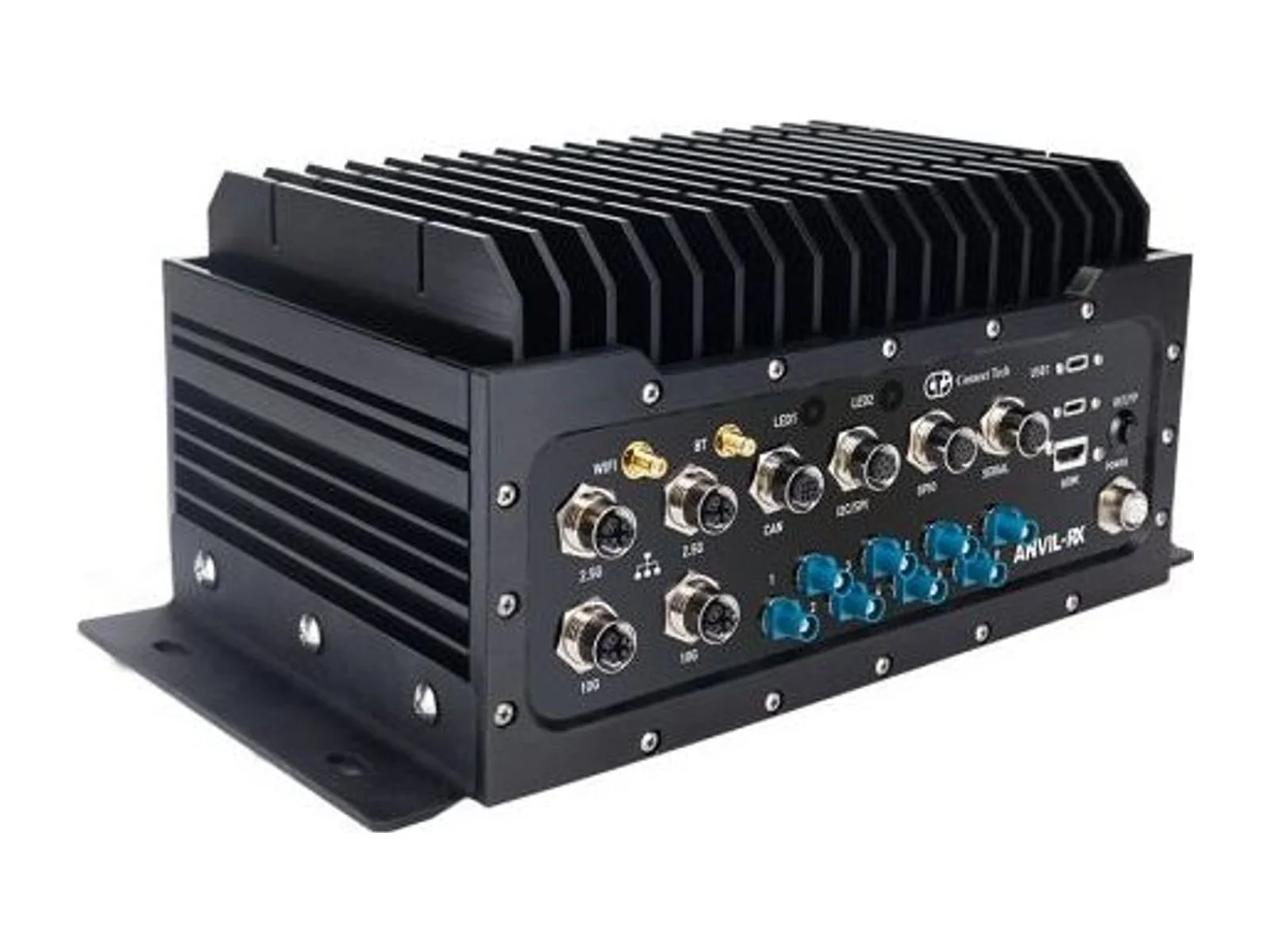 FeaturedMission computers
Anvil-RX embedded mission computer
- Grade
- Professional
- Market
- Civil
- Availability
- In production
Related articles
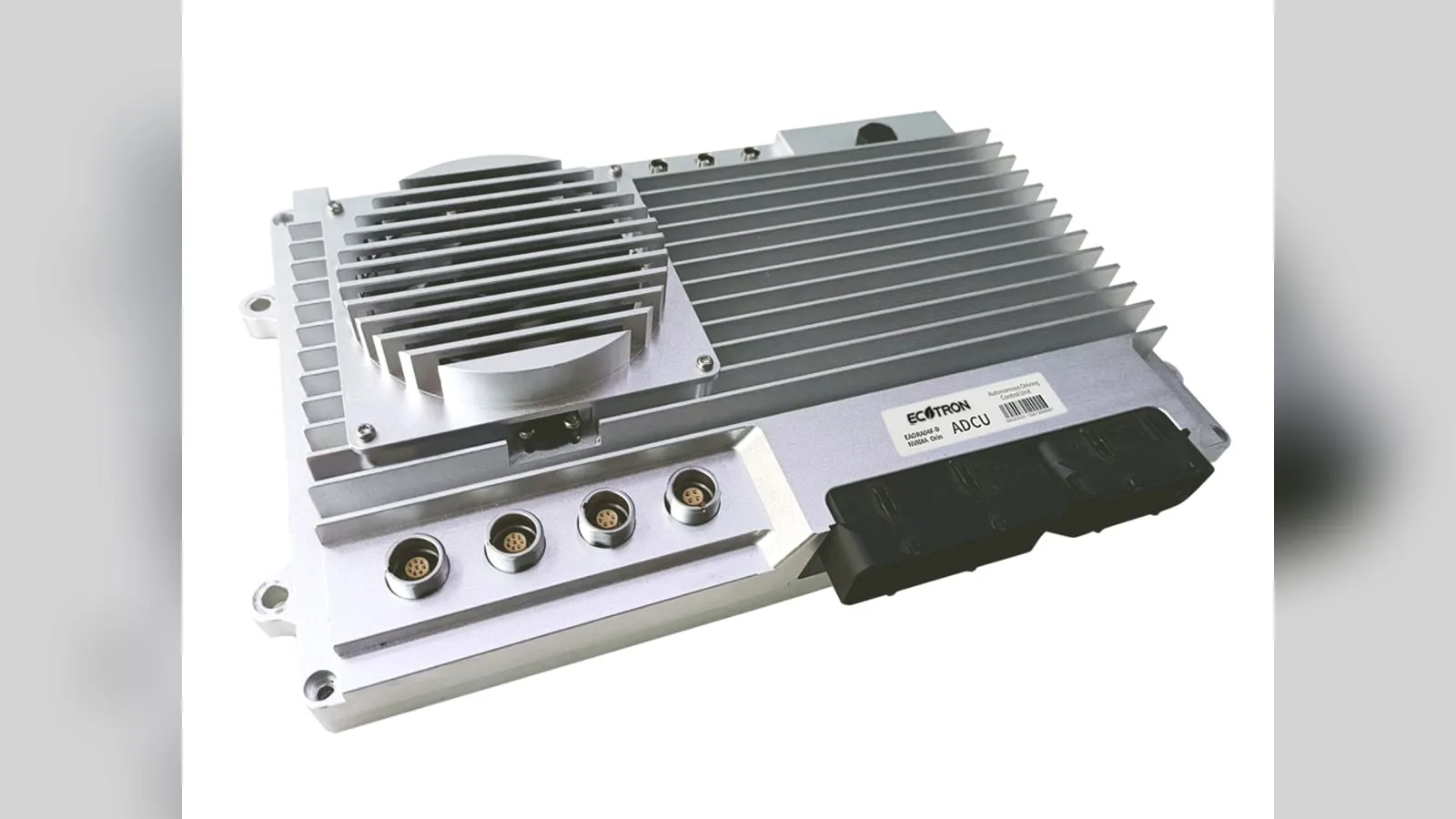
Ecotron EAORA04-D pairs Jetson Orin with ASIL-D MCU
Ecotron releases the EAORA04-D, an autonomous driving computing unit rated at 200 TOPS that pairs an NVIDIA Jetson Orin processor with an Infineon TC297 microcontroller. The platform targets L4 low-speed autonomous driving and separates…
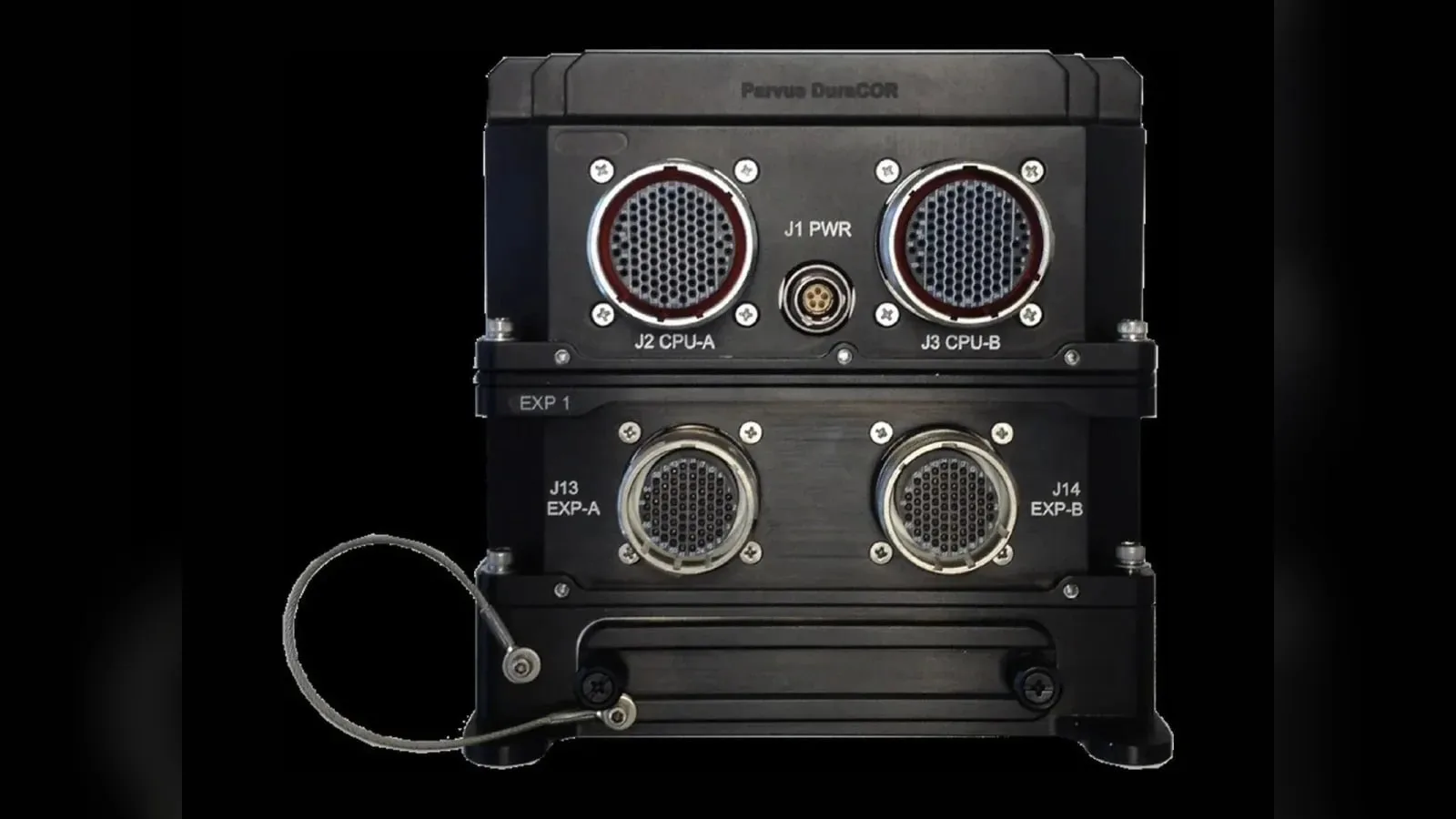
Encrypted NAS storage for Group 2–3 UAS by Curtiss-Wright
For military platforms with strict size, weight, and power limits, the DTS1 Nano is a new ruggedized network-attached storage unit from Curtiss-Wright Defense Solutions, and it applies two layers of encryption to stored data. It targets…
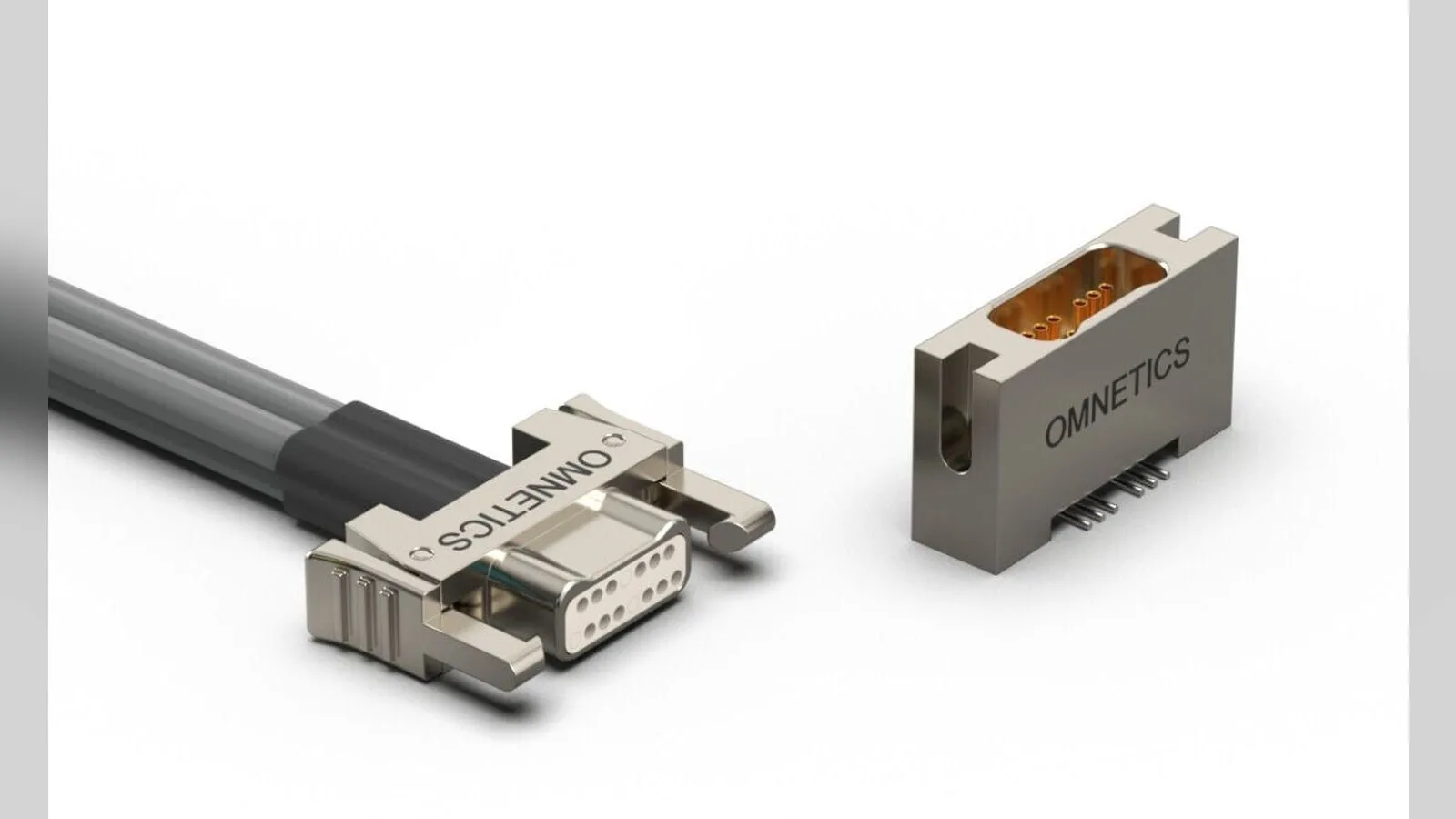
Omnetics High-Speed Nano-D connector carries 20 Gb/sec
Omnetics introduces a High-Speed Nano-D connector that pairs the miniature MIL-DTL-32139 format with signal routing up to 20 Gb/sec. The connector targets space and military electronics in which size, weight and shock tolerance restrict…

Honeywell tests alternative navigation for GNSS-denied flight
Honeywell Aerospace presents results from demonstrations of celestial-, vision- and magnetic-aided navigation that support inertial systems when GNSS signals are lost. Its star-tracker based system matches GNSS-INS performance under…