Featured
Electric motors
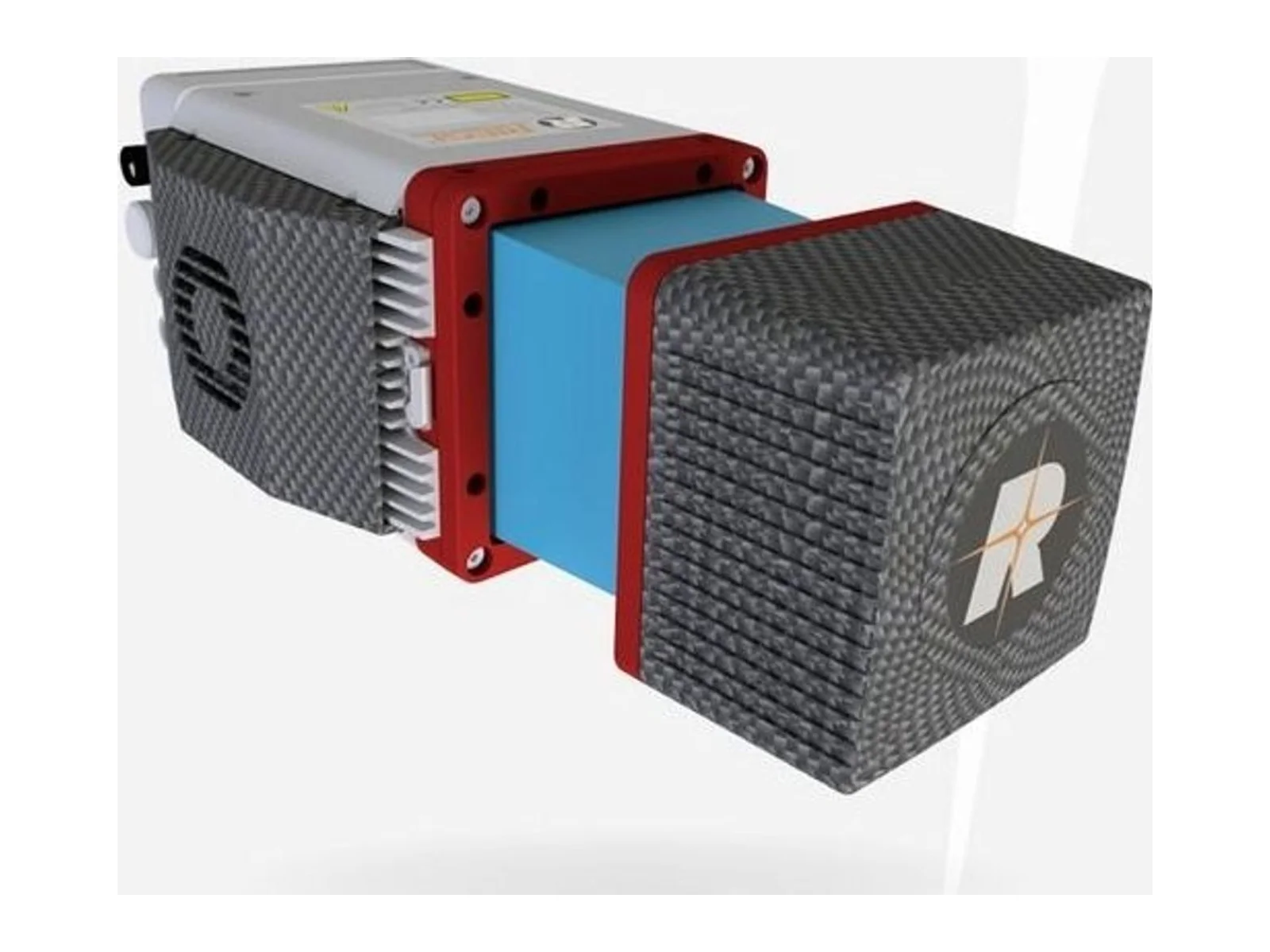
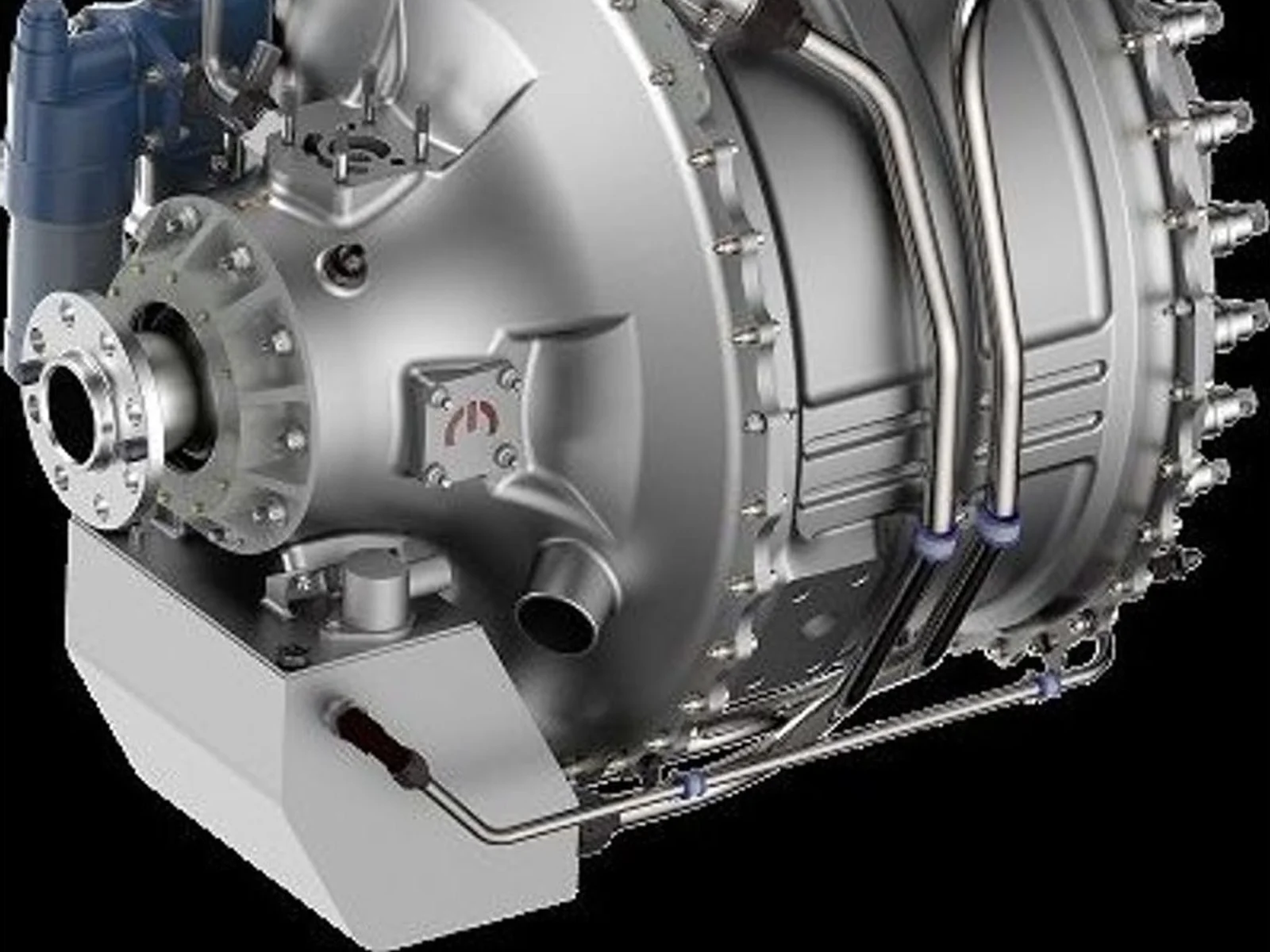
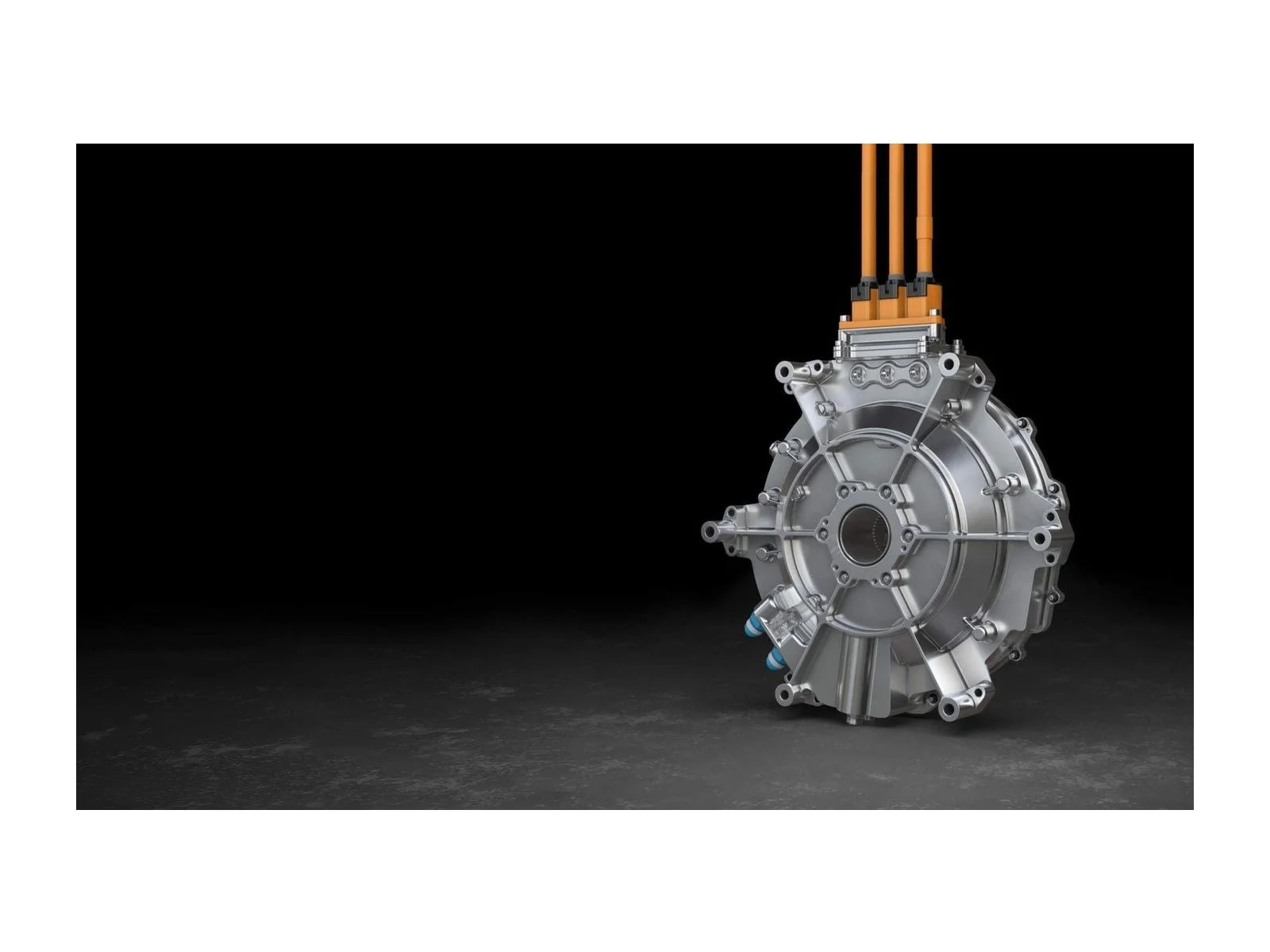
HeliStorm electric rotorcraft motor
- Continuous power
- 221 kW
- Peak power
- 324 kW
- Supply voltage
- 520 – 820 V
Liquid cooling lets a motor hold its continuous rating at a higher power density. These motors are listed with their cooling type, continuous power and mass.
| Product | Manufacturer | Continuous power | Peak power |
|---|---|---|---|
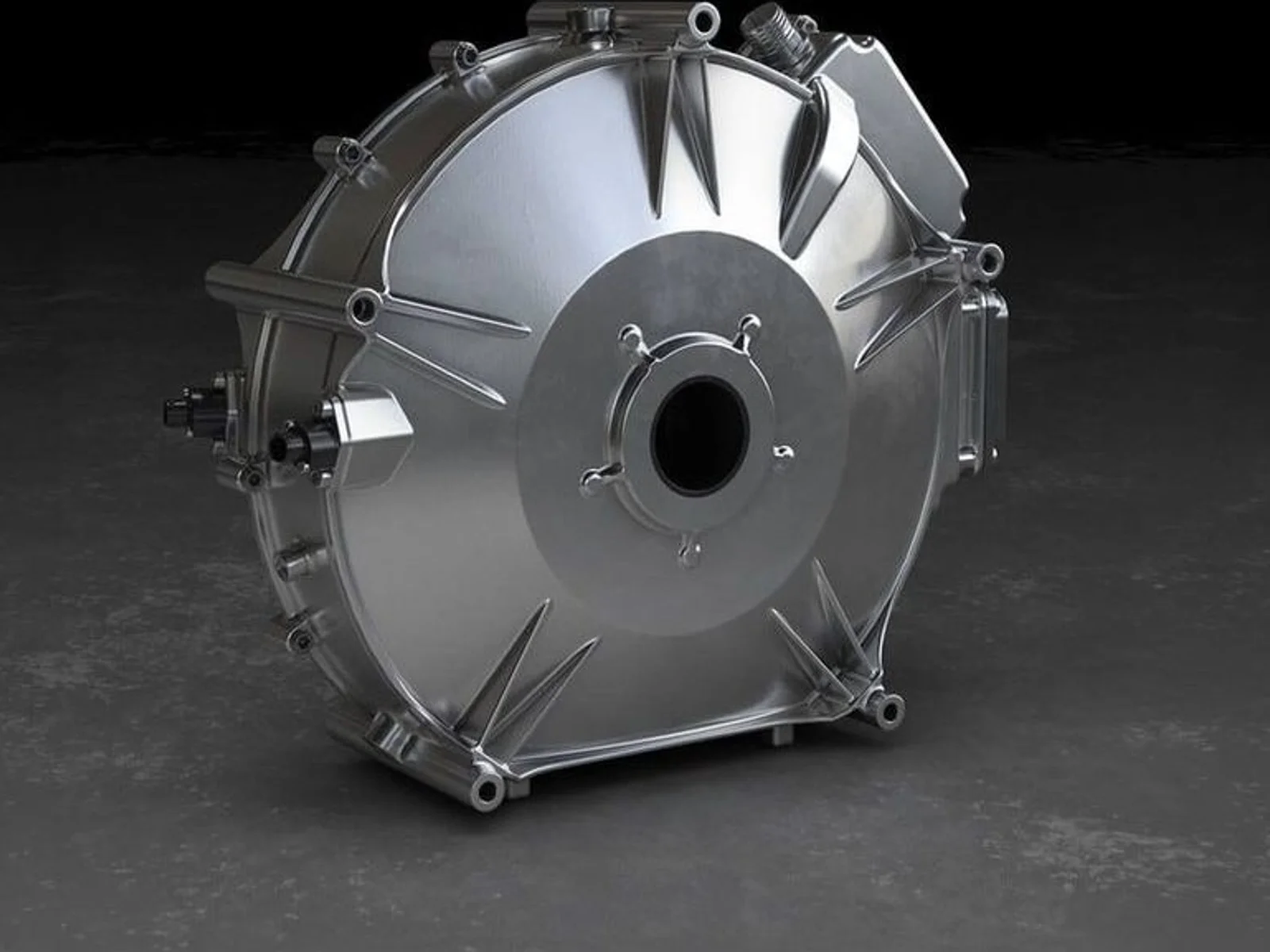
| HeliStorm electric rotorcraft motor | magniX | 221 kW | 324 kW |
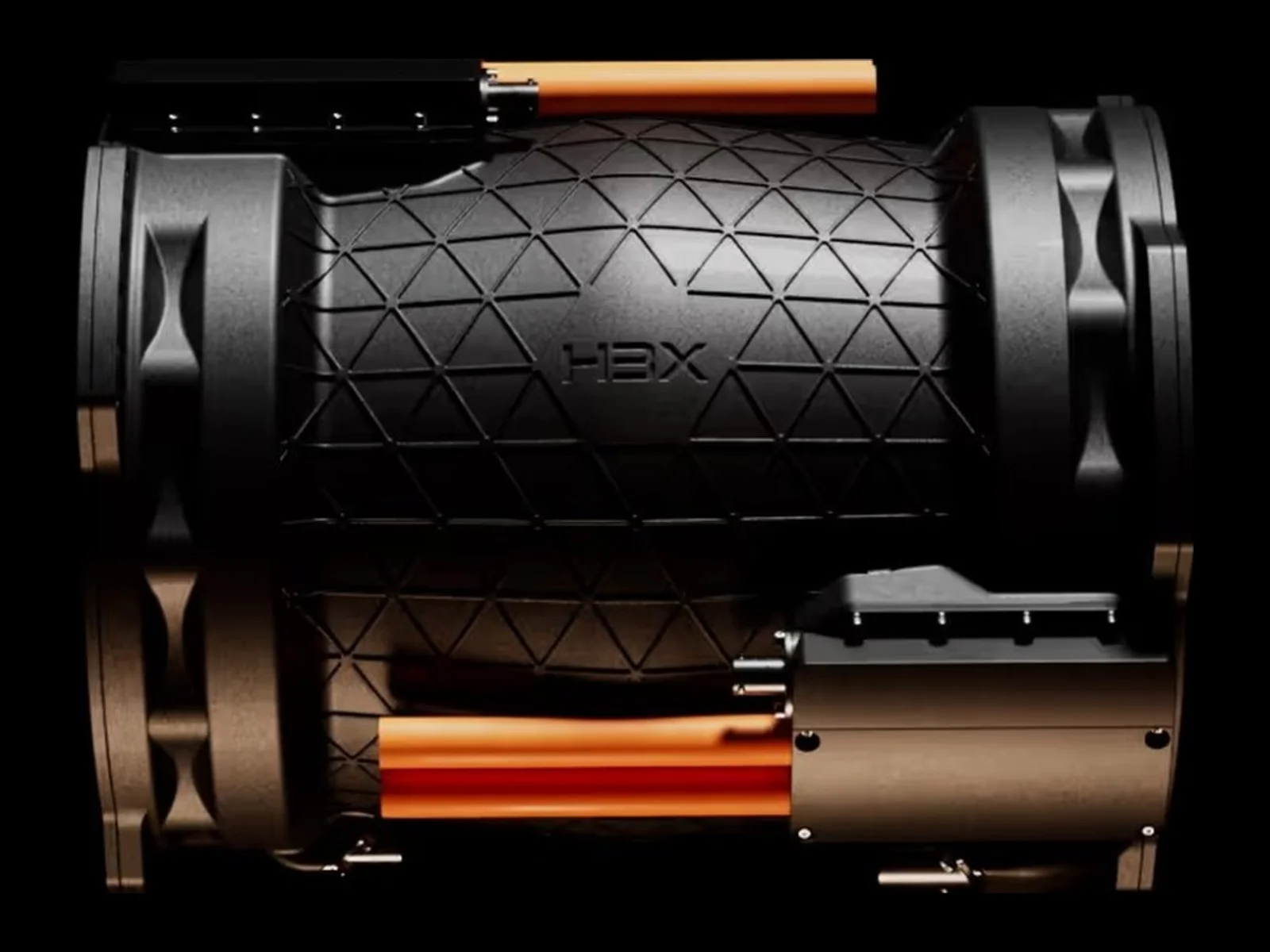
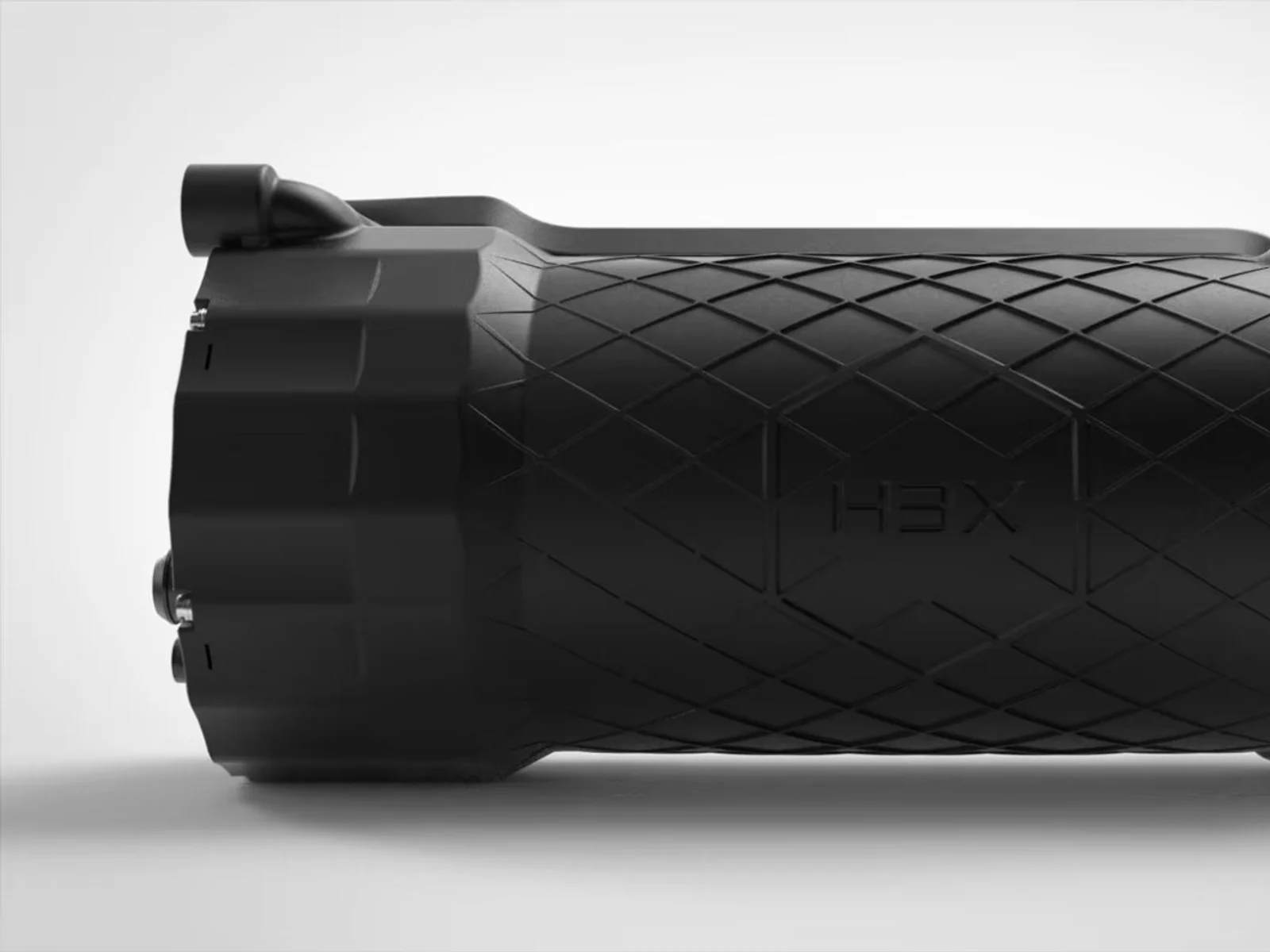
| HPDM-350 integrated electric motor drive | H3X | 350 kW | — |
| HPDM-30 integrated electric motor drive | H3X | 33 kW | — |
| HPDM-500 integrated electric motor drive | H3X | 450 kW | 500 kW |
| D500 electric motor | Evolito | — | 275 kW |
| magni650 direct-drive electric aircraft motor | magniX | 515 kW | 700 kW |
| HPDM-180D integrated electric motor drive | H3X | 180 kW | — |
| D250 electric motor | Evolito | — | 180 kW |
| magni350 direct-drive electric aircraft motor | magniX | 165 kW | 350 kW |
Filters
Try removing a filter.
Updated November 12, 2026
Cooling sets the continuous rating of an electric motor. Losses of 4 to 7 % of shaft power have to leave the windings and magnets; with air alone, the limit arrives quickly as power grows. Liquid cooling moves that limit and makes the rating far less dependent on airspeed.
Liquid cooling usually makes sense above a few tens of kilowatts, in hover-heavy missions with little ram air, and in enclosed nacelles.
When the motor must hold high torque with little airflow over it: sustained hover, enclosed installations, hot climates and powers above a few tens of kilowatts. Below that, air cooling is lighter and simpler.
Mostly water-glycol mixtures in a jacket around the stator, or dielectric oil when the coolant touches the windings directly. The datasheet rating is tied to one coolant, inlet temperature and flow rate.
Usually not. Pump, radiator, hoses and coolant are installation items, so compare power density at system level, not only the dry motor figure.
Brake specific fuel consumption (BSFC) is the mass of fuel an engine burns per unit of shaft energy delivered, usually in g/(kW·h); a lower value means a more efficient engine.
Disc loading is the aircraft's weight (or thrust) divided by the total area swept by its rotors or propellers, in kg/m2 or lb/ft2; it largely sets hover power and downwash.
A heavy-fuel engine is a combustion engine able to run on kerosene-type or diesel fuels such as JP-8 or Jet A-1 instead of gasoline, simplifying logistics and reducing fire risk.
The Kv rating of a brushless motor is its speed constant in rpm per volt, the no-load speed reached for each volt applied; it is the inverse of the back-EMF constant.
A PEM fuel cell is an electrochemical cell that turns hydrogen and oxygen from air into electricity across a solid polymer membrane at low temperature, giving a quiet, light power source for long-endurance drones and eVTOL aircraft.
A silicon anode is a lithium-ion negative electrode in which silicon, alone or blended with graphite, stores lithium, raising cell capacity and specific energy while swelling heavily during charge.
A literature-based review of air path and fuel-film models, feedforward-plus-feedback air-fuel ratio control, delay-limited bandwidth, sensor-failure detection and the regulatory requirements for electronic engine control.
A literature-based review of how axial-flux permanent-magnet machines are sized for direct-drive lift rotors: hover torque requirement, torque-sizing relations, design and optimisation methods, reported parameter ranges, fault behaviour and regulatory context.
For eVTOL aircraft, CATL aims to reach a battery energy density of 350 Wh/kg or more. Robin Zeng, who is chairman and CEO, names the number during the 2026 APEC CEO Summit in Shenzhen. The company adds that take-off and landing power…
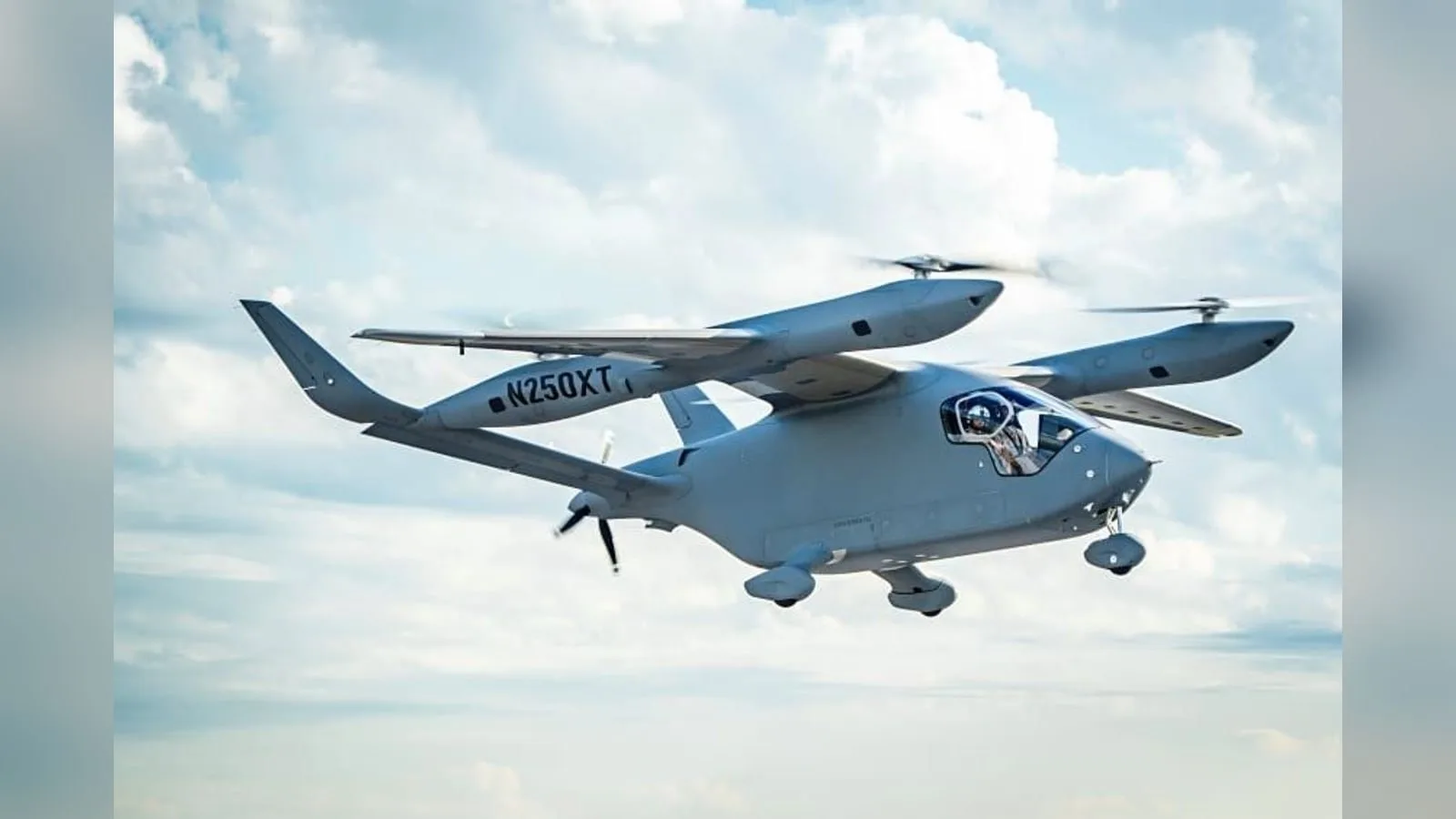
Astronics and BETA Technologies agree on series supply of CorePower electrical power systems for three BETA aircraft. The deal moves power hardware that has flown on BETA's development fleet since 2024 into production.
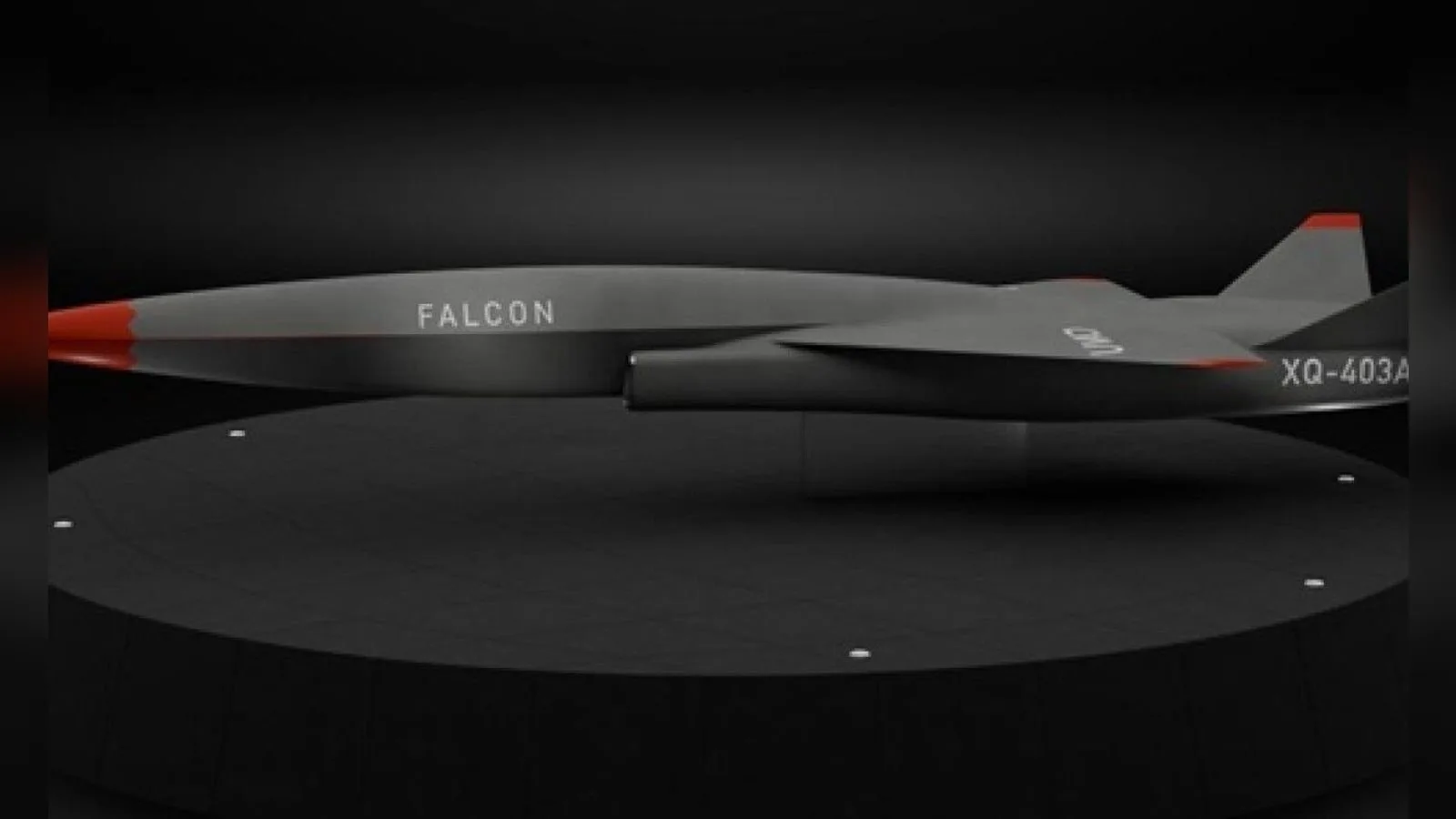
Falcon is a reusable supersonic uncrewed aerial target for missile-defense training, and its propulsion is the subject of a partnership between Safran Power Units and UVAD Technologies. Safran supplies two turbojet engines, and flight…