Featured
Electric motors
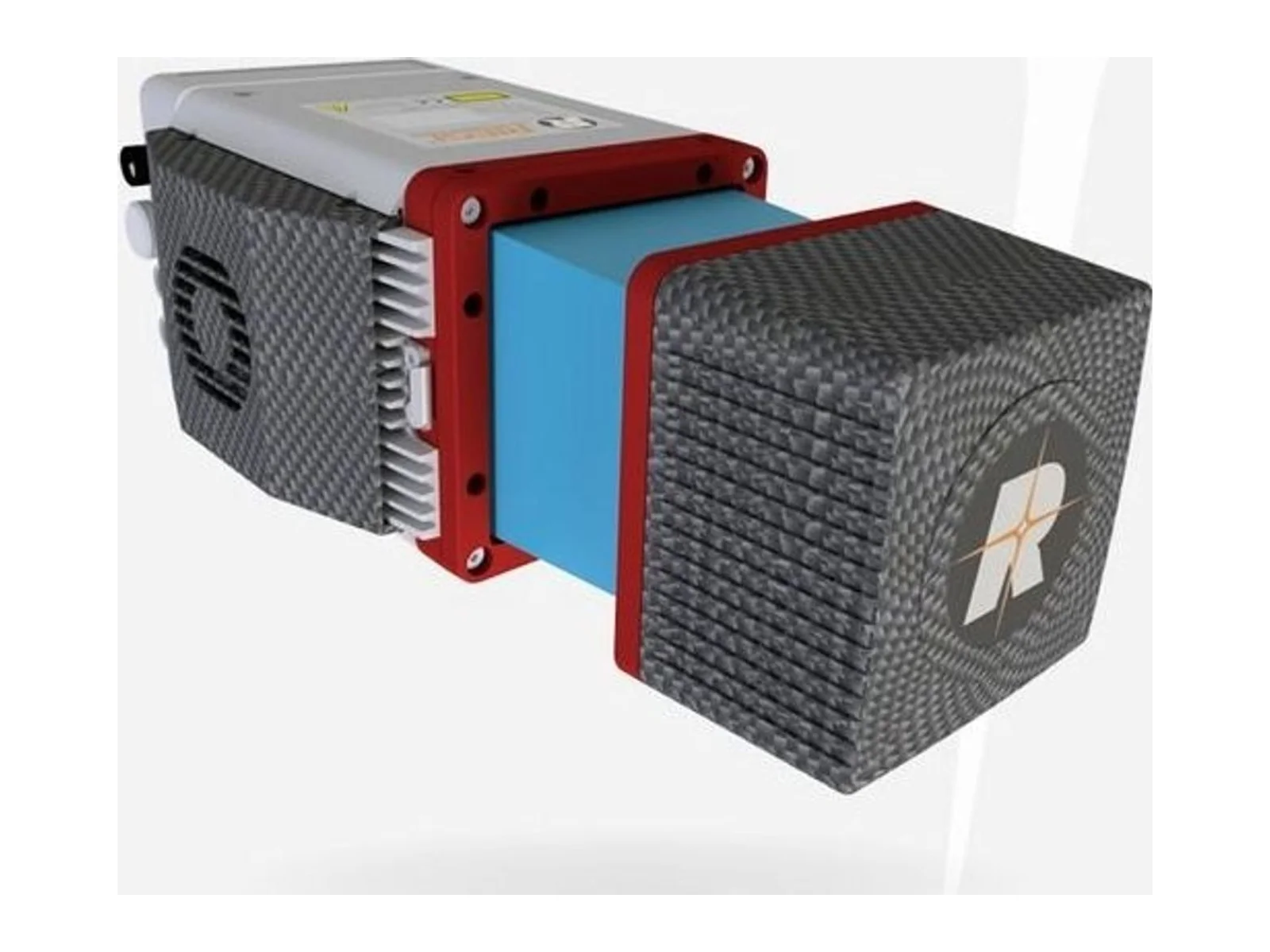
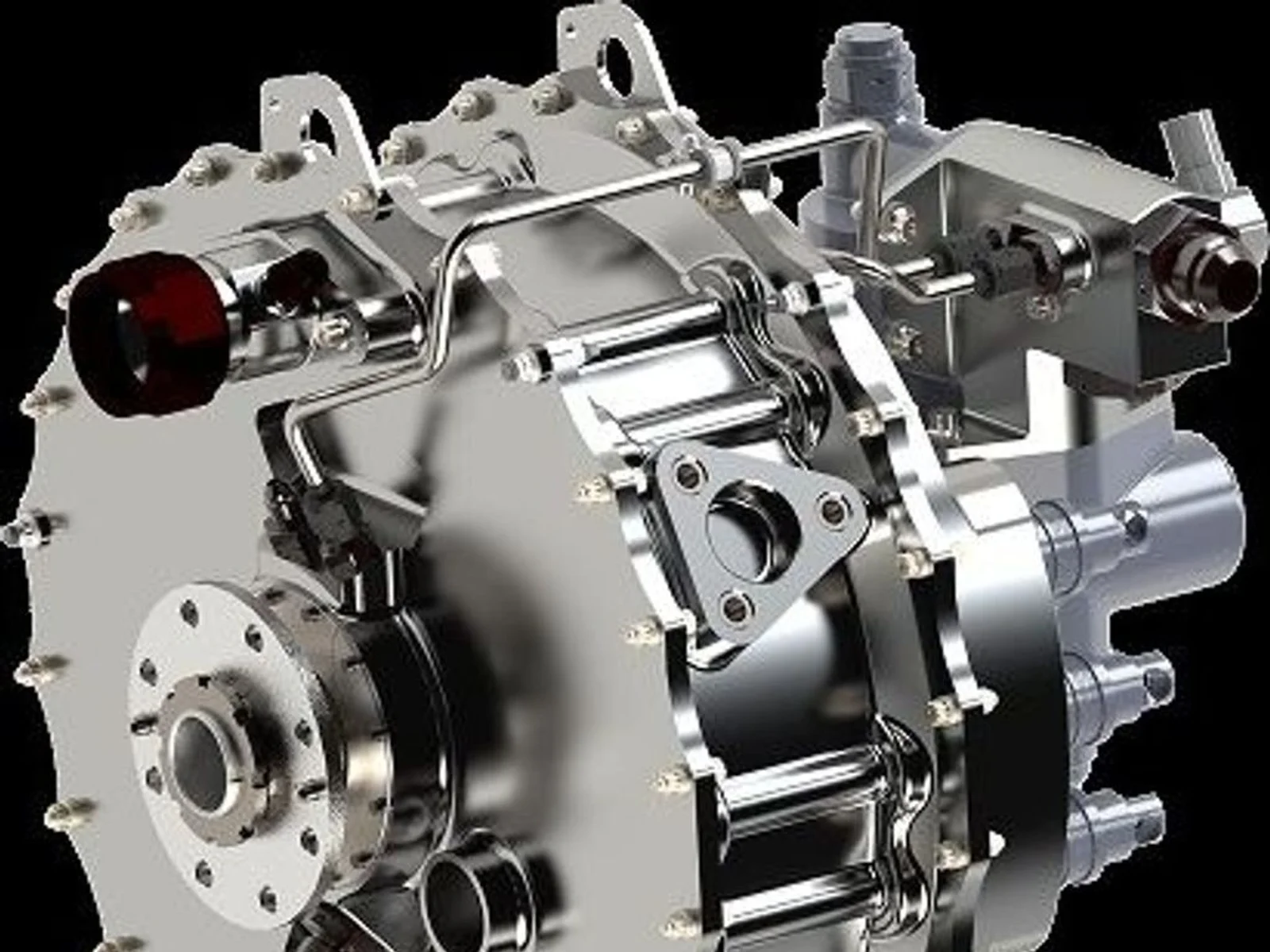
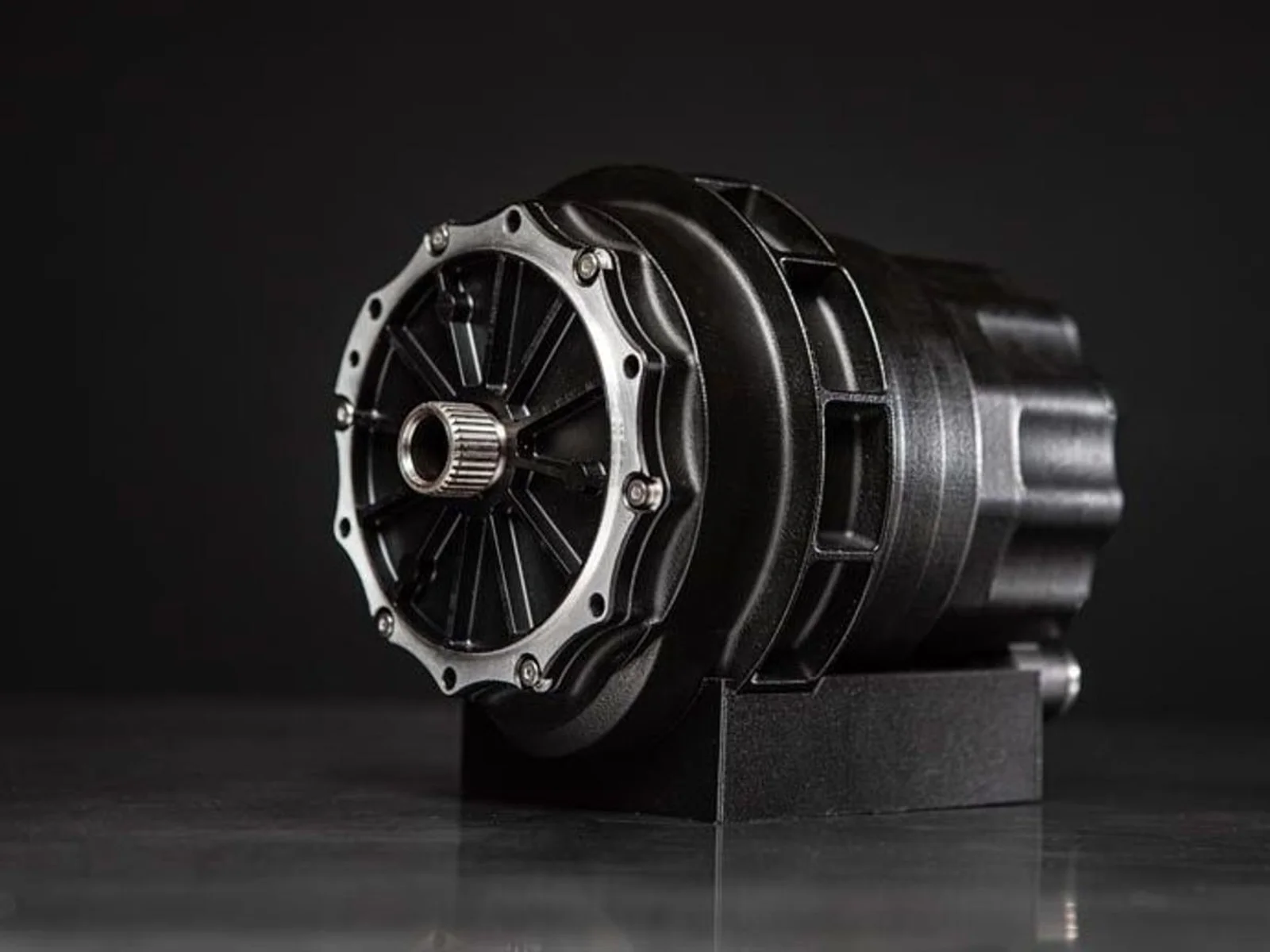
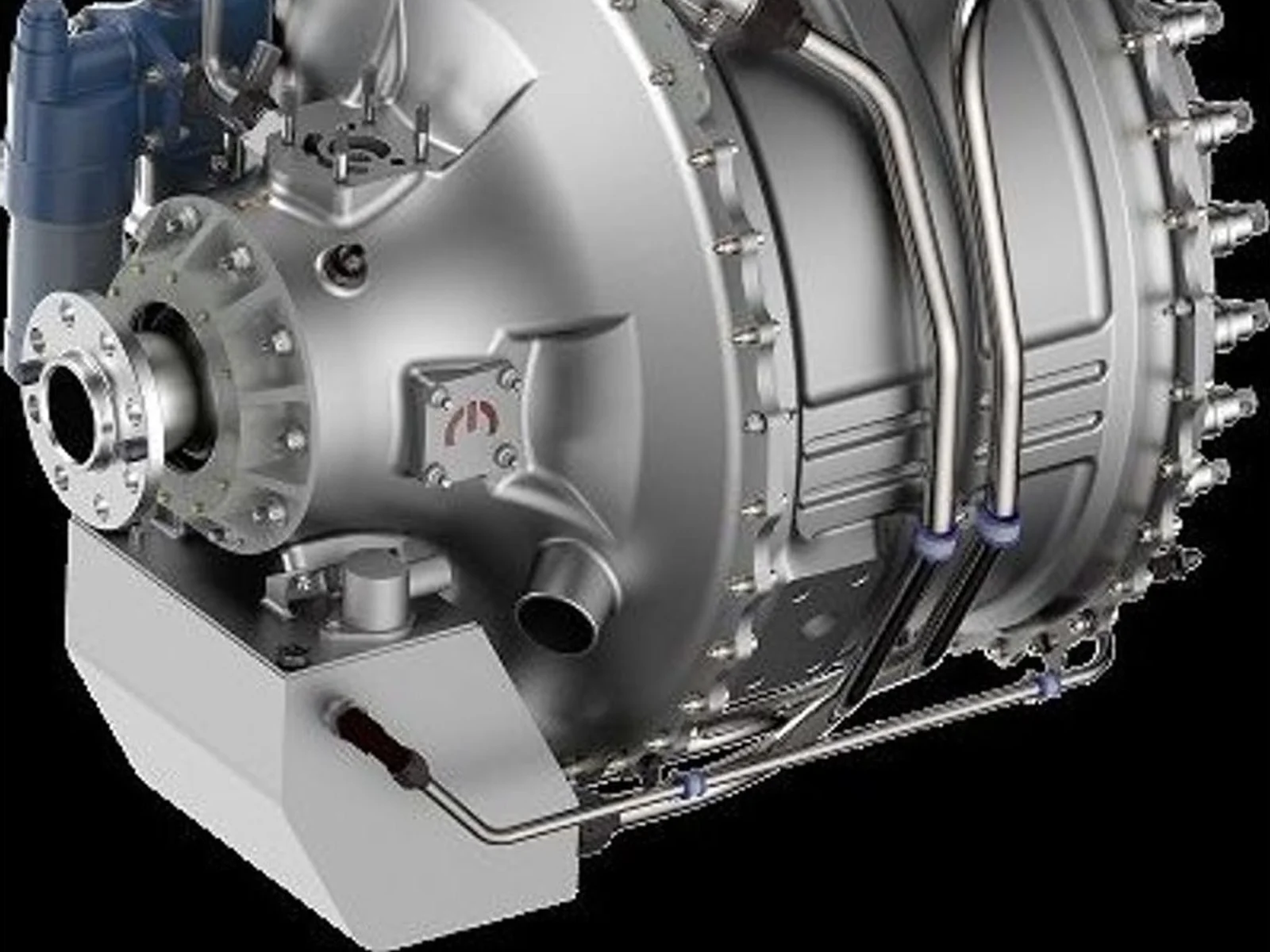
HeliStorm electric rotorcraft motor
- Continuous power
- 221 kW
- Peak power
- 324 kW
- Supply voltage
- 520 – 820 V
Motors listed for eVTOL lift and cruise rotors. Compare continuous power, torque, mass and cooling across manufacturers, and open each datasheet-sourced profile.
The first 12 of 16; the full list with filters is below.
Filters
Try removing a filter.
Updated November 12, 2026
An eVTOL lift or cruise motor is sized by two very different points: a short, high-torque hover or transition phase and a long, lower-power cruise. That is why manufacturers quote both a peak (typically 30 s to 2 min) and a continuous rating, and why the two can differ by a factor of two.
Efficiency above 93 to 95 % at cruise is usual; the difference between products shows at part load and in the thermal margin during a one-engine-inoperative hover.
It depends on disc loading and the number of rotors. Lift motors for two-to-six-seat aircraft are typically rated between about 50 and 250 kW continuous each, with a higher peak rating for hover, transition and one-motor-inoperative cases.
Hover and transition last seconds to a few minutes and are limited by how fast the windings heat up; cruise lasts much longer and is limited by steady-state cooling. The peak rating is only valid for the stated duration and coolant conditions.
They are certified as part of the aircraft or as an engine under special conditions such as EASA SC E-19. Check whether a product has a certification basis agreed with an authority or is offered for experimental and prototype use only.
Brake specific fuel consumption (BSFC) is the mass of fuel an engine burns per unit of shaft energy delivered, usually in g/(kW·h); a lower value means a more efficient engine.
Disc loading is the aircraft's weight (or thrust) divided by the total area swept by its rotors or propellers, in kg/m2 or lb/ft2; it largely sets hover power and downwash.
A heavy-fuel engine is a combustion engine able to run on kerosene-type or diesel fuels such as JP-8 or Jet A-1 instead of gasoline, simplifying logistics and reducing fire risk.
The Kv rating of a brushless motor is its speed constant in rpm per volt, the no-load speed reached for each volt applied; it is the inverse of the back-EMF constant.
A PEM fuel cell is an electrochemical cell that turns hydrogen and oxygen from air into electricity across a solid polymer membrane at low temperature, giving a quiet, light power source for long-endurance drones and eVTOL aircraft.
A silicon anode is a lithium-ion negative electrode in which silicon, alone or blended with graphite, stores lithium, raising cell capacity and specific energy while swelling heavily during charge.
A literature-based review of air path and fuel-film models, feedforward-plus-feedback air-fuel ratio control, delay-limited bandwidth, sensor-failure detection and the regulatory requirements for electronic engine control.
A literature-based review of how axial-flux permanent-magnet machines are sized for direct-drive lift rotors: hover torque requirement, torque-sizing relations, design and optimisation methods, reported parameter ranges, fault behaviour and regulatory context.
For eVTOL aircraft, CATL aims to reach a battery energy density of 350 Wh/kg or more. Robin Zeng, who is chairman and CEO, names the number during the 2026 APEC CEO Summit in Shenzhen. The company adds that take-off and landing power…
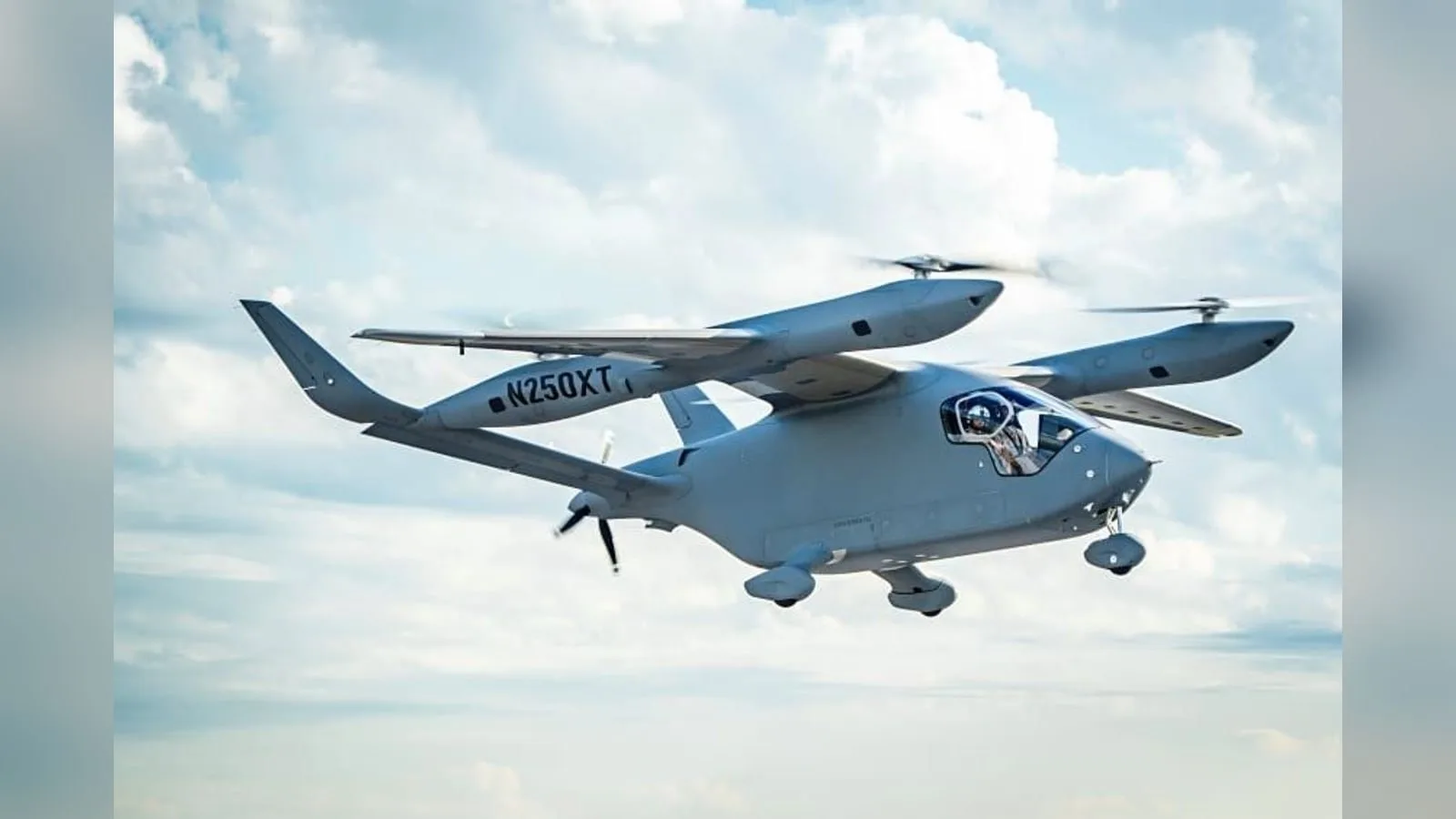
Astronics and BETA Technologies agree on series supply of CorePower electrical power systems for three BETA aircraft. The deal moves power hardware that has flown on BETA's development fleet since 2024 into production.
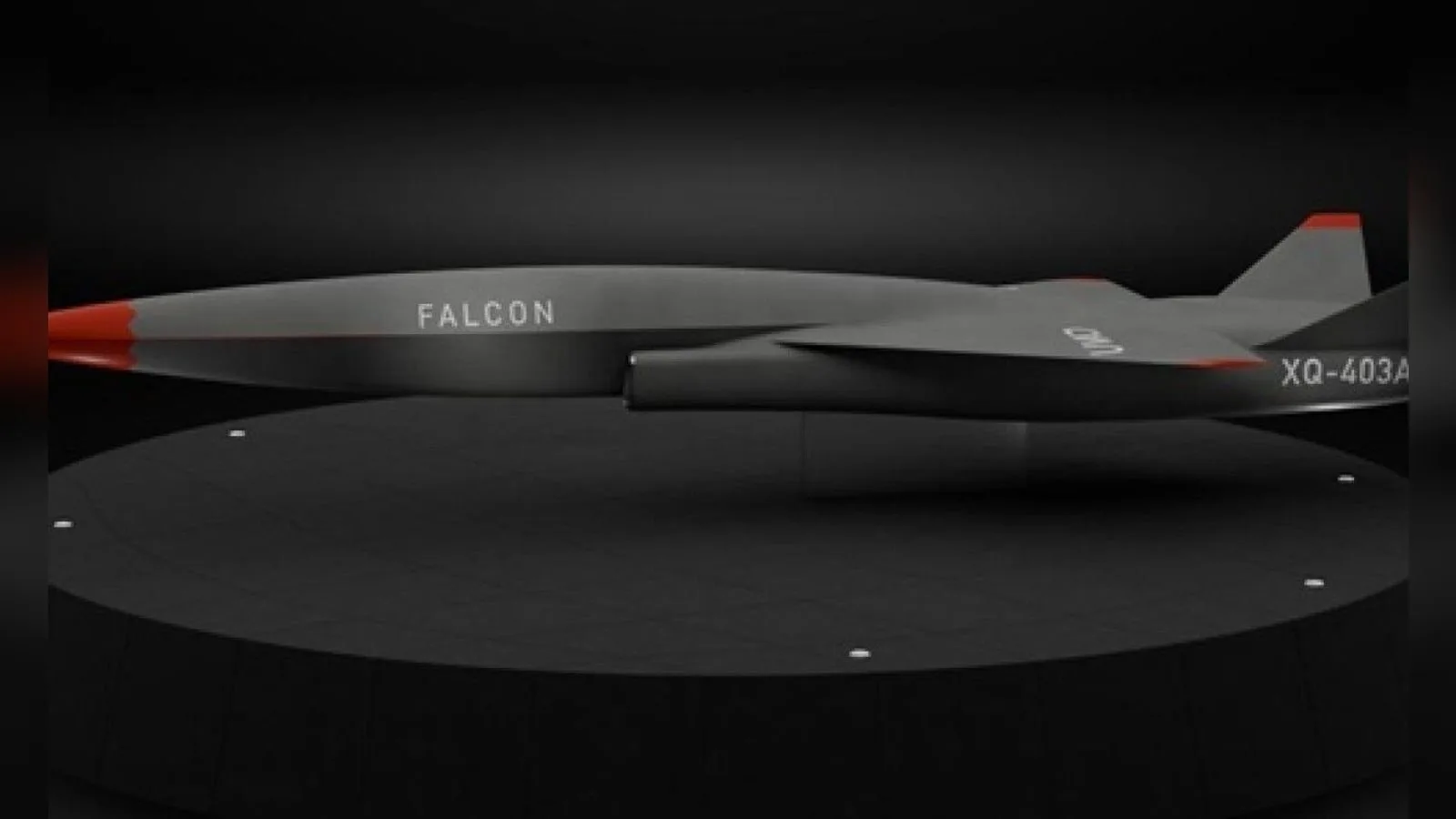
Falcon is a reusable supersonic uncrewed aerial target for missile-defense training, and its propulsion is the subject of a partnership between Safran Power Units and UVAD Technologies. Safran supplies two turbojet engines, and flight…