Featured
Electric motors
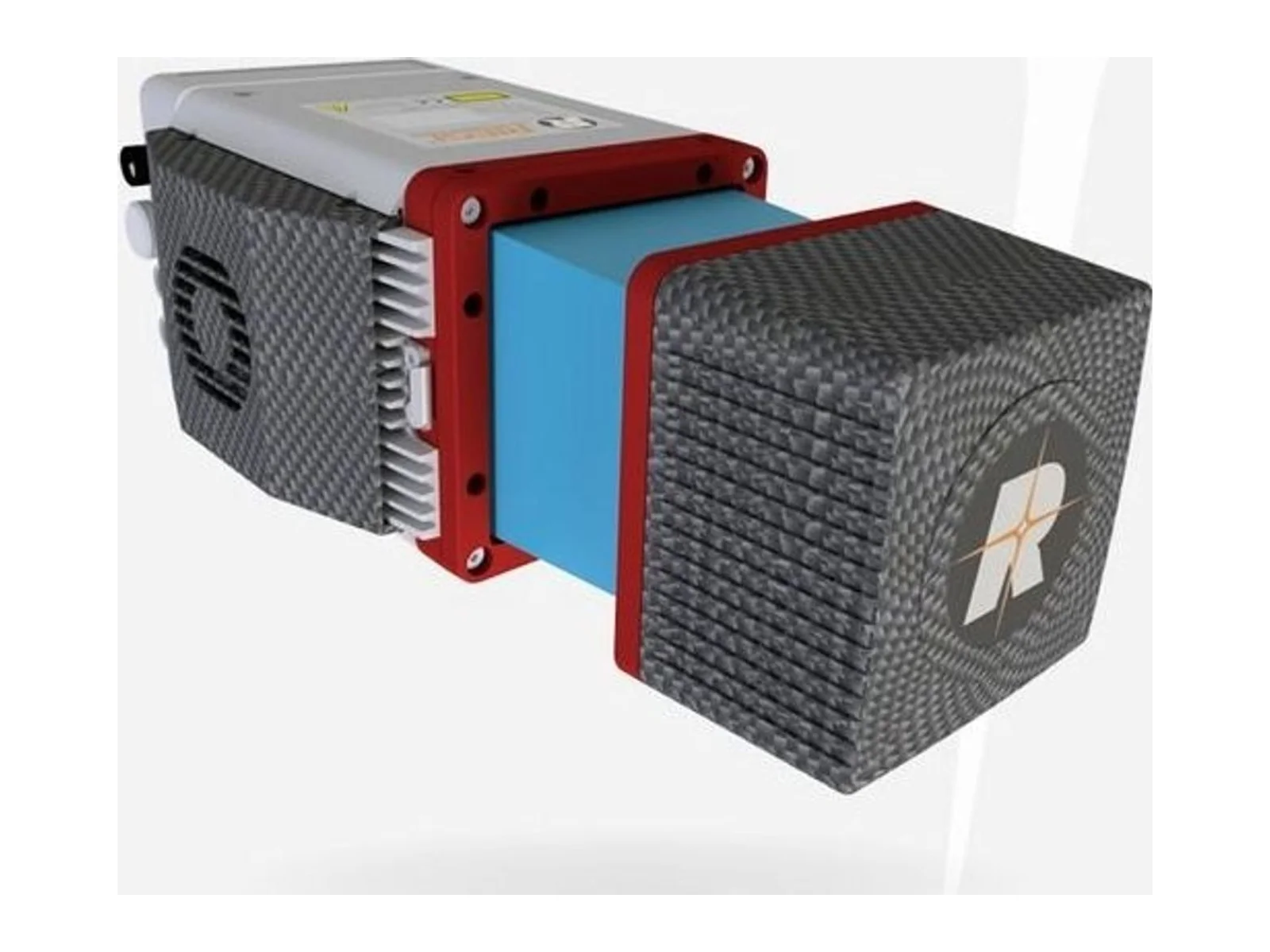
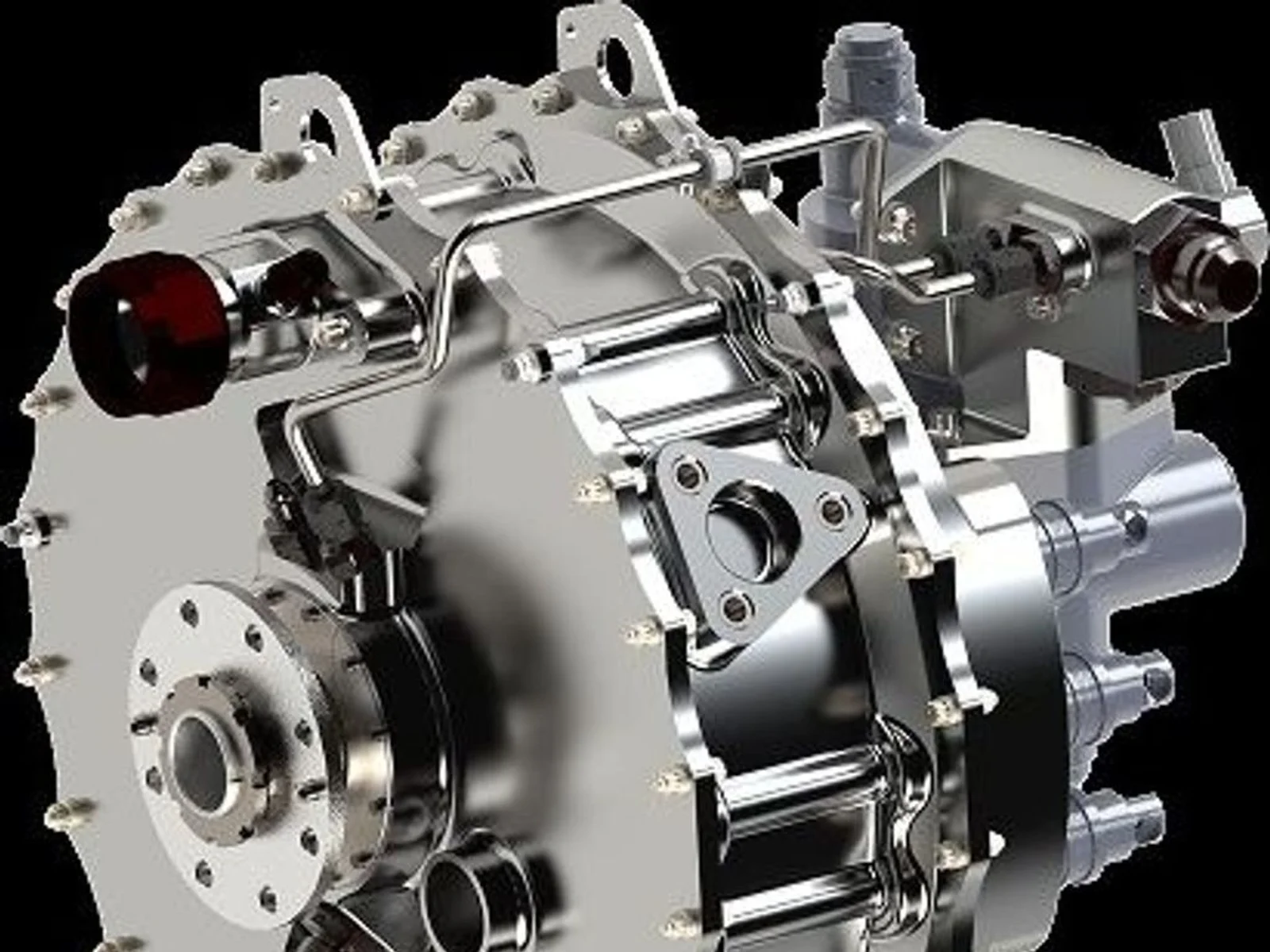
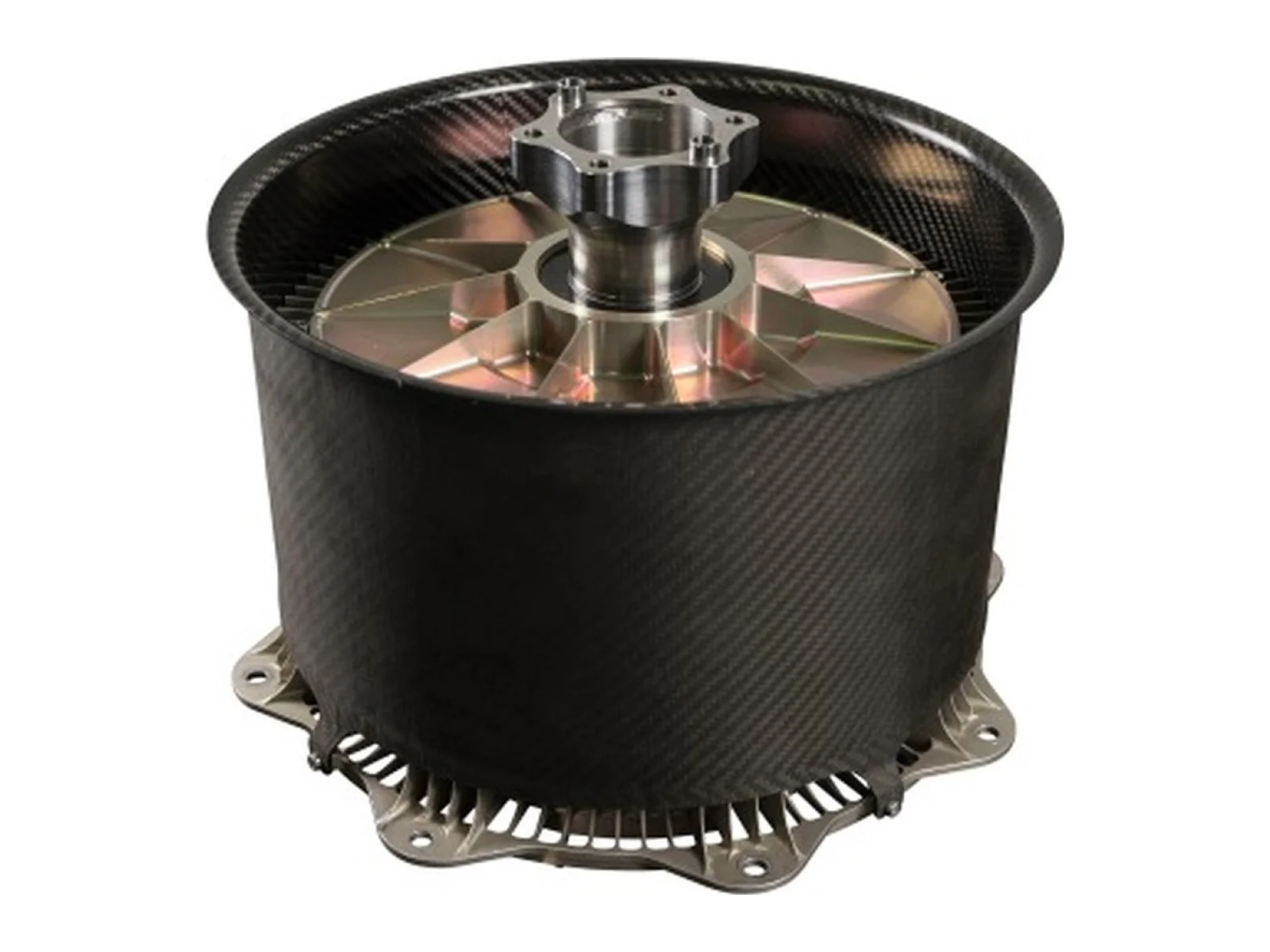
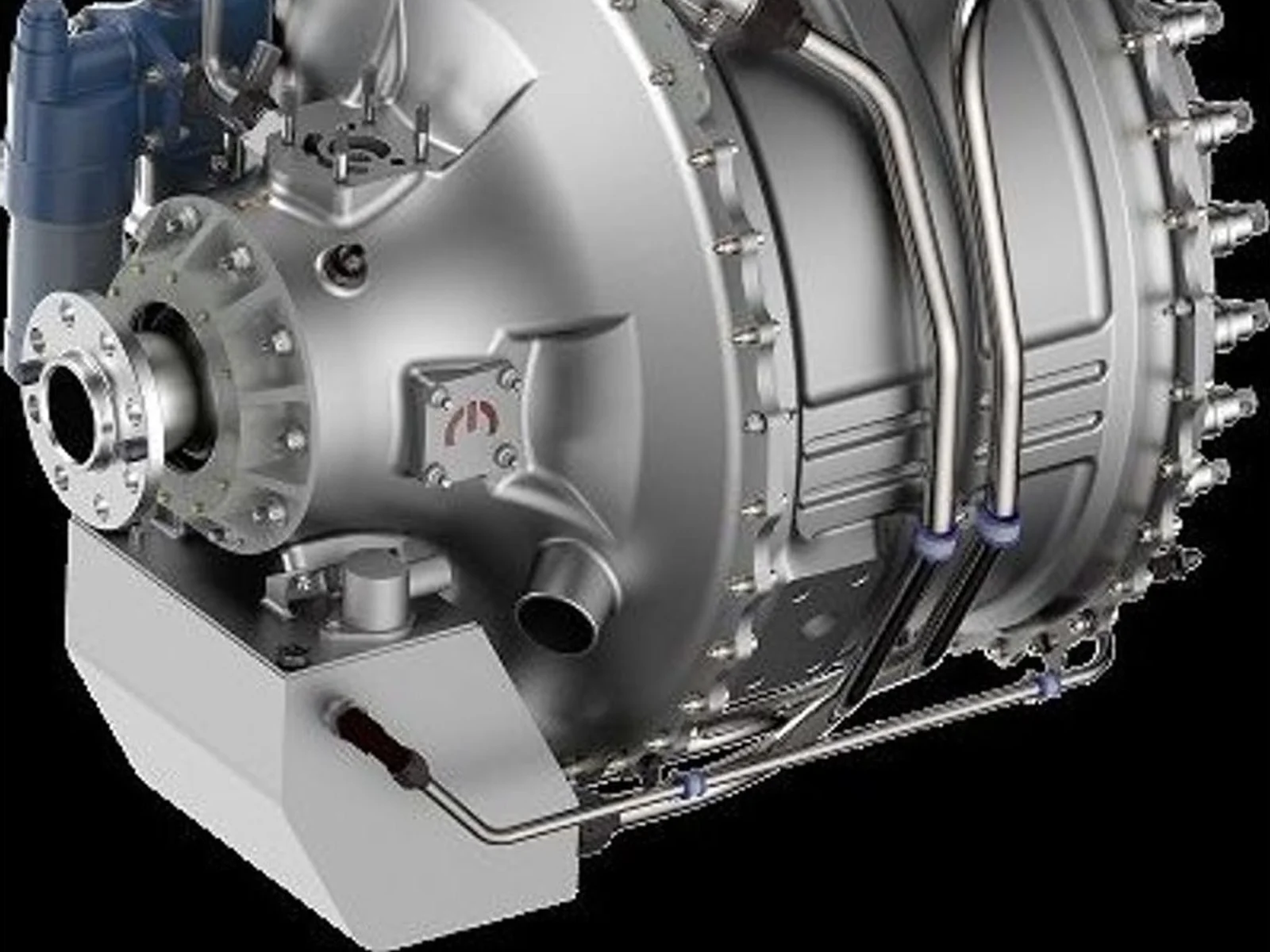
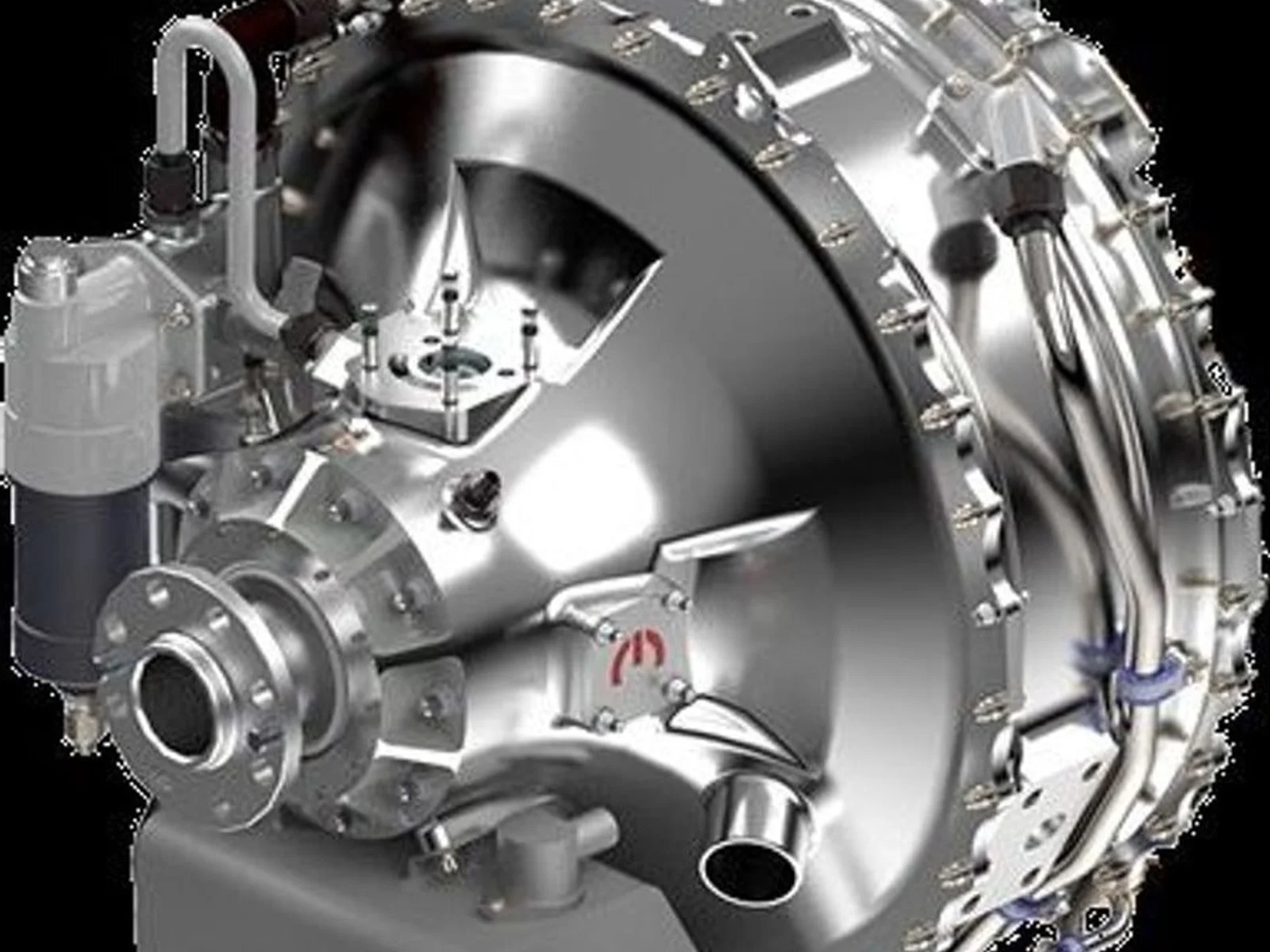
HeliStorm electric rotorcraft motor
- Continuous power
- 221 kW
- Peak power
- 324 kW
- Supply voltage
- 520 – 820 V
Motors that ship with the motor controller built in, which removes a separate ESC and shortens the harness. Compare power, mass and bus interfaces.
Filters
Try removing a filter.
Updated November 12, 2026
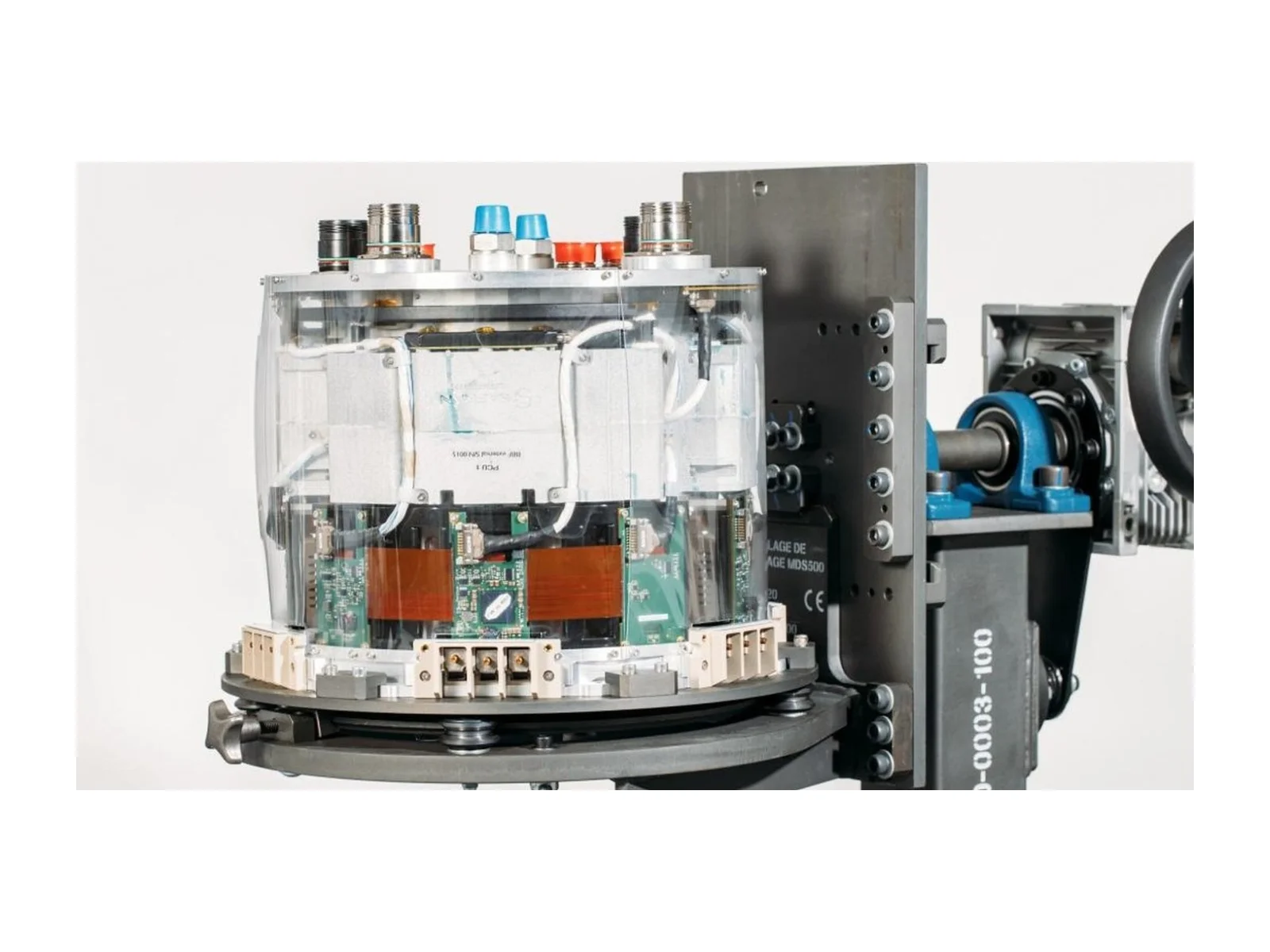
An integrated unit combines the motor and its inverter (the ESC or motor controller) in one housing. The manufacturer delivers a matched, tested pair with a single power input and a data interface.
Bus voltage range, command interface (CAN, DroneCAN, ARINC 825, PWM), telemetry available (speed, current, temperatures, fault codes), behaviour on loss of command, and whether the stated mass and efficiency are for the complete unit.
It is an inverter built into the motor housing, so the unit takes DC power and a speed or torque command and needs no separate ESC or phase wiring.
The motor and inverter efficiencies are similar to a separate pair, but the very short phase connection removes cable losses and mass, and factory tuning avoids the losses of a poorly matched controller.
CAN-based protocols (DroneCAN, CANopen or ARINC 825 in certified aircraft) are the most common, often with a PWM input as backup. Check which telemetry values the unit reports.
Brake specific fuel consumption (BSFC) is the mass of fuel an engine burns per unit of shaft energy delivered, usually in g/(kW·h); a lower value means a more efficient engine.
Disc loading is the aircraft's weight (or thrust) divided by the total area swept by its rotors or propellers, in kg/m2 or lb/ft2; it largely sets hover power and downwash.
A heavy-fuel engine is a combustion engine able to run on kerosene-type or diesel fuels such as JP-8 or Jet A-1 instead of gasoline, simplifying logistics and reducing fire risk.
The Kv rating of a brushless motor is its speed constant in rpm per volt, the no-load speed reached for each volt applied; it is the inverse of the back-EMF constant.
A PEM fuel cell is an electrochemical cell that turns hydrogen and oxygen from air into electricity across a solid polymer membrane at low temperature, giving a quiet, light power source for long-endurance drones and eVTOL aircraft.
A silicon anode is a lithium-ion negative electrode in which silicon, alone or blended with graphite, stores lithium, raising cell capacity and specific energy while swelling heavily during charge.
A literature-based review of air path and fuel-film models, feedforward-plus-feedback air-fuel ratio control, delay-limited bandwidth, sensor-failure detection and the regulatory requirements for electronic engine control.
A literature-based review of how axial-flux permanent-magnet machines are sized for direct-drive lift rotors: hover torque requirement, torque-sizing relations, design and optimisation methods, reported parameter ranges, fault behaviour and regulatory context.
For eVTOL aircraft, CATL aims to reach a battery energy density of 350 Wh/kg or more. Robin Zeng, who is chairman and CEO, names the number during the 2026 APEC CEO Summit in Shenzhen. The company adds that take-off and landing power…

Astronics and BETA Technologies agree on series supply of CorePower electrical power systems for three BETA aircraft. The deal moves power hardware that has flown on BETA's development fleet since 2024 into production.
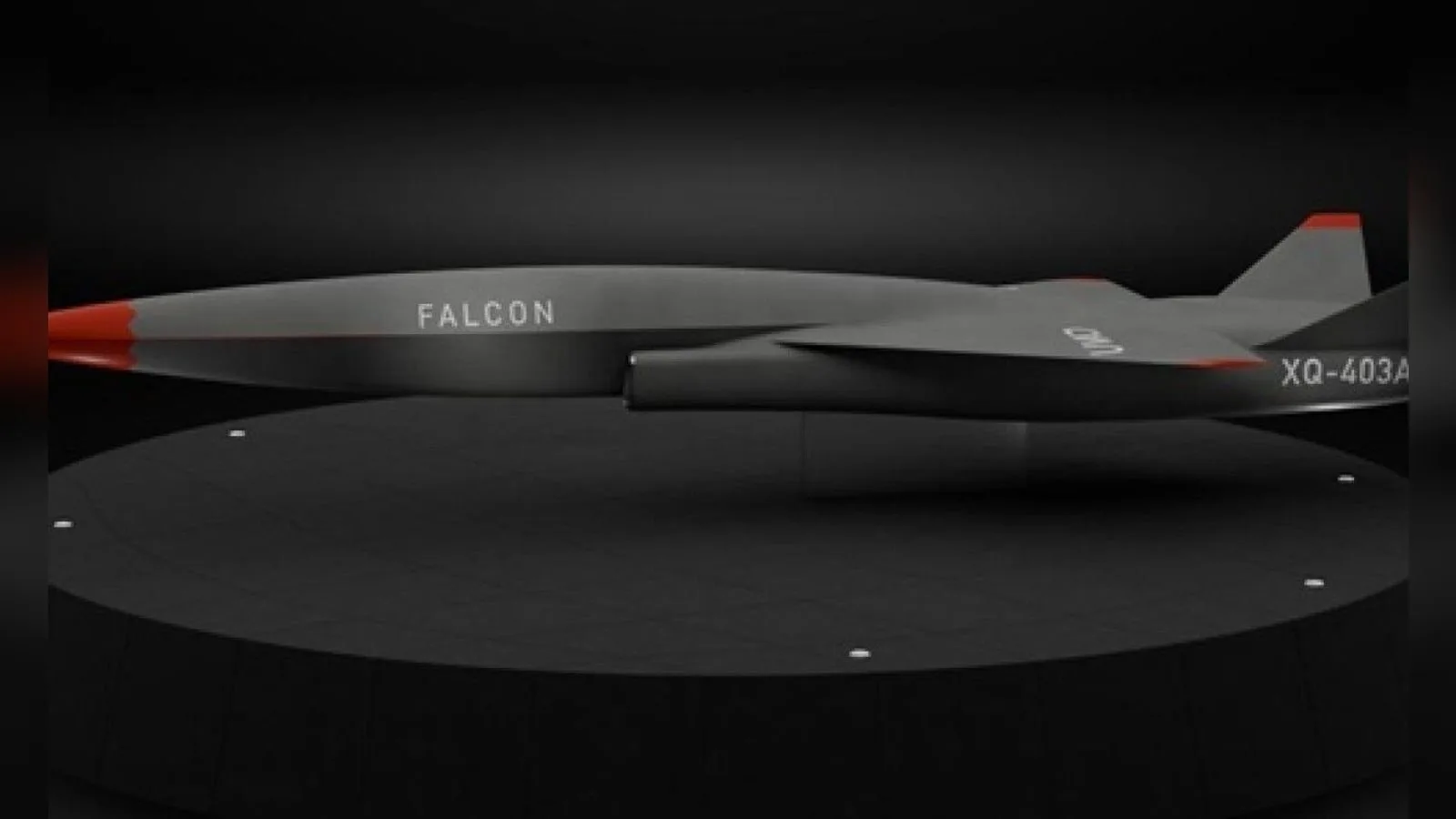
Falcon is a reusable supersonic uncrewed aerial target for missile-defense training, and its propulsion is the subject of a partnership between Safran Power Units and UVAD Technologies. Safran supplies two turbojet engines, and flight…