Featured
Batteries
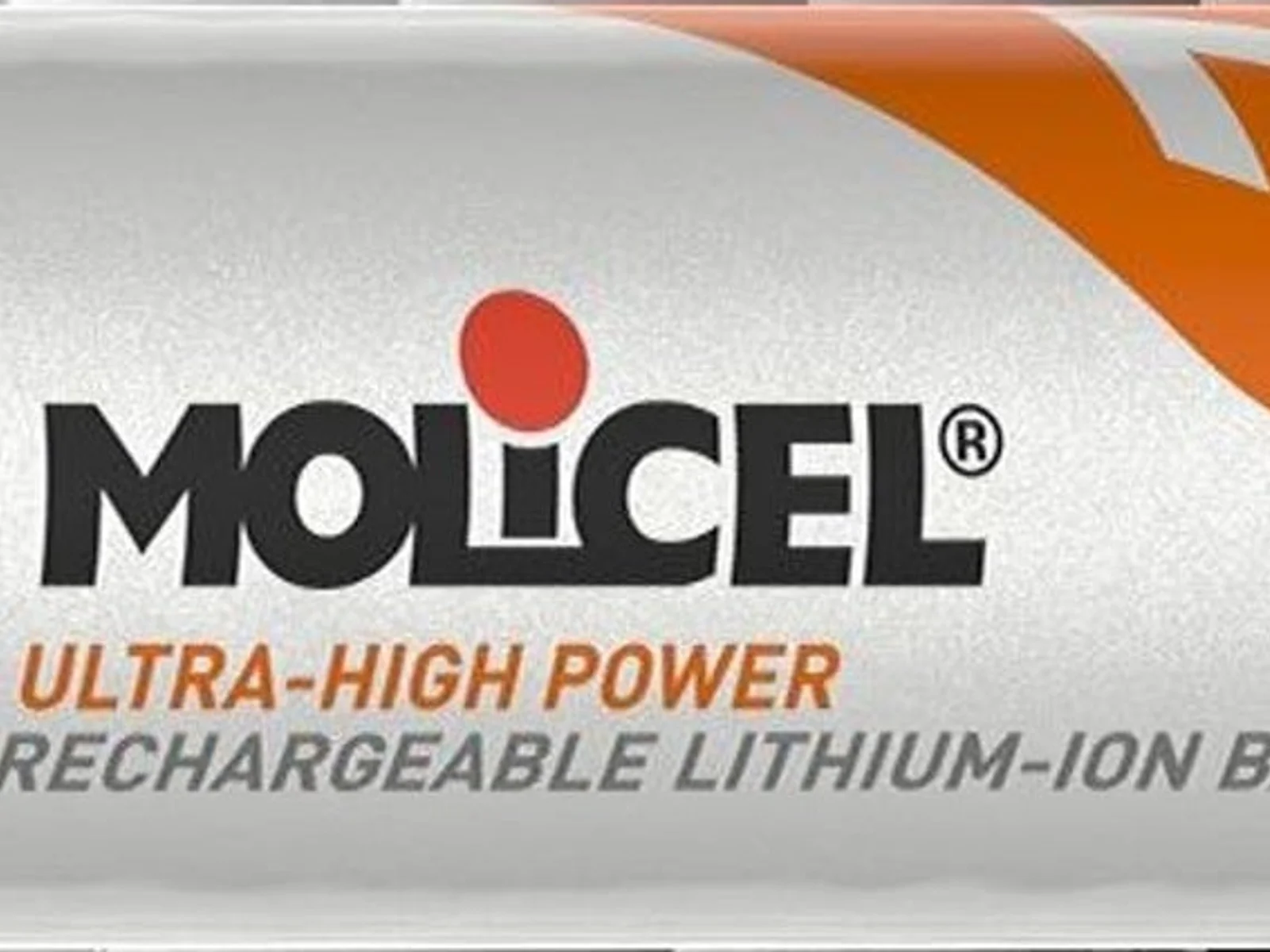
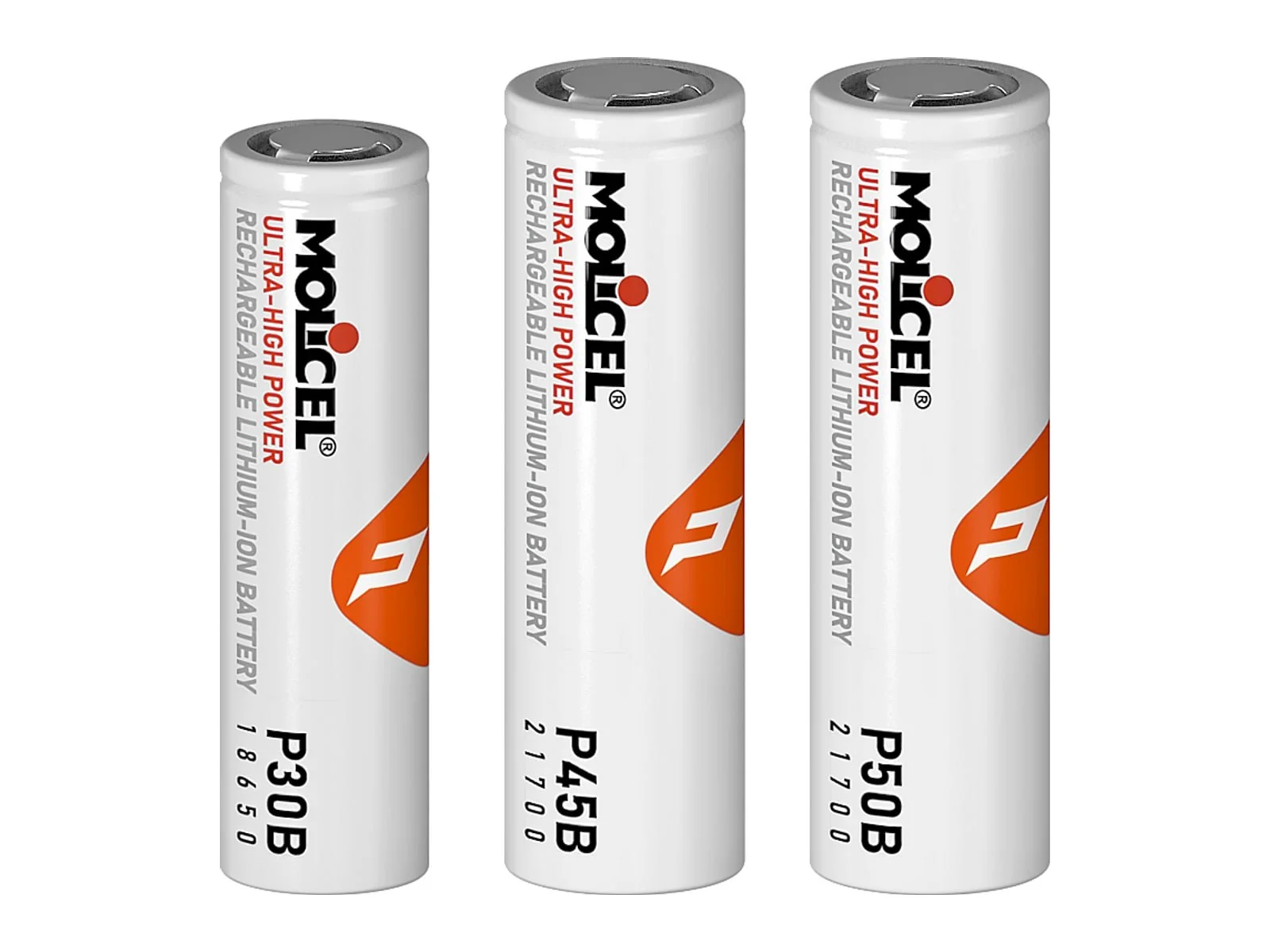
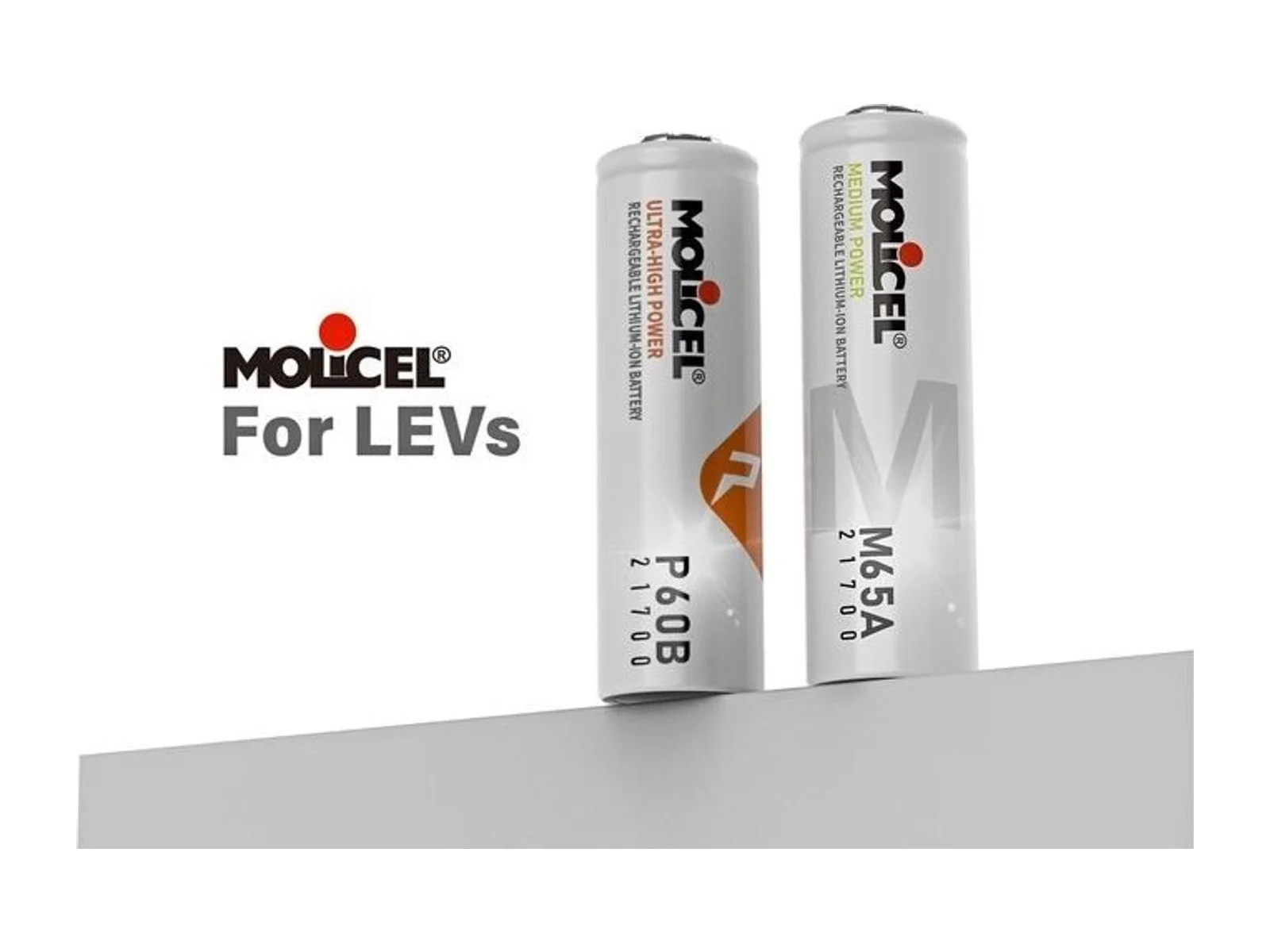
INR-21700-P50B cylindrical rechargeable battery cell
- Energy
- 18 Wh
- Nominal voltage
- 3.6 V
- Specific energy
- 260 Wh/kg
Cells and packs listed for small unmanned aircraft. Compare energy density, capacity, discharge rate and mass.
| Product | Manufacturer | Specific energy | Continuous discharge rate |
|---|---|---|---|
| INR-21700-P50B cylindrical rechargeable battery cell | Molicel | 260 Wh/kg | — |
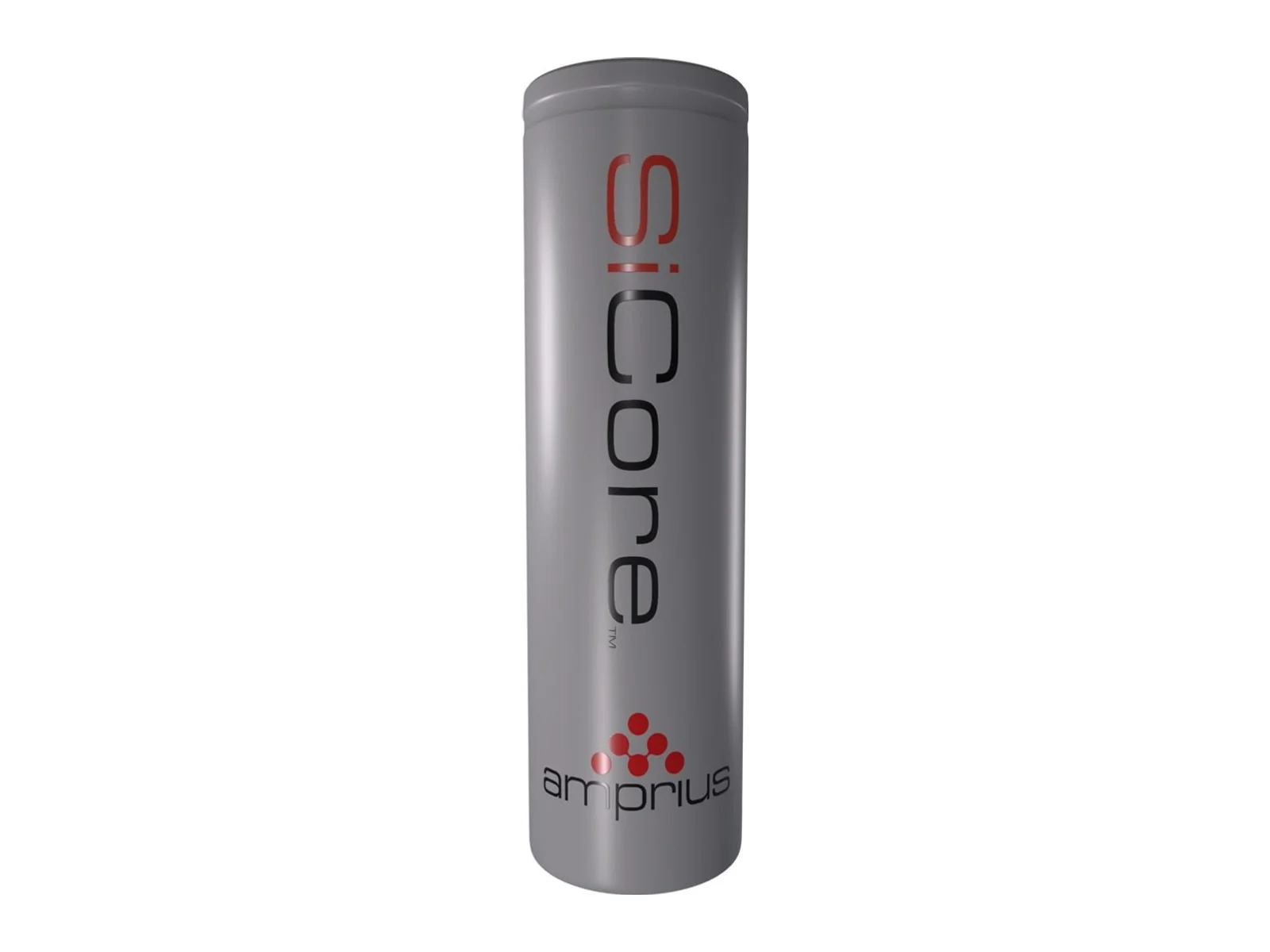
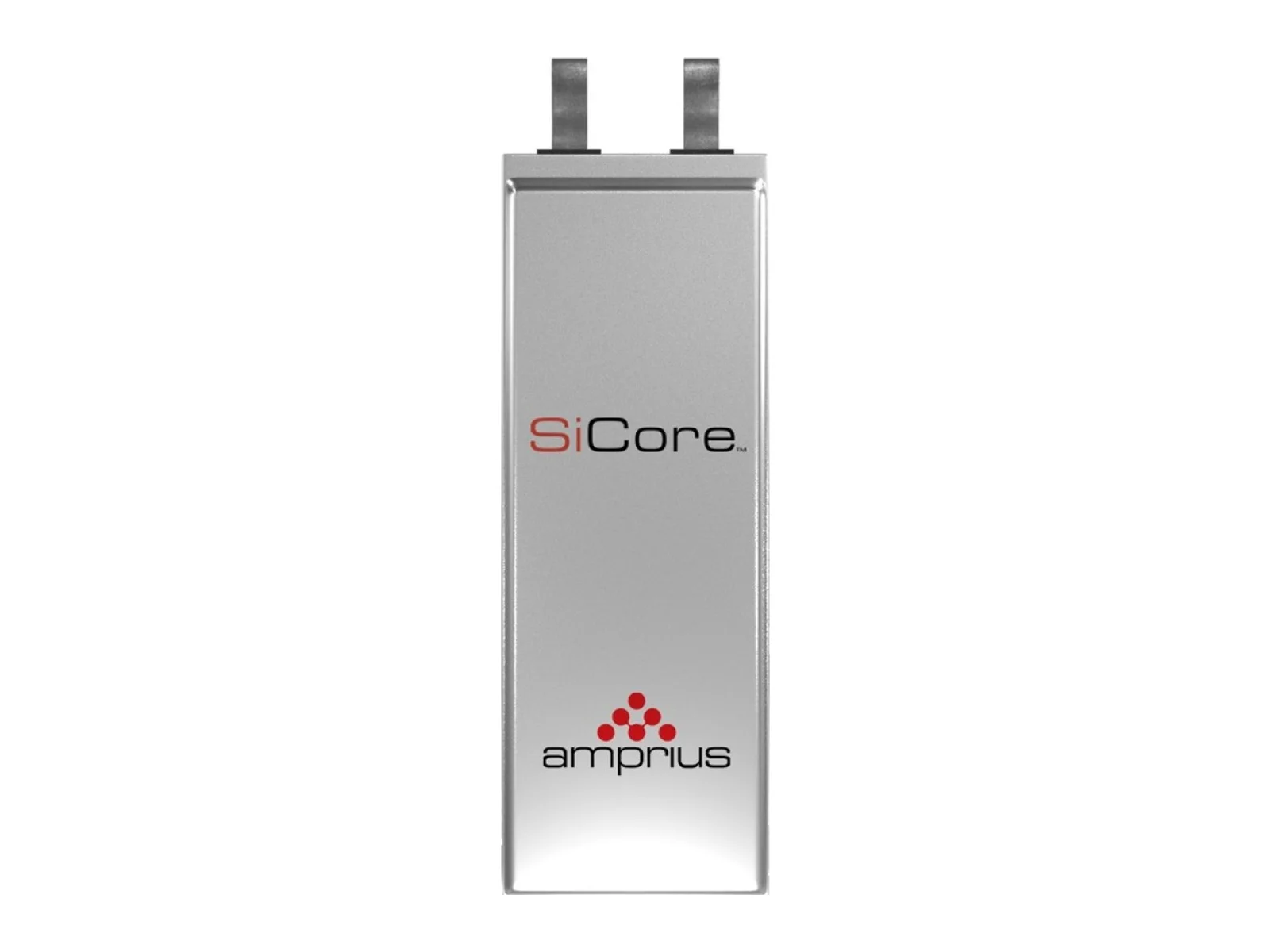
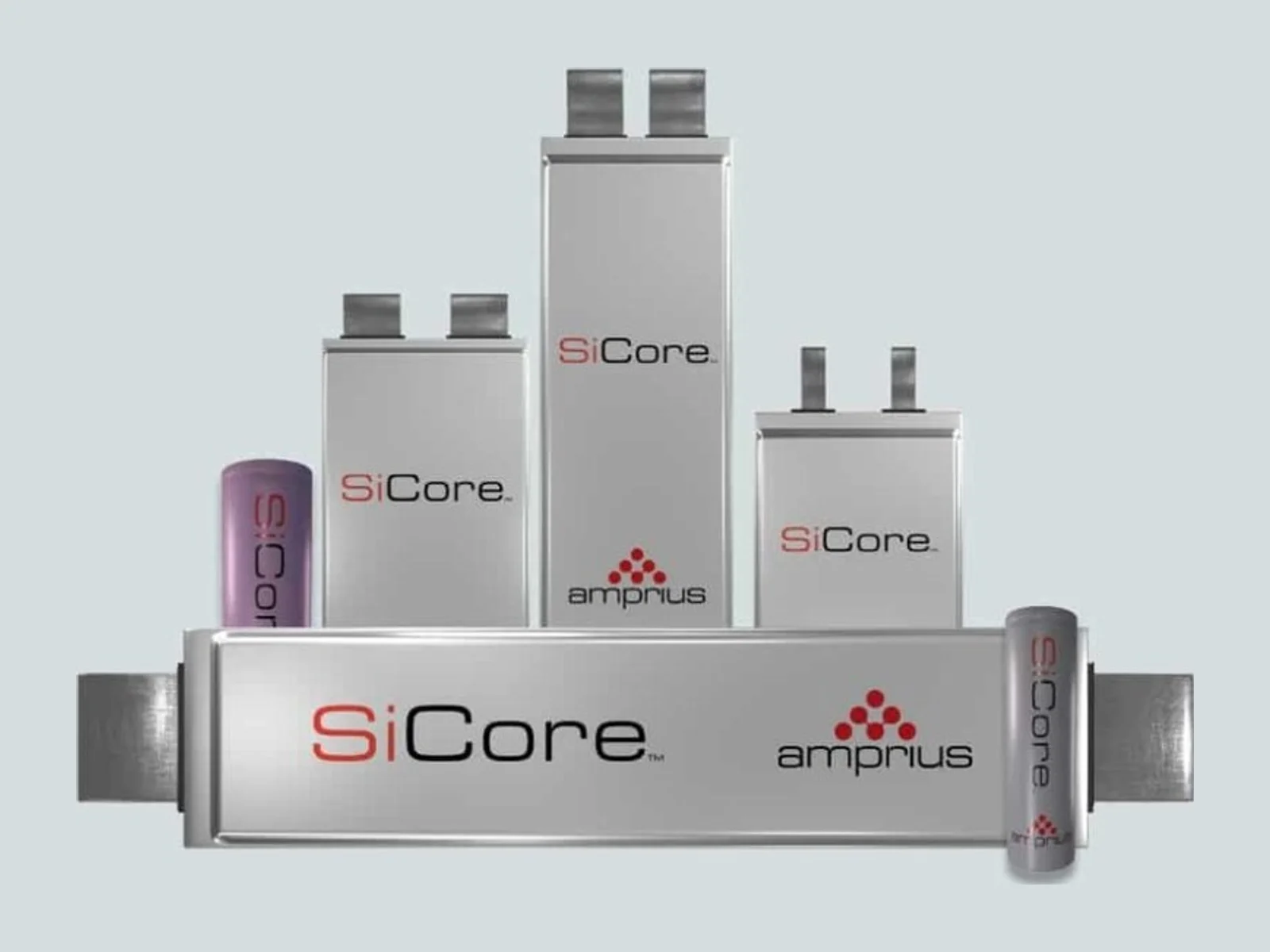
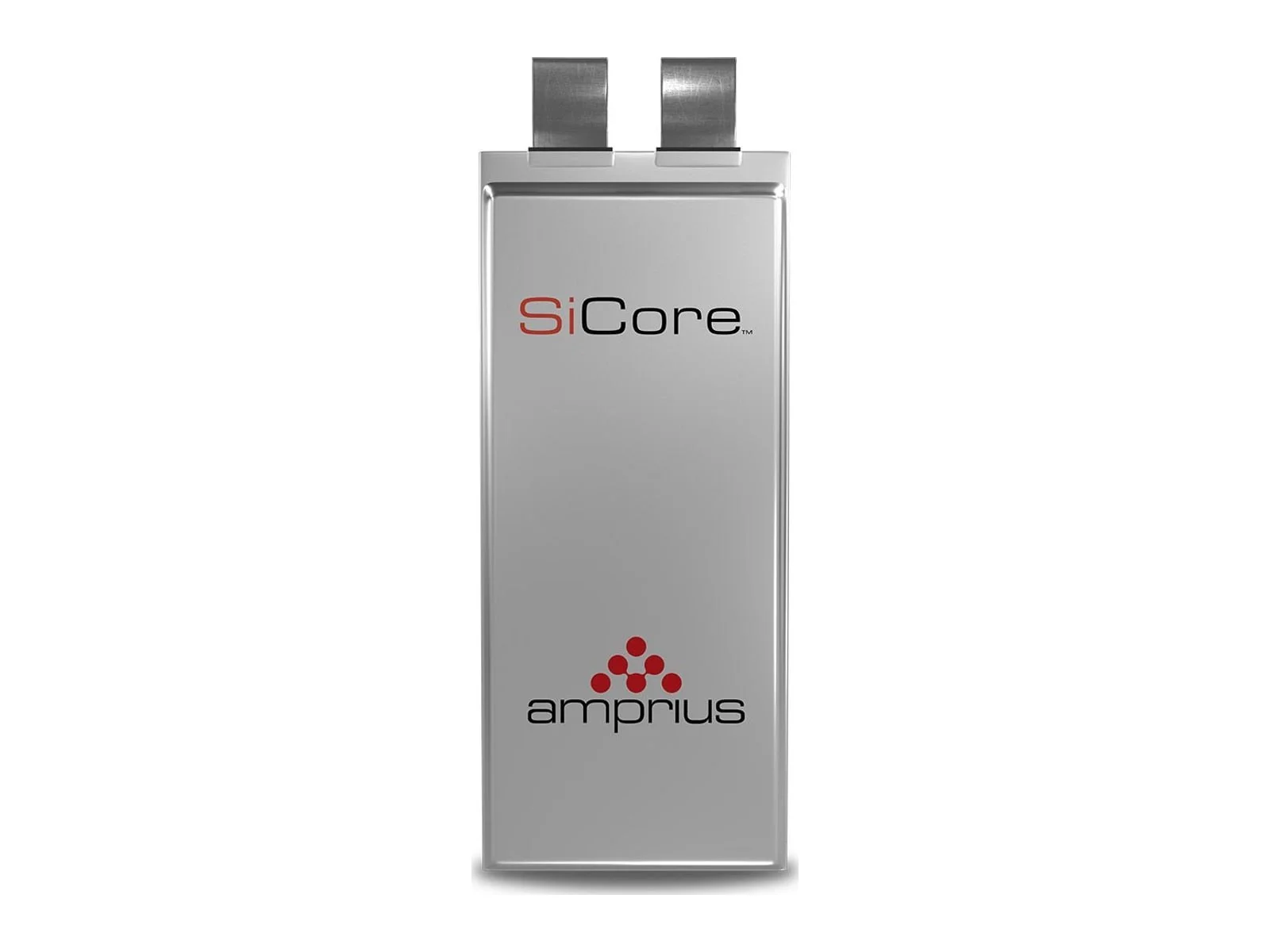
| SA110 SiCore Balanced Power & Energy Cylindrical Cell | Amprius | 400 Wh/kg | 3 C |
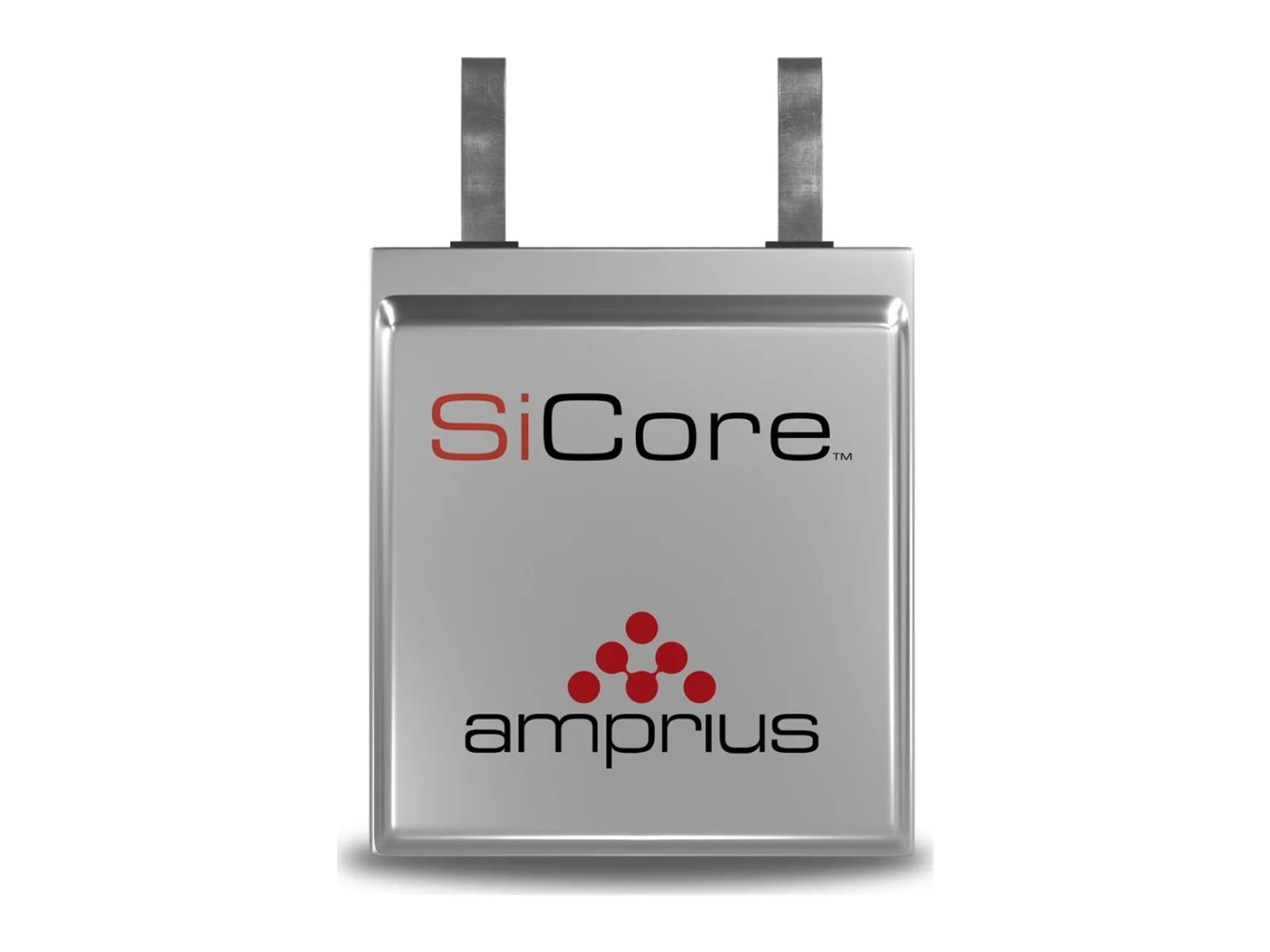
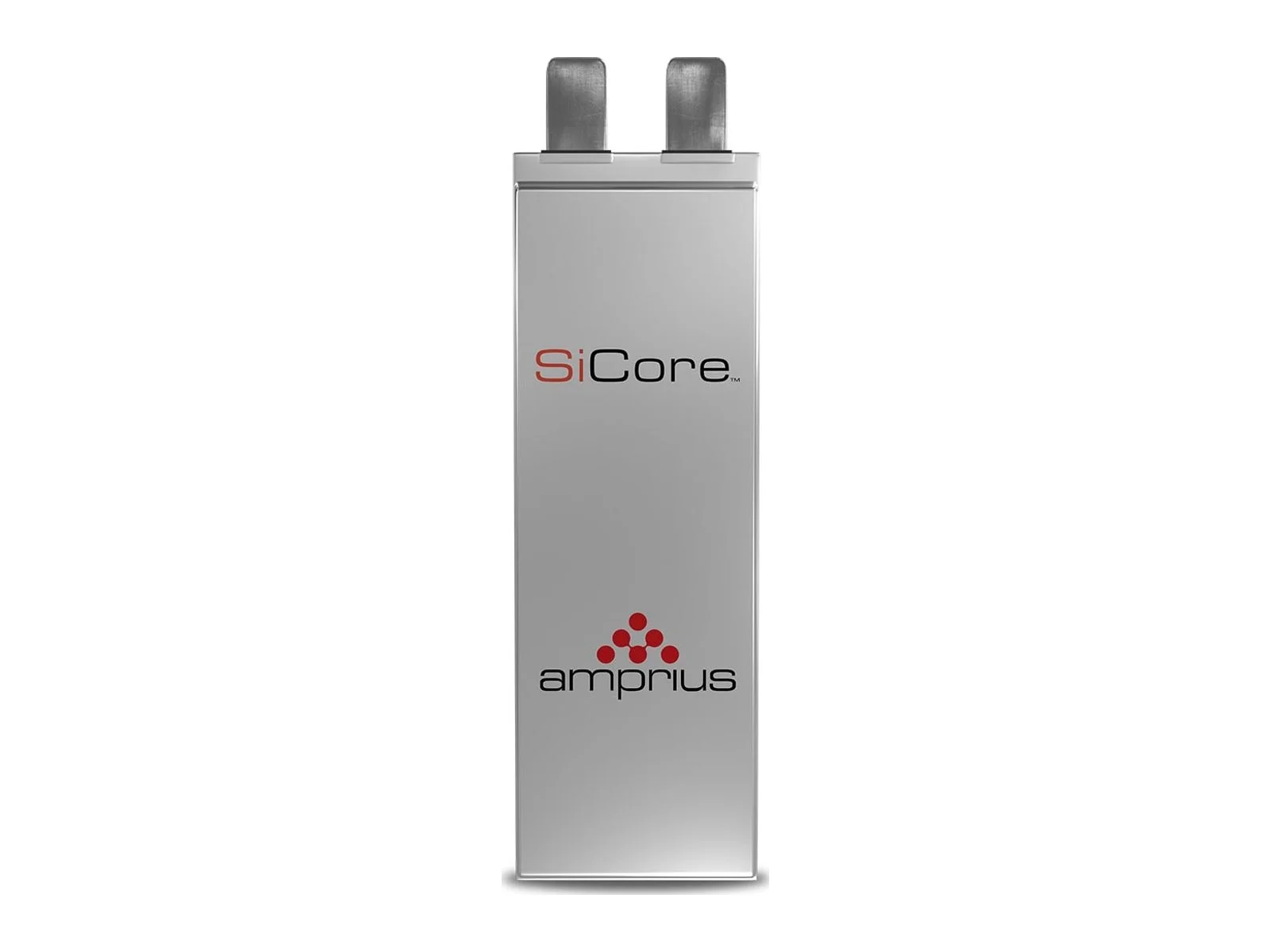
| SA03 SiCore lithium-ion pouch cell | Amprius | 400 Wh/kg | 1 C |
| SA02 SiCore lithium-ion pouch cell | Amprius | 340 Wh/kg | 3 C |
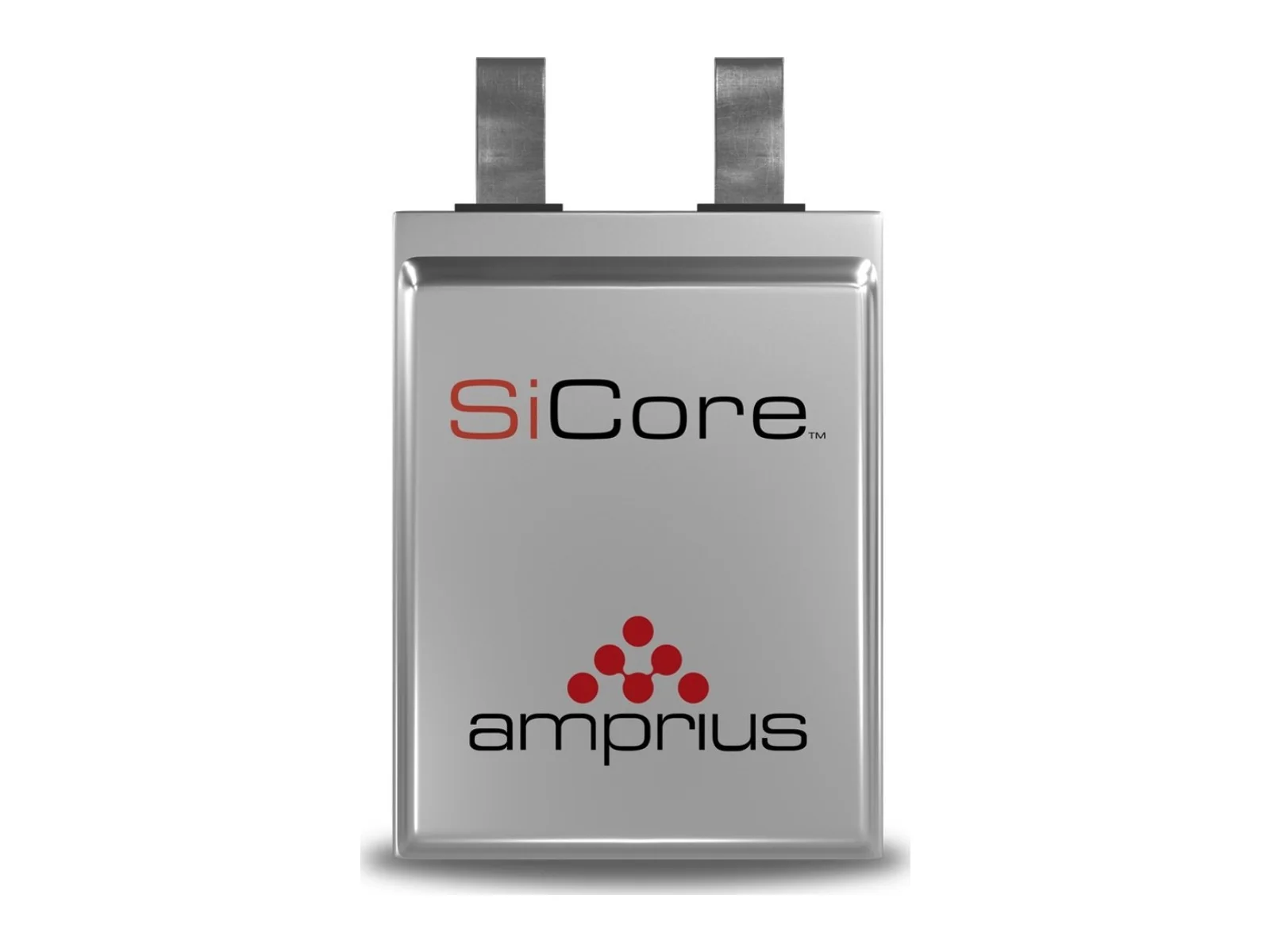
| SA04 SiCore lithium-ion pouch cell | Amprius | 315 Wh/kg | 3 C |
| Li/CFx-MnO2 primary packs battery product | EaglePicher | — | — |
| SA102 SiCore lithium-ion pouch cell | Amprius | 450 Wh/kg | 1 C |
| SA107 SiCore lithium-ion pouch cell | Amprius | 450 Wh/kg | 1 C |
| INR-21700-P45B cylindrical rechargeable battery cell | Molicel | 242 Wh/kg | — |
| SA108 SiCore High Power Pouch Cell | Amprius | 345 Wh/kg | 5 C |
| SA504 SiCore High Power Pouch Cell | Amprius | 390 Wh/kg | 6 C |
| P60B (21700) battery product | Molicel | 280 Wh/kg | — |
Filters
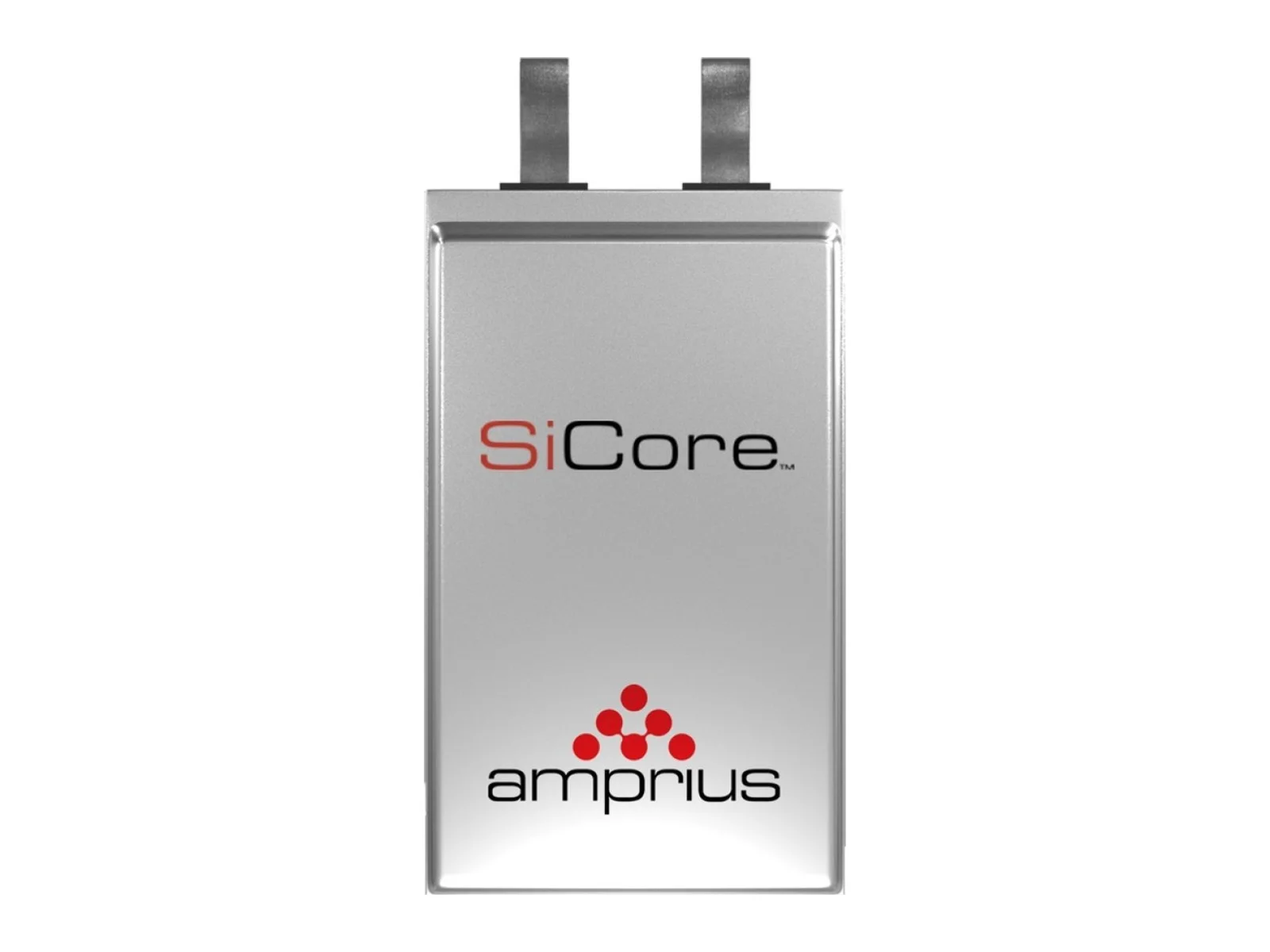
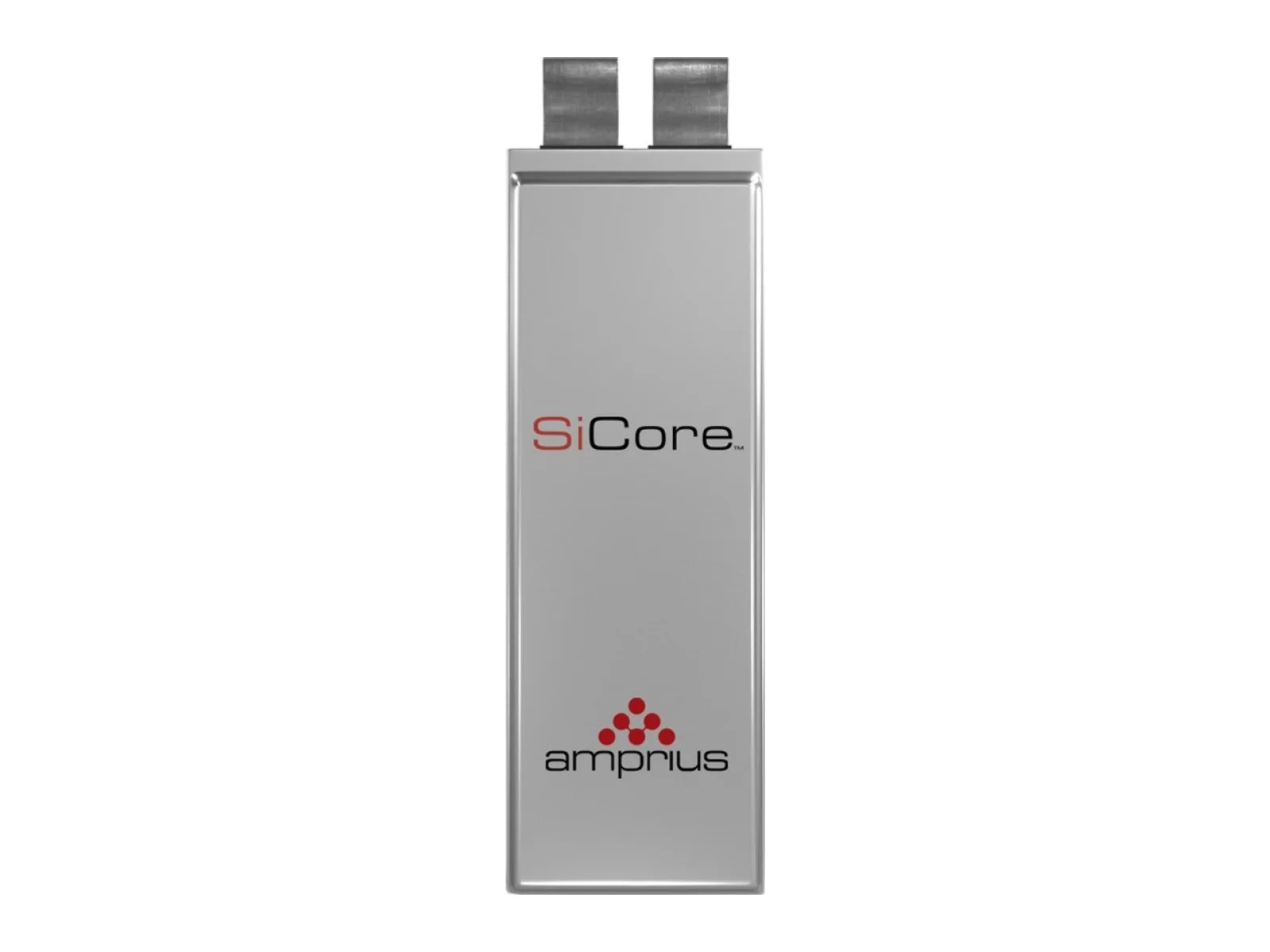
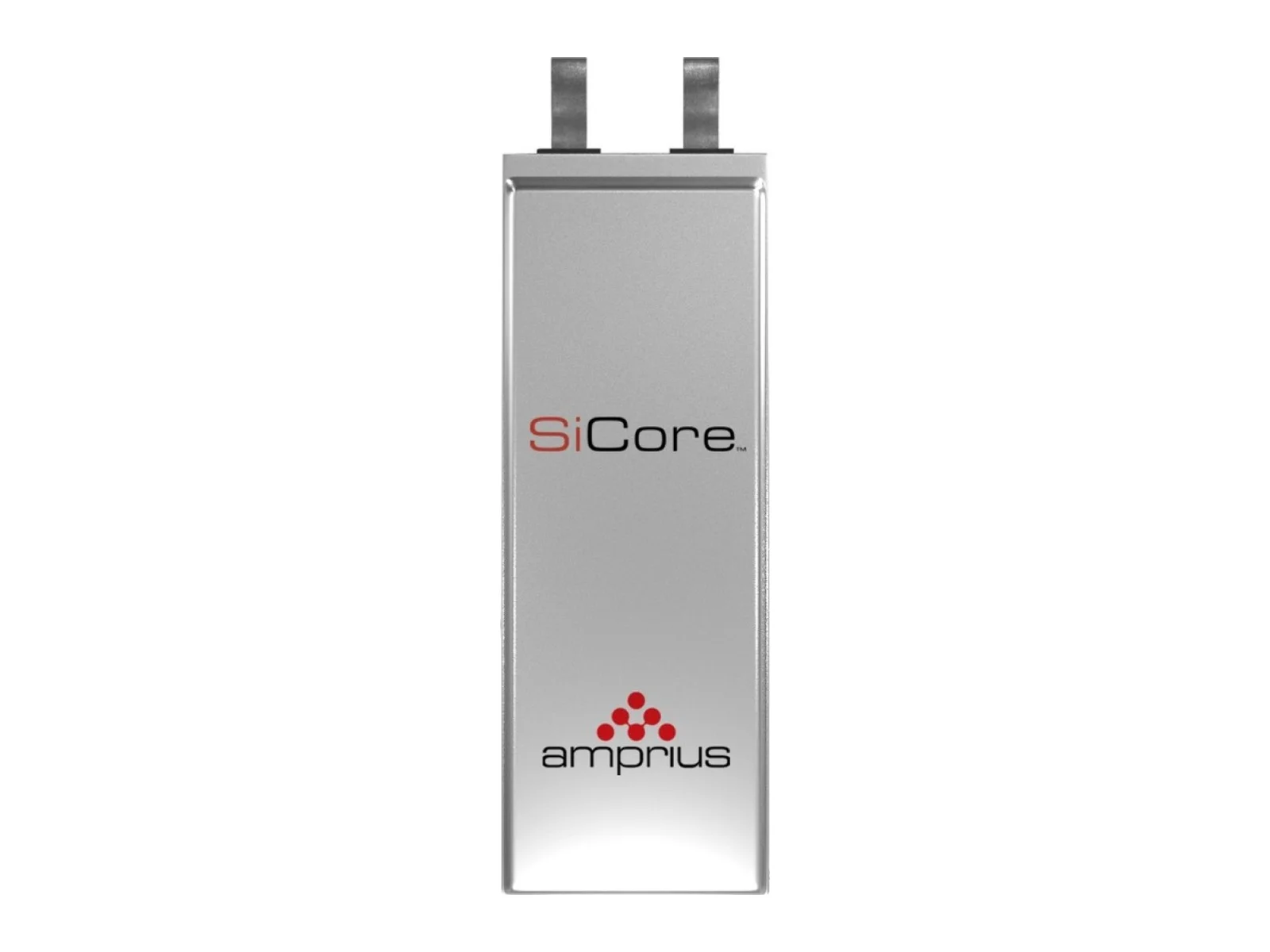
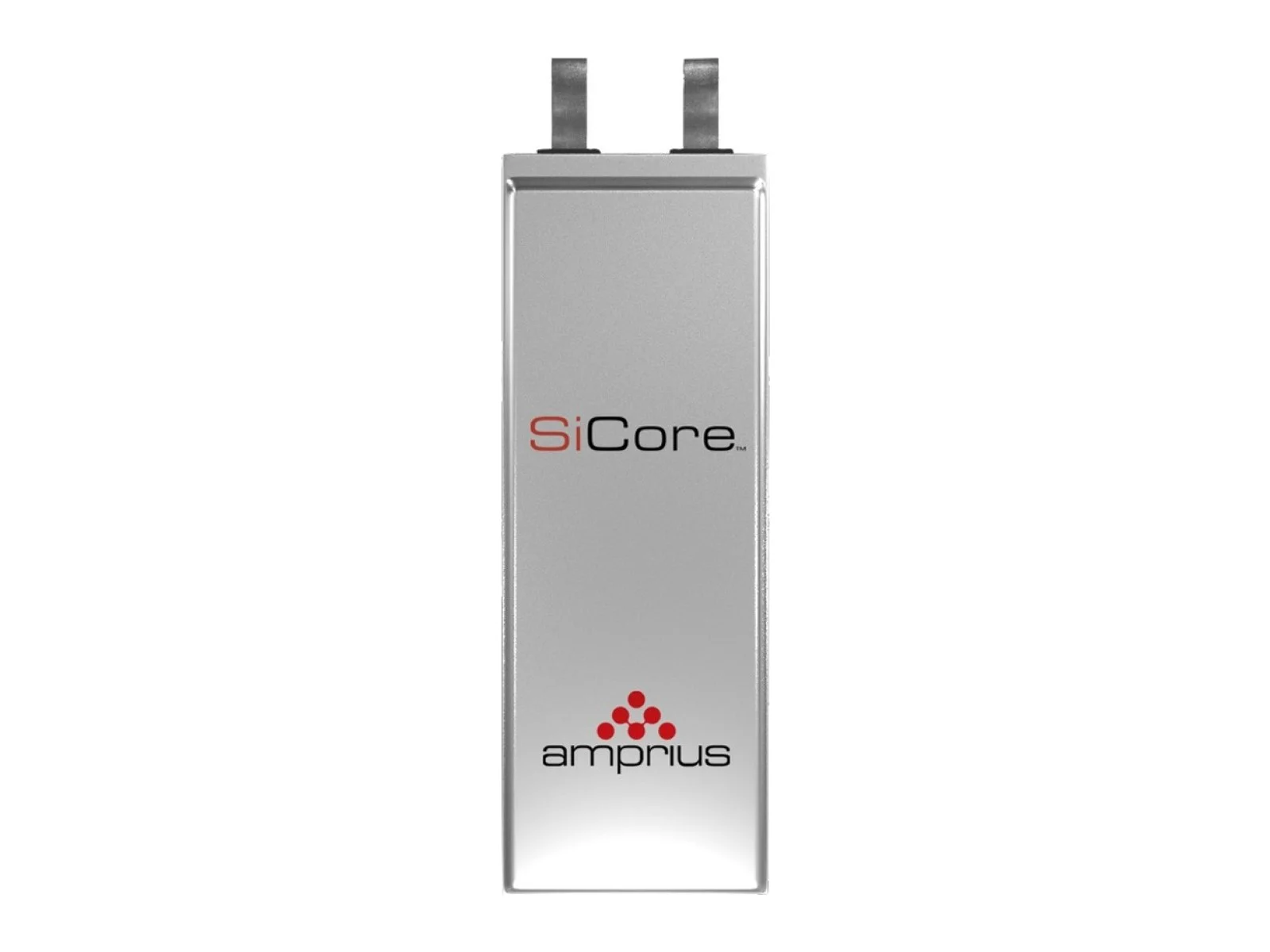
Try removing a filter.
Updated November 12, 2026
Under 25 kg, the battery is often a quarter to a third of take-off mass, so its specific energy sets endurance almost directly.
Lithium batteries ship as dangerous goods under UN 38.3 testing. Packs above 100 Wh face airline and cargo restrictions, which matters for field operations.
Lithium-polymer packs give the highest power for multirotors; lithium-ion cylindrical cells give more energy per kilogram for long, steady flights such as fixed-wing cruise. Semi-solid and silicon-anode cells raise energy further at higher cost.
Divide usable energy (capacity × nominal voltage × usable fraction, typically 80 %) by the average power drawn in flight. Cold weather and ageing reduce the result.
Yes, with limits. They must pass UN 38.3 tests; packs up to 100 Wh are generally accepted in carry-on baggage, 100 to 160 Wh need airline approval, and larger packs go as declared dangerous-goods cargo.
Brake specific fuel consumption (BSFC) is the mass of fuel an engine burns per unit of shaft energy delivered, usually in g/(kW·h); a lower value means a more efficient engine.
Disc loading is the aircraft's weight (or thrust) divided by the total area swept by its rotors or propellers, in kg/m2 or lb/ft2; it largely sets hover power and downwash.
A heavy-fuel engine is a combustion engine able to run on kerosene-type or diesel fuels such as JP-8 or Jet A-1 instead of gasoline, simplifying logistics and reducing fire risk.
The Kv rating of a brushless motor is its speed constant in rpm per volt, the no-load speed reached for each volt applied; it is the inverse of the back-EMF constant.
A PEM fuel cell is an electrochemical cell that turns hydrogen and oxygen from air into electricity across a solid polymer membrane at low temperature, giving a quiet, light power source for long-endurance drones and eVTOL aircraft.
A silicon anode is a lithium-ion negative electrode in which silicon, alone or blended with graphite, stores lithium, raising cell capacity and specific energy while swelling heavily during charge.
A literature-based review of air path and fuel-film models, feedforward-plus-feedback air-fuel ratio control, delay-limited bandwidth, sensor-failure detection and the regulatory requirements for electronic engine control.
A literature-based review of how axial-flux permanent-magnet machines are sized for direct-drive lift rotors: hover torque requirement, torque-sizing relations, design and optimisation methods, reported parameter ranges, fault behaviour and regulatory context.
For eVTOL aircraft, CATL aims to reach a battery energy density of 350 Wh/kg or more. Robin Zeng, who is chairman and CEO, names the number during the 2026 APEC CEO Summit in Shenzhen. The company adds that take-off and landing power…
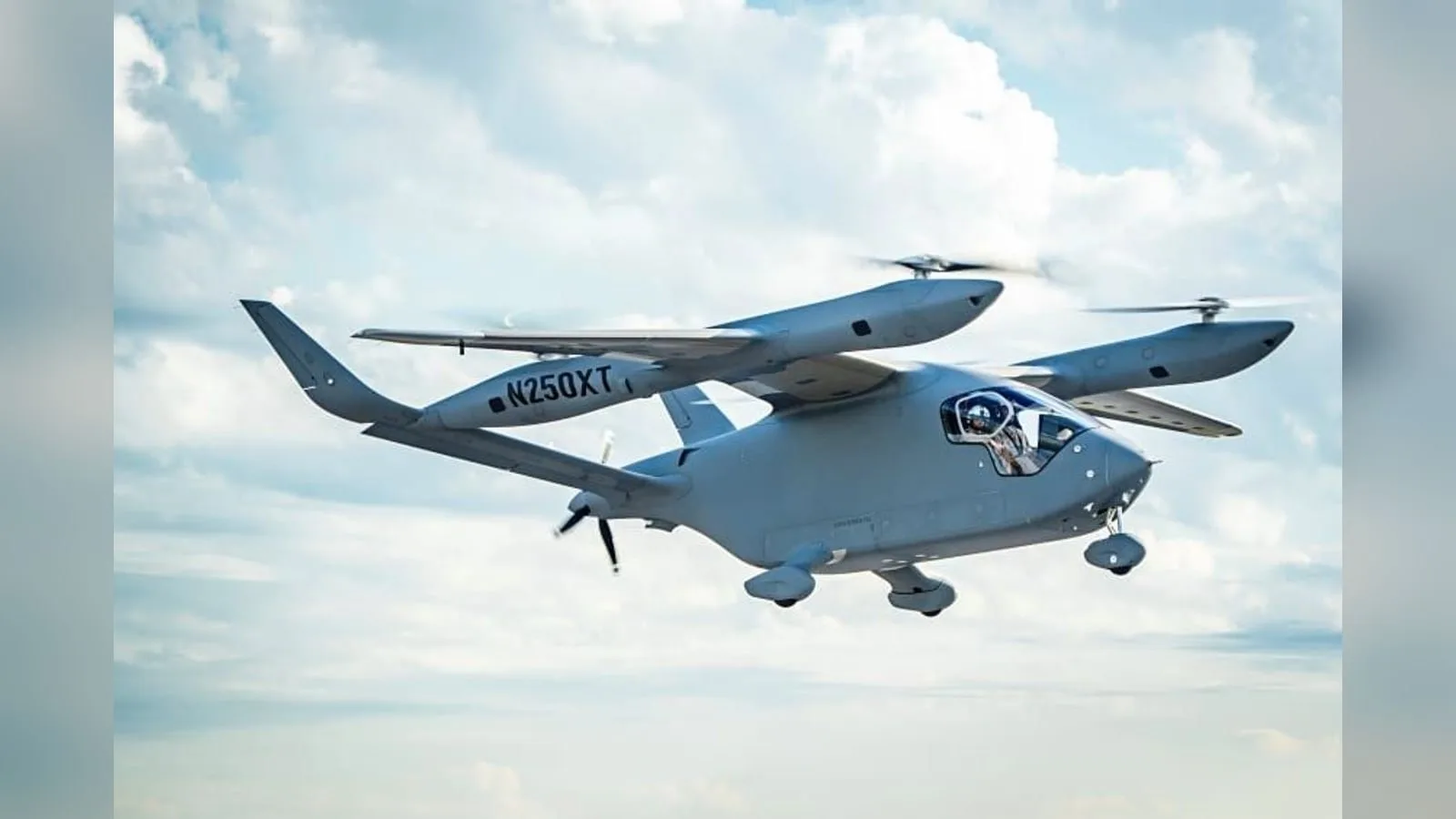
Astronics and BETA Technologies agree on series supply of CorePower electrical power systems for three BETA aircraft. The deal moves power hardware that has flown on BETA's development fleet since 2024 into production.
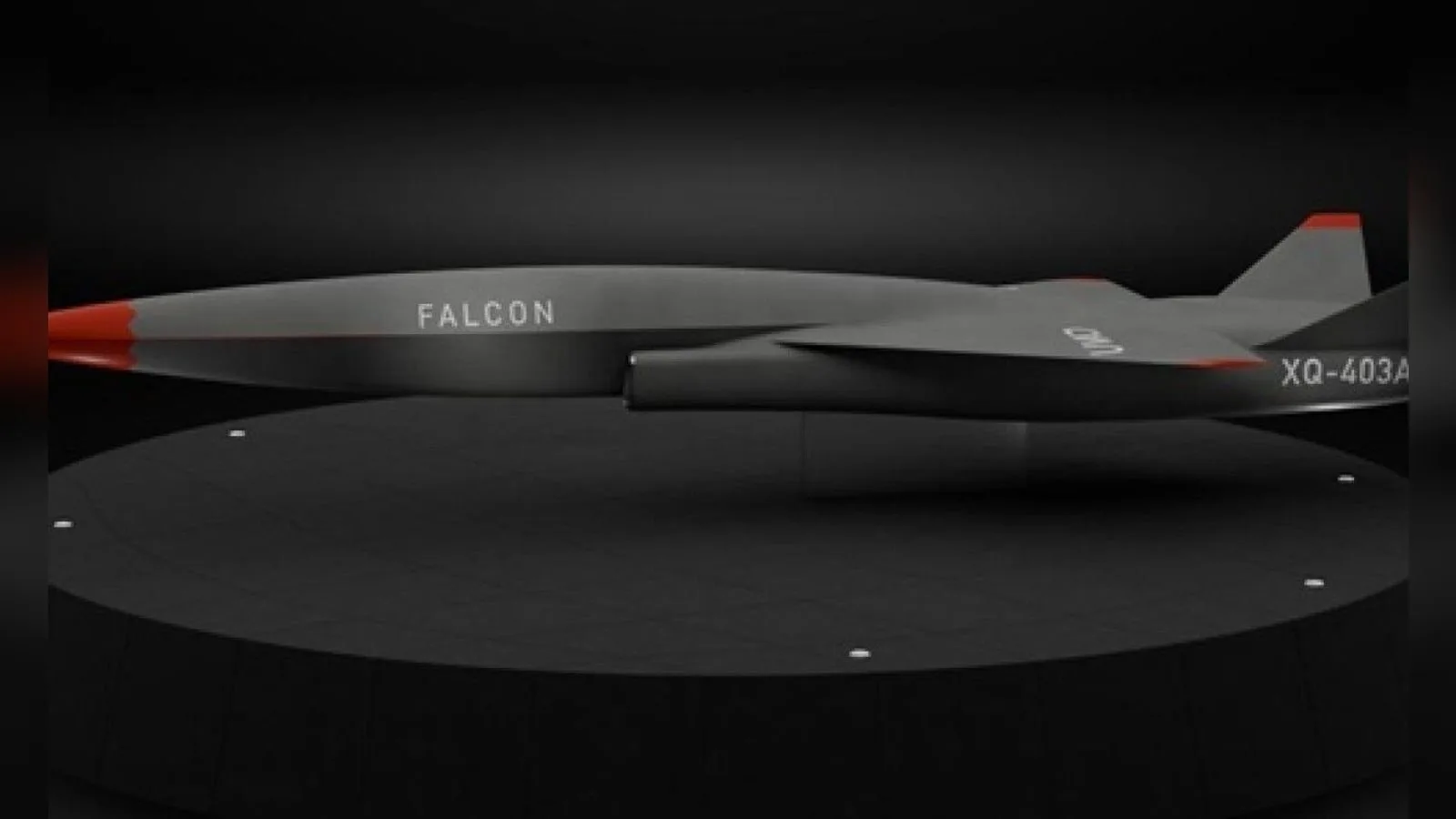
Falcon is a reusable supersonic uncrewed aerial target for missile-defense training, and its propulsion is the subject of a partnership between Safran Power Units and UVAD Technologies. Safran supplies two turbojet engines, and flight…