Unverified
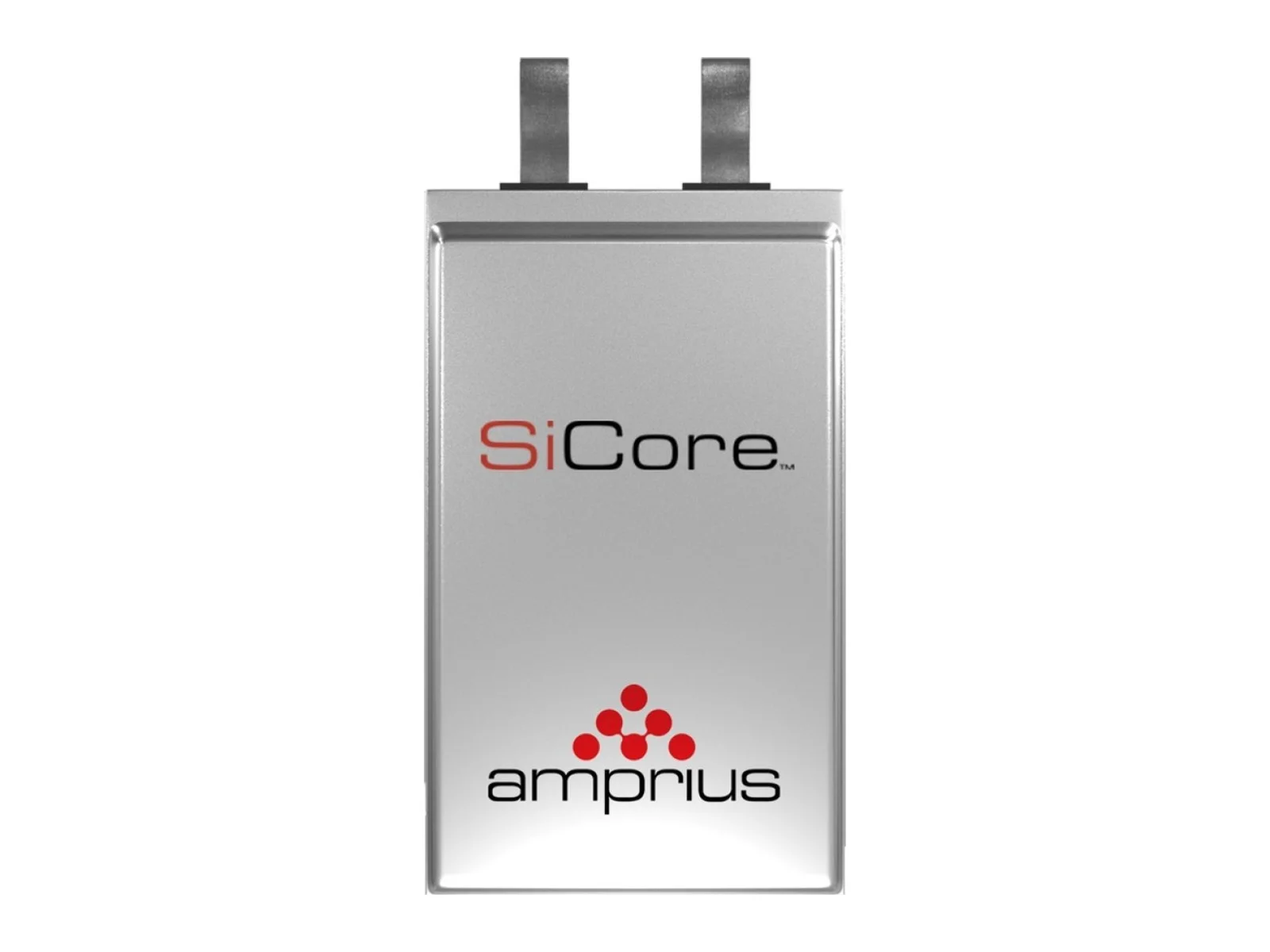
SA108 SiCore High Power Pouch Cell
Also known as: SA-108, SA 108, Amprius SA108
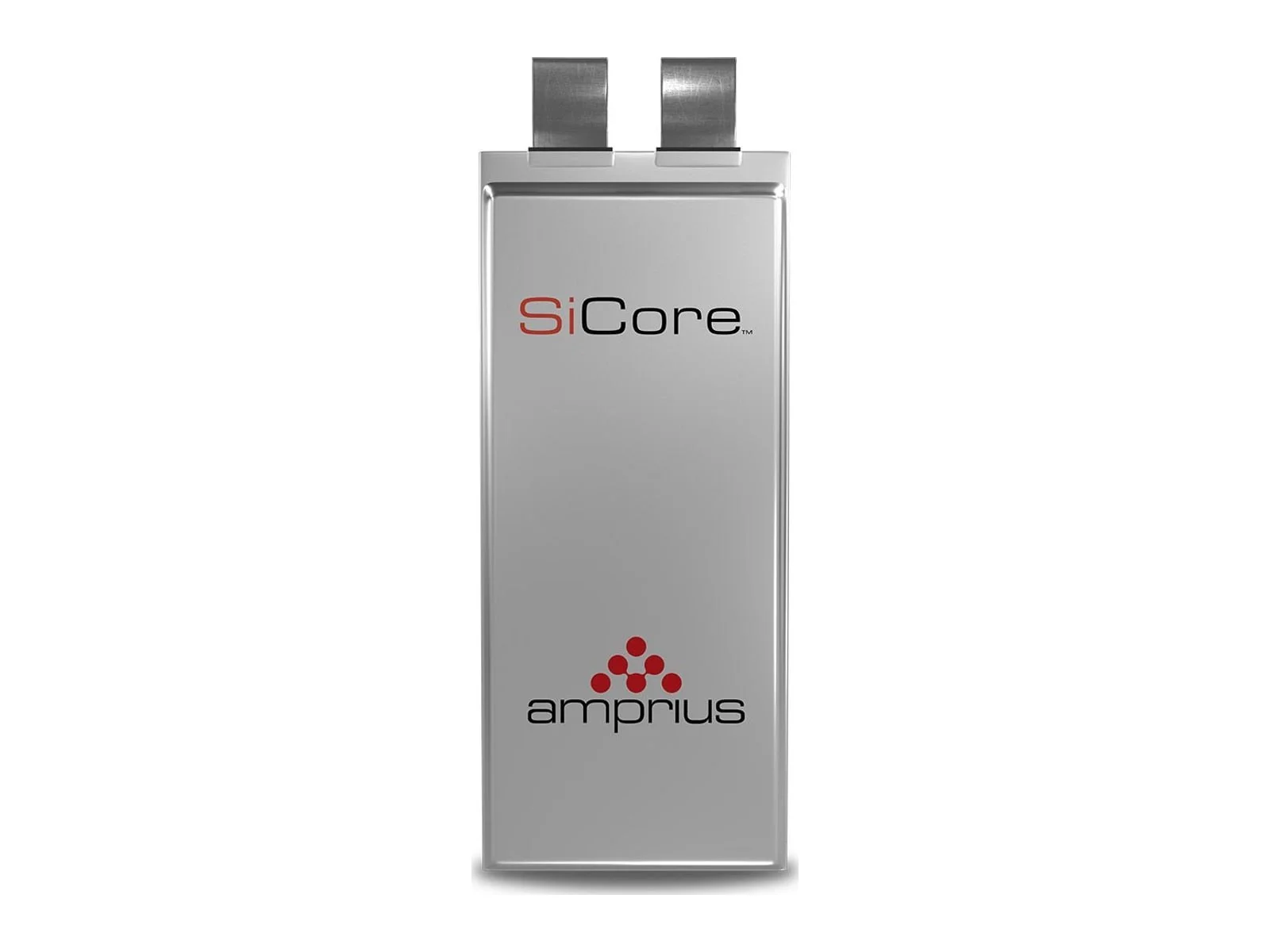
The SA108 is a high power pouch cell designed for energy storage in professional uncrewed systems. It provides a specific energy of 345 Wh/kg and a continuous discharge rate of 5 C.
Description
The SA108 SiCore High Power Pouch Cell, manufactured by Amprius Technologies, is a high power pouch cell designed for energy storage in professional uncrewed systems. This component provides the energy density required for demanding flight operations where weight management is a critical factor for system performance.
This cell delivers a specific energy of 345 Wh/kg, allowing for the optimization of payload capacity or flight duration. With a continuous discharge rate of 5 C, the cell supports high power output requirements during operation. The volumetric energy density is 750 Wh/L, which assists in the design of compact energy storage systems within constrained airframe volumes.
The physical dimensions of the cell are 116.5 mm in length and 49.0 mm in width. The capacity of the unit is 10.1 Ah. These specifications provide the baseline for integrators to calculate the total energy storage capacity and physical footprint required for specific mission profiles.
The cycle life of the SA108 is 200 cycles. This figure serves as a reference for integrators when evaluating the operational lifespan of the battery within their systems. The cell is designed to meet the power demands of professional applications that require high energy density and consistent discharge performance.
SA108 specifications
| General | |
|---|---|
| Grade | Professional[1] |
| Market | Dual-use[1] |
| Platform class | Small UAS (<25 kg), Large UAS (25–150 kg), Heavy UAS (>150 kg), eVTOL[1] |
| Airframe | Any[1] |
| Availability | In production[1] |
| Dimensions (L × W × H, mm) | 116.5 mm × 49.0 mm[1] |
| Waterproofness (IP rating) | None[1] |
| Key specifications | |
| Specific energy | 345 Wh/kg[1] |
| Continuous discharge rate | 5 C[1] |
| Chemistry | Li-ion silicon anode[1] |
| Additional specifications | |
| Capacity | 10.1 Ah[1] |
| Product level | Cell[1] |
| Cell format | Pouch[1] |
| Cycle life | 200 cycles[1] |
| BMS | No[1] |
| Thermal runaway containment | No[1] |
Reviews & Ratings
– / 5
No reviews yet. Be the first to rate.
Rate this product
Almost done: send the form below to publish your rating.
Thank you: your review is published and already counts in the rating.
Demo mode: the form is not connected yet and nothing was sent.






Similar batteries from other manufacturers
 FeaturedBatteries
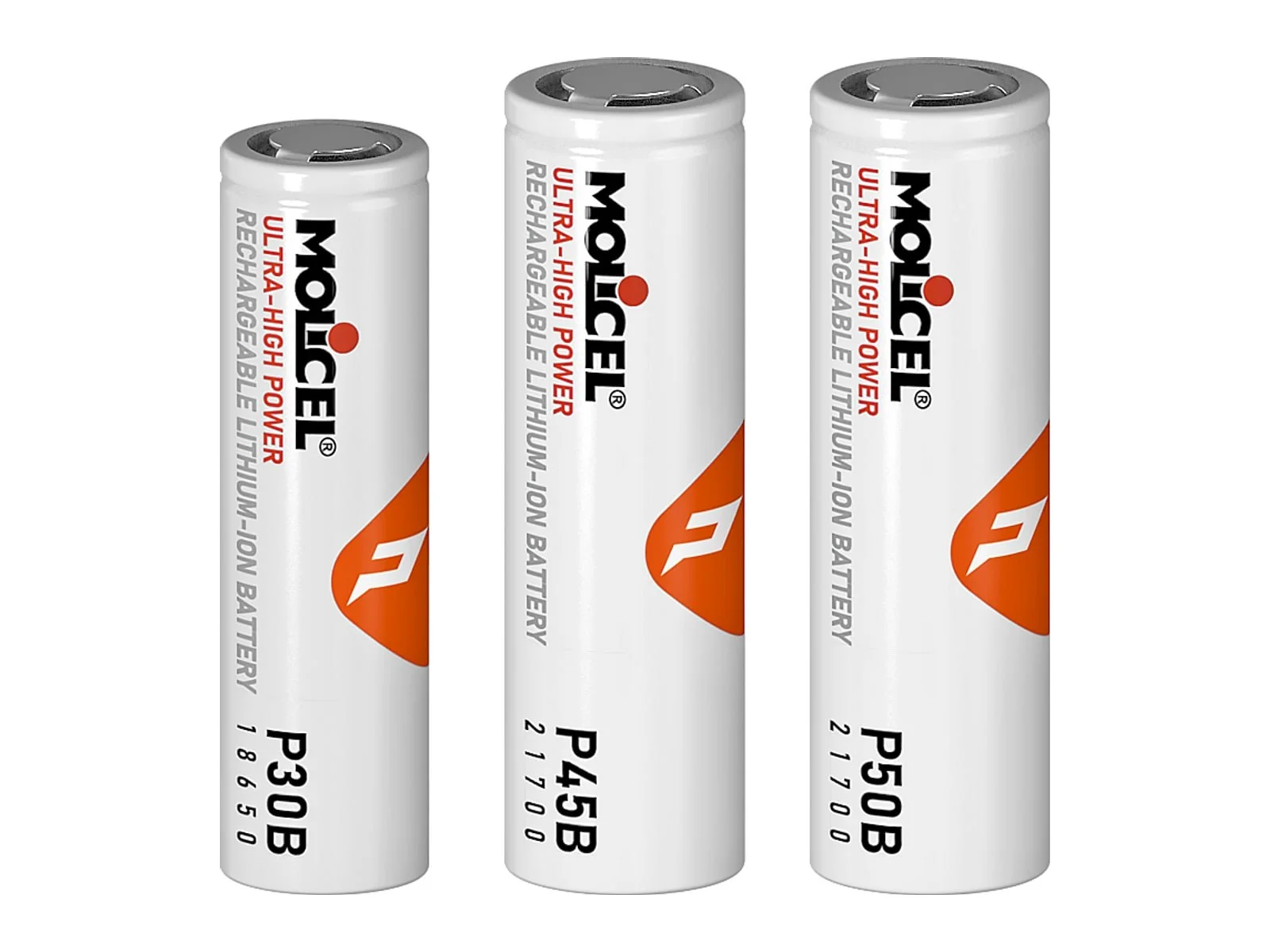
INR-21700-P45B cylindrical rechargeable battery cell
- Energy
- 16.2 Wh
- Nominal voltage
- 3.6 V
- Specific energy
- 242 Wh/kg
 Featured
 FeaturedBatteries
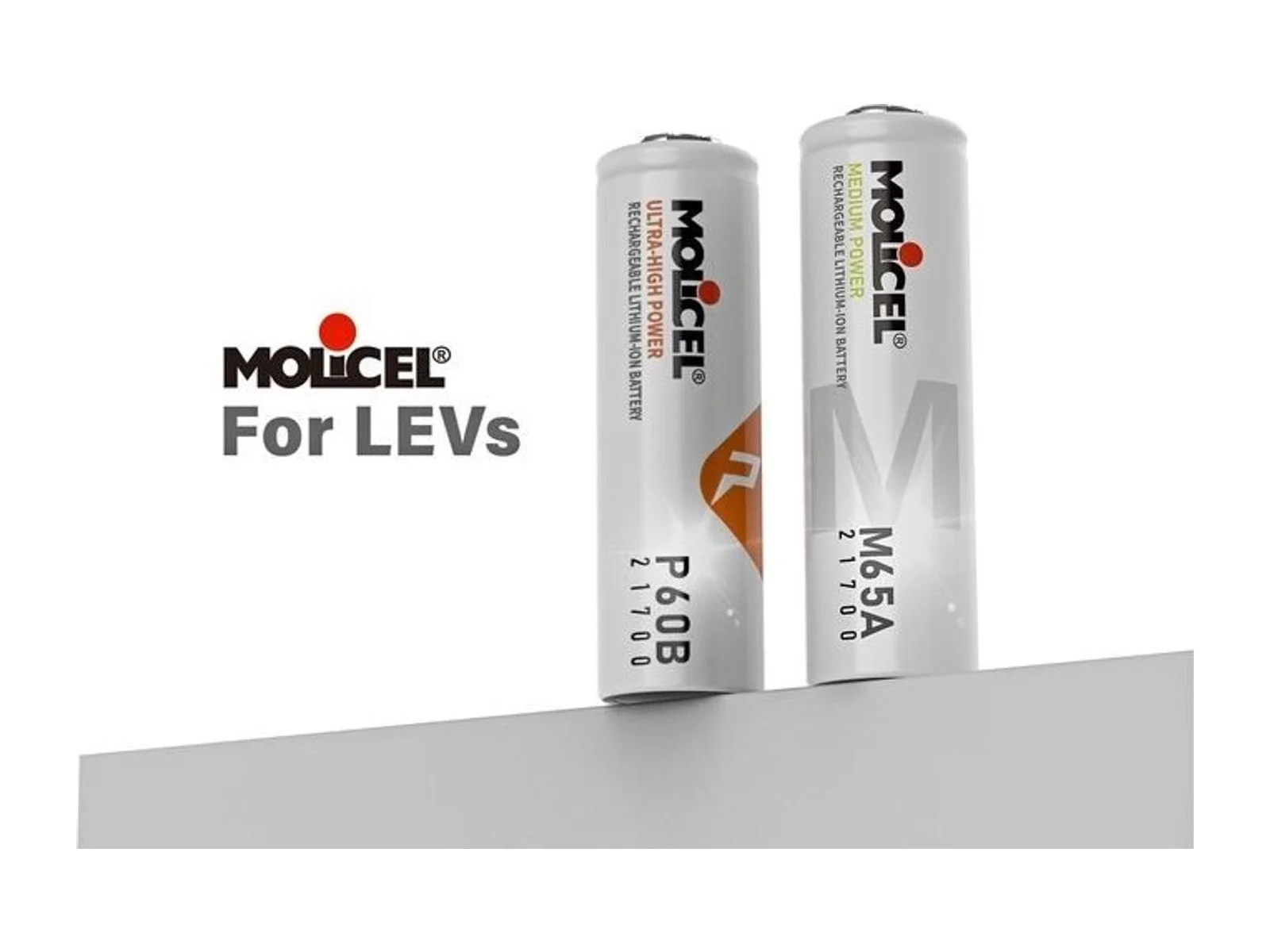
INR-21700-P50B cylindrical rechargeable battery cell
- Energy
- 18 Wh
- Nominal voltage
- 3.6 V
- Specific energy
- 260 Wh/kg
- FeaturedBatteries
INR-18650-P28A lithium-ion cell
- Nominal voltage
- 3.6 V
- Specific energy
- 219 Wh/kg
- Chemistry
- Li-ion NMC
- FeaturedBatteries
INR-18650-P26A lithium-ion rechargeable battery cell
- Energy
- 9.5 Wh
- Nominal voltage
- 3.6 V
- Specific energy
- 190 Wh/kg
- Featured
More from Amprius
 FeaturedBatteries
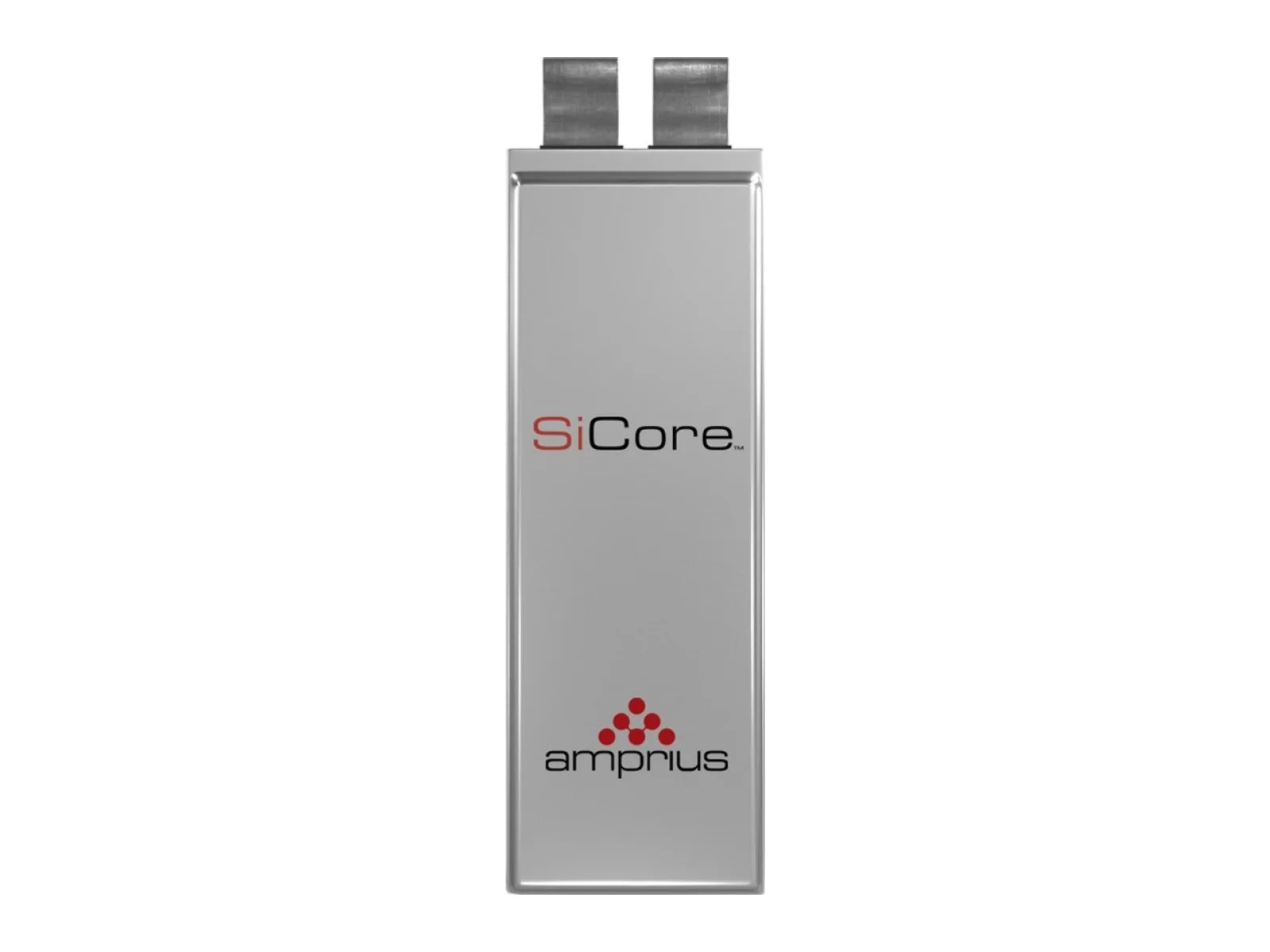
SA08 SiCore lithium-ion pouch cell
- Specific energy
- 345 Wh/kg
- Continuous discharge rate
- 5 C
- Chemistry
- Li-ion silicon anode
 FeaturedBatteries
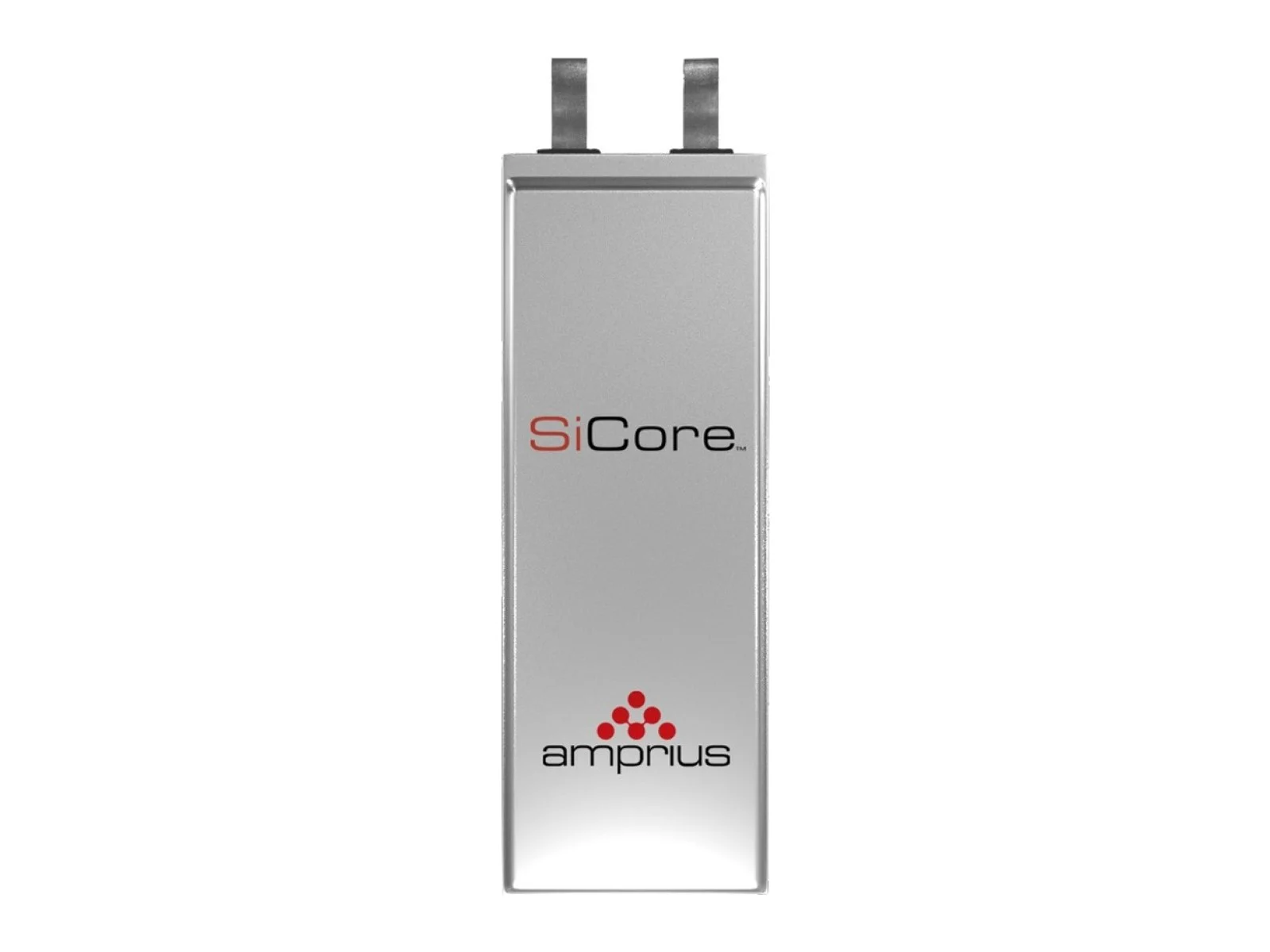
SA02 SiCore lithium-ion pouch cell
- Specific energy
- 340 Wh/kg
- Continuous discharge rate
- 3 C
- Chemistry
- Li-ion silicon anode
 FeaturedBatteries
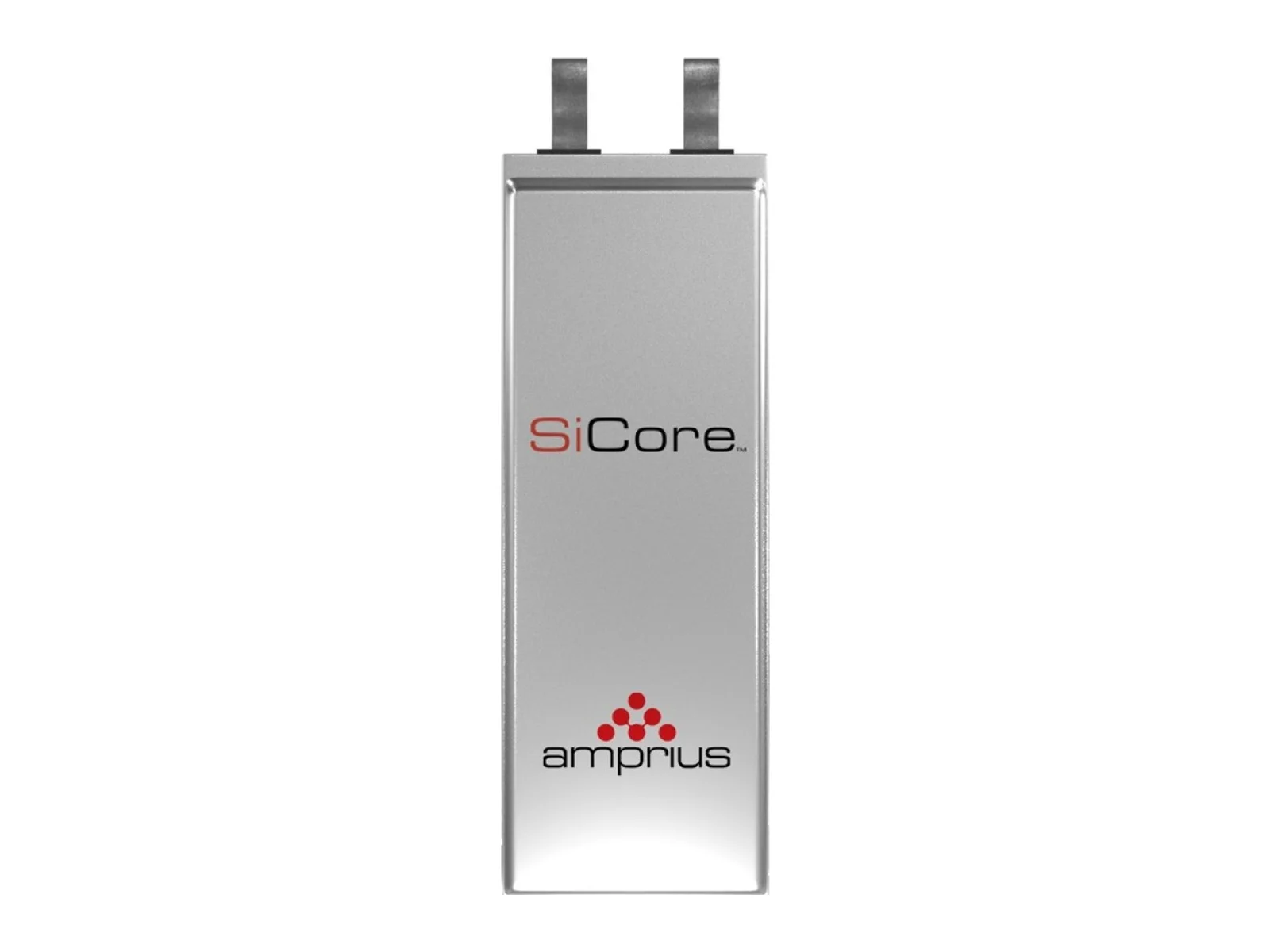
SA04 SiCore lithium-ion pouch cell
- Specific energy
- 315 Wh/kg
- Continuous discharge rate
- 3 C
- Chemistry
- Li-ion silicon anode
 FeaturedBatteries
SA09 SiCore lithium-ion pouch cell
- Specific energy
- 395 Wh/kg
- Continuous discharge rate
- 1 C
- Chemistry
- Li-ion silicon anode
Key terms
- brake specific fuel consumption (BSFC)
Brake specific fuel consumption (BSFC) is the mass of fuel an engine burns per unit of shaft energy delivered, usually in g/(kW·h); a lower value means a more efficient engine.
- disc loading
Disc loading is the aircraft's weight (or thrust) divided by the total area swept by its rotors or propellers, in kg/m2 or lb/ft2; it largely sets hover power and downwash.
- heavy-fuel engine
A heavy-fuel engine is a combustion engine able to run on kerosene-type or diesel fuels such as JP-8 or Jet A-1 instead of gasoline, simplifying logistics and reducing fire risk.
- Kv rating
The Kv rating of a brushless motor is its speed constant in rpm per volt, the no-load speed reached for each volt applied; it is the inverse of the back-EMF constant.
Related news
CATL works towards 350 Wh/kg battery energy density for eVTOL
For eVTOL aircraft, CATL aims to reach a battery energy density of 350 Wh/kg or more. Robin Zeng, who is chairman and CEO, names the number during the 2026 APEC CEO Summit in Shenzhen. The company adds that take-off and landing power…

Amprius taps CAMINUS for US silicon-anode pouch cell output
CAMINUS, the Indianapolis cell maker formerly known as EnPower, signs a contract manufacturing agreement with Amprius Technologies to build Amprius-designed silicon-anode pouch cells in the United States. Amprius gains a US production…

Amprius wins grant for US battery-line conversion
Amprius Technologies is granted up to $75 million by the U.S. Department of War to convert an American EV battery line to cells for unmanned aircraft. The line will make Amprius pouch cells compliant with NDAA sourcing rules for drones in…
This product listing is maintained by our editorial team and may contain errors. Last updated .